

Character
The Story of Guaiac Wood
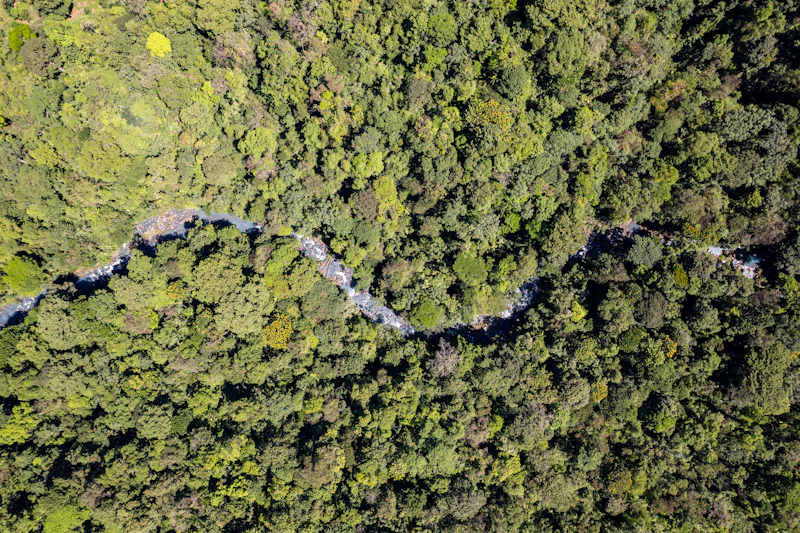
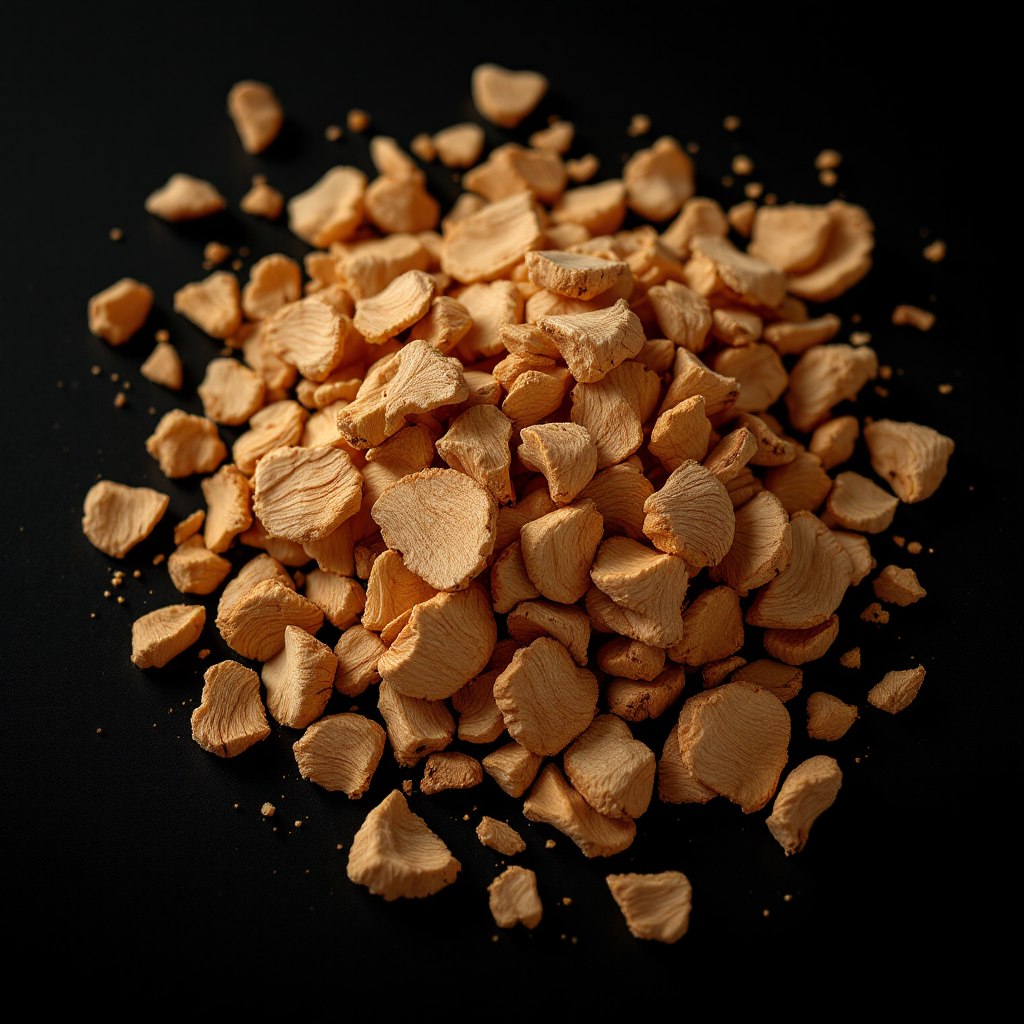
Guaiac wood is a smoky, creamy wood note with a distinctive rosy-tea facet that sets it apart from other woody materials. Its scent is warm and dry, with a subtle sweetness reminiscent of aged paper and dried flowers - a quiet sophistication that makes it a favorite in niche and artisanal perfumery. Bulnesia sarmientoi, the tree from which guaiac wood oil is extracted, grows in the dry forests of Argentina and Paraguay. The heartwood is steam-distilled to yield a thick, bluish-green oil rich in guaiol and bulnesol. Due to overharvesting, the tree is now classified as vulnerable, and sustainable sourcing has become a priority for the fragrance industry. The oil solidifies at room temperature, a testament to its resinous density. In composition, guaiac wood provides a smoky bridge between fresh top notes and heavier base notes, pairing beautifully with vetiver, iris, and leather accords. It is a key component of many modern woody-mineral fragrances that seek depth without heaviness.
Heritage
Guaiac wood entered European consciousness under the name "Lignum Vitae" — the "wood of life" — when Spanish explorers encountered it in South America during the early sixteenth century. Indigenous Guarani and other Chaco peoples had long used the wood and its resin medicinally, treating ailments from arthritis to respiratory infections, and the Spanish quickly adopted it as a purported cure for syphilis, which was ravaging Europe at the time. The wood was imported in vast quantities, and for a period it was one of the most valuable commodities flowing from the New World to the Old, rivaling silver in the holds of treasure galleons.
Beyond medicine, guaiac wood's extraordinary density and self-lubricating properties — the resin within the wood creates a naturally low-friction surface — made it indispensable in naval engineering. Until the twentieth century, the stern tube bearings of nearly every submarine and steamship were fashioned from Lignum Vitae, and the wood was used for police truncheons, cricket bails, and bowling balls. In perfumery, guaiac wood found its niche in the twentieth century as a smoky, sophisticated base note, appearing in landmark compositions like Guerlain's Vetiver and Chanel's Sycomore. Its ability to add a refined, quietly smoldering quality to woody and leather accords has made it a favorite of perfumers seeking depth without heaviness.
At a Glance
160
Feature this note
Woody
Olfactive group
Natural
Botanical origin
Paraguay
Primary source region
Ingredient Details
Steam distillation
Heartwood
Did You Know
"Guaiac wood is so dense it sinks in water - it was once used to make ship propeller bearings."
Pyramid Presence