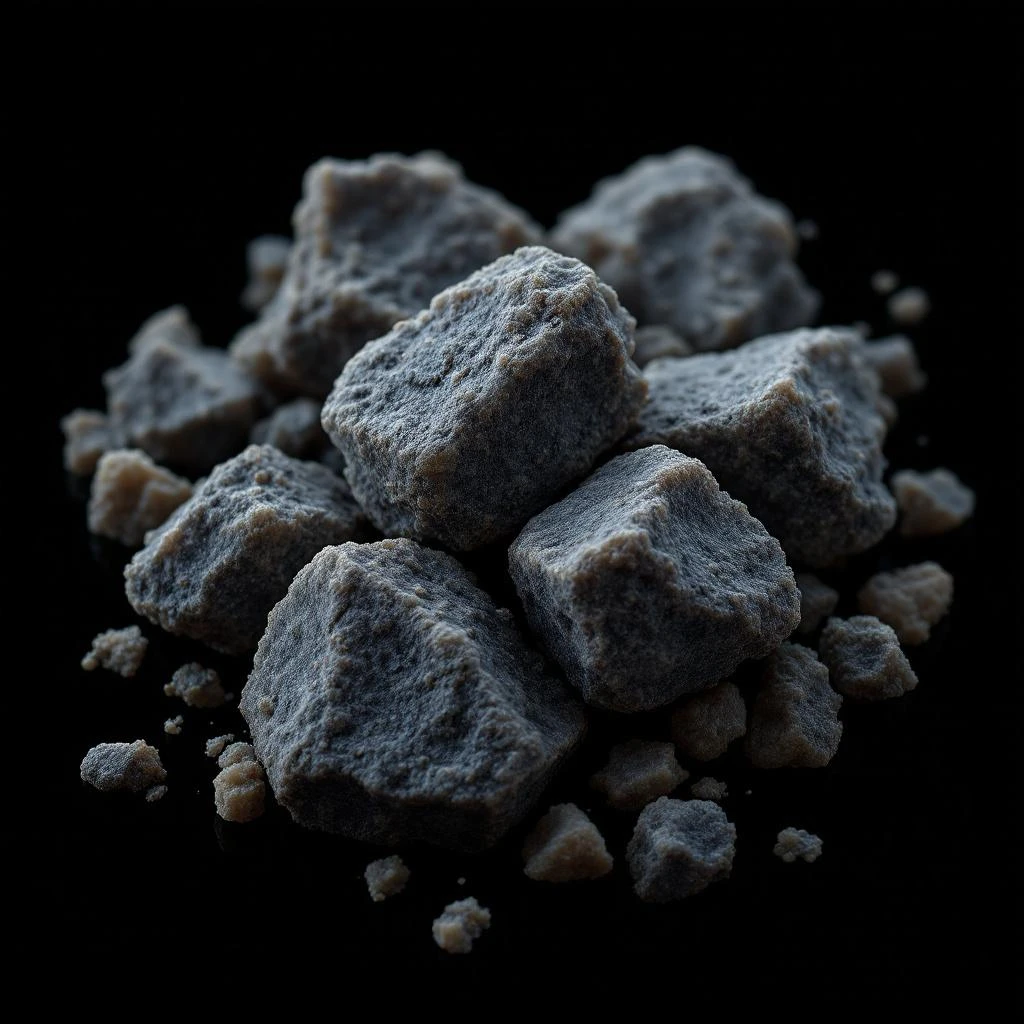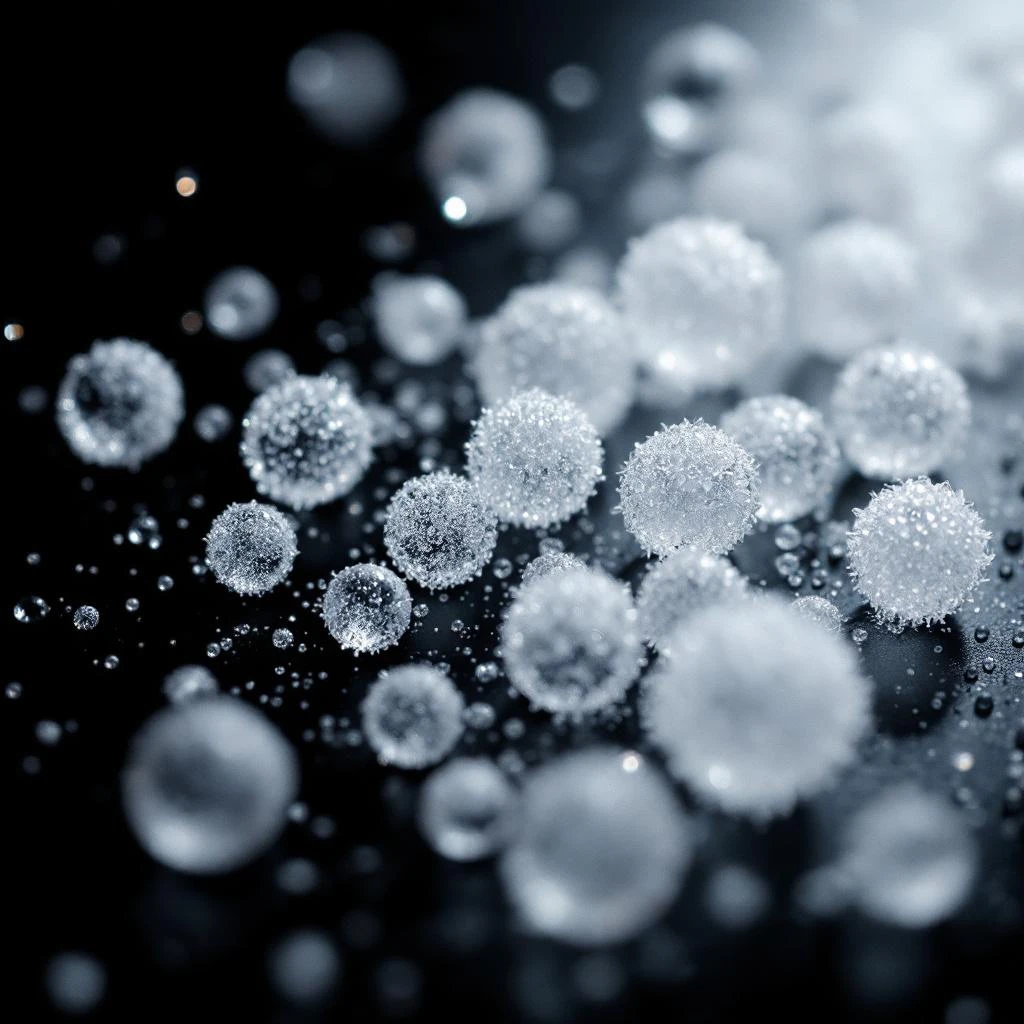
Character
The Story of Sylkolide
Sylkolide is a modern synthetic musk molecule developed by Givaudan that delivers a clean, smooth, and powdery warmth with subtle fruity undertones. It acts as an exceptional fixative, providing diffusive radiance and a skin-hugging sensuality that lingers for hours. This fourth-generation alicyclic musk represents the evolution of white musk chemistry, offering stability and elegance without the environmental concerns of earlier synthetic musks.
Heritage
The story of Sylkolide is inseparable from the broader history of synthetic musk development, a scientific quest that began in the late nineteenth century when chemists first attempted to replicate the intoxicating scent of natural deer musk without harming animals. The first breakthrough came with nitrated musks in the 1880s, followed by polycyclic musks in the mid-twentieth century. However, by the 1990s, environmental concerns about the persistence and bioaccumulation of polycyclic musks created urgent demand for cleaner alternatives. This pressure catalyzed the fourth generation of synthetic musks, the alicyclic or linear musks, of which Sylkolide is a distinguished member.
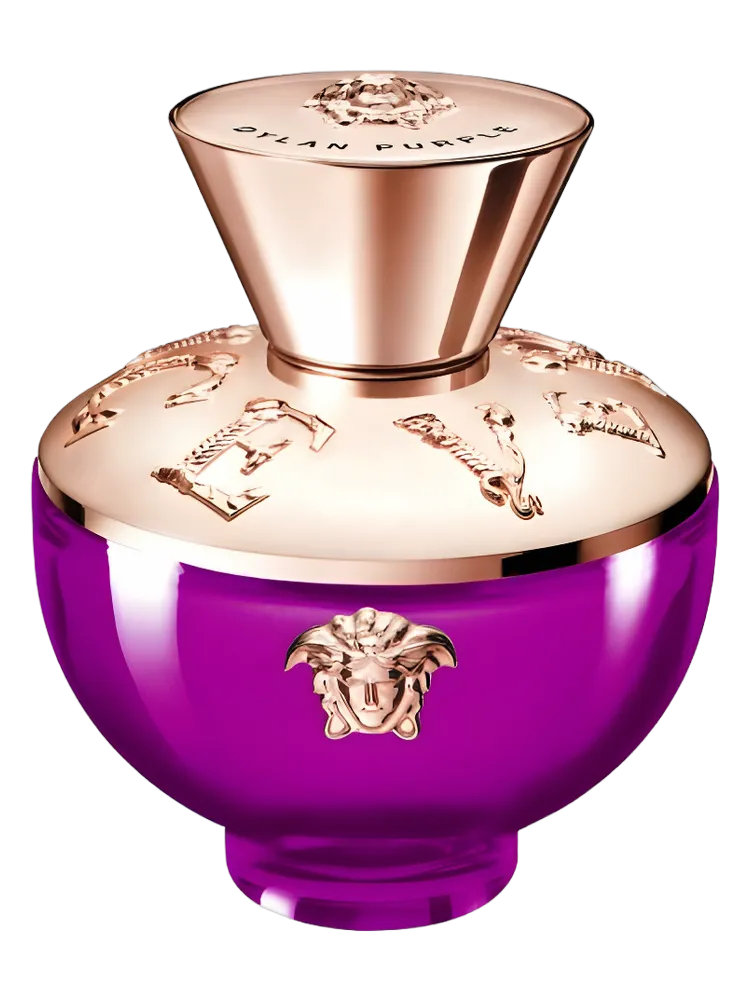
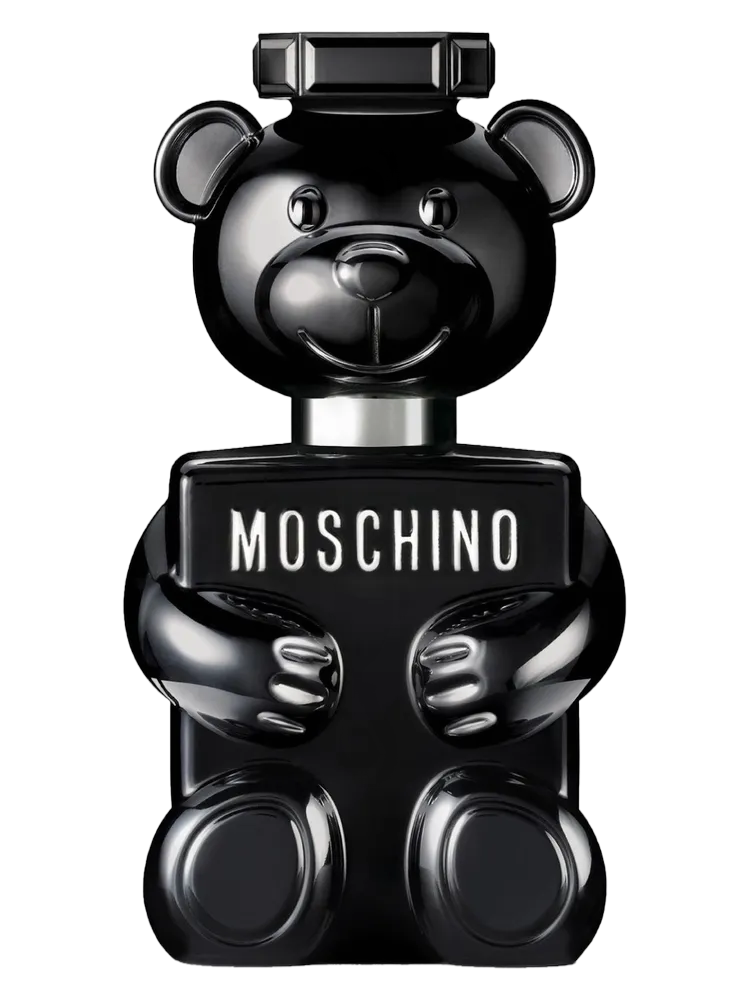
Givaudan introduced Sylkolide in 2002 as part of a new wave of musk molecules designed to provide the warm, powdery, skin-like qualities perfumers desired while meeting increasingly strict environmental and safety standards. The molecule quickly found favor among perfumers for its excellent diffusion and its ability to add a clean, sophisticated musk character without the heaviness associated with some older materials. It became particularly popular in contemporary feminine fragrances seeking a modern, transparent warmth, appearing in notable compositions like Moschino Toy Boy (2019), Versace Pour Femme Dylan Purple (2022), and Tom Ford Neroli Portofino Parfum (2024). Today, Sylkolide represents the state of the art in ethical, sustainable musk chemistry, a testament to how scientific innovation can preserve the art of perfumery while protecting the natural world.
At a Glance
4
Feature this note
Musky
Olfactive group
Synthetic
Lab-crafted
Switzerland
Primary source region
Ingredient Details
Organic synthesis via chemical production
Synthetic molecule (no natural source)
Did You Know
"Sylkolide belongs to the fourth generation of synthetic musks known as linear or alicyclic musks, developed in 2002 specifically to replace older polycyclic musks that faced environmental scrutiny. Its detection threshold is remarkably low at just 0.60 nanograms per liter of air."