The Heritage
The Story of Adidas
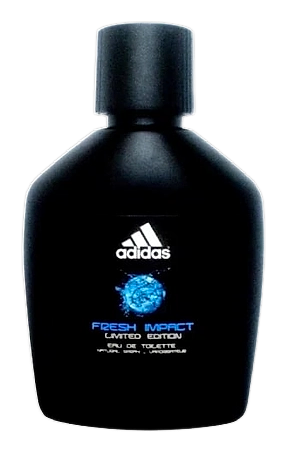
Adidas translates its athletic heritage into a line of personal scents that echo the brand’s focus on movement, performance and everyday confidence. The fragrance portfolio spans Eau de Toilette sprays, body mists and hair‑care sprays released from the early 1990s to the present. Each product carries the three‑stripe motif and a scent profile that aims to complement an active lifestyle, whether on the field, in the gym or on a casual weekend. The range is distributed through global retailers and often appears alongside the company’s sportswear collections, offering a scented extension of the Adidas identity.
Heritage
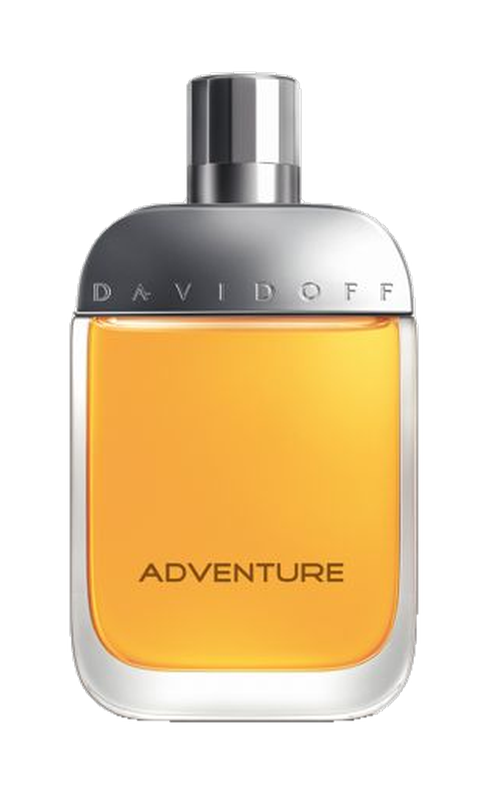
Adolf "Adi" Dassler opened a small cobbler’s workshop in his mother’s laundry room in Herzogenaurach, Germany, in 1924. Together with his brother Rudolf, he registered Gebrüder Dassler Schuhfabrik that same year, producing hand‑stitched athletic shoes for local clubs. After a split in 1949, Adi founded Adidas, a name derived from his nickname and surname. The company grew rapidly, supplying footwear to Olympic teams and pioneering innovations such as the first screw‑in cleat. By the 1980s Adidas had become a global sportswear leader, and in 1989 it was listed as a corporation on the Frankfurt Stock Exchange. The brand’s first foray into fragrance arrived in the early 1990s, a period when many sports apparel houses were expanding into lifestyle accessories. In 1992 Adidas launched Adventure, a fresh, citrus‑driven scent marketed to young, active consumers. Two years later Sport Field followed, emphasizing a clean, aquatic character meant for post‑workout freshness. The late 1990s saw a series of limited editions, including Blue Challenge (1997) and Moves Her (1999), each tied to specific sports events or seasonal campaigns. In the 2000s Adidas continued to experiment with scent, introducing Fair Play in 2008, a unisex fragrance that blended woody and aromatic notes. The partnership with Coty, a French fragrance house founded in 1904, formalized in the 2010s, gave Adidas access to broader distribution networks and advanced perfume‑development resources. This collaboration produced the VIBES line and a wave of body‑care mists released in 2025, such as Happy Feels and Get Comfy, which target the post‑exercise market with light, quick‑dry formulas. The most recent sport‑themed release, UEFA Champions League Pro Player (2026), aligns the scent with a premier football competition, reinforcing Adidas’s deep ties to the world of sport. Throughout its fragrance history, the brand has maintained a consistent strategy: translate the kinetic energy of sport into olfactory experiences that feel both functional and expressive.
Craftsmanship
Adidas fragrance development follows a structured pipeline that begins with market research, moves through scent sketching, and ends with stability testing. The collaboration with Coty provides access to a network of experienced perfumers who draft initial accords based on the sport‑inspired brief. Once a fragrance concept is approved, raw materials—both natural extracts and high‑grade aroma chemicals—are sourced from certified suppliers. Ingredients such as bergamot, cedarwood and marine accords are selected for their consistency and ability to perform under varied temperature conditions. The mixing process occurs in Coty’s European laboratories, where precise ratios are measured using automated dosing equipment to ensure batch‑to‑batch uniformity. After blending, the perfume undergoes a series of quality checks, including gas‑chromatography analysis to verify ingredient purity and stability chambers that simulate humidity and heat exposure typical of gym environments. Packaging is engineered for durability; bottles are made from impact‑resistant glass or high‑density polymer, sealed with spray mechanisms designed to deliver a fine mist that disperses evenly without excess residue. For body mists, the formulation includes quick‑dry polymers that evaporate rapidly, leaving a light scent trail that does not interfere with sweat. Adidas also incorporates sustainability into its production. Recent editions report the use of recycled PET for spray caps and biodegradable film for secondary packaging. The brand works with Coty to minimize waste during the manufacturing stage, employing closed‑loop systems that capture and reuse solvent vapors. Throughout the process, the focus remains on delivering a scent that can accompany an athlete from warm‑up to cool‑down while meeting the quality standards expected of a global sports brand.
Design Language
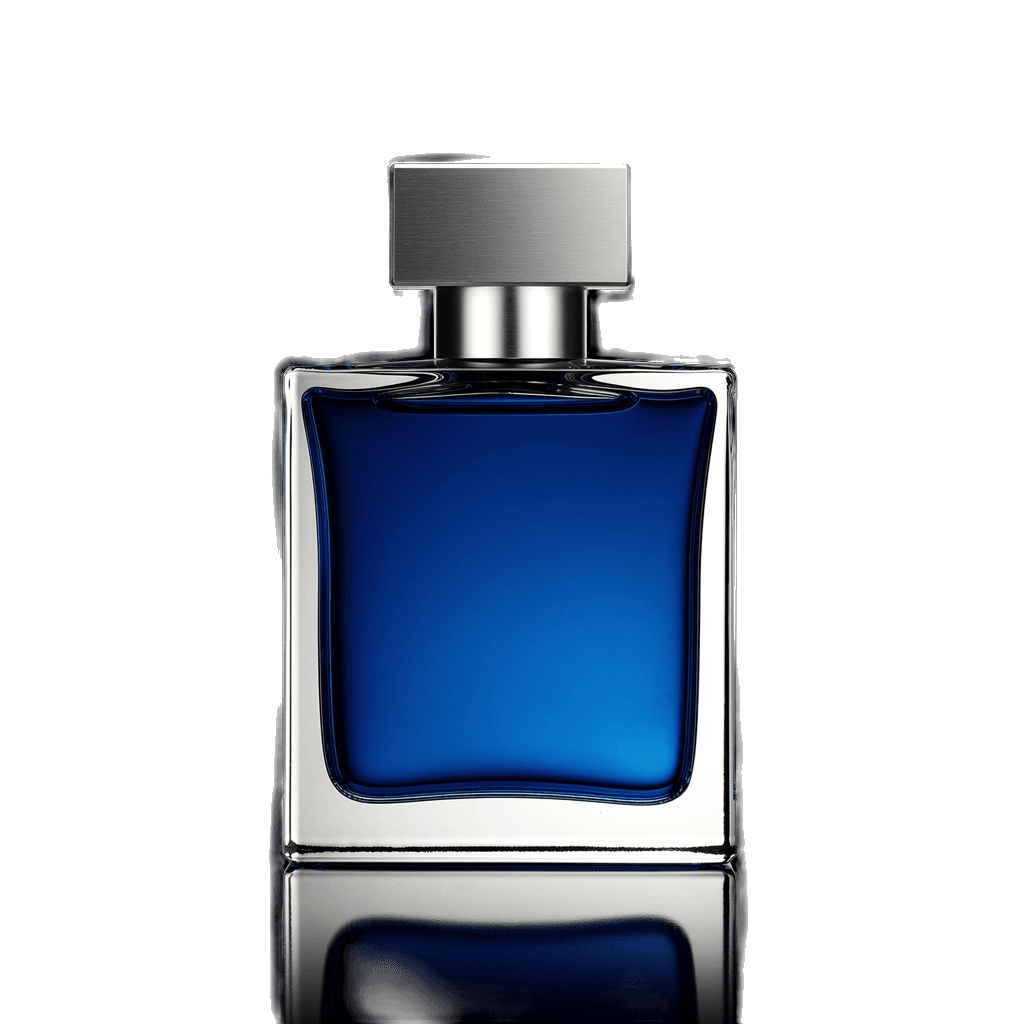
The visual language of Adidas fragrance mirrors the broader brand identity: three parallel stripes, bold typography and a palette that ranges from classic black and white to sport‑specific colors. Early bottles, such as Adventure (1992), featured simple cylindrical glass with a matte black cap, emphasizing functionality over ornamentation. Later releases, like Blue Challenge (1997), introduced a cobalt‑blue gradient that hinted at the water‑sport inspiration behind the scent. The 2025 body‑mist line adopts a sleek, ergonomic spray bottle made of translucent polymer, allowing the pastel hue of the mist—peach for Happy Feels, teal for Get Comfy—to be visible at a glance. Labels are printed with a minimal sans‑serif font, the Adidas wordmark placed prominently, and the three‑stripe motif subtly embossed on the cap. Marketing imagery reinforces the kinetic aesthetic: product shots often show the bottle in motion, paired with athletes mid‑action or in urban environments that suggest movement. The packaging design also incorporates recycled materials, aligning the visual appeal with the brand’s sustainability narrative. Across the portfolio, the aesthetic balances sport‑centric ruggedness with a contemporary, clean look that fits both a gym locker and a vanity shelf.
Philosophy
Adidas approaches perfumery as an extension of its core values: performance, authenticity and inclusivity. The creative brief for each scent starts with a sport or activity, then translates the associated sensations—speed, endurance, teamwork—into aromatic notes. Rather than chasing fleeting trends, the brand seeks ingredients that support an active lifestyle, such as citrus for an energizing lift or marine accords that evoke a cool post‑run breeze. The partnership with Coty brings technical expertise to the table, allowing Adidas to balance its athletic DNA with professional fragrance craftsmanship. Together they test formulations for durability, ensuring that a scent can survive a workout without overwhelming the wearer. Sustainability also informs the philosophy; recent releases cite responsibly sourced synthetics and recycled packaging, aligning with Adidas’s broader environmental commitments. Inclusivity shapes the scent palette as well. Several releases, including Fair Play and the 2025 body mists, are marketed as gender‑neutral, reflecting the brand’s belief that fragrance should be a personal choice rather than a gendered category. The overall vision is to create scents that act as a subtle layer of confidence, supporting the wearer’s performance while remaining unobtrusive in daily life.
Key Milestones
1924
Adi Dassler and his brother Rudolf register Gebrüder Dassler Schuhfabrik in Herzogenaurach, Germany.
1992
Adidas launches its first fragrance, Adventure, marking entry into the personal scent market.
1994
Sport Field is released, targeting post‑workout freshness with aquatic notes.
1997
Blue Challenge debuts, a limited edition tied to a summer sports campaign.
2008
Fair Play, a unisex fragrance, expands the line into gender‑neutral territory.
2015
Adidas formalizes a development partnership with Coty, gaining access to advanced perfume expertise.
At a Glance
Brand profile snapshot
Origin
Germany
Founded
1924
Heritage
102
Years active
Collection
4
Fragrances released
Avg Rating
3.8
Community sentiment
Release Rhythm