The Heritage
The Story of Alan Bray
Alan Bray is a niche perfume house that builds a catalogue of more than ninety scents since the early 2000s. The brand releases fragrances that often pair unexpected ingredients, such as cherry and almond in its Canelé Flambé (2024) or the bright floral accord of Spring Flowers (2013). Each launch arrives with a distinct personality, inviting collectors to explore a spectrum that ranges from the masculine L'Homme Noble (2025) to the daring High Society L'Imperatrice (2024). The label operates out of Paris and reaches a global audience through specialty retailers and online platforms.
Heritage
The story of Alan Bray begins with a French designer who entered the fragrance world in 2003, when the first perfume bearing his name appeared in a small boutique in Paris. Over the next two decades, the designer expanded the line steadily, adding experimental releases each year. By 2010 the brand had earned a reputation among scent enthusiasts for its willingness to mix gourmand notes with classic structures, a move documented in several independent fragrance blogs. The 2013 launch of Spring Flowers marked the first major floral composition and signaled a shift toward more nuanced bouquets. In 2014 the house introduced Zanzibar, a scent that referenced the spice routes and highlighted the brand’s interest in geographic storytelling. The period from 2018 to 2020 saw a series of limited editions, including Voodoo (2020), which combined incense and smoky woods, and Molécule Amoureuse (2024), a perfume that paired rose with synthetic ambergris. The most recent milestone arrived in 2025 with L'Homme Noble, a masculine fragrance that blends cedar, pepper, and a hint of citrus, confirming the brand’s continued output. Throughout its history, Alan Bray has maintained a modest production scale, preferring small-batch releases that allow close oversight of each formula. The house remains privately owned, and its founder has not disclosed a formal corporate structure, which keeps the focus on the scents rather than on business metrics.
Craftsmanship
Production at Alan Bray follows a small‑batch model that allows the perfumer to monitor each step. The house sources raw materials from established growers in France, Italy, and the Mediterranean, and it supplements these with synthetics that provide stability and consistency. According to the Fragrantica database, the brand works with a rotating roster of noses rather than a single in‑house perfumer, which encourages fresh perspectives on each launch. Formulation takes place in a Parisian lab that meets EU safety standards; the team conducts stability testing for at least twelve months before a scent reaches the market. Bottling occurs in a nearby facility that uses manual filling lines, a practice that reduces the risk of contamination and preserves the intended concentration. The brand reports that most fragrances are released at Eau de Parfum strength, offering longevity that often exceeds ten hours on skin. Quality control includes blind olfactory panels composed of industry professionals who evaluate each batch for consistency with the original brief. Packaging materials are selected for durability, with glass bottles sealed by aluminum caps that protect the perfume from light and oxidation. The house also offers limited‑edition refills, a practice that reduces waste and appeals to collectors who wish to preserve a favorite scent over years.
Design Language
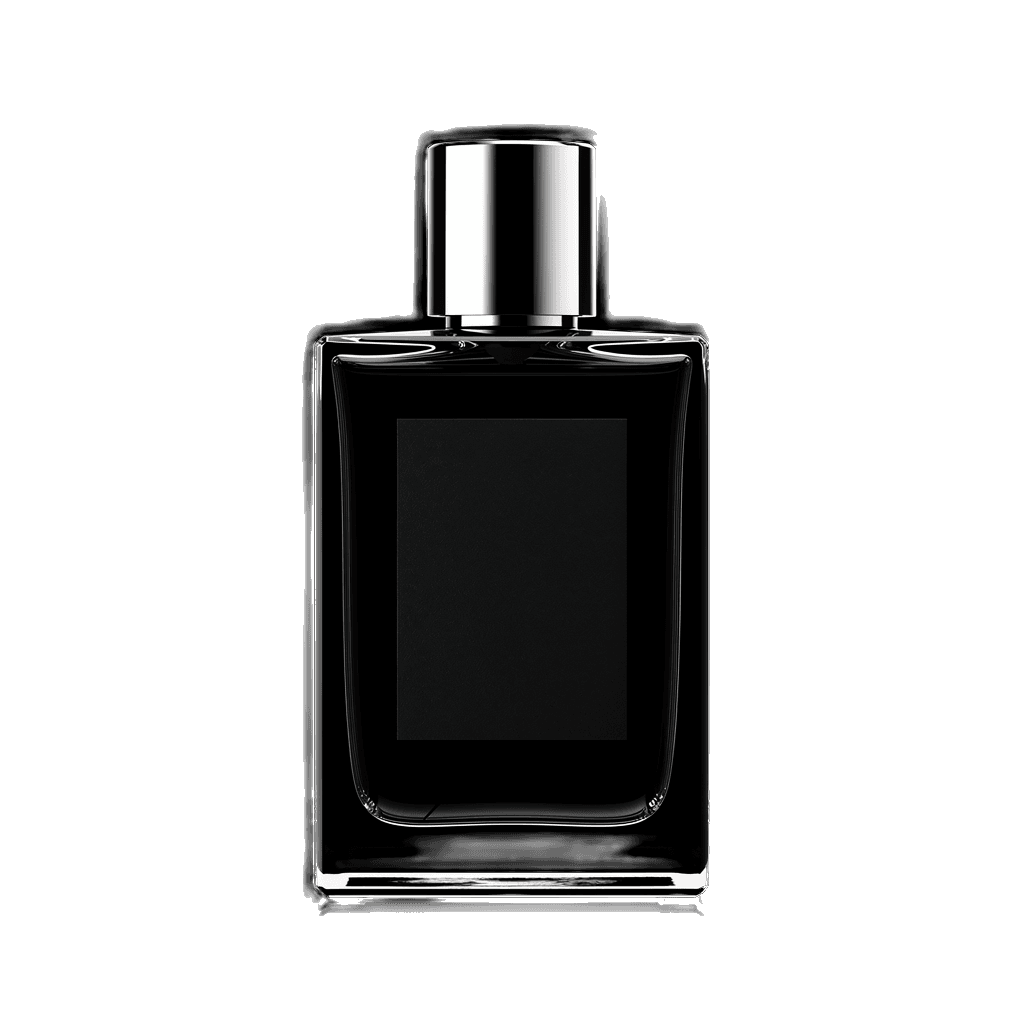
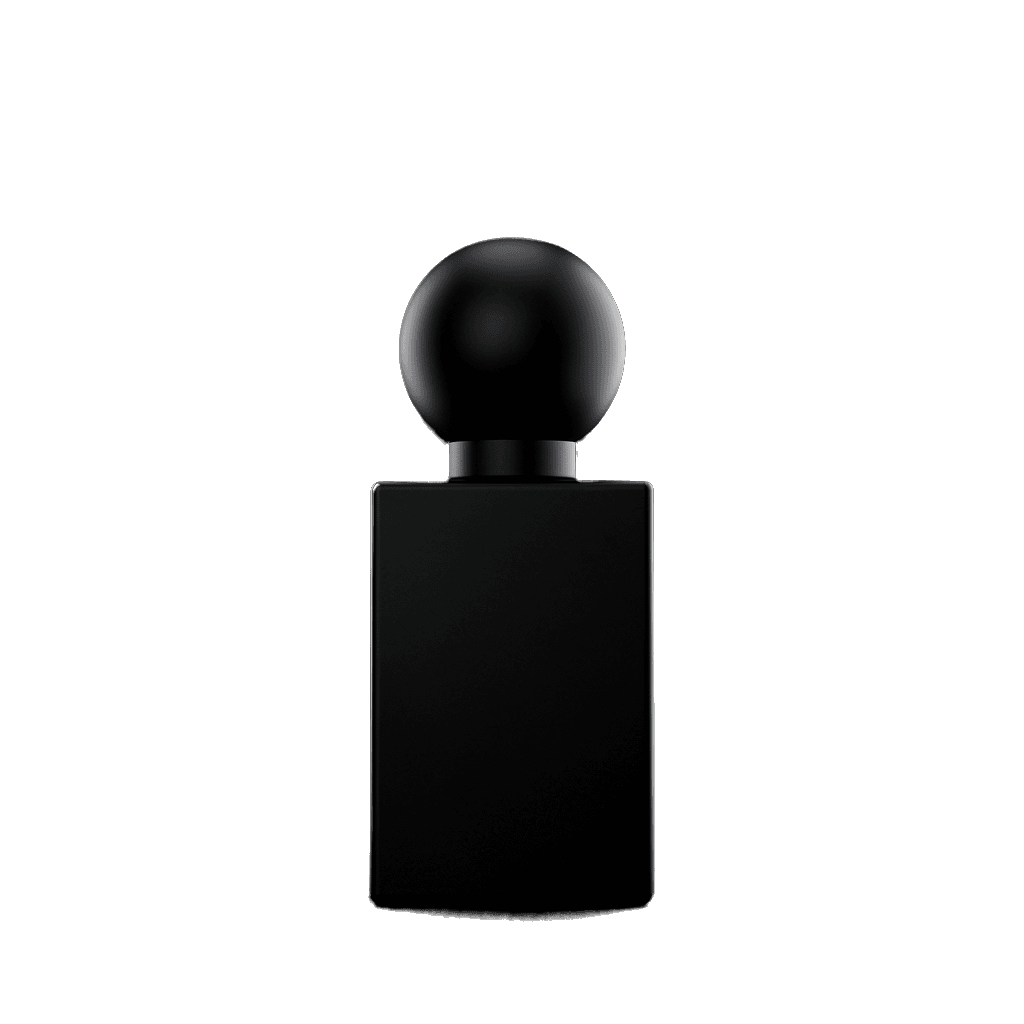
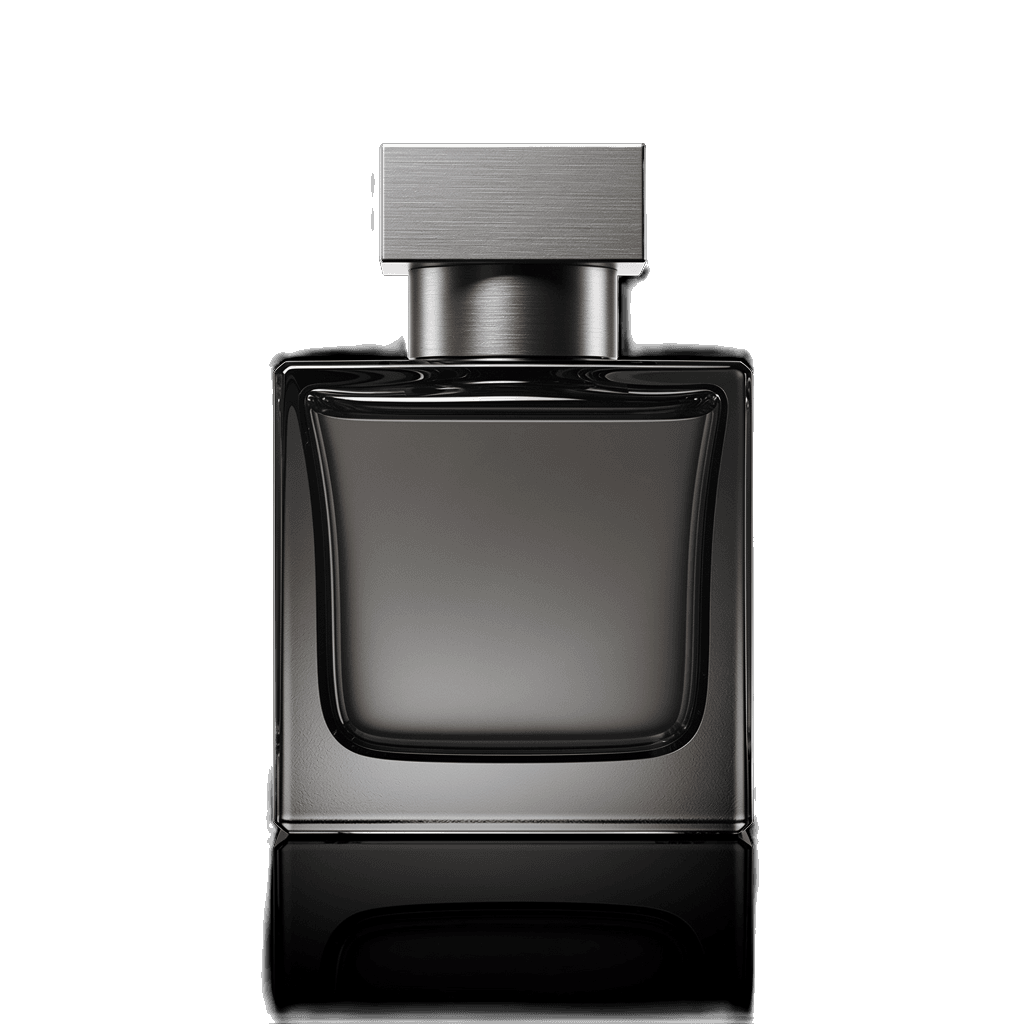
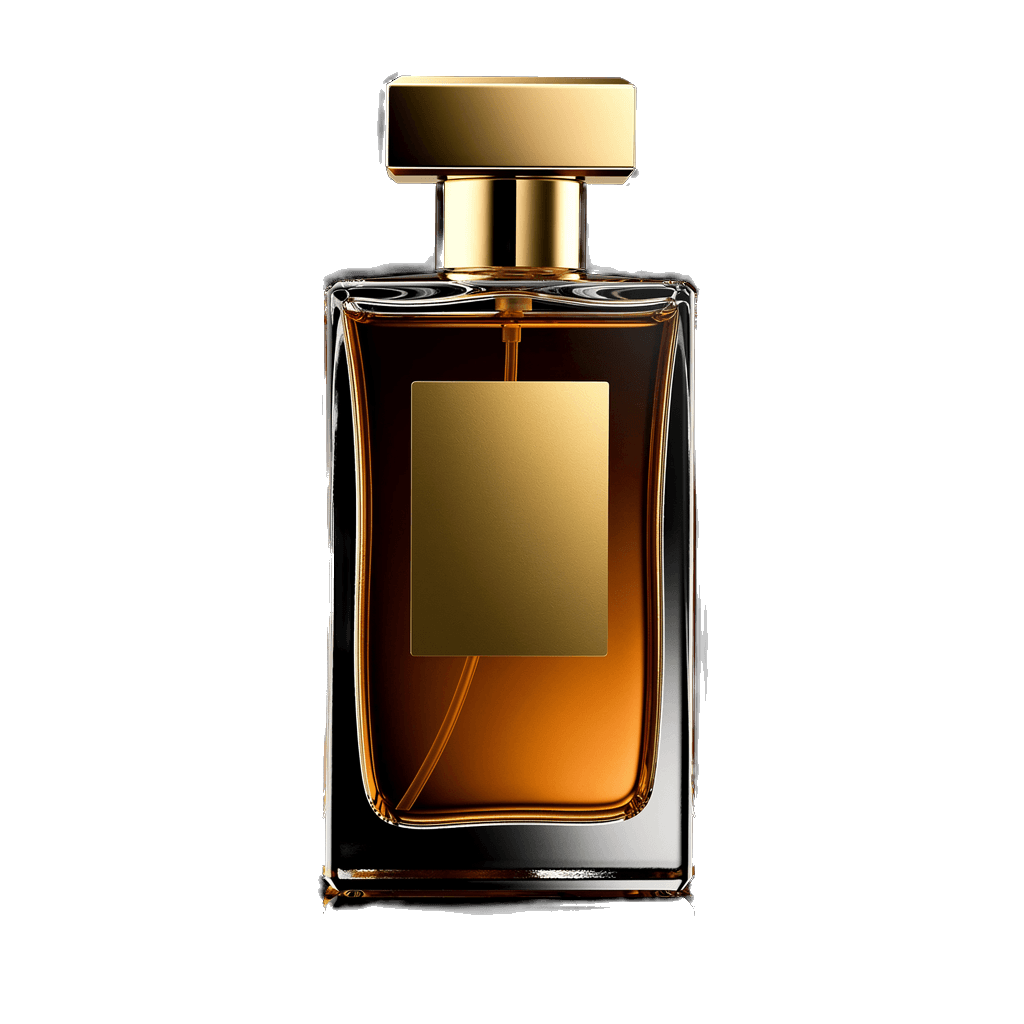
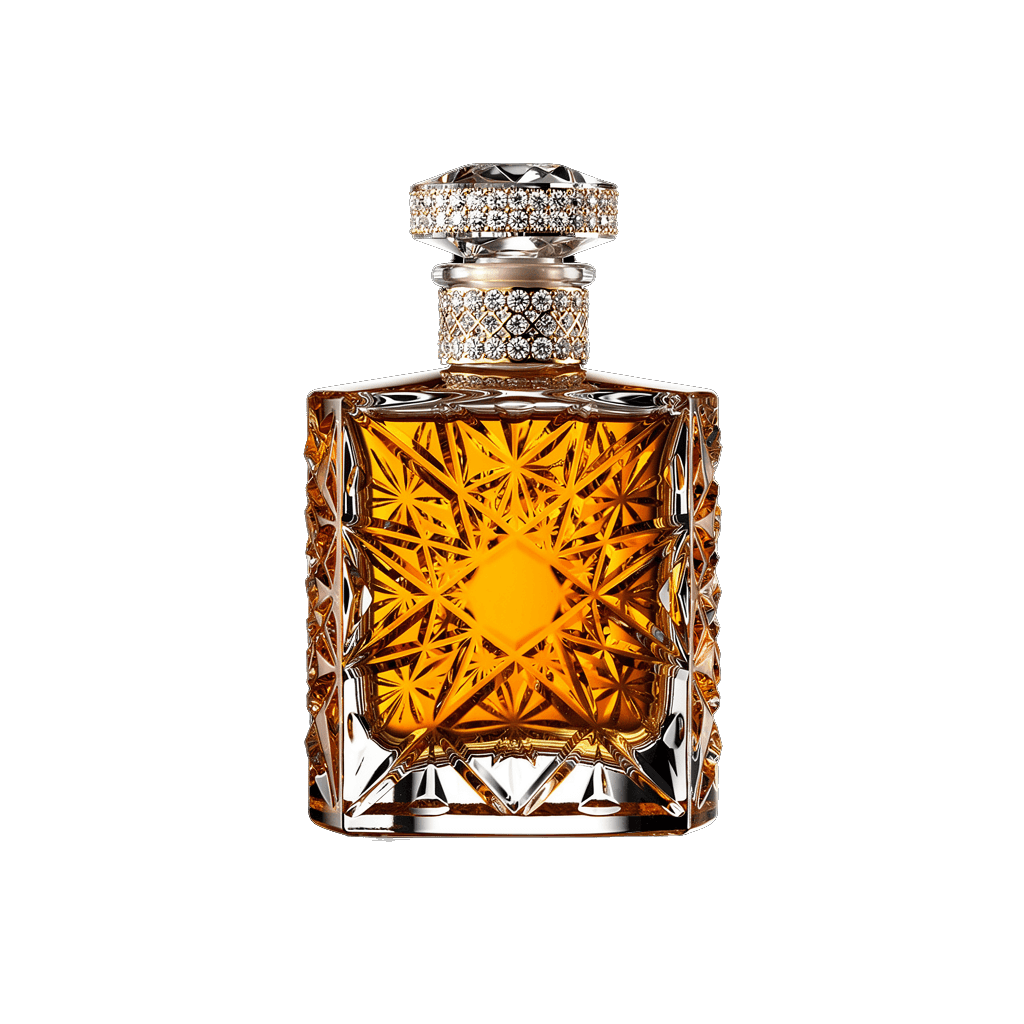
Visually, Alan Bray favors clean lines and understated elegance. Bottles typically feature a rectangular silhouette with a thin, matte black or brushed metal cap, allowing the fragrance colour to become the focal point. The label often displays the brand name in a simple serif font, accompanied by the perfume’s title in a smaller sans‑serif typeface. This restrained design reflects the house’s desire to let the scent speak for itself rather than rely on flashy graphics. Marketing imagery usually presents the perfume alongside a single, evocative object—a vintage camera for L'Homme Legend or a blooming orchid for High Society L'Imperatrice—creating a narrative link between the scent and a visual cue. The brand’s website uses a muted colour palette of charcoal, ivory, and occasional accent hues that match the fragrance’s theme, reinforcing a cohesive brand image. Retail displays follow the same minimal approach, with wooden trays and soft lighting that highlight the bottle’s shape without distraction. This aesthetic strategy has been noted by independent fragrance reviewers, who describe the visual identity as “quietly confident” and “tailored for connoisseurs.”
Philosophy
Alan Bray approaches perfumery as a laboratory for contrast. The creator believes that fragrance should surprise the wearer while respecting the integrity of each ingredient. Interviews with niche‑culture writers note that the brand avoids mass‑market trends, instead choosing themes that reflect personal memories or cultural references. For example, Canelé Flambé draws inspiration from the French pastry of the same name, translating its caramelized sugar and almond notes into an olfactory form. The house also values transparency in ingredient sourcing; it often highlights the origin of natural extracts, such as Tunisian orange blossom or Madagascan vanilla, on its product pages. Sustainability appears in the brand’s statements, with a reported preference for suppliers who practice environmentally responsible farming. Creativity is guided by a rule of balance: every bold accord is tempered by a grounding base, ensuring that the perfume remains wearable throughout the day. This philosophy manifests in the way the brand structures its releases, alternating between gourmand, floral, and woody families to keep the portfolio diverse.
Key Milestones
2003
First Alan Bray fragrance released in Paris, marking the brand’s entry into the niche market.
2013
Spring Flowers launched, expanding the house’s floral portfolio and receiving coverage in niche fragrance blogs.
2014
Zanzibar introduced, reflecting the brand’s interest in spice‑route narratives.
2020
Voodoo released, showcasing a smoky, incense‑driven composition that broadened the brand’s olfactory range.
2024
Molécule Amoureuse and Canelé Flambé debuted, highlighting the house’s blend of synthetic and gourmand elements.
2025
L'Homme Noble launched, the most recent addition to the collection and the latest entry in the Eau de Parfum line.
At a Glance
Brand profile snapshot
Origin
France
Founded
2003
Heritage
23
Years active
Collection
1
Fragrances released
Avg Rating
4.0
Community sentiment
Release Rhythm