The Heritage
The Story of Animale
Animale is a French fragrance house that emerged in the late 1980s with a bold, animal‑inspired aesthetic. Founded by Suzanne de Lyon, the brand quickly became known for daring compositions that blend classic structures with modern edge. Its debut scent, Animale (1987), introduced a rich chypre anchored by a subtle animalic note, setting a tone that would echo through subsequent releases for both women and men. Over the decades the house has expanded its catalogue to include sporty, sensual and avant‑garde offerings, each carrying the same commitment to distinctive scent stories and striking visual presentation.
Heritage
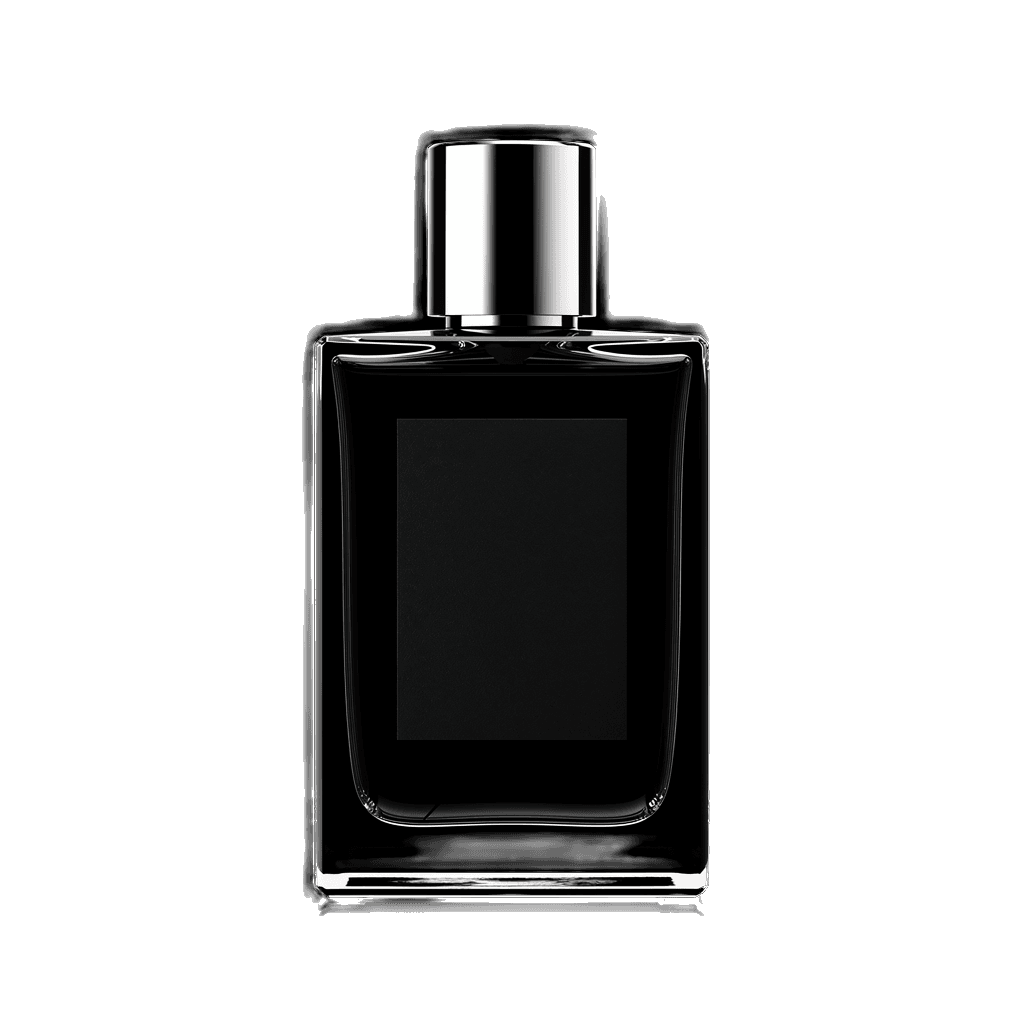
The story of Animale begins in 1987 when Suzanne de Lyon, a Parisian entrepreneur with a background in fashion retail, launched Animale Parfums. The inaugural fragrance, simply titled Animale, arrived in a sleek, black bottle with a gold‑tone cap, a design that captured the late‑1980s fascination with sleek minimalism and a hint of decadence. The scent itself was a rich chypre, described by independent reviewers as featuring a discreet animalic nuance that hinted at the brand’s name without overwhelming the composition. The launch attracted attention from niche boutiques across Europe, positioning Animale as a fresh voice amid the era’s dominant floral and gourmand trends. In 1993 the house introduced Animale for Men, a masculine counterpart that retained the original’s chypre backbone while adding aromatic herbs and a woody dry‑down. The following year, Animale Animale (often referred to as Animale 1994) refined the original formula, emphasizing a smoother, more polished finish that appealed to a broader audience. These early releases established a pattern: each new launch would reinterpret the brand’s core DNA—animalic intrigue, chypre structure, and a modern silhouette—through a fresh lens. The early 2000s saw Animale broaden its portfolio beyond the core chypre line. In 2005, Azul entered the market, offering a fresh, aquatic fragrance that contrasted with the house’s traditionally warm palette. The scent’s marine notes and citrus top accord demonstrated the brand’s willingness to explore new olfactory territories while maintaining its signature confidence. A notable shift occurred in 2014 with Animale Sport, a unisex fragrance that blended fresh citrus, aromatic herbs, and a clean musk base. This release reflected a growing consumer interest in versatile, active‑lifestyle scents and underscored Animale’s adaptability. The following years brought a series of gender‑specific releases: Animale Gold for Men (2021) and Animale Sexy (2021), both of which leaned into richer amber and spice accords, catering to consumers seeking evening‑wear intensity. Throughout its history, Animale has remained a privately held company, operating out of Paris and distributing primarily through specialty retailers and online platforms. The brand’s longevity—spanning more than three decades—testifies to its ability to balance heritage with contemporary relevance, a balance that continues to attract fragrance enthusiasts seeking a blend of tradition and daring innovation.
Craftsmanship
Every Animale fragrance is assembled in France under the oversight of experienced perfumers who work within a framework of quality control that dates back to the house’s inception. The formulation process begins with a brief that outlines the intended mood, target audience, and any thematic elements—such as the animalic motif that recurs in many releases. Raw materials are sourced from a network of European and Mediterranean growers, with a particular emphasis on natural absolutes and essential oils that meet strict purity standards. For animalic notes, the brand relies on synthetic analogues that replicate the warmth of traditional ingredients while adhering to modern regulations and animal welfare concerns. The blending stage takes place in climate‑controlled labs where each component is weighed with gram‑level precision. Master blenders conduct iterative testing, allowing the composition to mature over weeks or months to achieve a harmonious balance. Once the formula is locked, the mixture is transferred to stainless‑steel vats for maceration, a period that can extend from several weeks to several months depending on the fragrance family. This maturation allows the volatile top notes to integrate with the heart and base layers, creating depth and longevity. Packaging is handled by specialized bottling facilities that follow the brand’s design specifications. Bottles are typically crafted from clear or tinted glass, with caps made of brushed metal or lacquered finishes. Quality inspectors examine each bottle for imperfections, ensuring that the final product meets both aesthetic and functional standards. The perfume is then filled using automated equipment that controls fill volume to within ±0.1 ml, minimizing variance between batches. Before release, each fragrance undergoes stability testing, where samples are stored under varying temperature and humidity conditions to confirm that scent integrity remains consistent over time. Independent labs also conduct allergen testing to comply with EU cosmetic regulations. Finally, the finished product is packaged in recyclable boxes that feature the brand’s minimalist graphic language, reflecting Animale’s commitment to both elegance and environmental responsibility.
Design Language
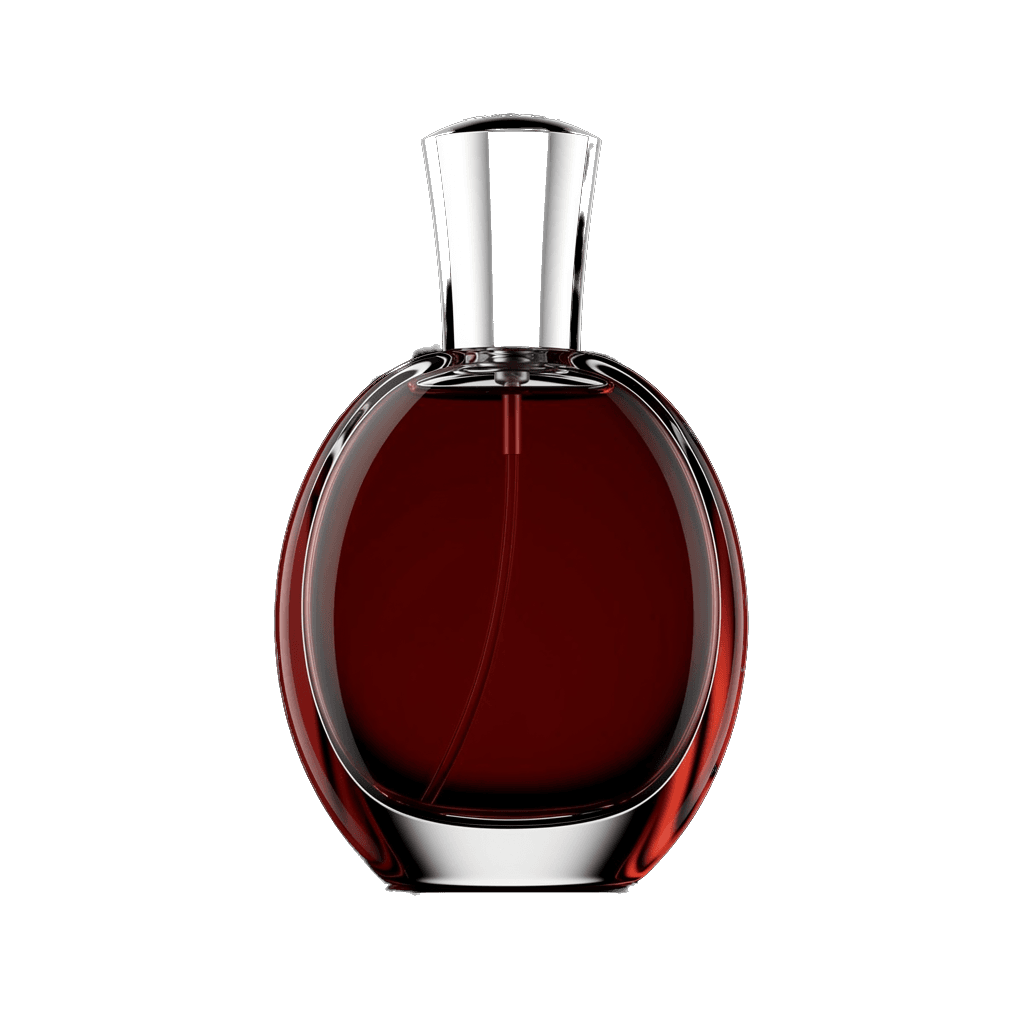
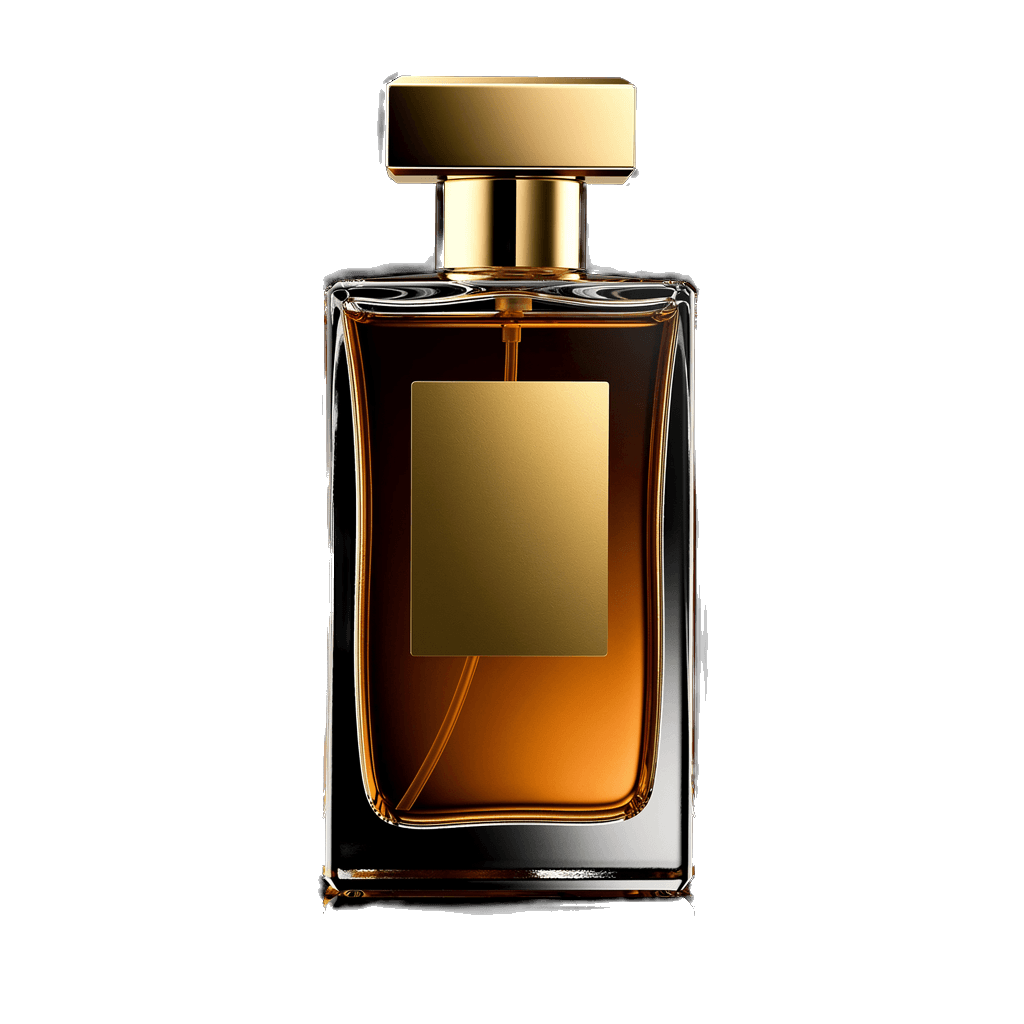
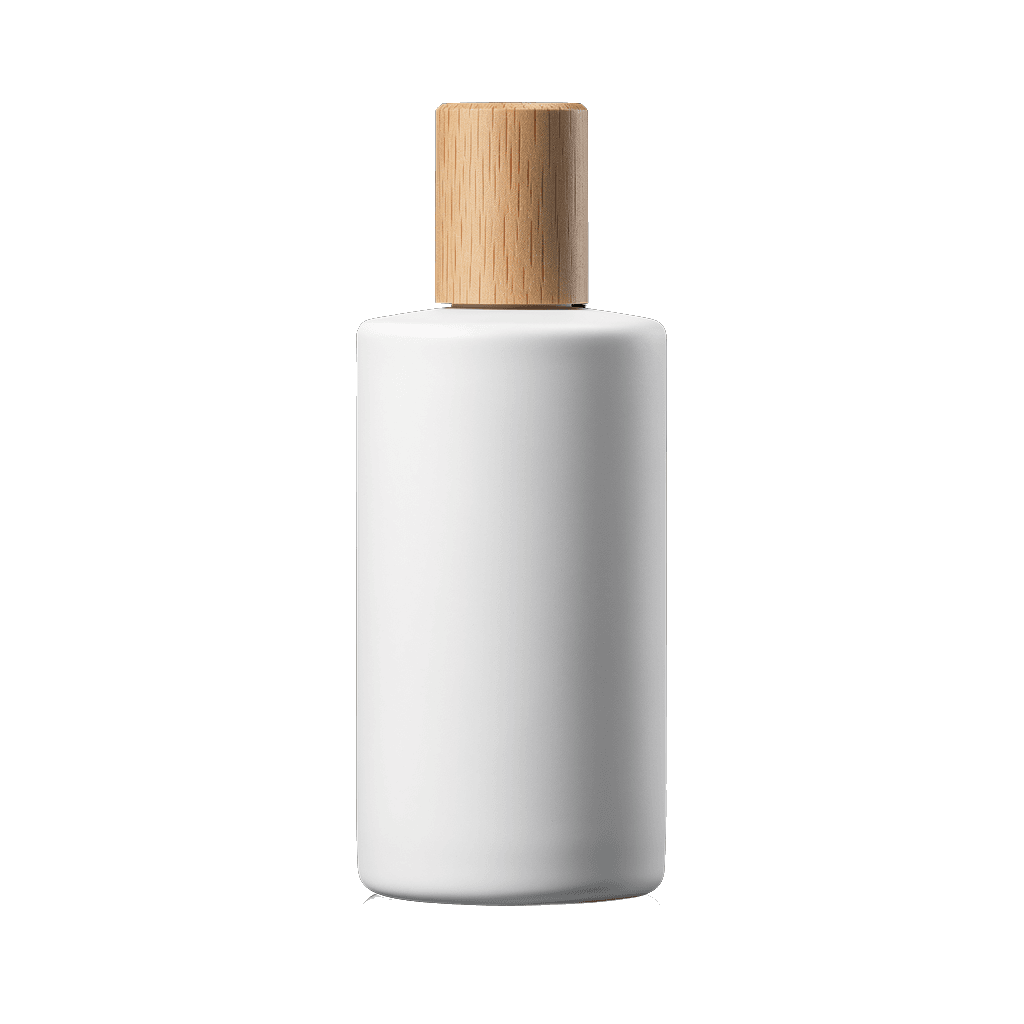
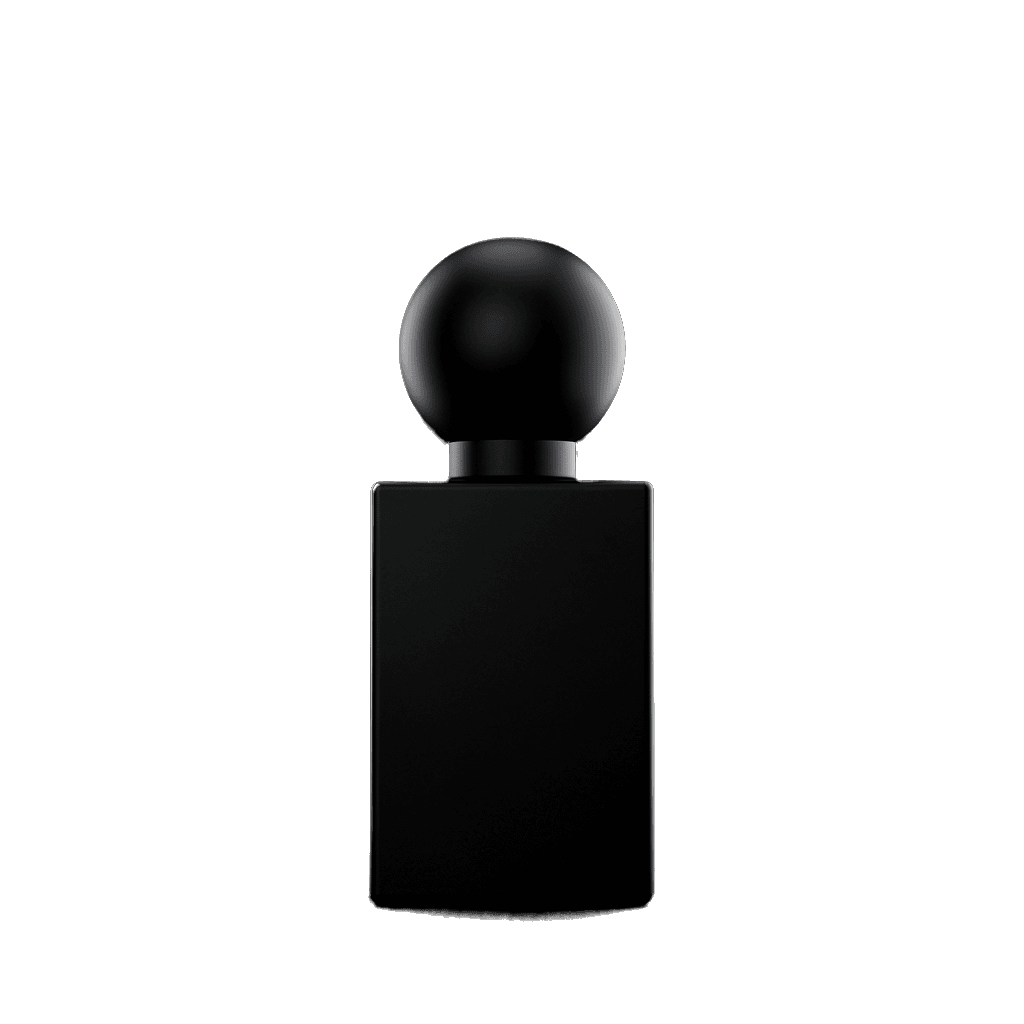
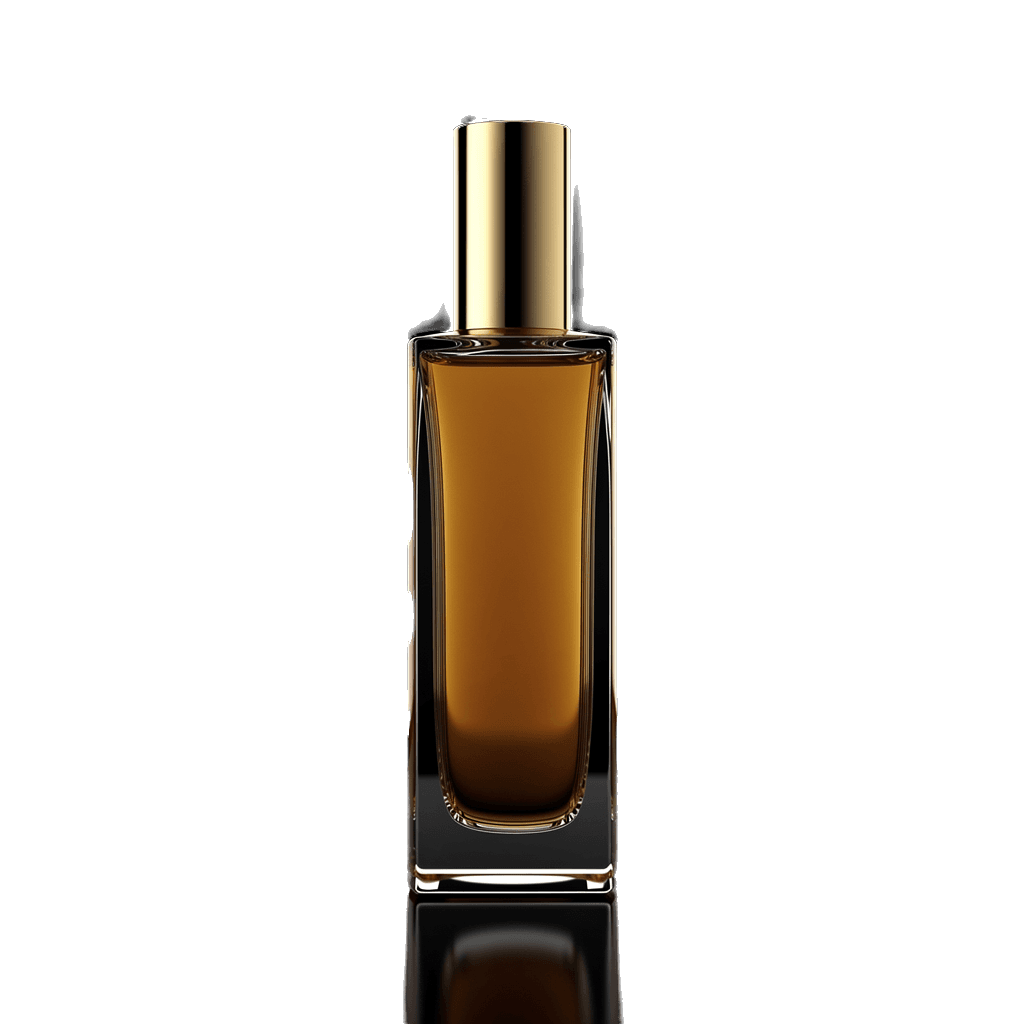
Animale’s visual language mirrors its olfactory ambition: sleek, modern, and subtly provocative. The original 1987 bottle featured a rectangular silhouette with clean lines, a matte black finish, and a gold‑tone cap that suggested a blend of luxury and restraint. Subsequent releases have kept the geometric clarity while experimenting with color and texture. For example, Animale Gold for Men (2021) arrives in a deep amber glass with a brushed metal cap, evoking the warmth of the scent inside. Azul (2005) contrasts this with a clear, turquoise‑hued bottle that reflects its aquatic character. The brand’s typography is typically a sans‑serif typeface rendered in uppercase, reinforcing a contemporary feel. Marketing imagery often places the bottles against minimalist backdrops, allowing the product’s shape and color to dominate the composition. Photographs emphasize reflective surfaces and soft shadows, creating a sense of quiet confidence. In retail settings, Animale displays are arranged at eye level, with ample spacing that encourages tactile interaction. The overall aesthetic avoids overt ornamentation; instead, it relies on material quality and precise detailing to convey sophistication. This restrained visual approach aligns with the brand’s philosophy of letting the scent speak for itself, while still offering a tactile and visual experience that feels curated and intentional.
Philosophy
Animale approaches perfumery as a dialogue between the familiar and the unexpected. The house believes that a fragrance should evoke a story that feels both personal and provocative, inviting the wearer to explore hidden facets of identity. Central to this vision is a respect for classic structures—chypre, oriental, aromatic—while deliberately inserting a twist, whether an animalic whisper, a metallic accent, or an unconventional ingredient pairing. The brand values authenticity over trend‑chasing, opting to develop scents that stand the test of time rather than fleeting market fads. Sustainability is addressed through selective sourcing; Animale prefers suppliers that can demonstrate responsible harvesting of botanicals, especially for ingredients like ambergris substitutes and ethically derived musk. Transparency in the creative process is another pillar: the house often shares the inspiration behind a launch, linking the scent’s narrative to cultural moments or personal experiences of its founder. This openness fosters a community of informed collectors who appreciate both the artistry and the ethical considerations behind each bottle.
Key Milestones
1987
Animale Parfums founded by Suzanne de Lyon; debut fragrance Animale released.
1993
Launch of Animale for Men, expanding the line into masculine territory.
1994
Animale Animale introduced, a refined version of the original scent.
2005
Azul released, marking the brand’s first major foray into aquatic fragrances.
2021
Two new launches—Animale Sexy and Animale Gold for Men—highlighted richer amber and spice accords.
At a Glance
Brand profile snapshot
Origin
France
Founded
1987
Heritage
39
Years active
Collection
1
Fragrances released
Avg Rating
4.1
Community sentiment
Release Rhythm