

The Heritage
The Story of Annayake
Annayake is a French fashion and cosmetics house that entered the fragrance market in 1988. Over three decades the label has built a catalogue of more than sixty scents, ranging from early releases such as Miyako (2005) to recent compositions like Path in the Woods (2025). The brand is noted for its quiet dedication to balance and ritual, drawing visual and olfactory cues from Japanese aesthetics while operating from a Parisian base. Its collections span both men's and women's lines, offering a spectrum of moods that range from airy florals to grounded woods.
Heritage
The story of Annayake begins in 1988 when the eponymous designer launched a fashion label that quickly expanded into fragrance and skincare. Early catalogues listed a modest handful of scents, but by the mid‑2000s the house introduced Miyako (2005) and Tomo (2007), two fragrances that signaled a growing interest in Japanese‑inspired narratives. In 2015 Annayake released Bonheur For Him, its first major male‑oriented offering, followed by Hokou for Her in 2018, a scent that combined traditional Japanese ingredients with contemporary French perfumery techniques. The 2020s have seen a rapid acceleration of releases: Annayake Her and Kogaï For Her arrived in 2022, Mood For Art Women and Mood For Tattoo Woman followed in 2023, and the duo Path in the Woods and Poetry in the Air debuted in 2025. Throughout this period the brand has maintained a steady output, reaching a reported total of 62 distinct fragrances on public fragrance databases. While the company does not publish detailed financials, its consistent presence in niche fragrance forums and independent retailer listings indicates a stable niche position. Annayake’s evolution reflects a blend of French design discipline and a reverence for Japanese ritual, a combination that has guided its expansion from runway accessories to a full‑range fragrance portfolio.
Craftsmanship
Production at Annayake follows a studio‑like process that blends French perfumery techniques with Japanese ritualistic practices. Formulations are developed in collaboration with independent perfumers, who are given access to a curated library of natural extracts and synthetics. The brand reports that it sources key ingredients such as Japanese cedar, sakura blossom, and yuzu from regional growers that practice sustainable harvesting, though exact supplier names are not disclosed. Once a formula is approved, it undergoes a multi‑stage maceration period, allowing the raw materials to integrate fully before dilution. Quality control includes blind testing by a panel of fragrance experts and sensory analysts, ensuring consistency across batches. Bottles are hand‑filled in a controlled environment to minimize contamination, and each batch is logged with a unique reference number for traceability. Annayake also invests in small‑scale batch production for limited editions, a practice that allows for tighter oversight of ingredient purity and final scent balance. The brand’s commitment to detail extends to packaging, where materials are chosen for both aesthetic harmony and durability, reflecting the same disciplined approach seen in the scent creation itself.
Design Language
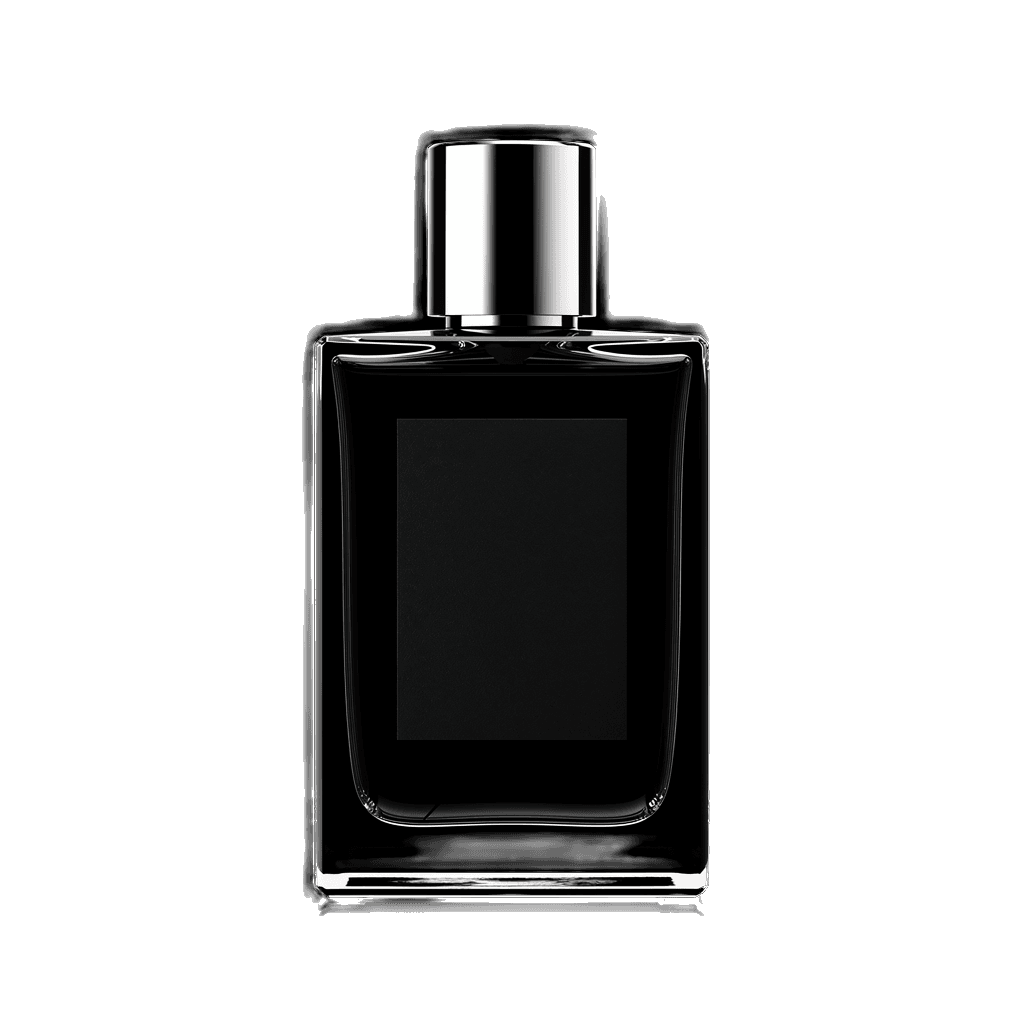
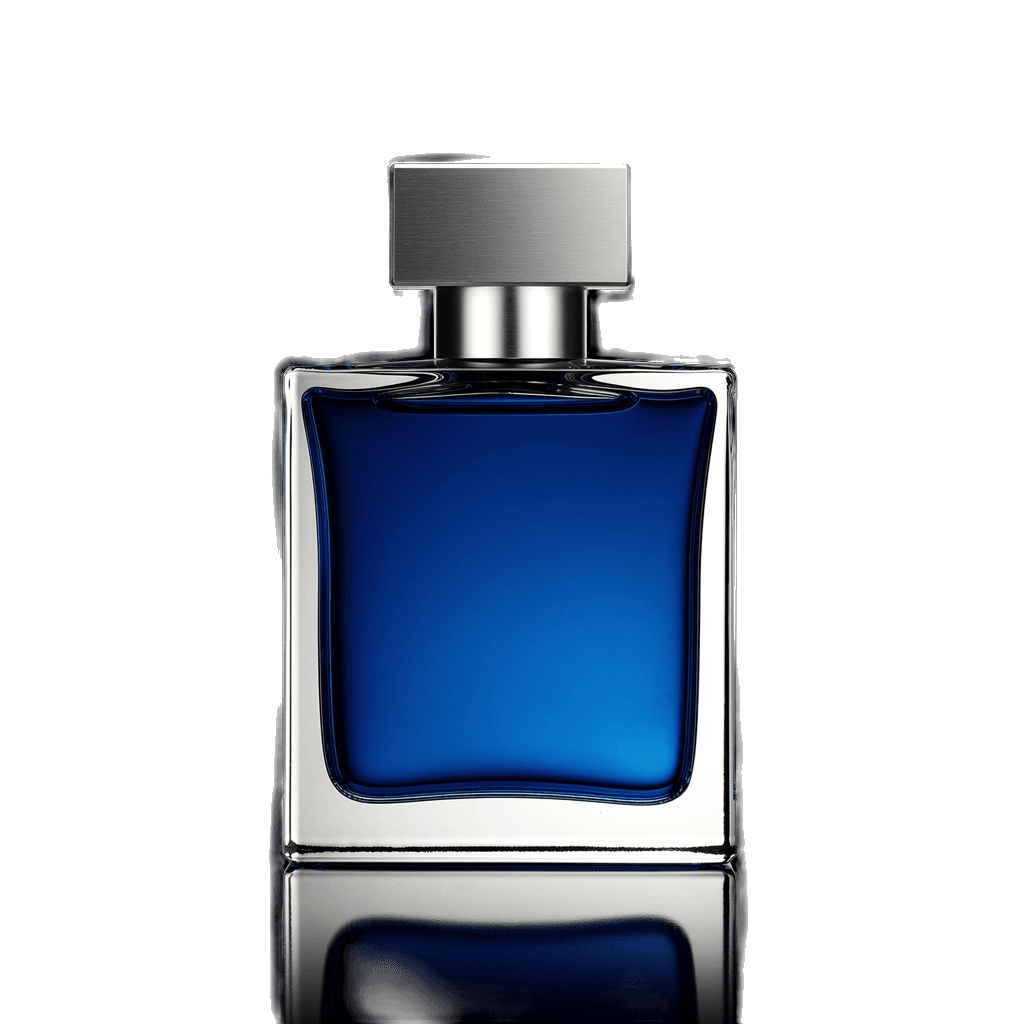
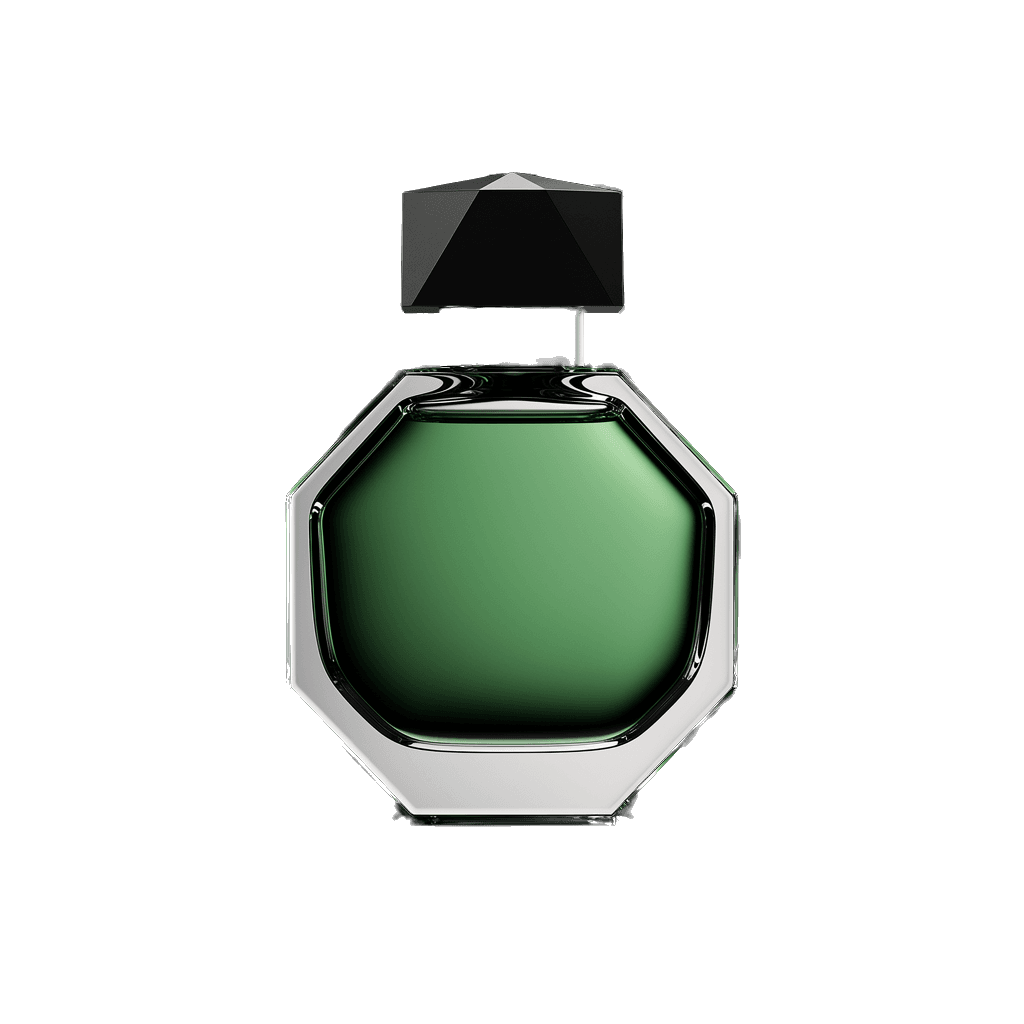
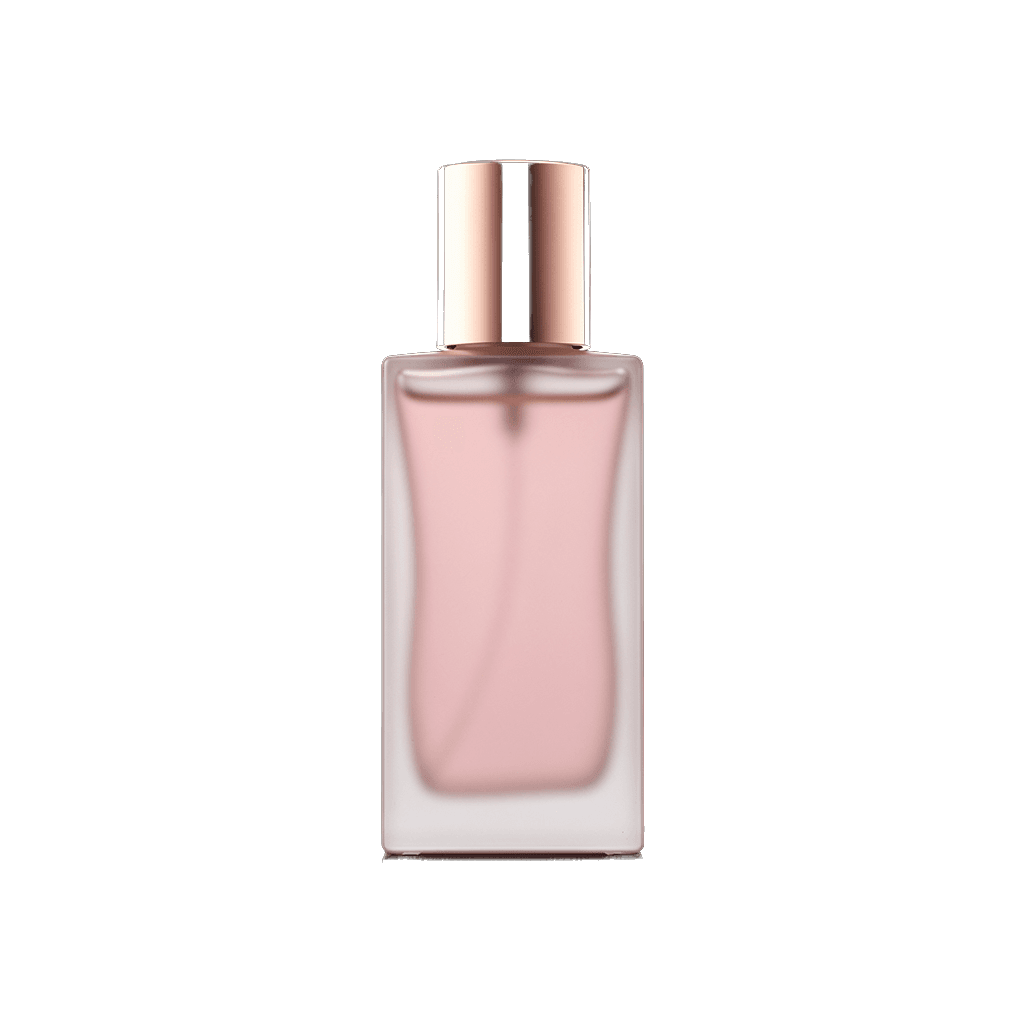
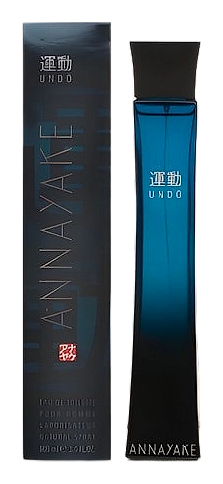
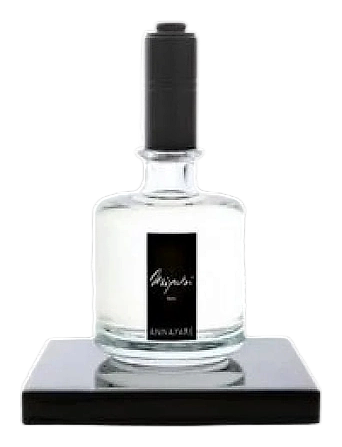
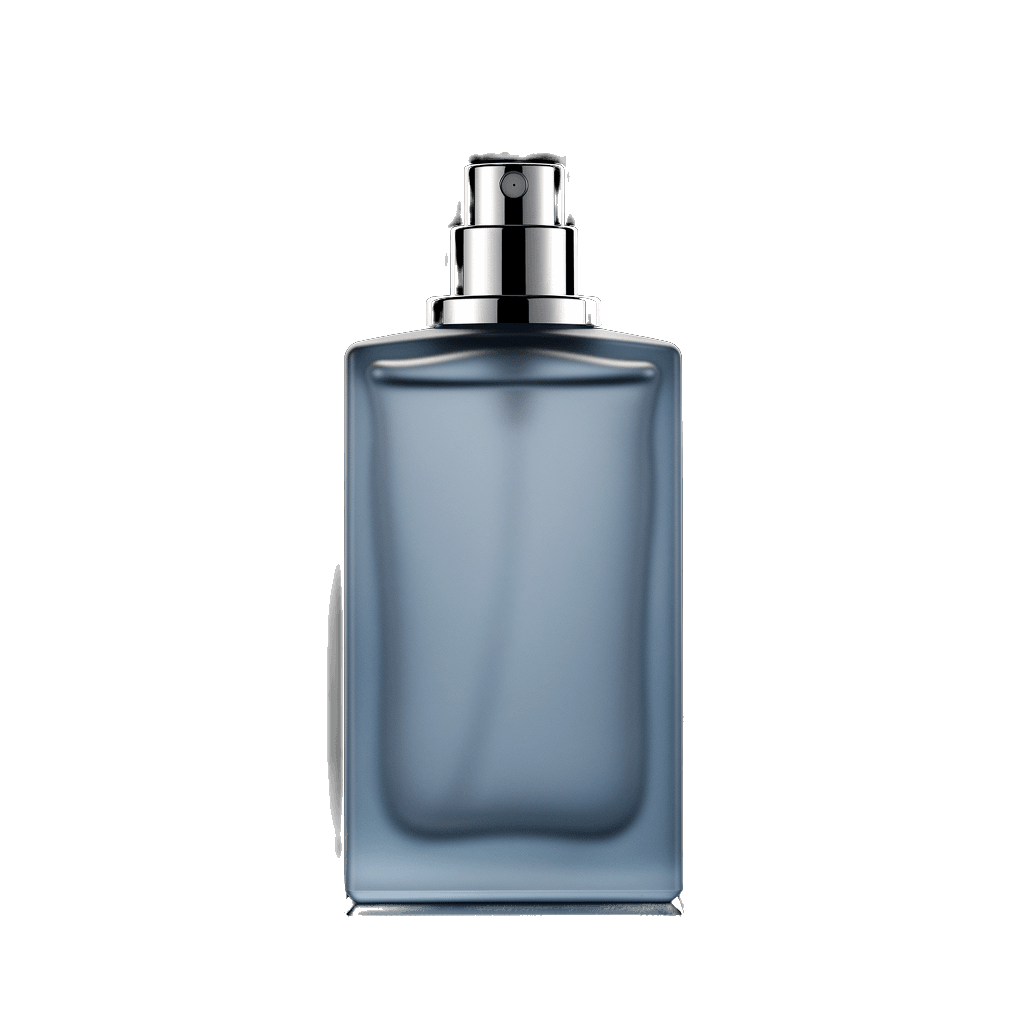
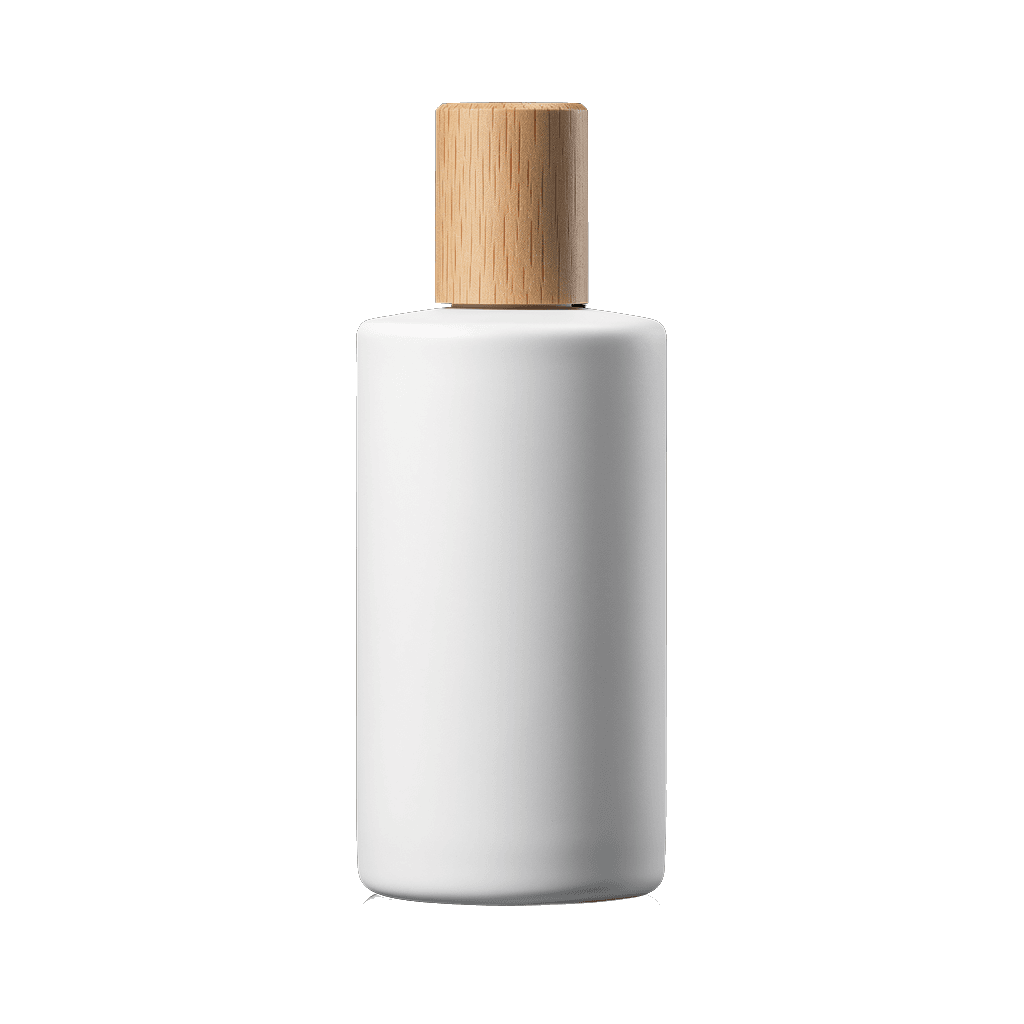
Visually, Annayake presents a restrained yet thoughtful identity. Bottle designs favor clean lines, matte finishes, and subtle embossing that echo traditional Japanese calligraphy. The color palette leans toward muted earth tones, soft greys, and occasional pastel accents that correspond to the fragrance’s character. Labels are printed in a minimalist serif typeface, often accompanied by a small kanji character that hints at the scent’s inspiration. The brand’s retail spaces and website continue this aesthetic, using ample white space, natural wood textures, and understated photography that focuses on the product rather than elaborate staging. Promotional imagery typically features serene settings—gardens, tea houses, or quiet interiors—reinforcing the narrative of balance and contemplation. This visual language aligns with the brand’s broader messaging, positioning each fragrance as a quiet ritual rather than a bold statement.
Philosophy
Annayake frames its creative vision around the concept of balance, a principle rooted in traditional Japanese philosophy. The brand describes its approach as a dialogue between precision and emotion, seeking to translate the calm of a tea ceremony into scent form. Rather than chasing trends, Annayake emphasizes a seasonal rhythm, allowing new releases to echo the changing character of nature throughout the year. Sustainability appears in its statements as a commitment to responsible sourcing, though specific certifications are not publicly detailed. The house also values craftsmanship, encouraging perfumers to work within a framework that respects both the material and the narrative behind each composition. This philosophy manifests in the way the brand structures its collections: each line is presented as a chapter in a larger story, inviting wearers to experience a progression of moods rather than isolated olfactory moments.
Key Milestones
1988
Annayake founded in France as a fashion and cosmetics house
2005
Release of Miyako, one of the early Japanese‑inspired fragrances
2007
Tomo launched, expanding the brand’s scent portfolio
2015
Annayake Bonheur For Him introduced, marking a major male‑oriented offering
2018
Hokou for Her released, blending traditional Japanese ingredients with French techniques
2022
Annayake Her and Kogaï For Her debut, reinforcing the brand’s focus on balance
At a Glance
Brand profile snapshot
Origin
France
Founded
1988
Heritage
38
Years active
Collection
6
Fragrances released
Avg Rating
4.0
Community sentiment
Release Rhythm