The Heritage
The Story of Arabesque Perfumes
Arabesque Perfumes emerged in the United Arab Emirates as a boutique house that translates the rich olfactory heritage of the Arabian Gulf into contemporary niche fragrances. Since its first launch in 2017, the label has built a modest catalogue that includes Kohel, Bacara Oud, Majesty and Safari, each designed to evoke a specific memory of desert evenings, historic souks or coastal breezes. The brand positions itself between tradition and modernity, offering scents that feel both familiar to regional connoisseurs and intriguing to global collectors.
Heritage
Arabesque Perfumes was founded in 2017 in Dubai by a collective of fragrance‑enthusiasts who shared a background in retail, hospitality and the regional perfume trade. The founders, whose names are not widely publicised, sought to create a line that would honor the centuries‑old Arabian perfume culture while speaking to a new generation of scent seekers. Their first offering, Kohel, arrived in late 2017 and was followed quickly by a suite of fragrances—Majesty, Safari, Naema and Bacara—all released within the same year. These early releases were noted in niche fragrance forums and on Fragrantica, where users highlighted the brand’s commitment to using authentic Arabian ingredients such as oud, ambergris‑free musk and locally sourced rose. In 2019 the house expanded its portfolio with Elusive Musk and Glory Musk, both of which emphasized clean, animal‑free musks that appealed to a younger, more environmentally aware audience. The 2022 launch of Gecko introduced a greener, botanical‑focused scent, while Bacara Oud in 2024 marked the brand’s first foray into a high‑concentration oud‑centric composition, reflecting a broader industry trend toward richer, more intense extracts. Throughout its development, Arabesque Perfumes has remained a privately held company, operating out of a modest studio in Dubai’s Al Quoz district. The brand’s growth has been steady rather than explosive, relying on word‑of‑mouth among fragrance communities and selective placement in boutique perfume shops across the GCC. While the company has not disclosed detailed financials, its consistent release schedule and expanding distribution network suggest a sustainable niche presence. The brand’s heritage is therefore defined not by headline‑grabbing awards but by a quiet dedication to preserving and reinterpreting the scent stories of the Arabian Peninsula for a global audience.
Craftsmanship
Production at Arabesque Perfumes takes place in a small, climate‑controlled laboratory in Dubai, where a team of trained chemists and perfumers blend raw extracts by hand. The brand sources its oud from the wild forests of the Hajar Mountains, working with local cooperatives that harvest the wood using traditional methods that preserve the tree's core resin. Ambergris‑free musks are derived from plant‑based iso‑E super and synthetic white musk, chosen for their clean dry‑down and low allergenic profile. For floral components, the house imports Bulgarian rose absolute and Turkish jasmine absolute, both of which are stored in temperature‑regulated vats to maintain aromatic integrity. Each fragrance undergoes a three‑stage stability test: an initial laboratory assessment, a six‑month real‑world aging period in sealed glass bottles, and a final sensory evaluation by a panel of regional fragrance experts. Only after passing these checks does a perfume move to bottling. The bottles themselves are hand‑filled using stainless‑steel pumps that minimize exposure to air, and each batch is sealed with a custom‑cut cork that bears the Arabesque emblem. Quality control includes random sampling of 5 % of each production run, with GC‑MS analysis performed to verify the presence and concentration of key ingredients. The brand’s commitment to small‑batch production means that most releases are limited to 1,000–2,000 units, allowing tighter oversight of each step from raw material to final packaging. This meticulous process reflects Arabesque’s belief that true luxury lies in consistency, provenance and the tactile experience of handling a well‑crafted perfume.
Design Language
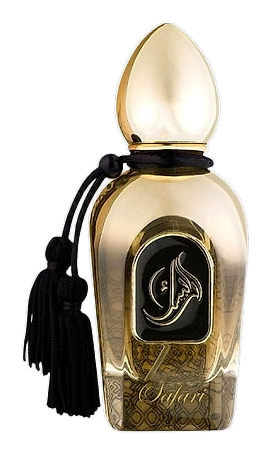
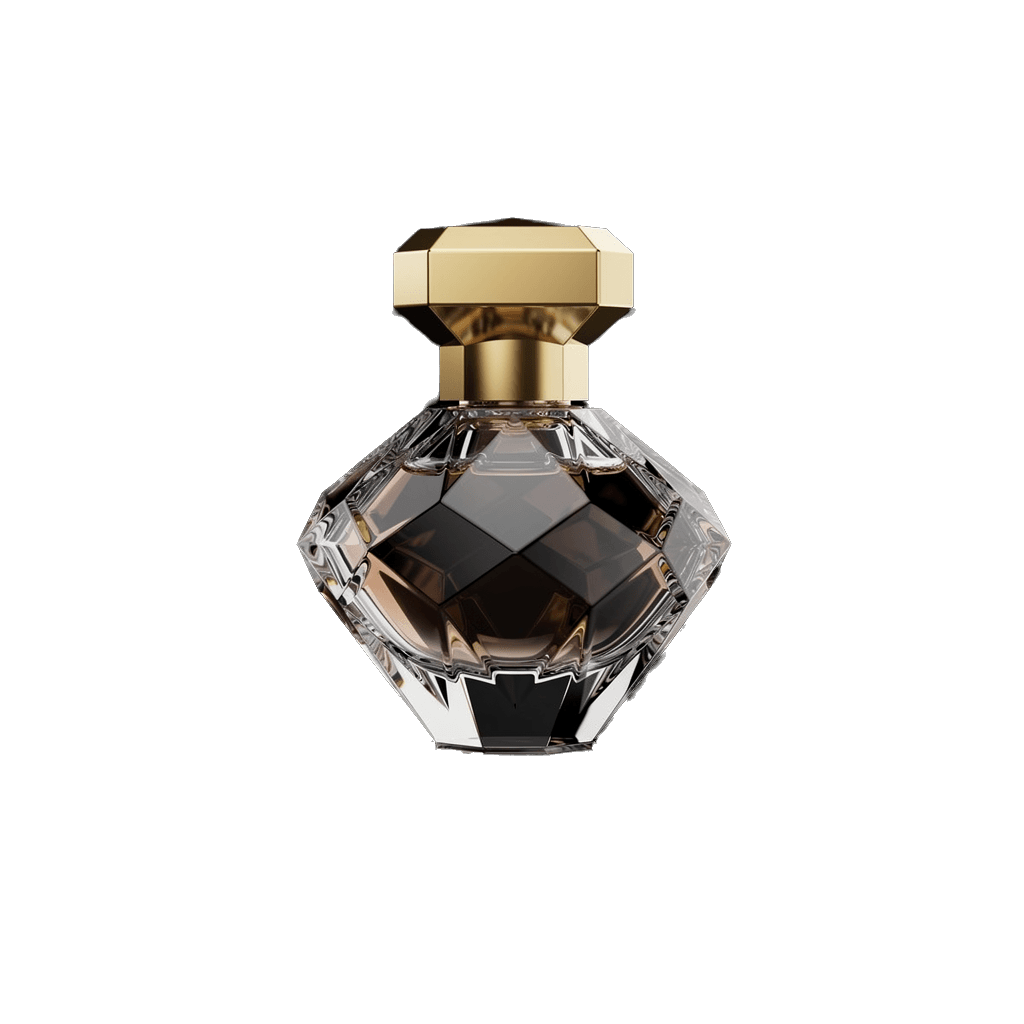
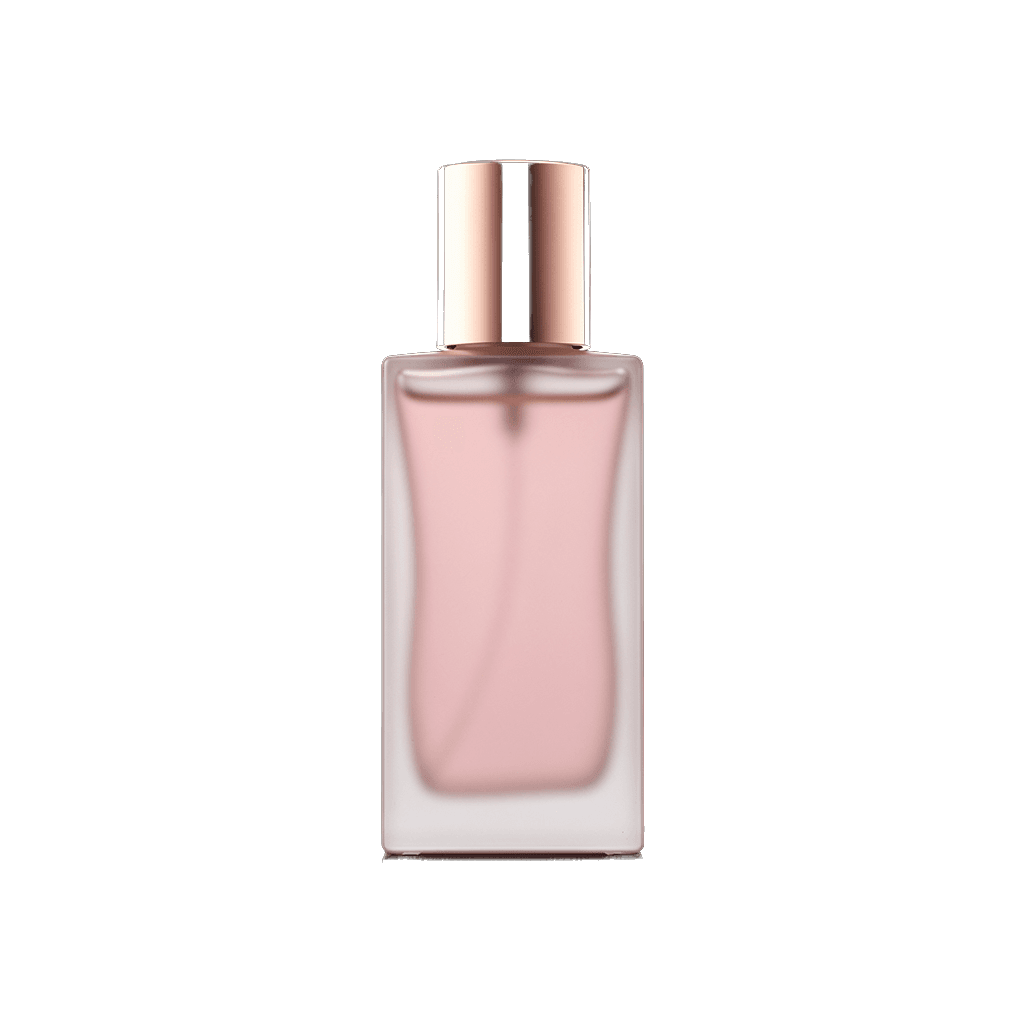
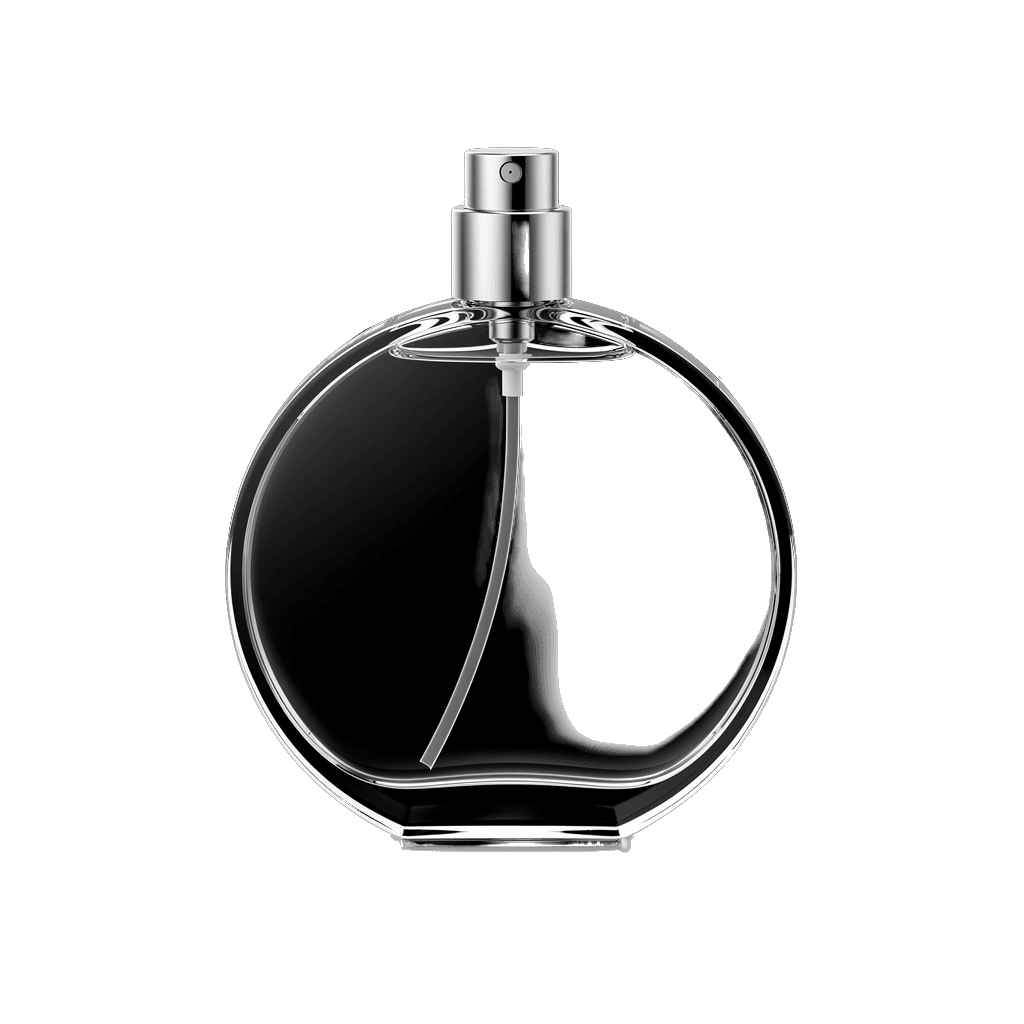
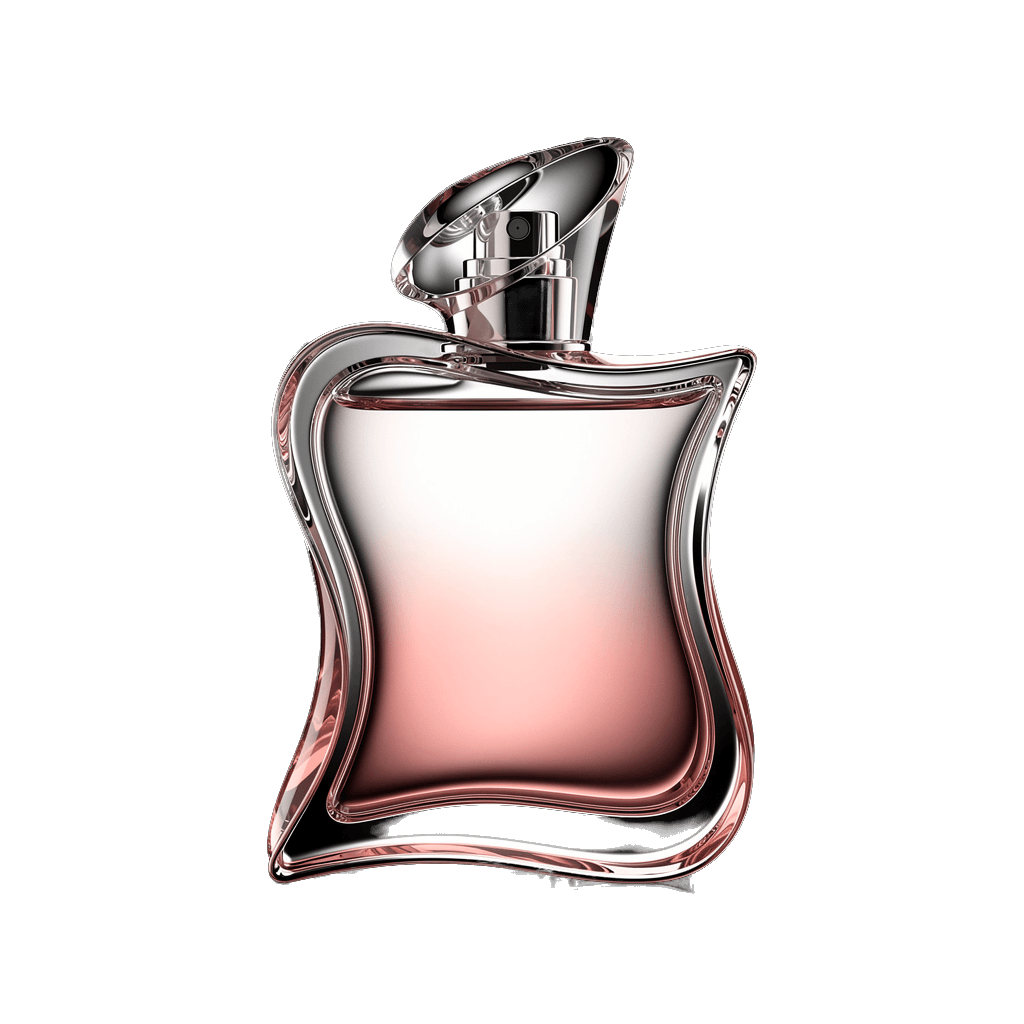
Visually, Arabesque Perfumes adopts a restrained, architectural language that mirrors the clean lines of modern Dubai while echoing traditional Islamic motifs. Bottles are crafted from clear or amber glass with a subtle curvature reminiscent of ancient perfume flasks, and each is topped with a matte‑black or brushed‑gold cap that bears a stylised Arabic calligraphic swirl. The label design employs a muted palette of sand, deep teal and copper, with the brand name rendered in both Latin and Arabic scripts. Packaging boxes are printed on recycled kraft paper, featuring embossed geometric patterns inspired by Mashrabiya screens; these patterns are deliberately understated, allowing the scent story on the inner leaflet to take centre stage. Marketing imagery frequently showcases desert landscapes, historic caravan routes or contemporary cityscapes, paired with close‑up shots of the raw ingredients—oud chips, rose petals, frankincense resin—highlighting the material authenticity. In retail settings, Arabesque displays are often built from reclaimed wood, with soft ambient lighting that encourages a contemplative browsing experience. The overall aesthetic balances heritage and modernity, offering a visual cue that the fragrance inside is both rooted in tradition and designed for today’s discerning nose.
Philosophy
Arabesque Perfumes frames its creative vision around the concept of "scented storytelling." The brand believes that a fragrance should act as a narrative thread, linking the wearer to a specific place, time or emotion. This philosophy draws on the historic role of perfume in Arab culture, where scents were used in ceremonies, poetry and daily life to convey status, mood and memory. Arabesque’s designers prioritize authenticity, opting for ingredients that can be traced to their geographic origins—such as Omani agarwood, Yemeni frankincense and Moroccan rose. At the same time, the house embraces a minimalist aesthetic, avoiding overly complex accords in favor of clear, focused compositions that let each note breathe. Sustainability is a stated value; the brand sources many raw materials through certified suppliers who practice responsible harvesting, especially for oud and sandalwood. Transparency is another pillar: product pages on the official website list the primary ingredients and their percentages, allowing consumers to understand the structure of each perfume. Arabesque also encourages a personal connection with scent, inviting customers to explore the stories behind each launch through blog posts and limited‑edition print lookbooks that feature regional art and poetry. This approach positions the house as a cultural bridge, offering a curated glimpse into Arabian olfactory heritage without resorting to generic luxury tropes.
Key Milestones
2017
Launch of the brand with its inaugural fragrance Kohel, followed by Majesty, Safari, Naema and Bacara within the same year.
2019
Introduction of the musk duo Elusive Musk and Glory Musk, marking a shift toward animal‑free, clean‑drying musks.
2022
Release of Gecko, a botanical‑focused scent that incorporated sustainably sourced cedar and green notes.
2024
Bacara Oud debuts as the house’s first high‑concentration oud composition, receiving coverage in niche fragrance publications.
At a Glance
Brand profile snapshot
Origin
United Arab Emirates
Founded
2017
Heritage
9
Years active
Collection
2
Fragrances released
Avg Rating
3.8
Community sentiment
Release Rhythm