The Heritage
The Story of Balenciaga
Balenciaga translates its runway daring into a modest but confident fragrance line. The house offers a curated mix of vintage re‑issues and contemporary scents that echo its architectural roots. Each bottle invites collectors to explore a legacy that began in couture and now lives in scent, while the brand maintains a clear, uncluttered identity on the Silloria platform.
Heritage
Cristóbal Balenciaga opened his first atelier in San Sebastián in 1917, then moved to Paris in 1937 where he reshaped haute couture. The fashion house launched its inaugural perfume, Le Dix, in 1947, a floral‑spicy composition that appeared the same year as Miss Dior. Le Dix marked Balenciaga as one of the earliest couture houses to enter perfumery. After a quiet period, the brand revived its olfactory portfolio in the 1970s with Ho Hang (1972) and Michelle (1979). The 1980s added Portos (1980) and Ho Hang Club (1987), reflecting the era’s shift toward richer, amber‑laden notes. In 1990 Balenciaga introduced Balenciaga Pour Homme, a crisp, aromatic scent that aligned with the house’s modernist aesthetic. The turn of the millennium saw Cristóbal pour Homme (2000) and Cristóbal pour Homme Cologne d’Orient (2000), both paying homage to the founder’s Spanish heritage while embracing contemporary composition techniques. In 2023 Kering Beauté created a dedicated fragrance unit, enabling the house to revisit its archives with modern technology, as seen in the recent recreation of Le Dix using digital scent scanning. Throughout more than a century, Balenciaga’s fragrance journey mirrors its fashion narrative: disciplined structure, bold reinterpretation, and a continual dialogue between past and present.
Craftsmanship
Balenciaga’s fragrance production begins with a brief that references the house’s architectural motifs. Perfumers translate that brief into a formula that balances structure and fluidity. The brand sources raw materials from established suppliers in Grasse, Madagascar, and the United States, ensuring each ingredient meets strict quality standards. Natural extracts such as Bulgarian rose, Indian sandalwood, and Brazilian ambergris substitutes undergo cold‑press or steam distillation to preserve their aromatic integrity. Synthetic aromachemicals are introduced only when they enhance stability or extend the scent’s evolution without compromising authenticity. After formulation, the blend is aged in stainless‑steel tanks for several weeks, allowing the notes to integrate fully. Quality control teams conduct blind olfactory panels, comparing each batch against a master reference created from the original Le Dix archive. Bottles are filled in a clean‑room environment to prevent contamination. The house employs hand‑blown glass for select limited editions, a process that requires skilled artisans to shape each vessel without seams. Labels are printed on recycled paper using vegetable‑based inks, aligning with the brand’s sustainability goals. Final products undergo a final sensory audit before release, guaranteeing that every spray delivers the intended balance of precision and depth.
Design Language
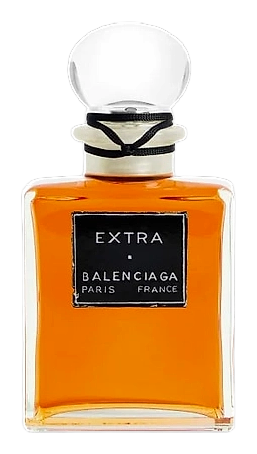
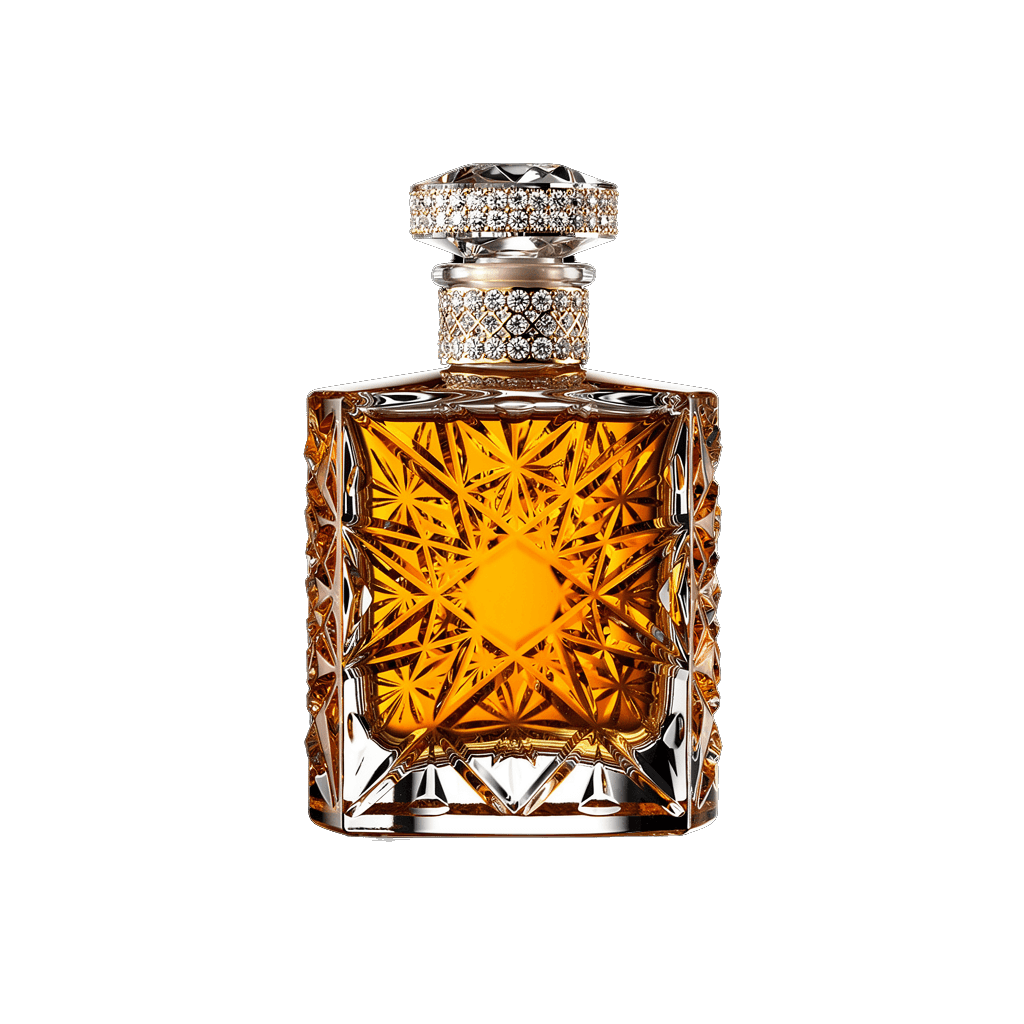
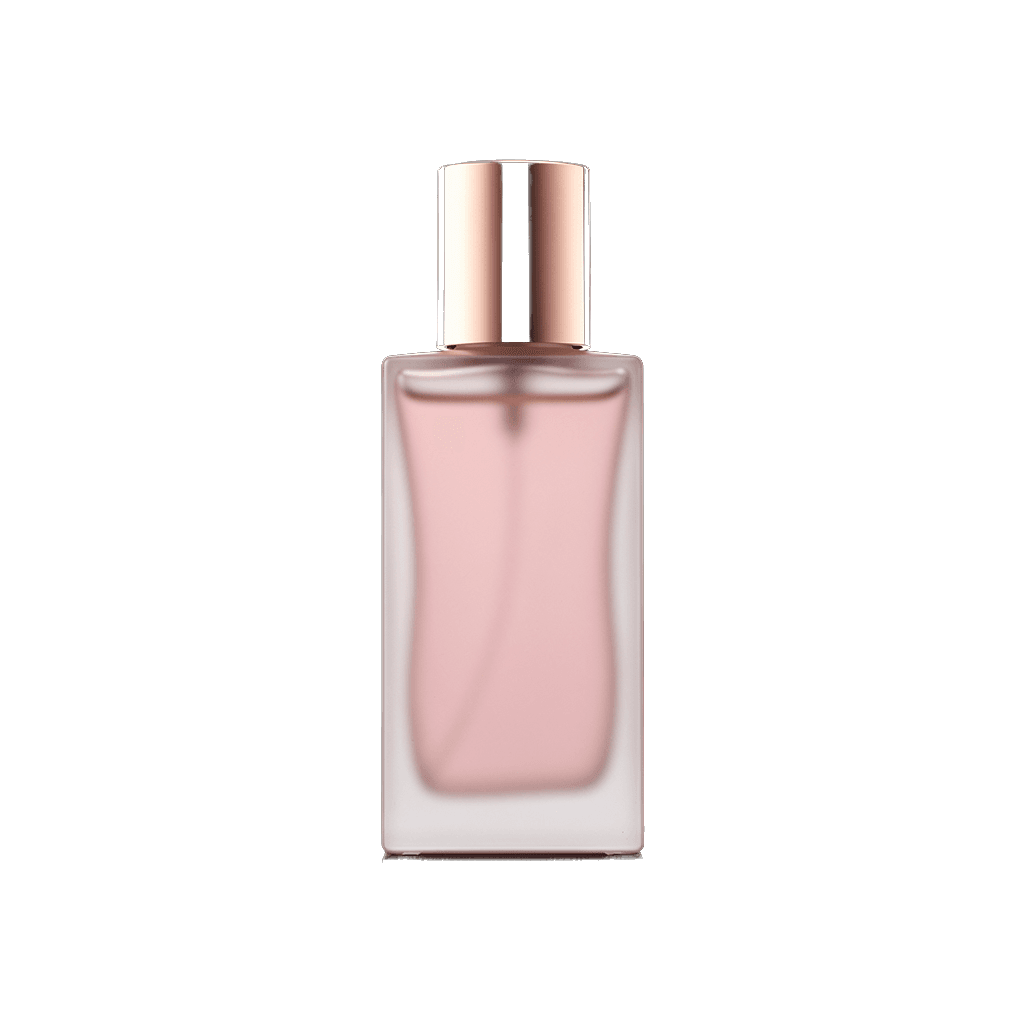
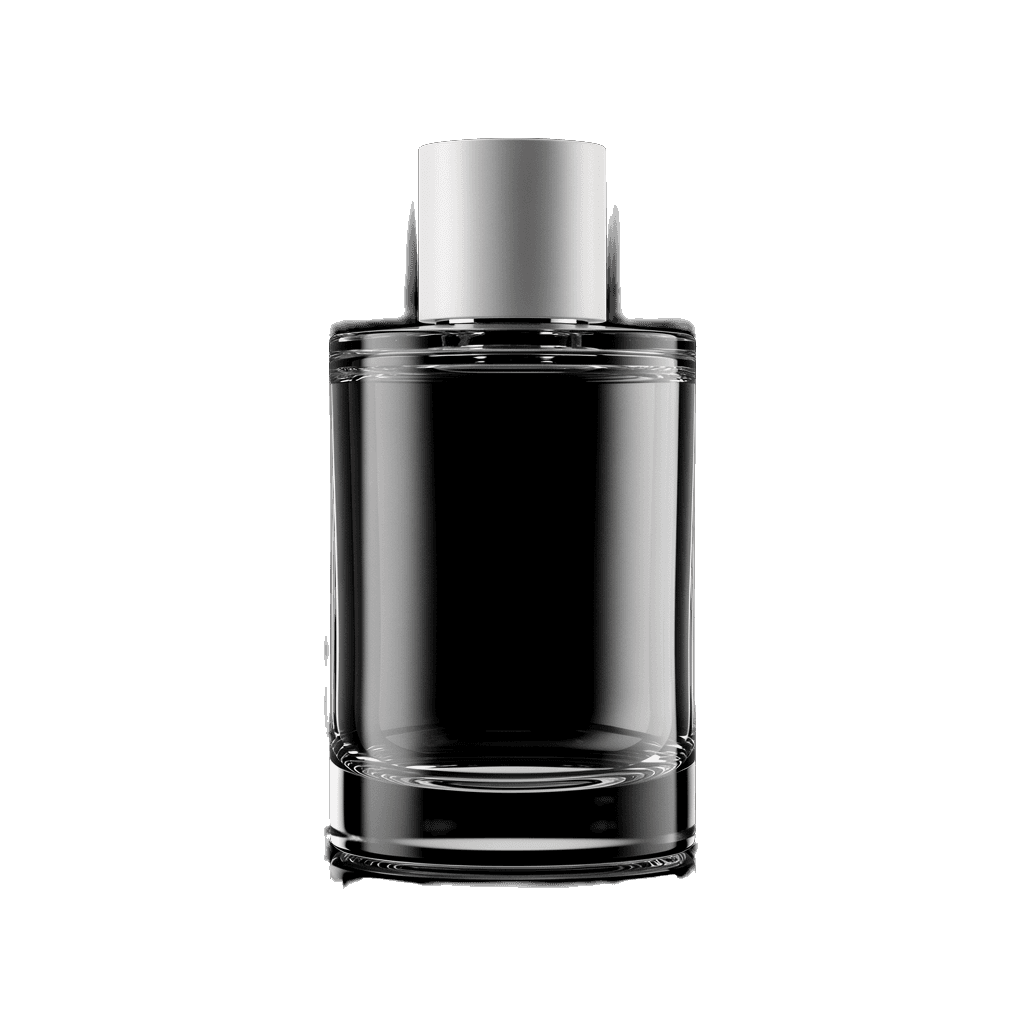
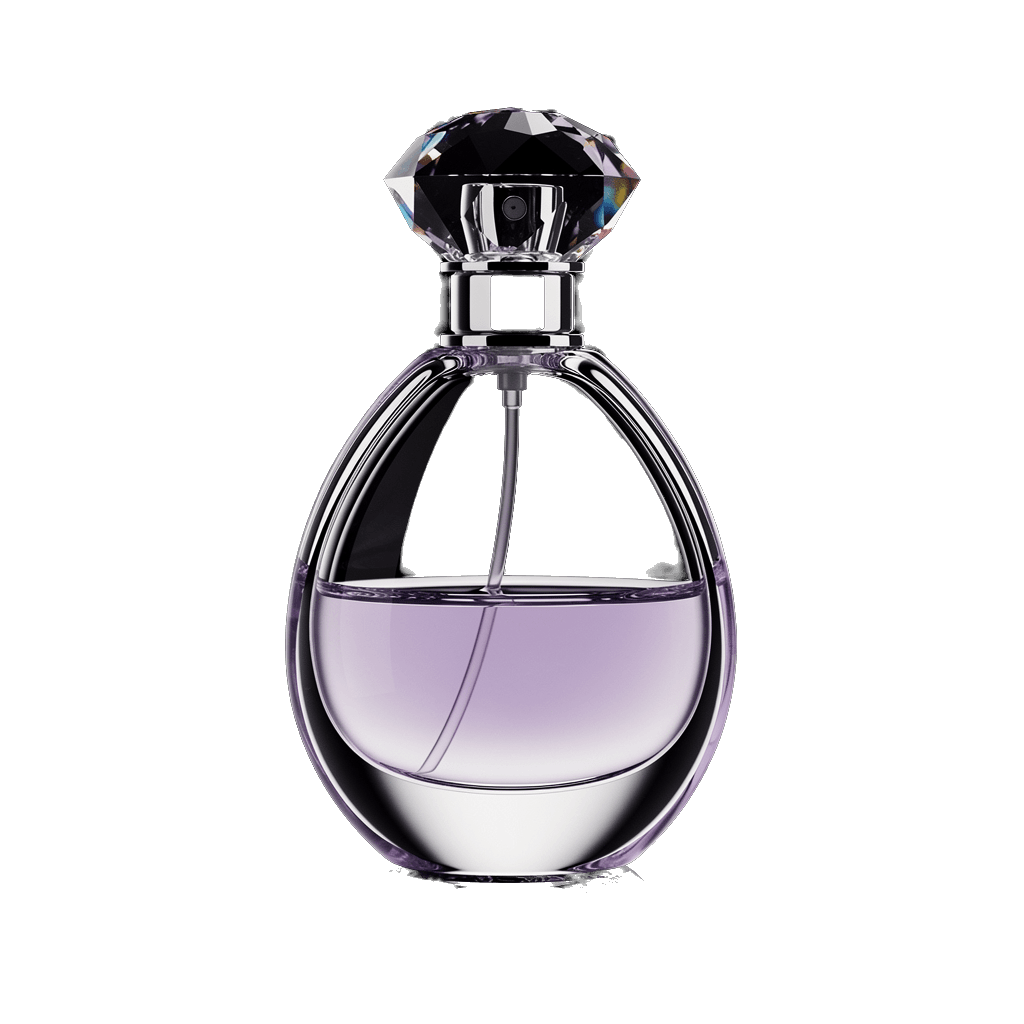
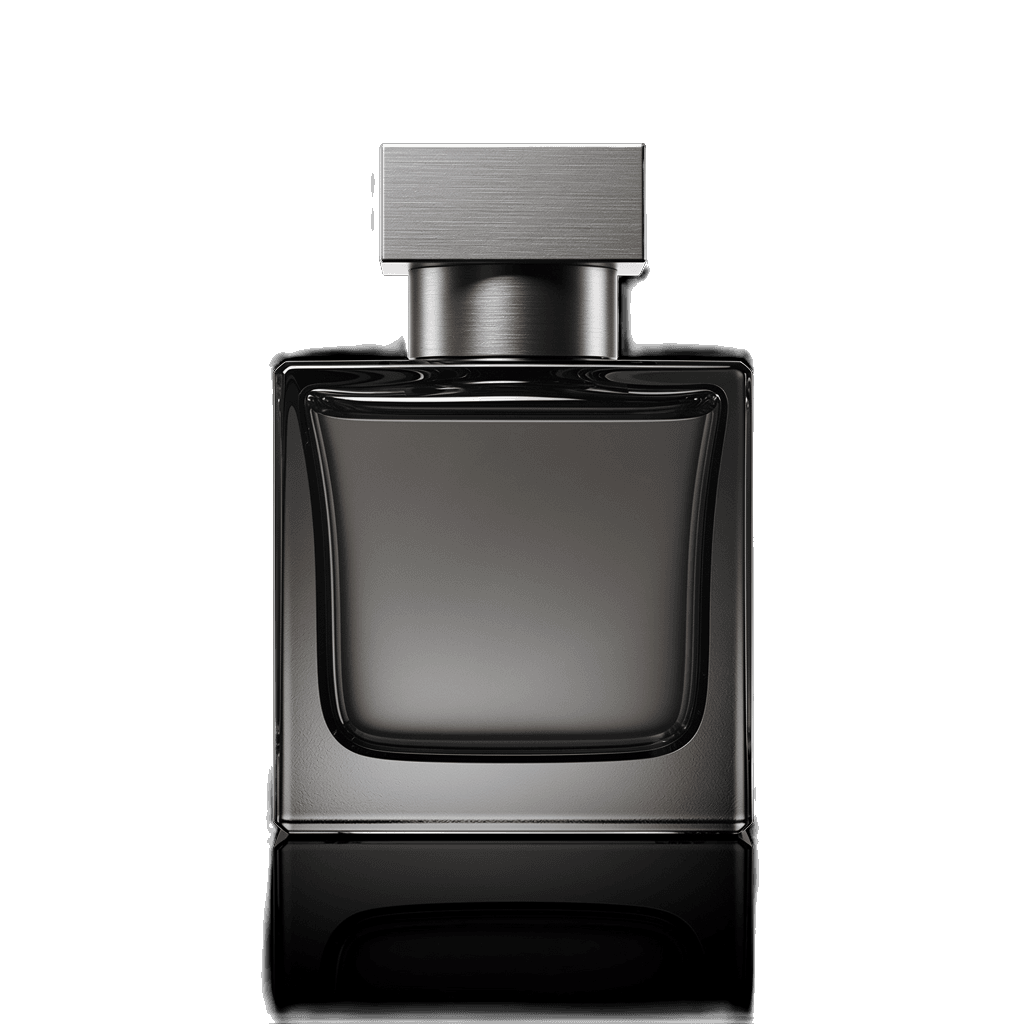
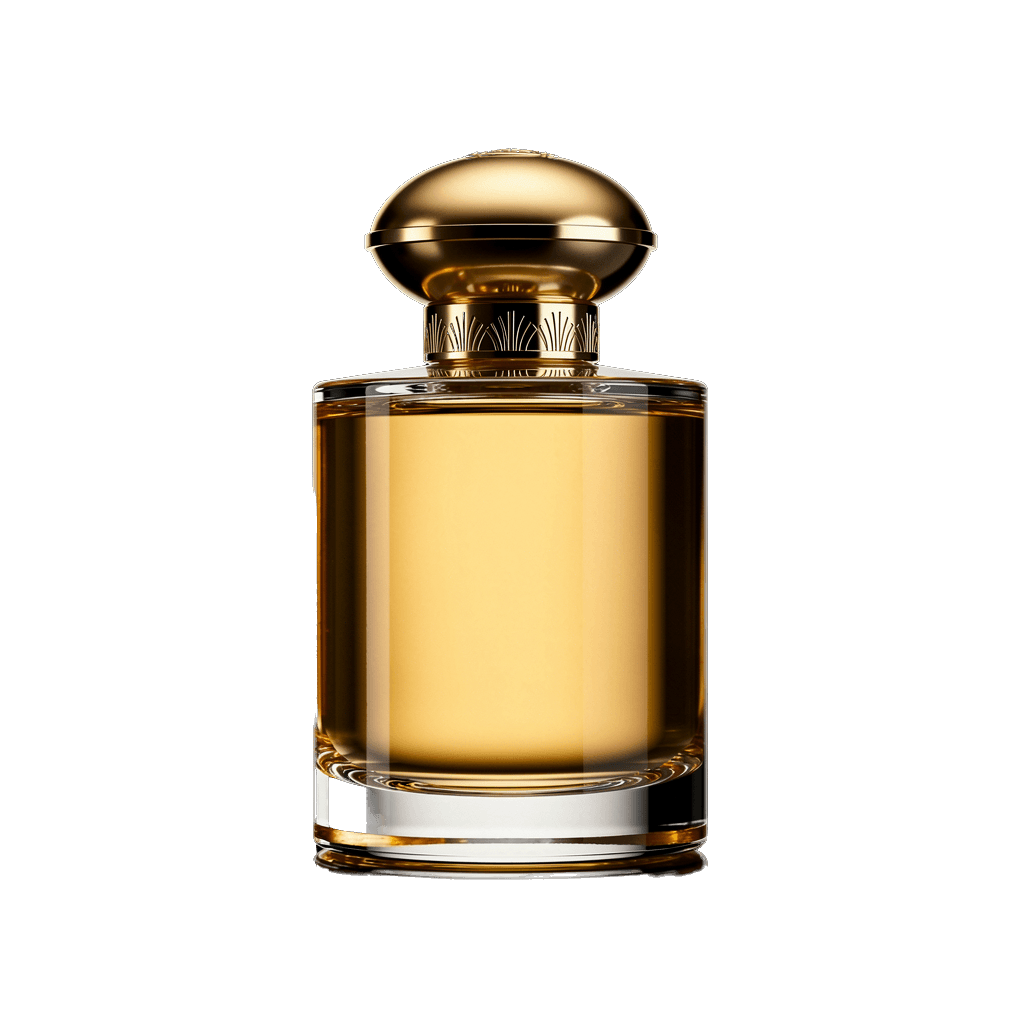
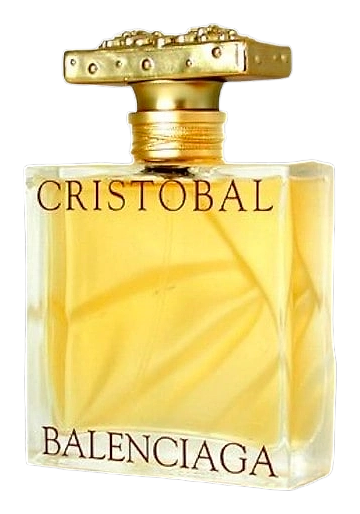
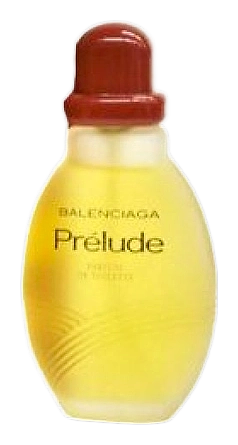
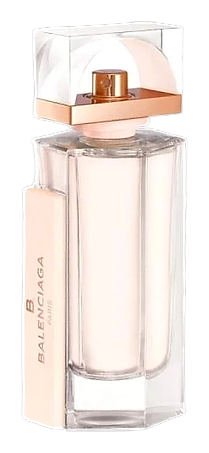
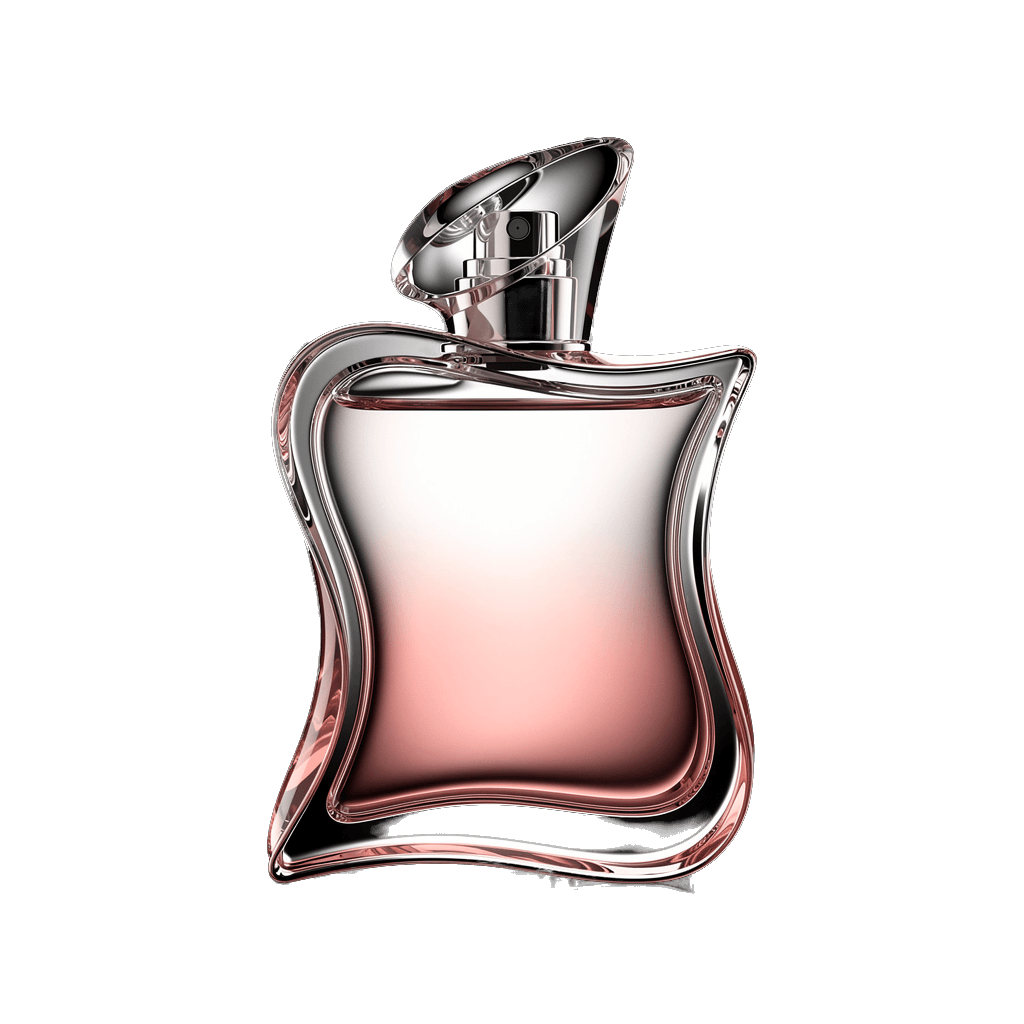
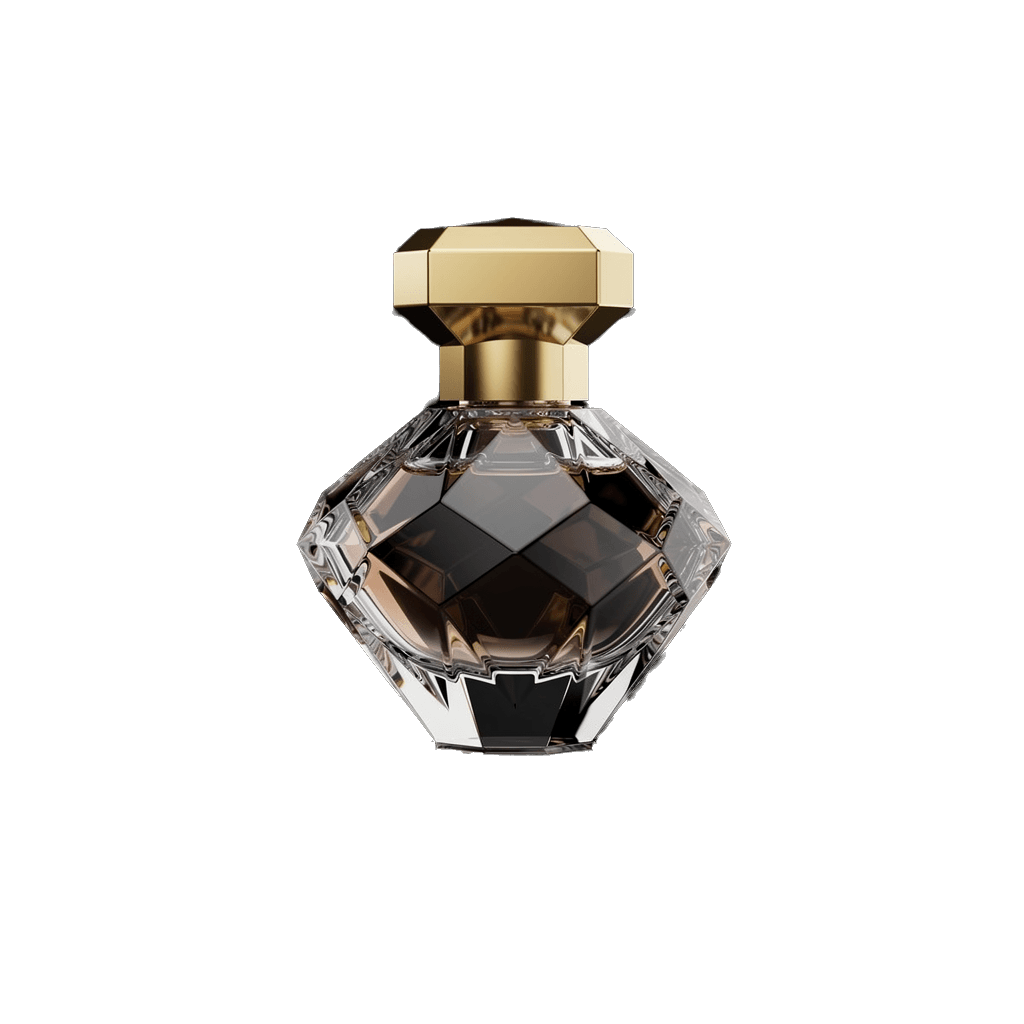
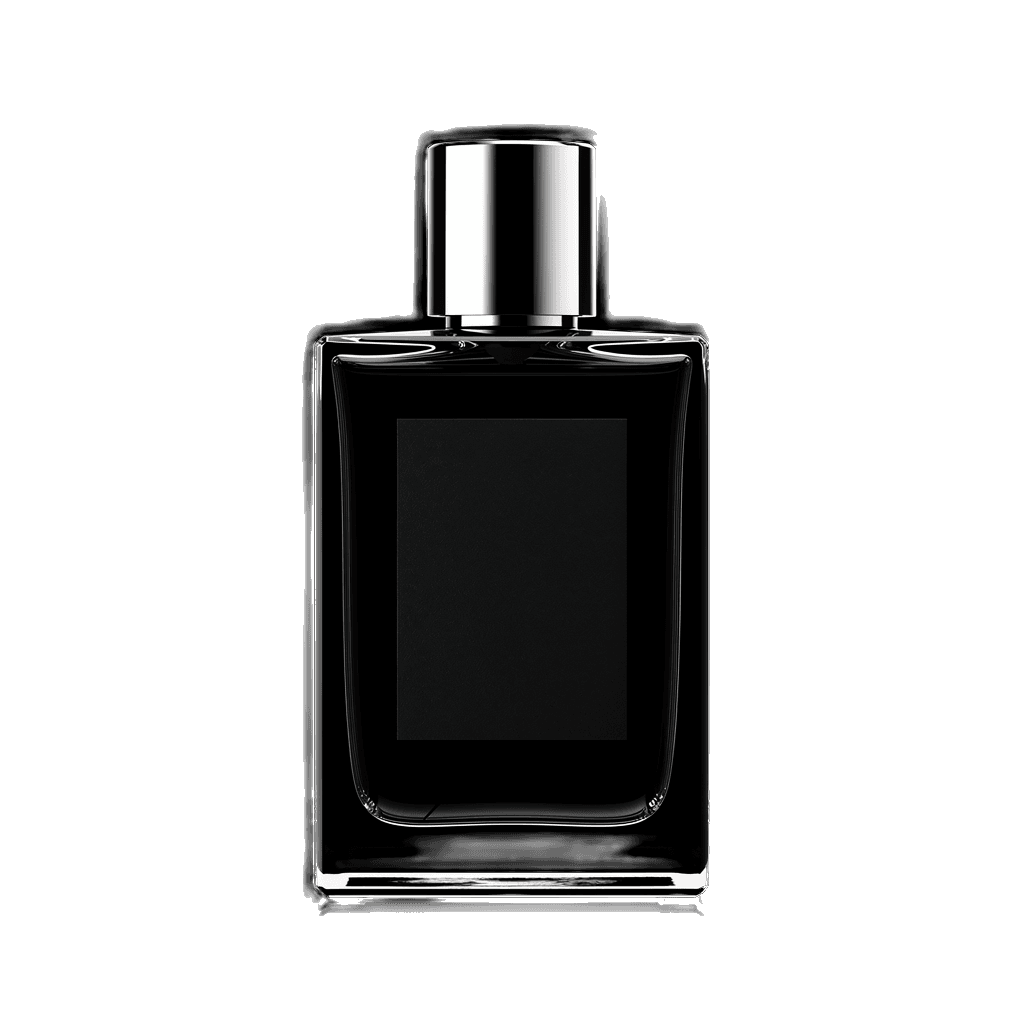
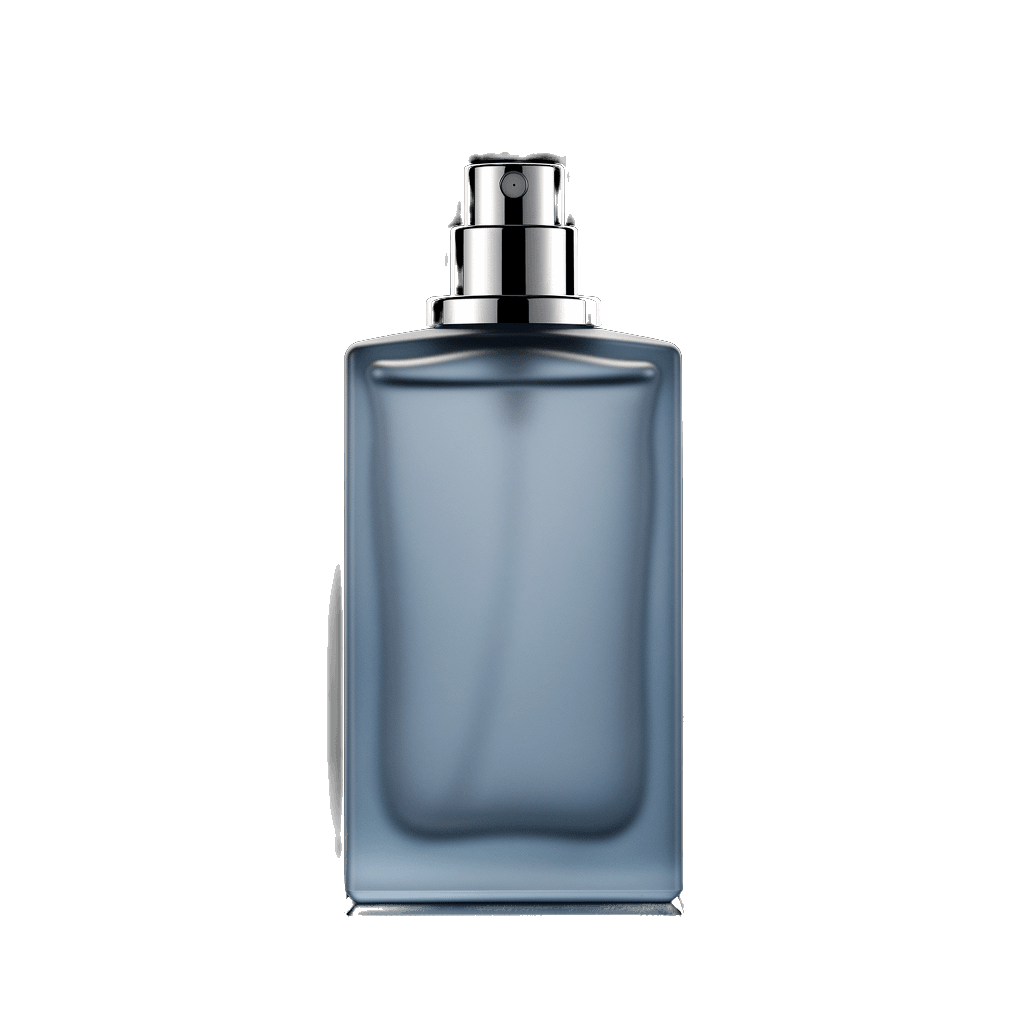
Balinskiaga’s visual language mirrors its fashion silhouette: sharp, minimalist, and instantly recognizable. Bottle designs feature clean lines, often with a square or rectangular base that echoes the house’s iconic tailoring. The brand favors monochrome palettes—black, white, or muted metallics—allowing the fragrance’s name to appear in a simple sans‑serif typeface. Caps are typically matte‑finished, sometimes adorned with a subtle metal accent that references the brand’s logo. Limited‑edition releases may incorporate textured glass or a brushed aluminum sleeve, adding tactile interest without overwhelming the overall restraint. Packaging boxes use thick, uncoated paper, reinforcing a tactile connection to the product. Visual campaigns showcase the perfume in stark studio settings, emphasizing form over narrative. This aesthetic consistency creates a seamless bridge between Balenciaga’s runway presentations and its scent offerings, reinforcing the house’s reputation for disciplined elegance.
Philosophy
Balenciaga treats scent as an extension of its architectural language. The house believes that a perfume should possess clear lines, balanced proportions, and a sense of movement, much like its garments. It prioritises authenticity, drawing directly from Cristóbal Balenciaga’s original aesthetic rather than chasing fleeting trends. The brand collaborates with perfumers who respect the house’s heritage while introducing subtle innovations, such as using modern extraction methods to preserve traditional ingredients. Sustainability informs ingredient selection; the house prefers responsibly sourced raw materials and supports growers who follow fair‑trade practices. Balenciaga also values transparency, offering limited edition releases that include details about the fragrance’s composition and the inspiration behind each note. This approach reflects a broader commitment to craftsmanship, where every element—from concept to final spray—serves a purposeful narrative.
Key Milestones
1917
Cristóbal Balenciaga opens his first atelier in San Sebastián, Spain.
1947
Balenciaga launches its first perfume, Le Dix, marking the house’s entry into fragrance.
1972
Ho Hang debuts, introducing a richer, amber‑focused profile to the line.
1990
Balenciaga Pour Homme releases, aligning the scent with the brand’s modernist direction.
2000
Cristóbal pour Homme and Cristóbal pour Homme Cologne d’Orient launch, celebrating the founder’s heritage.
2023
Kering Beauté establishes a dedicated fragrance unit, enabling archival recreations such as Le Dix using digital scanning.
At a Glance
Brand profile snapshot
Origin
France
Founded
1917
Heritage
109
Years active
Collection
5
Fragrances released
Avg Rating
4.2
Community sentiment
Release Rhythm