

The Heritage
The Story of Bissoumine
Bissoumine is a French fragrance house rooted in the perfume capital of Grasse. Since its launch in 2009 the label has built a modest catalogue of seven scents, each crafted by the duo of perfumers Kitty Shpirer and Patrice Martin. The brand extends beyond perfume, offering hand‑made silk scarves and scented candles that echo the same attention to scent and texture. Bissoumine positions itself as a quiet alternative to the louder niche market, letting the fragrance speak for itself.
Heritage
Bissoumine emerged in 2009 from an encounter between two Grasse‑based perfumers, Kitty Shpirer and Patrice Martin. Both had spent years working in larger fragrance houses before deciding to collaborate on a line that would reflect their shared love of Mediterranean light and botanical nuance. Their first release, Temps des Reves, arrived the same year as A L'Ombre du Figuier and Nuit des Iles, establishing a thematic focus on dreamy, sun‑kissed landscapes. In 2011 the pair introduced Un Ange Passe, a fragrance that drew on the fleeting quality of a passing angelic moment, and in 2012 they added Les Fleurs de Nall, a composition centered on rare blossoms. The 2013 launch of Aria Sublime marked a subtle shift toward airy, lyrical accords, while Matin d'Azur in 2016 expanded the range with a crisp, coastal freshness. Throughout its first decade Bissoumine also diversified into tactile products, releasing hand‑woven silk scarves that feature hand‑dyed pigments matching the olfactory palette, and candles whose wax blends echo the brand’s signature notes. The house remains privately owned, with no public equity or corporate parent, allowing the founders to retain full creative control. Over the years the label has participated in niche fragrance fairs in Paris and Milan, gaining modest press coverage that highlights its artisanal approach rather than commercial ambition.
Craftsmanship
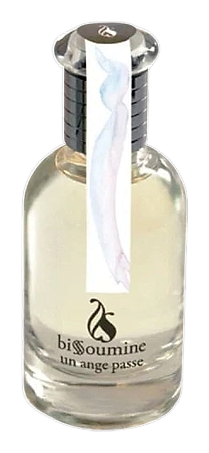
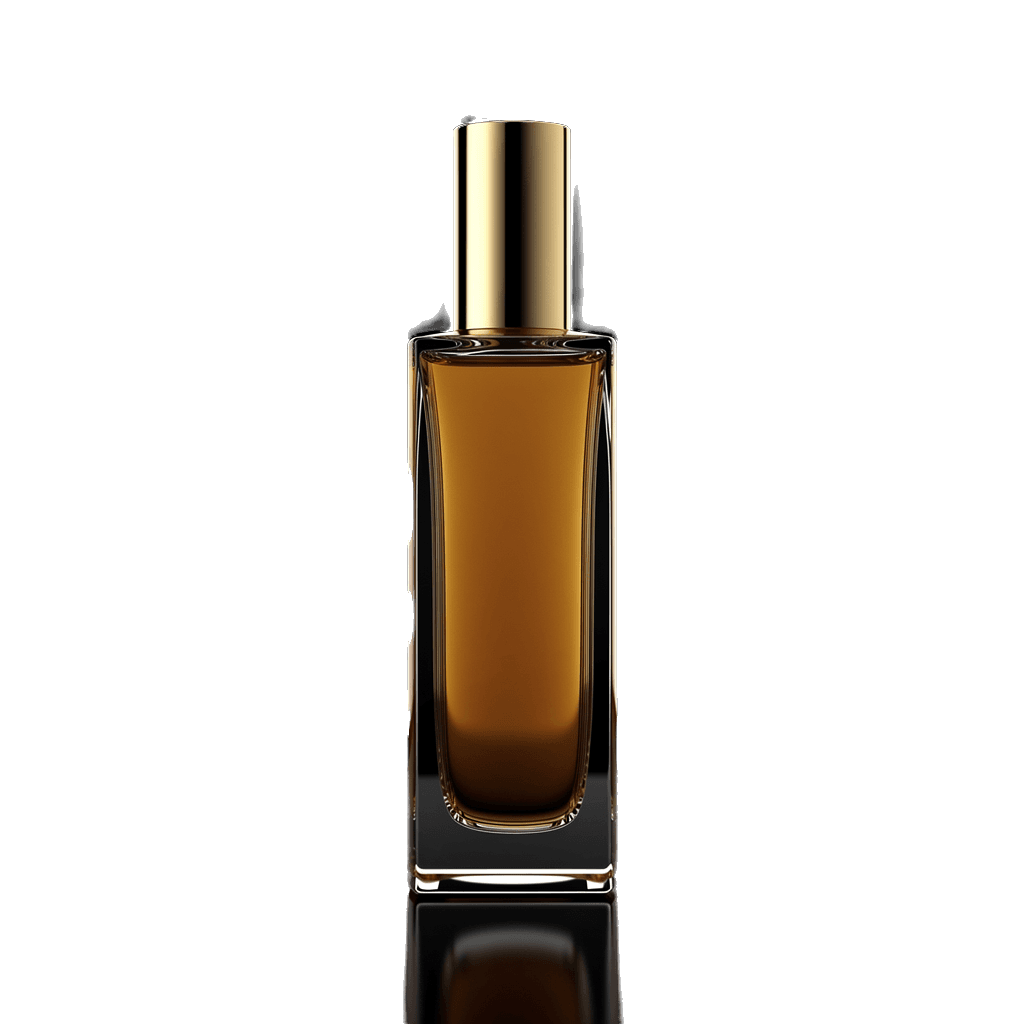
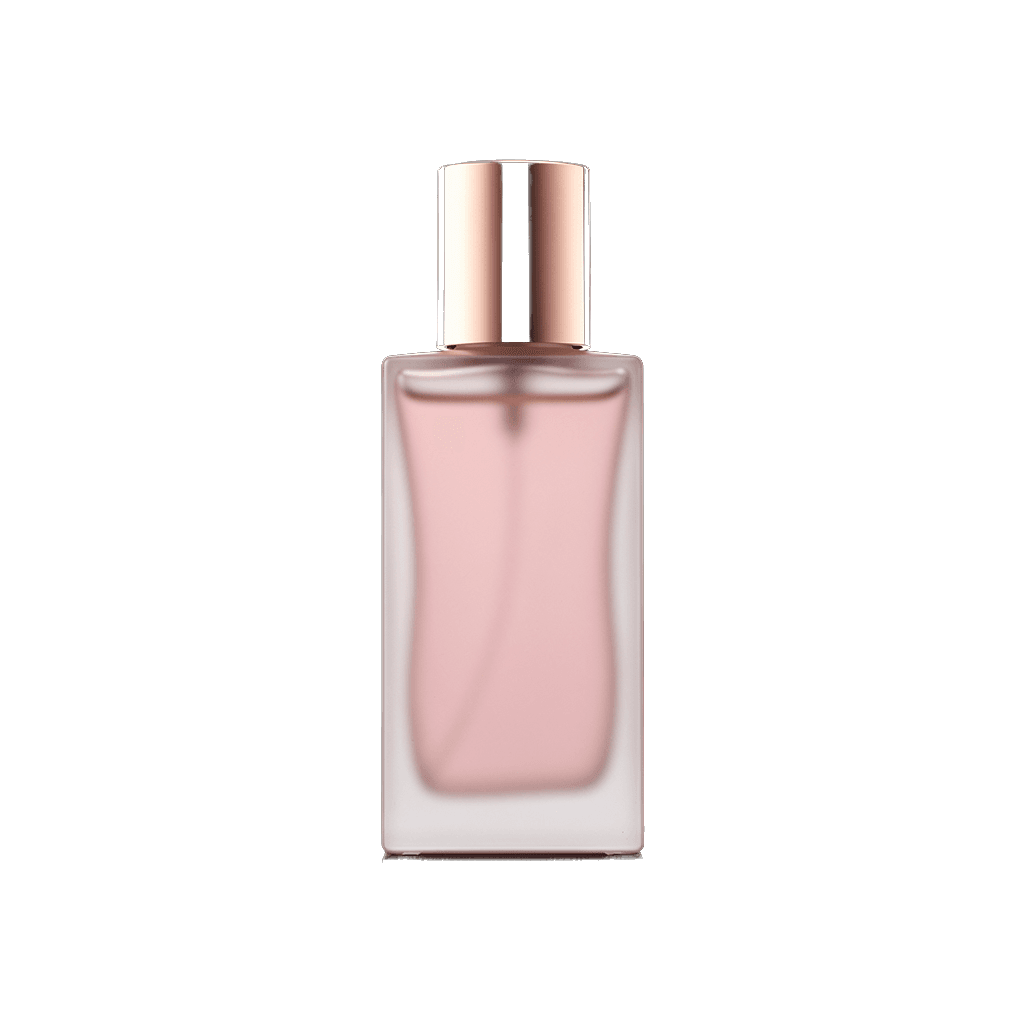
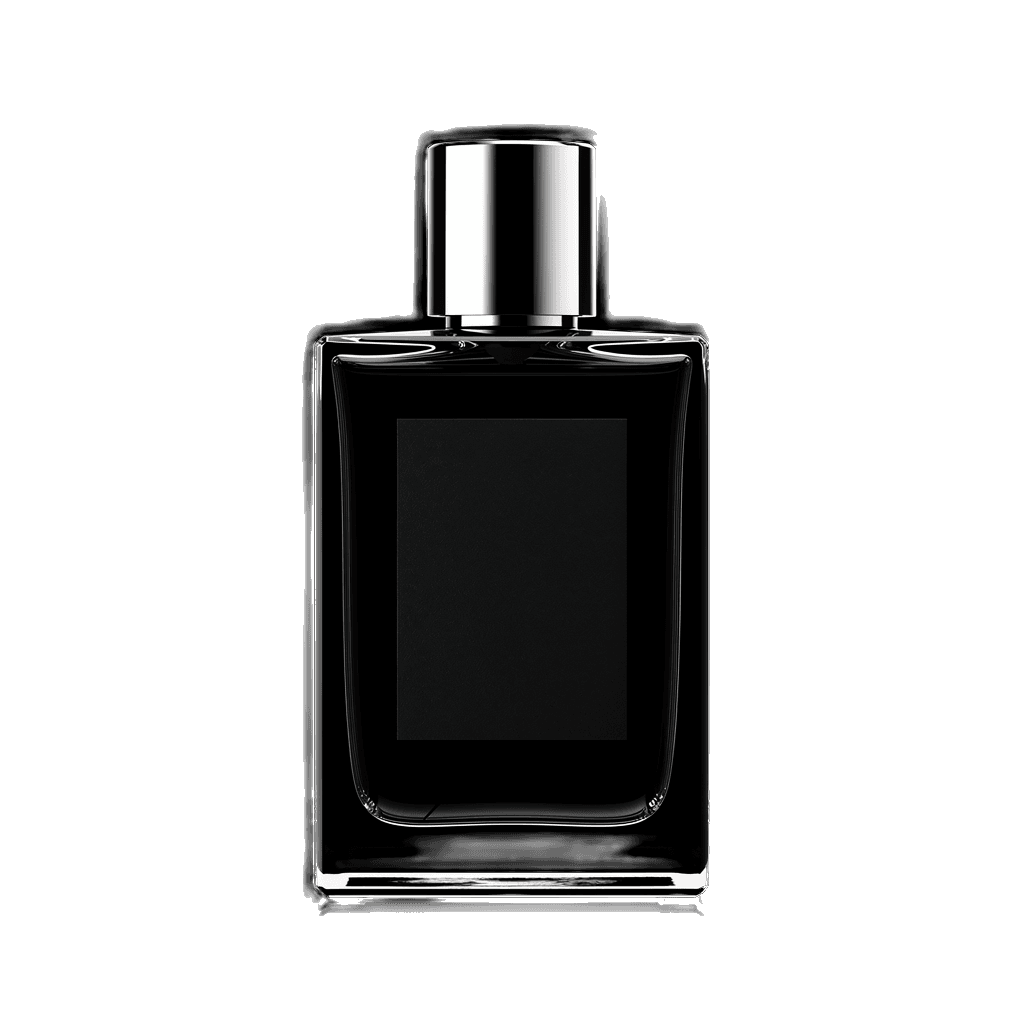
Every Bissoumine perfume begins with a detailed brief that references a place, season or fleeting emotion. Shpirer and Martin then source raw materials from growers who practice traditional harvesting methods; for example, the bergamot used in Matin d'Azur comes from coastal groves in Calabria, where fruit is hand‑picked at peak ripeness. The house favors cold‑press extraction for citrus notes to preserve volatile compounds, while floral absolutes such as jasmine are obtained through solvent‑free enfleurage when possible. Once the raw extracts arrive in the Grasse workshop, the perfumers blend them in small batches, typically no larger than 500 millilitres, allowing close monitoring of evaporation and maturation. The blends rest in dark glass vessels for a period ranging from three weeks to several months, during which the team conducts olfactory evaluations to fine‑tune balance. Bissoumine’s bottles are hand‑blown by a local glass artisan, using a simple, unadorned silhouette that showcases the perfume’s colour. Caps are machined from brushed aluminum, providing a tactile contrast to the smooth glass. The final product is filtered through a stainless‑steel mesh to remove any particulate matter before sealing. Quality control includes a double‑check of concentration levels, stability testing at varying temperatures, and a final sensory review by both perfumers and an independent panel of fragrance consultants.
Design Language
Visually, Bissoumine embraces a restrained palette of muted earth tones and soft pastels that echo the scents’ natural inspirations. Bottle shapes are cylindrical with gently rounded shoulders, allowing the liquid’s hue to become the focal point. Labels feature hand‑drawn illustrations of the fragrance’s key motif—a fig leaf, a Mediterranean sunrise, a wildflower—rendered in watercolor style. Typography is set in a clean, sans‑serif typeface that balances modernity with readability. The brand’s packaging for scarves and candles mirrors this aesthetic, using recycled kraft paper and subtle embossing that hints at the scent story inside. In retail displays, the products are arranged on reclaimed wooden trays, reinforcing the house’s commitment to understated elegance and environmental mindfulness. Marketing imagery often depicts the fragrances in situ—on a sun‑lit terrace, beside a fig tree, or against a sea‑washed stone wall—allowing the visual narrative to complement the olfactory one without resorting to overt luxury tropes.
Philosophy
The creative vision at Bissoumine rests on a belief that scent should capture a precise moment rather than a broad concept. Shpirer and Martin describe their work as an attempt to bottle the feeling of a sunrise over the Mediterranean or the whisper of a fig tree’s shade. The brand values transparency in ingredient sourcing, preferring raw materials that can be traced to specific growers in Provence, Corsica and the broader Mediterranean basin. Sustainability informs their choices: natural extracts are harvested with minimal impact, and synthetic aromachemicals are employed only when they reduce overall ecological load. Bissoumine also emphasizes a tactile dimension, offering silk accessories that invite the wearer to experience scent through both skin and sight. The house rejects the notion of fragrance as a status symbol, instead framing each perfume as a personal memory keeper, encouraging users to associate the scent with their own stories rather than a brand narrative.
Key Milestones
2009
Bissoumine founded in Grasse by perfumers Kitty Shpirer and Patrice Martin; launch of first three fragrances: Temps des Reves, A L'Ombre du Figuier, Nuit des Iles.
2011
Release of Un Ange Passe, expanding the brand’s narrative focus on fleeting moments.
2012
Introduction of Les Fleurs de Nall, highlighting rare botanical ingredients sourced from Corsica.
2013
Aria Sublime debuts, marking a shift toward lighter, airy compositions.
2015
Bissoumine adds handcrafted silk scarves to its product line, integrating visual and tactile design.
2016
Matin d'Azur launched, featuring Calabrian bergamot and solidifying the brand’s Mediterranean identity.
At a Glance
Brand profile snapshot
Origin
France
Founded
2009
Heritage
17
Years active
Collection
2
Fragrances released
Avg Rating
4.0
Community sentiment
Release Rhythm