The Heritage
The Story of Bjorn Borg
Björn Borg is a Swedish lifestyle brand that extends its athletic heritage into fragrance. The scent line debuted in 2010 with the colourful Love All collection, followed by the Heritage and JA! series in 2013. Each perfume is presented in a translucent bottle that mirrors the brand’s sporty, youthful aesthetic. The fragrances are marketed alongside the company’s apparel, shoes and accessories, offering a scent‑forward way to express the same kinetic energy that defines the Björn Borg name.
Heritage
The Björn Borg company was founded in 1989 by Anders Arnborger and Louise Hildebeck. Their original aim was to challenge the conventions of sportswear by blending performance fabrics with fashion‑forward design. In 1997 the group secured a licence that allowed the brand to expand beyond clothing into a broader range of consumer goods, including eyewear, footwear and later fragrance. The first perfume appeared in 2010 under the Love All banner, a series that introduced six colour‑coded scents such as Clean Green and Foxy Red. The launch was supported by a marketing campaign that linked the scents to the energy of tennis and the brand’s Swedish roots. In 2013 Björn Borg added two new families: Heritage, a more mature line that sought to capture the legacy of the tennis champion, and JA!, a gender‑balanced duo aimed at a younger, club‑going audience. The JA! range was developed in partnership with Maesa, a specialist in customised fragrance production, a collaboration noted in Premium Beauty News. Throughout the 2010s the brand maintained a steady release cadence, adding limited editions and seasonal variants while keeping the core visual language of bright, minimalist packaging. By the early 2020s Björn Borg had established a recognizable scent portfolio that sits alongside its well‑known under‑garments and sportswear, reinforcing the company’s reputation for blending function with style.
Craftsmanship
The creation of Björn Borg perfumes relies on partnerships with established fragrance houses. The Heritage scent, for example, was composed by the same studio that has worked on Boss Elements and Marc Jacobs Men, according to a Cision briefing. These houses handle the technical formulation, blending natural extracts with synthetics to achieve the intended character. Ingredient sourcing follows the typical European supply chain for modern perfumery, with citrus, marine and aromatic herbs sourced from Mediterranean growers and synthetic accords produced in regulated facilities. Quality control includes stability testing under varied temperature and humidity conditions, ensuring that the bright colour of each bottle does not affect scent integrity. Production runs are carried out in licensed facilities that meet EU cosmetics regulations, and each batch is documented for traceability. The brand’s collaboration with Maesa for the JA! line introduced a level of customisation, allowing the fragrance house to adjust concentration levels to meet specific market preferences. Throughout the process, Björn Borg retains final approval of the olfactory profile, ensuring that the final product aligns with the brand’s kinetic aesthetic.
Design Language
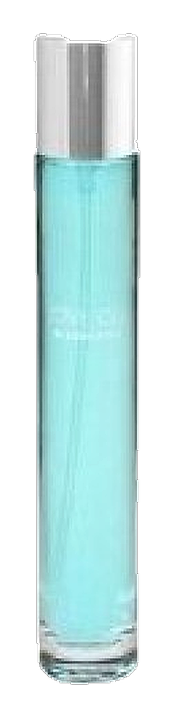
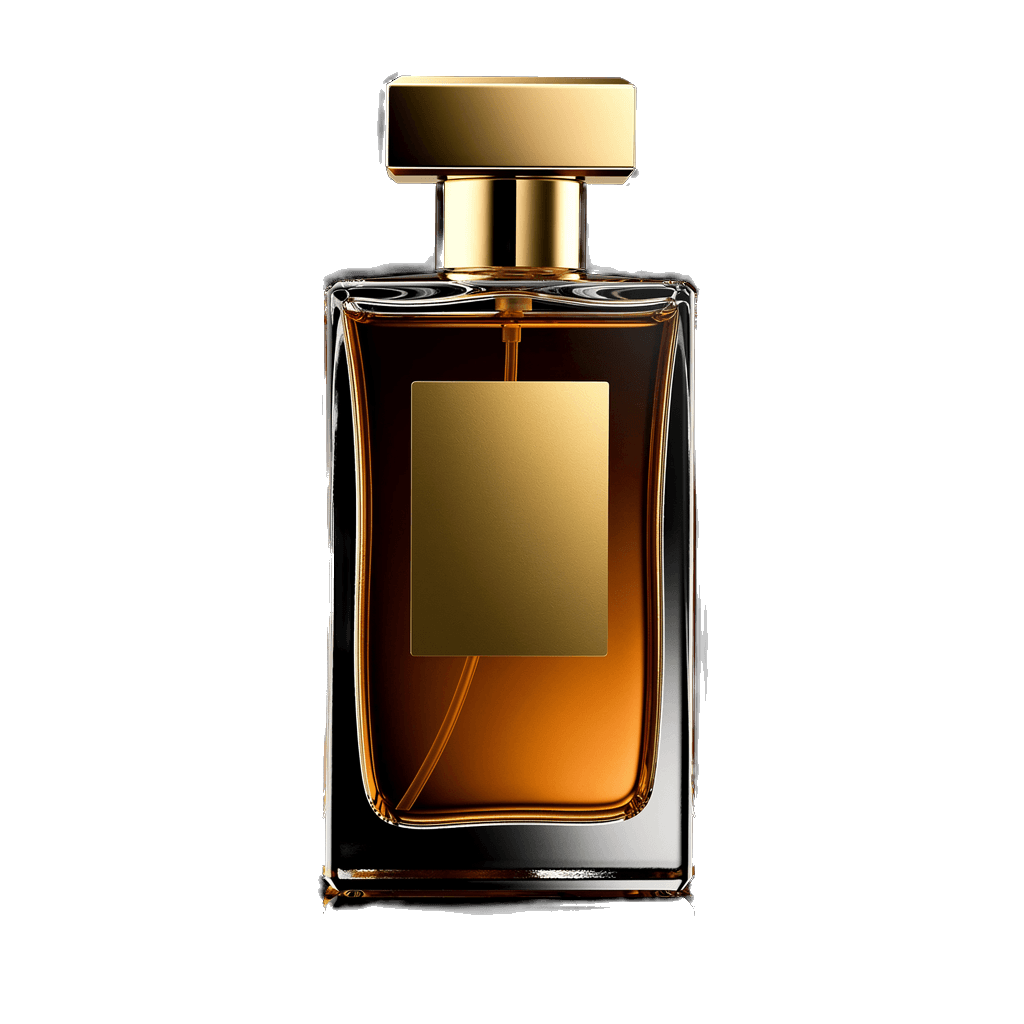
Visual identity is a cornerstone of the Björn Borg fragrance range. Bottles are made of clear glass, tinted in a single hue that corresponds to the scent’s name – for instance, a vivid pink for Love All Hot Pink or a deep violet for Vivid Violet. The label features the brand’s sans‑serif logotype in white, set against the coloured glass, creating a minimalist yet instantly recognizable look. This approach mirrors the company’s broader design language in apparel, where bright primary colours are paired with clean cuts. Marketing imagery frequently incorporates tennis motifs, such as rackets or court lines, but always in a contemporary, lifestyle‑focused context. The overall aesthetic conveys movement and optimism without relying on ornate detailing, reinforcing the brand’s Swedish roots and its focus on functional style.
Philosophy
Björn Borg approaches perfumery as an extension of sport‑driven lifestyle. The brand’s statements emphasize a commitment to simplicity, colour and movement, reflecting the Swedish design tradition of clean lines and functional beauty. Rather than positioning its scents as luxury objects, the company frames them as everyday accessories that accompany an active routine. The fragrance development process is guided by a desire to translate kinetic energy into olfactory form, using fresh, bright notes that evoke a post‑match cool‑down or a sunrise run. Collaboration with external fragrance houses allows Björn Borg to tap specialised expertise while retaining control over the overall concept. The brand also stresses sustainability, noting that ingredient sourcing follows standard industry guidelines and that packaging is designed for recyclability. This pragmatic outlook aligns with the broader corporate ethos of delivering performance‑oriented products without unnecessary extravagance.
Key Milestones
1989
Anders Arnborger and Louise Hildebeck establish the Björn Borg company in Sweden, focusing on innovative sportswear.
1997
The group secures a licence that expands the brand into accessories and later into fragrance.
2010
Launch of the Love All fragrance collection, introducing six colour‑coded scents.
2013
Introduction of the Heritage line and the gender‑neutral JA! duo, developed with fragrance house Maesa.
2015
Björn Borg fragrance range reaches over 30 retail locations across Europe, reinforcing its presence in lifestyle stores.
2020
The brand updates its bottle design to incorporate recyclable glass and a refined label layout.
At a Glance
Brand profile snapshot
Origin
Sweden
Founded
1989
Heritage
37
Years active
Collection
1
Fragrances released
Avg Rating
3.7
Community sentiment
Release Rhythm