
The Heritage
The Story of Bourjois
Bourjois began as a modest Parisian toiletry shop in the mid‑19th century and grew into a household name for colourful cosmetics and approachable fragrance. The brand blends French theatrical flair with everyday wearability, offering scents that feel both playful and rooted in tradition. Over more than a century, Bourjois has kept a focus on accessible luxury, delivering perfume that invites a wider audience to experience the craft of French perfumery without the pretence of exclusive pricing. Its catalogue includes iconic launches such as Mais Oui (1938) and the masculine line that started in the early 1970s, each reflecting a balance of heritage and contemporary taste.
Heritage
The Bourjois story starts in 1860 when Joseph‑Albert Ponsin opened a small toiletry shop on rue d'Hauteville in Paris. In 1886 Alexandre‑Napoleon Bourjois purchased the business from Ponsin and rebranded it under his own name, establishing a dedicated perfume and cosmetics house at 28 Place Vendôme. The new owner expanded the product range beyond basic toiletries, adding colour cosmetics that appealed to the theatrical crowd of Montmartre. By the 1920s the company introduced its first fragrance, Mon Parfum, in 1924, marking a shift toward scent as a core pillar of the brand. The 1930s saw Bourjois devote most of its research and development budget to creating new perfumes, a strategy that produced the enduring Mais Oui in 1938. The post‑war era brought a series of masculine scents, beginning with Masculin in 1972 and followed by variations such as Masculin Aguirre (1991) and Masculin Barbare (2005). In 1991 the brand launched L'Insaisissable, a floral‑spicy composition that remains a reference point for its modern line‑up. Ownership passed to the Wertheimer family—who also controlled Chanel—around the turn of the 20th century, and they retained Bourjois for nearly a century, guiding its expansion across Europe. Today the brand operates under the umbrella of Coty, which lists Bourjois among its portfolio of heritage cosmetics houses. Throughout its evolution, Bourjois has maintained a reputation for vibrant packaging, theatrical marketing, and a commitment to making French fragrance culture accessible to a broad public.
Craftsmanship
Production at Bourjois blends classic French perfumery techniques with modern quality controls. The brand sources essential oils and aroma chemicals from established European suppliers, favouring natural extracts such as jasmine, rose, and citrus when they meet strict purity standards. In the early 20th century, Bourjois employed in‑house chemists who refined extraction methods to preserve the character of raw materials. Today, the formulation process follows a multi‑stage testing protocol: initial scent sketches are created by the perfumer, then evaluated by a panel of sensory experts for balance, longevity, and skin compatibility. Once a formula is approved, it is transferred to a certified manufacturing facility where batch consistency is monitored through gas chromatography and organoleptic analysis. Bottles are produced in glass factories that adhere to ISO 9001 standards, ensuring uniform thickness and clarity. The brand also invests in sustainable sourcing initiatives, partnering with farms that practice ethical harvesting of botanicals. Quality assurance teams perform final inspections on each batch, checking for scent fidelity, colour accuracy, and packaging integrity before the products reach retail shelves.
Design Language
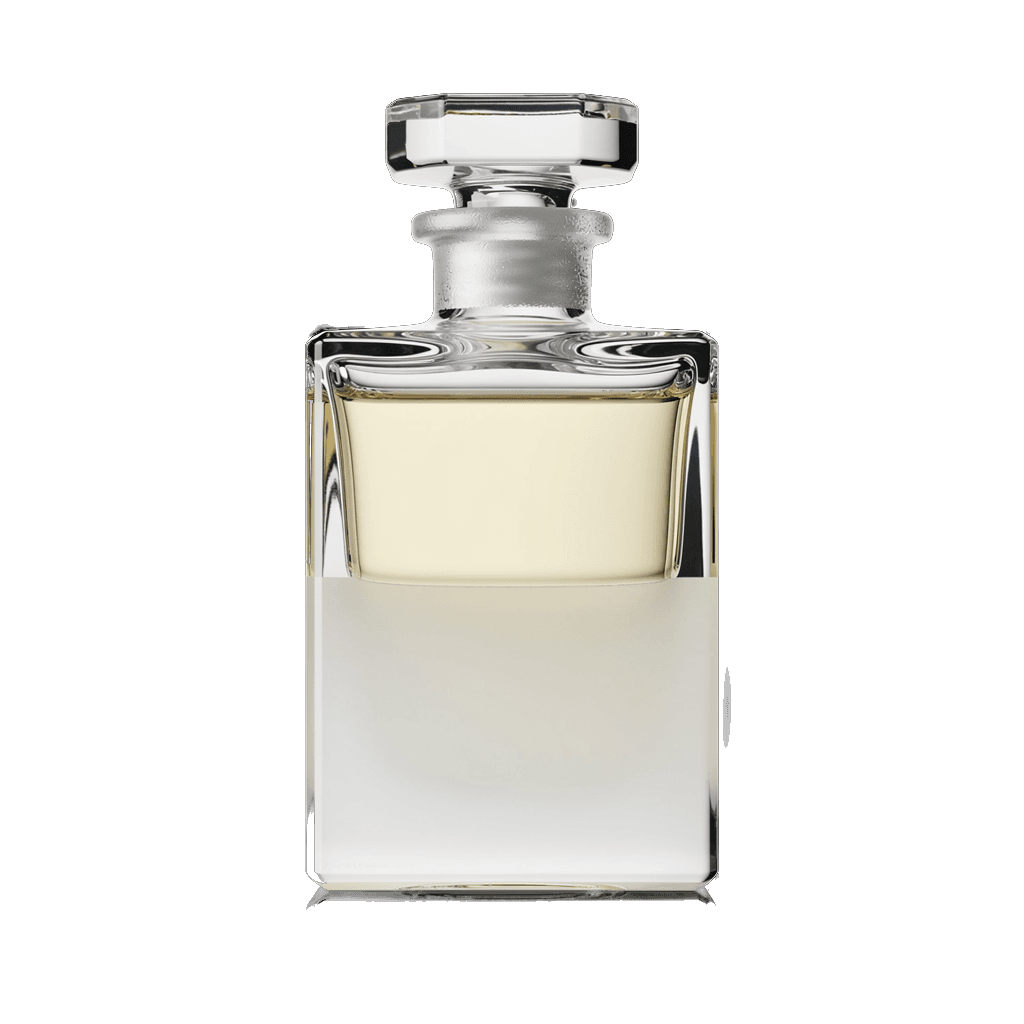
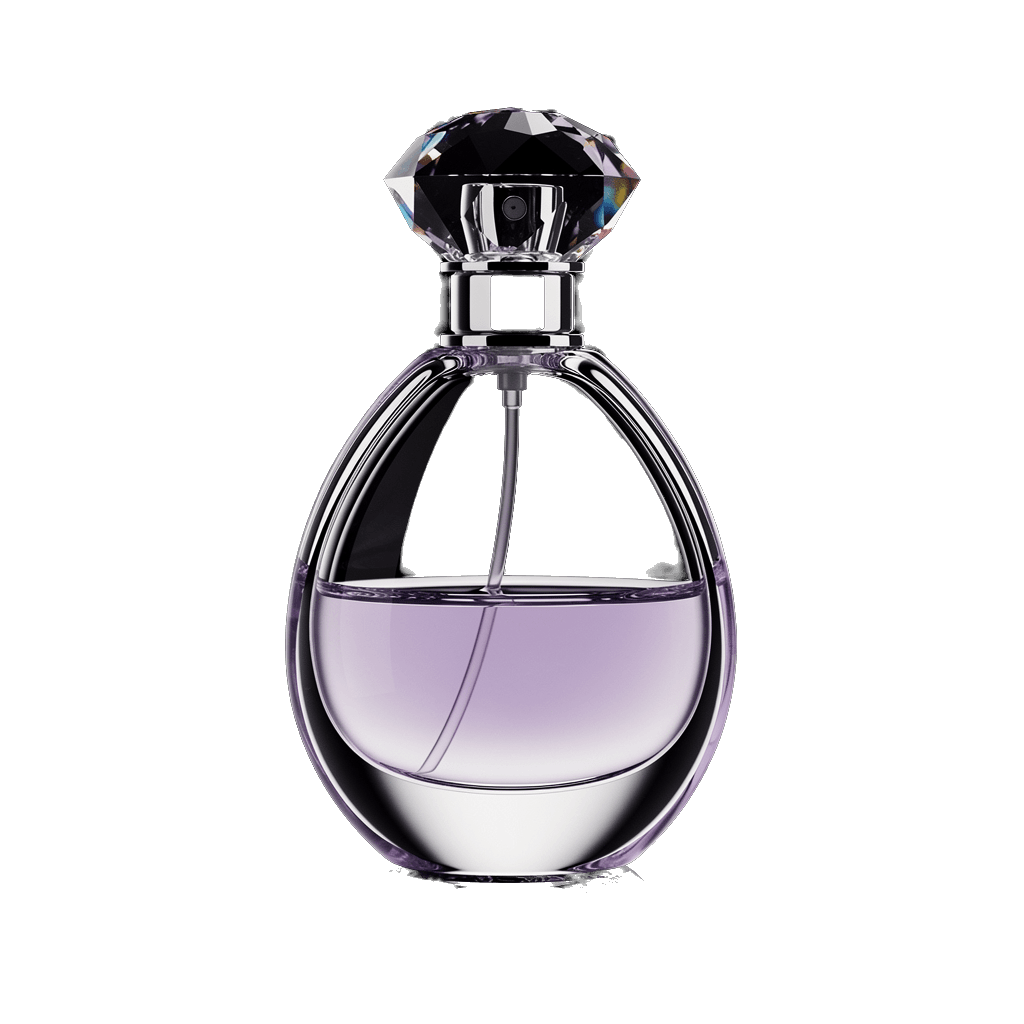
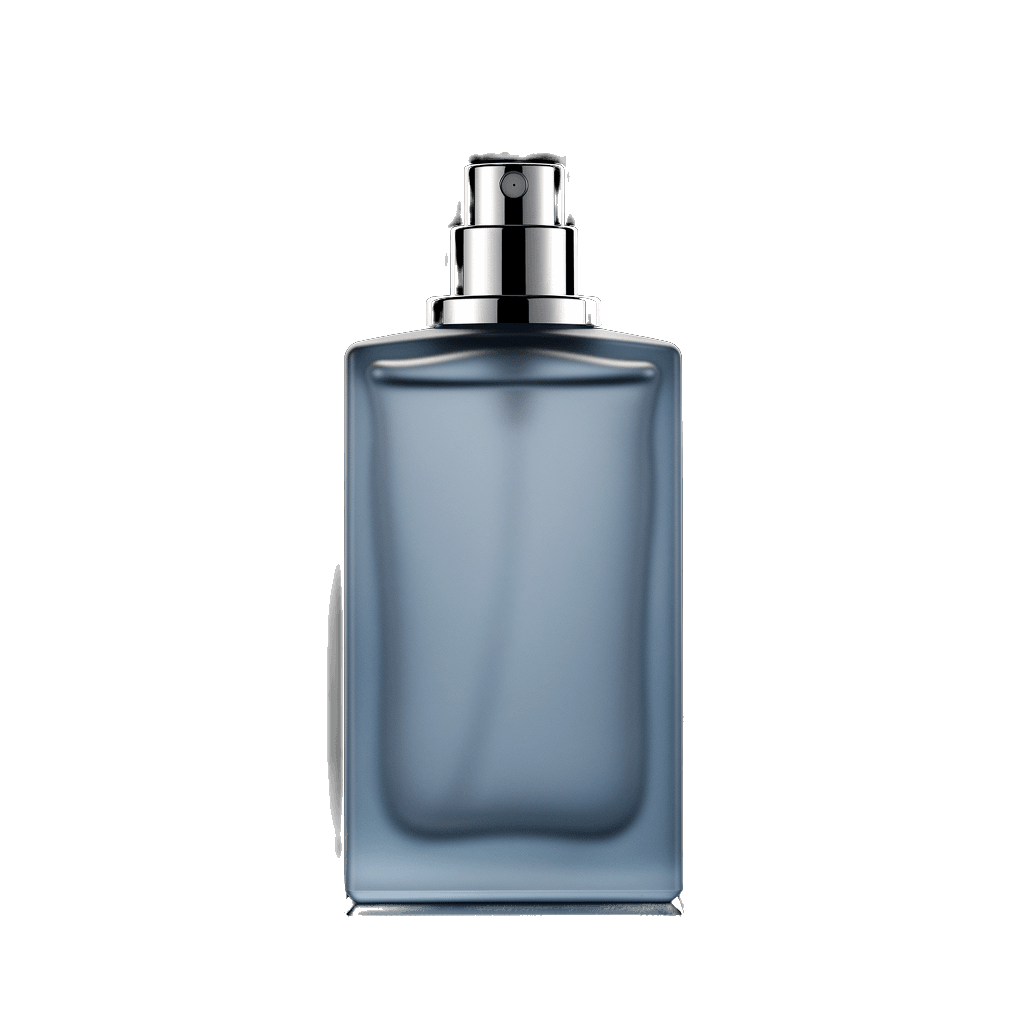
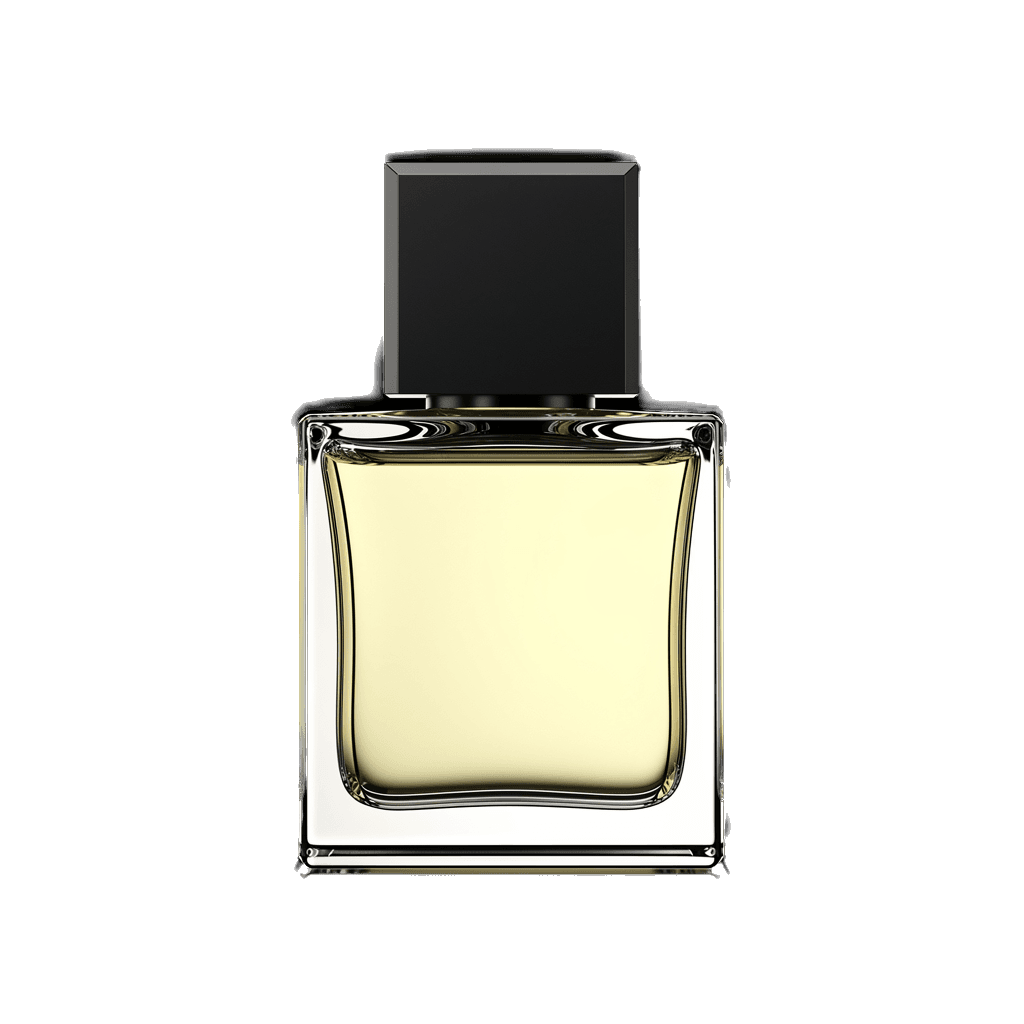
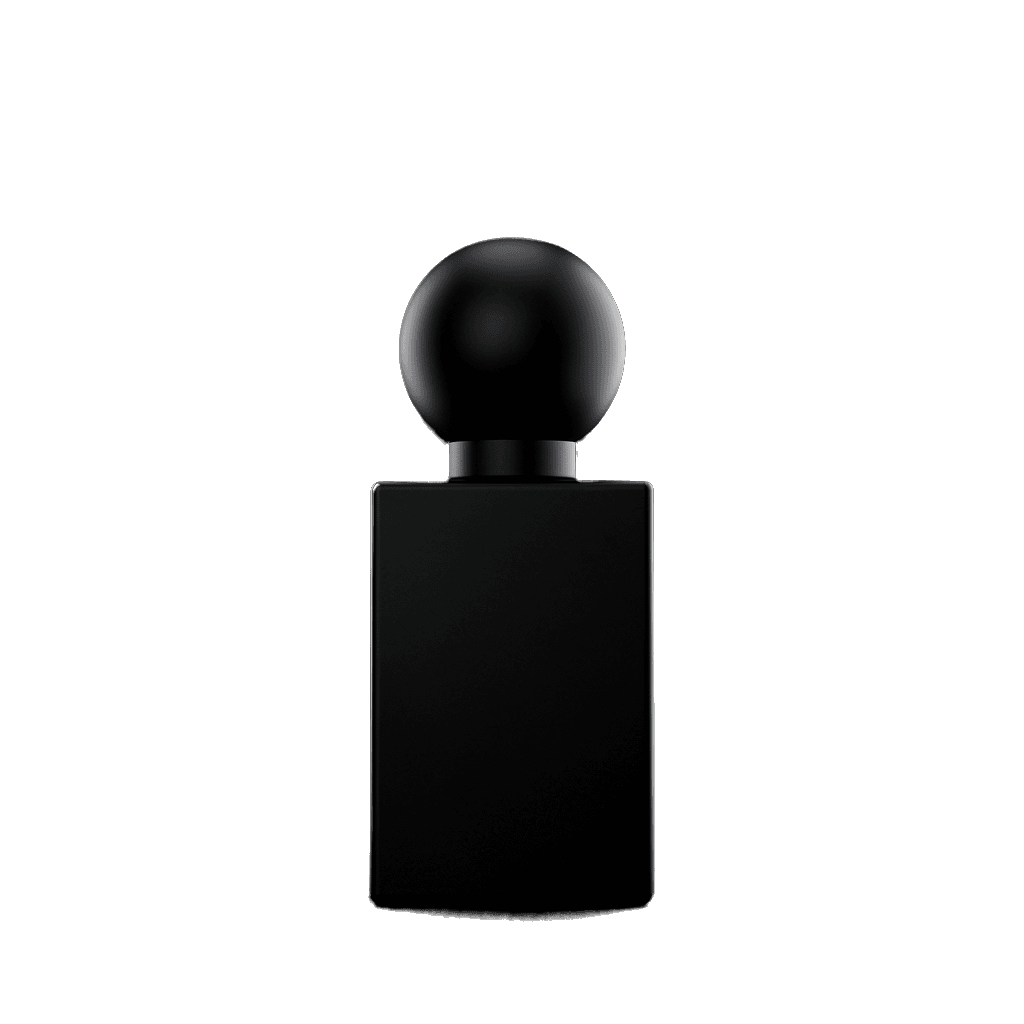
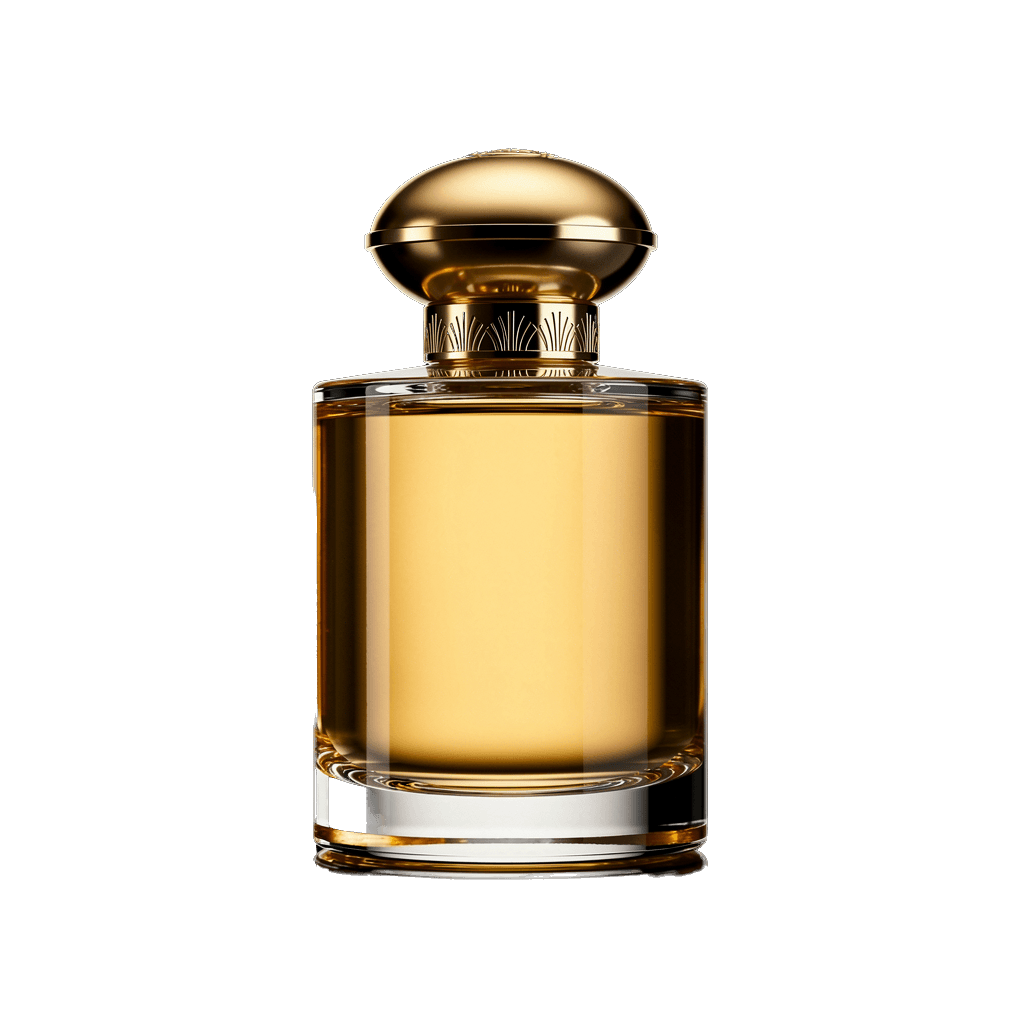
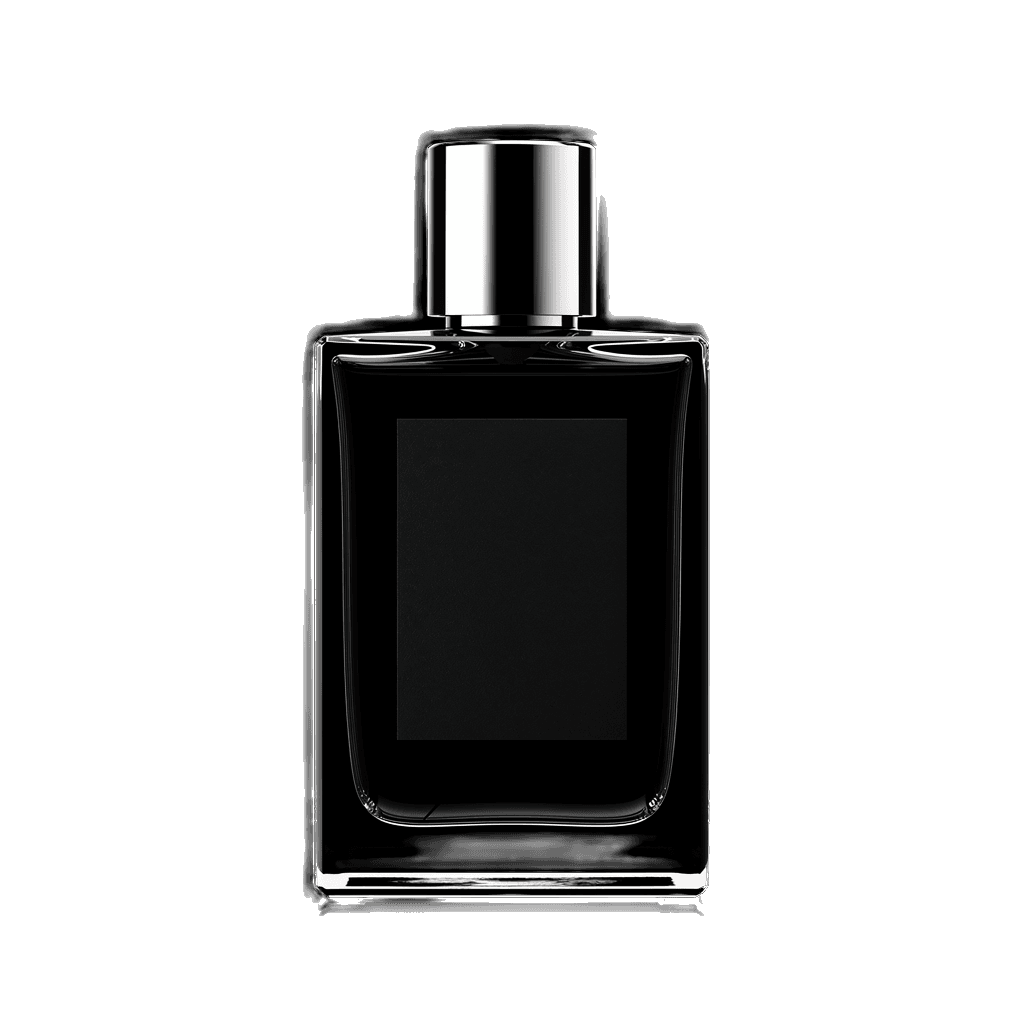
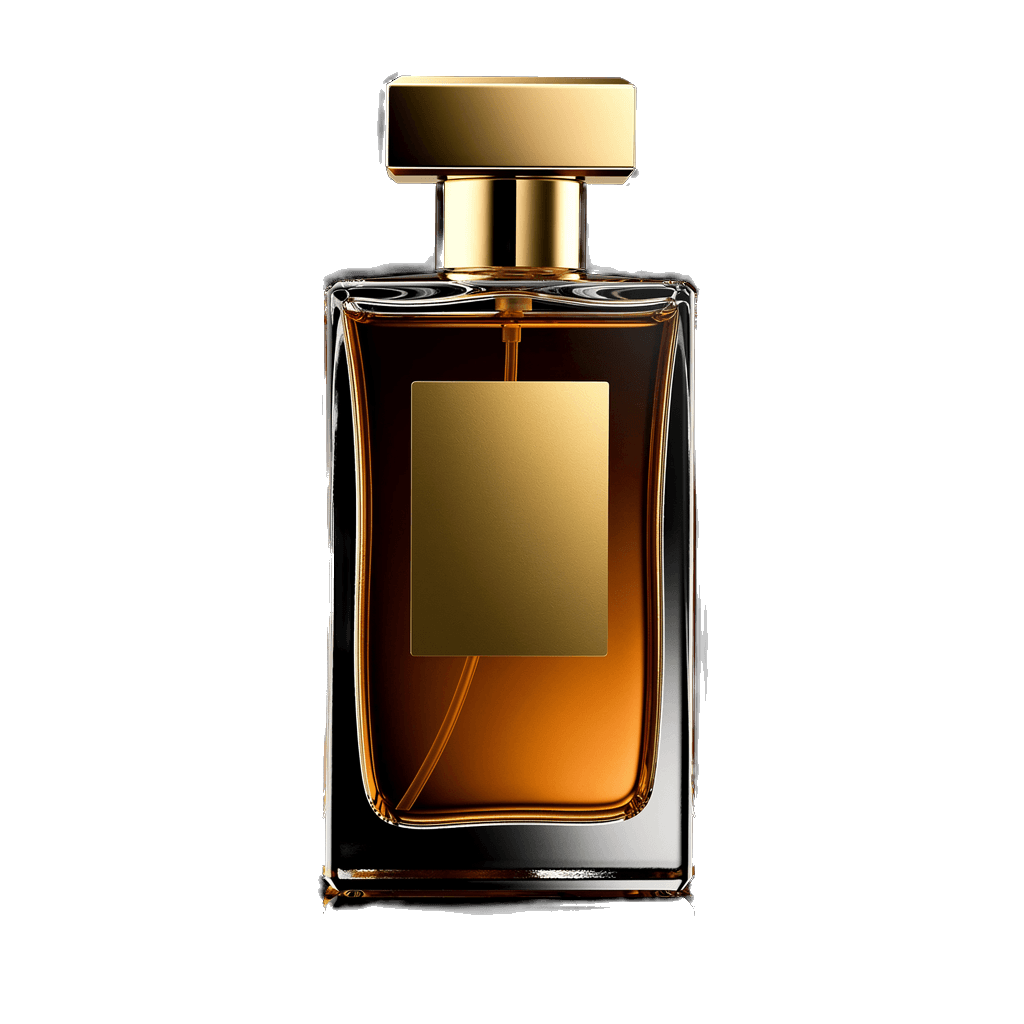
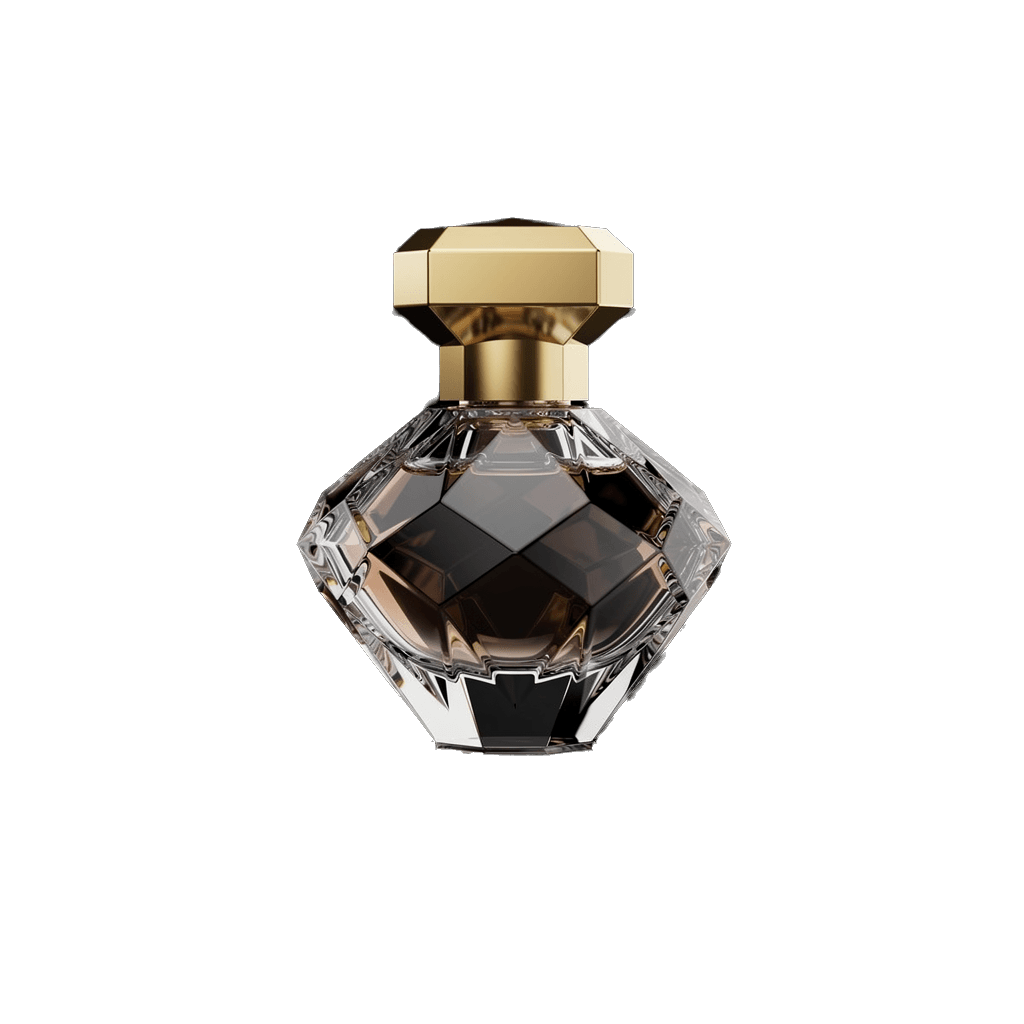
Bourjois visual identity embraces bold colour, theatrical typography, and a sense of playful elegance. The logo features a stylised fleur‑de‑lis paired with a handwritten script that evokes the brand’s Parisian roots. Bottle designs often incorporate bright caps or metallic accents, a nod to the makeup palettes that made the house famous. For example, the Mais Oui perfume arrives in a sleek, pastel‑tinted glass with a gold‑finished spray nozzle, while the Masculin Barbare line uses matte black bottles with contrasting silver lettering to convey a rugged yet refined image. Marketing imagery frequently includes vintage‑inspired illustrations of actors and stage curtains, reinforcing the brand’s origin in the world of performance. In recent years, Bourjois has refreshed its packaging to include recyclable materials and minimalist label layouts, balancing heritage motifs with contemporary sustainability concerns.
Philosophy
Bourjois approaches perfumery as a form of everyday theatre, inviting wearers to play with scent as they would with colour on a canvas. The brand values creativity that is inclusive, favouring compositions that can be layered or worn in multiple contexts rather than rigid, single‑note statements. It draws on the French tradition of balanced accords while encouraging modern twists that reflect current lifestyles. Sustainability has become a growing concern; recent statements from the company note a shift toward responsibly sourced raw materials and recyclable packaging, aligning the brand’s historic emphasis on accessibility with contemporary environmental awareness. Bourjois also prioritises collaboration with perfumers who understand the brand’s playful heritage, ensuring each launch feels both fresh and recognisable within the house’s broader olfactory language.
Key Milestones
1860
Joseph‑Albert Ponsin opens a toiletry shop on rue d'Hauteville, laying the groundwork for the future Bourjois brand.
1886
Alexandre‑Napoleon Bourjois purchases the shop from Ponsin, rebrands it under his own name, and expands into cosmetics and perfume.
1924
Bourjois launches its first fragrance, Mon Parfum, marking a decisive move toward scent as a core product line.
1938
The iconic Mais Oui perfume debuts, becoming a lasting reference for the brand’s feminine offerings.
1972
Masculin, the first major men's fragrance, is introduced, expanding Bourjois into the male market.
1991
L'Insaisissable is released, showcasing a modern floral‑spicy blend that updates the house’s olfactory palette.
At a Glance
Brand profile snapshot
Origin
France
Founded
1886
Heritage
140
Years active
Collection
1
Fragrances released
Avg Rating
4.3
Community sentiment
Release Rhythm