The Heritage
The Story of Cave
Cave is a contemporary French perfume house that emerged in 2018 with a focus on aromatic narratives that evolve over time. The brand’s early releases, such as Cashmere Oud and Ambra, quickly attracted collectors who appreciated the balance between traditional ingredients and modern compositional techniques. Since its inception, Cave has expanded its catalogue to include experimental scents like Imperial Saffron (2025) and Wood Mirage (2025), while maintaining a modest production scale that emphasizes quality over volume. The house positions itself as a laboratory for olfactory stories rather than a commercial label, inviting wearers to explore each fragrance as a personal journey.
Heritage
Cave was founded in Paris in 2018 by perfumer‑entrepreneur Thibaud Crivelli, a former senior developer at a major fragrance conglomerate who sought greater creative freedom. Crivelli’s background in synthetic aroma chemistry informed the brand’s early decision to blend classic raw materials—oud, amber, rose—with carefully selected synthetics that extend the scent’s evolution on skin. The first public launch, Cashmere Oud, arrived in late 2019 and was reviewed by niche‑fragrance blogs for its smooth integration of animalic depth and soft, textile‑like warmth. In 2020 the house introduced Ambra, a composition that highlighted sustainable ambergris substitutes, signaling an early commitment to ethical sourcing. 2021 saw the release of Patchouly, a green, herbaceous scent that earned a mention in Fragrantica’s “Top 100 New Releases” list, confirming the brand’s growing reputation among connoisseurs. The year 2023 marked a strategic partnership with a small‑scale French cooper, allowing Cave to commission hand‑blown glass bottles that reflect each fragrance’s character. 2024 brought the debut of Sweet Rose, a modern take on the classic rose accord that avoided excessive aldehydes, earning praise for its restraint. The most recent milestones, Imperial Saffron and Wood Mirage (both 2025), demonstrate Cave’s willingness to experiment with rare spices and exotic woods while retaining a coherent house identity. Throughout its brief history, Cave has remained independent, financing new launches through direct‑to‑consumer sales and limited‑edition collaborations rather than large‑scale retail distribution.
Craftsmanship
All Cave fragrances are produced in a modest workshop located in the 11th arrondissement of Paris. The laboratory follows a batch‑production model, limiting each release to 2,000–3,000 units to ensure consistency and to allow for meticulous quality checks. Raw materials are inspected upon arrival; natural extracts undergo gas‑chromatography analysis to verify purity, while synthetics are sourced from EU‑certified manufacturers that meet REACH regulations. The blending process combines traditional copper stills for essential oils with stainless‑steel mixers for synthetics, a hybrid method that preserves the character of delicate ingredients while delivering precise dosing. After maceration, each perfume rests for a minimum of six weeks in temperature‑controlled vaults, a period that allows the volatile and base notes to harmonize. Bottles are hand‑blown by a Parisian cooper who uses recycled crystal glass; each vessel is hand‑finished, and the caps are machined from brass that is subsequently plated with a thin layer of recycled nickel. Labels are printed on FSC‑certified paper using soy‑based inks. Before release, every batch undergoes a blind panel test with a rotating group of trained noses, ensuring that the final product matches the creator’s original brief. The house also maintains a small in‑house laboratory for stability testing, confirming that each fragrance retains its intended profile for at least three years under normal storage conditions.
Design Language
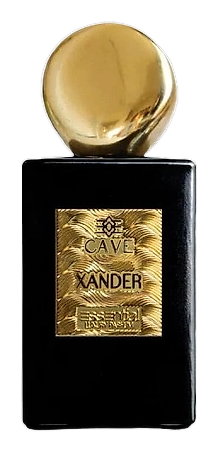
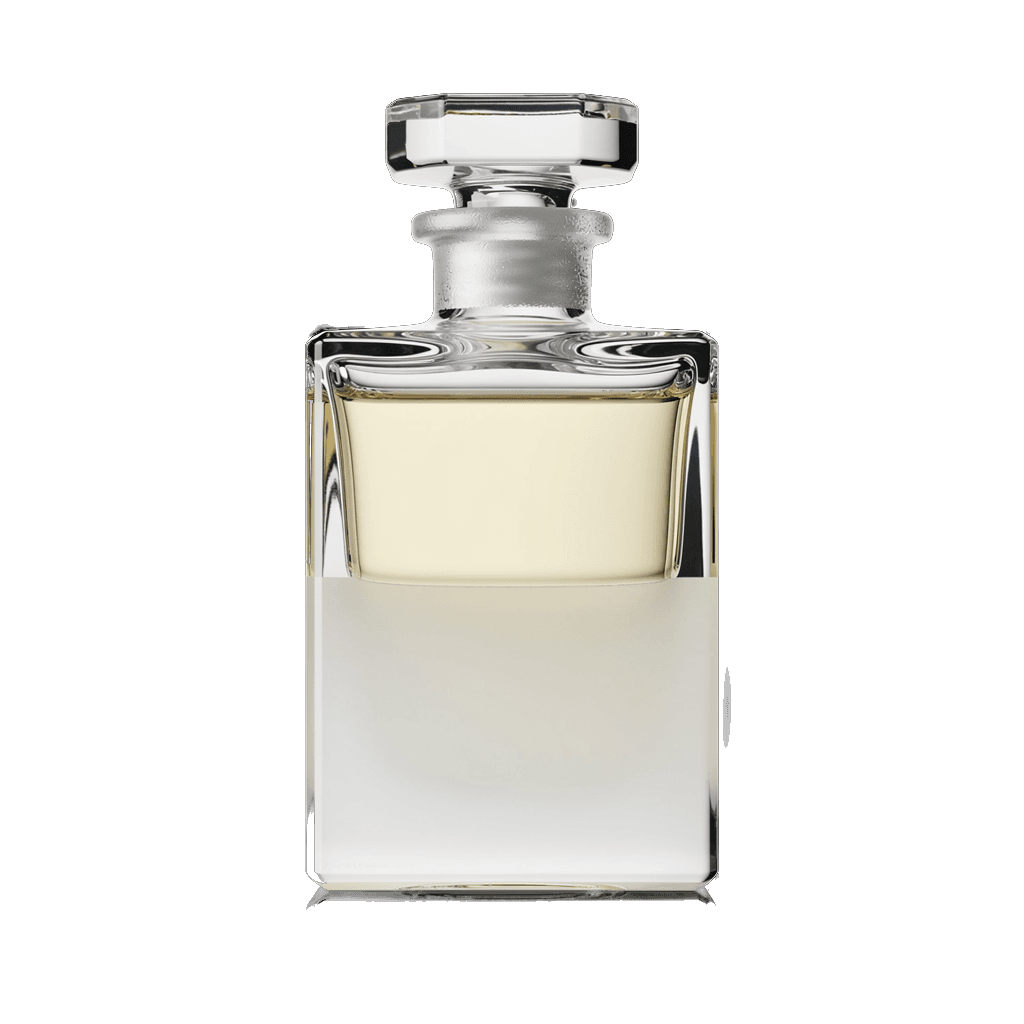
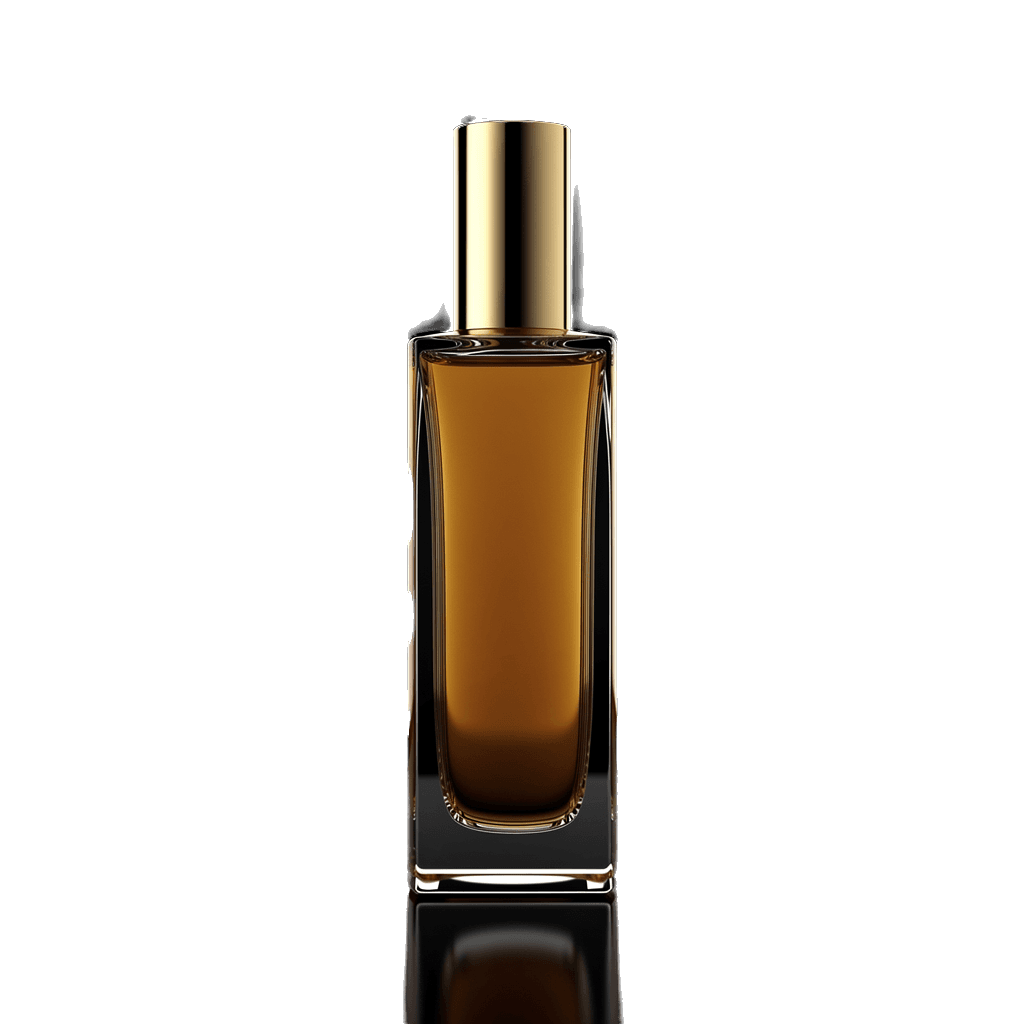
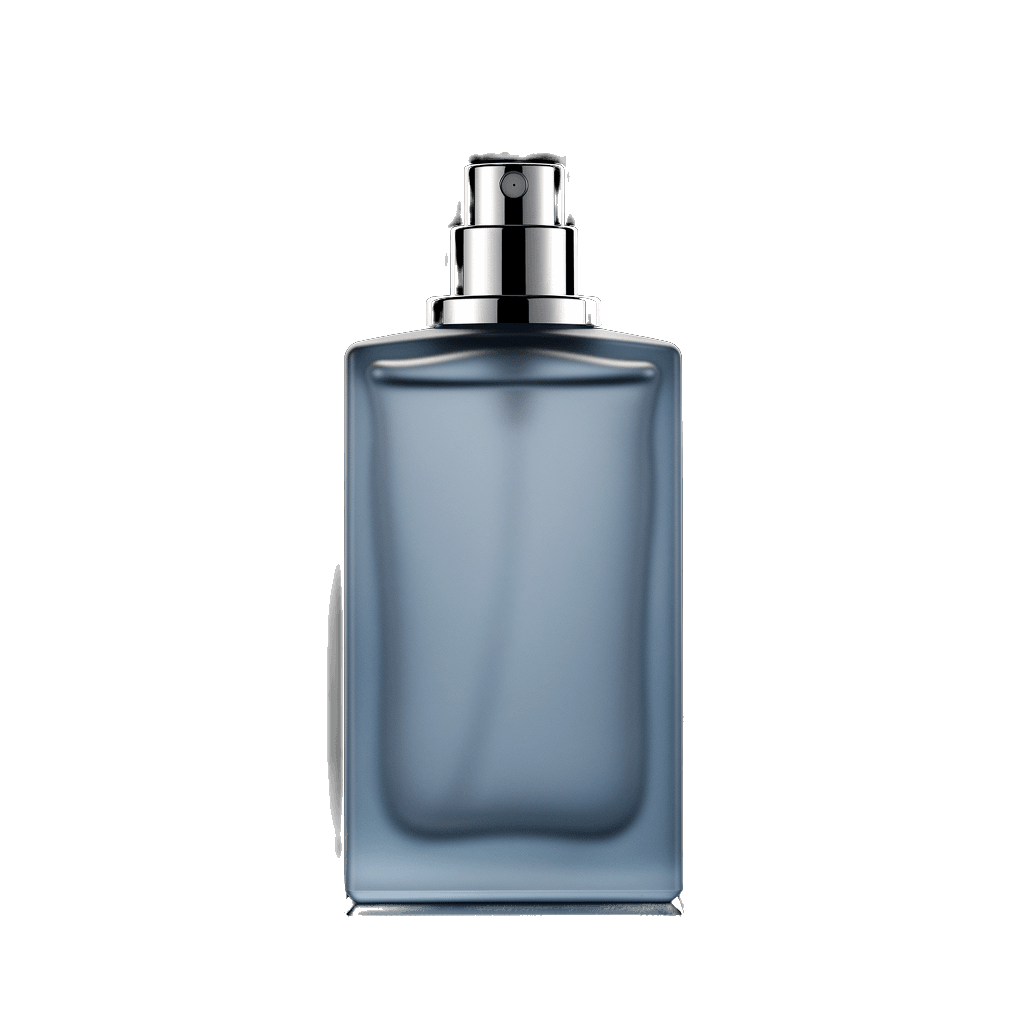
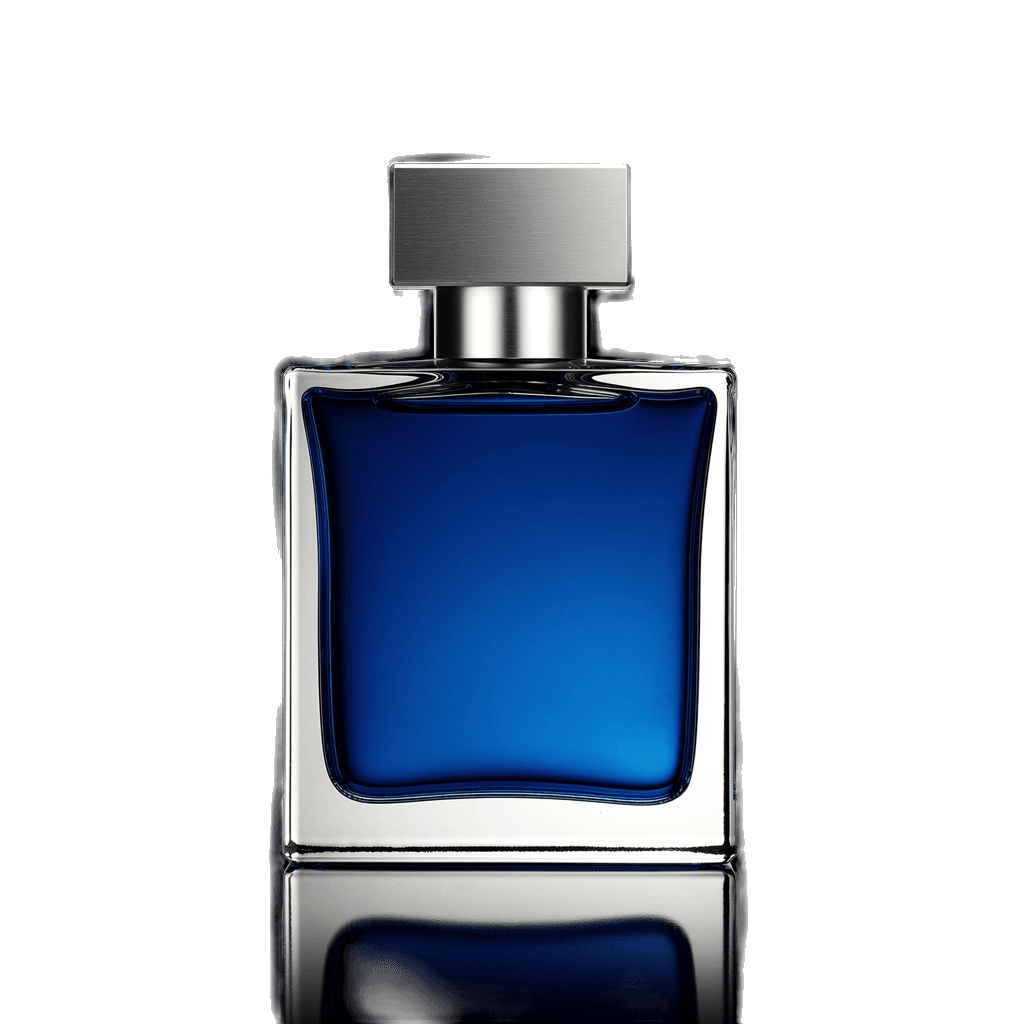
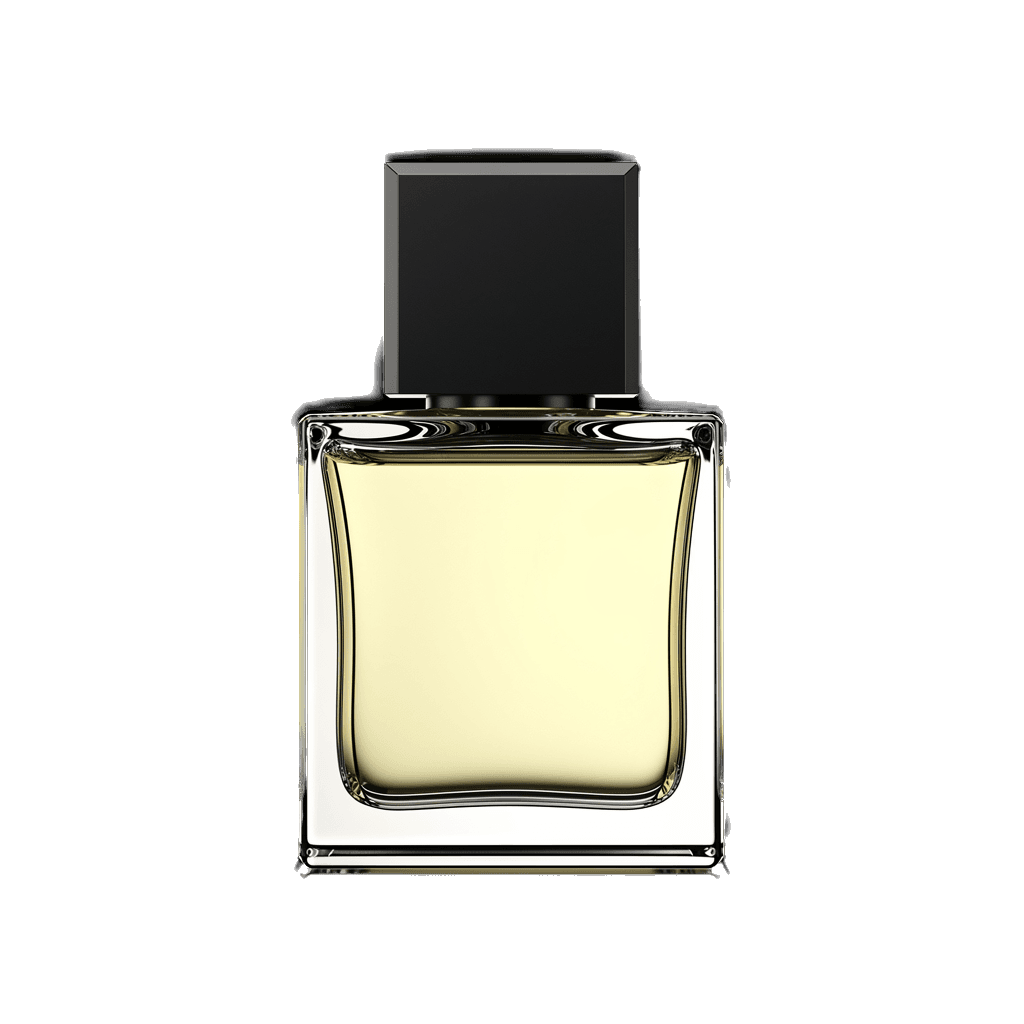
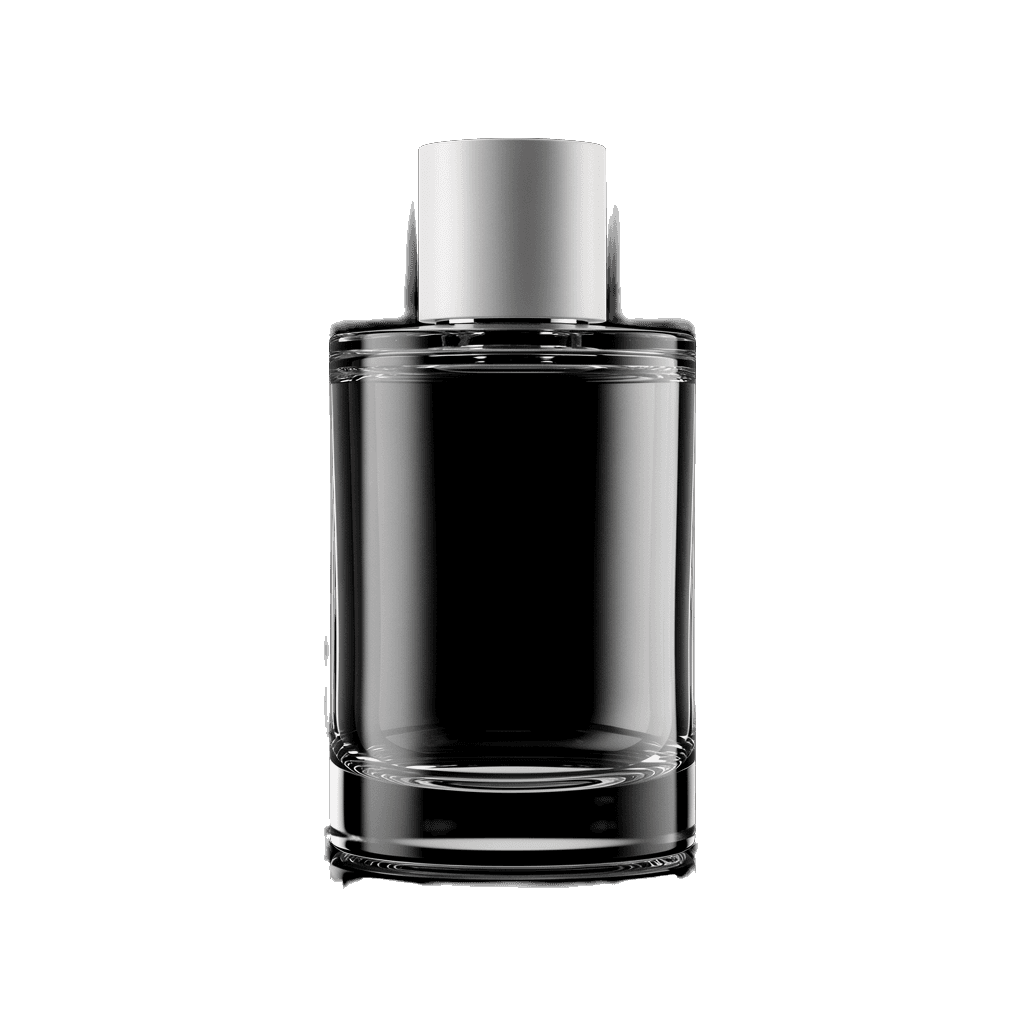
Cave’s visual identity mirrors its olfactory restraint. The brand employs a muted colour palette—soft greys, warm sand tones, and occasional deep indigo—to evoke the quiet interiors of an artist’s studio. Bottle silhouettes are deliberately simple: a slender, cylindrical form with a slightly tapered neck, reminiscent of classic apothecary containers. The glass is clear, allowing the perfume’s natural hue to become part of the design, while the brass cap is brushed to a matte finish that resists fingerprints. Typography on the label uses a clean, sans‑serif typeface set in all‑caps, with the fragrance name embossed in low relief. Each edition includes a small, hand‑drawn illustration that hints at the scent’s inspiration—a stylised saffron filament for Imperial Saffron, a minimalist rose sketch for Sweet Rose. Packaging boxes are made from recycled cardboard, sealed with a thin strip of natural twine, reinforcing the brand’s commitment to understated elegance. The overall aesthetic avoids overt branding; instead, it invites the consumer to focus on the sensory experience, positioning the perfume as an object of quiet contemplation rather than a status symbol.
Philosophy
Cave’s creative vision centers on the idea that a perfume should change with the wearer, revealing new facets as time passes. The house describes its approach as a dialogue between the material and the moment, encouraging a scent to act as a living companion rather than a static statement. Sustainability is woven into this philosophy; the brand sources natural ingredients from certified farms in Madagascar, Sri Lanka, and Turkey, and it prioritizes biodegradable packaging whenever possible. Transparency is another core value: each launch is accompanied by a detailed ingredient list and a short note from Crivelli explaining the inspiration behind the composition. Rather than chasing trends, Cave aims to preserve the integrity of each note, allowing the chemistry to dictate the final structure. The brand also supports emerging talent by offering short‑term residencies to young perfumers, providing them with access to the house’s laboratory and raw material library. This mentorship model reflects Cave’s belief that the future of perfumery rests on shared knowledge and collaborative experimentation.
Key Milestones
2018
Cave founded in Paris by Thibaud Crivelli, transitioning from corporate fragrance development to independent creation.
2019
Launch of debut fragrance Cashmere Oud, receiving positive coverage in niche‑fragrance blogs for its balanced composition.
2021
Patchouly included in Fragrantica’s Top 100 New Releases, marking the brand’s first major recognition among collectors.
2023
Collaboration with a Parisian cooper to produce hand‑blown glass bottles, enhancing the brand’s artisanal narrative.
2024
Release of Sweet Rose, noted for its restrained use of aldehydes and emphasis on natural rose essence.
2025
Introduction of Imperial Saffron and Wood Mirage, showcasing Cave’s exploration of rare spices and exotic woods.
At a Glance
Brand profile snapshot
Origin
France
Founded
2018
Heritage
8
Years active
Collection
1
Fragrances released
Avg Rating
4.3
Community sentiment
Release Rhythm