


The Story
Why it exists.
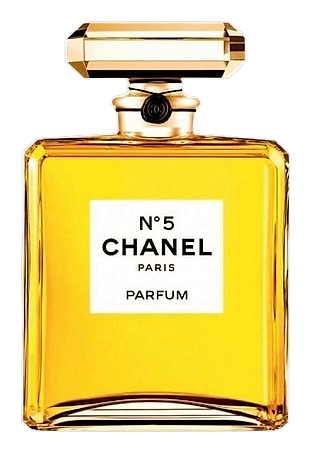
In 1986, Jacques Polge faced a rare challenge: reinterpret one of the most recognized scents in the world without losing what made it matter. By then, the original No 5 had been composed for decades. Ernest Beaux, who had shaped the 1921 original with its revolutionary aldehydic abstraction and animalic depth, was long gone. Polge understood the weight of that legacy, the responsibility of touching something so deeply embedded in cultural memory. He approached the composition with a respect for what came before, yet sought to give the fragrance a new presence. The aldehydic abstraction that Beaux had pioneered remained central, but how it was deployed and what surrounded it took on different character.
If this were a song
Community picks
Smooth Operator
Sade
The Beginning
In 1986, Jacques Polge faced a rare challenge: reinterpret one of the most recognized scents in the world without losing what made it matter. By then, the original No 5 had been composed for decades. Ernest Beaux, who had shaped the 1921 original with its revolutionary aldehydic abstraction and animalic depth, was long gone. Polge understood the weight of that legacy, the responsibility of touching something so deeply embedded in cultural memory. He approached the composition with a respect for what came before, yet sought to give the fragrance a new presence. The aldehydic abstraction that Beaux had pioneered remained central, but how it was deployed and what surrounded it took on different character.
The aldehydes here are not just an opening act. They carry through the entire wear, lifting jasmine, ylang-ylang, and rose into something effervescent, a luminous quality rare in modern compositions. The iris brings a clean, root-like powder that balances the sweetness. In the base, sandalwood and vanilla create a warm close that lingers close to the skin, softened further by vetiver and patchouli. The composition's distinctive feature is that luminous, almost candlelit quality, florals that glow rather than overpower.
The Evolution
The aldehydes do not exit. They carry through, creating that signature bright, almost delicate lift for the first hour. The peach and citrus top notes open clean and sparkling before the heart florals deepen. Jasmine, rose, and lily of the valley layer with precision, rich but never indolic. The drydown shifts to sandalwood and vanilla, softening the florals into powdery warmth that stays intimate and close. Lasting 4-6 hours on most skin types, with moderate sillage that projects close rather than across a room.
Cultural Impact
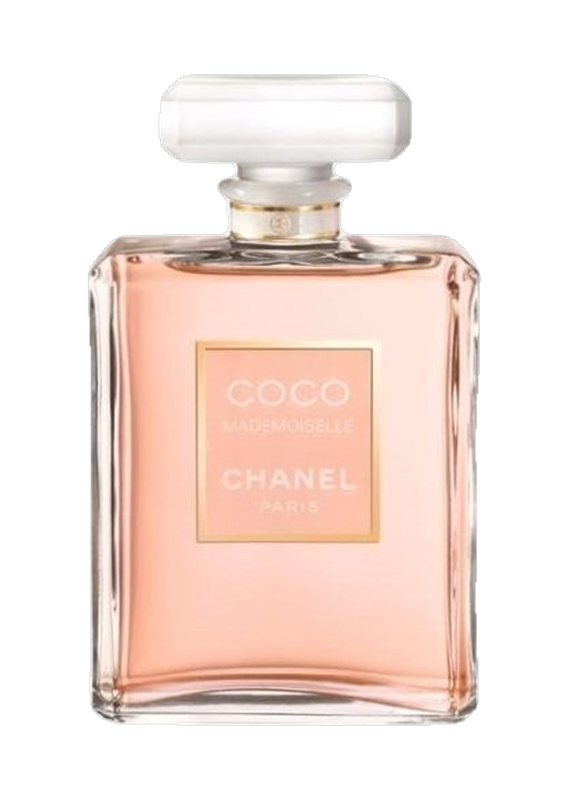
As an EDP interpretation of the world's most iconic fragrance, this 1986 release represents a distinct reading of Chanel's landmark creation. The Jacques Polge formulation brought aldehydic florals into a softer register, one that feels approachable yet unmistakably connected to the original's spirit. It holds a particular place in the constellation of No 5 variations, offering an alternative that many find compelling for its balance of heritage and accessibility. The aldehydic character remains, but tempered; the floral heart rich but not overwhelming.
The House
France · Est. 1910
The house that gave the world N°5 remains the definitive name in luxury fragrance. Founded by Gabrielle "Coco" Chanel, its perfume division pioneered the use of aldehydes and abstract composition, forever separating modern perfumery from the purely floral tradition. From Les Exclusifs to the iconic numbered line, Chanel represents the intersection of haute couture and olfactory art.
If this were a song
Community picks
Sharp aldehydic lift meets the bold confidence of 80s after-dark glamour. The playlist moves from cinematic cool to intimate warmth, like stepping from a club's entrance into a quiet corner. The powdery drydown and sandalwood base find their echo in slow, lush arrangements that reward close attention.
Smooth Operator
Sade