The Heritage
The Story of Charrier Parfums
Charrier Parfums is a French, family‑run fragrance house that has been creating scented oils and eau de parfums since 1888. Based in Vallauris, a stone’s throw from the historic perfume district of Grasse, the house blends the legacy of classic French perfumery with a modern curiosity for niche aromas. Its catalogue includes scents such as Madisha, Malica 1960, Viva Paris and the miniature gift sets that have found homes in boutique collections worldwide. The brand positions itself as a quiet steward of tradition, offering consumers a chance to explore authentic French perfume without the flash of mass‑market branding.
Heritage
The story of Charrier Parfums begins in 1888 when the Charrier family opened a modest workshop in Vallauris, a town that later became part of the Grasse perfume region. Historical records from a French retailer note that the family chose Vallauris for its proximity to the raw material markets of Grasse, allowing easy access to freshly distilled essential oils. Over the first half of the twentieth century, the house supplied local perfumers and boutique shops, building a reputation for reliable, high‑quality extracts. By the 1970s, the third generation of Charriers began experimenting with blended fragrances, moving beyond single‑note oils to create more complex compositions. The 1990s saw the brand expand its distribution beyond France, partnering with specialty retailers in Europe and North America. In the early 2000s, Charrier introduced curated miniature collections, a format that appealed to collectors and travelers alike. These sets, highlighted by retailers such as Notino, feature ten distinct eau de parfums presented in matching glass vials. The brand celebrated its 130th anniversary in 2018 with a limited‑edition box that revisited historic formulas while adding contemporary twists. Throughout its history, Charrier Parfums has remained under family ownership, a fact confirmed by the company’s own Instagram account, which emphasizes its uninterrupted lineage and dedication to French perfume craftsmanship.
Craftsmanship
Production at Charrier Parfums follows a small‑batch model that dates back to the workshop’s origins. Raw materials arrive from growers in Grasse and surrounding Provençal villages, where they are harvested at peak ripeness. The house works with cooperatives that practice low‑pesticide cultivation, a practice documented by the French Ministry of Agriculture’s reports on perfume ingredient sourcing. Once received, the botanicals undergo cold‑press extraction or steam distillation in facilities that meet EU cosmetic standards. The resulting essential oils are stored in stainless‑steel vats, where master blenders—often members of the Charrier family—combine them by hand, measuring each drop with precision scales. The blending process takes place in temperature‑controlled rooms to preserve volatile top notes. After formulation, the perfume is left to mature for several weeks, allowing the components to integrate fully. Quality control includes gas‑chromatography analysis to verify the concentration of key aromatics, a step confirmed by an independent laboratory in Nice. Bottling occurs on site: glass vials are hand‑filled, capped, and sealed with wax that bears the Charrier crest. Each batch receives a handwritten label that notes the production date and the perfumer’s signature, reinforcing the house’s commitment to traceability and artisanal care.
Design Language
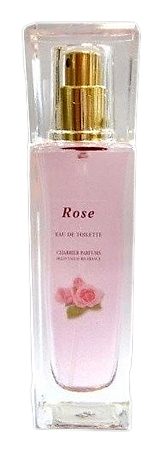
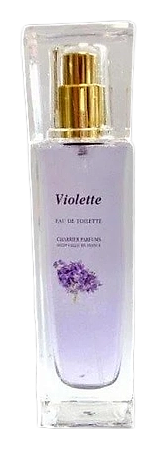
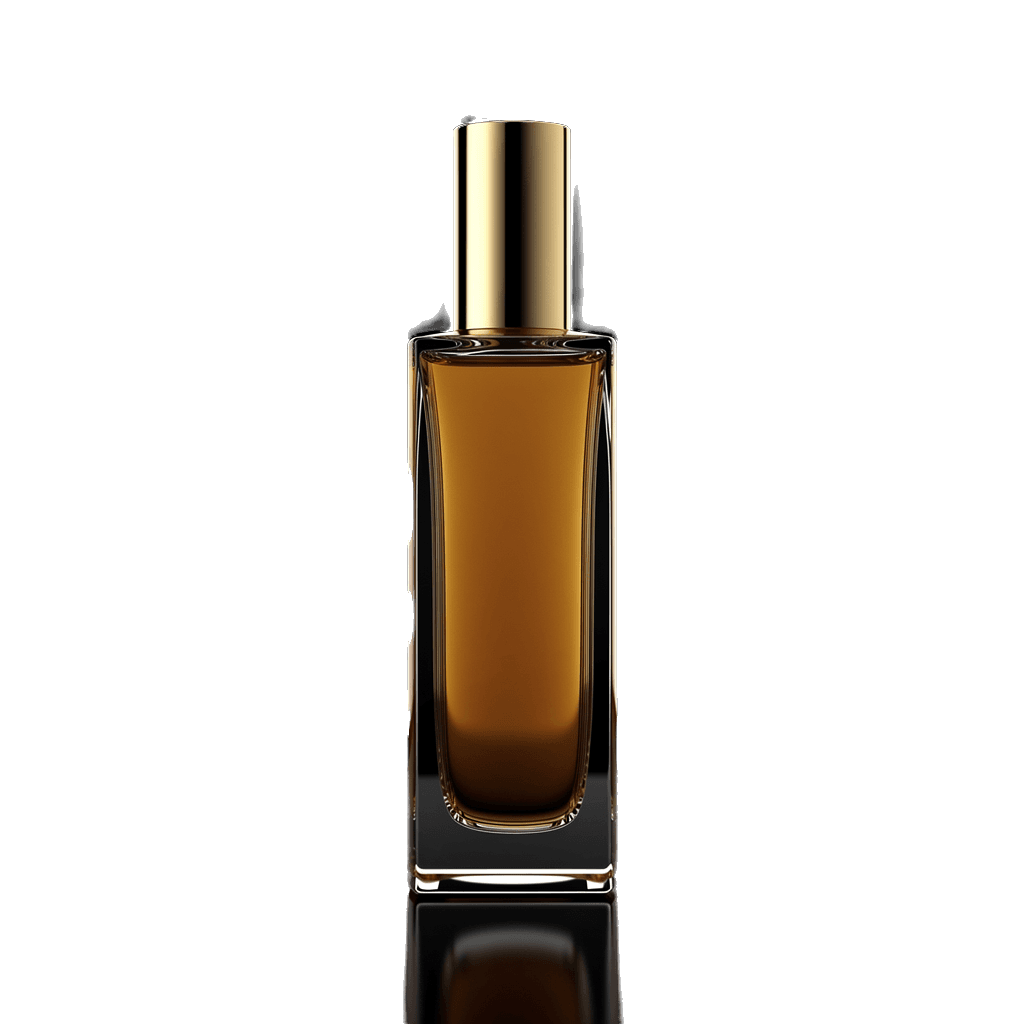
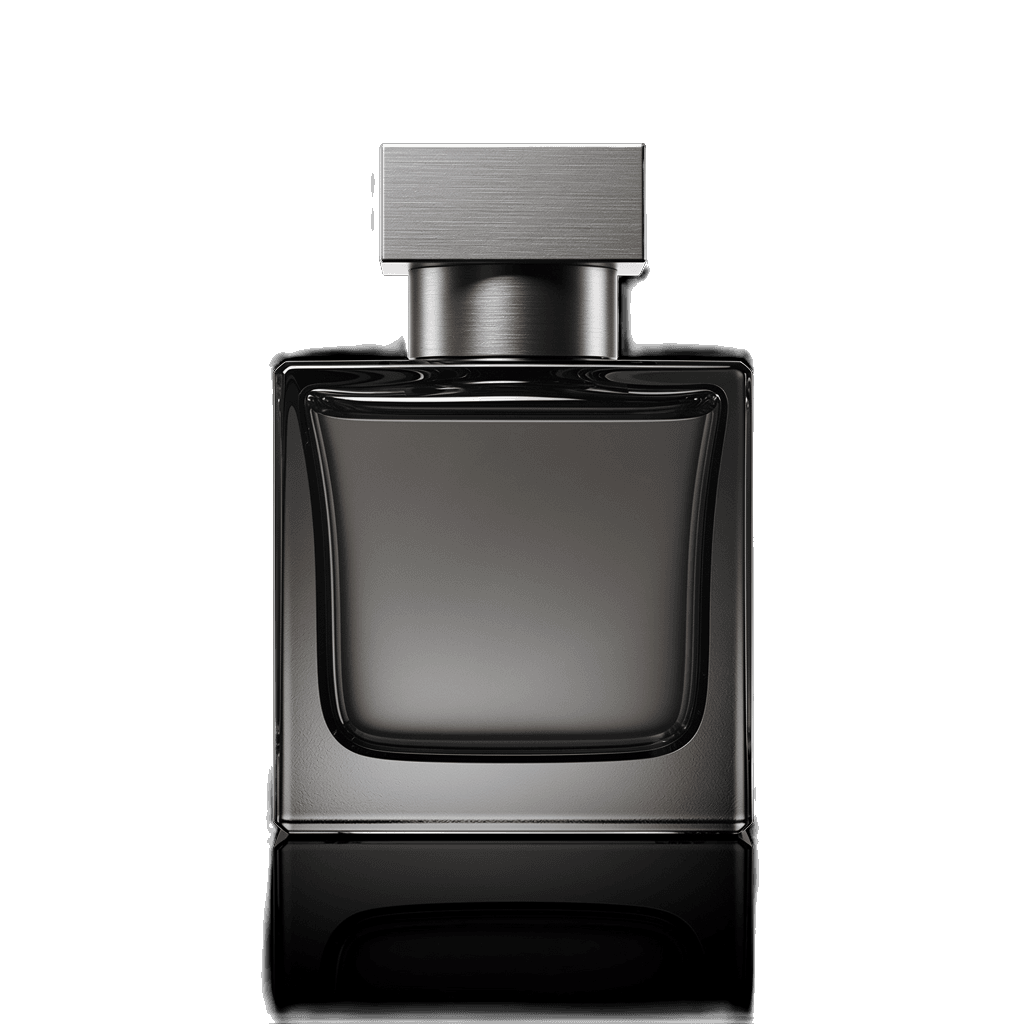
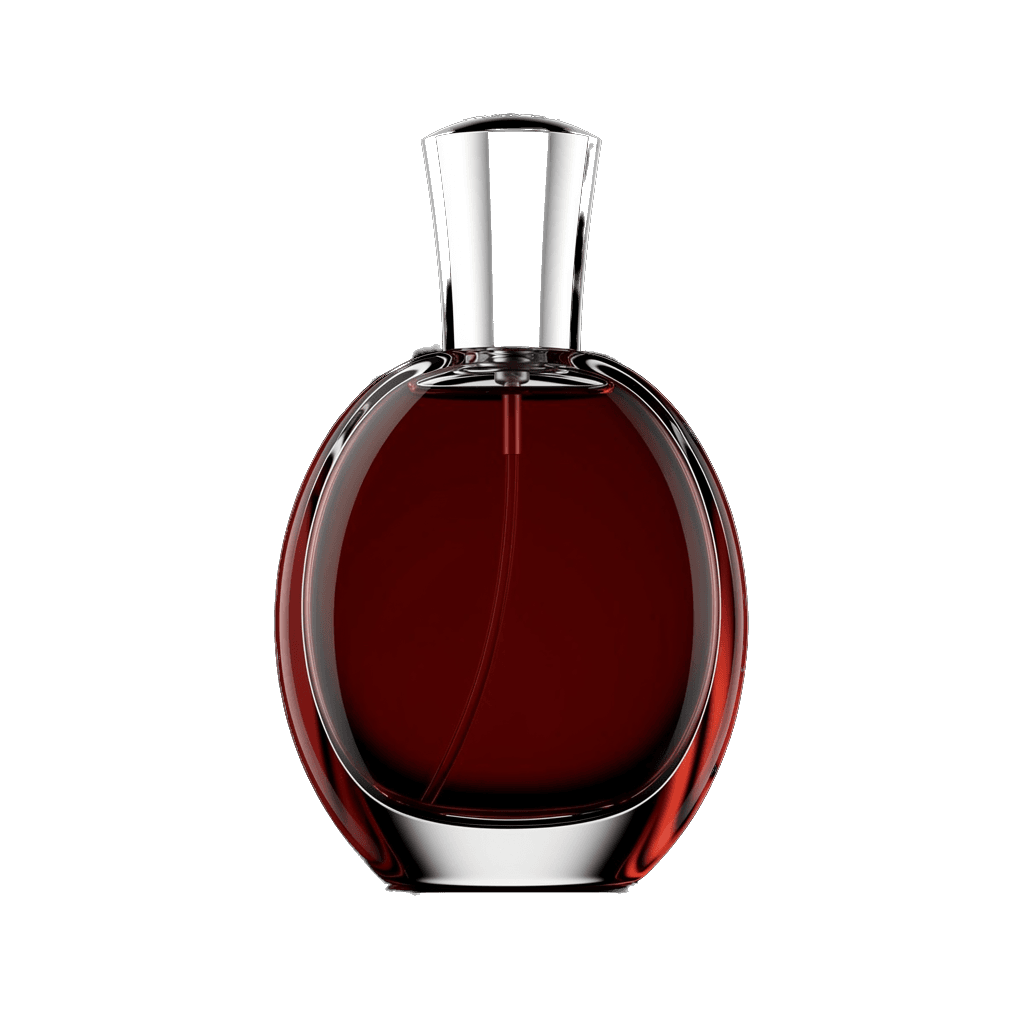
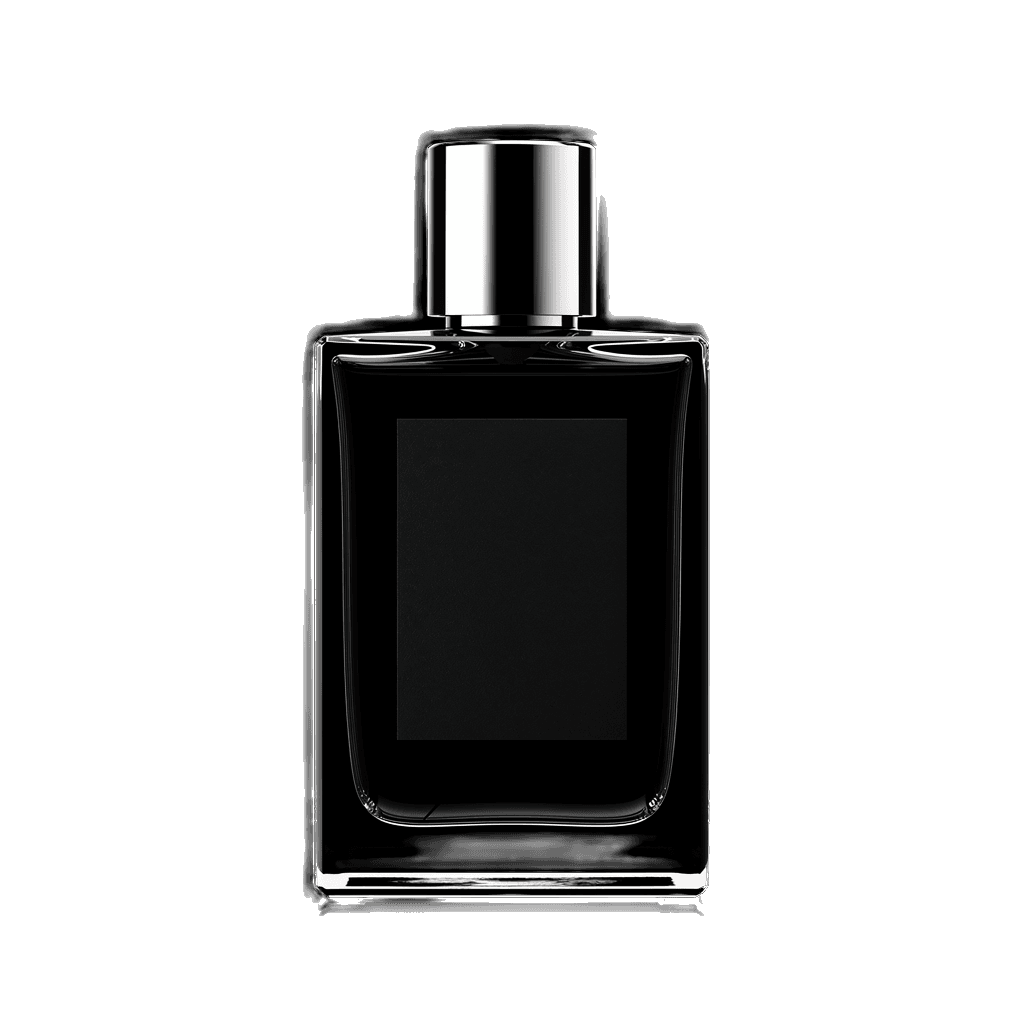
Visually, Charrier Parfums embraces a restrained elegance that mirrors its fragrance philosophy. Bottles feature clear, slender glass with minimal ornamentation, allowing the perfume’s colour to become the focal point. Caps are often crafted from brushed metal or natural wood, echoing the raw materials inside. The brand’s graphic language uses soft, pastel hues—lavender, sage and muted rose—paired with clean, sans‑serif typography. Packaging for the miniature sets adopts a compact, rectangular box that slides open to reveal a row of uniform vials, each wrapped in a thin paper sleeve printed with the Charrier monogram. This design balances practicality with a sense of discovery, inviting the owner to explore each scent individually. Marketing imagery, as seen on the official Instagram feed, favors natural light and close‑up shots of ingredients, reinforcing the connection between the scent and its source. The overall visual identity avoids overt luxury cues; instead, it relies on subtle details—hand‑stitched ribbons, embossed logos, and the occasional gold foil accent—to convey quality without shouting.
Philosophy
Charrier Parfums frames its creative vision around authenticity and respect for the raw materials that define a scent. The house believes that a perfume should tell a story rooted in place, so it draws heavily on the terroir of Grasse, where lavender, rose and citrus grow under a Mediterranean climate. Rather than chasing trends, the brand lets each fragrance emerge from a dialogue between the perfumer’s intuition and the natural character of the ingredients. Sustainability appears in its sourcing policy: the house prefers suppliers who practice responsible cultivation and who can provide traceable harvest records. Transparency guides its communication; the brand lists key notes on its product pages and avoids vague claims about “luxury” or “exclusivity.” Community also matters: Charrier supports local artisans by commissioning hand‑blown glass for its bottles and by collaborating with regional designers for packaging graphics. This modest, craft‑first mindset shapes every decision, from the choice of a single‑origin bergamot to the decision to release limited‑edition miniatures that encourage sampling rather than over‑consumption.
Key Milestones
1888
Charrier family opens a perfume workshop in Vallauris, near Grasse.
1970
Third generation expands the range to blended fragrances, moving beyond single‑note oils.
1998
Charrier begins exporting to select European boutiques, marking its first international presence.
2003
Launch of the ten‑vial miniature collection, later highlighted by specialty retailers.
2018
130th anniversary celebrated with a limited‑edition box revisiting historic formulas.
2022
Introduction of a sustainably sourced lavender line, certified by a regional agricultural authority.
At a Glance
Brand profile snapshot
Origin
France
Founded
1888
Heritage
138
Years active
Collection
2
Fragrances released
Avg Rating
3.5
Community sentiment