The Heritage
The Story of Chaugan
Chaugan is a Paris‑based niche perfume house that blends contemporary sensibility with a reverence for traditional French perfumery. Founded by former fragrance‑industry professional Jean‑Marc Chaumet, the label offers a curated line of scents that emphasize natural raw materials, precise composition, and a quiet confidence. Each launch— from the bright marine accord of Le Caspien (2024) to the herbaceous depth of Royal Cannabis (2017)— reflects a disciplined approach to olfactory storytelling, inviting wearers to explore nuanced moments rather than overt statements. Chaugan positions itself as a laboratory for scent, where modest packaging houses complex, layered fragrances that reward repeated discovery.
Heritage
The origins of Chaugan trace back to 2012, when Jean‑Marc Chaumet, a former senior perfumer at a major fragrance house, decided to create a brand that would prioritize ingredient integrity and compositional clarity. Chaumet, who had spent over a decade developing scents for global brands, sought a platform where he could experiment without the commercial constraints of large houses. Early interviews in French trade publications describe his vision as a return to the atelier spirit that defined Parisian perfumery in the early 20th century. The brand’s name, Chaugan, references a historic open field used for equestrian sport in the French region of Auvergne, symbolising a space where movement and balance converge— a metaphor for the equilibrium Chaumet aims to achieve in each fragrance. The first public release arrived in 2013 with Rosee des Jardins d’Ispahan, a rose‑centric perfume that garnered attention for its restrained use of natural rose absolute and subtle green notes. The following year, Mysterieuse (2013) and L'Eau de L'Ame (2020) expanded the house’s palette, introducing aquatic and woody dimensions. In 2014, Delicate arrived, showcasing a minimalist structure built around soft aldehydes and white florals, a composition that signalled Chaugan’s willingness to explore the space between classic and avant‑garde. A pivotal moment occurred in 2016 when Chaugan launched Fleur de Pavot, a poppy‑inspired scent that combined bitter herbal accords with a warm, amber base, earning praise in niche fragrance reviews for its daring contrast. The 2017 release of Royal Cannabis marked another milestone, as the brand incorporated a regulated cannabis extract, navigating complex French regulations while maintaining a refined olfactory profile. This move demonstrated Chaugan’s commitment to pushing material boundaries within legal frameworks. By 2020, the house had solidified a modest but dedicated following, releasing Les Princes Du Polo, a composition inspired by the aristocratic sport of polo, featuring leather, tobacco, and a whisper of citrus. The most recent addition, Le Caspien (2024), captures the breezy, mineral character of the Caspian Sea, employing sea‑salt accords, marine notes, and a subtle driftwood base. Throughout its evolution, Chaugan has remained independent, operating from a modest workshop in the 9th arrondissement of Paris, where small‑batch production continues under Chaumet’s direct supervision. The brand’s trajectory reflects a consistent dedication to craft, a measured expansion of its olfactory library, and an ongoing dialogue with the heritage of French perfumery.
Craftsmanship
Production at Chaugan unfolds within a compact atelier that blends traditional French perfumery techniques with modern analytical tools. Raw materials arrive in small, hand‑checked batches; each ingredient is logged in a ledger that records origin, harvest date, and batch number. Chaumet personally oversees the maceration of essential oils and absolutes, often employing cold‑press methods for citrus extracts to preserve volatile top notes. The house relies on a combination of in‑house blending and external laboratory support. Initial formulations are created on a stainless‑steel bench using precision scales that measure to the nearest milligram. Once a prototype reaches a satisfactory olfactory balance, it undergoes stability testing in a controlled environment where temperature and humidity are monitored continuously for three months. This process ensures that the fragrance maintains its intended character over time and across varying storage conditions. Ingredient sourcing reflects a commitment to quality over volume. For example, the rose absolute used in Rosee des Jardins d’Ispahan is sourced from a cooperative of growers in Grasse, who employ steam distillation to extract the essence without compromising the flower’s delicate aromatics. The marine notes in Le Caspien are derived from a synthetically produced calone molecule, selected for its reproducibility and low environmental impact, while the amber base incorporates lab‑grown labdanum to reduce reliance on endangered plant species. Chaugan’s bottling process emphasizes minimalism and protection. Glass bottles are hand‑blown in a nearby atelier, then fitted with aluminum caps that feature a matte finish to reduce light exposure. Each bottle is sealed with a cork that has been treated to resist oxidation, and a thin layer of nitrogen gas is introduced before sealing to limit oxidative degradation of the perfume oil. Quality control culminates in a sensory evaluation panel composed of seasoned perfumers and long‑term customers who assess each batch for consistency. The panel uses a standardized scoring sheet that rates top, middle, and base notes, as well as overall harmony. Only batches that meet the predetermined threshold proceed to market. This rigorous approach, combined with a transparent supply chain, positions Chaugan as a house that values both artisanal craftsmanship and scientific precision.
Design Language
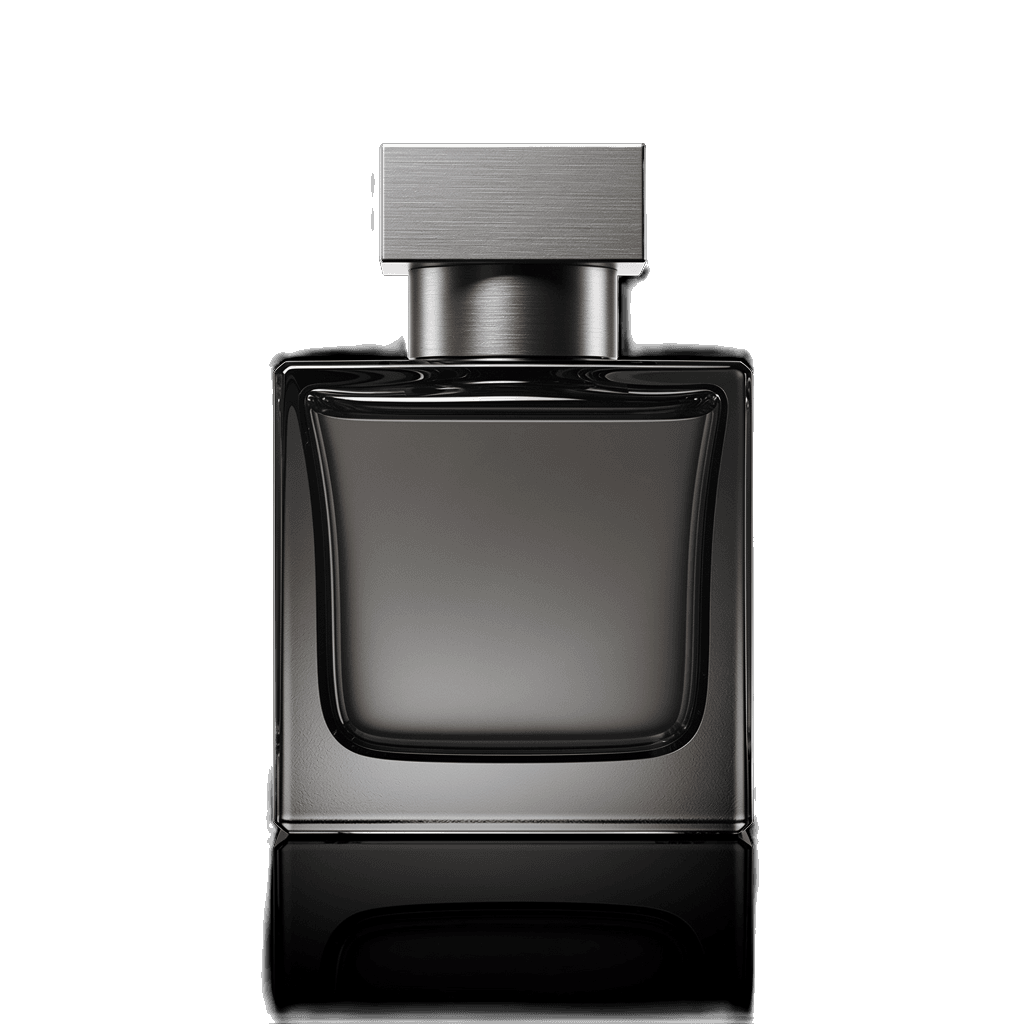
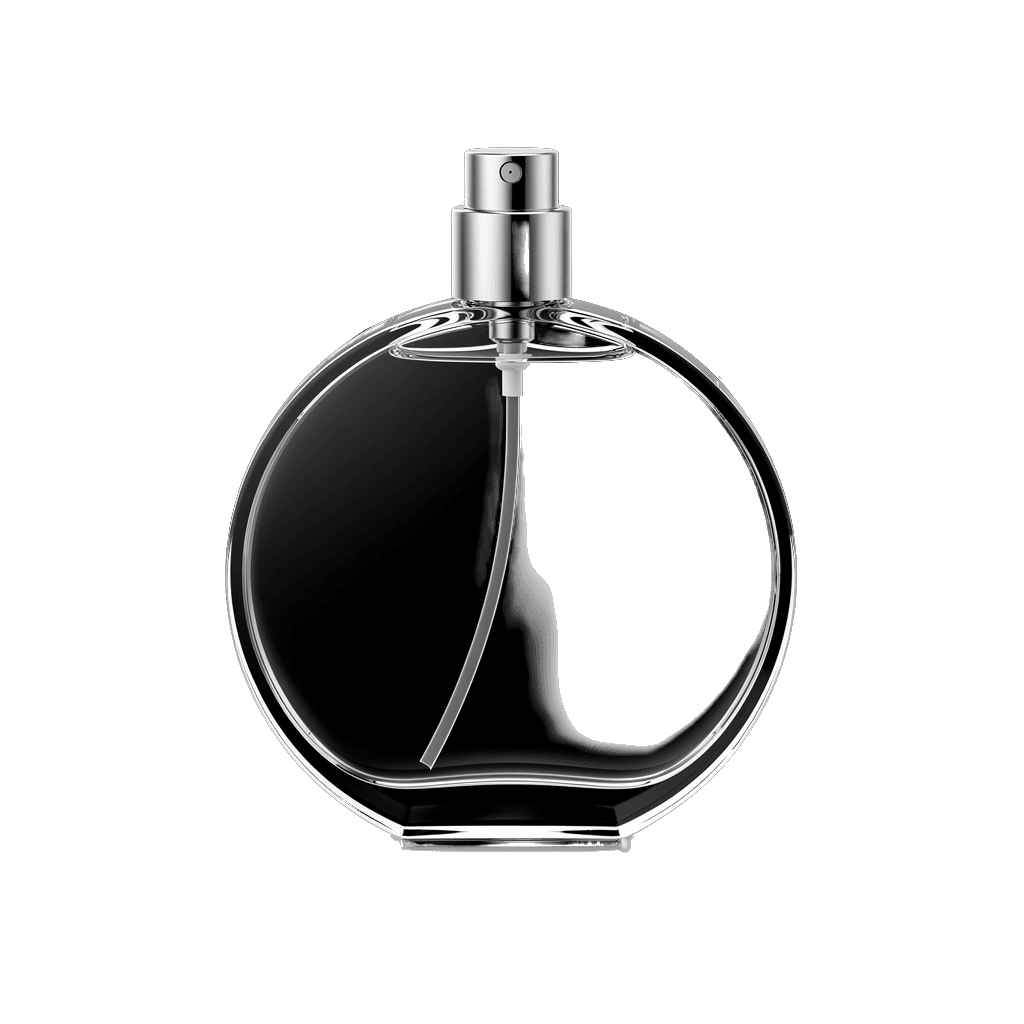
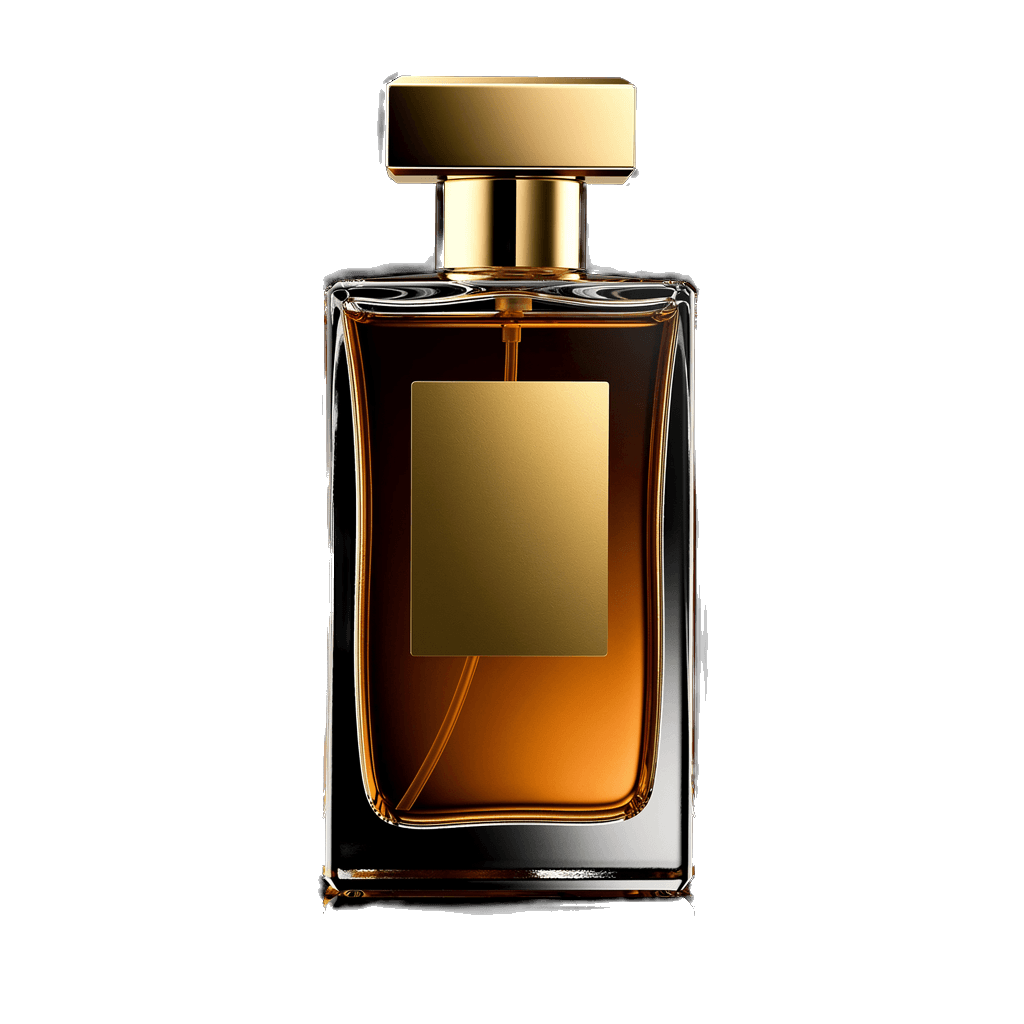
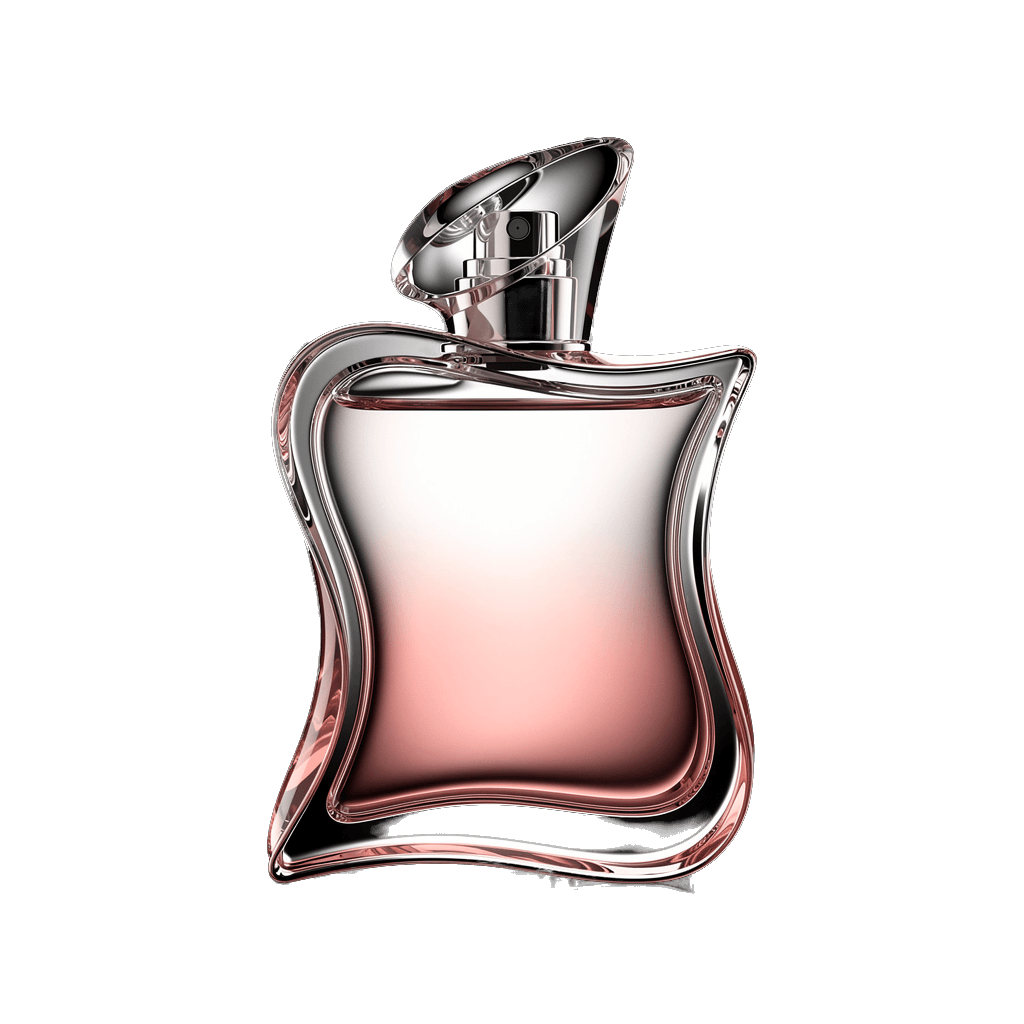
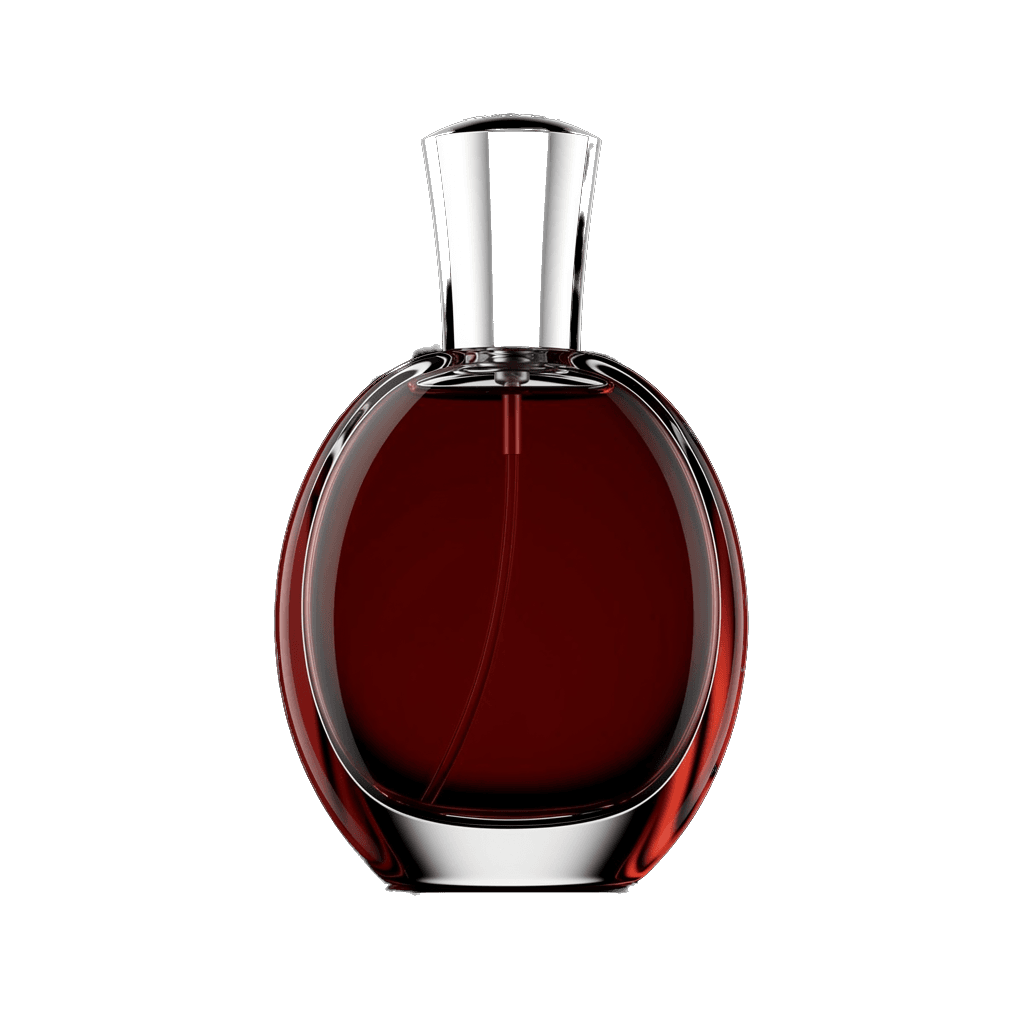
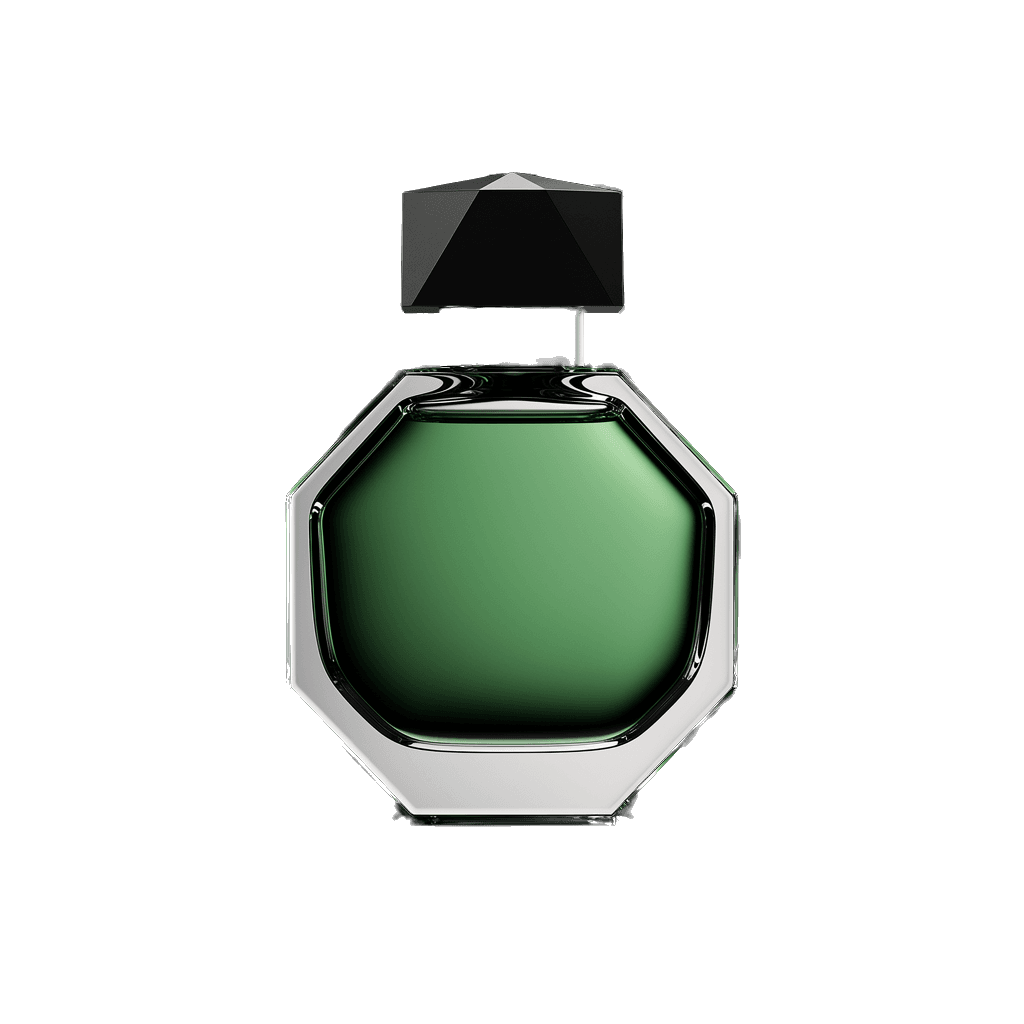
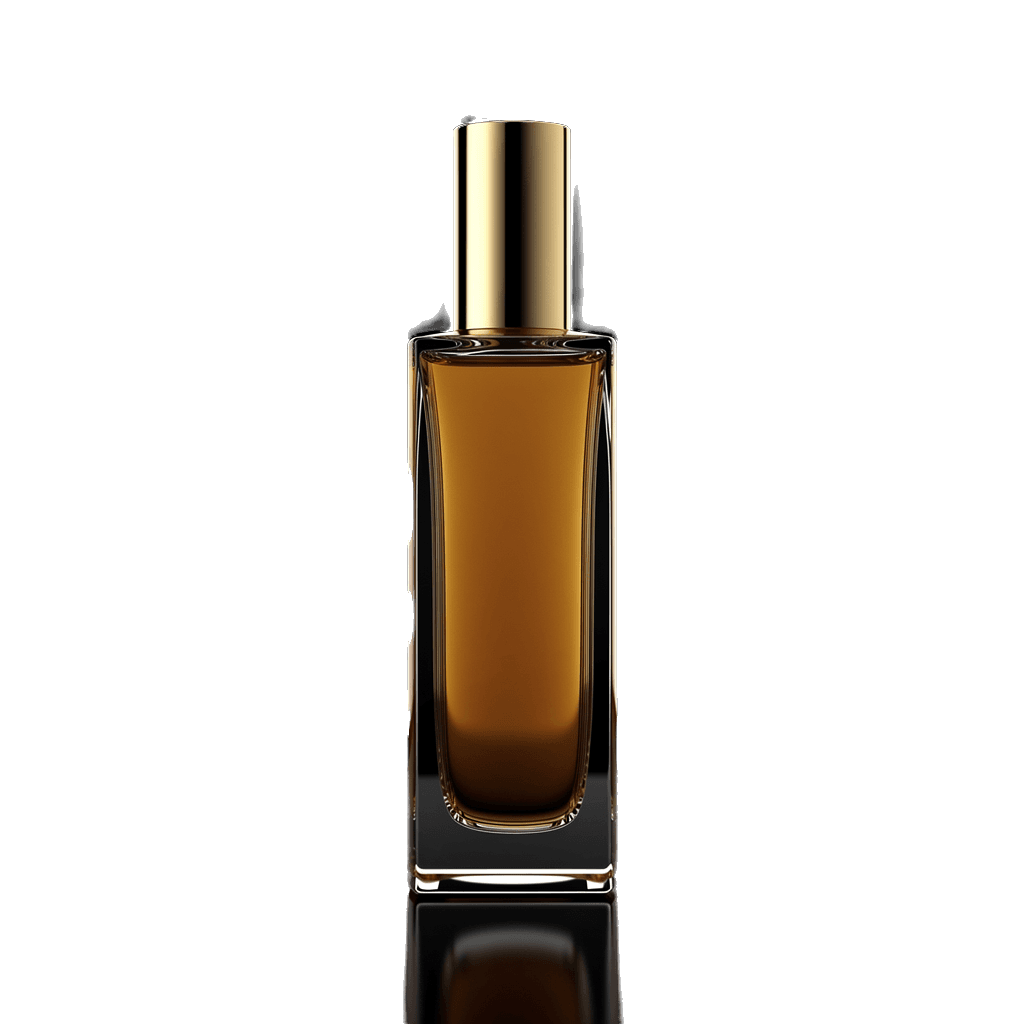
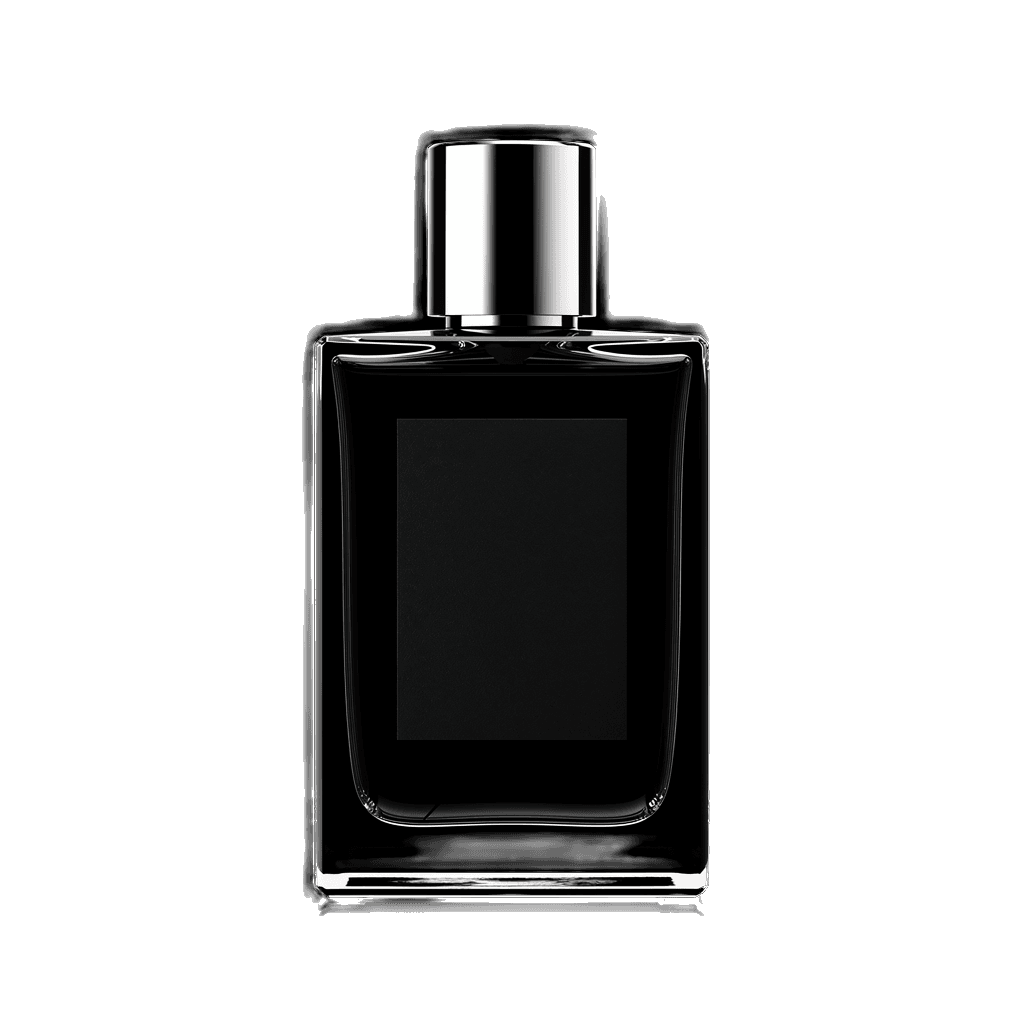
Visually, Chaugan embraces a restrained, almost utilitarian aesthetic that mirrors its olfactory philosophy. Bottles are typically clear glass with simple, unadorned silhouettes— a nod to classic French flacons from the early 20th century. The brand’s signature design element is a thin, brushed‑aluminum band that encircles the neck, providing a subtle contrast to the glass and hinting at a modern industrial influence. Typography on the packaging is set in a clean, sans‑serif typeface, often rendered in matte black or deep navy, allowing the fragrance name to stand out without decorative flourishes. Labels are printed on recycled paper stock, underscoring Chaugan’s understated commitment to sustainability. The overall visual language conveys quiet confidence, inviting the consumer to focus on the scent rather than flashy branding. Marketing imagery, when present, favors monochrome photography that captures the perfume in context— a close‑up of a bottle beside a single sprig of rosemary, or a muted portrait of a model in natural light. This approach aligns with the brand’s editorial tone, presenting the fragrance as an intimate accessory rather than a status symbol. The brand’s digital presence follows the same minimal design principles. The website features generous white space, high‑resolution product photography, and concise copy that avoids hyperbole. Navigation is straightforward, with sections for fragrance stories, ingredient origins, and a limited contact form for inquiries. Social media accounts, primarily Instagram, showcase behind‑the‑scenes glimpses of the atelier, raw material sourcing trips, and occasional scent‑pairing suggestions, all presented in a cohesive, muted color palette. Overall, Chaugan’s aesthetic reinforces its identity as a house that values substance over spectacle, offering a visual experience that feels both timeless and quietly contemporary.
Philosophy
Chaugan’s creative philosophy centers on restraint, authenticity, and a dialogue between nature and technique. Chaumet has repeatedly emphasized that a fragrance should act as a silent companion, enhancing rather than dominating the wearer’s presence. This ethos translates into a compositional approach that favors a limited number of high‑quality ingredients, each chosen for its intrinsic character and ability to interact harmoniously with others. The brand avoids overt marketing narratives, instead allowing the scent itself to convey meaning. Sustainability also informs the house’s values. While not positioned as a ‘green’ brand in promotional language, Chaugan sources many of its botanicals from small‑scale farms in France, Morocco, and the Balkans, favoring growers who practice low‑impact harvesting. The company reports that it conducts quarterly audits of its supply chain, ensuring that raw materials meet both quality and ethical standards. This focus on provenance aligns with the broader movement among niche houses toward transparent ingredient sourcing. Innovation at Chaugan is measured rather than radical. The inclusion of regulated cannabis extract in Royal Cannabis (2017) exemplifies a willingness to explore new material possibilities, but each experiment is grounded in rigorous testing and compliance. Chaumet describes his creative process as a series of sketches, where he drafts a scent concept on paper before translating it into a laboratory formulation. This method mirrors the practices of classical perfumers, reinforcing a respect for the craft’s historical roots while allowing room for contemporary interpretation. Ultimately, Chaugan aims to craft scents that act as personal archives— subtle, layered, and capable of evolving with the wearer’s memory. The brand’s philosophy is less about declaring a market position and more about sustaining a quiet dialogue between scent, skin, and surrounding environment.
Key Milestones
2012
Jean‑Marc Chaumet establishes Chaugan in Paris, aiming to create a perfumery focused on ingredient integrity and compositional restraint.
2013
Launch of Rosee des Jardins d’Ispahan, the brand’s first fragrance, highlighting natural rose absolute and green notes.
2014
Delicate debuts, showcasing a minimalist structure built around aldehydes and white florals, cementing Chaugan’s restrained aesthetic.
2016
Fleur de Pavot releases, combining bitter herbal accords with amber, earning praise for its daring contrast.
2017
Royal Cannabis introduces regulated cannabis extract, navigating French regulations while maintaining a refined olfactory profile.
2020
Les Princes Du Polo arrives, inspired by the aristocratic sport, featuring leather, tobacco, and citrus nuances.
At a Glance
Brand profile snapshot
Origin
France
Founded
2012
Heritage
14
Years active
Collection
2
Fragrances released
Avg Rating
4.2
Community sentiment
Release Rhythm