The Heritage
The Story of Cherigan
Cherigan is a Paris‑based fragrance house whose origins trace back to 1929. After a long hiatus, the brand resurfaced in 2021 under the direction of Luc Gabriel, who sought to reconnect modern noses with the elegance of the interwar period. The revived line offers a compact catalogue that includes Bleu Impérial (2023), Fiesta Habana (2023) and Shanghai le Soir (2025), each presented as a perfume extract that can contain up to 99 percent natural ingredients. Cherigan positions itself as a storyteller of scent, drawing on a century‑old heritage while speaking in a contemporary voice.
Heritage
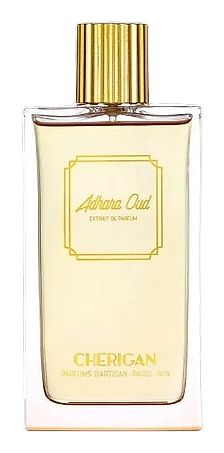
The house that would become Cherigan opened its doors in 1929, in the heart of Paris, during a decade when the city pulsed with artistic experimentation and luxury craftsmanship. Contemporary accounts suggest the enterprise was founded by a wealthy French family rather than the often‑cited Czech immigrant narrative, a clarification offered in a 2022 interview with Luc Gabriel (Das Duft‑Tagebuch). The original brand produced a limited range of extracts that catered to an elite clientele, but World War II and the post‑war shift in consumer habits led to a gradual decline. By the late 1960s the label had faded from the market, leaving only archival references and a handful of surviving bottles. In 2021, Luc Gabriel, a veteran of The Different Company, acquired the dormant trademark and initiated a careful revival. The relaunch emphasized authenticity: original archival sketches were consulted, the historic address on the Champs‑Élysées was reclaimed, and the formulation philosophy was updated to prioritize natural raw materials while retaining the classic French extraction techniques. A public soirée in October 2022 at the brand’s Paris headquarters introduced the new collection to perfumery journalists and industry insiders, marking the first official presentation of Cherigan’s contemporary portfolio (YouTube, Parfums CHERIGAN). Since the revival, Cherigan has released a series of modern extracts that reference both the brand’s heritage and current olfactory trends. Notable launches include Lovers In Pink (2021), The Purple Bar (2021), Fleurs de Tabac (2021) and Adhara Oud (2021), each framed as a narrative capsule that evokes a specific mood or place. The house continues to operate from its historic 120 Champs‑Élysées atelier, a location that underscores its connection to the golden era of Parisian perfume making while serving as a functional laboratory for small‑batch production. The brand’s trajectory illustrates a rare case of a historic perfume house re‑emerging with a clear respect for its origins and a willingness to adapt to contemporary expectations of ingredient transparency and artisanal quality.
Craftsmanship
Cherigan’s production methods blend historic French extraction techniques with modern quality controls. The house works primarily with perfume extracts, a concentration format that can contain up to 99 percent natural raw materials, as noted in the brand’s product specifications. Extraction begins with careful maceration of botanicals, followed by a low‑temperature distillation that preserves volatile aromatics often lost in harsher processes. For ingredients such as oud and coffee, the house employs cold‑press or solvent‑free methods to retain the material’s intrinsic character. All raw materials are sourced from vetted growers and cooperatives that can provide traceability documentation. The brand reports partnerships with suppliers in the Balkans for iris, in Ethiopia for coffee beans, and in Southeast Asia for agarwood, ensuring that each component meets both aromatic and ethical standards. Once the extracts are formulated, they undergo a series of stability tests in a controlled laboratory environment, confirming that the scent profile remains consistent over time. Batch sizes are deliberately limited; the house produces each fragrance in small quantities to maintain a high level of oversight. This approach mirrors the atelier model of early 20th‑century French perfume houses, where master perfumers supervised each step from raw material selection to final bottling. Quality assurance includes organoleptic evaluation by a panel of senior noses, who assess balance, longevity and the fidelity of the intended narrative. Packaging is crafted in the same workshop that handles formulation, allowing immediate feedback between the bottle design team and the perfumers. Glass containers are sourced from a French manufacturer that offers custom thickness and clarity, reducing the risk of oxidation. Caps are machined from brass and finished with a matte coating to protect the fragrance from light exposure. The entire process, from raw material arrival to sealed bottle, is documented in a production log that the house references during each new launch, reinforcing a culture of traceability and craftsmanship.
Design Language
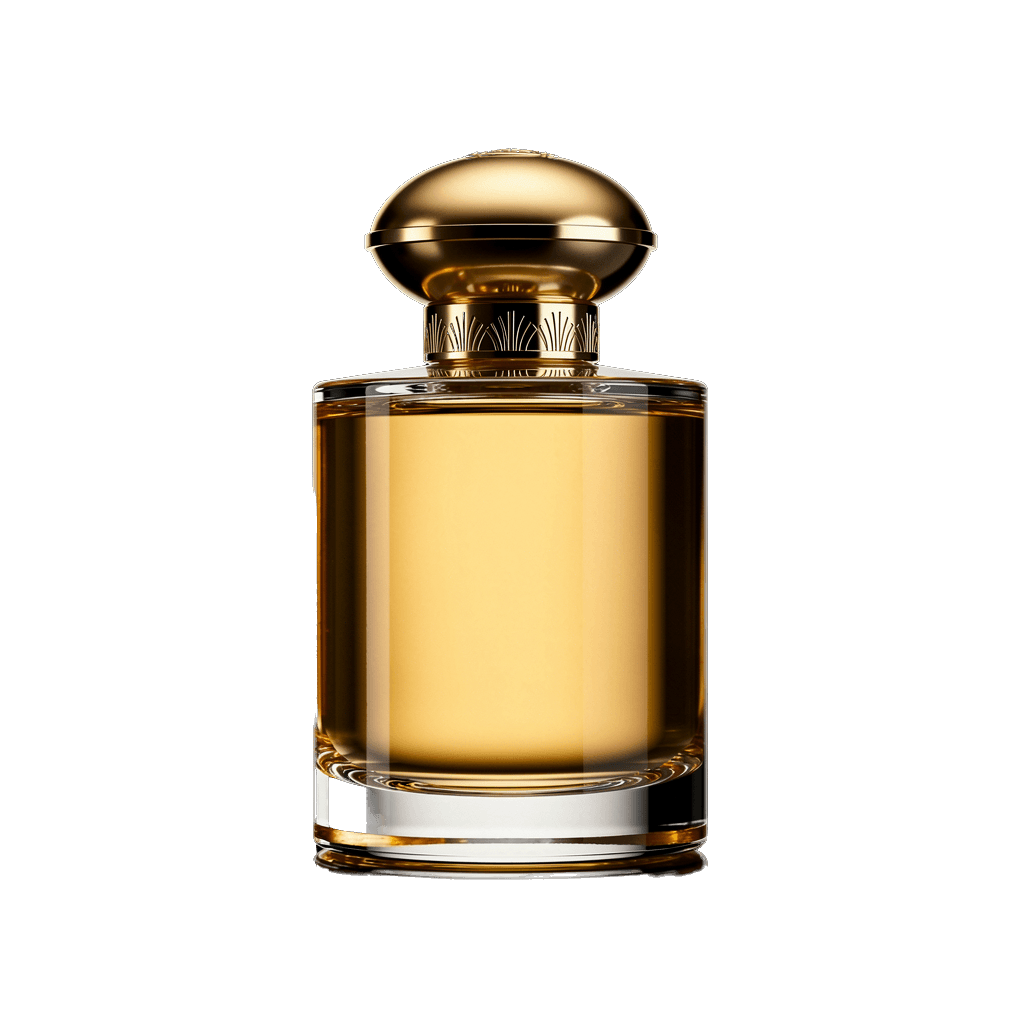
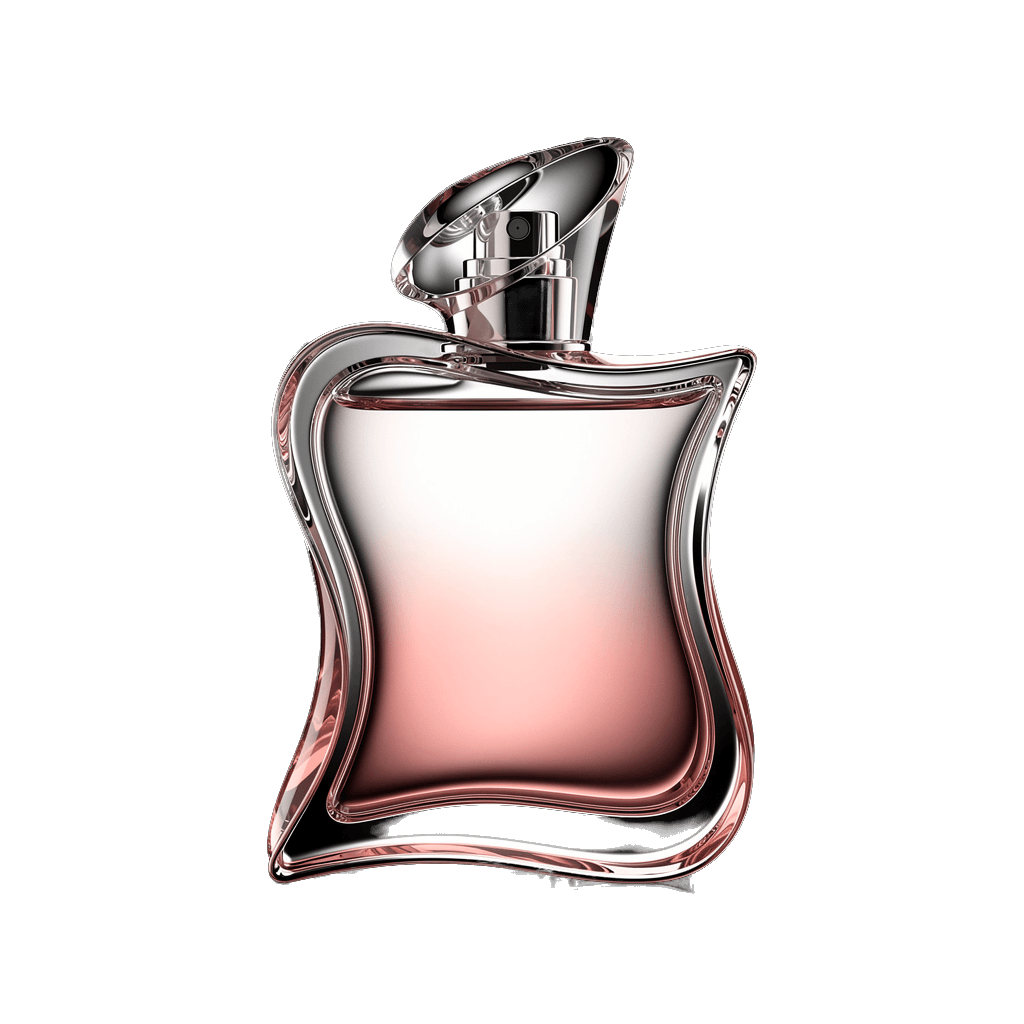
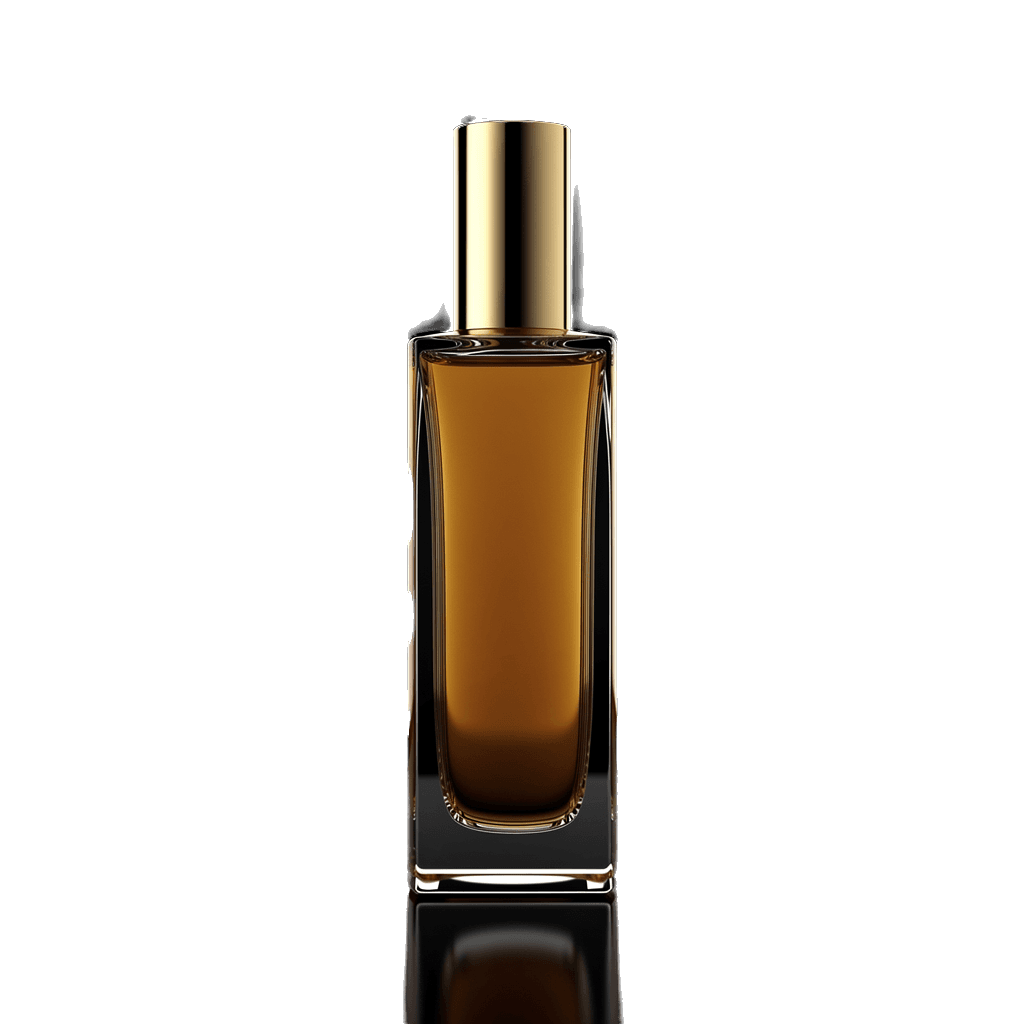
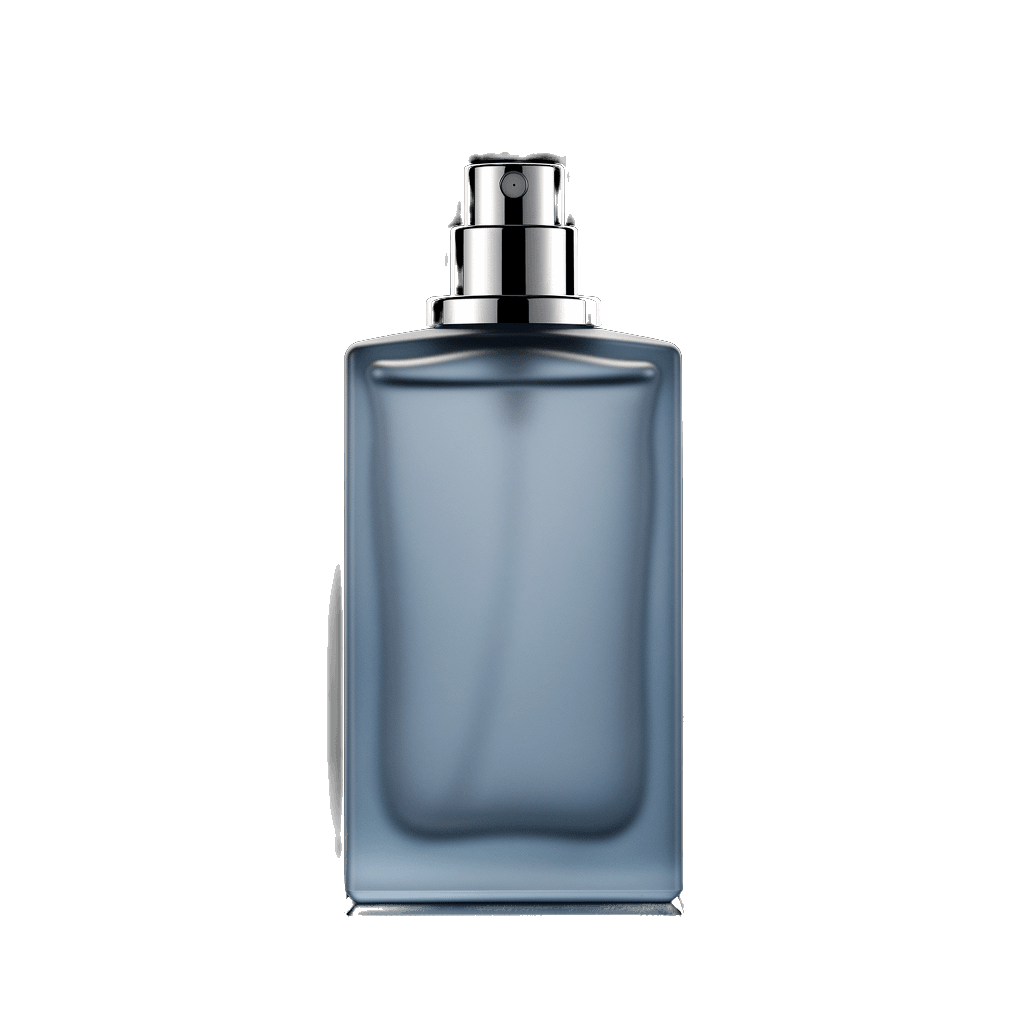
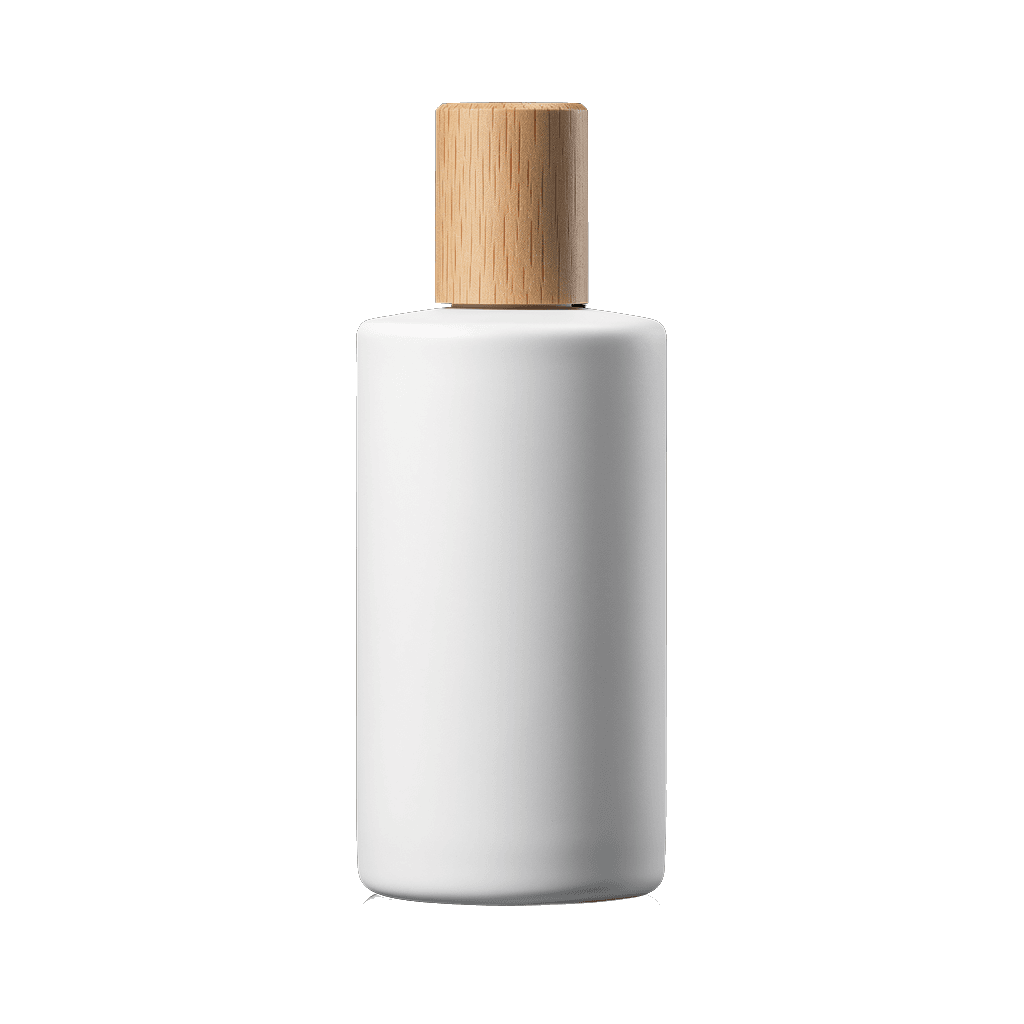
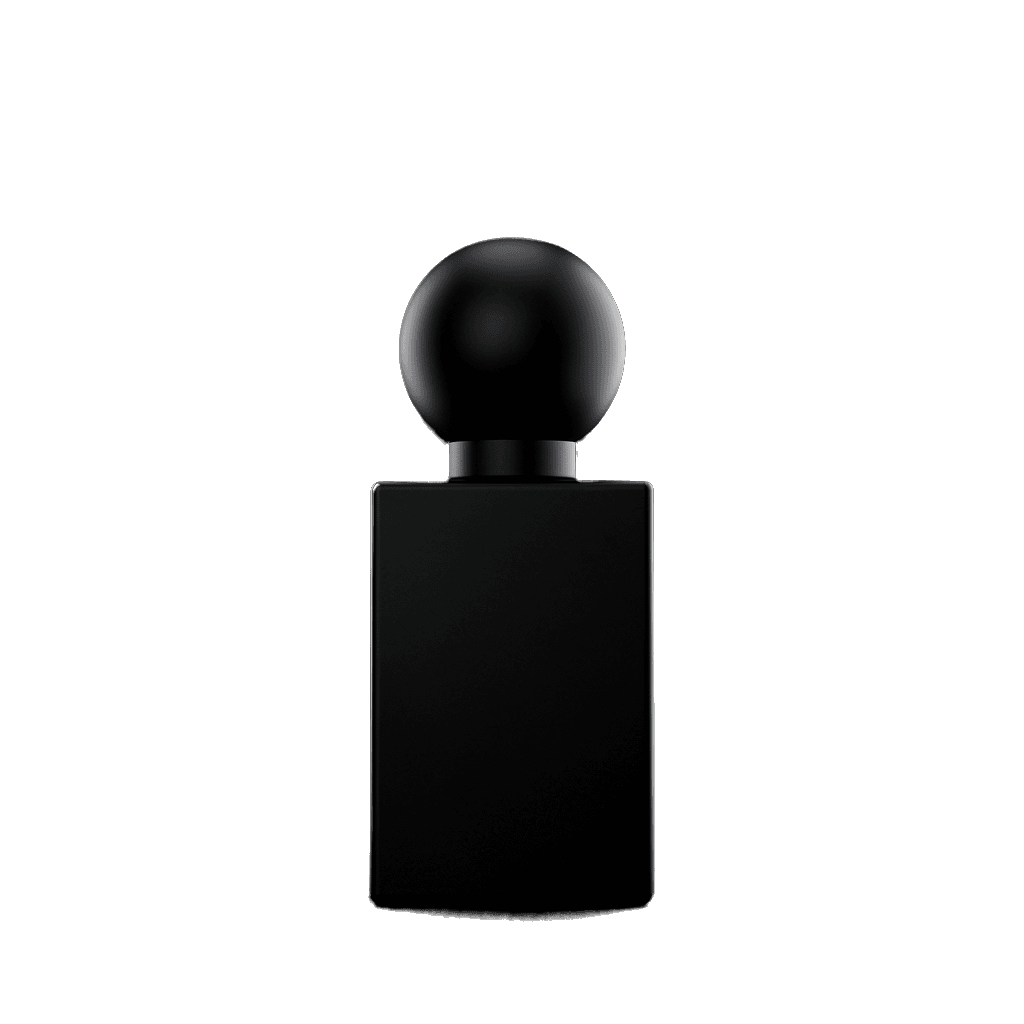
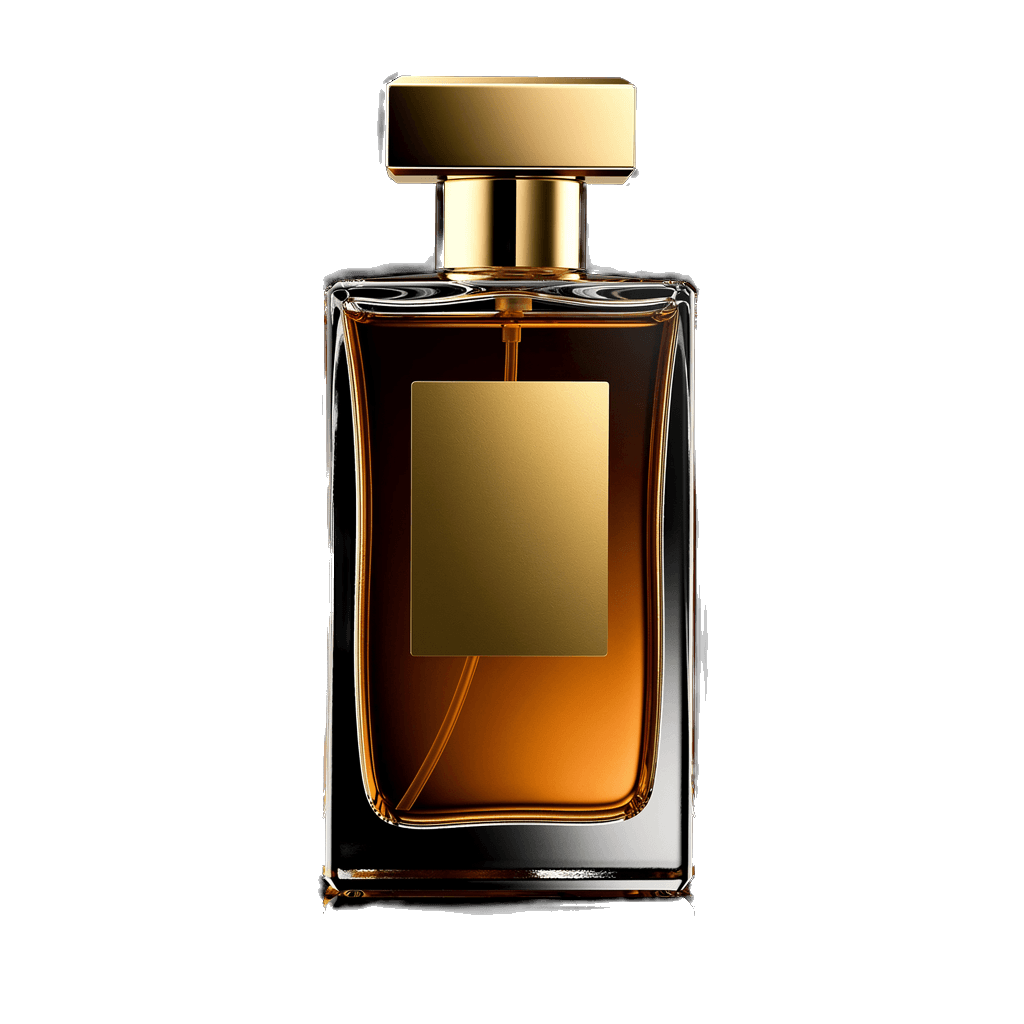
Visually, Cherigan draws on the sleek minimalism of the late 1920s while incorporating subtle contemporary cues. Bottles feature clean, cylindrical silhouettes with thin shoulders, allowing the liquid’s hue to become a focal point. The glass is typically clear or lightly tinted, echoing the translucence of perfume extracts. Caps are finished in brushed brass, engraved with the house’s monogram in a restrained serif typeface that references Art Deco lettering without resorting to overt ornamentation. The brand’s graphic identity relies on a muted palette of ivory, charcoal and deep navy, punctuated by gold accents that appear on label borders and the back of the packaging. Labels are printed on textured paper that mimics the feel of vintage stationery, reinforcing the narrative of a heritage house. Each fragrance’s name is presented in uppercase, with a brief tagline that hints at the scent’s story, positioned beneath the main title. Marketing collateral, such as lookbooks and promotional videos, often showcases the fragrances against architectural backdrops of Parisian boulevards, historic cafés and art studios, linking the scent to the city’s cultural memory. The visual language avoids hyperbolic claims; instead, it emphasizes the tactile qualities of the product—weight of the bottle, the click of the brass cap, the shimmer of the liquid—inviting the consumer to experience the perfume through both sight and touch. Digital assets maintain the same aesthetic discipline: the website employs generous white space, high‑resolution photography of the bottles, and concise copy that mirrors the brand’s editorial tone. Social media posts are curated to feature monochrome stills and occasional color splashes that correspond to the fragrance’s key note, reinforcing a cohesive visual narrative across all touchpoints.
Philosophy
Cherigan’s creative vision rests on the idea that scent should act as a bridge between memory and imagination. The house describes its work as an effort to "tell a story and awaken emotions" (CHERIGAN: CONFIDENTIAL LUXURY PERFUMES). This narrative‑driven approach informs every stage of development, from the selection of a scent’s core theme to the final bottling. The brand prioritises natural extracts, often sourcing raw materials that retain a high degree of botanical integrity, and it frames each fragrance as an "extract" rather than a traditional eau de parfum, signaling a concentration on purity. Transparency and sustainability are woven into the brand’s values. While the relaunch catalogue emphasizes up to 99 percent natural ingredients, Cherigan also commits to responsible sourcing, working with suppliers who can trace the origin of key components such as oud, coffee and iris. The house’s statements avoid vague claims of innovation; instead, they focus on concrete practices like using cold‑press extraction for citrus notes and preserving the original aromatic profile of rare botanicals. A collaborative ethos underpins the creative process. Luc Gabriel, though not listed as a perfumer on public records, acts as a curator, guiding external noses to interpret the brand’s archival DNA in a modern context. This partnership model respects the tradition of French maison perfumery, where the house provides a framework and the perfumer contributes the artistic execution. The result is a line that feels both rooted in 1920s Parisian elegance and attuned to contemporary sensibilities about ingredient authenticity and olfactory storytelling.
Key Milestones
1929
Cherigan is founded in Paris by a wealthy French family, establishing its first atelier on the Champs‑Élysées.
2021
Luc Gabriel acquires the dormant brand and initiates a relaunch, focusing on natural perfume extracts.
2022
A public soirée at 120 Champs‑Élysées presents the revived collection to industry experts and press.
2023
Release of Bleu Impérial and Fiesta Habana, expanding the modern line with contemporary scent narratives.
2025
Launch of Shanghai le Soir, marking the brand’s first fragrance inspired by an Asian metropolis.
At a Glance
Brand profile snapshot
Origin
France
Founded
1929
Heritage
97
Years active
Collection
1
Fragrances released
Avg Rating
3.7
Community sentiment
Release Rhythm