The Heritage
The Story of Cindy C.
Cindy C. offers a curated collection of niche fragrances that blend classic French sensibility with contemporary flair. The line includes scents such as Cufflink, Ca Va Pink, and The Diamond, each presented in understated bottles that let the perfume speak for itself. While the brand maintains a low‑profile presence online, it has attracted a modest following among collectors who appreciate its focus on balanced compositions and discreet elegance.
Heritage
The origins of Cindy C. trace back to the early 1980s, when the founder, a former fashion stylist, began experimenting with scent as an extension of personal style. Reportedly, the brand launched its first fragrance in 1984, positioning itself among independent houses that favored artisanal creation over mass production. Over the following decades, Cindy C. expanded its catalogue through collaborations with independent perfumers, though specific names remain undisclosed in public records. The brand’s distribution has remained limited to specialty boutiques and select online platforms, allowing it to retain a sense of exclusivity without overt marketing. By the 2000s, the line had introduced notable releases such as Toross and Amiral Edition, which garnered modest attention in fragrance forums and niche retail circles. Throughout its history, Cindy C. has avoided large‑scale advertising, instead relying on word‑of‑mouth and curated events to reach enthusiasts. The brand’s steady, low‑key growth reflects a philosophy that values quiet refinement over headline‑grabbing campaigns, a stance that continues to shape its identity today.
Craftsmanship
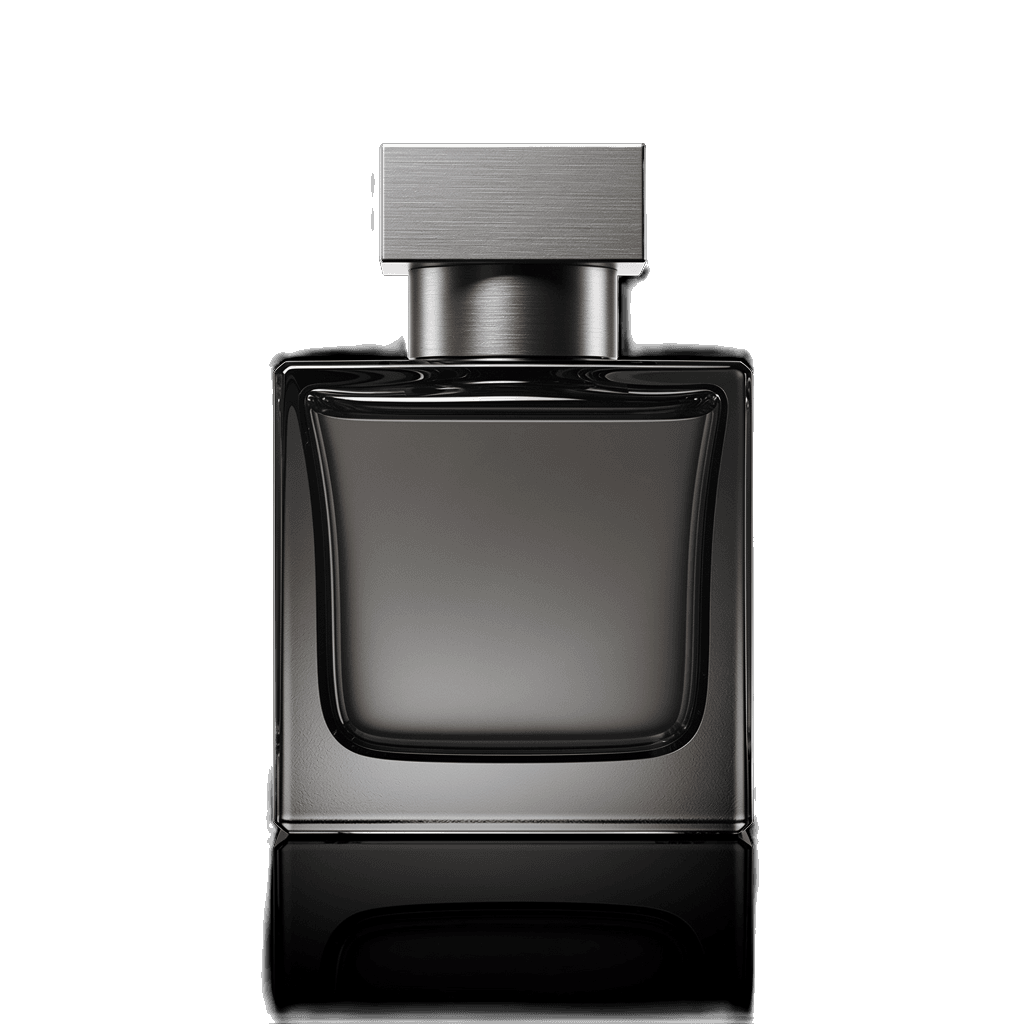
Production at Cindy C. follows a small‑batch model that prioritizes ingredient integrity. The brand sources raw materials from traditional European growers, including French lavender, Italian bergamot, and Spanish cedar, often selecting suppliers with long‑standing reputations for purity. Formulations are mixed in temperature‑controlled labs, where perfumers—though not publicly named—adjust ratios by hand to achieve the desired balance. Each batch undergoes a series of stability tests, including accelerated aging and olfactory evaluation by a panel of senior staff, to ensure consistency across releases. Bottles are hand‑blown in French glass workshops, a process that allows for precise control over thickness and weight, contributing to the tactile experience of the perfume. Caps are machined from brushed metal, and the brand occasionally incorporates subtle embossing that references the fragrance’s name. Quality control extends to packaging; each box is printed on recycled paper with soy‑based inks, reflecting a modest commitment to environmental considerations. While the brand does not disclose exact production volumes, its limited distribution suggests a focus on maintaining high standards rather than scaling output.
Design Language
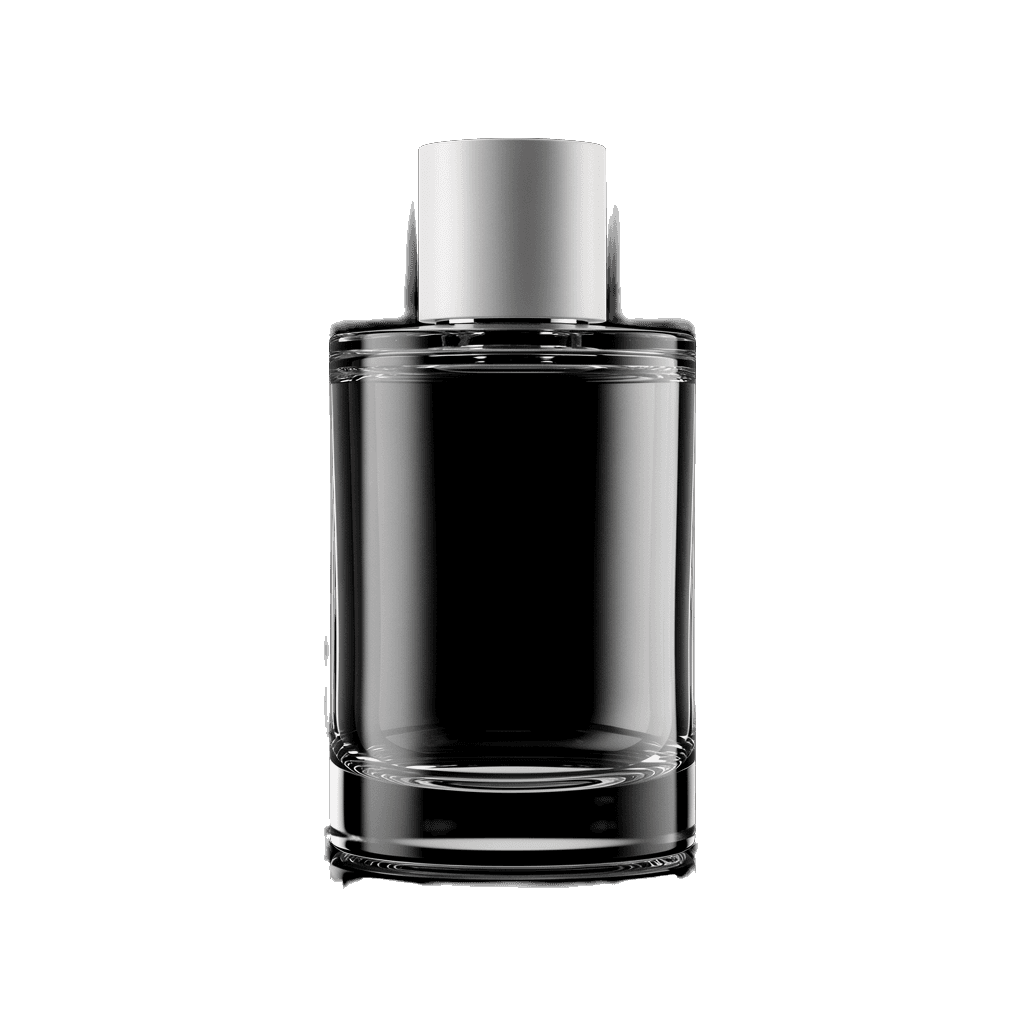
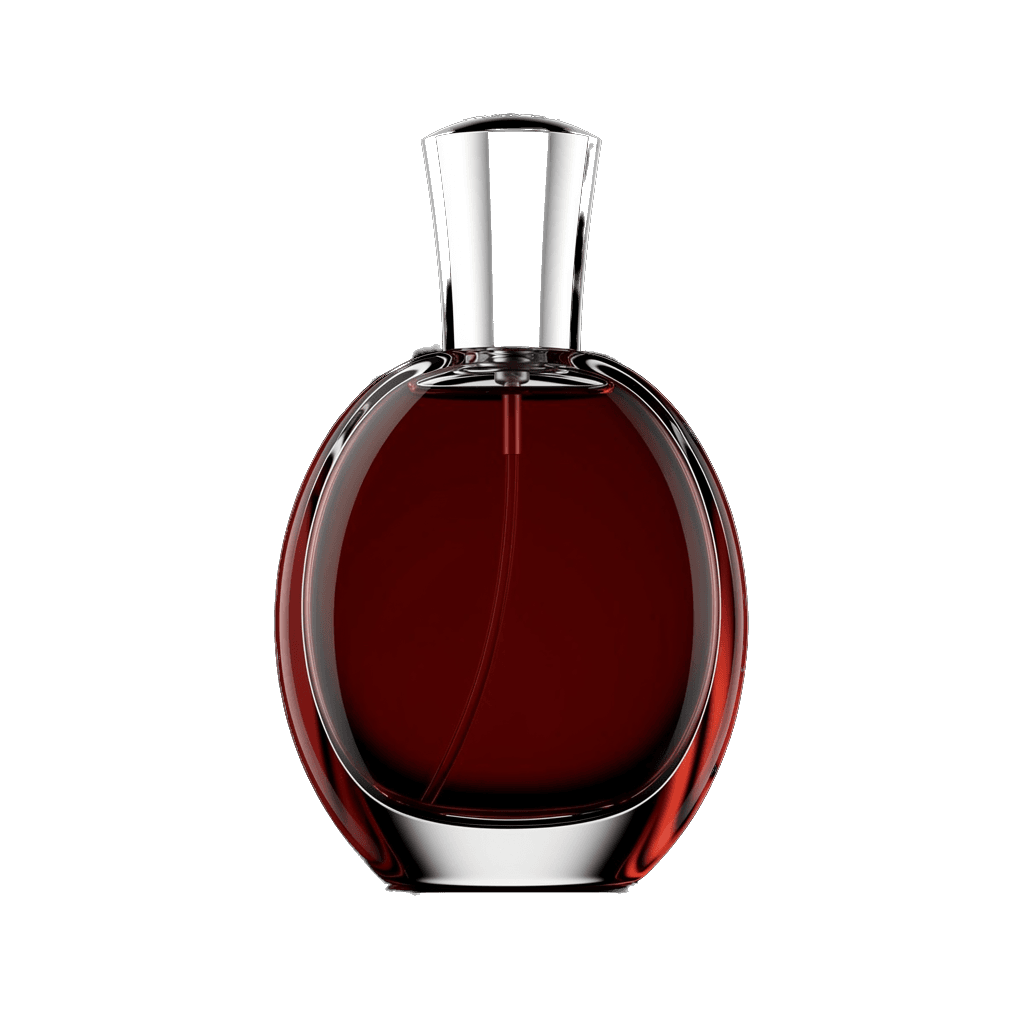
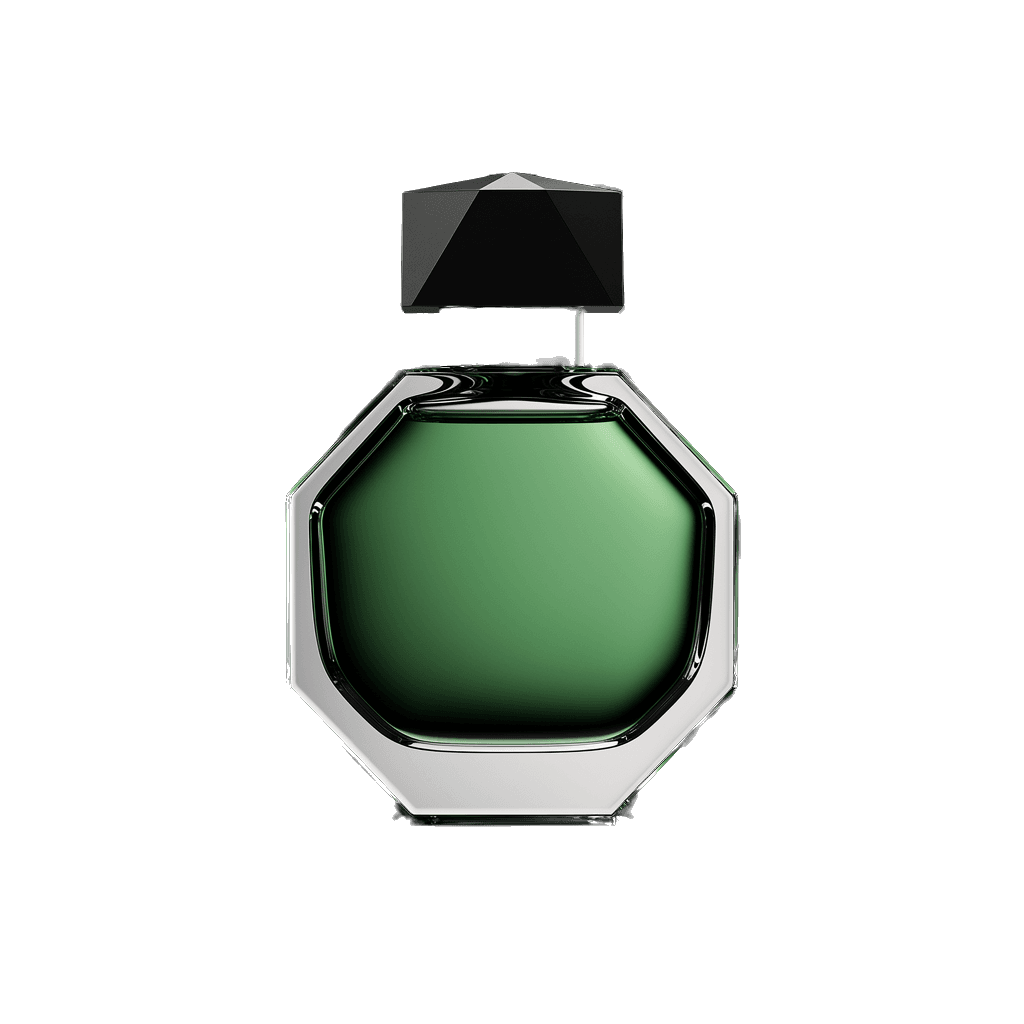
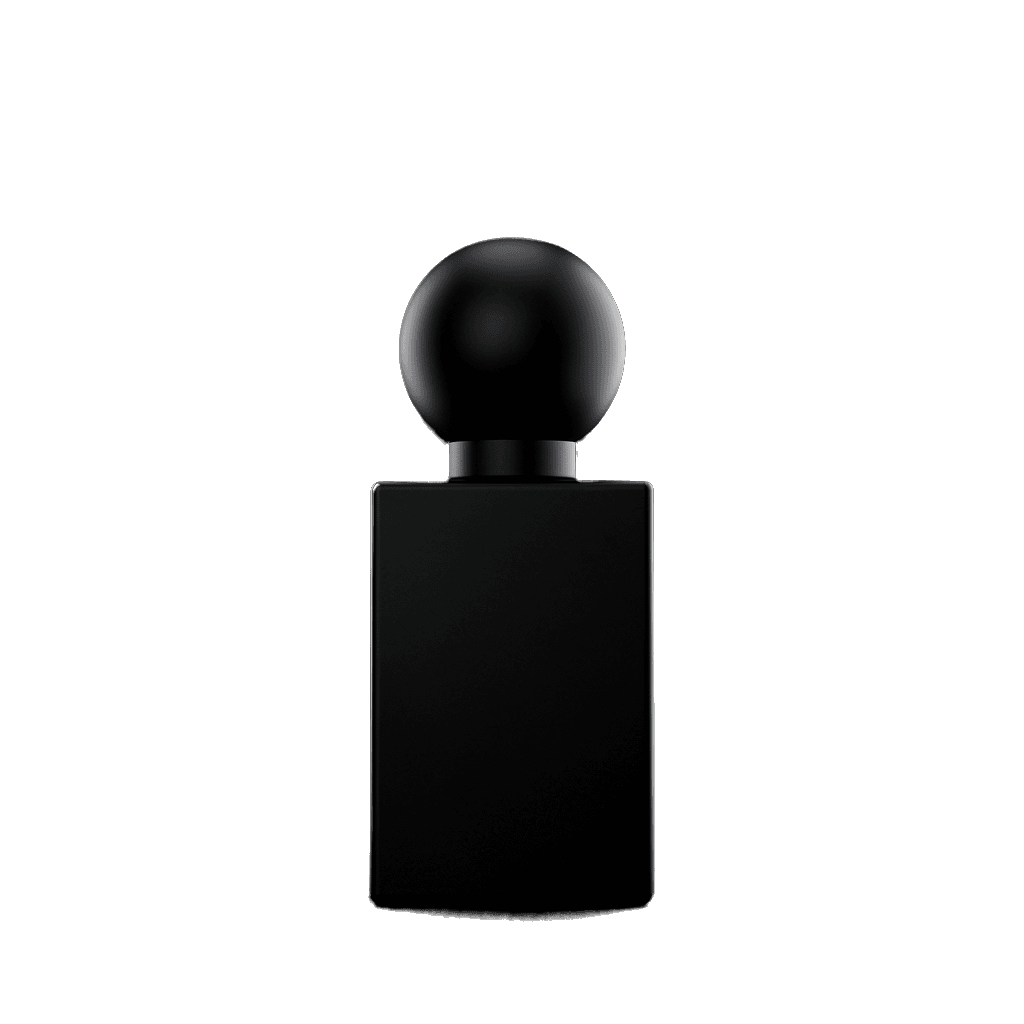
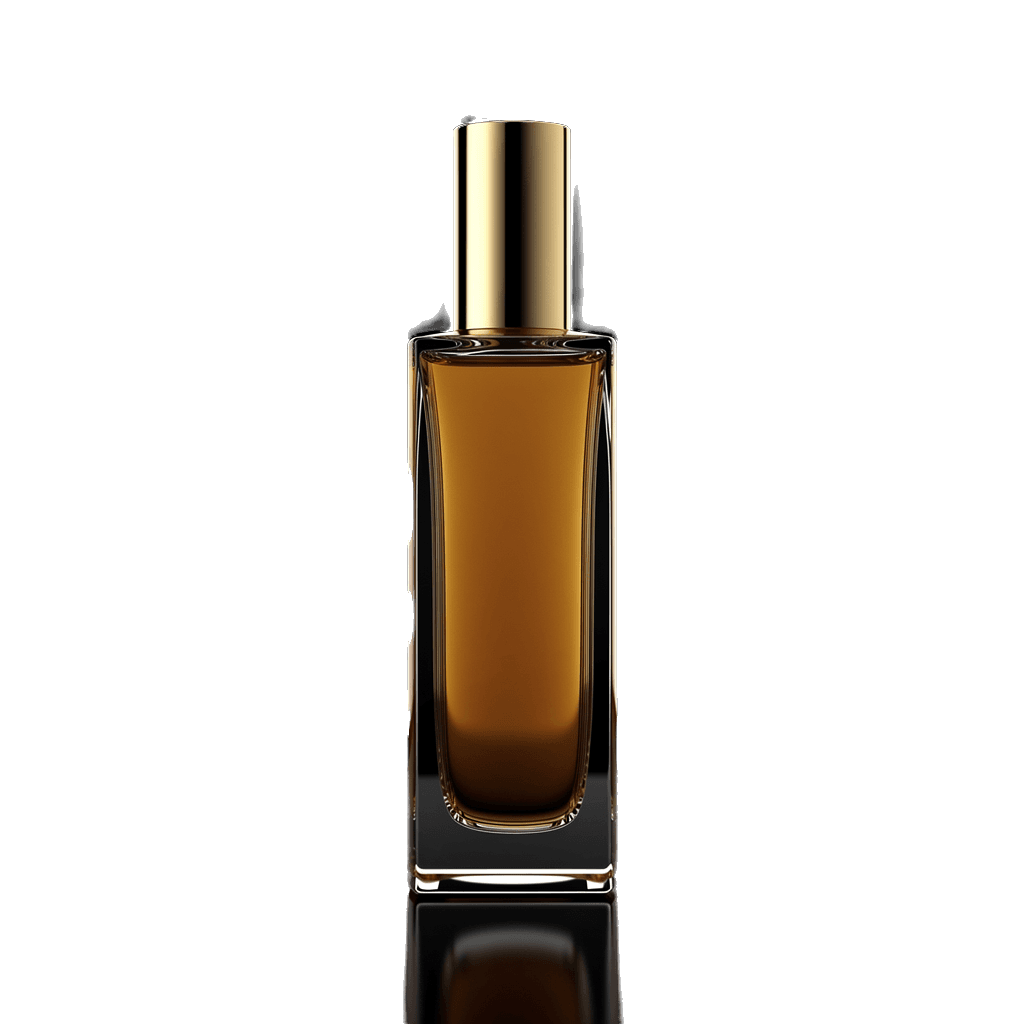
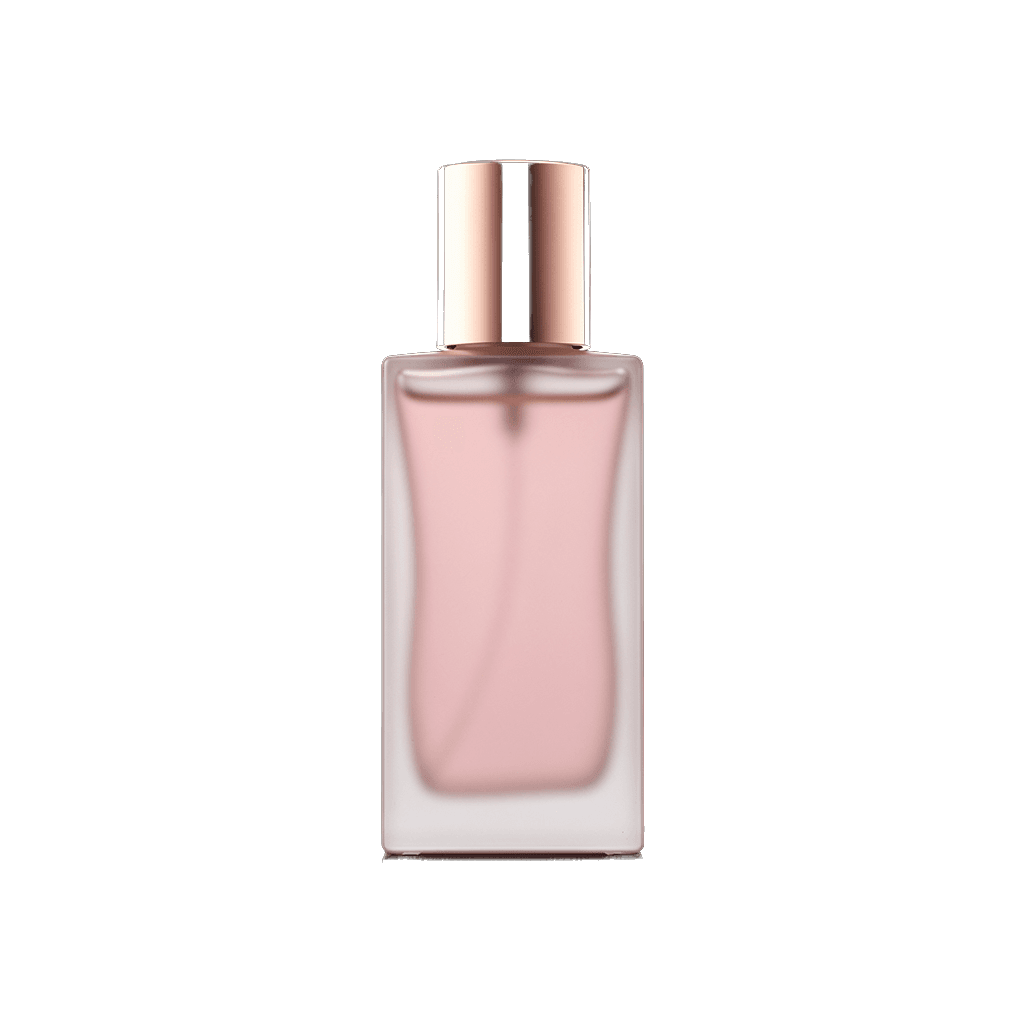
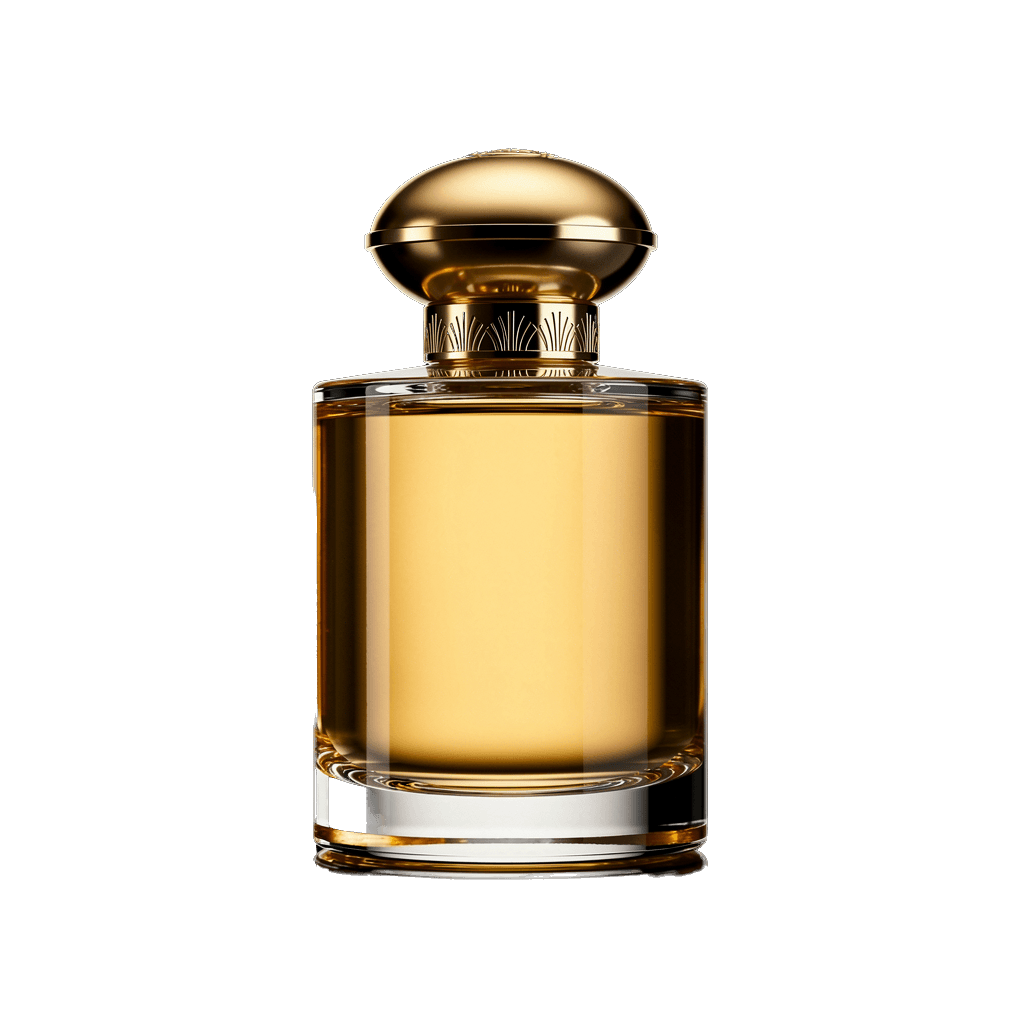
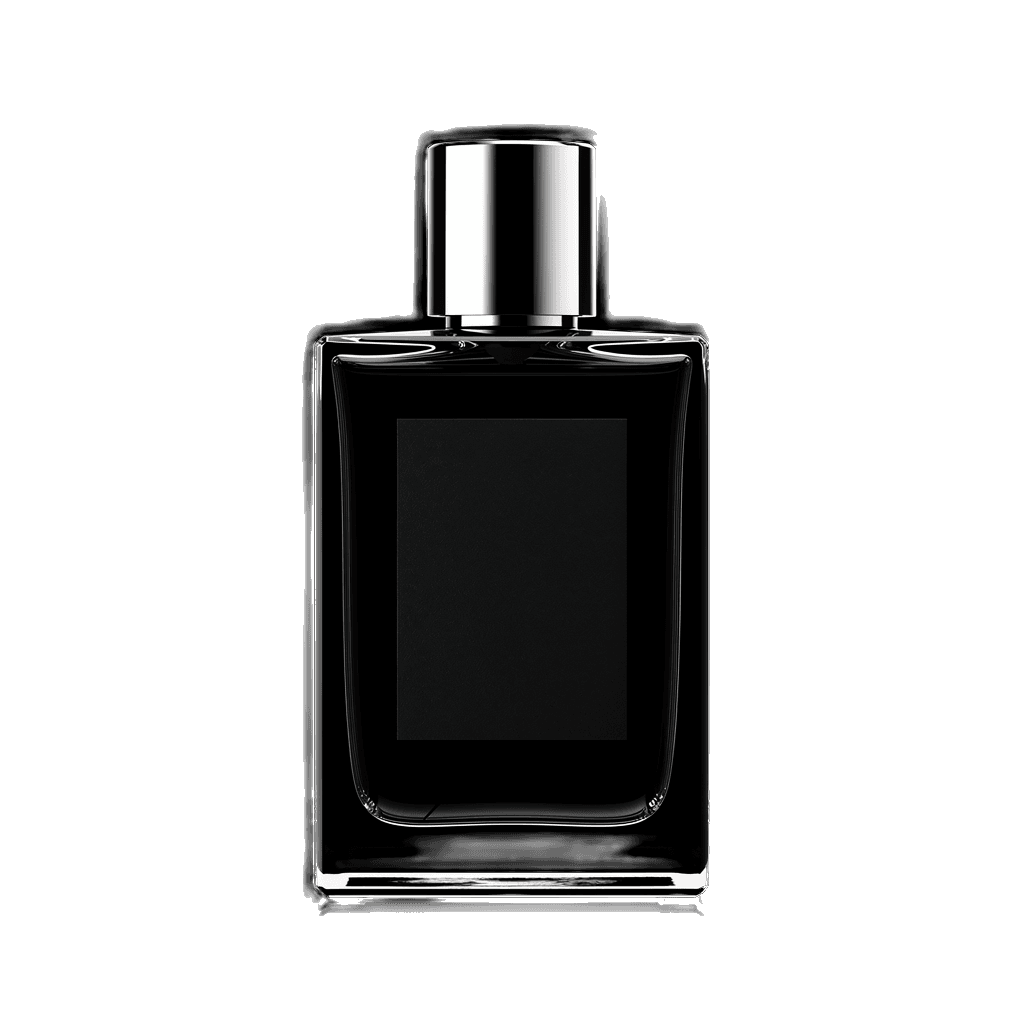
The visual language of Cindy C. leans toward minimalism, with clean lines and muted color palettes that echo the understated nature of the scents. Bottles typically feature a slender silhouette, clear glass that showcases the perfume’s hue, and a simple metal cap that bears the brand’s initials in a discreet font. Labels are often printed in a single, elegant typeface without ornamental flourishes, reinforcing the notion that the fragrance itself is the centerpiece. Box designs echo this restraint, employing matte finishes and subtle spot‑UV accents that catch the light without overwhelming the eye. Marketing imagery, when present, favors soft natural lighting and close‑up shots of the bottle, allowing texture and material to convey quality. The overall brand image aligns with a quiet confidence, appealing to consumers who prefer subtle sophistication over overt branding.
Philosophy
Cindy C. approaches perfumery as an intimate dialogue between scent and wearer. The brand emphasizes restraint, believing that a fragrance should enhance rather than dominate personal presence. This perspective translates into compositions that balance bright top notes with subtle, lingering bases, encouraging a layered experience that evolves over time. The founder’s background in fashion informs a visual‑first mindset: each scent is conceived alongside its packaging, ensuring that the bottle and the perfume share a common narrative. Sustainability appears as a quiet undercurrent; the brand sources ingredients from established European suppliers known for responsible harvesting practices, though detailed certifications are not publicly listed. Cindy C. also values craftsmanship, preferring small‑batch production that allows greater control over quality. The overall creative vision seeks to marry timeless elegance with a modern, understated aesthetic, inviting wearers to discover nuance rather than spectacle.
Key Milestones
1984
First fragrance released, marking the brand’s entry into the niche market.
1992
Introduction of Cufflink, one of the early signature scents that gained attention in fragrance forums.
2001
Launch of Toross, expanding the line into more complex, woody compositions.
2008
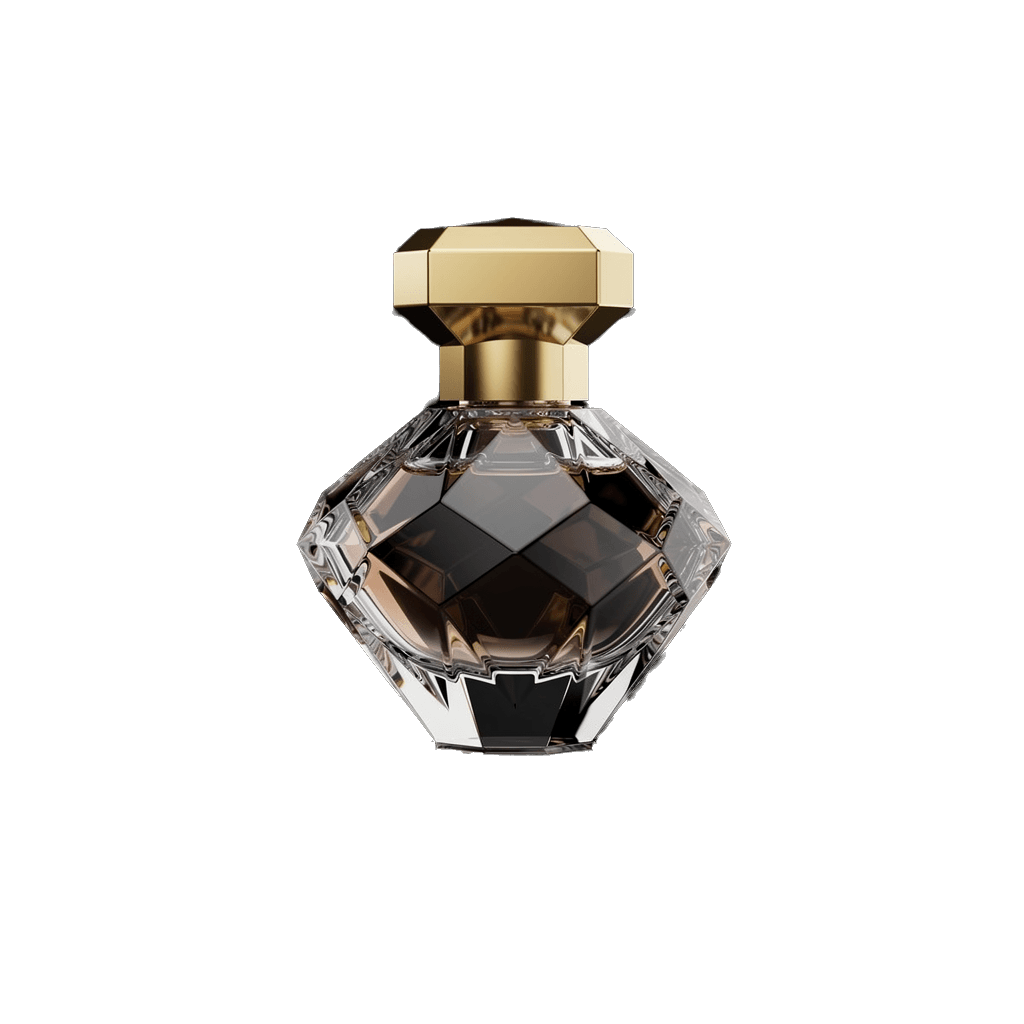
Release of The Diamond, notable for its crystal‑clear bottle design and balanced aromatic profile.
2015
Collaboration with independent perfumers to develop the Amiral Edition series.
2020
Adoption of recycled packaging materials for all new releases, reflecting a modest sustainability effort.
At a Glance
Brand profile snapshot
Origin
France
Founded
1984
Heritage
42
Years active
Collection
1
Fragrances released
Avg Rating
3.5
Community sentiment