
The Heritage
The Story of Comme des Garçons
Since 1994, Comme des Garçons Parfums has treated fragrance as wearable conceptual art. Founded by fashion visionary Rei Kawakubo and perfumer Christian Astuguevieille, the house rejects conventional beauty standards and commercial logic alike. Its unorthodox scents and sculptural bottles challenge what perfume can be, turning industrial aromas and abstract ideas into collectible works. More than a fragrance brand, it is an ongoing artistic experiment.
Heritage
Rei Kawakubo opened the doors of Comme des Garçons in Tokyo in 1969, redefining runway conventions with deconstructed silhouettes and a rebellious aesthetic. The fashion house quickly earned a reputation for challenging norms, a spirit that later guided its move into fragrance. In 1994 Kawakubo launched Comme des Garçons Parfums, introducing the first Eau de Parfum at the Ritz Paris pool while the venue was surrounded by sacks of bright yellow liquid—a theatrical gesture that announced the brand’s intent to treat scent as an extension of its visual experiments. The debut fragrance combined unconventional accords and a stark, minimalist bottle, setting a tone that would echo through the next three decades. In 2004 Mark Buxton crafted 2 Man, a masculine scent that juxtaposed metallic notes with soft florals, reinforcing the label’s willingness to blur gender boundaries. Over the years the house released a series of limited editions, each presented in stark containers that echoed Kawakubo’s design language. By the early 2020s many early releases had been discontinued, leaving a gap that lasted two years until the arrival of Odor 10 in 2024, a composition that re‑engaged the brand’s experimental ethos while embracing newer sustainable sourcing practices. Throughout its history the perfume line has remained a laboratory for ideas that feel more like conceptual art than commercial perfume, mirroring the fashion house’s ongoing dialogue between form, function, and provocation.
Craftsmanship
Comme des Garçons builds each fragrance in a small Parisian lab that operates more like an atelier than a mass‑production facility. The brand invites perfumers—Mark Buxton for 2 Man, among others—to begin with a single concept and then layer ingredients in a way that mirrors the construction of a garment. Natural extracts such as Japanese cedar, Indian sandalwood, or rare florals are paired with lab‑created aromachemicals, allowing the house to balance authenticity with precision. For recent releases the team sources raw materials from farms that practice regenerative agriculture, a step taken after the 2024 launch of Odor 10 highlighted the brand’s commitment to environmental responsibility. The formulation process emphasizes transparency: each batch is recorded, and the final composition is tested on a range of skin types to ensure the scent evolves rather than stays static. Bottles arrive in stark, matte glass, often topped with a simple metal cap that echoes the minimal aesthetic of Kawakubo’s runway pieces. Production runs remain limited, reinforcing the idea that a perfume should be discovered, not mass‑advertised. Throughout the process the house maintains a hands‑on approach, with Kawakubo herself reviewing scent strips before a fragrance leaves the lab, ensuring every note aligns with the label’s avant‑garde philosophy.
Design Language
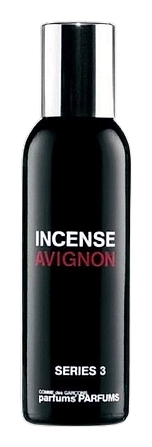
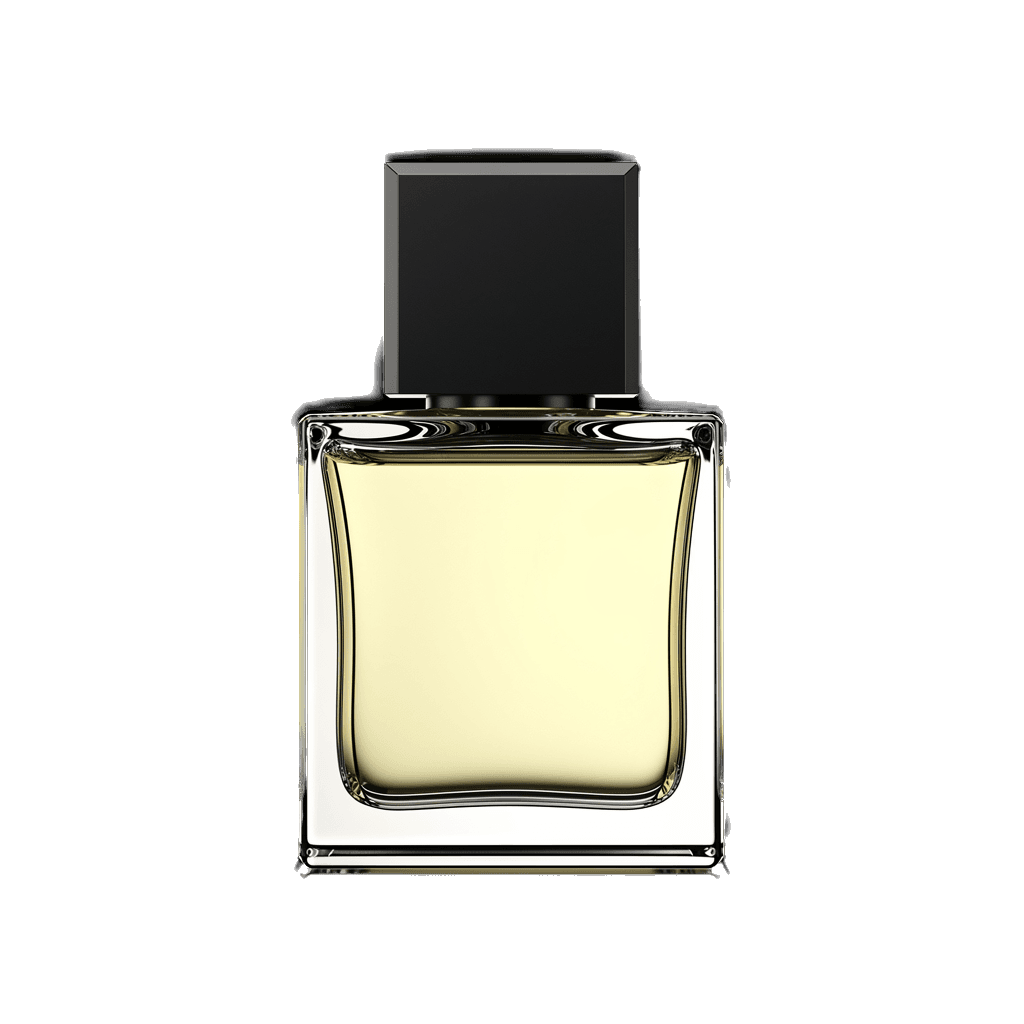
The visual language of Comme des Garçons mirrors the stark elegance of its runway. Bottles typically feature clear or matte glass with clean lines, allowing the scent to speak without decorative excess. Labels often carry the brand’s signature black typography, sometimes offset by a single splash of color that hints at the fragrance’s character. The 1994 Eau de Parfum debuted beside yellow liquid sacks, a theatrical set‑up that reinforced the house’s love for contrast. Later releases, such as 2 Man, kept the minimalist silhouette but introduced a brushed metal cap, echoing the industrial edge of Kawakubo’s clothing. Advertising campaigns favor black‑and‑white photography, high‑contrast lighting, and abstract compositions that feel more like art installations than product shots. Store displays echo this approach, with fragrances presented on simple plinths or within concrete‑like fixtures that echo the brand’s architectural sensibility. The overall aesthetic feels like a curated gallery, where each perfume occupies its own space, inviting the viewer to pause and consider the form as much as the fragrance itself.
Philosophy
Comme des Garçons treats fragrance as a design problem rather than a marketing product. Rei Kawakubo’s belief that beauty can arise from disruption drives every bottle, prompting perfumers to start from a blank canvas and ask what a scent should look like on the skin. The house favors contrast: crisp mineral notes sit beside soft petals, and synthetic materials share space with rare botanicals. This polarity reflects the label’s runway shows, where garments are often stripped down to raw geometry before being reassembled in unexpected ways. Rather than chasing trends, the brand pursues ideas that feel unfinished, inviting wearers to complete the experience with their own perception. The result is a collection that resists easy categorisation, offering scents that can feel austere in a gallery and intimate in a private moment. By keeping the creative process in the hands of a rotating roster of perfumers, the house ensures each launch carries a fresh point of view while staying true to its core principle: challenge convention and celebrate the unexpected.
Key Milestones
1969
Rei Kawakubo establishes Comme des Garçons fashion house in Tokyo.
1994
Launch of Comme des Garçons Parfums with first Eau de Parfum, unveiled at the Ritz Paris pool surrounded by yellow liquid sacks.
2004
Release of 2 Man, created by perfumer Mark Buxton, blending metallic and floral accords.
2020
Many early fragrances are discontinued, creating a pause in new releases.
2024
Introduction of Odor 10, marking the brand’s return with a focus on sustainable sourcing.
At a Glance
Brand profile snapshot
Origin
France
Founded
1993
Heritage
33
Years active
Collection
2
Fragrances released
Avg Rating
4.3
Community sentiment