The Heritage
The Story of D’ORSAY
D’ORSAY is a Paris‑based perfume house that balances historic romance with contemporary sensibility. Founded in the early nineteenth century, the brand has built a catalogue that includes vintage icons such as Intoxication d’Amour (1942) and modern releases like Tonka Hysteria (2024). Its fragrances are crafted for anyone who enjoys nuanced scent journeys, whether worn day or night. The house continues to publish candles and diffusers that echo the same olfactory language, offering a curated portal into French perfume heritage.
Heritage
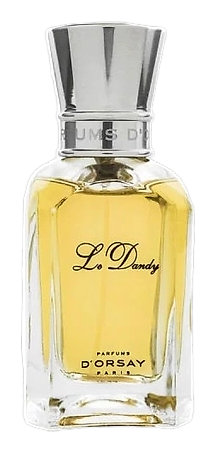
The story of D’ORSAY begins in 1830 when Count Alfred d’Orsay, a French aristocrat with a taste for the avant‑garde, commissioned a unisex fragrance for his lover, the Irish writer Marguerite de Blessington. Contemporary accounts describe the perfume as a private gift, sealed in a modest bottle and kept out of public view. Over the next decades the name d’Orsay became associated with a small circle of Parisian artisans who produced scented waters for salons and private commissions. By 1865 the Compagnie Française des Parfums formalised the operation, registering the D’ORSAY trademark and expanding distribution to select boutiques in the capital. The early twentieth century saw the house enlist artists such as Jean Cocteau and Marie Laurencin to design packaging, reinforcing a reputation for cultural collaboration. In 1923 the house launched Le Dandy, a fragrance that captured the spirit of the roaring twenties and later inspired a masculine reinterpretation in 1999. After World War II the house survived the market upheavals that closed many independent perfumeries, maintaining a modest but loyal clientele. In 2015 Amélie Huynh, a fragrance historian, rediscovered the archive of original formulas while researching Parisian perfume archives. She acquired the rights to the D’ORSAY name, restored the original notebooks, and re‑opened the house with a focus on both preservation and innovation. Since then the brand has released a steady stream of new scents, including the 2020 Vouloir Être Ailleurs C.G. and the 2024 Tonka Hysteria, each anchored in the house’s historic DNA while speaking to today’s sensibilities.
Craftsmanship
Every D’ORSAY perfume begins in a Paris atelier where master perfumers blend raw materials on a copper‑coated marble slab, a practice that dates back to the house’s nineteenth‑century origins. The brand sources natural absolutes from Provence lavender fields, Grasse jasmine farms, and Indian sandalwood groves, supplementing them with synthetics that meet strict REACH standards. Formulations are recorded in leather‑bound notebooks that date to the 1800s; these pages guide modern recreations and inspire new creations. Production runs remain limited, typically between 2,000 and 5,000 bottles, to preserve the integrity of each batch. Quality control includes a three‑stage sensory evaluation: a senior perfumer checks the top, heart, and base notes after a 48‑hour maturation period, a chemist verifies concentration levels, and a historian confirms that the scent aligns with the archival reference. Bottles are hand‑filled in a climate‑controlled room, sealed with a cork that bears the D’ORSAY monogram, and inspected for any visual imperfections before packaging. The house also produces candles and diffusers using the same raw materials, applying a cold‑press method that retains the nuanced aroma profile of the original perfume oils.
Design Language
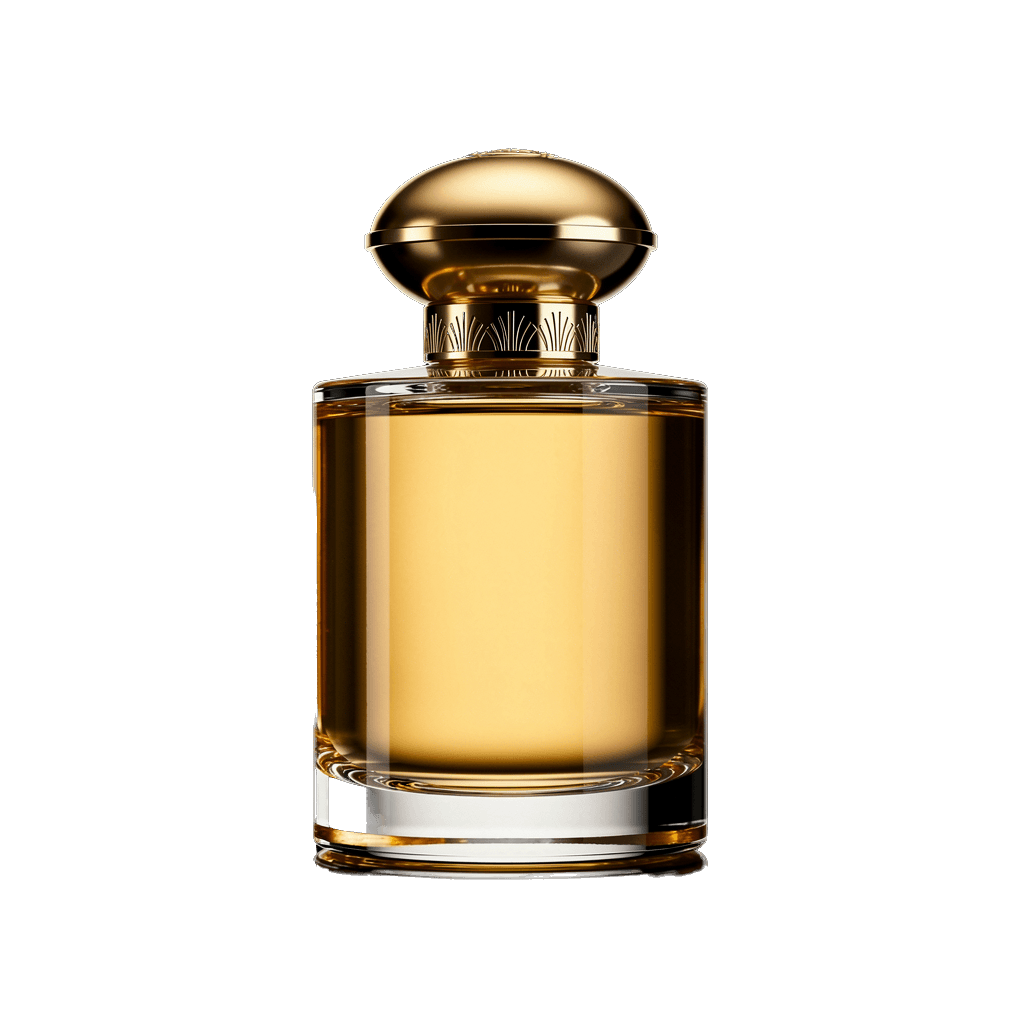
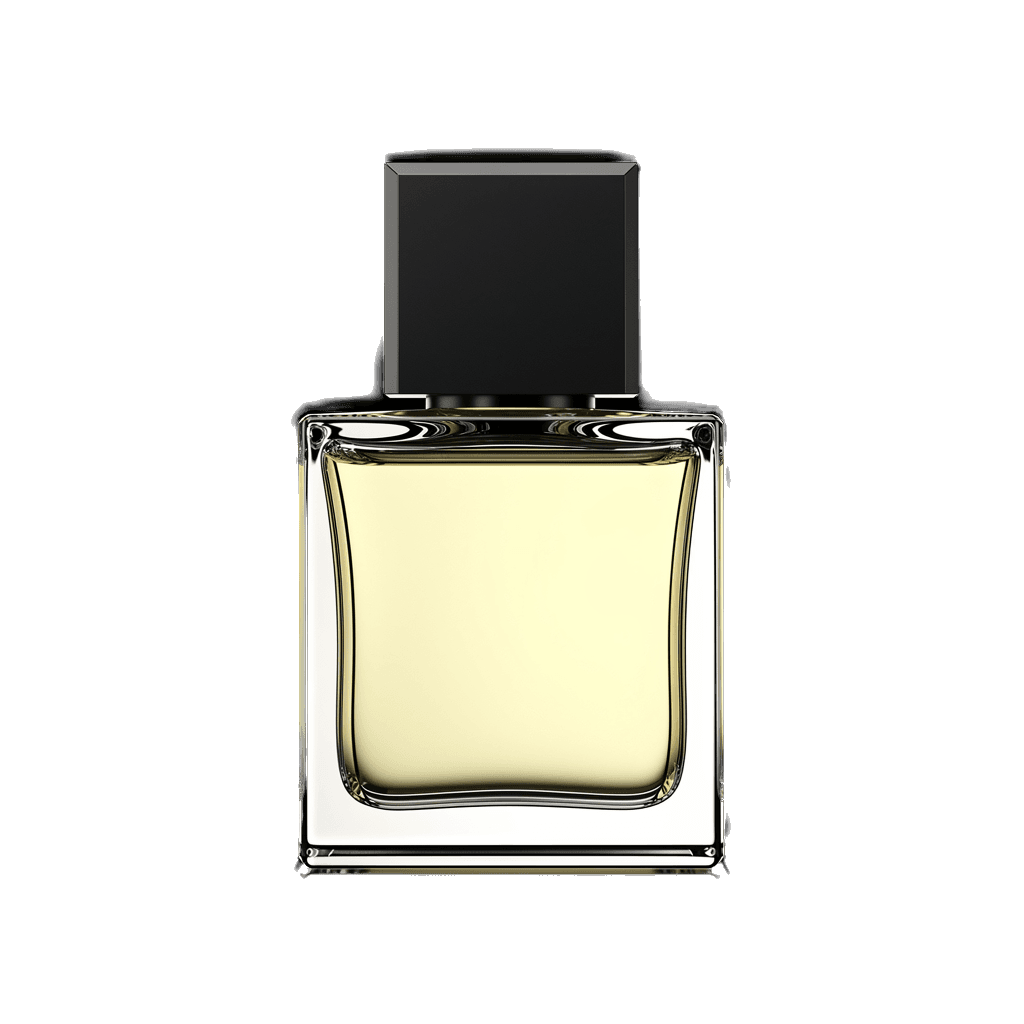
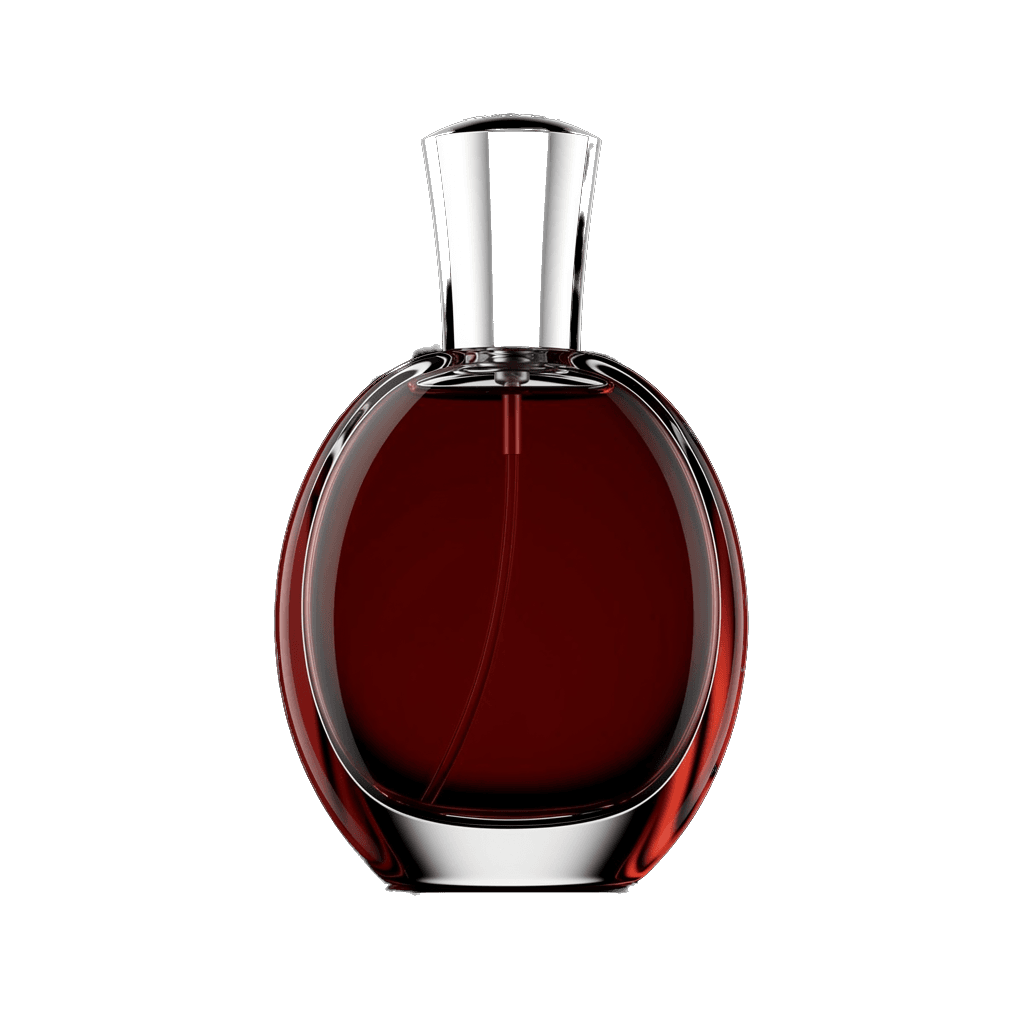
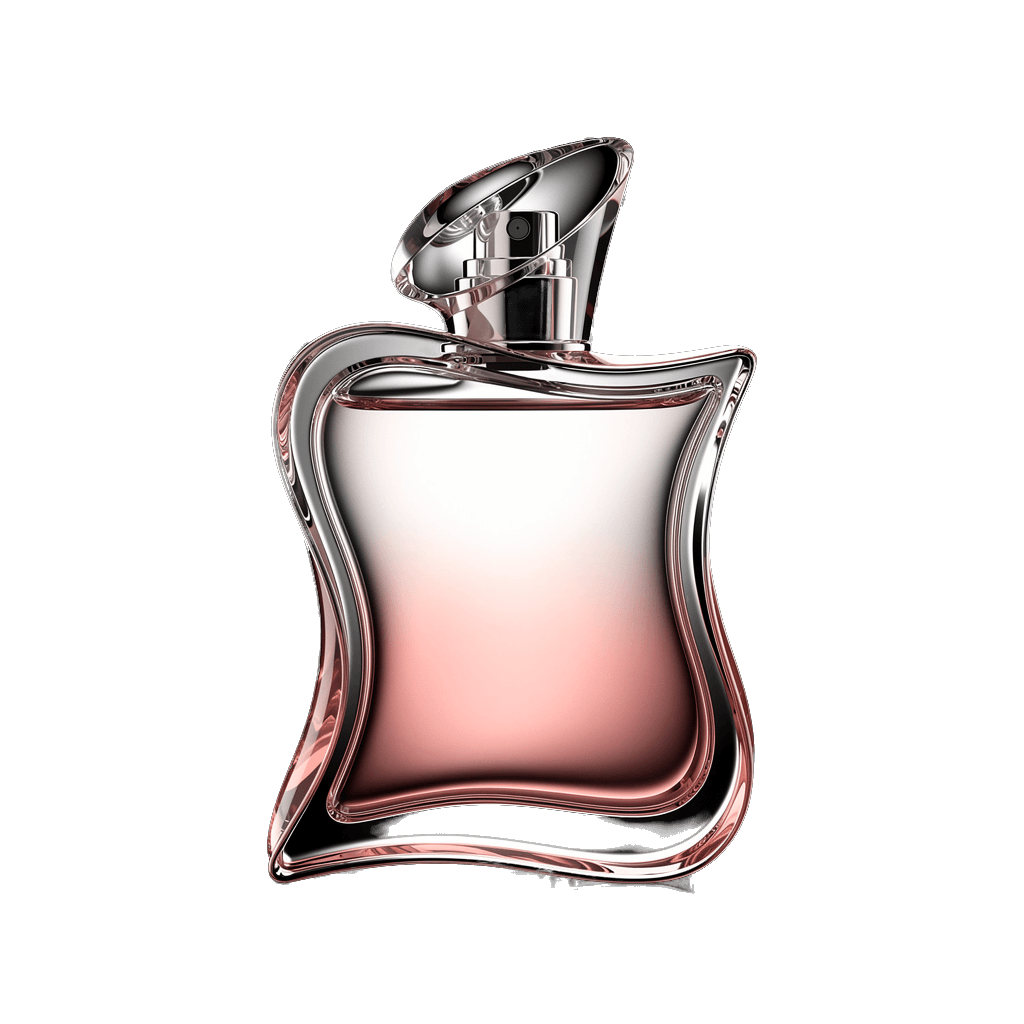
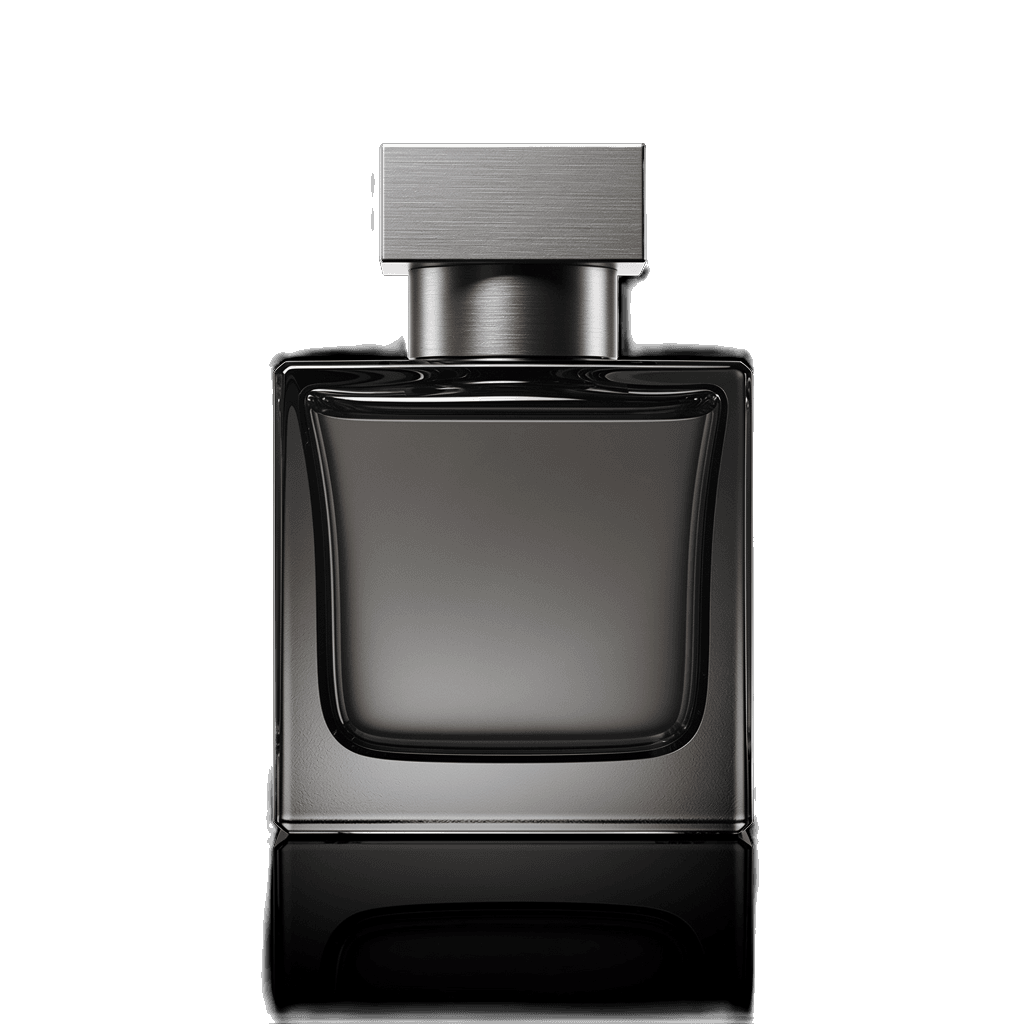
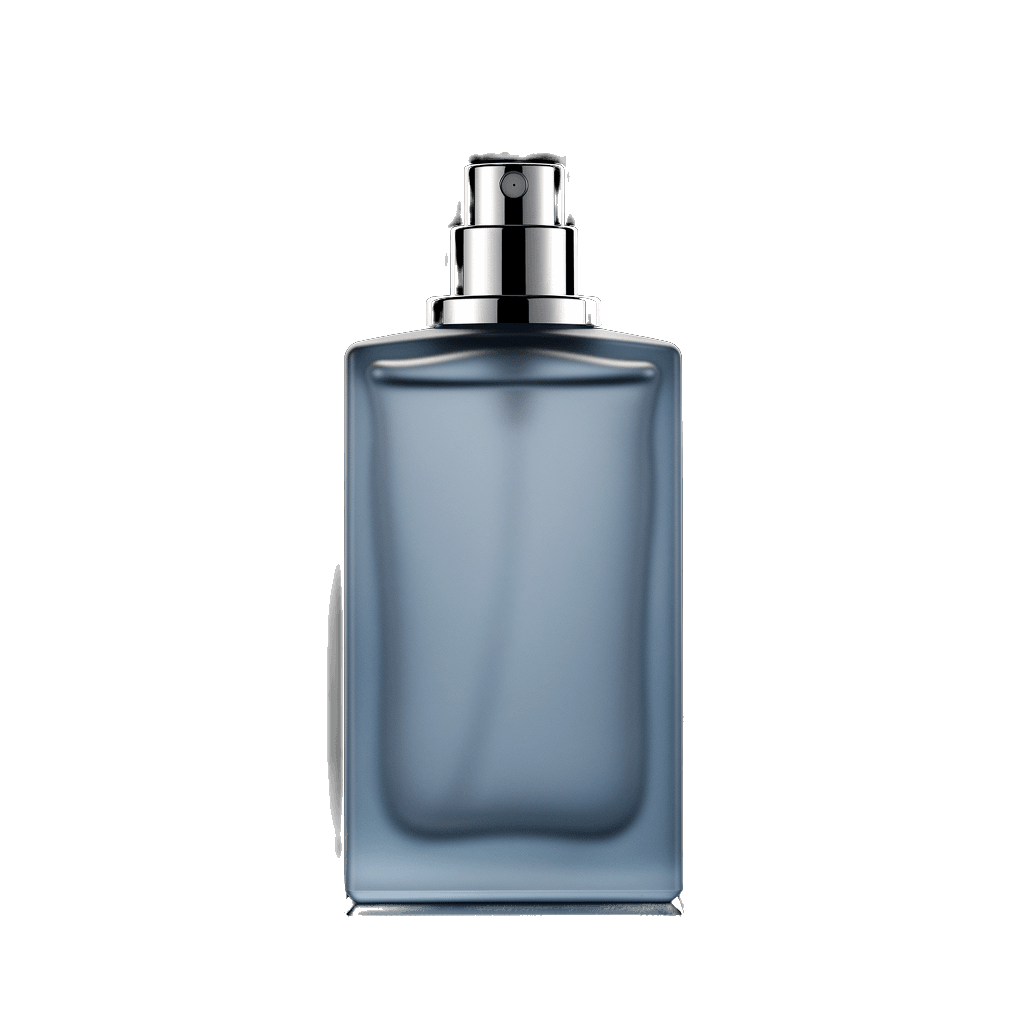
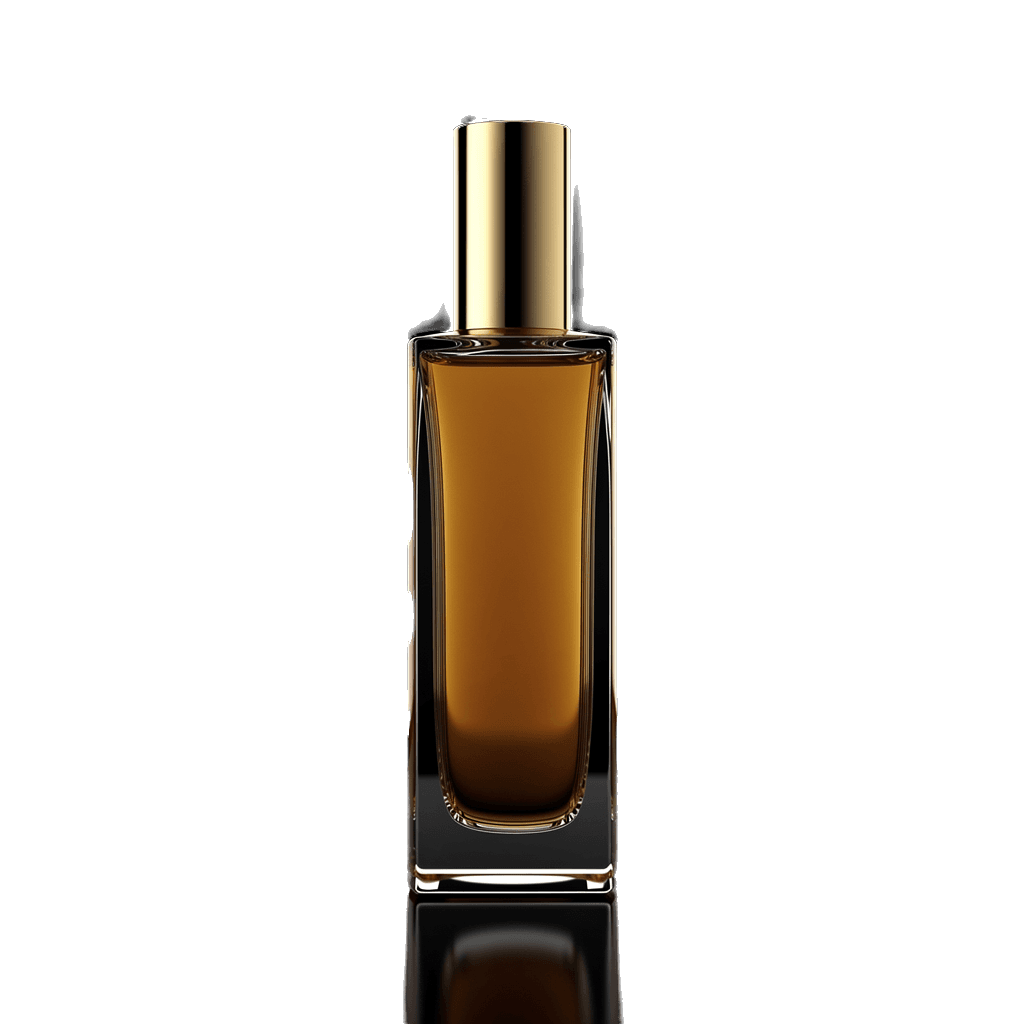
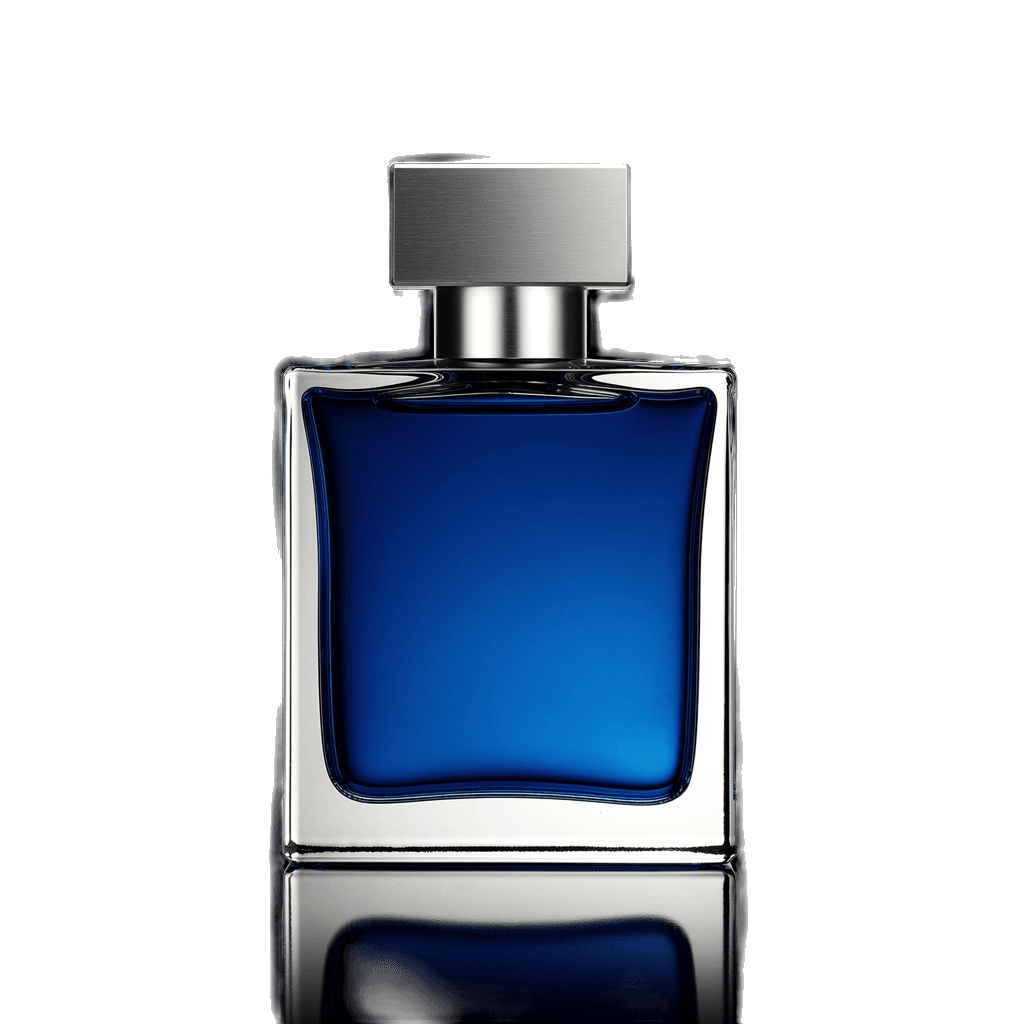
D’ORSAY’s visual language draws from the elegance of nineteenth‑century French salons while embracing the clean lines of modern minimalism. Bottle silhouettes are slender and cylindrical, capped with brushed metal that reflects the brand’s historic copper work. Labels feature a serif typeface reminiscent of Parisian newspaper headlines from the 1800s, printed in deep charcoal on matte ivory paper. The colour palette relies on muted earth tones—soft ochre, muted teal, and warm amber—evoking the natural ingredients within each fragrance. Packaging boxes are crafted from recycled kraft paper, stamped with the D’ORSAY crest, a stylised “d” intertwined with an ornamental feather, a nod to the house’s literary origins. Seasonal campaigns often showcase the bottles against monochrome backdrops, allowing the scent’s story to take centre stage without visual distraction. The overall aesthetic communicates a quiet confidence, inviting collectors to explore the heritage hidden behind each understated design.
Philosophy
D’ORSAY frames perfume as a living narrative rather than a static product. The house believes that scent should echo personal memory and collective history, so each launch references a documented moment from its archives. Creative direction prioritises unisex compositions, allowing the wearer to define the fragrance’s gender expression. The brand values transparency; ingredient lists are published alongside each release, and sourcing decisions are guided by ecological stewardship. D’ORSAY also supports small‑scale French growers, preferring regional ambergris alternatives and sustainably harvested woods. The creative team works closely with perfumers to reinterpret historic accords, ensuring that vintage DNA is not merely replicated but re‑imagined for contemporary palettes. This approach reflects a respect for tradition that coexists with a willingness to experiment, a balance the house describes as “heritage in motion.”
Key Milestones
1830
Count Alfred d’Orsay commissions a private unisex fragrance for Marguerite de Blessington, marking the informal birth of the house.
1865
Compagnie Française des Parfums registers the D’ORSAY trademark and begins limited commercial distribution in Paris.
1923
Launch of Le Dandy, a fragrance that captures the exuberance of the Roaring Twenties.
1999
Le Dandy Pour Homme releases, offering a masculine reinterpretation of the 1923 classic.
2015
Amélie Huynh acquires the D’ORSAY archives, revives the brand, and re‑opens the house with a heritage‑focused strategy.
2020
Vouloir Être Ailleurs C.G. debuts, highlighting the house’s commitment to contemporary storytelling.
At a Glance
Brand profile snapshot
Origin
France
Founded
1830
Heritage
196
Years active
Collection
2
Fragrances released
Avg Rating
4.3
Community sentiment
Release Rhythm