
The Heritage
The Story of Ed Pinaud
Ed. Pinaud is a Paris‑based fragrance house that traces its roots to the early nineteenth century. Founded by Édouard Pinaud in 1830, the brand has moved from a modest perfumery on boulevard de Strasbourg to a global name for niche scents and classic grooming products. Today it balances historic formulas with contemporary sensibilities, offering collectors a line that feels both timeless and current.
Heritage
Édouard Pinaud was born on 29 December 1810 in Abbeville, a port city in northern France. After an apprenticeship in the local trade, he moved to Paris and opened a perfume shop at 37 boulevard de Strasbourg in 1830. The Parisian commercial court recorded him as a “Superior Perfumeries Maker” in 1841, confirming his official status as a perfumer. In the 1840s the shop expanded its catalogue to include scented oils, soaps and early cosmetics, catering to the growing middle class that sought refined personal care. By the late nineteenth century the house earned a reputation for quality, and its name appeared in trade directories alongside other established French perfumers. The early twentieth century saw Ed. Pinaud survive two world wars, maintaining production in Paris while adapting to material shortages. In 1970 the brand introduced the Clubman line, a collection of aftershave and cologne that later became a cultural reference in film and literature. The 1990s marked a revival of interest in heritage fragrances; Ed. Pinaud responded with limited‑edition releases that referenced original 19th‑century formulas. In 2008 the house launched a series of modern scents such as Fougère Fruité and Orchidée Orientale, demonstrating an ability to reinterpret classic accords for contemporary noses. The 2010s brought a renewed focus on niche distribution, with the brand partnering with specialty retailers and online platforms that highlight artisanal perfume. Throughout its history Ed. Pinaud has kept a Parisian workshop, where master perfumers blend raw materials sourced from traditional regions such as Grasse, Madagascar and the Middle East. The house’s archives preserve original notebooks, allowing modern creators to study historic recipes and revive forgotten notes. This continuity of place and practice anchors the brand’s claim to a living heritage that spans more than a century and a half.
Craftsmanship
The workshop in Paris still follows a hands‑on approach that dates back to the founder’s era. Master perfumers begin each project by selecting raw materials—essential oils, absolutes and resins—that meet strict purity standards. Many ingredients arrive from Grasse, where jasmine and rose are harvested at dawn, or from Madagascar, where vanilla beans undergo a slow curing process. The house conducts its own gas‑chromatography analysis to verify composition before blending. Once a formula is approved, artisans weigh each component on a precision scale, then combine them in a temperature‑controlled room to ensure consistent evaporation rates. The mixture rests in oak barrels for a period that can range from weeks to months, allowing the scent to mature and integrate. After maturation, the perfume is filtered through fine muslin and transferred into hand‑blown glass bottles. Quality control includes blind testing by a panel of senior perfumers who assess balance, longevity and projection. The brand also documents each batch in a ledger, preserving traceability from field to final product. When sourcing ingredients, Ed. Pinaud prefers growers who practice organic or biodynamic methods, and it audits supply chains to confirm fair labor practices. This commitment to provenance and meticulous blending underpins the house’s reputation for reliable, nuanced fragrances.
Design Language
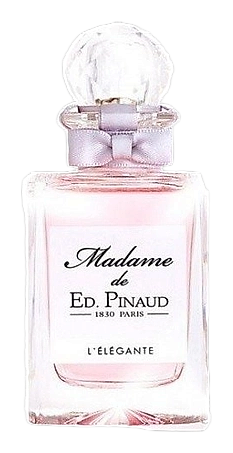
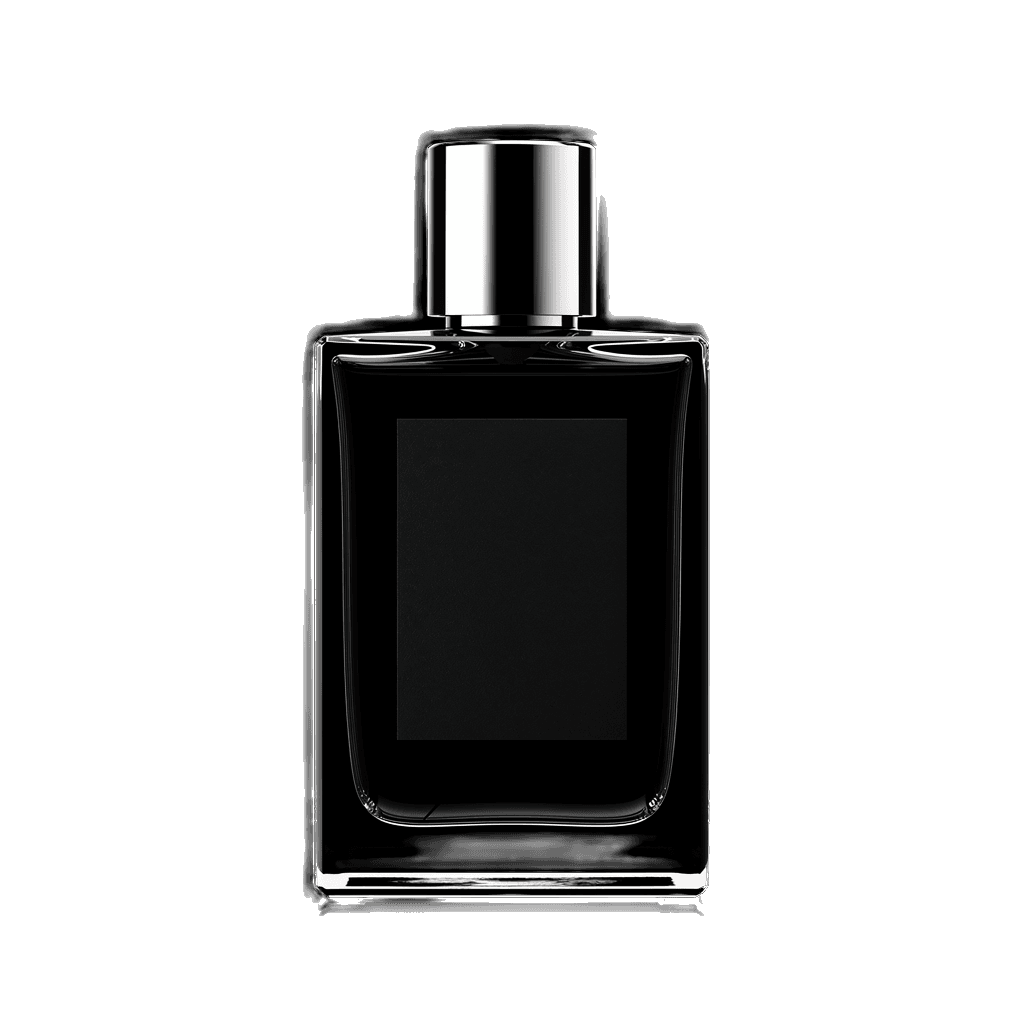
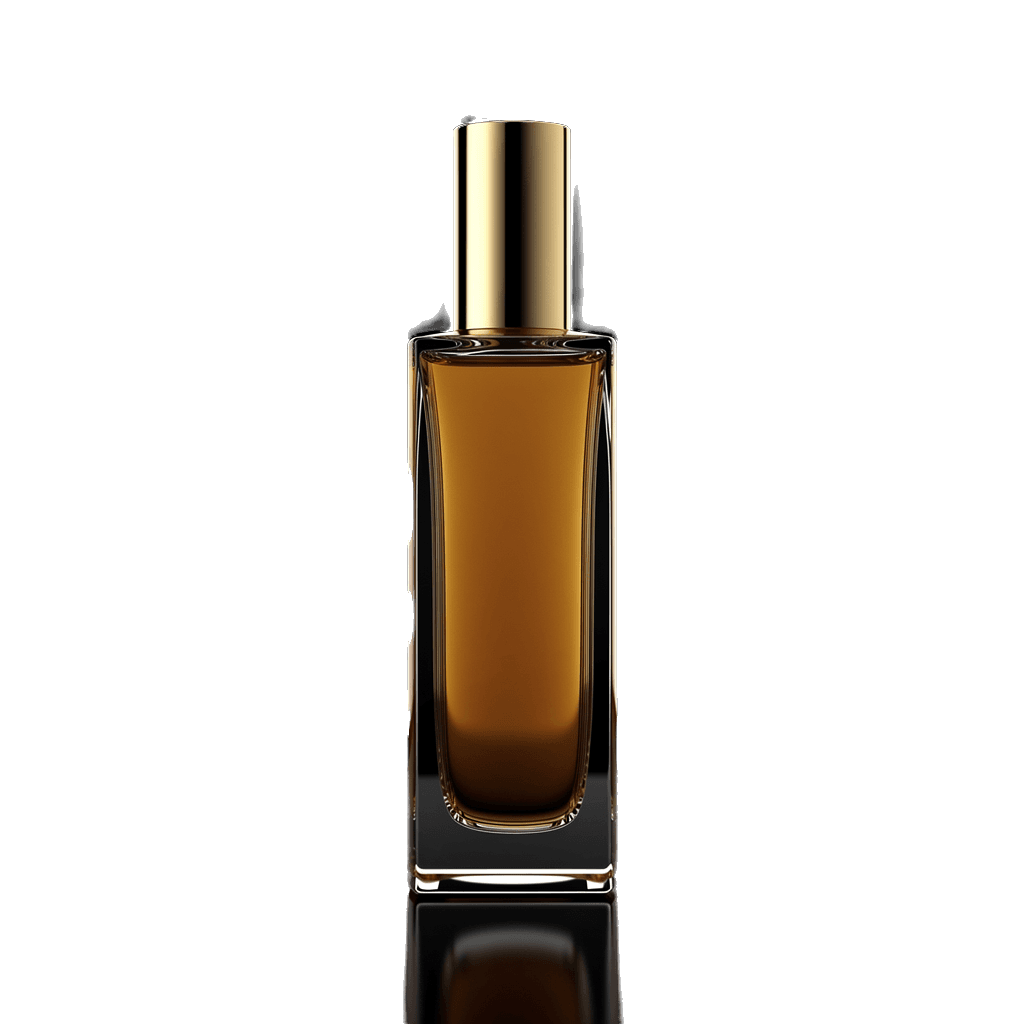
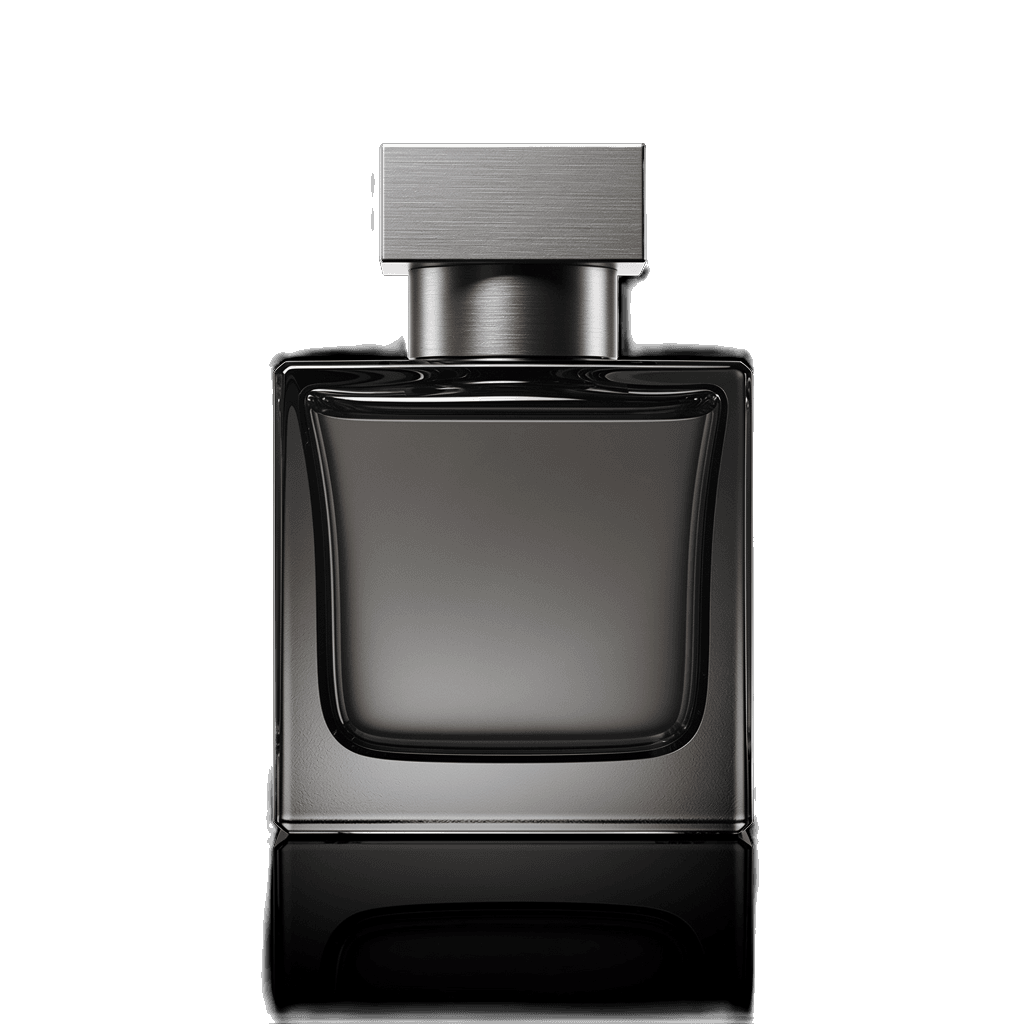
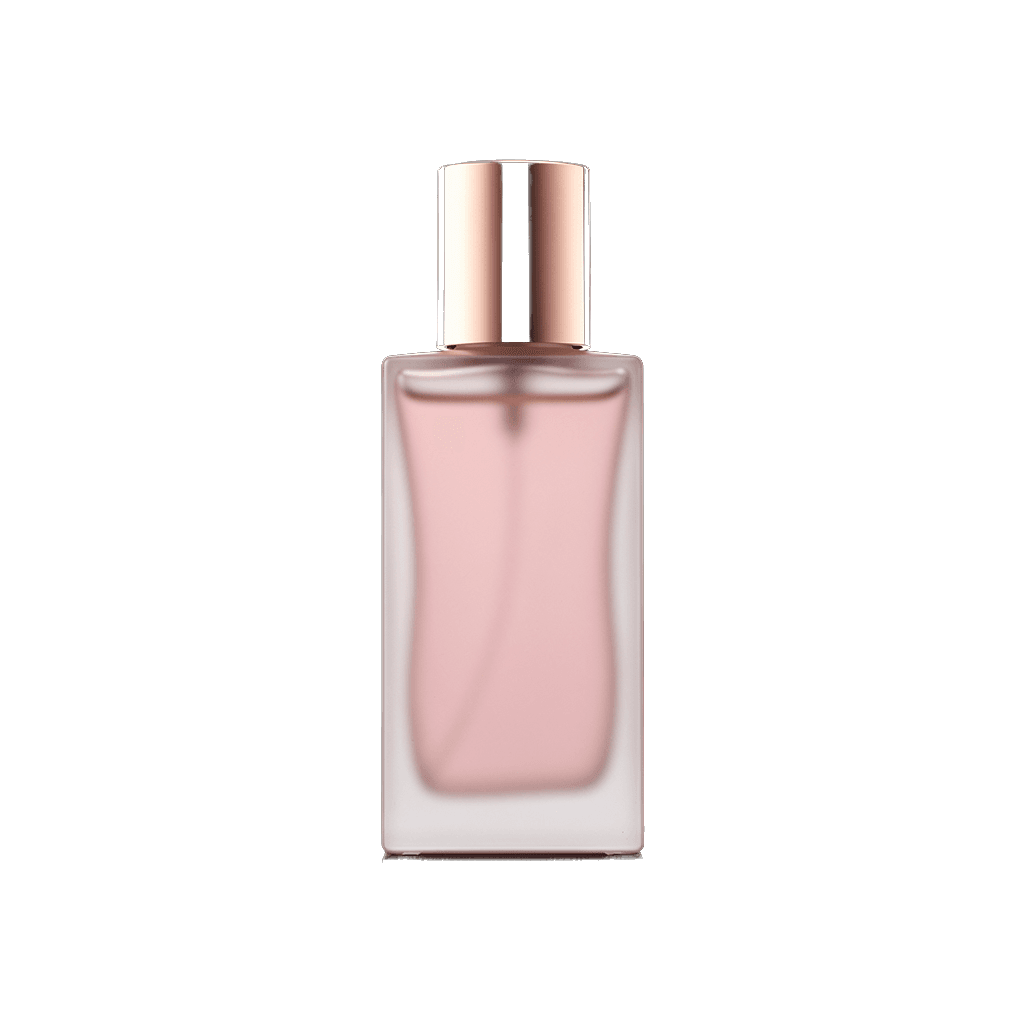
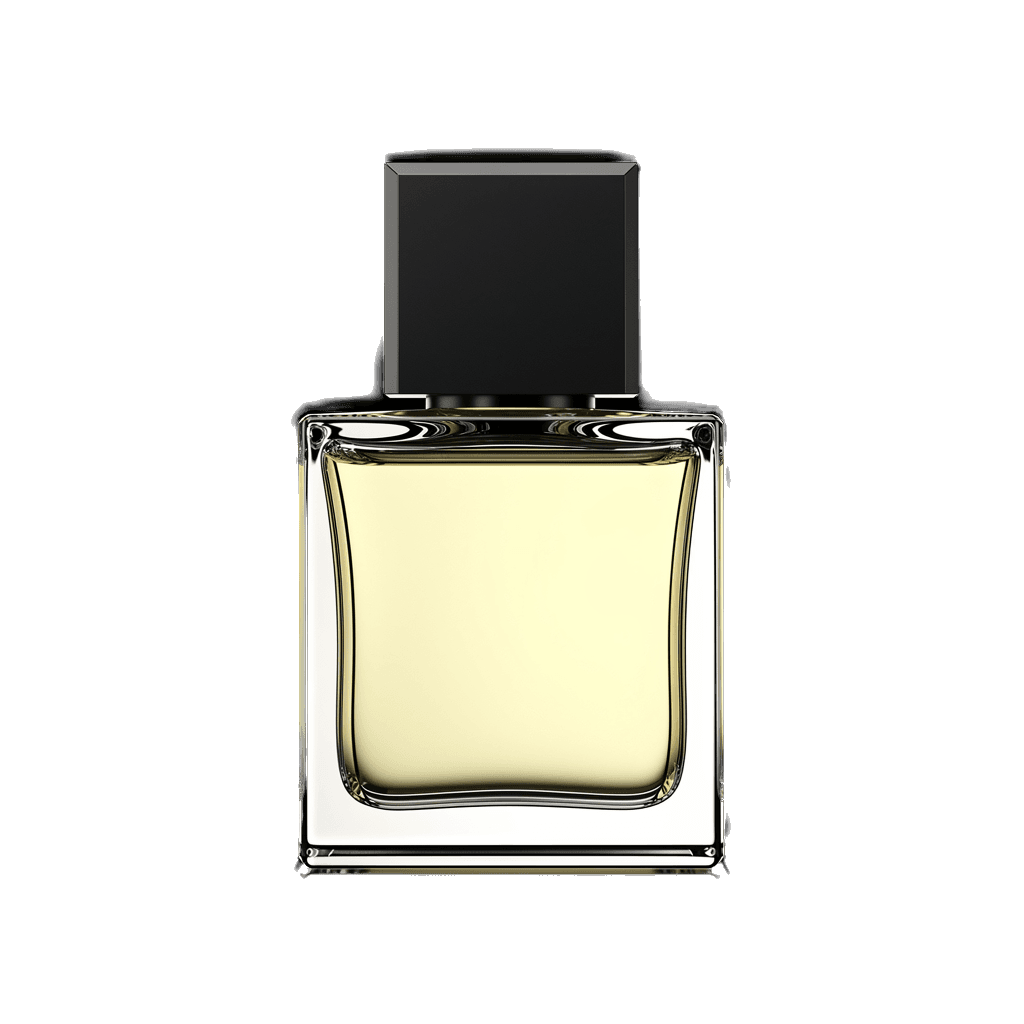
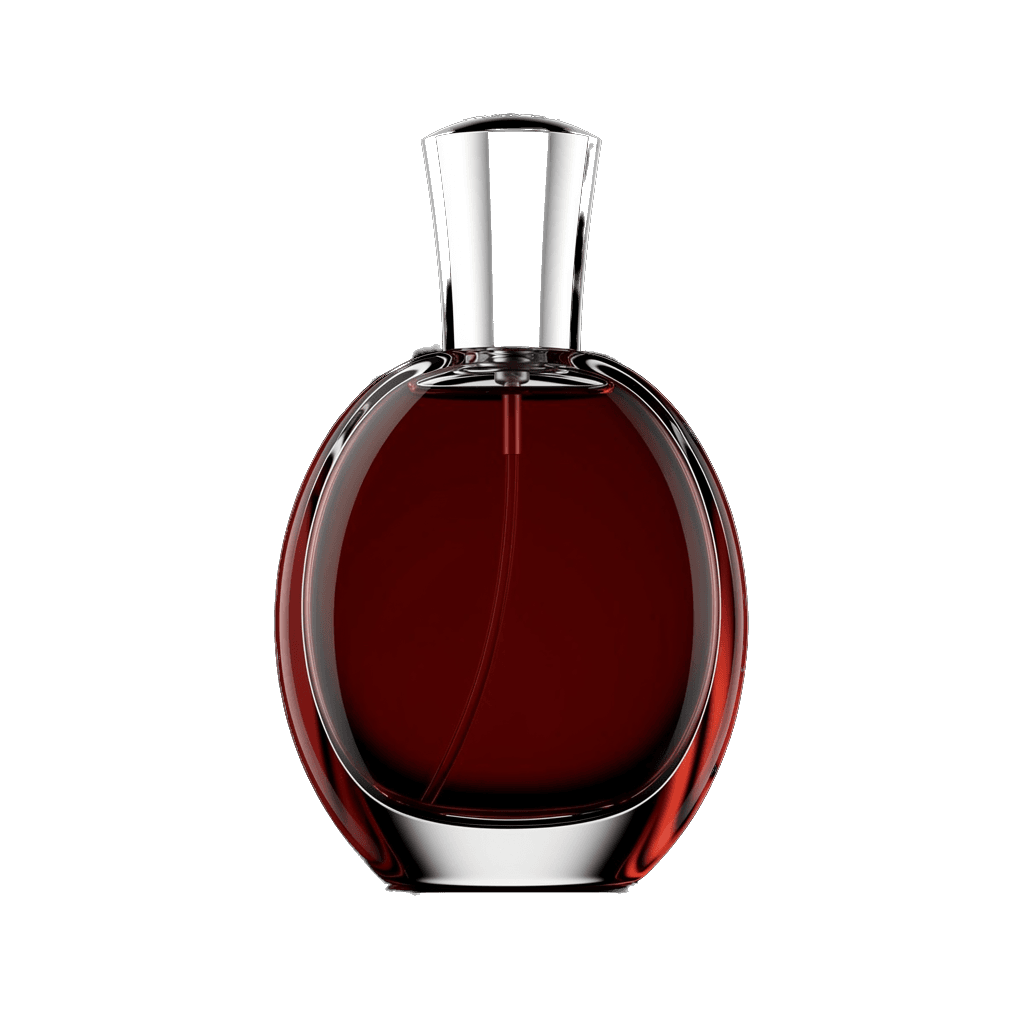
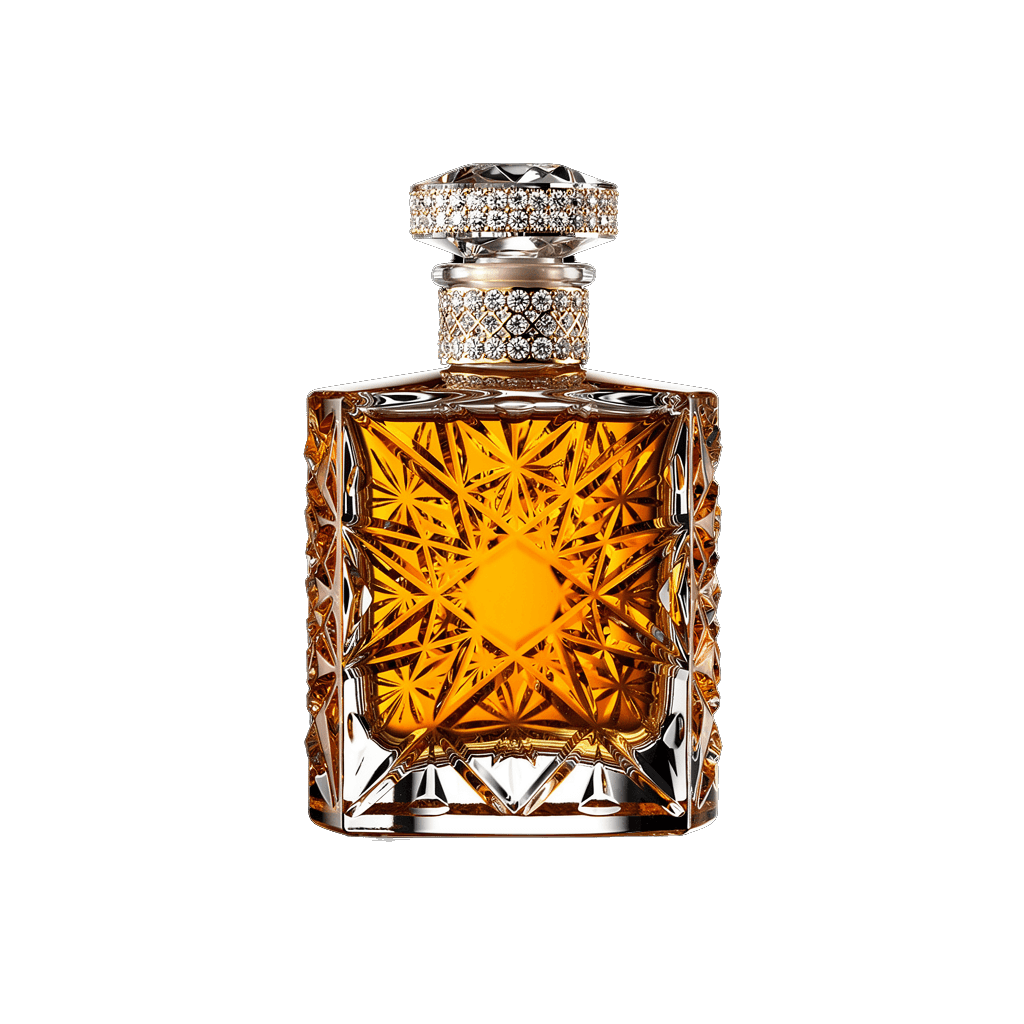
Ed. Pinaud’s visual language reflects its Parisian origins and its respect for classic design. Bottles often feature clean lines, clear glass and simple metal caps that echo early nineteenth‑century apothecary vessels. The label typography uses a serif typeface reminiscent of historic trade cards, while the brand’s color palette leans toward muted ivory, deep navy and brushed gold. Packaging for limited editions may incorporate textured paper or embossed patterns that hint at the scent’s narrative, but the overall look remains restrained. Advertising imagery favors natural light and intimate settings, showing the perfume placed on a wooden vanity or beside a vintage mirror. This understated elegance signals that the product is meant to be experienced rather than shouted about. The brand’s logo, a stylized “P” intertwined with a fleur‑de‑lis, appears on all collateral, reinforcing the connection to French heritage without overwhelming the design. In recent years the house has introduced subtle modern touches, such as matte black caps for a contemporary line, yet it retains the timeless silhouette that has defined its bottles for generations.
Philosophy
Ed. Pinaud approaches fragrance as a dialogue between memory and invention. The house believes that scent should evoke a specific moment while inviting the wearer to imagine new possibilities. It values transparency in ingredient sourcing, preferring natural absolutes that can be traced to their origin. The brand encourages its perfumers to study historic formulas, then reinterpret them with a modern palette, creating bridges between past and present. Sustainability guides its decisions; the house seeks suppliers who practice responsible cultivation and supports initiatives that protect biodiversity in key growing regions. Ed. Pinaud also respects the ritual of application, designing each product to fit into daily grooming habits that celebrate personal expression. The philosophy emphasizes craftsmanship over trend, allowing each fragrance to develop its own identity without reliance on fleeting fashions.
Key Milestones
1830
Édouard Pinaud opens his first perfumery at 37 boulevard de Strasbourg, Paris.
1841
The Paris commercial court registers Pinaud as a “Superior Perfumeries Maker,” formalizing his professional status.
1970
The Clubman line launches, expanding the brand into aftershave and grooming accessories.
2008
Ed. Pinaud releases modern fragrances such as Fougère Fruité and Orchidée Orientale, marking a creative renewal.
2018
Montagne Mystérieuse debuts, showcasing the house’s continued focus on niche scent exploration.
At a Glance
Brand profile snapshot
Origin
France
Founded
1830
Heritage
196
Years active
Collection
1
Fragrances released
Avg Rating
3.5
Community sentiment
Release Rhythm