The Heritage
The Story of Emanuel Ungaro
Emanuel Ungaro is a French fashion house that extends its runway sensibility into fragrance. Founded in 1965, the label translates couture silhouettes into scented compositions that balance bold structure with lyrical nuance. The perfume portfolio spans from the 1977 debut Ungaro, a spicy‑aldehydic floral, to contemporary releases such as Yellow Chic (2024) and Heavenly Petals (2025). Each scent carries the house’s signature blend of vibrant color and refined form, inviting wearers to experience a wearable piece of the brand’s artistic legacy.
Heritage
Emanuel Ungaro opened his eponymous house in Paris in 1965 after an apprenticeship with Cristóbal Balenciaga. The Italian‑born designer brought Balenciaga’s disciplined tailoring to Paris, quickly earning a reputation for dramatic cuts and vivid palettes. By the late 1970s the brand expanded beyond clothing, launching its first perfume, Ungaro, in 1977. The fragrance featured a ribbed bottle designed to echo a pleated sheath, a visual cue that linked scent to the house’s architectural aesthetic. In 1983 Ungaro introduced Diva, a rich floral that captured the era’s appetite for opulent femininity and cemented the brand’s presence in the fragrance market. The 1990s saw a diversification of the line with Ungaro pour L'Homme (1991), a crisp aromatic that appealed to a growing male audience, followed by Ombre de la Nuit (1993), a darker, oriental composition that reflected the decade’s experimental spirit. After a period of creative transition, the house revived its heritage with Ungaro Pour L'Homme III Oud in 2015, pairing traditional French perfumery with a modern oud focus. Recent years have added Yellow Chic (2024) and Heavenly Petals (2025), demonstrating the brand’s commitment to fresh narratives while honoring its historic roots. Throughout its history, Ungaro has maintained a dialogue between fashion and fragrance, using scent as an extension of its runway storytelling.
Craftsmanship
Emanuel Ungaro works with established French perfume houses to formulate its scents, ensuring that each composition benefits from seasoned noses and rigorous testing. Natural absolutes such as Bulgarian rose, Indian sandalwood, and Moroccan ambergris substitutes appear alongside synthetics that provide stability and longevity. The brand conducts ingredient audits to confirm ethical sourcing, especially for rare woods and spices. Production takes place in accredited facilities that follow ISO standards for quality control, allowing the house to monitor batch consistency from raw material to finished bottle. The iconic ribbed bottle of the 1977 Ungaro fragrance was crafted from thick glass, hand‑polished to achieve a tactile pleat effect. Modern releases employ lighter glass with matte finishes, yet retain the same attention to detail; caps are often weighted to provide a satisfying click, reinforcing the sensory experience from the moment of unboxing. Each perfume undergoes a multi‑stage aging process, during which perfumers evaluate the evolution of the scent, adjusting accords as needed before the final launch.
Design Language
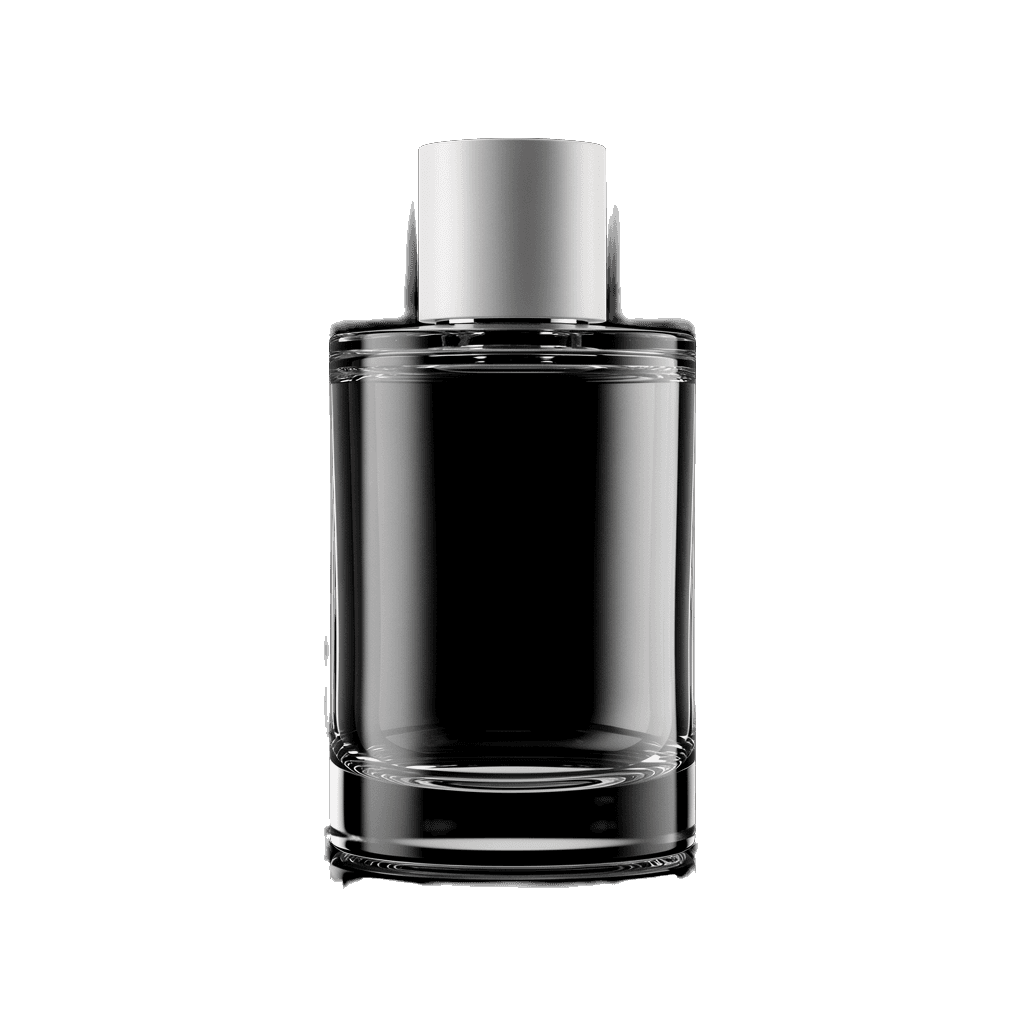
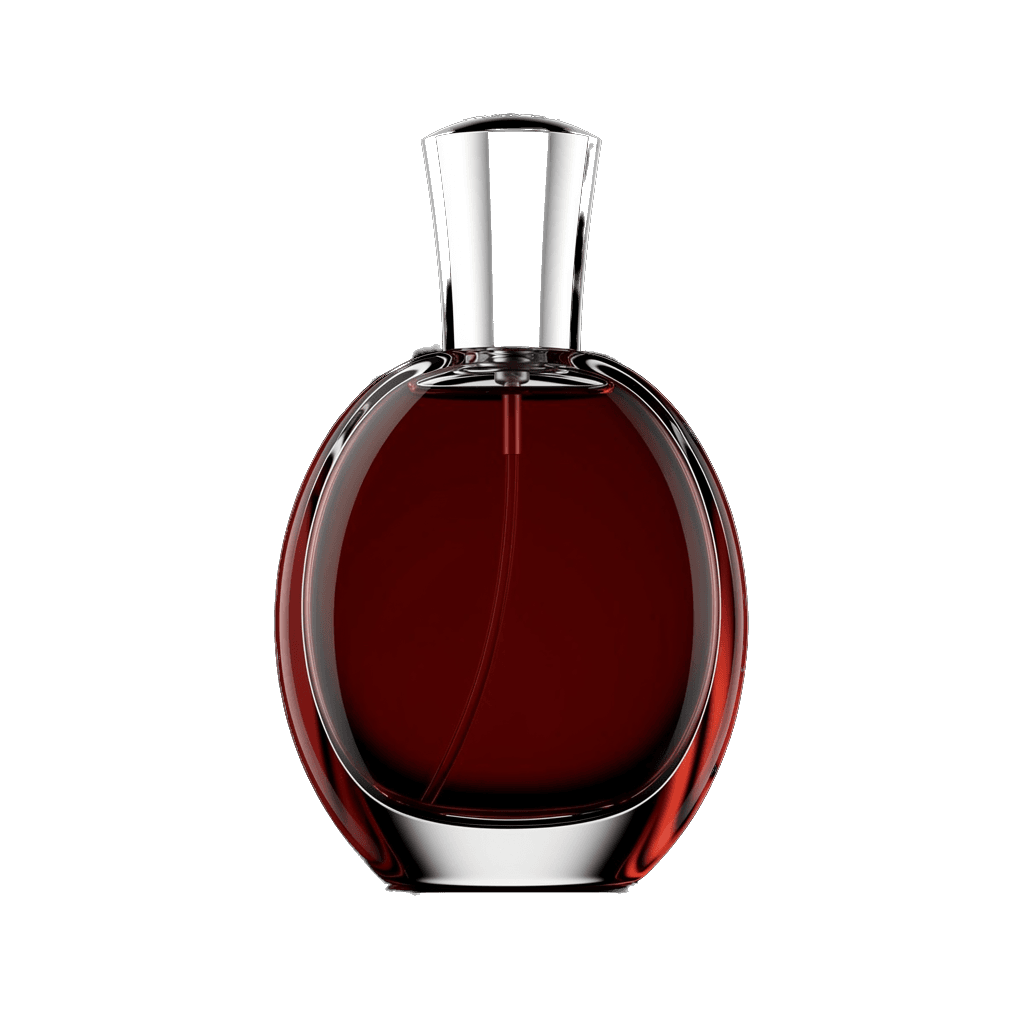
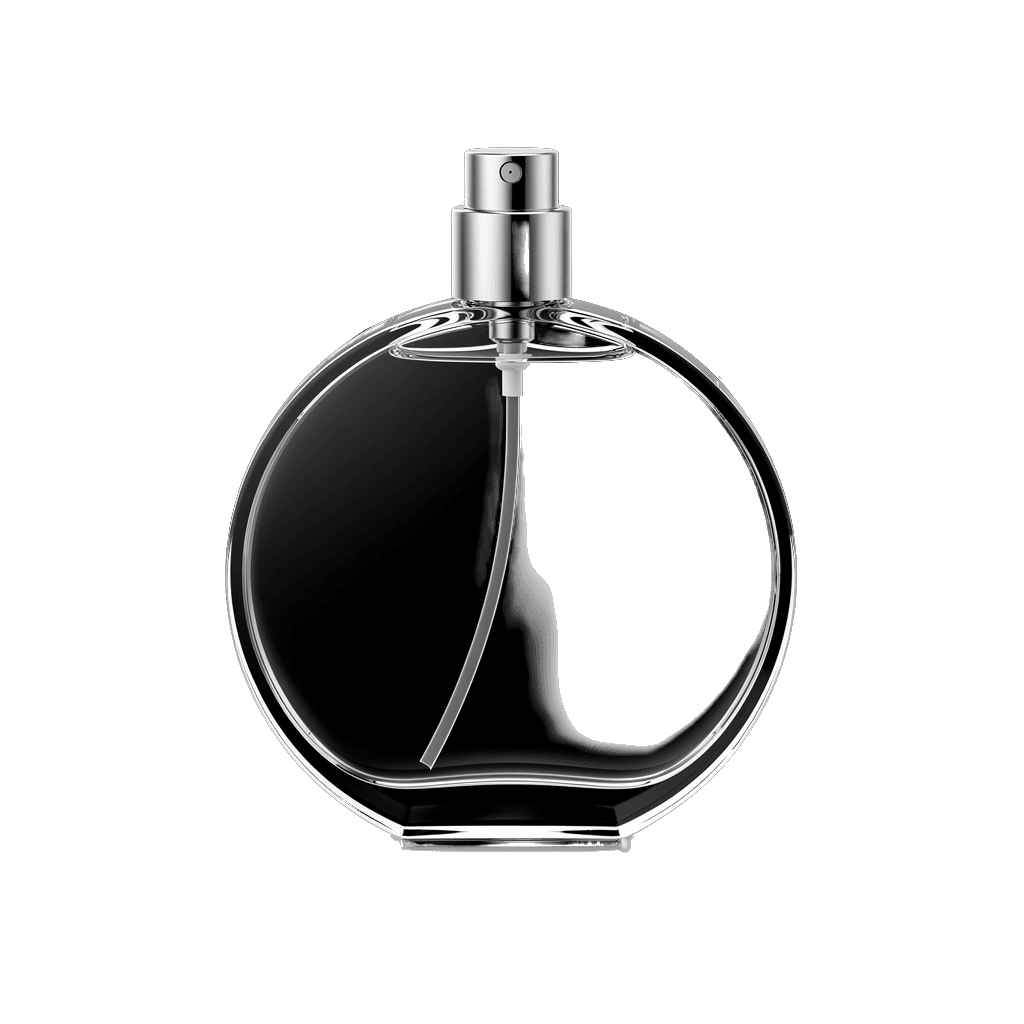
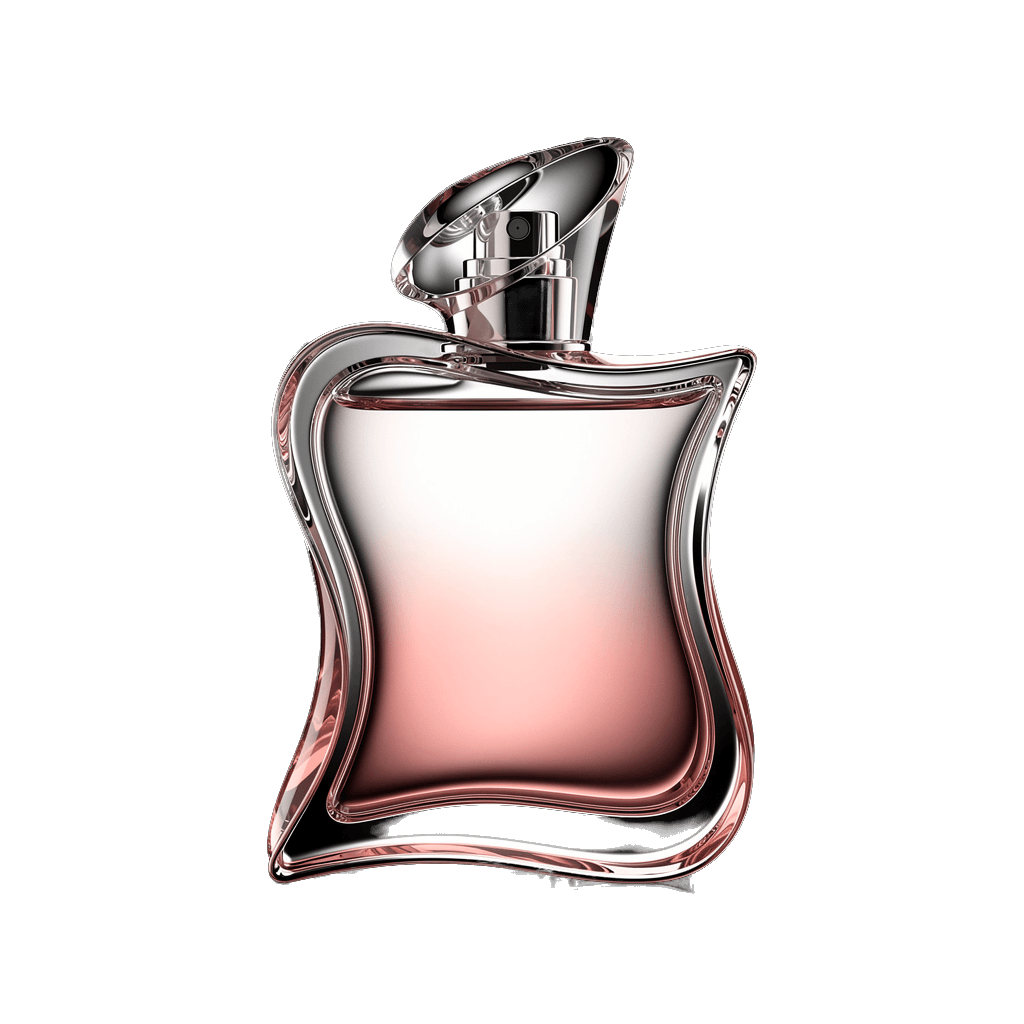
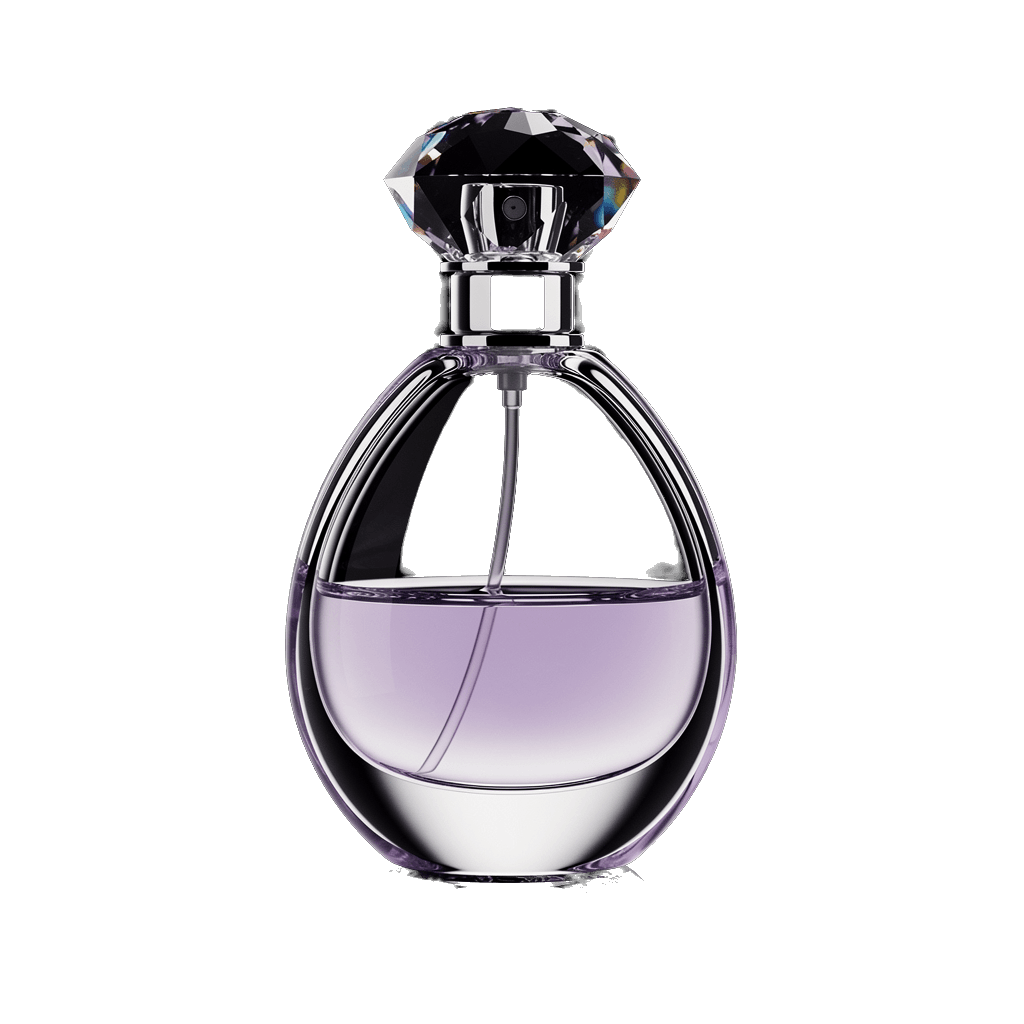
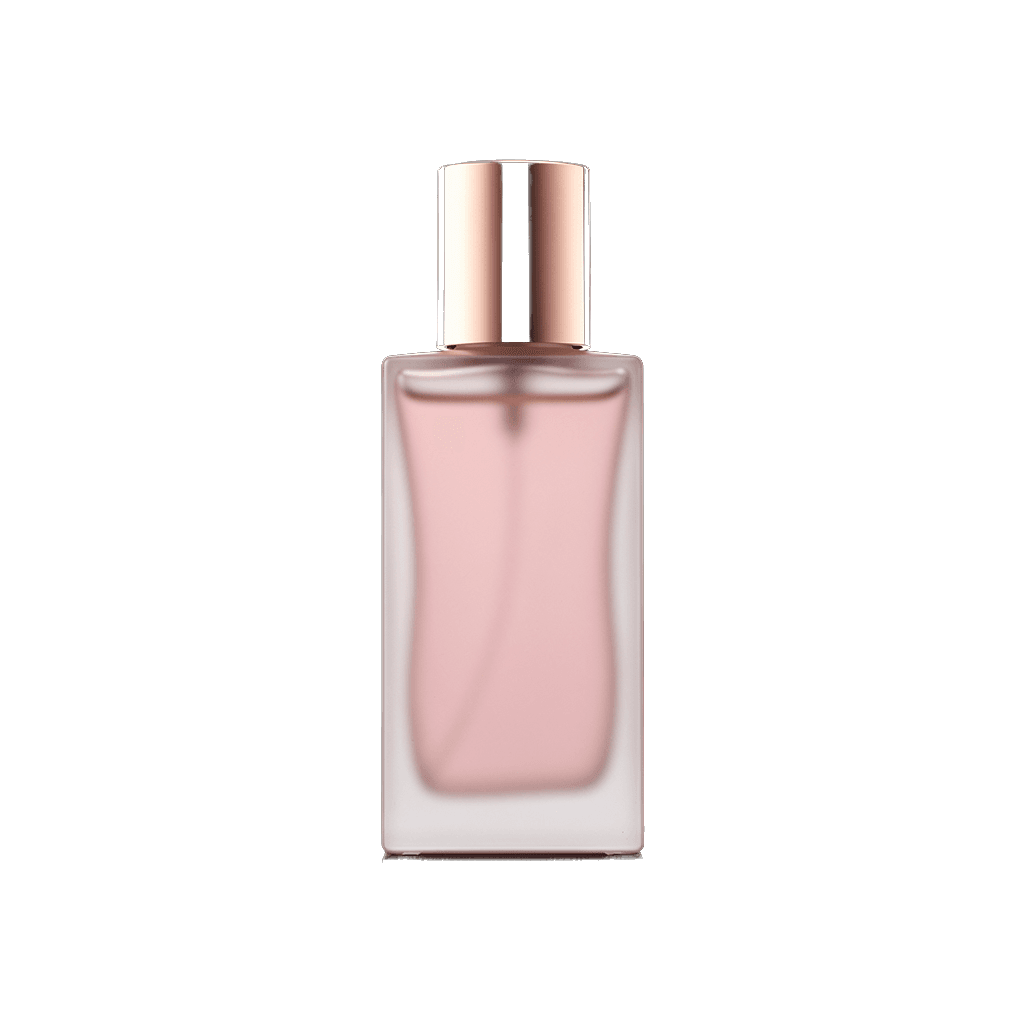
Ungaro’s visual language draws from the designer’s love of vibrant color and architectural form. Early advertising featured bold, geometric backdrops that echoed the house’s sharply tailored garments. Bottle designs translate this ethos: the 1977 Ungaro bottle mimics a pleated sheath, while later scents like Diva employ sleek, curvaceous silhouettes that suggest fluid movement. Yellow Chic showcases a sunny, translucent amber glass that reflects the fragrance’s bright citrus heart, and Heavenly Petals uses a soft pink frosted bottle to evoke delicate bloom. Typography across the brand leans toward clean, sans‑serif lettering, reinforcing a modern yet timeless feel. In retail spaces, the brand pairs monochrome displays with bursts of color, creating a gallery‑like atmosphere where scent and sight intersect.
Philosophy
The house treats perfume as an intimate object, a belief voiced by Ungaro himself when he said a fragrance mirrors the soul of its creator. This perspective drives a creative process that starts with a visual mood board, then translates color, texture, and movement into olfactory notes. Ungaro prioritises balance: bold statements sit beside subtle accents, mirroring the designer’s love of contrast in clothing. The brand values craftsmanship, sourcing ingredients that reflect both tradition and innovation, and it encourages collaboration with perfumers who share a respect for narrative depth. Sustainability has become a growing concern; recent releases note the use of responsibly harvested raw materials and recyclable packaging, aligning the house’s artistic ambition with contemporary environmental expectations.
Key Milestones
1965
Emanuel Ungaro establishes his fashion house in Paris after training with Balenciaga.
1977
Launch of the first Ungaro perfume, a spicy‑aldehydic floral presented in a ribbed glass bottle.
1983
Introduction of Diva, a rich floral fragrance that becomes a signature scent for the brand.
1991
Ungaro pour L'Homme debuts, expanding the line into masculine territory.
1993
Ombre de la Nuit releases, offering a darker, oriental composition.
2015
Ungaro Pour L'Homme III Oud launches, blending classic French perfumery with oud.
At a Glance
Brand profile snapshot
Origin
France
Founded
1965
Heritage
61
Years active
Collection
2
Fragrances released
Avg Rating
3.5
Community sentiment
Release Rhythm