




The Heritage
The Story of Escada
Escada translates its runway energy into a line of fragrances that balance bright optimism with refined structure. The German house launches scents that echo the brand’s reputation for vivid colour, kinetic style and a touch of sport‑inspired elegance. From the early 1990s to the present, Escada offers a portfolio that includes both classic flanker releases and seasonal experiments, each designed to sit comfortably on the skin while inviting a moment of playful confidence.
Heritage
Margaretha Ley and her husband Wolfgang Ley founded Escada in 1976 near Munich, Germany. The couple chose the name after a thoroughbred racehorse that had won a local derby, a detail confirmed by multiple fashion histories. Their first boutique opened in 1978, and the label quickly earned a reputation for "Sporty Elegance" – a blend of relaxed tailoring and bold colour that distinguished the runway shows. By the late 1980s the fashion house expanded into accessories and, in 1990, introduced its inaugural perfume, a floral‑citrus composition that carried the same lively spirit. The early 1990s saw a series of gender‑balanced releases: Escada pour Homme (1993) offered a crisp aromatic profile for men, while Escada Casual Friday (1999) captured a weekend‑ready freshness for women. In 2004 the brand added Magnetism for Men, a scent built around warm amber and spice, reflecting a shift toward richer accords. Financial pressures led Escada to file for bankruptcy protection in 2009, a move reported by several business outlets. The company emerged from restructuring under new ownership, preserving its design DNA while refocusing on core markets. Recent years have brought limited‑edition launches such as Pacific Paradise (2026), a tropical‑oriented fragrance that signals the house’s continued willingness to explore seasonal narratives. Throughout its evolution, Escada has maintained a consistent link between fashion and fragrance, using scent as an extension of its visual storytelling.
Craftsmanship
Escada works with established fragrance houses in Europe to formulate its scents, a practice documented in industry interviews. The development process begins with a brief that outlines the desired mood, colour palette and target audience. Perfumers then draft accords using a mix of natural extracts—such as Mediterranean bergamot, Madagascan vanilla and Brazilian rosewood—and high‑grade synthetics that provide stability and longevity. Ingredient sourcing follows the brand’s internal guidelines, which prioritize suppliers that hold certifications for ethical harvesting. Once a formula reaches the testing stage, Escada conducts skin‑compatibility trials across a diverse panel to ensure the fragrance performs consistently. The final blend is then transferred to a manufacturing partner that adheres to Good Manufacturing Practice (GMP) standards, guaranteeing batch‑to‑batch consistency. Quality control includes gas‑chromatography analysis to verify the concentration of key ingredients, as well as sensory evaluation by a dedicated panel. Bottles are produced in glass facilities that employ automated filling lines, reducing human error while preserving the integrity of the perfume. Each batch is sealed with a tamper‑evident cap and packaged in recyclable materials, reflecting the brand’s growing focus on environmental responsibility.
Design Language
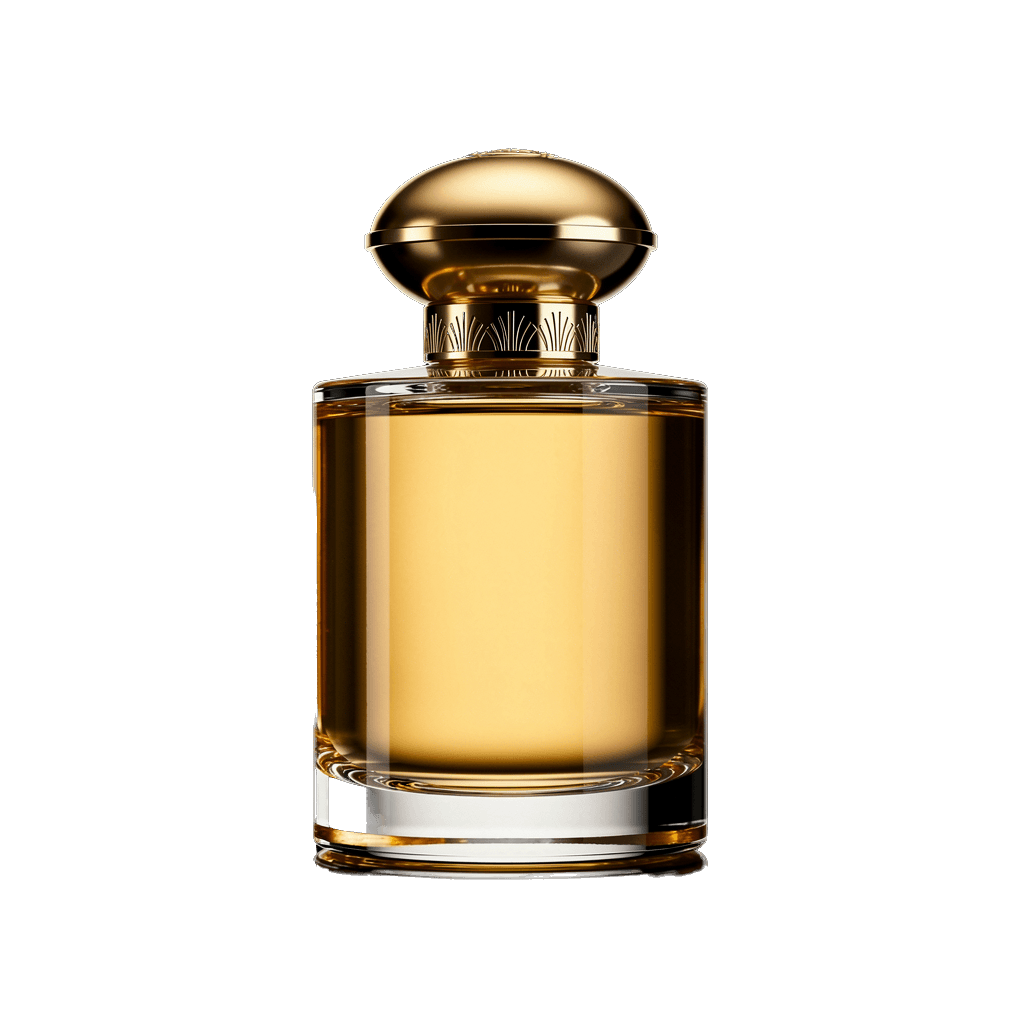
Escada’s visual identity mirrors the kinetic energy of its runway shows. The brand favours a bright palette—often incorporating turquoise, coral or sunshine yellow—paired with sleek, geometric typography. Bottle designs echo this approach: many fragrances feature clear glass that showcases the colour of the liquid, capped with a polished metal or acrylic top that bears the Escada logo in a clean sans‑serif font. The label artwork frequently includes abstract wave or stripe motifs, suggesting movement and fluidity. Advertising campaigns lean on high‑contrast photography, placing models in dynamic poses against vivid backdrops, reinforcing the idea of sport‑inspired elegance. In retail spaces, the fragrance section is arranged to resemble a boutique display, with illuminated shelving that highlights each bottle as a design object. This cohesive aesthetic helps the brand communicate a sense of modern luxury without relying on overtly ornate detailing.
Philosophy
Escada approaches perfumery as an extension of its design language, treating scent as another material in its creative toolbox. The brand values colour, movement and a sense of optimism, and it seeks to translate those attributes into olfactory form. Rather than chasing trends, Escada favors compositions that feel instantly recognizable yet adaptable to daily life. The house collaborates with perfumers who share a willingness to blend bright top notes with deeper base elements, creating layers that evolve on the skin. Sustainability has entered the conversation in recent years; Escada reports that it evaluates ingredient sourcing for environmental impact and prefers suppliers that meet recognised standards. The brand also emphasizes accessibility, aiming to offer fragrances that sit comfortably in both casual and formal wardrobes. By aligning scent with its broader aesthetic, Escada hopes to give wearers a sensory cue that matches the confidence of its clothing collections.
Key Milestones
1976
Margaretha and Wolfgang Ley establish Escada near Munich, naming the label after a winning racehorse.
1990
Escada releases its first perfume, a floral‑citrus scent that extends the fashion house’s vibrant ethos into fragrance.
1993
Escada pour Homme debuts, offering a crisp aromatic profile aimed at male consumers.
1999
Escada Casual Friday launches, capturing a relaxed weekend vibe with fresh fruit and soft florals.
2004
Magnetism for Men arrives, featuring warm amber and spice notes that signal a shift toward richer compositions.
2009
Escada files for bankruptcy protection, prompting a restructuring of its business operations.
At a Glance
Brand profile snapshot
Origin
Germany
Founded
1976
Heritage
50
Years active
Collection
3
Fragrances released
Avg Rating
3.9
Community sentiment
Release Rhythm