The Heritage
The Story of Etienne Aigner
Etienne Aigner translates the house’s reputation for fine leather into a fragrance portfolio that balances classic structure with a modern edge. The line opens with the 1975 debut Etienne Aigner No. 1, a citrus‑spiced aromatic that set the tone for later releases such as Super Fragrance for Men (1978) and the recent Initial For Tonight (2023). Both men’s and women’s scents share a restrained elegance, favoring clear accords over overt flamboyance. The brand treats each bottle as an extension of its leather heritage, offering a quiet confidence that fits a professional wardrobe as naturally as a well‑cut bag.
Heritage
Etienne Aigner was born in Budapest in 1904 and trained as a saddlemaker before moving to Munich in the late 1930s. He opened his first workshop in 1949, offering handcrafted leather accessories that quickly earned a reputation for precision and durability. The fashion house expanded throughout the 1950s, adding ready‑to‑wear collections and gaining visibility in European department stores. In 1965 the company launched a dedicated perfume division, a move documented by several industry directories. The division released its first fragrance, Etienne Aigner No. 1, in 1975; the scent combined citrus top notes with a warm woody base and signaled the brand’s entry into the scented market. Three years later, Super Fragrance for Men arrived, reinforcing the house’s commitment to masculine, understated compositions. The 1990s saw the introduction of Private Number for Men (1992) and the 2000s added Suede Edition Women (2005), each echoing the tactile quality of the brand’s leather goods. A series of travel‑inspired releases, including First Class Explorer and First Class Executive in 2018, reflected the brand’s growing global audience. The most recent addition, Initial For Tonight (2023), blends fresh bergamot with amber, showing how the house continues to reinterpret its heritage for contemporary tastes. Throughout its history, Etienne Aigner has maintained a parallel focus on fashion and fragrance, allowing the two disciplines to inform each other while preserving a consistent aesthetic rooted in German craftsmanship.
Craftsmanship
The perfume division operates from a Munich studio that follows a disciplined production workflow. Raw materials arrive after rigorous quality checks; natural extracts such as Italian bergamot, French lavender, and Indian sandalwood are verified for purity before entering the blending tank. Master blenders, though rarely named publicly, follow a formulaic approach that begins with a top‑note sketch, followed by heart and base development. The house favors a modest number of ingredients per fragrance, allowing each component to shine without masking. After blending, the mixture rests for several weeks in temperature‑controlled vats, a practice that mirrors the aging of fine leather. Once the perfume reaches its intended profile, it is filtered and transferred to aluminum or glass containers. Bottles are hand‑filled in a cleanroom environment to prevent contamination. Quality control includes organoleptic testing on a panel of trained noses, stability testing under varying light and temperature conditions, and compliance checks with EU cosmetic regulations. The brand also audits its ingredient suppliers for ethical practices, prioritizing partners that adhere to fair‑trade standards and sustainable harvesting methods. This meticulous chain from raw material to final bottle reflects the same attention to detail that defines Etienne Aigner’s leather craftsmanship.
Design Language
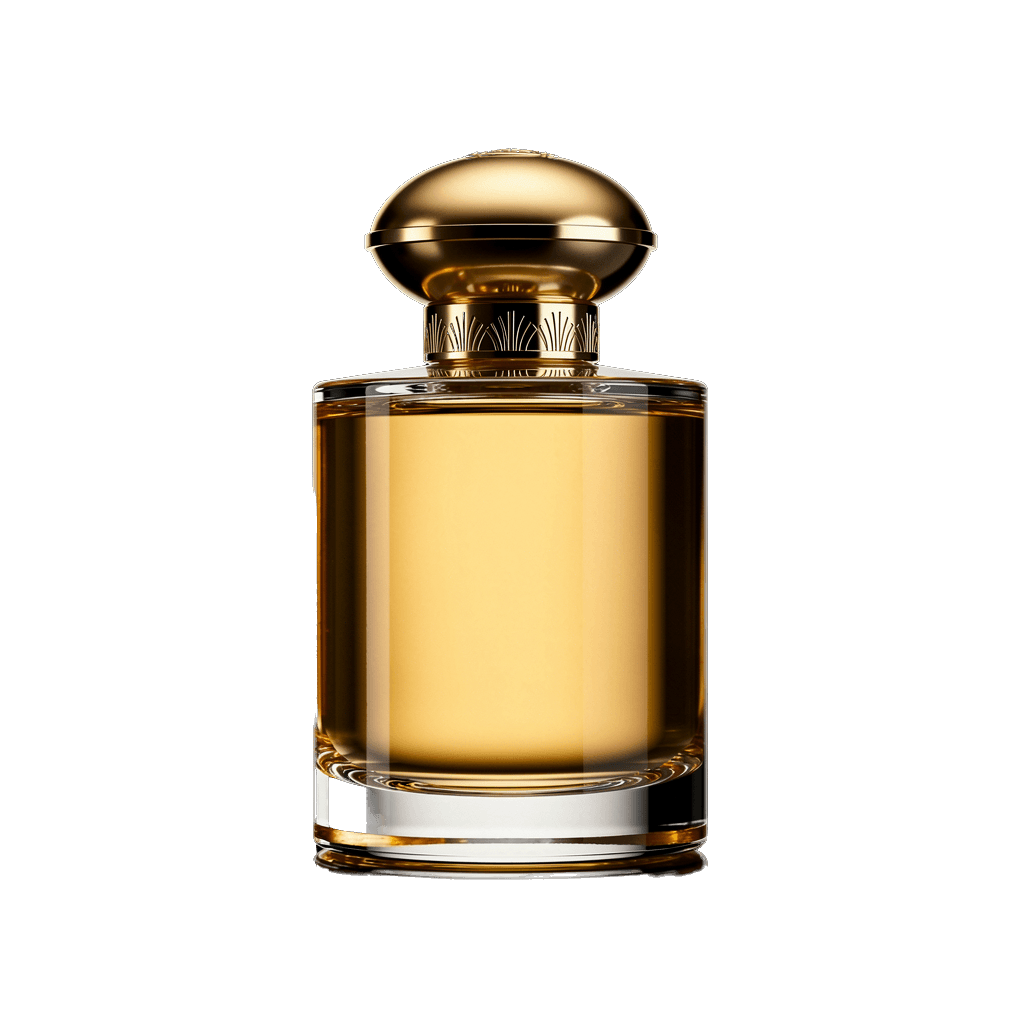
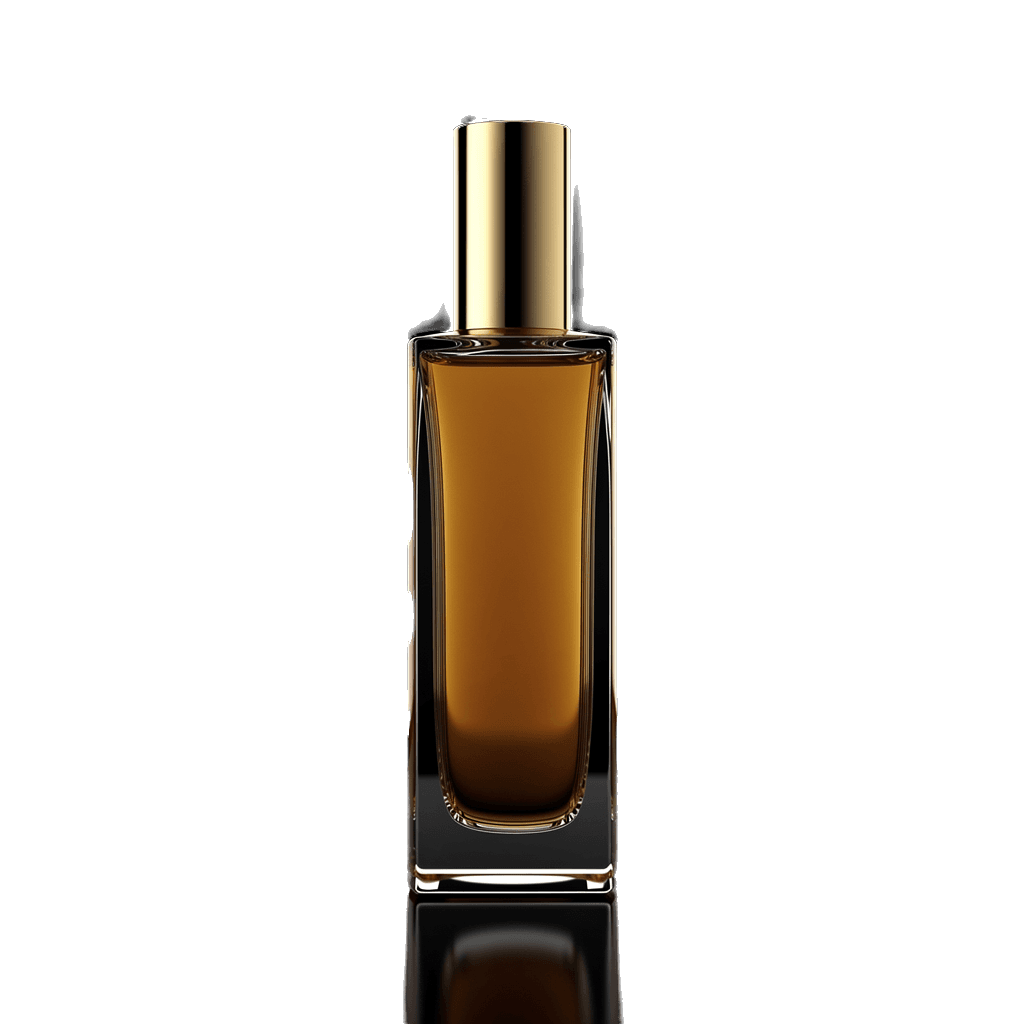
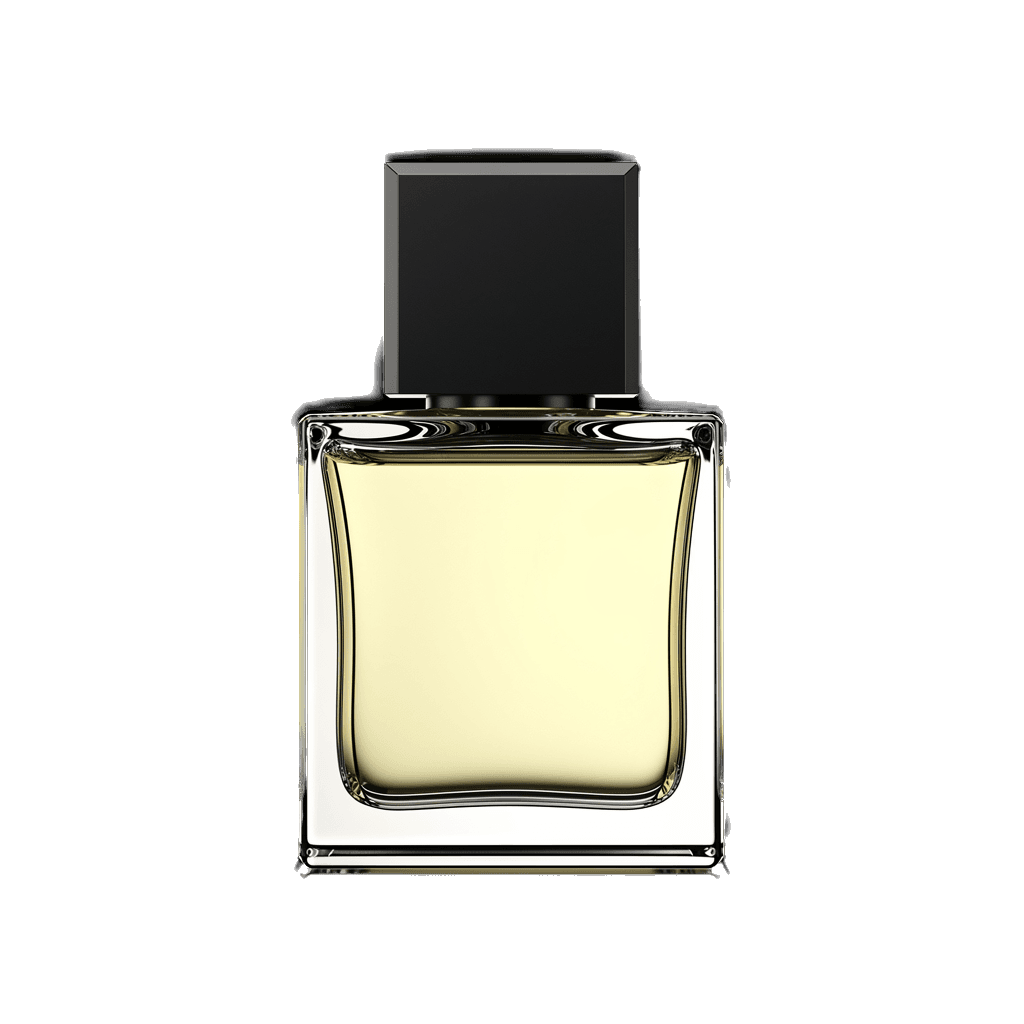
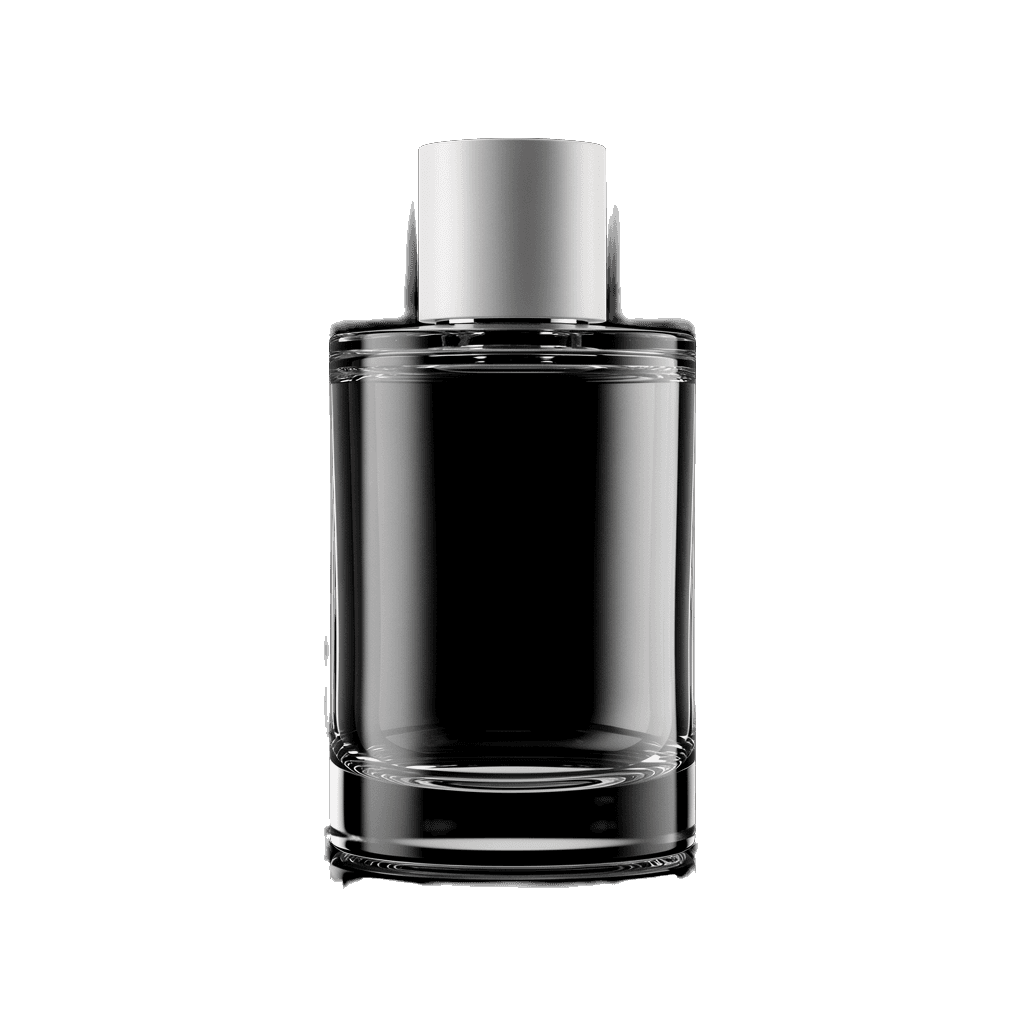
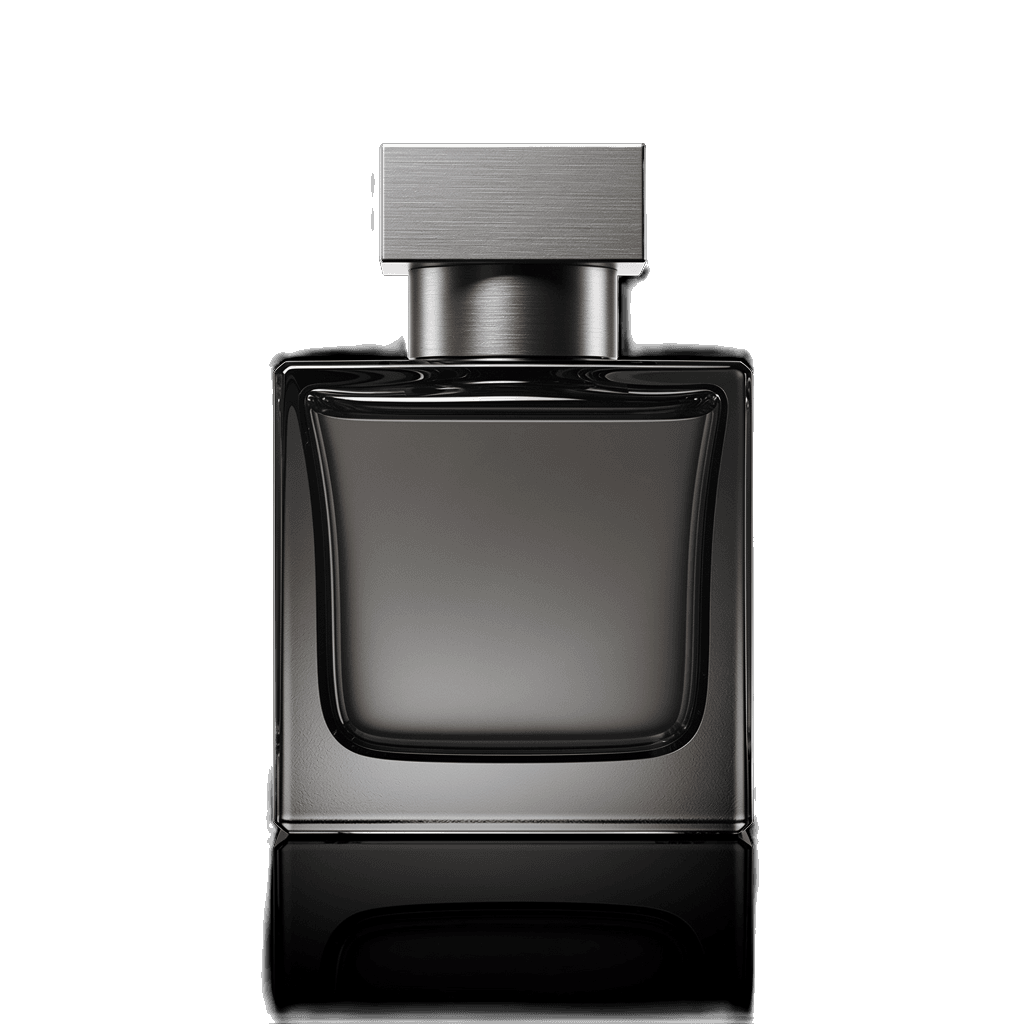
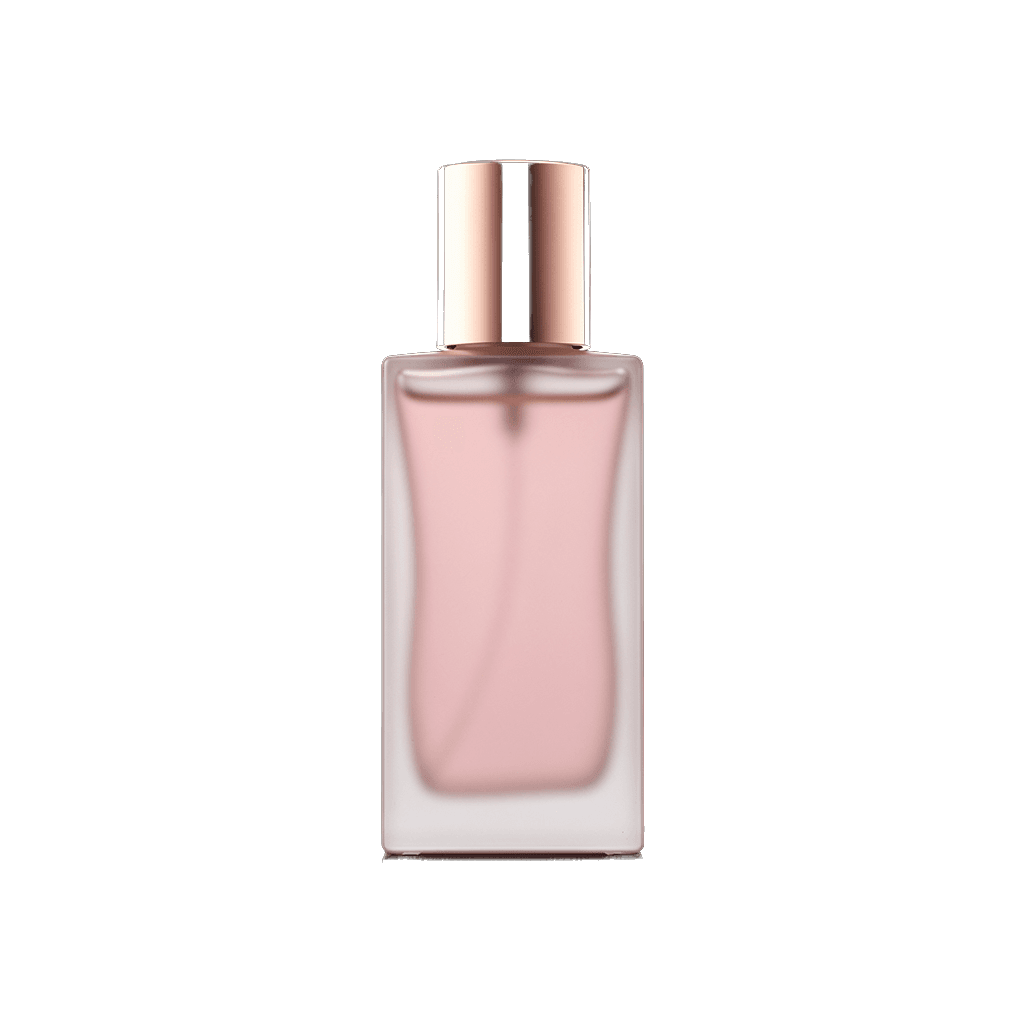
Etienne Aigner’s visual language mirrors the sleek lines of its leather accessories. The brand’s logo—a stylized "A" with a subtle curve—appears embossed on bottle caps and printed in matte black on the glass. Bottles typically feature a rectangular silhouette with clean edges, echoing the geometry of a structured handbag. The color palette leans toward muted tones: deep navy, charcoal, and soft ivory, punctuated by metallic accents that suggest hardware on a leather strap. Typography uses a sans‑serif typeface that balances modernity with readability, often placed centrally on the front label. The packaging incorporates textured paper that mimics the grain of suede, reinforcing the tactile connection between scent and material. Seasonal campaigns showcase the fragrances alongside leather goods in minimalist studio settings, allowing the product’s form and materiality to speak for themselves. This restrained aesthetic positions the perfume line as an accessory rather than a standalone statement, reinforcing the brand’s philosophy of understated elegance.
Philosophy
Etienne Aigner approaches perfumery as an extension of its core values: precision, durability, and timeless style. The brand believes that a scent should complement a wardrobe rather than dominate it, so it favors clear, balanced structures that age gracefully on the skin. It respects traditional French‑Italian techniques while allowing room for subtle innovation, such as incorporating sustainably sourced ambergris substitutes in recent releases. The house emphasizes transparency in ingredient sourcing, preferring suppliers that can trace raw materials back to their origin. It also seeks to create fragrances that resonate across generations, offering both nostalgic nods to its 1970s origins and fresh interpretations for younger consumers. By aligning scent with the tactile experience of leather, Etienne Aigner aims to craft olfactory pieces that feel as purposeful as a well‑stitched bag.
Key Milestones
1949
Etienne Aigner opens his first leather workshop in Munich, establishing the fashion house.
1965
The company creates a dedicated perfume division, laying groundwork for future fragrance releases.
1975
Launch of the debut fragrance Etienne Aigner No. 1, marking the brand’s entry into perfumery.
1978
Super Fragrance for Men debuts, becoming a signature masculine scent.
1992
Private Number for Men expands the line with a modern aromatic profile.
2005
Suede Edition Women introduces a soft, leather‑inspired accord for female wearers.
At a Glance
Brand profile snapshot
Origin
Germany
Founded
1949
Heritage
77
Years active
Collection
2
Fragrances released
Avg Rating
4.3
Community sentiment
Release Rhythm