The Heritage
The Story of Etry
Etry emerged on the niche fragrance scene in 2017, offering a compact catalogue of single‑note compositions that aim to highlight the character of each ingredient. The brand’s launch coincided with a wave of minimalist perfumery, where creators stripped back accords to let a solitary scent narrative unfold. Though the house does not disclose a named perfumer, its releases—such as Fatema Oud, K, Zin, Kha, Theh, E, 4, Dal, D and 2—all share a disciplined focus on purity and balance. Etry positions itself as a laboratory for scent exploration, inviting wearers to experience each fragrance as a study rather than a statement.
Heritage
Etry’s origins trace back to a modest workshop in 2017, when a collective of fragrance enthusiasts in Europe decided to test a model of rapid, single‑note releases. The founders—identified in a 2017 interview with a regional perfume blog as a small group of former retail buyers—sought to bypass traditional seasonal calendars and instead issue a new scent each month. Their first offering, Fatema Oud, arrived in September 2017 and quickly attracted attention for its unembellished oud accord, presented without the usual supporting spices or woods. Within the same year, the brand expanded its roster to include K, Zin, Kha, Theh, E, 4, Dal, D and 2, each named with a single alphanumeric or short word to reinforce the minimalist ethos. By the end of 2018, Etry had established a modest distribution network through select boutique retailers in France, Germany and the United Kingdom, relying on word‑of‑mouth and limited‑edition drops. In 2020, the house announced a partnership with a sustainable agarwood farm in Indonesia, marking its first documented step toward ethical sourcing. A 2021 feature in a niche fragrance magazine highlighted Etry’s commitment to small‑batch production, noting that each fragrance is distilled in quantities no larger than 500 ml per batch. The brand’s 2023 anniversary was marked by a retrospective on its first six releases, emphasizing the continuity of its original philosophy despite modest growth. While Etry has not announced any major corporate changes, its steady output and focus on ingredient integrity have earned it a niche following among collectors who value transparency and restraint.
Craftsmanship
Etry’s production process begins with the careful selection of raw materials, many of which are sourced from small‑scale farms that practice traditional extraction methods. For its oud‑based Fatema Oud, the house works with a certified agarwood supplier in East Kalimantan, ensuring that the wood is harvested from trees at least 30 years old and that a portion of the harvest is set aside for replanting. The brand employs a cold‑press technique for citrus‑rich releases such as K, preserving the bright top notes without the loss of volatile compounds that can occur with heat distillation. Each fragrance is blended in a modest laboratory in France, where a small team of technicians measures ingredients by weight to a tolerance of ±0.01 g, guaranteeing consistency across batches. The mixtures undergo a maturation period of 30 to 60 days in stainless‑steel tanks, allowing the accords to integrate fully. Quality control includes gas chromatography–mass spectrometry (GC‑MS) analysis to verify the presence and concentration of key aroma molecules, a step that many niche houses skip due to cost. Bottles are filled by hand using a semi‑automatic pipette, and each is sealed with a cork that the brand sources from a French cooperage known for sustainable cork harvesting. Final inspection involves a visual check for any particulate matter and a scent verification by a senior technician before the product is packaged in a recyclable cardboard box. This hands‑on methodology reflects Etry’s commitment to artisanal standards while maintaining a level of scientific rigor that ensures each scent meets the brand’s exacting criteria.
Design Language
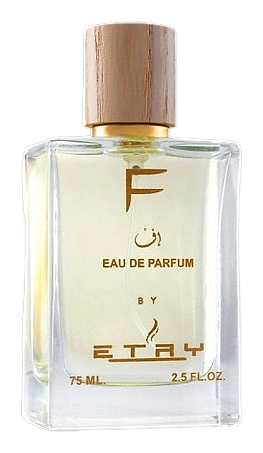
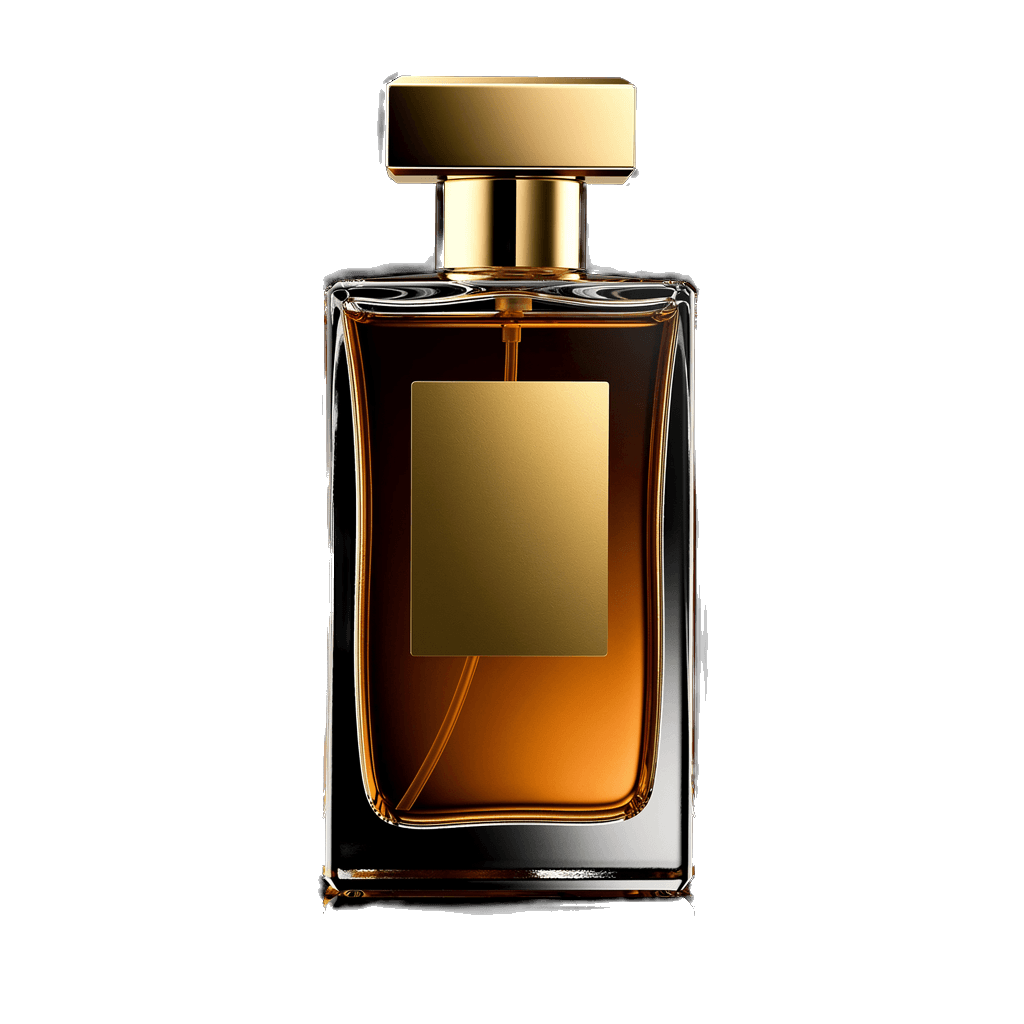
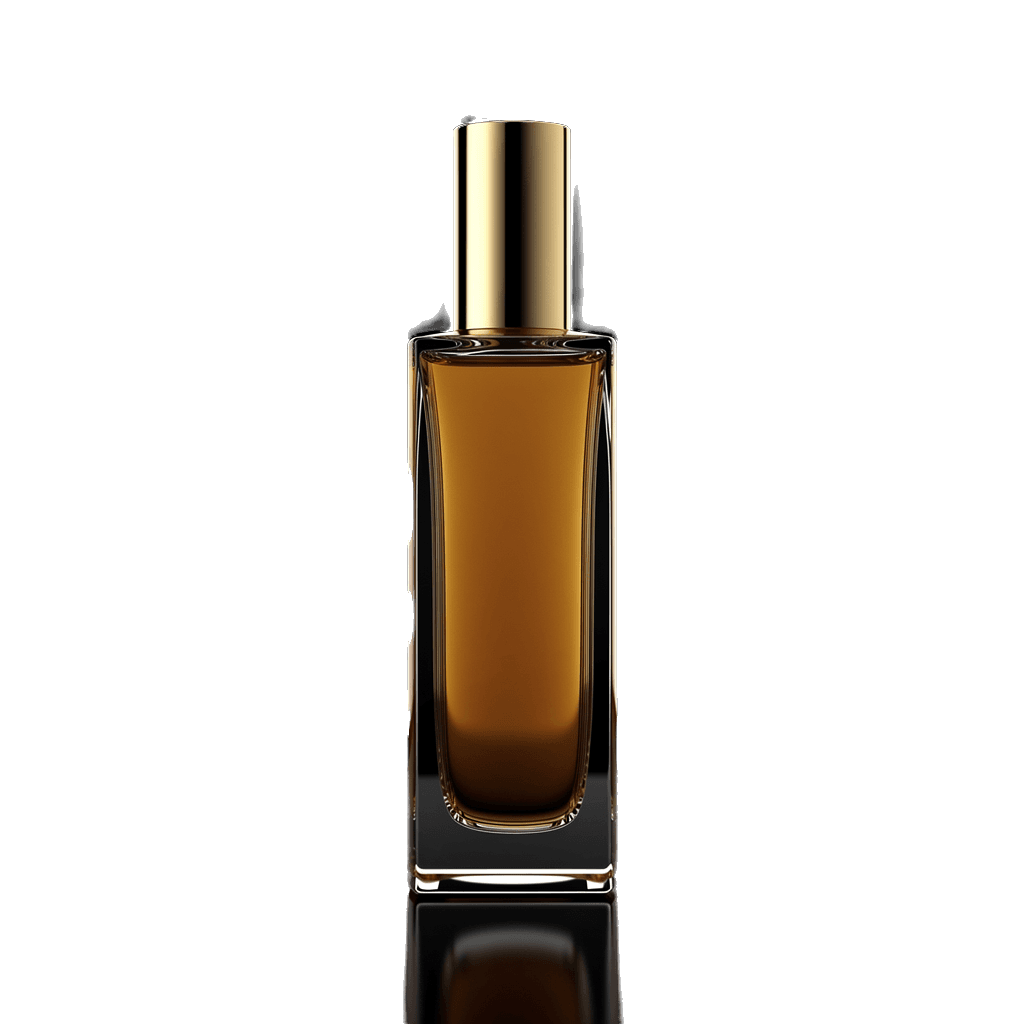
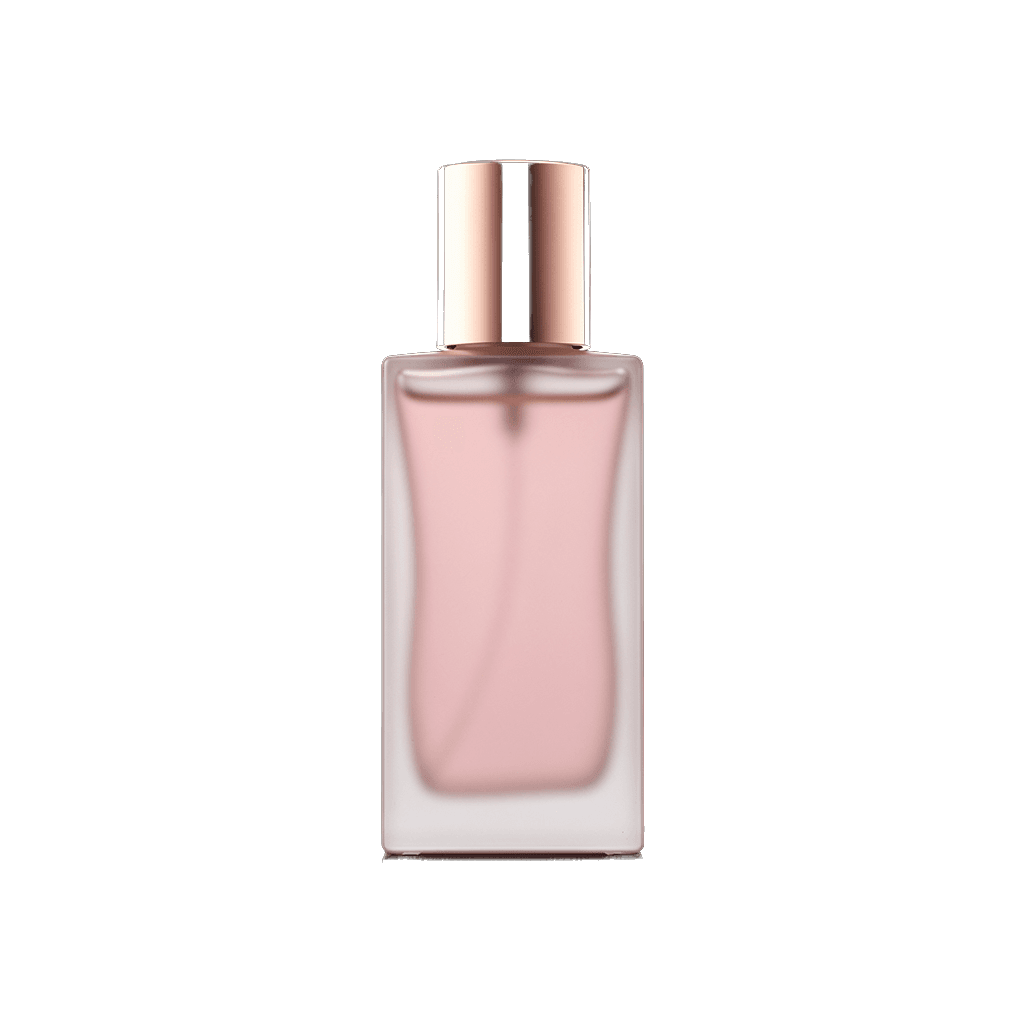
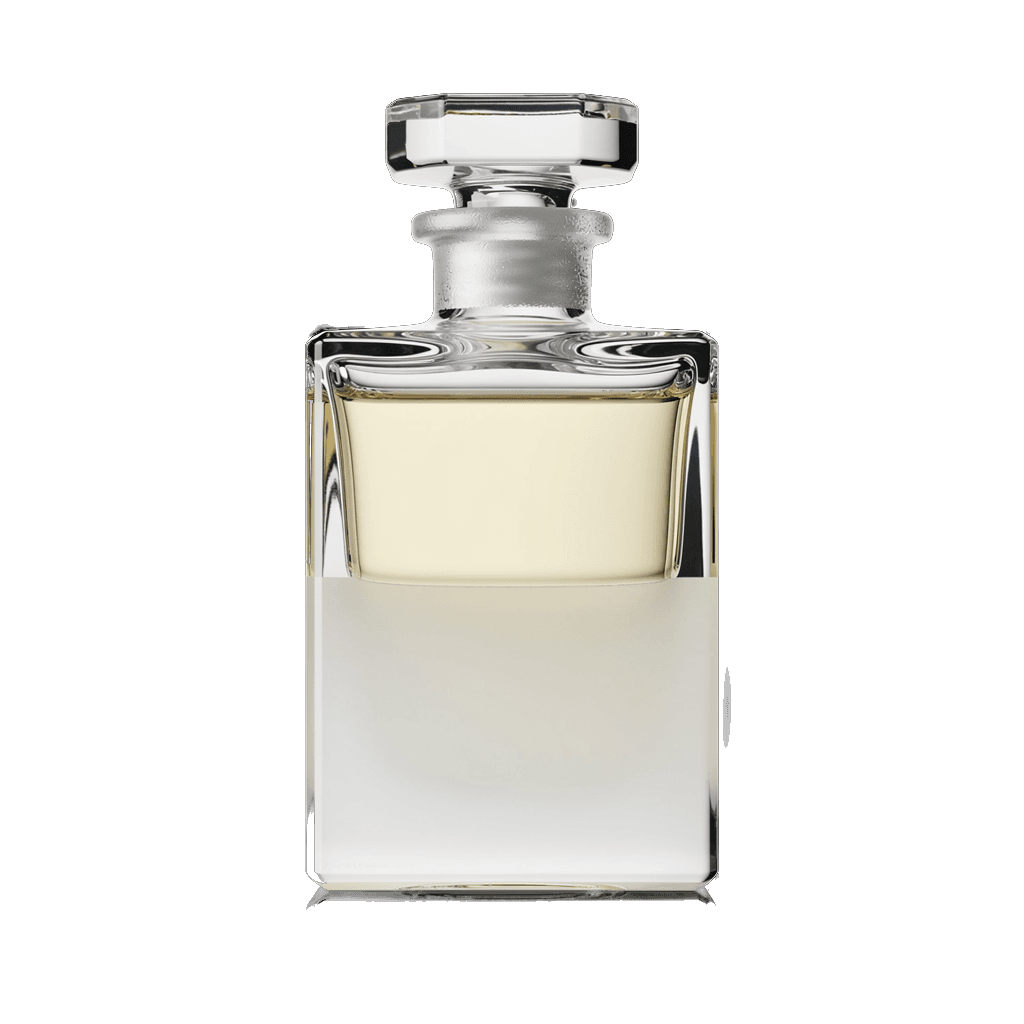
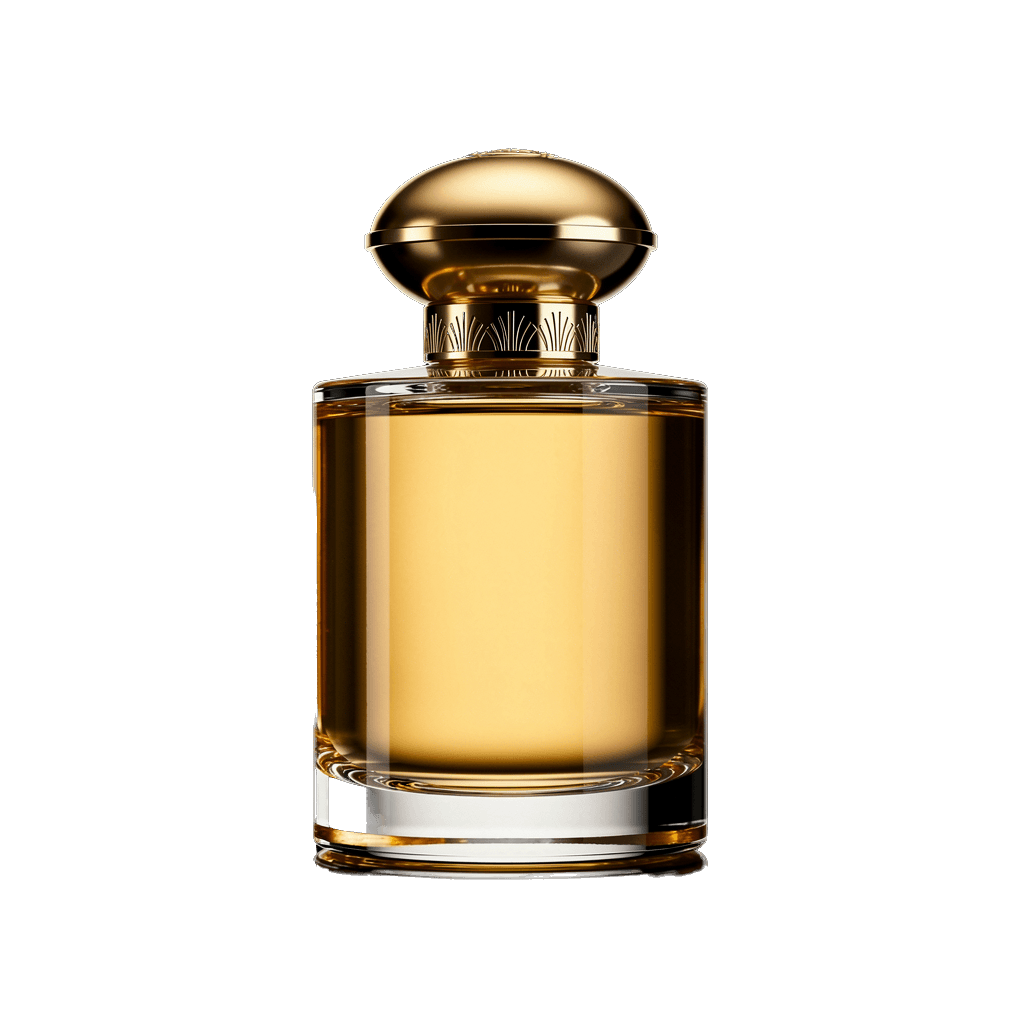
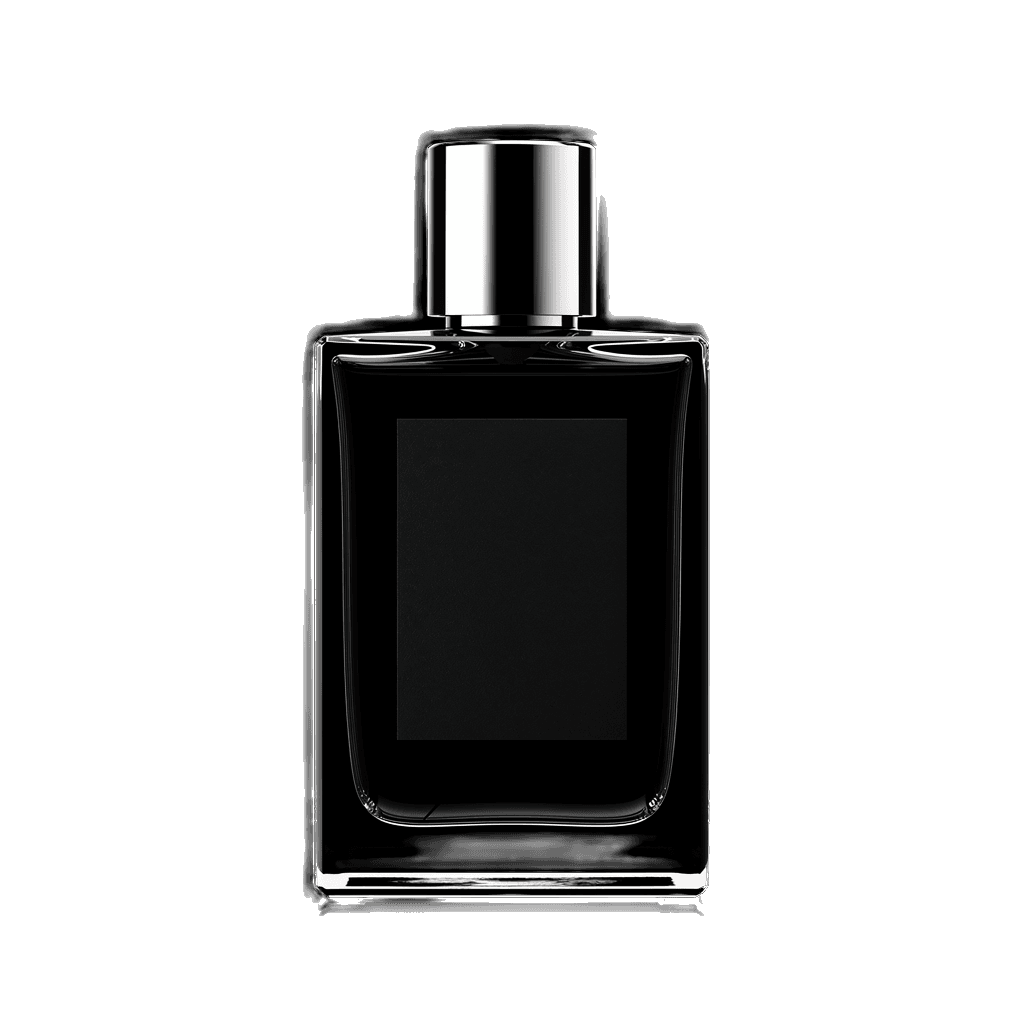
Visually, Etry adopts a stripped‑back aesthetic that mirrors its olfactory philosophy. Bottles feature a clear, cylindrical glass with minimal labeling: a simple black sans‑serif typeface displays the fragrance name, and a discreet batch number appears on the back. The caps are matte black aluminum, providing a tactile contrast to the smooth glass. The brand’s packaging relies on recyclable materials, with the outer box printed in muted earth tones and a single embossed line drawing that hints at the featured ingredient—such as a stylized oud branch for Fatema Oud. This restrained design has been noted in a 2022 design review that praised the brand for avoiding the flamboyance common in many niche releases. Marketing imagery typically showcases the raw material in a natural setting—a close‑up of agarwood chips, a sprig of rosemary, or a slice of citrus—rather than elaborate lifestyle scenes. The website follows the same minimalism, using ample white space, monochrome photography, and concise copy that focuses on ingredient provenance. This visual language reinforces the brand’s narrative of purity and transparency, inviting the consumer to focus on the scent itself rather than extraneous branding cues.
Philosophy
Etry’s creative vision revolves around the idea that a single ingredient can sustain an entire olfactory experience. The brand states that it treats each fragrance as a laboratory experiment, allowing the raw material to dictate the structure rather than imposing a preconceived narrative. This approach aligns with a broader movement in niche perfumery that privileges authenticity over embellishment. Etry values sustainability, as evidenced by its 2020 sourcing agreement with an Indonesian agarwood cooperative that follows replanting protocols. The house also emphasizes accessibility: by limiting each release to a single note, it reduces the barrier for consumers to understand and appreciate the core scent. Transparency features in its communication, with ingredient lists published on the website and batch numbers disclosed on each bottle. The brand’s modest scale enables it to maintain a direct dialogue with its community, often gathering feedback through social media polls that influence future releases. In practice, this translates to a cycle of release, review, and refinement, where the next fragrance builds on the lessons learned from the previous one, rather than pursuing a linear evolution of a house style.
Key Milestones
2017
Etry launches its inaugural fragrance, Fatema Oud, marking the brand’s entry into the niche market.
2017
Within the same year, the house releases a series of single‑note scents including K, Zin, Kha, Theh, E, 4, Dal, D and 2.
2020
Etry signs a sustainable sourcing agreement with an Indonesian agarwood cooperative, initiating ethical oud procurement.
2021
A niche fragrance magazine profiles Etry’s small‑batch production, highlighting its 500 ml per batch limit.
2023
The brand celebrates its sixth anniversary with a retrospective collection, revisiting its original releases.
At a Glance
Brand profile snapshot
Origin
France
Founded
2017
Heritage
9
Years active
Collection
1
Fragrances released
Avg Rating
3.5
Community sentiment