The Heritage
The Story of Evaflor
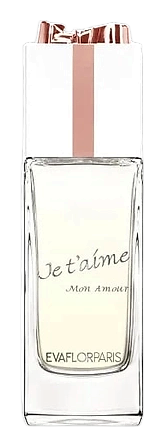
Evaflor is a French fragrance house founded in the early 1980s that offers a modest catalogue of modern scents for both men and women. Its line includes Rankar (1990), Je t'aime Mon Amour, Je t'aime Elixir, Frisson Extreme pour homme, Hot Sens, Podium Glossy, Ness pour Homme, Je t'aime Passionnément, Federal and Symphonie 04. The brand positions itself as a contemporary alternative to more historic houses, emphasizing elegance without overt extravagance.
Heritage
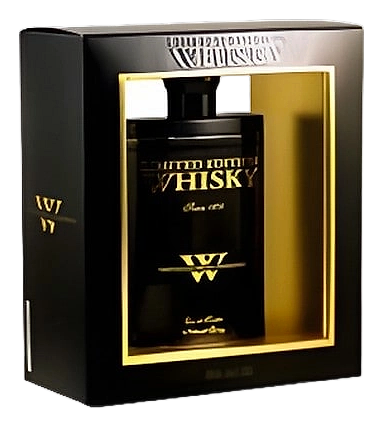
The company began its journey in 1983 when Albert Bonan, a Parisian entrepreneur with a background in fashion retail, decided to launch a perfume house that would serve both genders. Bonan’s ambition was to blend the classic French sensibility with a modern aesthetic, a goal he articulated in early interviews as creating "elegant and modern" fragrances. The first collection debuted the same year, featuring a handful of unisex scents that received modest coverage in niche perfume magazines. In 1990, Evaflor released Rankar, a fragrance that marked the brand’s first notable entry into the competitive French market and was reviewed in several specialty journals. Throughout the 1990s and early 2000s, the house expanded its portfolio with a series of releases that carried romantic French titles, such as Je t'aime Mon Amour and Je t'aime Elixir, reflecting a thematic focus on love and intimacy. While the brand never achieved the scale of legacy houses, it maintained a steady presence in boutique perfumeries across France and, later, selected international retailers. By the mid‑2000s, Evaflor introduced more daring compositions like Frisson Extreme pour homme, signaling a willingness to explore stronger, more avant‑garde accords while staying true to its original modern‑elegant ethos. The house continues to operate from Paris, with a small team that handles formulation, production oversight and limited‑edition releases, preserving the founder’s vision of a boutique operation that balances creativity with disciplined craftsmanship.
Craftsmanship
Production at Evaflor follows a boutique‑scale model that combines in‑house oversight with external manufacturing partners in the Grasse region. The brand works with established French laboratories that specialize in small‑batch synthesis, allowing it to maintain tight control over ingredient quality. Raw materials are sourced from traditional perfume zones: citrus oils from Valencia, jasmine absolute from Grasse, and sandalwood from Australian plantations. In interviews, Bonan has highlighted the importance of selecting ingredients that meet both aromatic purity and ethical standards, though specific certifications are not publicly listed. Formulations are created by a rotating roster of freelance perfumers rather than a permanent in‑house nose, a practice that enables fresh perspectives while preserving the house’s overarching aesthetic. Once a fragrance is finalized, it undergoes a stability test period of several months to ensure scent integrity across temperature variations. Bottles are hand‑filled in a controlled environment to minimize contamination, and each batch is sealed with a simple, matte‑finished cap that reflects the brand’s understated visual language. Quality control includes organoleptic evaluation by a panel of senior staff before release, ensuring that each perfume meets the house’s standards for balance and longevity.
Design Language
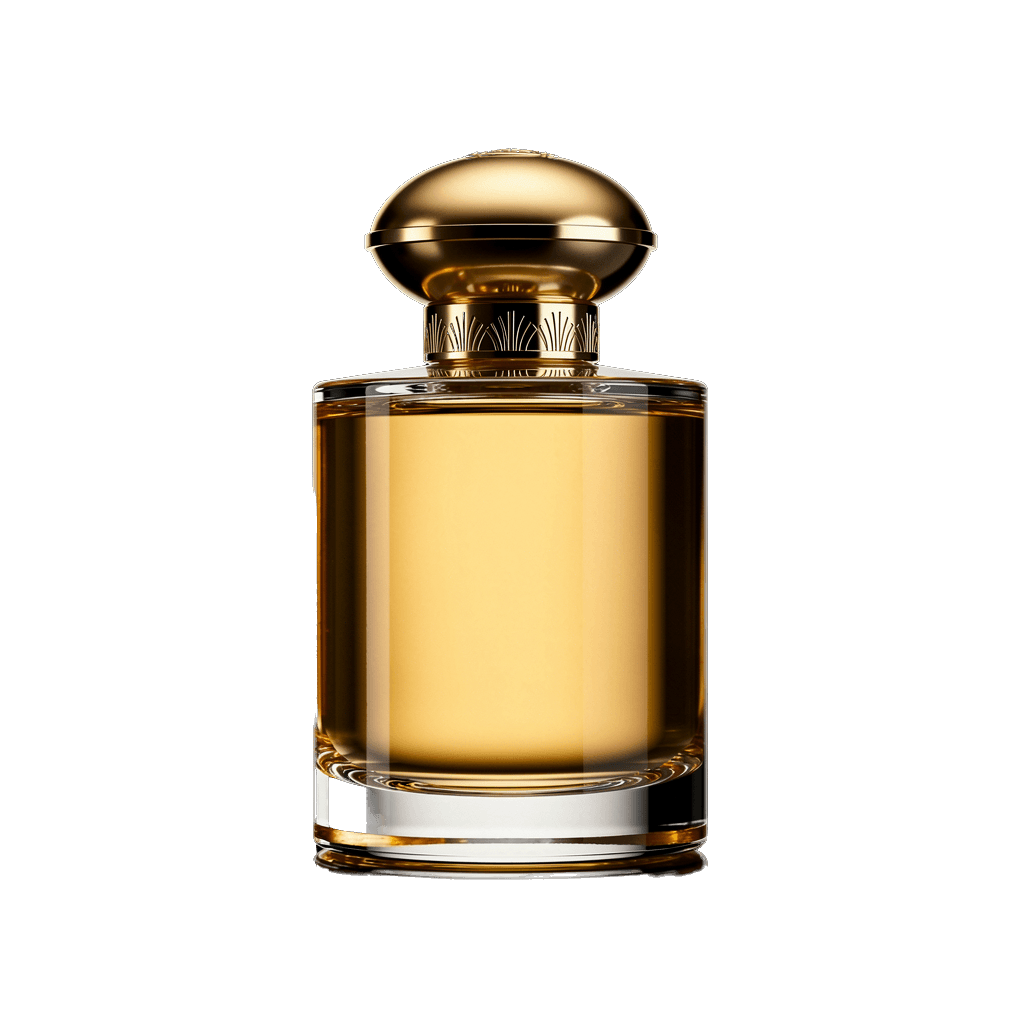
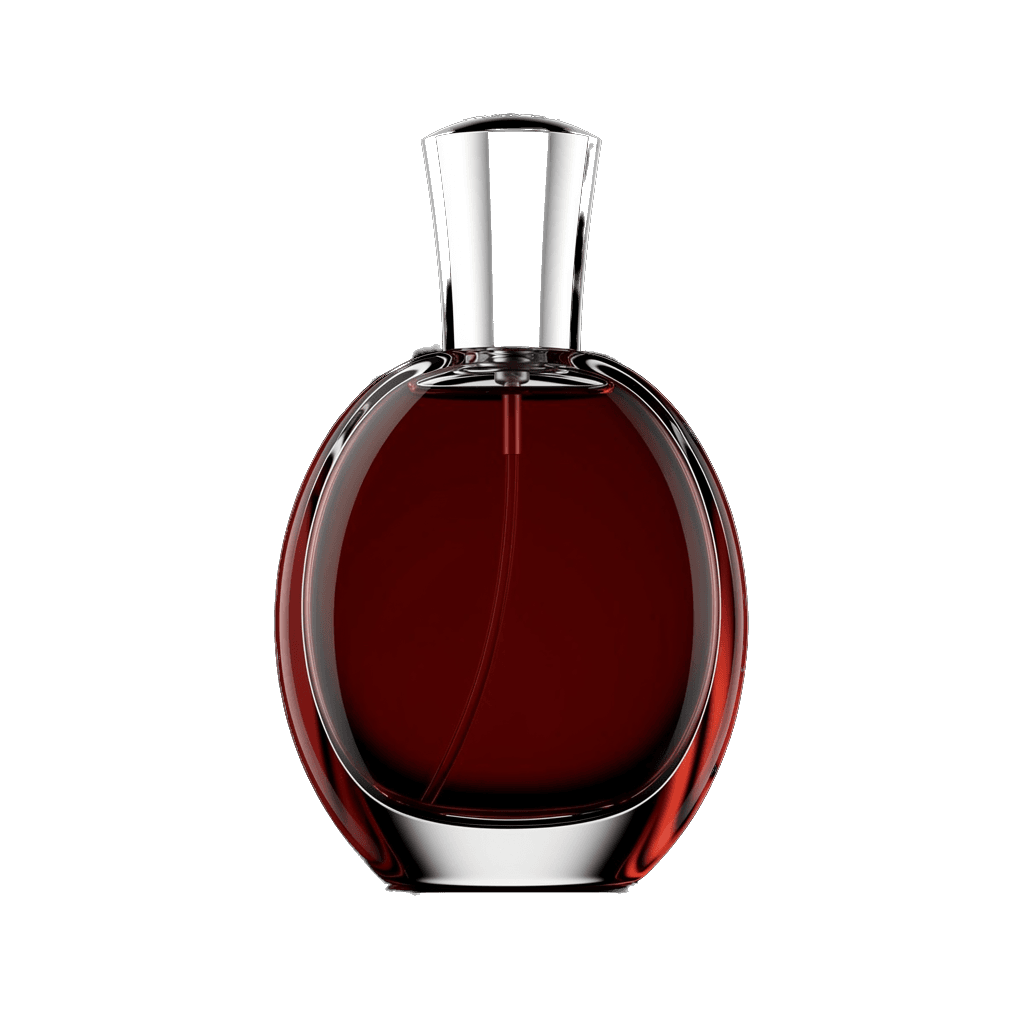
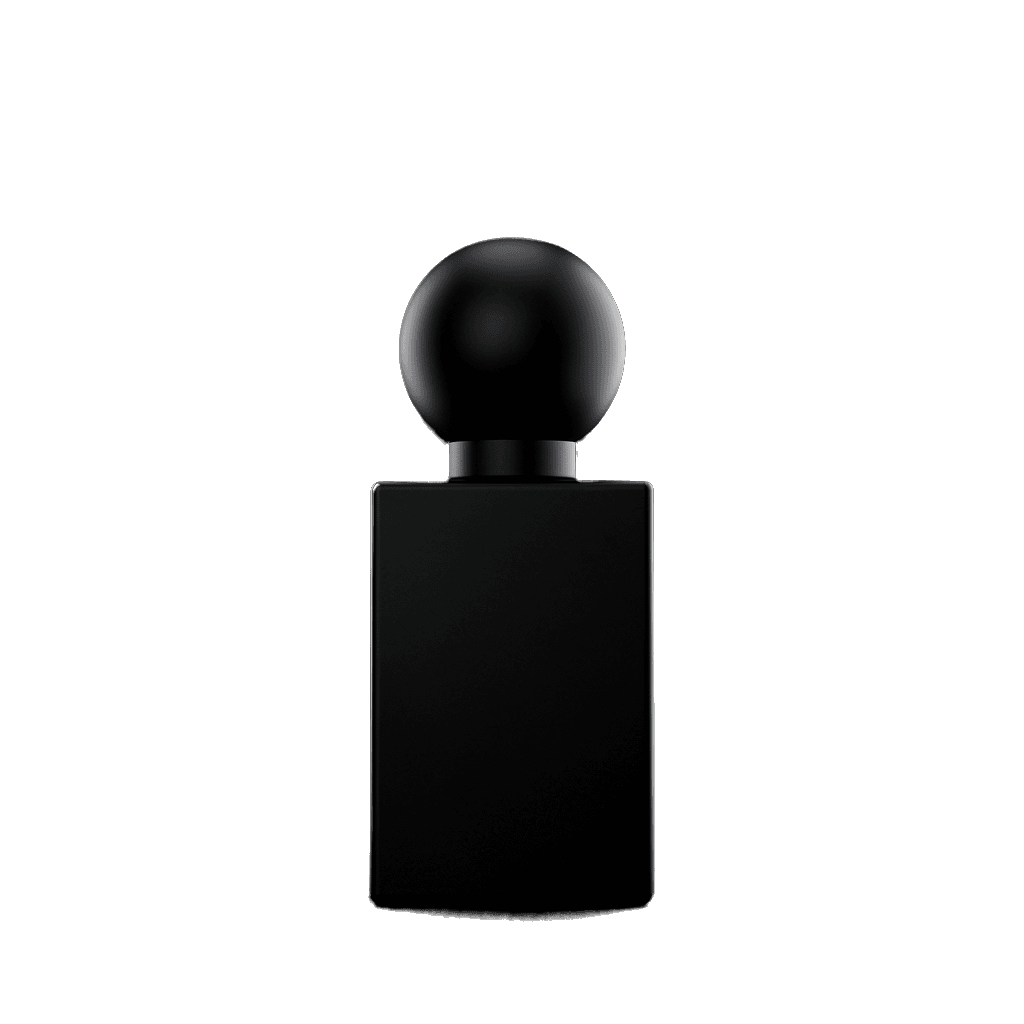
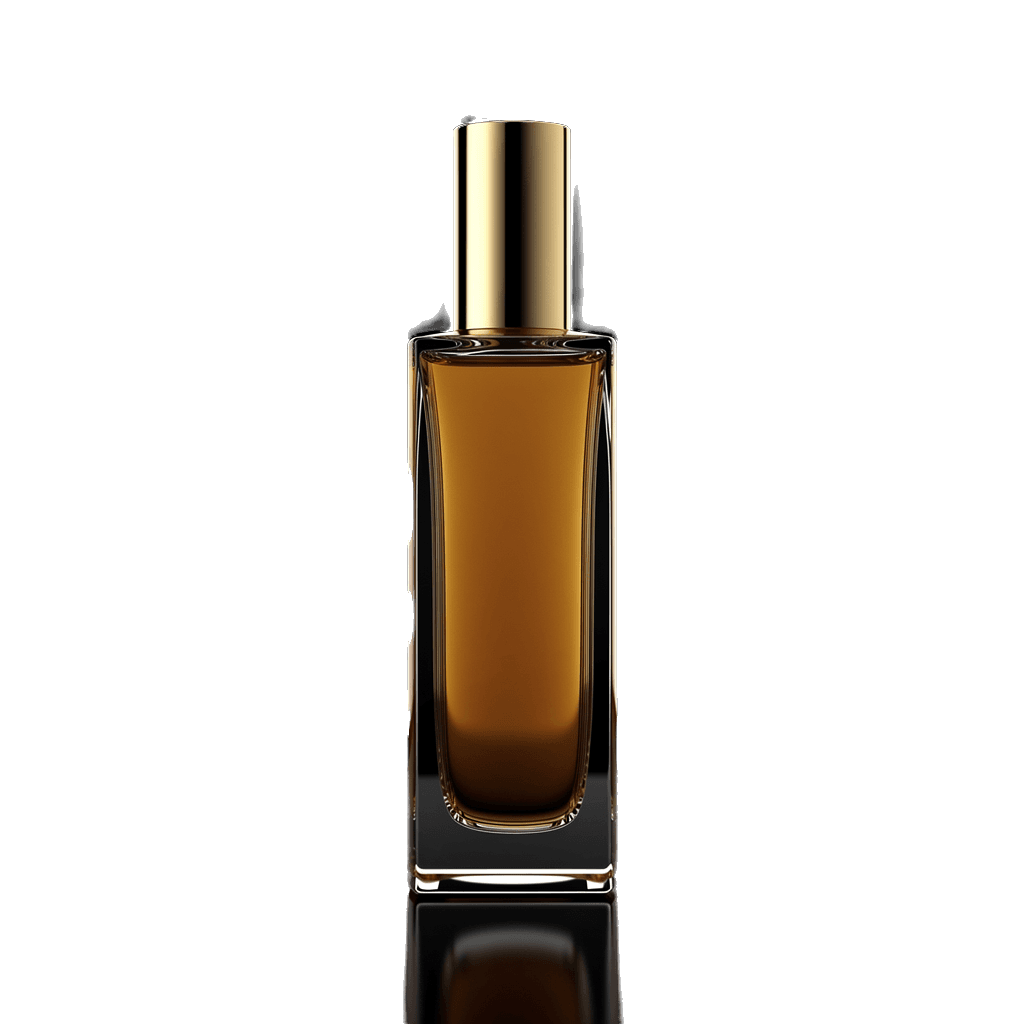
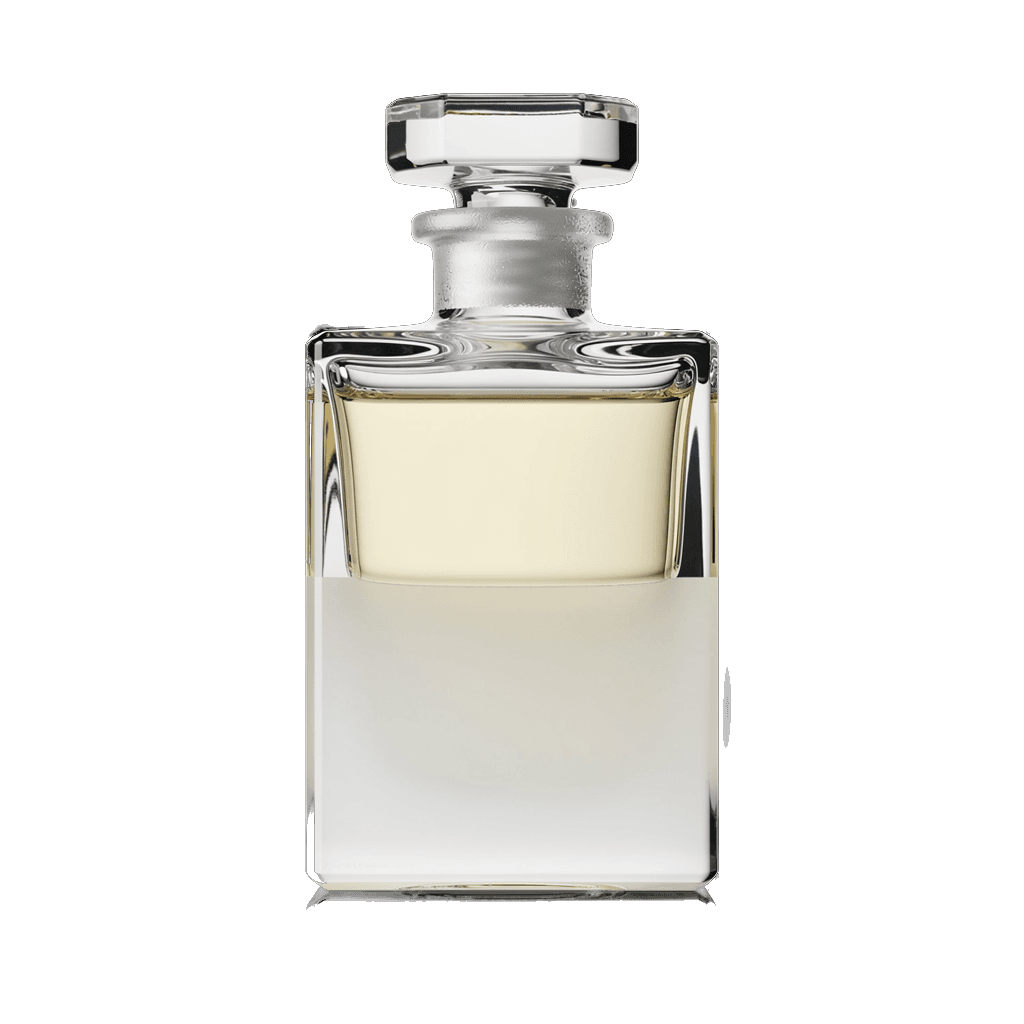
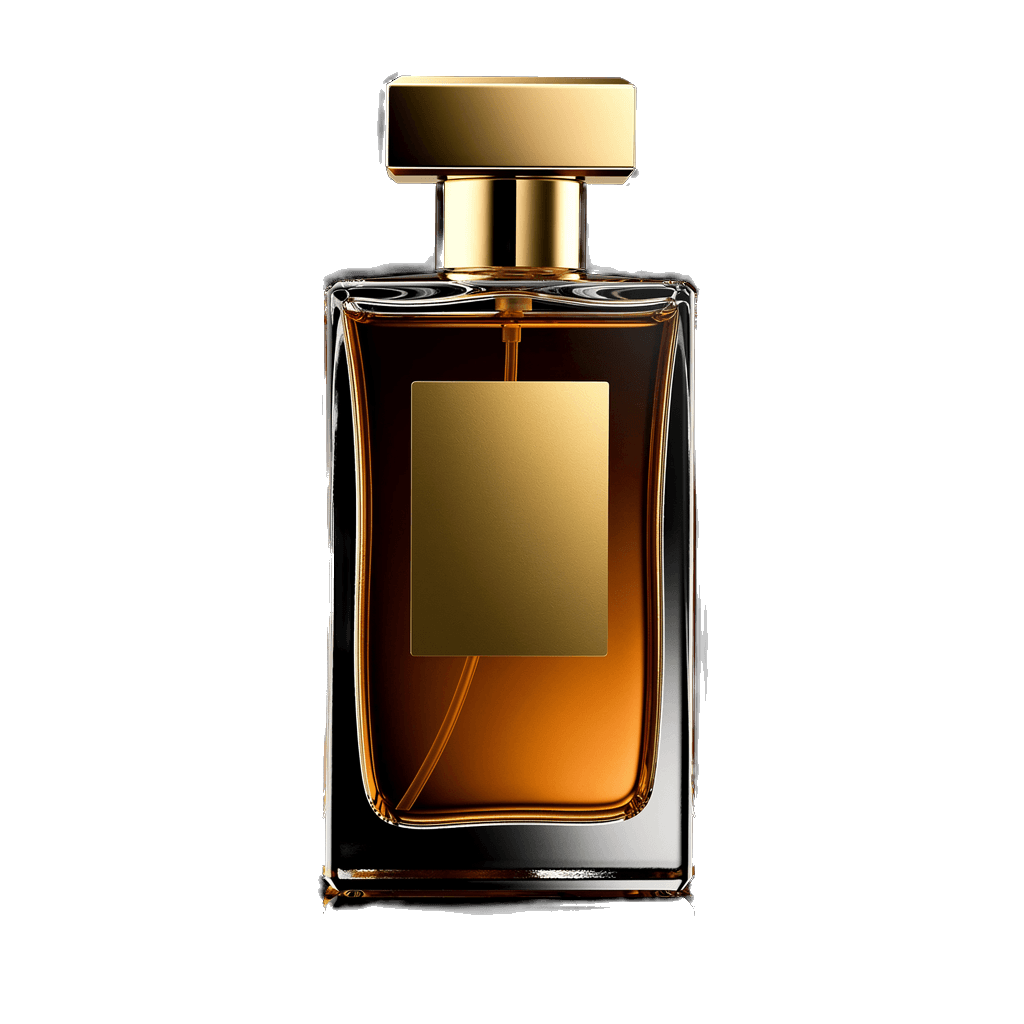
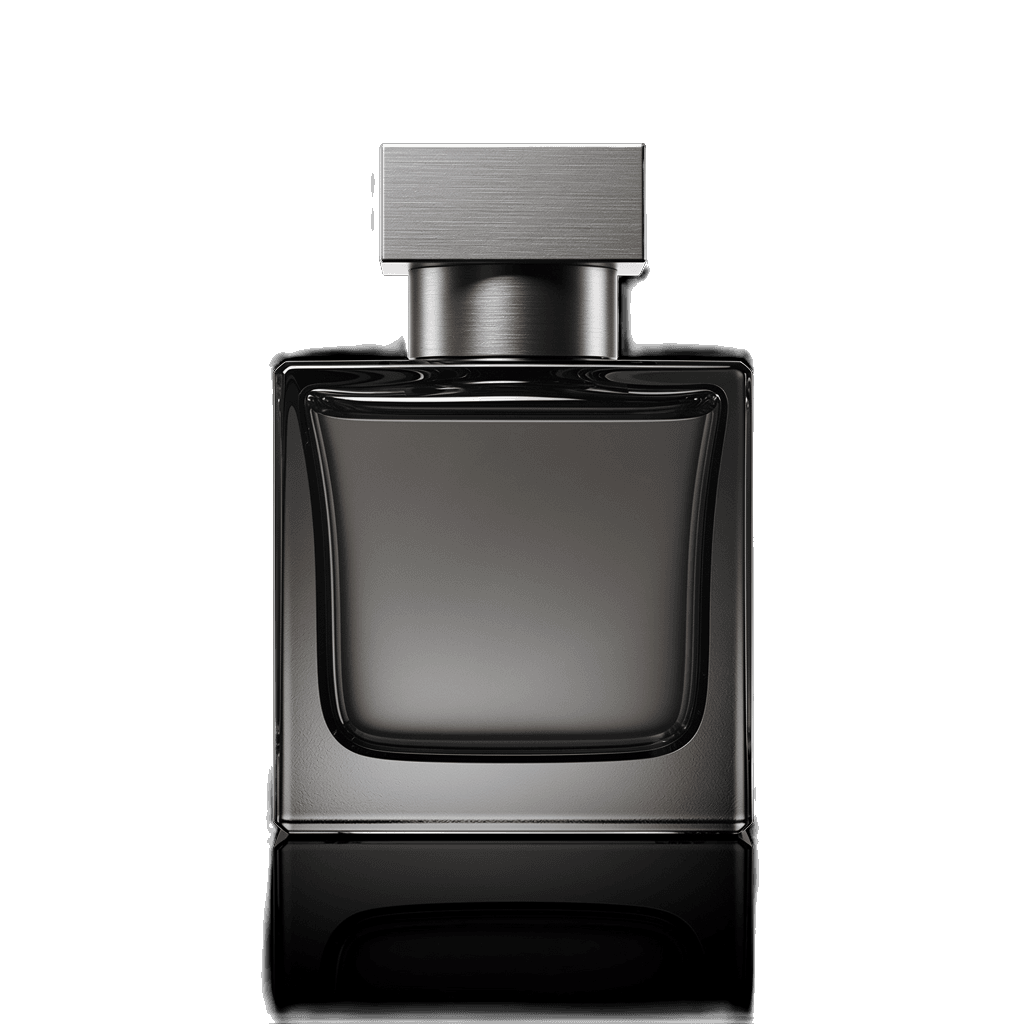
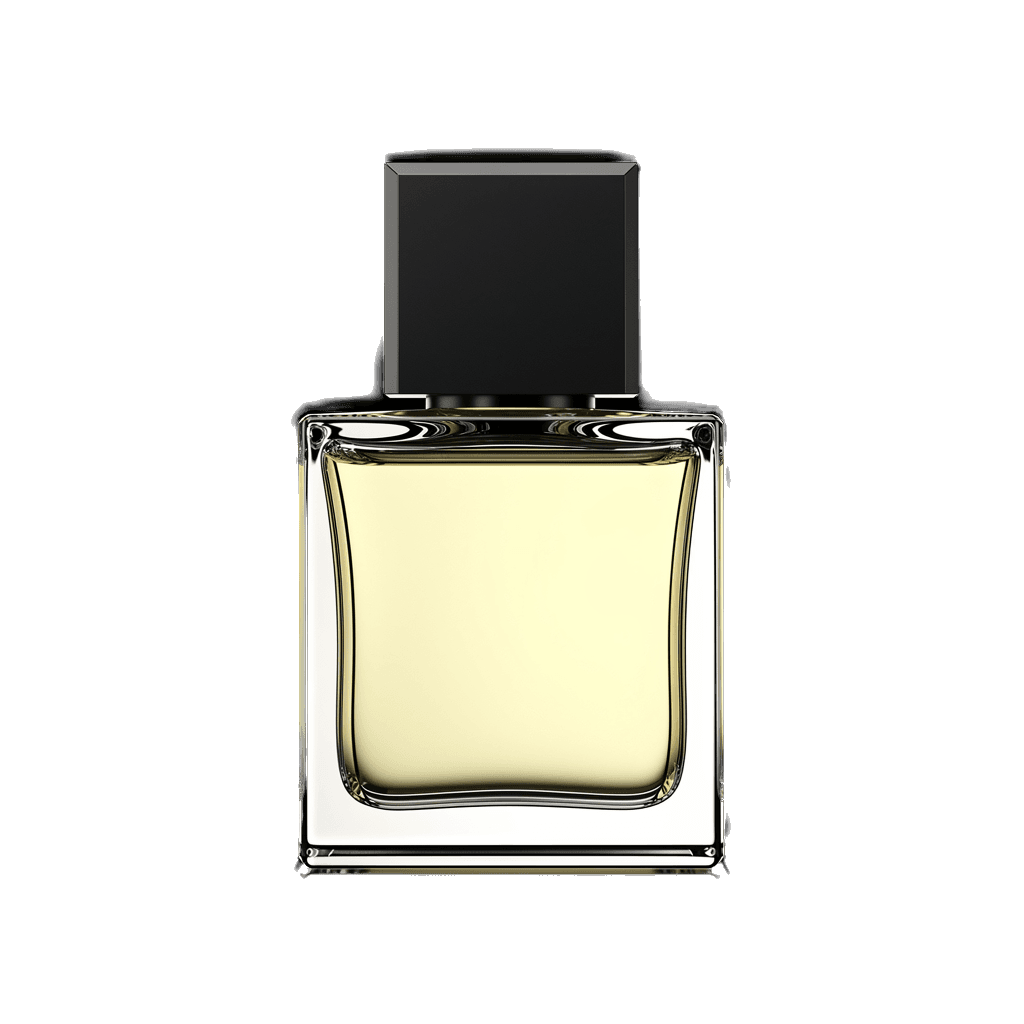
Visually, Evaflor adopts a minimalist approach that mirrors its fragrance philosophy. Bottles feature clean, rectangular silhouettes with subtle curvature, often rendered in frosted glass to convey a sense of quiet refinement. Labels are typographically restrained, using a sans‑serif font in muted tones that complement the scent’s character rather than dominate it. The brand’s packaging palette leans toward soft greys, ivory and deep navy, providing a calm backdrop for the perfume name, which is usually embossed in gold foil for a discreet touch of luxury. Marketing imagery frequently showcases the fragrances in simple settings—plain wooden tables, soft‑focused fabrics, or muted architectural details—allowing the scent’s narrative to emerge through suggestion rather than overt visual storytelling. This understated visual identity has helped Evaflor carve a niche among consumers who appreciate subtle elegance over flamboyant branding.
Philosophy
Evaflor’s creative outlook rests on a simple premise: fragrance should feel both current and timeless, offering a bridge between classic French elegance and contemporary lifestyle. The brand states that it seeks to craft scents that are "elegant and modern," a phrase that recurs in its early marketing materials and is echoed in interviews with Albert Bonan. This philosophy translates into a focus on balanced compositions that avoid overtly nostalgic references while still employing familiar French olfactory families such as floral‑citrus, aromatic fougère and warm oriental bases. The house values restraint, preferring to let a few well‑chosen ingredients speak rather than layering excessive accords. Sustainability is mentioned in recent statements, with the company indicating a preference for responsibly sourced raw materials and a reduction of waste in its packaging processes. Although Evaflor does not publish detailed sustainability reports, its limited‑run production model inherently reduces over‑production, aligning with a broader industry shift toward more mindful consumption.
Key Milestones
1983
Albert Bonan founds Evaflor in Paris, launching the brand with a small collection of unisex fragrances.
1990
Release of Rankar, the first fragrance to gain notable attention in specialty perfume publications.
1995
Introduction of Je t'aime Mon Amour, expanding the house’s romantic, French‑inspired line.
2005
Launch of Frisson Extreme pour homme, marking a shift toward bolder, more avant‑garde compositions.
At a Glance
Brand profile snapshot
Origin
France
Founded
1983
Heritage
43
Years active
Collection
2
Fragrances released
Avg Rating
4.7
Community sentiment
Release Rhythm