The Heritage
The Story of Evocative Perfumes
Evocative Perfumes creates scent narratives that linger long after the first spritz. Based in Paris, the house translates memory, place and feeling into liquid form, offering a line that balances classic structure with contemporary twists. Each bottle invites the wearer to travel inward, recalling moments that are both personal and universal. The brand’s catalogue, launched in the early 2010s, now includes more than a dozen distinct compositions, each built around a clear emotional premise and a carefully chosen palette of natural and synthetic ingredients.
Heritage
The story of Evocative Perfumes began in 2010 when a small group of fragrance enthusiasts gathered in a shared studio on Rue de la Verrerie, Paris. Their aim was to move beyond the commercial trends that dominated the market and to craft scents that felt like personal memoirs. The founders, whose backgrounds spanned chemistry, art history and literature, pooled their expertise to launch the first collection in 2012, anchored by the floral‑green fragrance Imogen. Early press coverage highlighted the brand’s commitment to narrative depth, noting that the scent evoked the quiet moments of a spring garden in England. In 2014 the house expanded its palette with Olibanum, a resin‑rich composition that drew on ancient incense traditions, and Siberian Fir, a woody ode to the boreal forests of Russia. These releases earned mentions in niche fragrance blogs for their precise balance of raw material authenticity and modern refinement. 2015 marked a prolific year; Nirvana arrived as a meditative amber blend, while Cologne for Alice offered a playful citrus‑spice duet inspired by literary whimsy. The following years saw the brand experiment with gourmand and aromatic themes, introducing Vanille Tonique in 2019, a vanilla‑tonic hybrid that paired sweet and bitter notes, and Fetische, a daring leather‑spice exploration. Throughout its growth, Evocative Perfumes has maintained a small‑batch production model, limiting each release to a few thousand units to preserve quality and exclusivity. The house has also partnered with independent glassmakers in Murano, Italy, to produce hand‑blown bottles that reflect the brand’s emphasis on tactile experience. By 2023 the label celebrated its tenth anniversary with a retrospective exhibition at the Musée du Parfum in Paris, showcasing original sketches, raw material samples and limited‑edition reinterpretations of its most celebrated scents. The event underscored the brand’s evolution from a modest atelier to a respected name among collectors who value storytelling as much as olfactory craftsmanship.
Craftsmanship
Every Evocative Perfumes creation begins with a sourcing trip, during which the team visits farms and cooperatives to evaluate raw material quality. In Grasse, the house selects jasmine buds harvested at dawn, while in Madagascar it works with local growers to obtain sustainably harvested ylang‑ylang. Once the ingredients arrive at the Paris atelier, they undergo a series of purity tests using gas chromatography, ensuring that each batch meets the house’s strict standards. The perfumers then blend the components in small stainless‑steel vats, employing a temperature‑controlled environment that mirrors traditional French laboratory conditions. For compositions that call for natural absolutes, the house still uses cold‑press techniques to preserve volatile aromatics, a method that dates back to the early 20th century. After the initial blend, the perfume rests in dark glass containers for a maturation period ranging from three weeks to six months, depending on the fragrance’s complexity. During this time, master noses conduct daily olfactory evaluations, noting any shifts in balance and making micro‑adjustments when necessary. Quality control includes a final stability test, where the finished product is stored at varying temperatures and humidity levels to confirm that scent integrity remains intact over time. Bottles are filled by hand in a cleanroom that meets ISO 14644‑1 standards, and each unit receives a unique batch code that can be traced back to the raw material ledger. The brand also employs reclaimed Murano glass for its bottles, partnering with artisans who melt and reform discarded glass into new vessels, reducing waste while adding a subtle, iridescent sheen. Labels are printed on recycled paper using soy‑based inks, and the packaging is sealed with a biodegradable cork that complements the tactile experience. This meticulous approach, from field to final seal, reflects Evocative Perfumes’ dedication to craftsmanship that honors both tradition and environmental responsibility.
Design Language
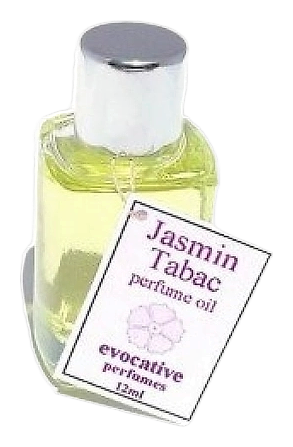
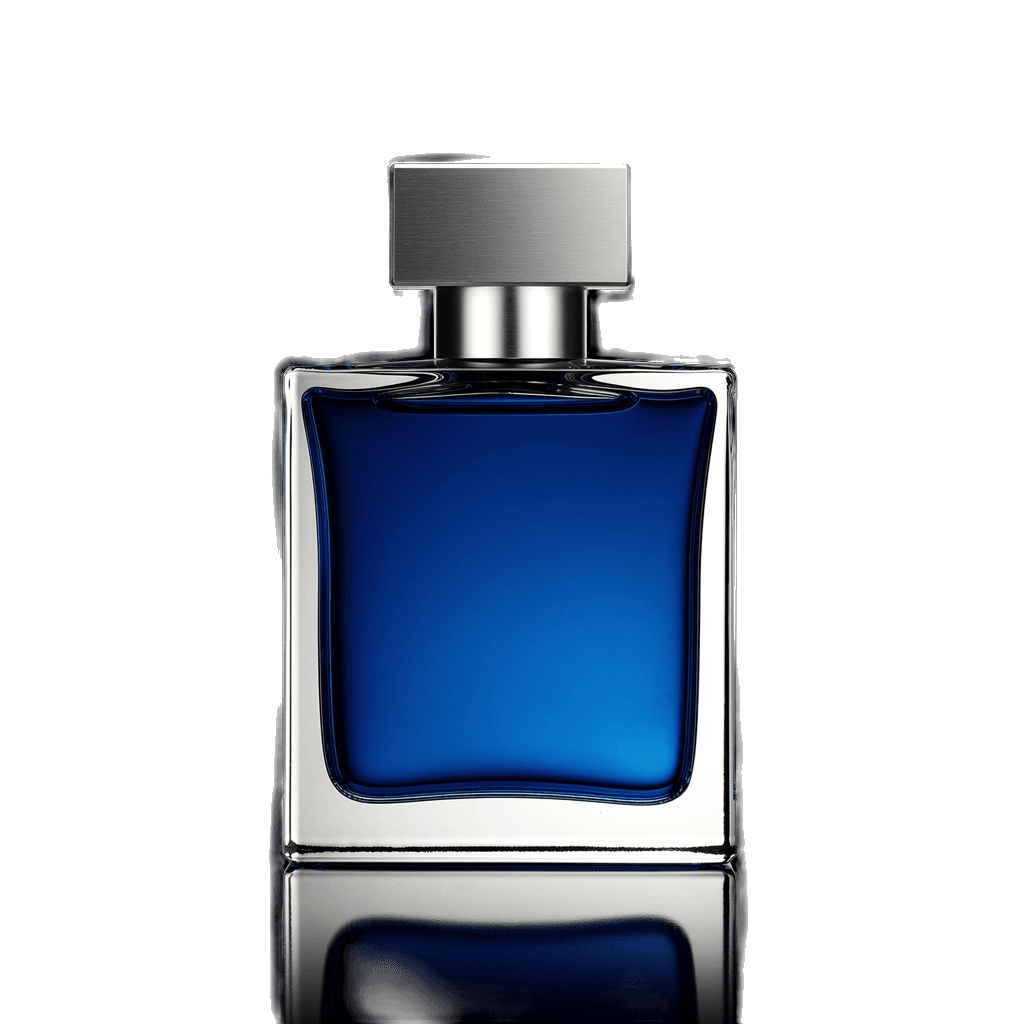
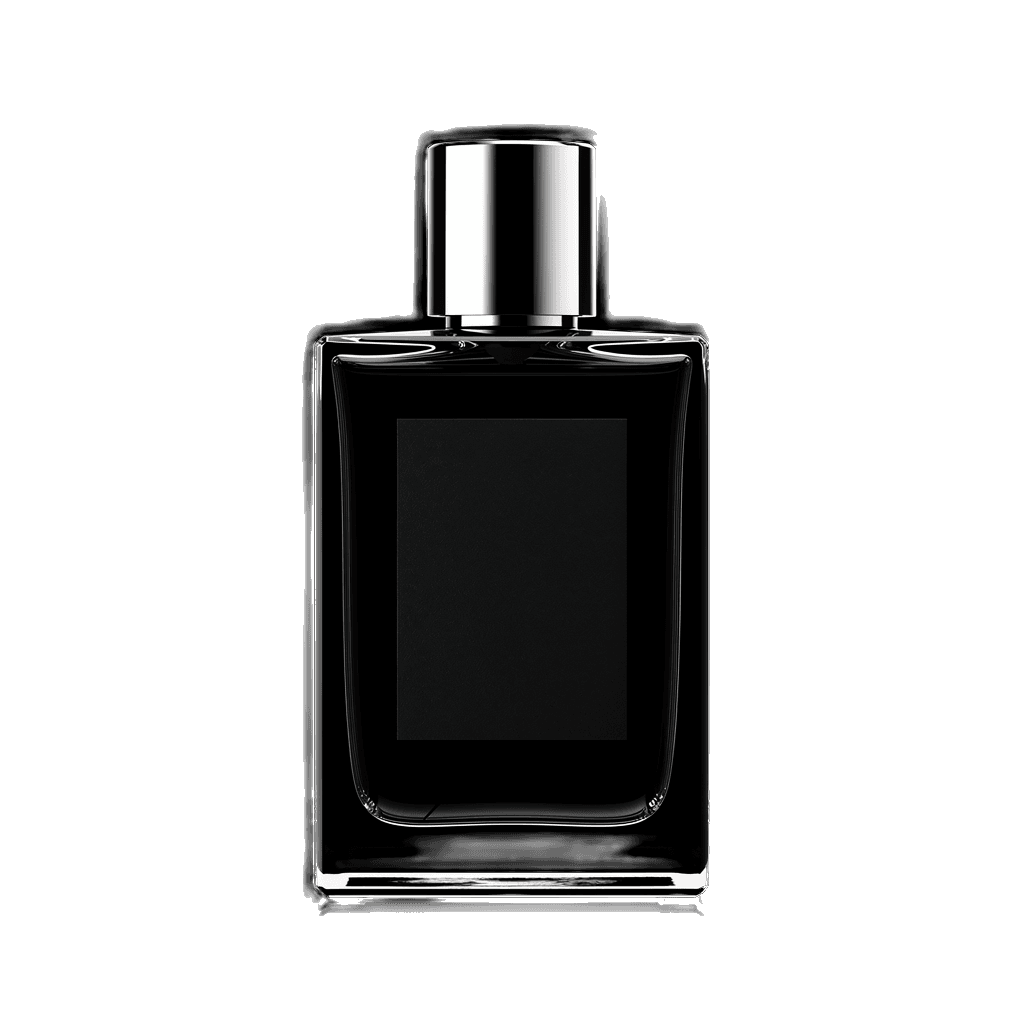
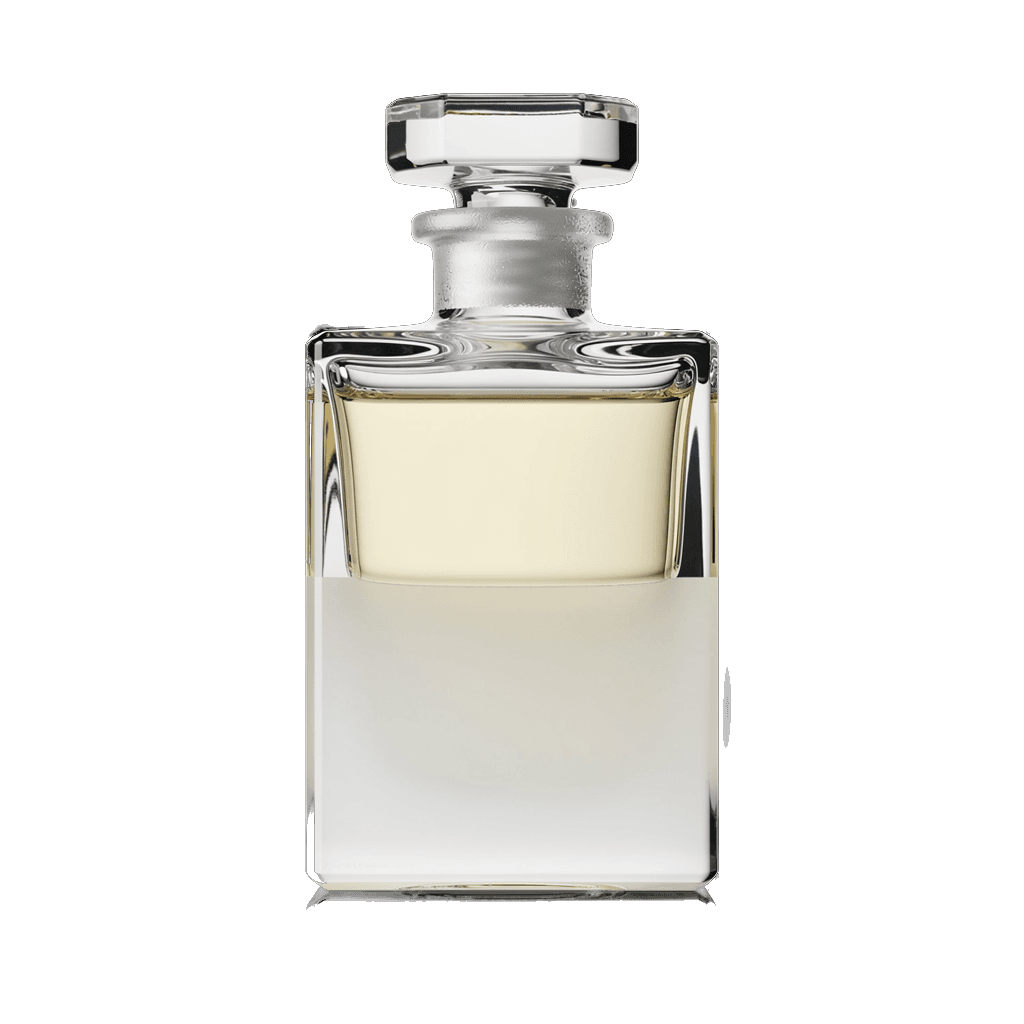
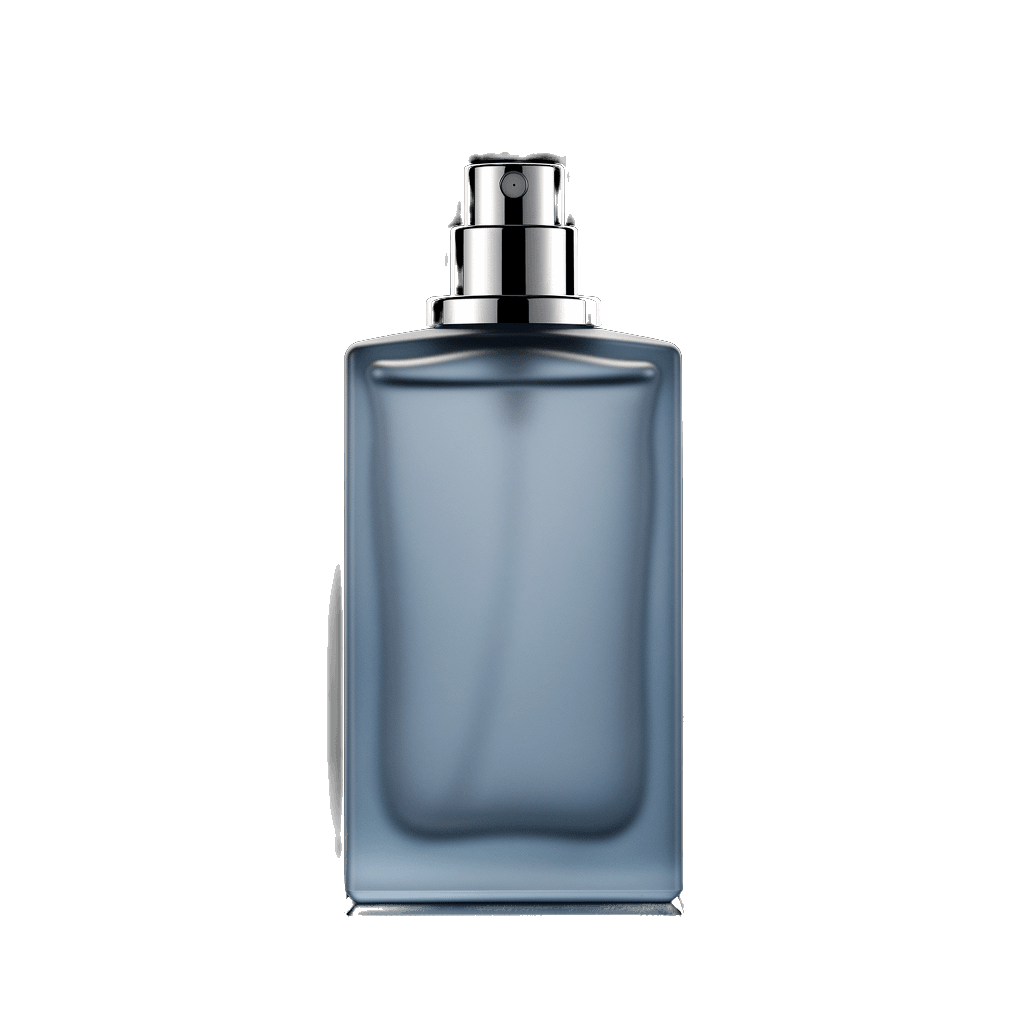
Visually, Evocative Perfumes presents a restrained elegance that mirrors its olfactory intent. The brand’s logo features a simple serif typeface paired with an abstract line drawing of a feather, symbolizing lightness and memory. Bottles are crafted from hand‑blown Murano glass, their silhouettes varying to reflect the character of each scent: slender, tapering forms for airy florals like Imogen, and broader, rounded vessels for richer compositions such as Vanille Tonique. A muted palette of soft greys, warm sand tones and occasional deep emerald accents defines the packaging, allowing the fragrance name to appear in understated gold foil. Inside, each box contains a vellum‑like insert that offers a brief narrative about the scent’s inspiration, written in a tone that feels like a personal letter rather than a marketing blurb. The brand’s visual campaigns often incorporate monochrome photography with subtle grain, focusing on textures such as weathered wood, aged paper or rippling water, reinforcing the theme of time and memory. Social media assets maintain this aesthetic, using clean layouts and minimal copy to let the imagery speak. Seasonal limited editions may introduce a splash of color—such as a deep ruby for a winter release—yet always within the framework of the brand’s overall restrained visual language. This cohesive aesthetic helps the house stand out on boutique shelves, where the combination of tactile glass, subtle color and thoughtful graphic design invites curious hands to explore further.
Philosophy
Evocative Perfumes believes that scent functions as a bridge between past and present, allowing individuals to access memories that are otherwise out of reach. The creative team approaches each project as a narrative exercise, beginning with a written brief that outlines a specific mood, place or personal anecdote. From this seed, perfumers select ingredients that can translate the concept into aroma, balancing transparency with intrigue. The brand values sustainability, sourcing raw materials from certified farms in Grasse, Madagascar and the Balkans, and prioritizing suppliers who practice fair trade and ecological stewardship. Transparency extends to the lab, where formulas are documented in a shared ledger that tracks each component’s origin and batch number. This practice reflects the house’s commitment to accountability and to giving consumers insight into the journey of each ingredient. Innovation, for Evocative Perfumes, means revisiting historic techniques—such as enfleurage and cold‑press extraction—while integrating modern analytical tools that ensure consistency and safety. The house also embraces collaboration, inviting writers, visual artists and musicians to contribute to the storytelling process, resulting in multi‑sensory campaigns that pair scent with soundscapes or limited‑edition prints. Ultimately, the philosophy centers on creating perfumes that act as personal time capsules, encouraging wearers to pause, reflect and connect with the emotions that define their lives.
Key Milestones
2010
Evocative Perfumes founded in Paris by a collective of fragrance enthusiasts.
2012
Launch of Imogen, the brand’s first fragrance, inspired by an English garden.
2014
Release of Olibanum and Siberian Fir, expanding the line with resin and woody notes.
2015
Nirvana and Cologne for Alice debut, marking the house’s most prolific year.
2019
Vanille Tonique and Fetische introduced, showcasing the brand’s exploration of gourmand and leather accords.
2023
Tenth‑anniversary exhibition at Musée du Parfum, featuring original sketches and limited‑edition reinterpretations.
At a Glance
Brand profile snapshot
Origin
France
Founded
2010
Heritage
16
Years active
Collection
1
Fragrances released
Avg Rating
3.7
Community sentiment
Release Rhythm