
The Heritage
The Story of Fenjal
Fenjal is a Swiss‑origin fragrance house that blends classic European sensibility with contemporary flair. The line currently offers thirteen distinct Eau de Parfums, each anchored by the original Miss Fenjal Classic (2010) and expanded through seasonal editions such as Blossom (2017) and Cote d'Azur (2021). While the brand’s scent portfolio feels modern, its roots stretch back to the early twentieth‑century Swiss perfume trade, giving Fenjal a quiet depth that appeals to collectors who value both heritage and fresh expression.
Heritage
The story of Fenjal begins in Zurich, where a small perfume workshop opened its doors in 1926. Over the next decades the business migrated to the nearby town of Dietlikon, gradually expanding its range of personal care products. In 1962 the enterprise was formally incorporated as part of Doetsch Grether AG, a Swiss conglomerate known for its broad cosmetics portfolio. Doetsch Grether’s archives note that the Fenjal name was created to evoke the gentle, fragrant breezes of the Alpine valleys, a motif that still informs the brand’s narrative. The first fragrance bearing the Fenjal label, Miss Fenjal Classic, appeared in 2010 and was credited to Eduard Altenburger, a perfumer whose earlier work included several niche releases for Swiss houses. The launch was modest, targeting regional boutiques rather than mass‑market chains. Building on that foundation, Fenjal introduced a burst of new scents in 2017—Blossom Edition, Touch Of Purple, Summer Dream, In Love, Velvet Orchid, and Floral Fantasy—all released within a single year. This rapid expansion signaled a shift toward a more experimental approach while retaining the brand’s understated elegance. By 2021 the line added Cote d'Azur, La Provence, and Forever Mine, rounding the collection to thirteen fragrances. Throughout this period, Fenjal maintained a distribution network that now reaches over thirty countries, according to trade data from Conaxess. The brand’s evolution reflects a balance between Swiss precision and a willingness to explore new olfactory territories, positioning Fenjal as a quiet but steady presence in the global perfume landscape.
Craftsmanship
Every Fenjal perfume is assembled in a Swiss laboratory that adheres to the strict quality protocols of Doetsch Grether AG. Raw materials arrive after rigorous testing for purity, and each batch is logged in a digital ledger that tracks origin, harvest date, and analytical results. The brand sources natural extracts from established growers in Grasse, the Valais Alps, and the Provençal fields, while also partnering with certified organic farms for niche ingredients such as Tunisian orange blossom. The formulation process follows a tiered approach. First, the perfumer creates a scent sketch using a limited palette of high‑impact notes. Next, a small‑scale pilot batch is produced, allowing the team to evaluate stability, sillage, and longevity under controlled conditions. Only after passing a series of organoleptic and instrumental tests does the fragrance move to full‑scale production. Fenjal’s bottling line employs a semi‑automatic system that minimizes human contact, preserving the integrity of volatile oils. Bottles are sealed with aluminum caps that feature a patented inner liner to prevent oxidation. The brand also offers a refill program in select markets, encouraging consumers to reuse glass vessels and reduce waste. Quality assurance does not end at the factory door. Each finished perfume undergoes a final sensory audit by a panel of trained evaluators who compare the product against the original olfactory brief. Any deviation triggers a recall of the affected batch, ensuring that every bottle that reaches a retailer meets the same exacting standards that have defined Swiss perfumery for nearly a century.
Design Language
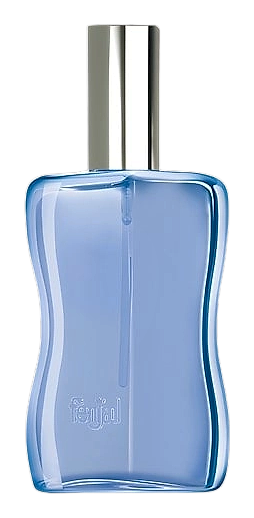
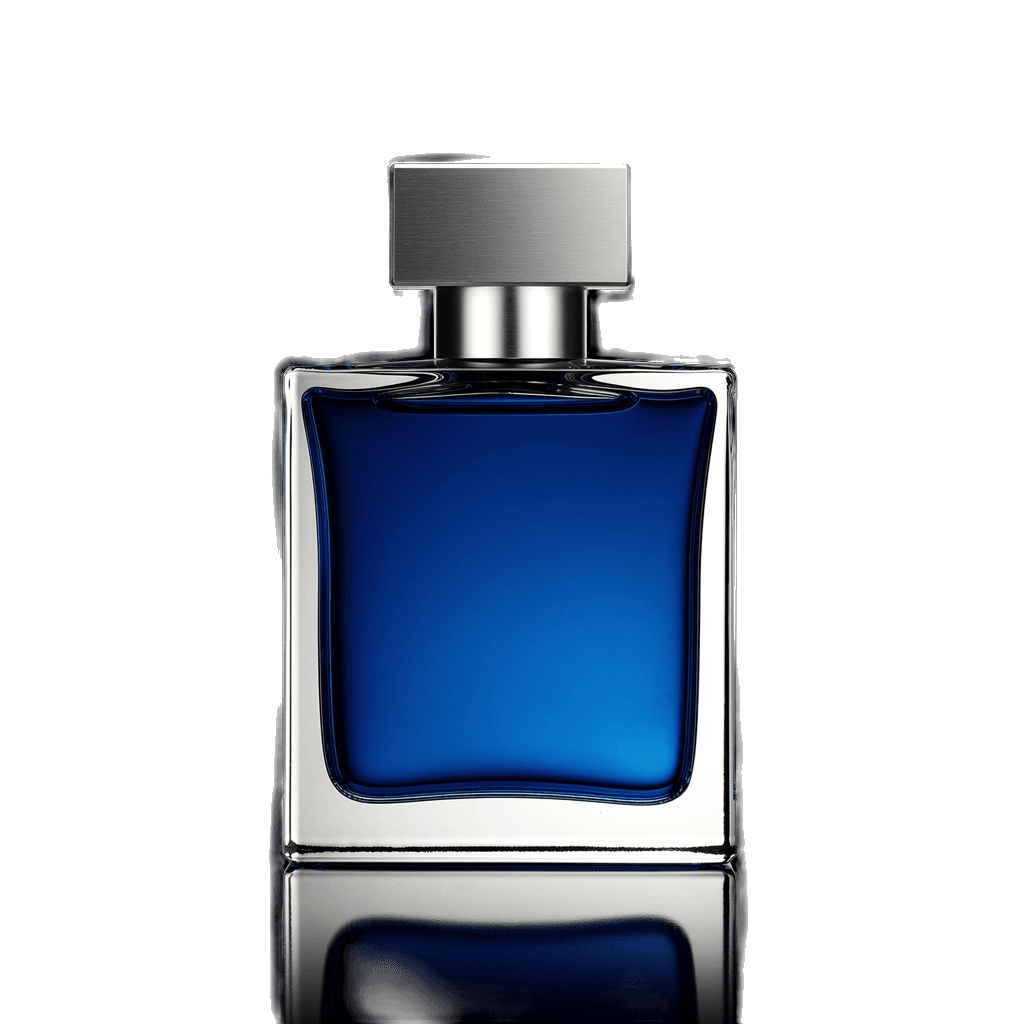
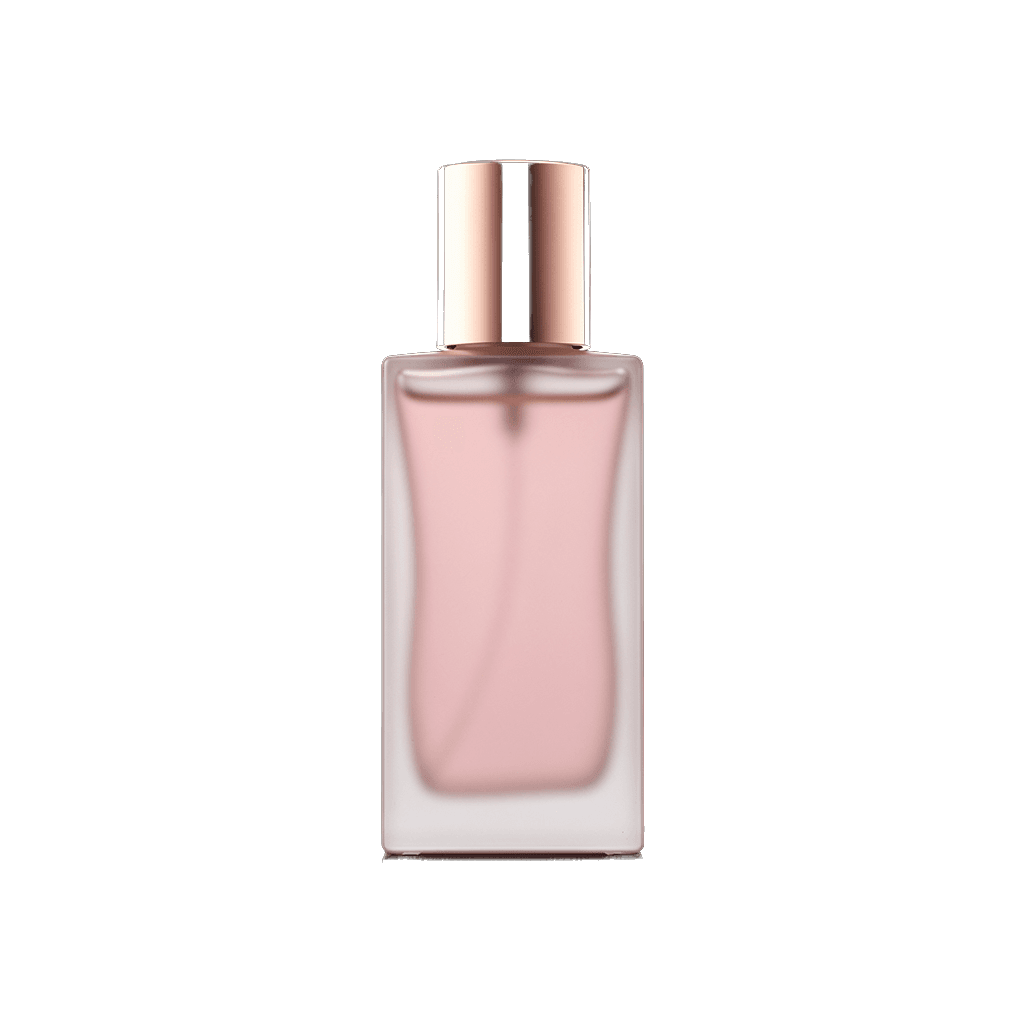
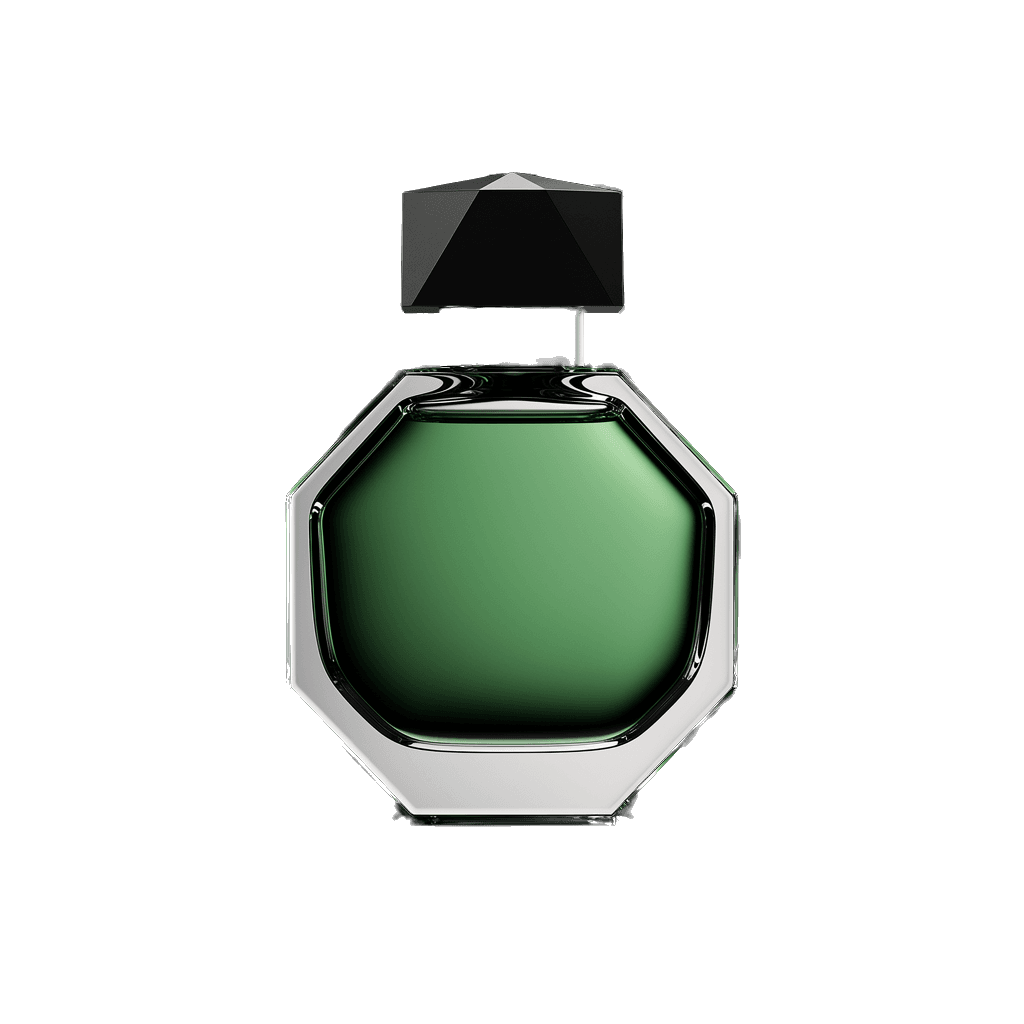
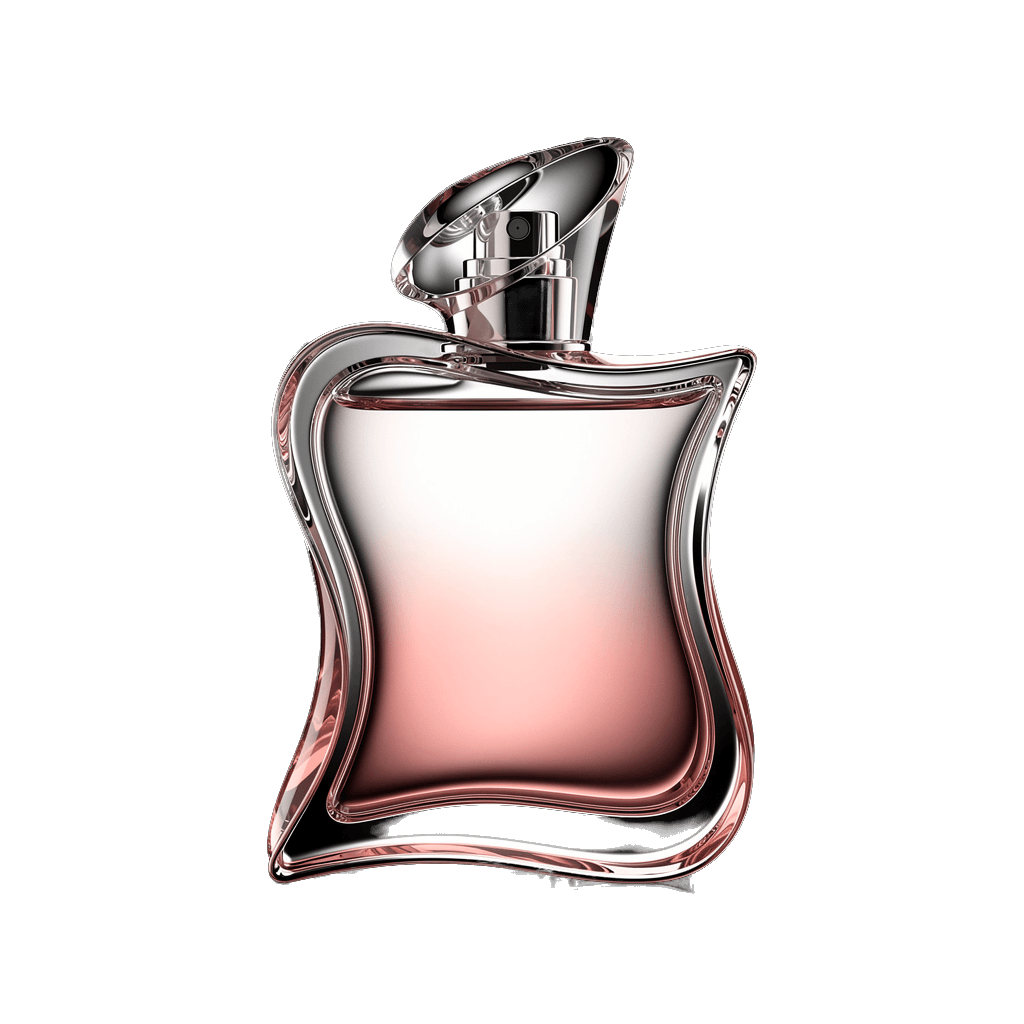
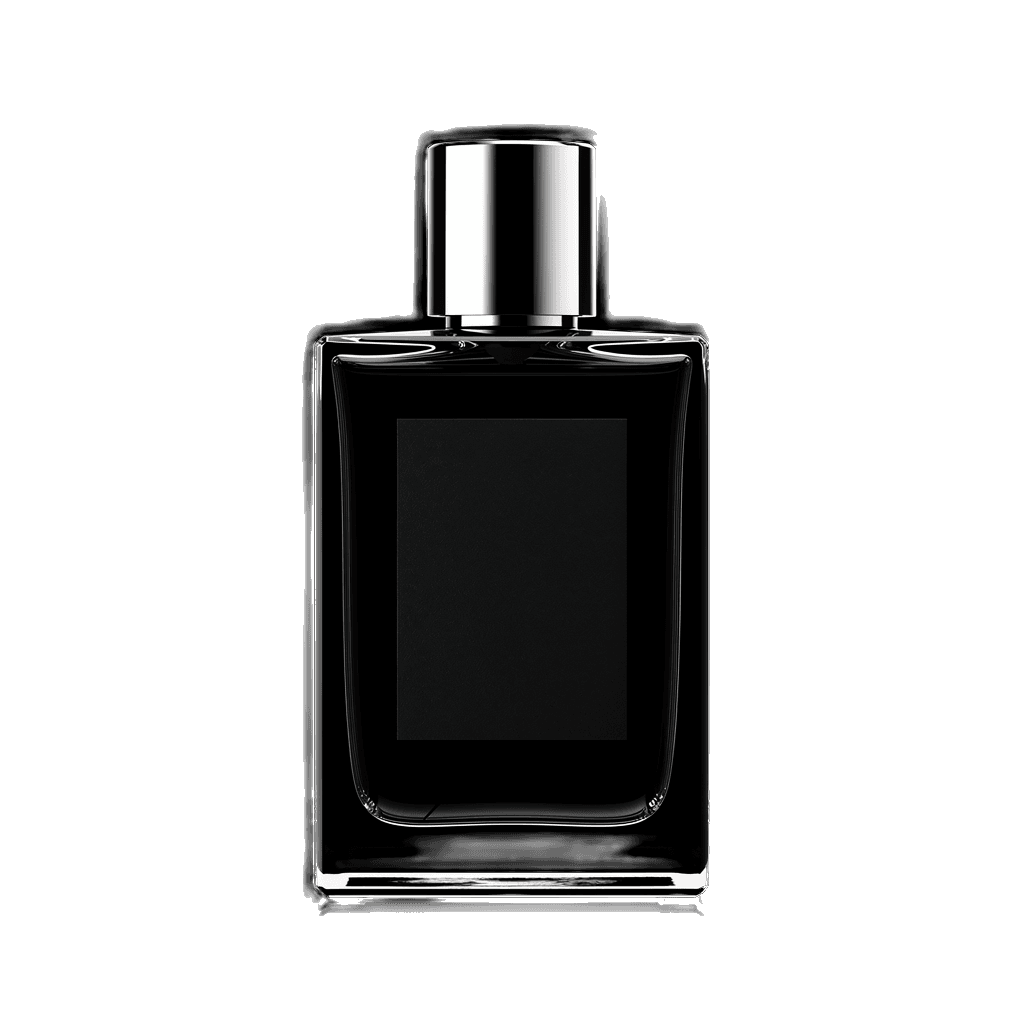
Fenjal’s visual language mirrors its olfactory restraint. Bottles are cut from clear, high‑grade glass with clean, rectangular silhouettes that evoke Swiss precision. The brand’s signature color palette—soft ivory, muted teal, and occasional pastel accents—appears on both the label and the accompanying packaging, creating a cohesive look across the entire line. Typography is set in a modern sans‑serif typeface, spaced generously to convey calmness and readability. Caps are finished in brushed aluminum, providing a tactile contrast to the smooth glass while reinforcing the brand’s commitment to durability. For limited editions, Fenjal introduces subtle variations, such as a thin gold band for the Cote d'Azur edition or a delicate violet hue for Touch Of Purple, yet the core design language remains instantly recognizable. Retail displays follow the same minimalist ethos: wooden trays with clean lines, soft ambient lighting, and scent strips presented in slim, recyclable holders. This understated presentation invites the shopper to focus on the fragrance itself rather than on flashy marketing. The overall aesthetic positions Fenjal as a refined, approachable luxury—one that feels at home on a vanity as much as on a travel‑size mirror.
Philosophy
Fenjal’s creative vision rests on the idea that scent should echo everyday moments rather than chase fleeting trends. The house emphasizes authenticity, letting each ingredient speak for itself before it is woven into a composition. This philosophy translates into a commitment to transparency: ingredient lists are published on the brand’s website, and sourcing partners are disclosed whenever possible. Sustainability also guides Fenjal’s decisions. The company prefers suppliers who practice responsible farming, especially for botanicals such as Bulgarian rose and French lavender. When a raw material cannot meet ethical standards, Fenjal opts for a synthetic analogue that matches the natural note without compromising ecological integrity. In the studio, the brand encourages collaboration between perfumers and designers, believing that a fragrance’s story begins as soon as the bottle is sketched. This interdisciplinary mindset fosters a cohesive narrative where scent, visual identity, and tactile experience reinforce each other. Fenjal therefore aims to create perfumes that feel like personal souvenirs—intimate, memorable, and rooted in a sense of place.
Key Milestones
1926
A small perfume workshop opens in Zurich, laying the groundwork for what would become the Fenjal brand.
1962
Doetsch Grether AG incorporates the business, formalizing the Fenjal name within its cosmetics portfolio.
2010
Miss Fenjal Classic launches, marking the first fragrance released under the Fenjal label.
2017
A prolific year sees the introduction of six new editions, including Blossom, Touch Of Purple, Summer Dream, In Love, Velvet Orchid, and Floral Fantasy.
2021
Fenjal expands its collection with Cote d'Azur, La Provence, and Forever Mine, bringing the total to thirteen scents.
At a Glance
Brand profile snapshot
Origin
Switzerland
Founded
1962
Heritage
64
Years active
Collection
1
Fragrances released
Avg Rating
3.3
Community sentiment
Release Rhythm