The Heritage
The Story of Florian Pontier
Florian Pontier is a French niche perfume house that treats scent as a narrative device. Each fragrance unfolds a story drawn from travel, memory, and personal experience. The brand releases limited‑edition bottles that double as decorative objects, inviting collectors to display them as part of a curated interior. With a focus on bold compositions and unexpected pairings, the house appeals to scent enthusiasts who value originality over trend.
Heritage
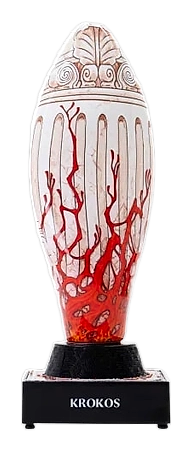
Florian Pontier grew up in a family linked to the French perfume industry, learning the basics of formulation and raw material selection from an early age. He later pursued design studies, which informed his later emphasis on visual presentation. In 2024 (reported by several niche‑fragrance blogs) he launched a brand that bears his name, positioning it as a laboratory for memory‑driven olfactory experiments. The first public showing occurred at the Esxence trade fair in Milan in 2025, where the house presented a debut collection that included La Sarrapia, Krokos, Havana, Cefalù, Tehani, Jabal Shams, and Flo'97. Critics noted the collection’s geographic breadth, ranging from Mediterranean coastlines to high‑altitude deserts. Throughout 2025 the brand released each scent in a staggered schedule, allowing press and consumers to explore each narrative individually. In early 2026 the house introduced Ubuntu, a fragrance that references African communal values and uses sustainably sourced ingredients. By mid‑2026 Florian Pontier partnered with a Parisian glass atelier to craft bottles that feature hand‑blown textures, reinforcing the brand’s commitment to tactile artistry. The house continues to expand its portfolio while maintaining a small‑batch production model that limits annual output to preserve exclusivity.
Craftsmanship
Production at Florian Pontier follows a small‑batch model that blends traditional French perfumery techniques with modern analytical tools. Raw materials are sourced from vetted farms and cooperatives; for example, the saffron used in La Sarrapia arrives from a cooperative in Iran that practices organic cultivation, while the sandalwood in Krokos originates from sustainable plantations in India. The house works with independent suppliers who provide certificates of origin and ecological compliance. Formulation takes place in a Paris studio where the founder collaborates with freelance noses, testing each accord on blotter strips before moving to skin trials. Once a formula is approved, the blend is macerated in stainless‑steel vats for a period ranging from two weeks to three months, depending on the fragrance’s structure. Quality control includes gas‑chromatography analysis to verify the concentration of key aroma chemicals and ensure batch consistency. Bottles are hand‑blown by a Parisian glassmaker who applies a matte finish to reduce glare and highlight the perfume’s color. Caps are machined from brass and hand‑polished, then assembled in a workshop that employs a team of five artisans. Each finished perfume is sealed with a wax stamp bearing the brand’s monogram, a step that adds a tactile seal of authenticity.
Design Language
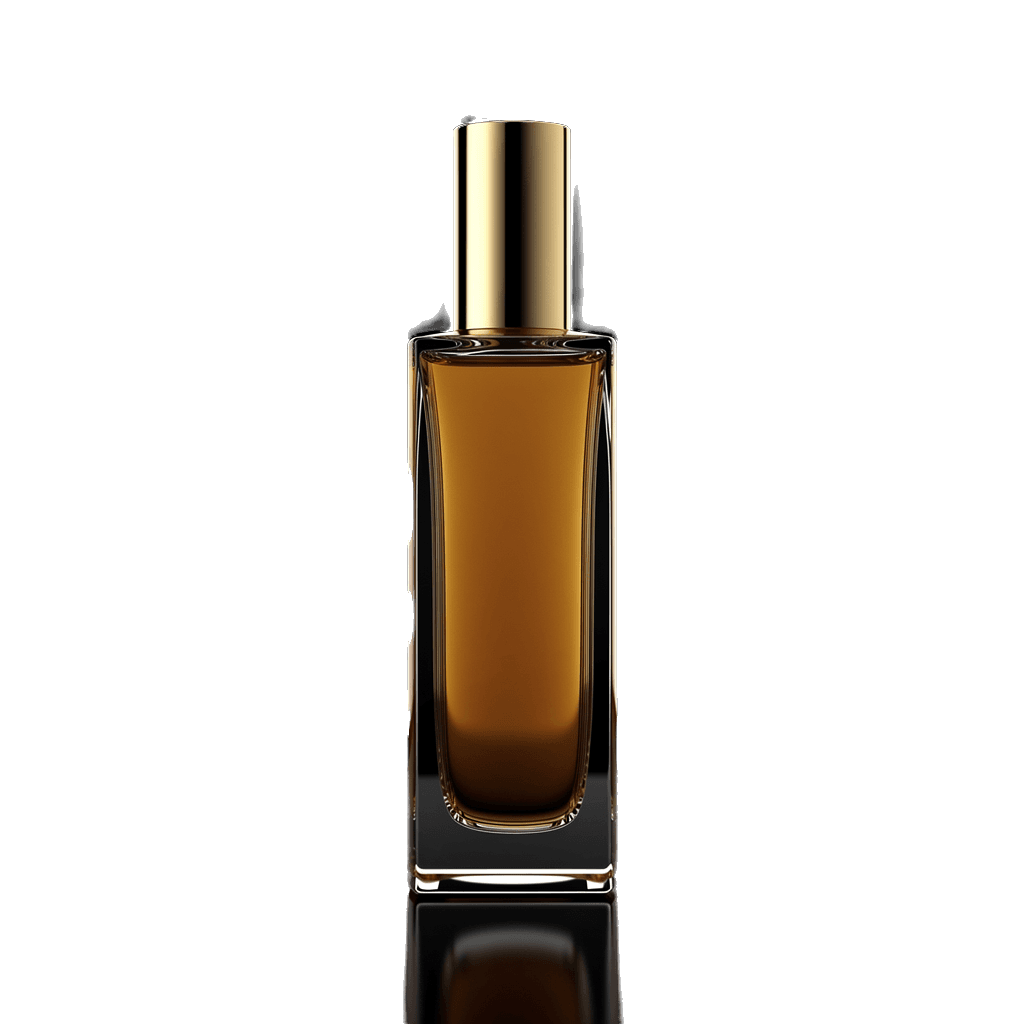
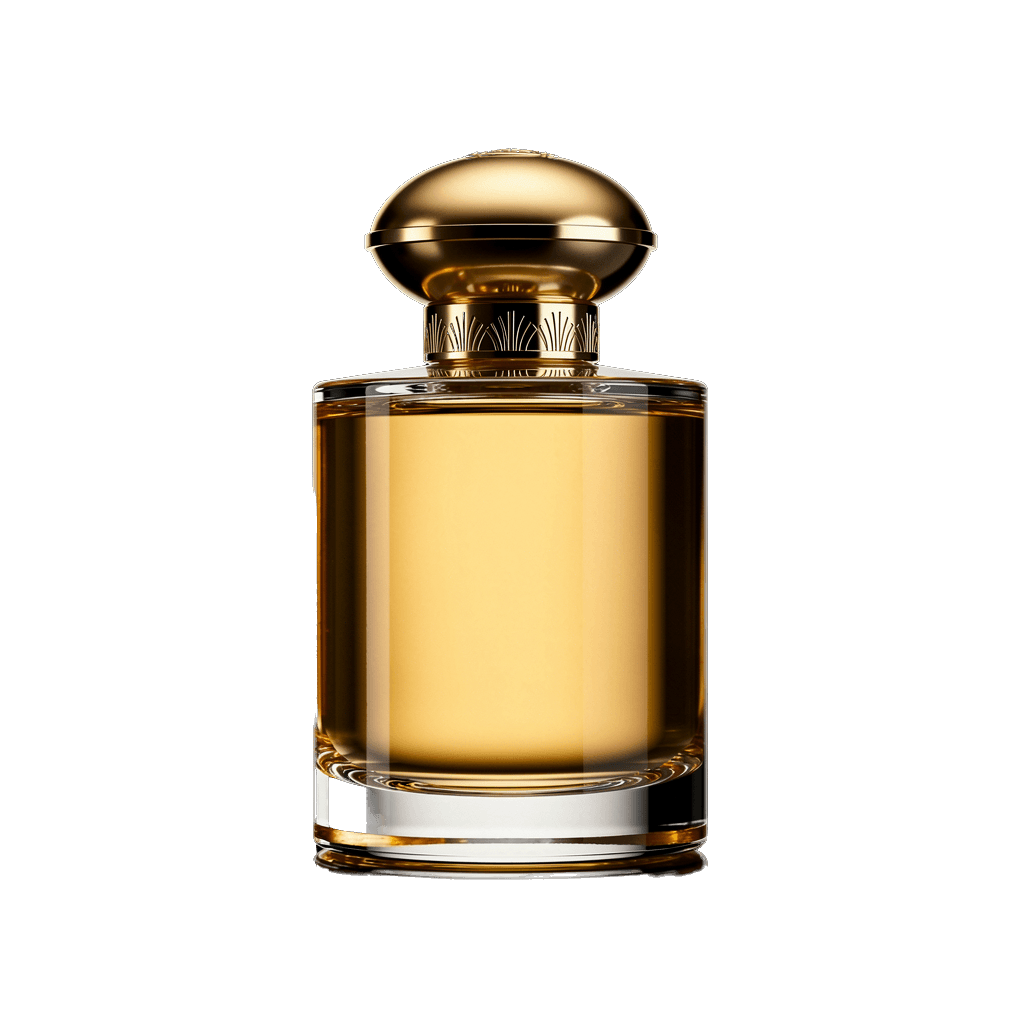
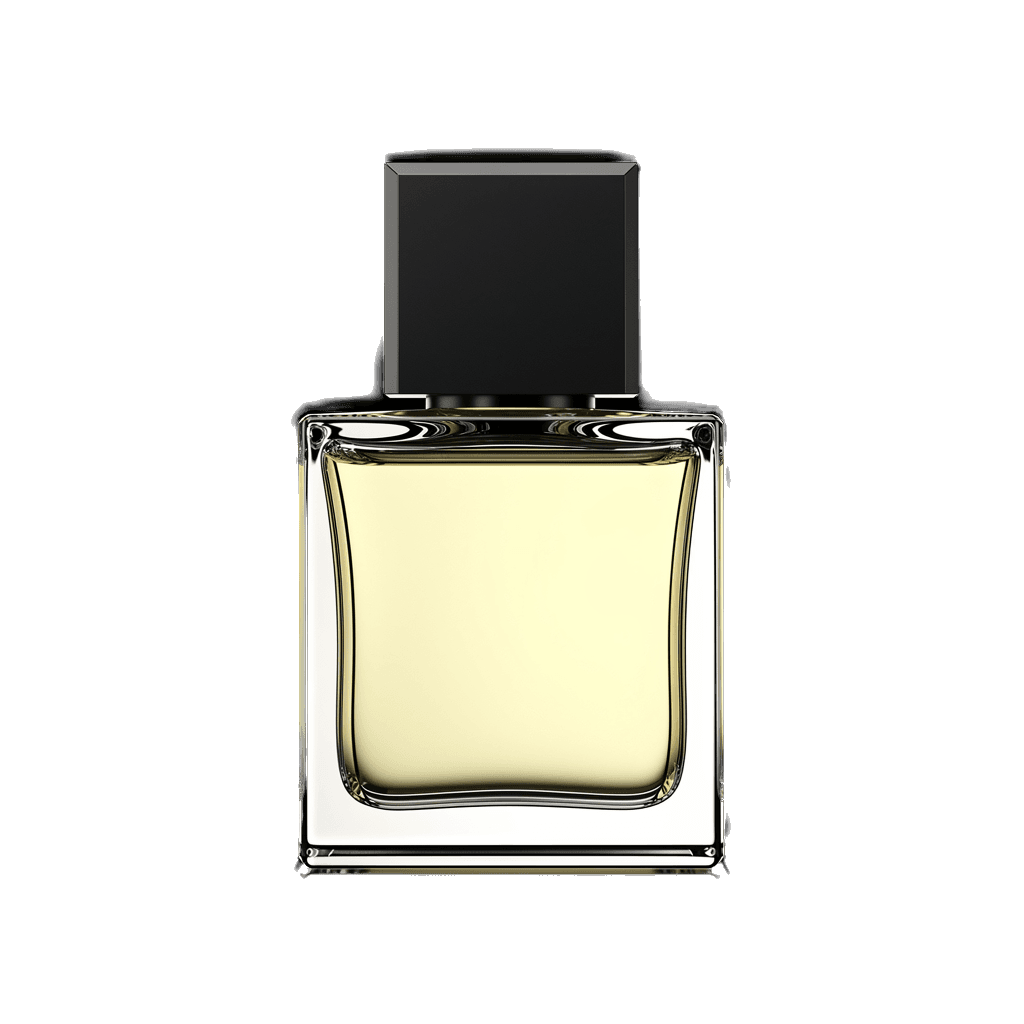
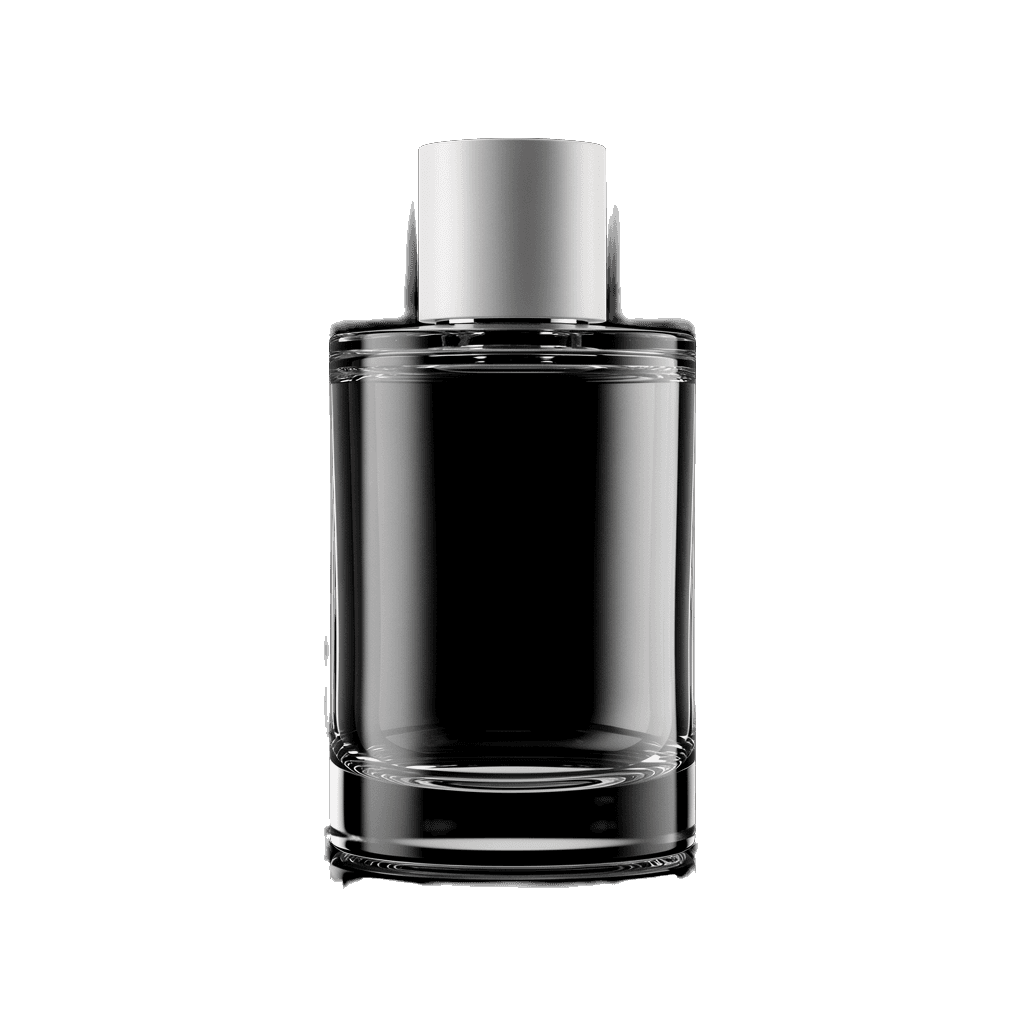
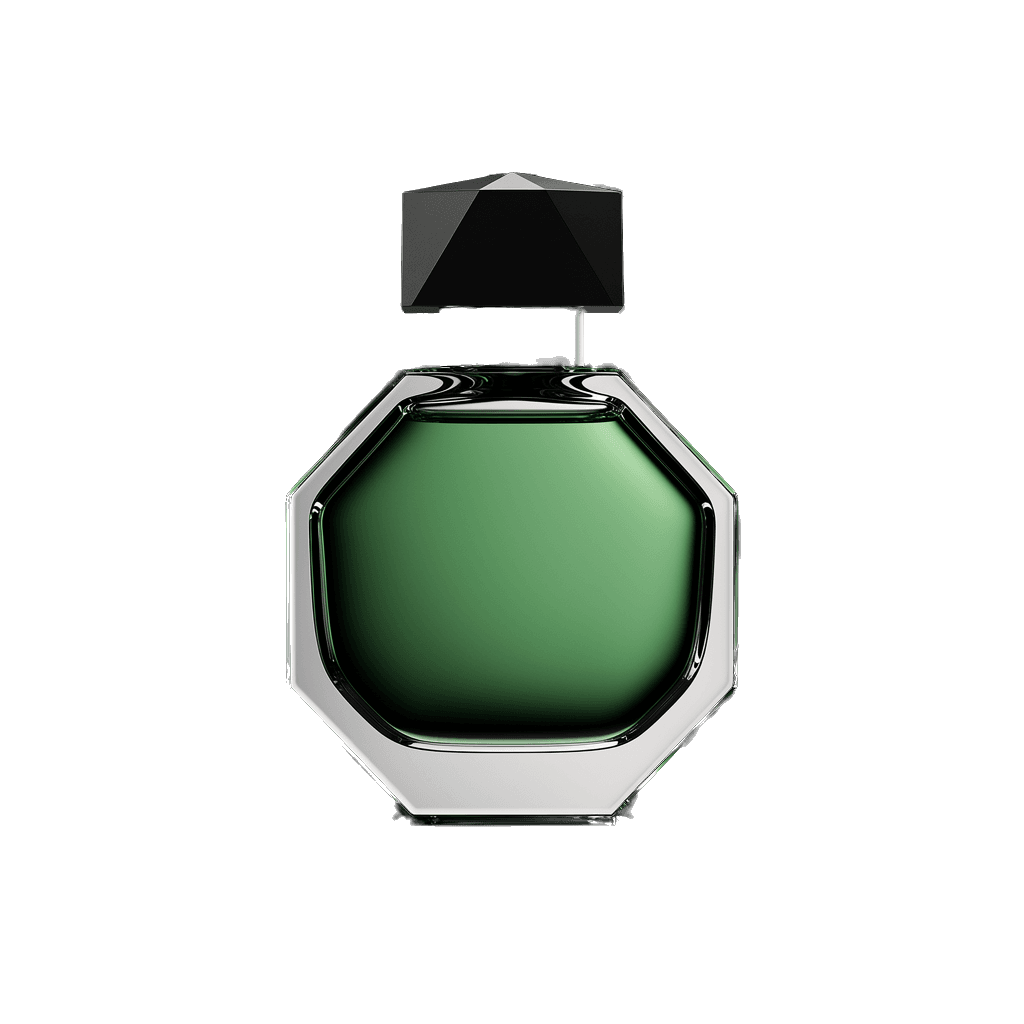
Visually, Florian Pontier adopts a minimalist yet sculptural language. Bottles feature clean lines, soft curves, and a muted palette of frosted glass that lets the perfume’s hue emerge subtly. Labels are printed on thick, uncoated paper with black serif typography, echoing classic French publishing design. The brand’s visual campaigns favor monochrome photography that captures the scent’s mood rather than literal representations of ingredients. In store displays, the bottles sit on reclaimed wood plinths, reinforcing the house’s respect for natural materials. The website mirrors this aesthetic with ample white space, high‑resolution product shots, and concise copy that reads like a museum label. Packaging includes a reusable inner box made from recycled cardboard, which can be repurposed as a storage case for the bottle, encouraging a sustainable relationship between the consumer and the product.
Philosophy
The creative vision at Florian Pontier rests on three pillars: memory, contrast, and craftsmanship. The founder describes scent as a passport that transports the wearer to a specific moment or place, a concept that guides each brief. Rather than following seasonal trends, the house seeks to juxtapose familiar notes with surprising accents, such as pairing citrus with smoked wood or sweet almond with mineral salt. This contrast aims to provoke curiosity and encourage personal interpretation. Values include transparency in ingredient sourcing, respect for the environments that inspire each composition, and a dedication to artisanal production. The brand also embraces a modest, almost academic approach to marketing, preferring editorial features and curated events over mass advertising. By limiting distribution to select boutiques and the Silloria platform, Florian Pontier maintains direct dialogue with its audience, gathering feedback that informs future releases.
Key Milestones
2024
Florian Pontier launches his eponymous perfume house in Paris, announcing a focus on memory‑driven compositions.
2025
Debut collection presented at Esxence Milan, introducing La Sarrapia, Krokos, Havana, Cefalù, Tehani, Jabal Shams, and Flo'97.
2025
Individual releases of the debut scents stagger throughout the year, each accompanied by a limited‑edition bottle design.
2026
Ubuntu released, marking the brand’s first fragrance inspired by African communal concepts.
2026
Collaboration with a Parisian glass atelier begins, resulting in hand‑blown bottles with matte finishes for the 2027 line.
At a Glance
Brand profile snapshot
Origin
France
Collection
1
Fragrances released
Avg Rating
4.3
Community sentiment
Release Rhythm