The Heritage
The Story of Frapin
Frapin translates centuries of French terroir into scent. Originating in the Grande Champagne region of southwest France, the family‑run house first distilled cognac in 1270 and later turned its cellar expertise toward perfume. Since the early 2000s the brand has released a line of niche fragrances that echo the richness of its spirits, using cognac‑aged bases, natural aromatics, and restrained bottle design. Today the collection includes L’Humaniste, 1270, Bonne Chauffe and several limited editions, each positioned as a quiet homage to the house’s heritage.
Heritage
The Frapin story begins in 1270, when a winemaking family settled on the chalky soils of Grande Champagne. Over generations they shifted from grape cultivation to distillation, creating cognac that earned a reputation for depth and elegance. By the eighteenth century the house owned extensive vineyards and began exporting its spirit across Europe, a practice that continued through the world wars and into the modern era. In the twenty‑first century the family sought a new expression for its legacy. A chance meeting with perfumer David Frossard sparked the launch of a fragrance line in 2002, the first scent named 1270 after the founding year. The debut signaled a rare crossover: a cognac house applying its barrel‑aging expertise to perfume composition. Subsequent releases such as Caravelle Epicee (2007), L’Humaniste (2009) and The Orchid Man (2015) expanded the portfolio while retaining the house’s focus on terroir. Limited editions like 1697, crafted by Bertrand Duchaufour, reinforced the narrative of heritage meeting contemporary olfactory art. Today, more than seven centuries after its inception, Frapin remains a family‑owned enterprise, managing over three hundred hectares of vineyards and producing both world‑renowned cognac and a curated fragrance collection that reflects the same commitment to place and craft.
Craftsmanship
Every Frapin fragrance begins in the family’s own vineyards, where Chardonnay grapes grow on limestone subsoil. The grapes are pressed and fermented into wine, which the house then distills twice in copper pot stills to produce a clear eau‑de‑vie. This spirit rests in oak barrels for several years, developing the nutty, vanilla‑tinged backbone that later appears in perfume. When a new scent is conceived, the perfumer works with the cellar master to select a barrel that matches the intended mood. The chosen cognac is blended with natural essential oils, absolutes and extracts sourced from regions such as Grasse, Madagascar and the Himalayas. All ingredients are tested for purity; the house favors organic or biodynamic growers when available. Blending occurs in small batches, allowing the creator to adjust the balance while the mixture rests, mirroring the aging process of cognac. Once the formula reaches its target, the perfume is filtered, decanted into hand‑blown amber glass, and sealed with a cork that bears the family crest. Quality control includes sensory evaluation by both cellar staff and perfumers, ensuring that the final product reflects the house’s standards for depth, harmony and longevity.
Design Language
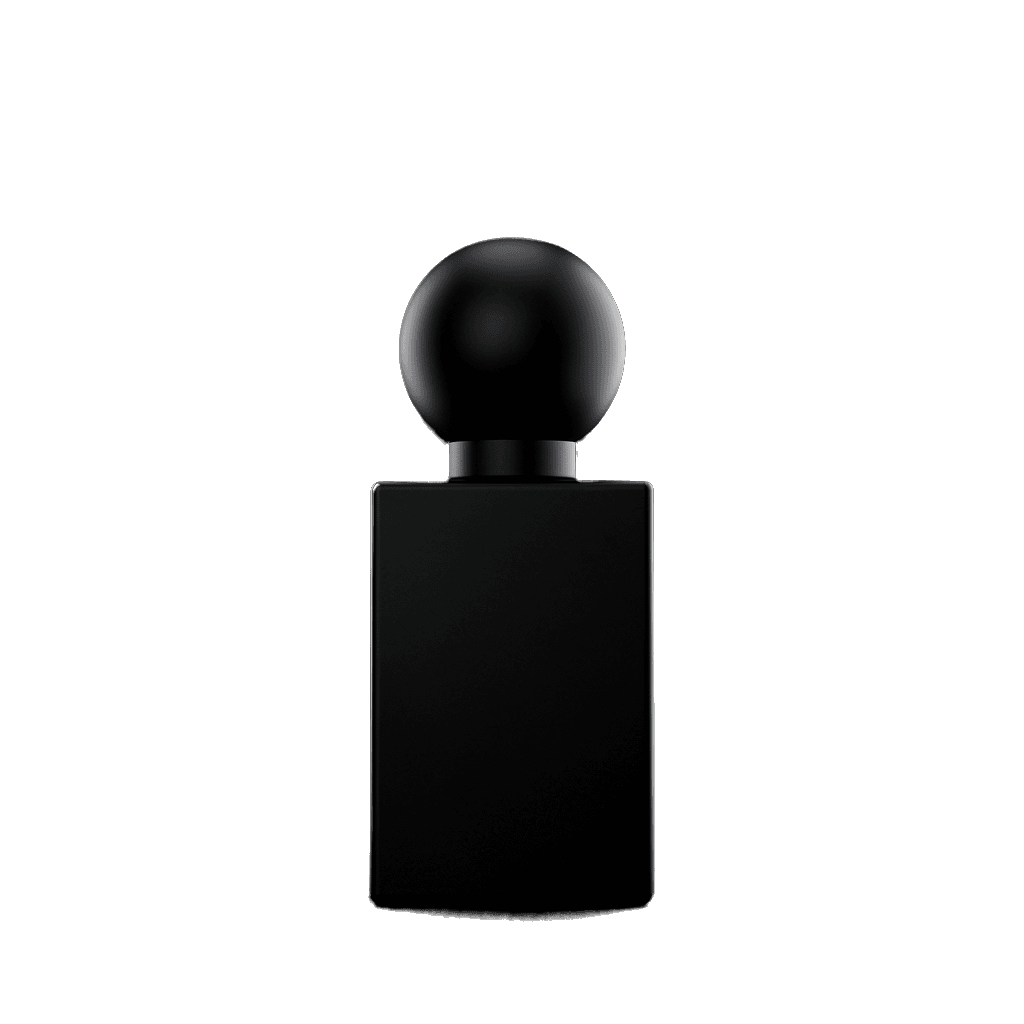
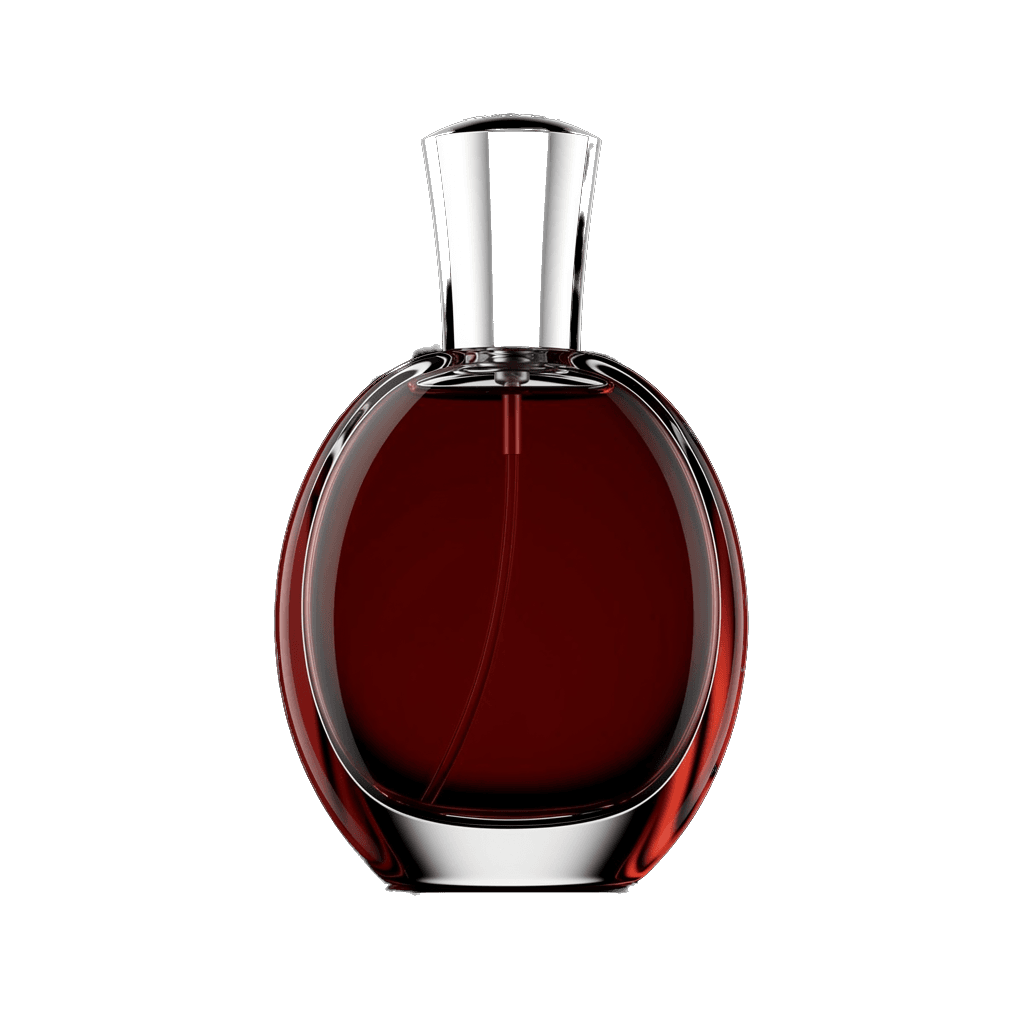
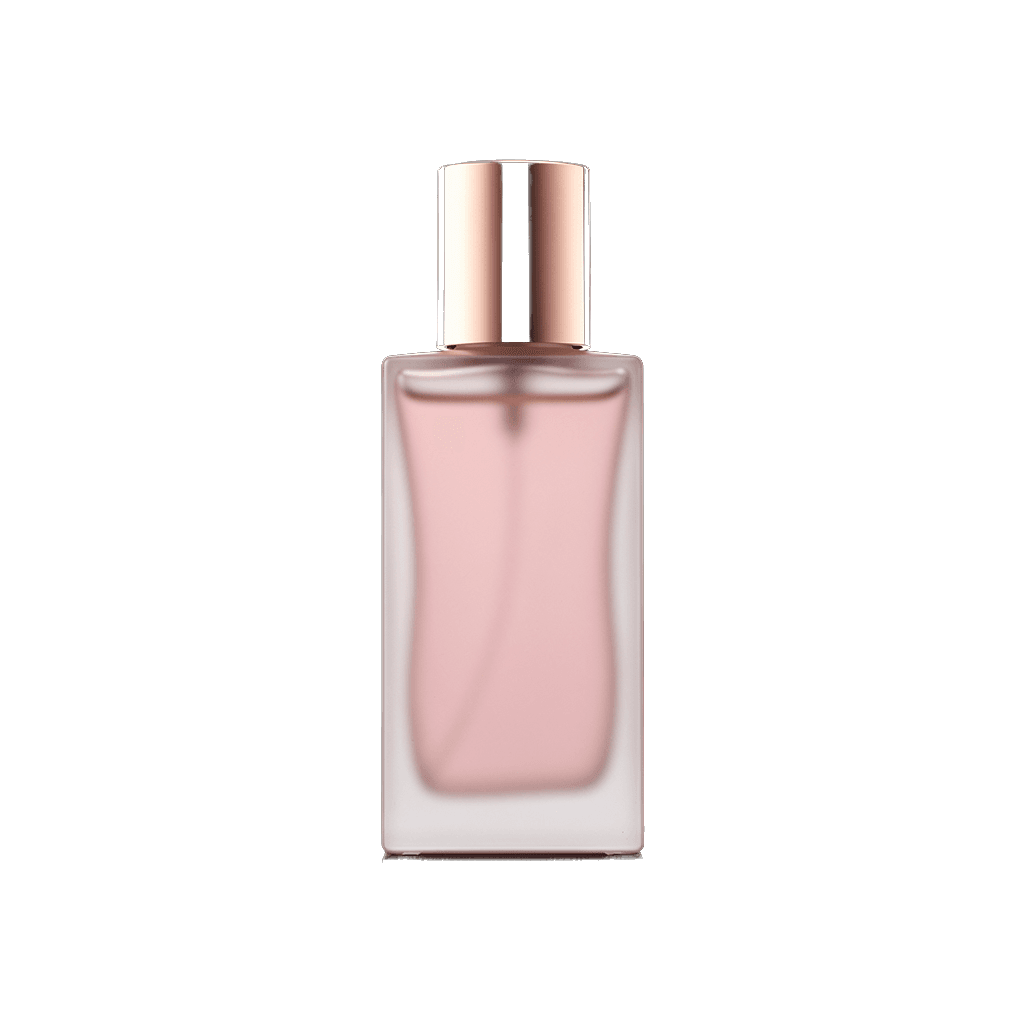
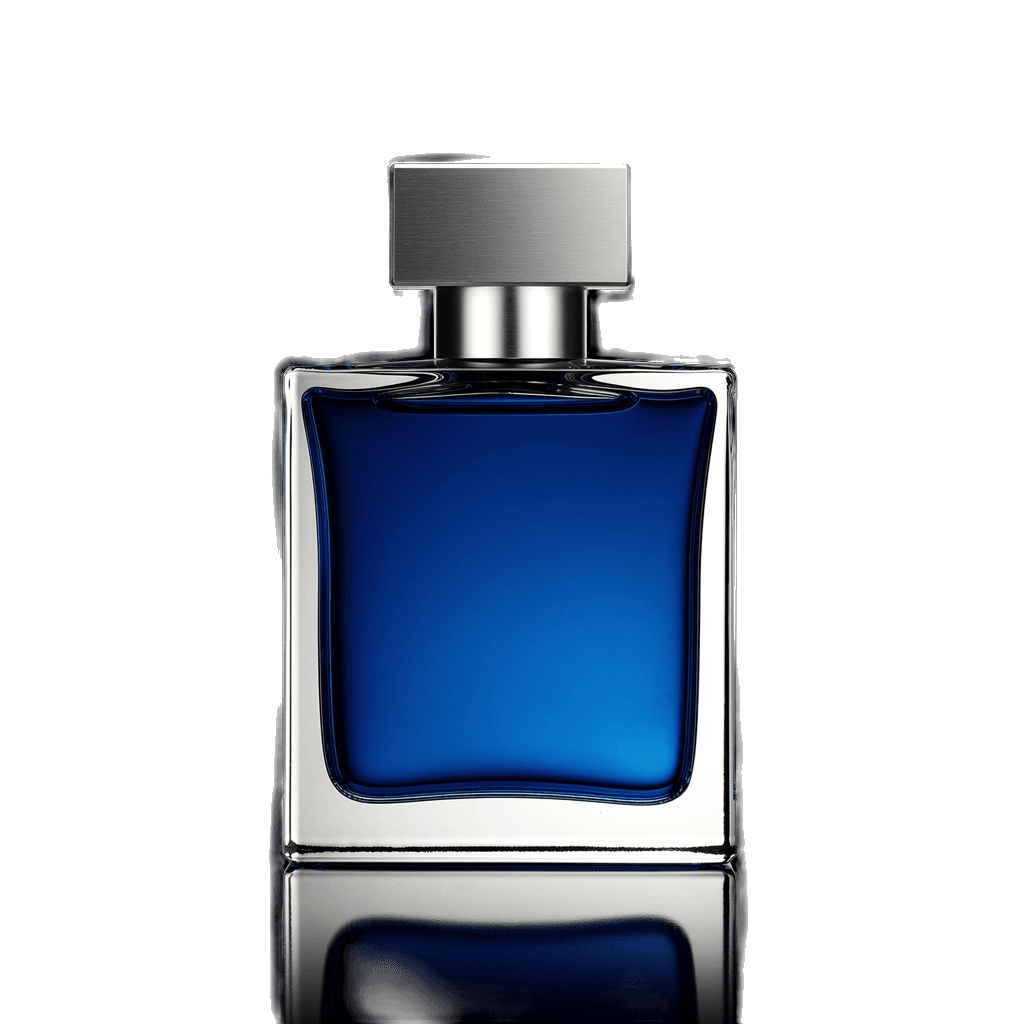
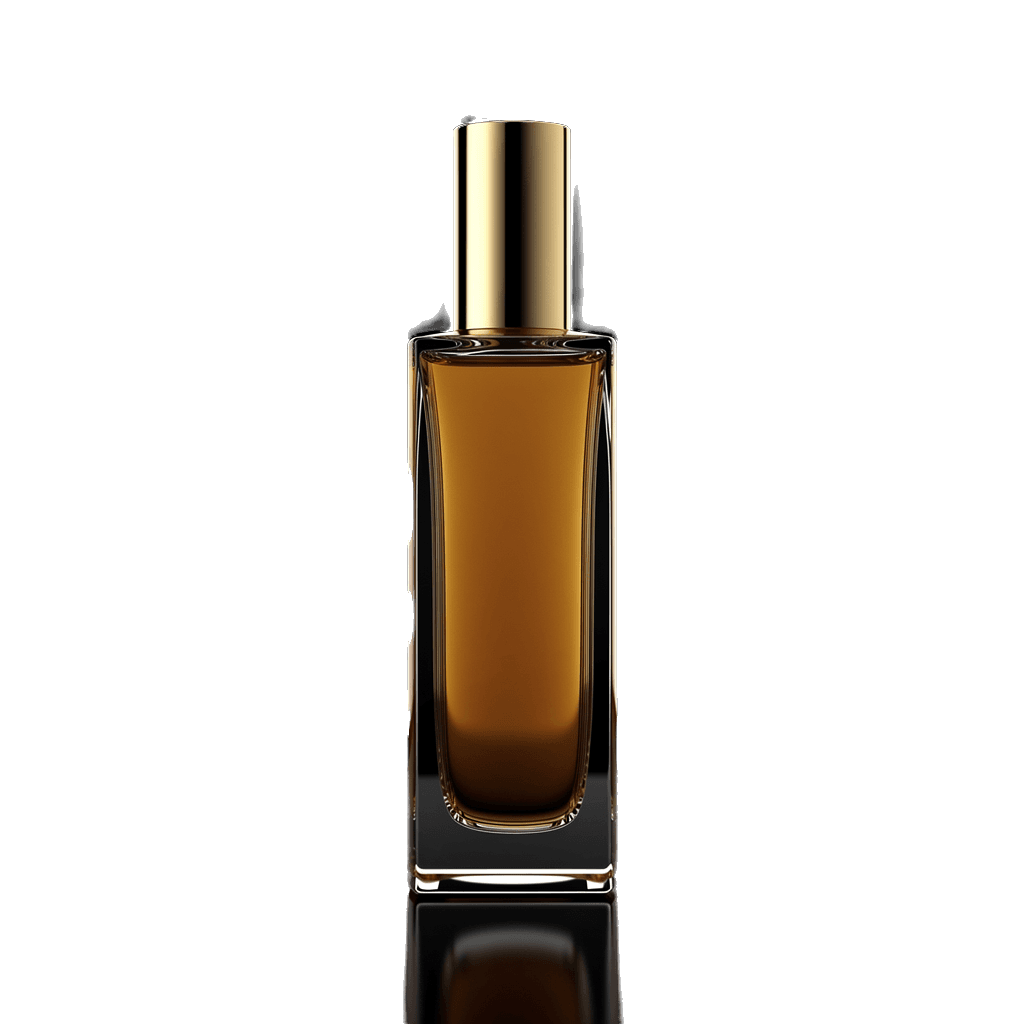
Frapin’s visual language echoes the elegance of its spirit bottles. The perfume flacon is typically a squat, amber‑tinted glass that hints at the golden hue of cognac. A simple metal cap, often brushed steel or matte gold, tops the bottle, while the label features the historic Frapin crest in understated ink. Typography remains clean, using a classic serif font that conveys heritage without ornamentation. Packaging boxes employ thick, textured paper in muted earth tones, sometimes accented with a single strip of gold foil that mirrors the copper of the distillation stills. The overall design avoids flashy trends, instead presenting a quiet confidence that aligns with the brand’s emphasis on terroir and craftsmanship. Promotional imagery frequently shows the vineyards, oak barrels, and the stone cellars of the Grande Champagne estate, reinforcing the connection between place and scent.
Philosophy
Frapin treats scent as an extension of the land. The house believes that the same chalky soil that nurtures its grapes also shapes the character of its spirits, and that those qualities can be captured in perfume. Each fragrance starts with a base of cognac eau‑de‑vie, aged in oak barrels that have previously held the house’s own brandy. This practice grounds the scent in a tangible piece of history. The brand values restraint, preferring subtle evolution over overt flash. It sources raw materials from growers who share a respect for sustainable practices, and it avoids synthetic shortcuts whenever possible. By aligning perfume creation with the rhythms of the vineyard—harvest, distillation, aging—Frapin aims to offer a sensory narrative that mirrors the French concept of "art de vivre". The house also embraces collaboration, inviting perfumers such as Sidonie Lancesseur and Bertrand Duchaufour to interpret its heritage through their own creative lenses, while maintaining a clear editorial direction rooted in authenticity.
Key Milestones
1270
Founding of the Frapin family estate in Grande Champagne, beginning wine cultivation and later distillation.
2002
Launch of the Frapin perfume line with the inaugural fragrance 1270, created by Sidonie Lancesseur.
2007
Release of Caravelle Epicee, expanding the house’s olfactory portfolio.
2009
Introduction of L’Humaniste, a fragrance that highlights the brand’s focus on natural aromatics.
2015
The Orchid Man debuts, showcasing a collaboration with perfumer R.K. and a more floral direction.
2022
1270 Extrême arrives, offering a richer, barrel‑aged reinterpretation of the original scent.
At a Glance
Brand profile snapshot
Origin
France
Founded
1270
Heritage
756
Years active
Collection
1
Fragrances released
Avg Rating
4.1
Community sentiment
Release Rhythm