The Heritage
The Story of Frederic Haldimann
Frederic Haldimann is a niche fragrance house that emerged in the early 2000s with a modest catalogue of artisanal scents. The brand offers a range of compositions that blend classic olfactory families with subtle twists, targeting collectors who value quiet elegance over flash. Its portfolio includes numbered releases such as Frederic No. 3 (2006) and seasonal impressions like Impressions de Soleil (2004).
Heritage
The label traces its origins to 2003, when the first fragrance bearing the designer's name appeared in European specialty shops. Over the next decade the house expanded to 23 distinct creations, as documented by fragrance databases that record releases through 2013. Early releases, including Impressions de Paris (2003) and Impressions de Soleil (2004), positioned the brand within the emerging “impression” series, a concept that paired a location or mood with a scent narrative. In 2005 the house introduced Mon Amour, a floral‑oriental blend that received modest coverage in niche perfume forums. The numbered series—Frederic No. 3 (2006), Frederic No. 4 (2007) and the eponymous Frederic (2008)—demonstrated a willingness to revisit core ingredients while adjusting structure. By 2010 the brand had begun to experiment with limited‑edition seasonal scents such as Impressions d’Été (2006) and Impressions d’Élégance, reinforcing a pattern of annual thematic releases. The final recorded launch, a 2013 composition, closed a ten‑year production window that remains the most documented period of activity for the house. Throughout its lifespan the brand maintained a low‑profile distribution model, selling primarily through boutique perfumeries and select online retailers, which helped preserve a sense of exclusivity without overt marketing claims.
Craftsmanship
Production for Frederic Haldimann takes place in small‑batch facilities that specialize in niche perfumery, according to trade reports that list the brand among German‑based independent houses. The manufacturing process follows a traditional sequence: raw material selection, maceration, blending, aging, and final bottling. Ingredients such as blackcurrant, mandarin orange, pineapple, jasmine, and rose are cited in the scent profile for the 2008 fragrance Frederic, indicating a mix of fruit, floral, and woody elements. The brand reportedly sources these aromatics from established European growers, with an emphasis on seasonal freshness. After blending, the mixtures are left to mature for several weeks, a period that allows volatile compounds to integrate and the overall character to stabilize. Quality control includes olfactory testing by senior perfumers before each batch is approved for release. Bottles are filled by hand in a clean‑room environment to minimize contamination, and each batch is sealed with a screw‑cap that features a discreet metal accent. While the brand does not publish detailed ingredient percentages, the consistency of its scent families suggests a disciplined approach to formulation that prioritizes balance over experimental extremes.
Design Language
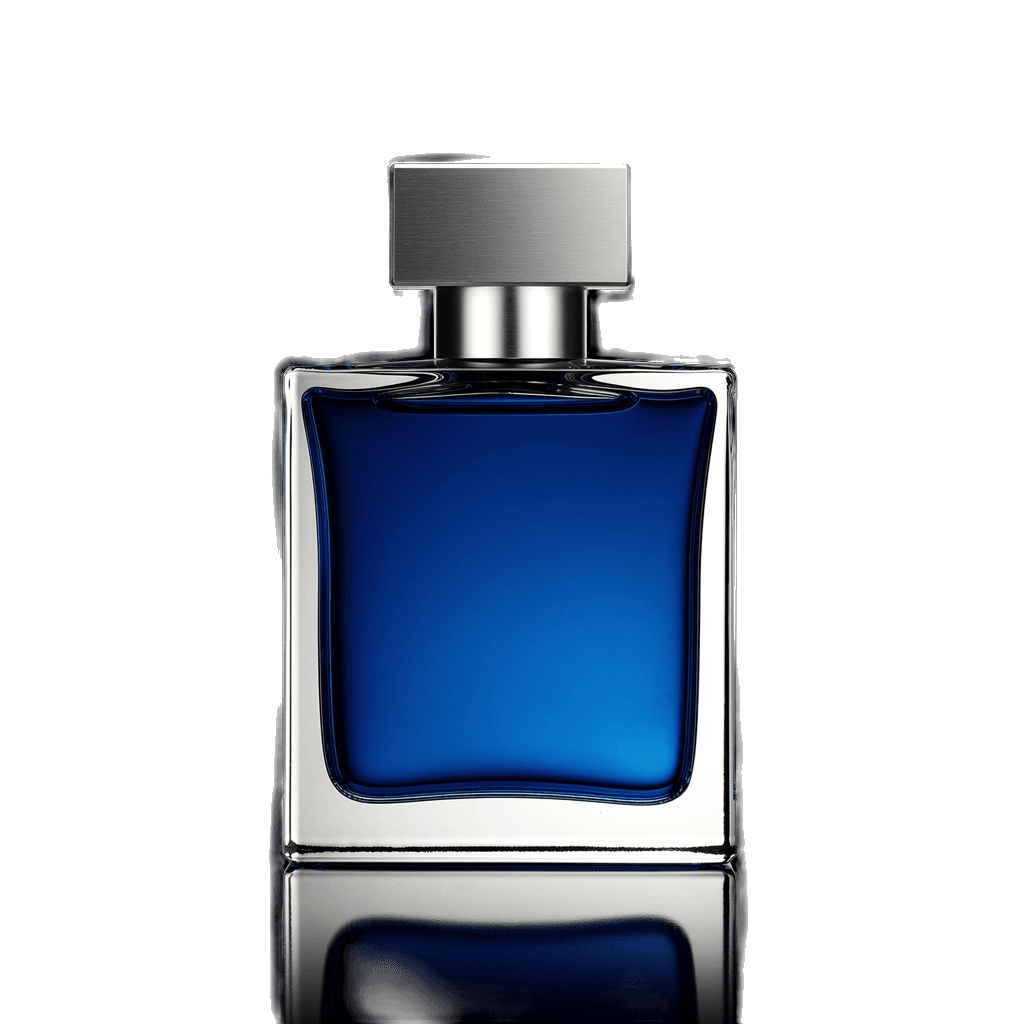
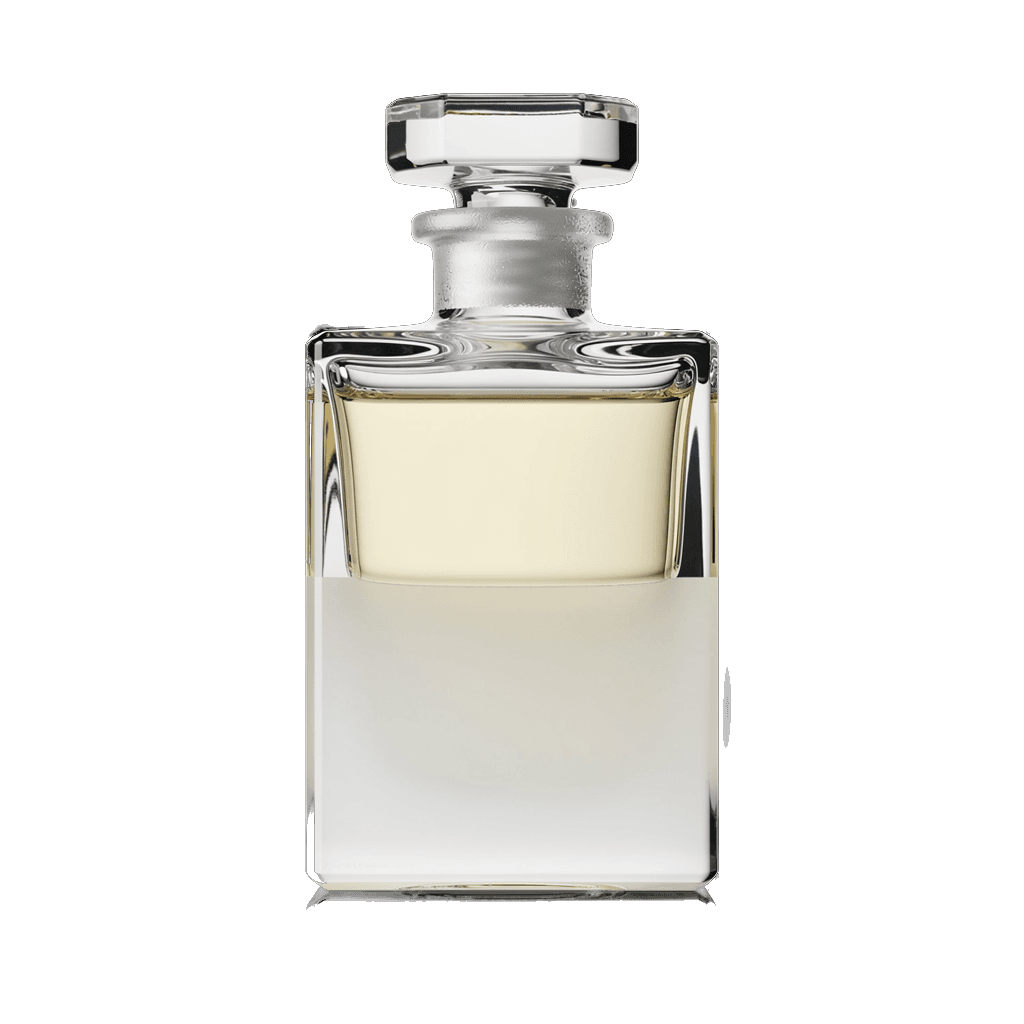
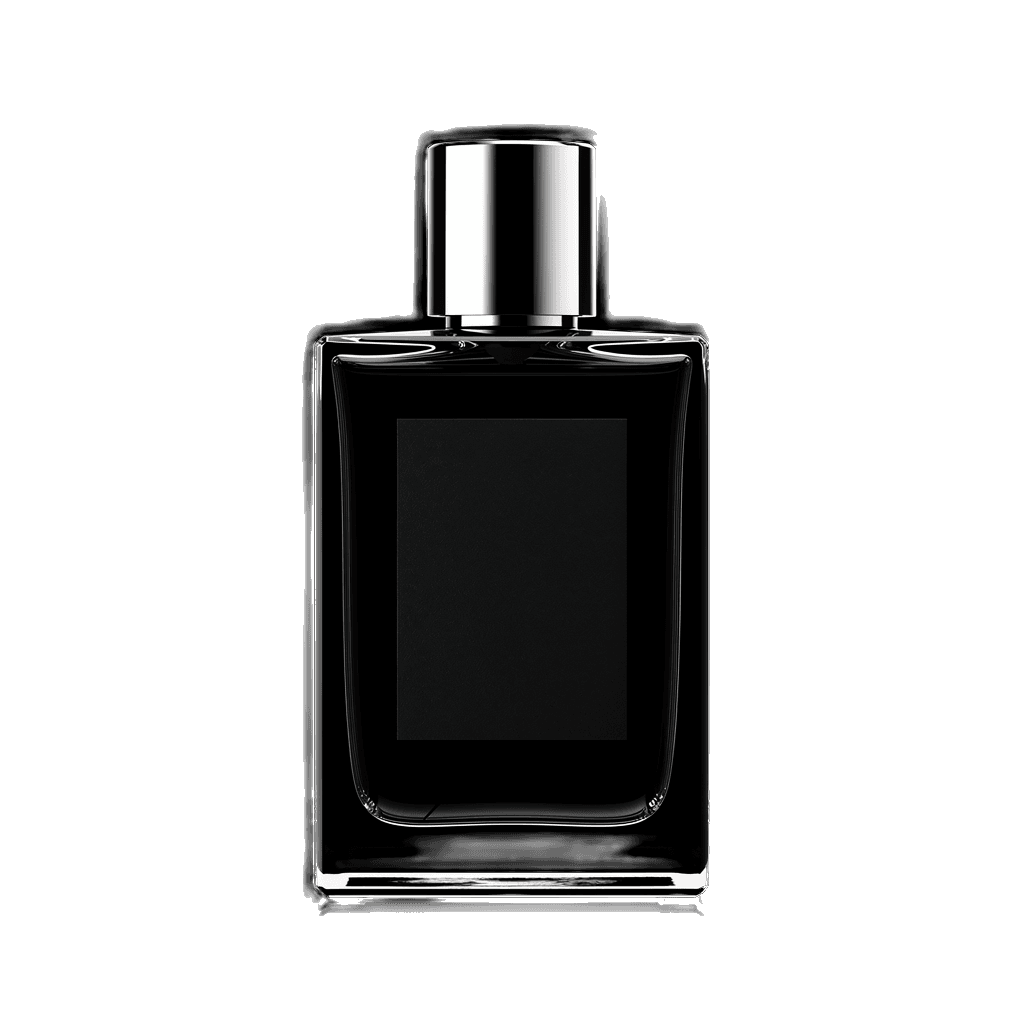
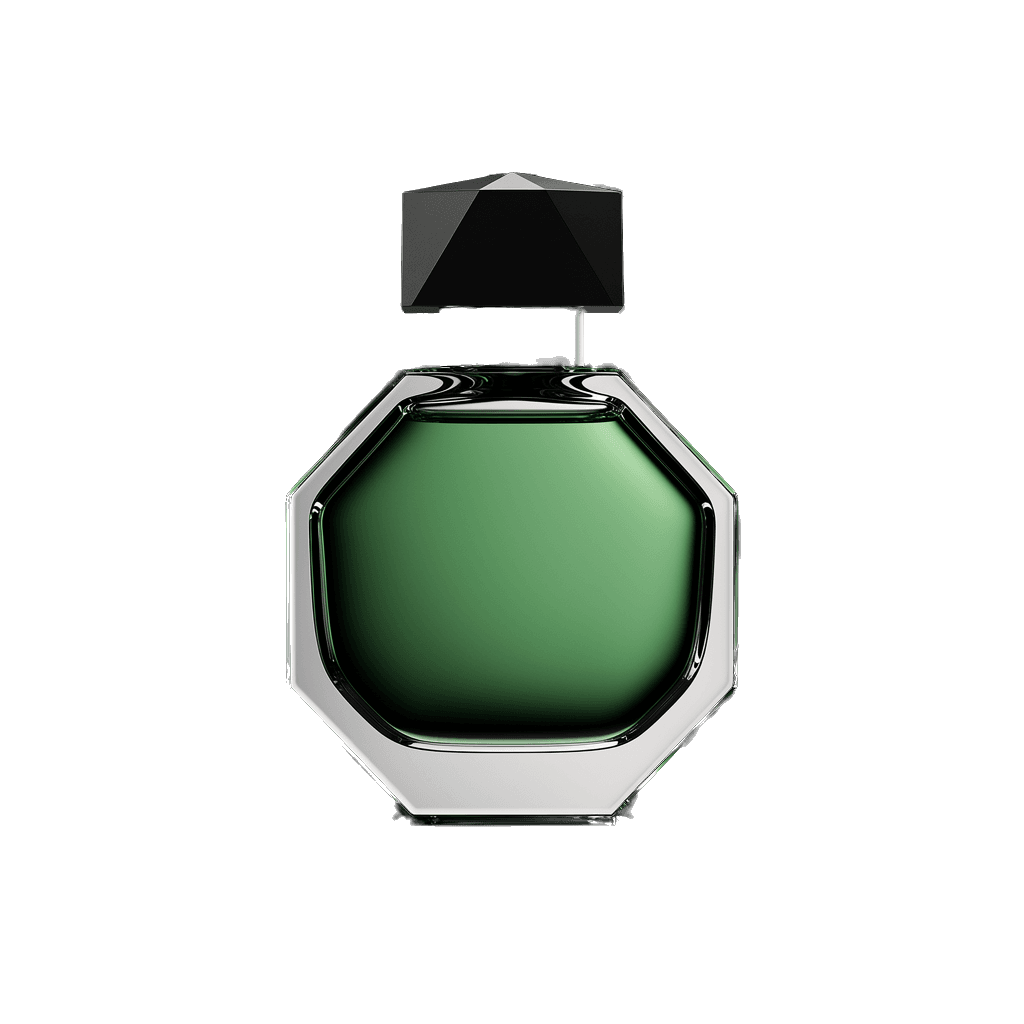
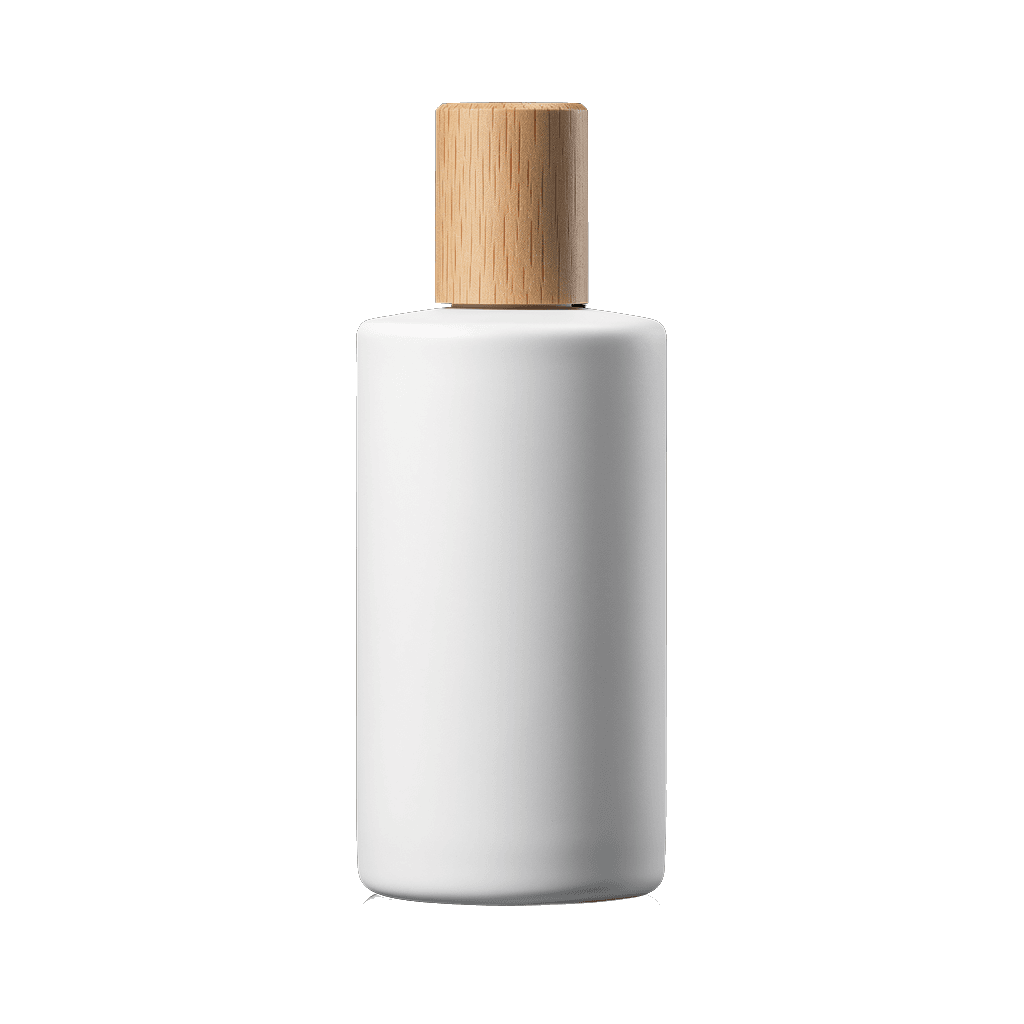
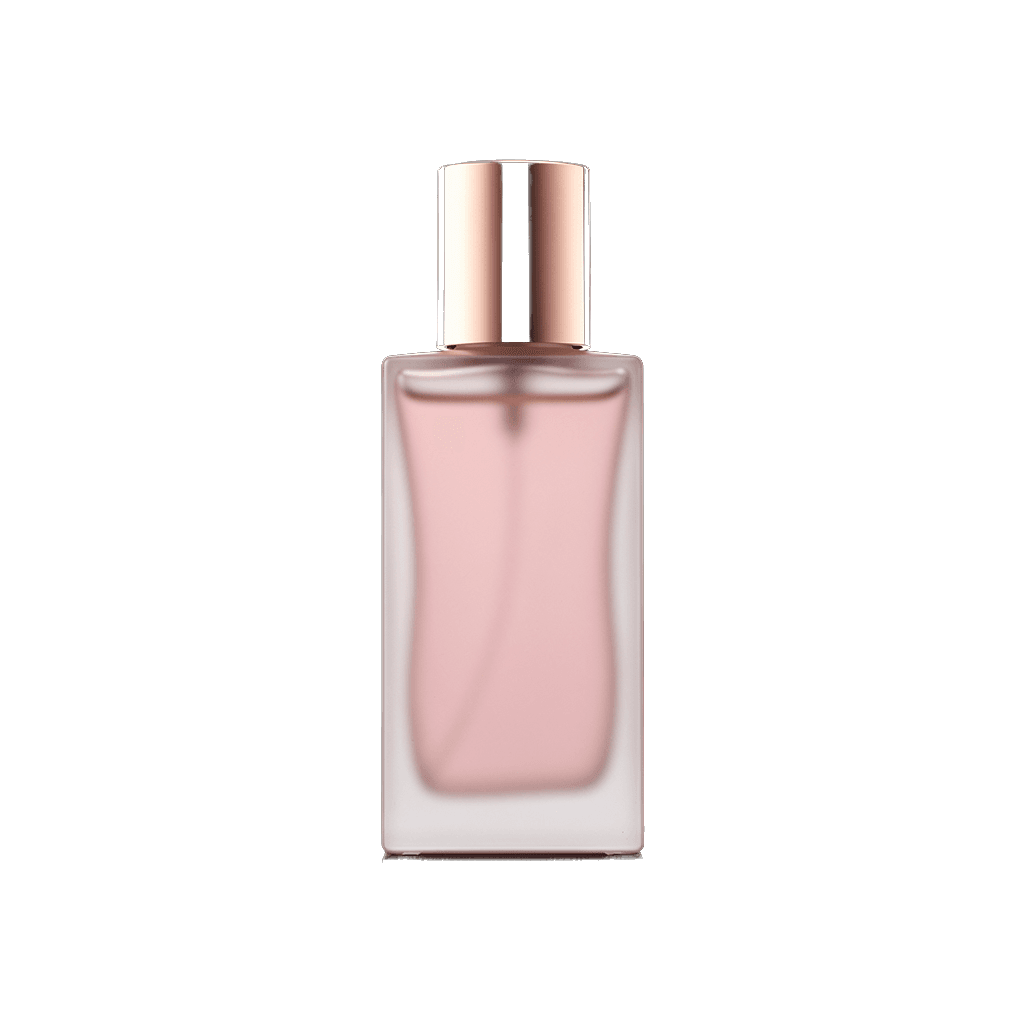
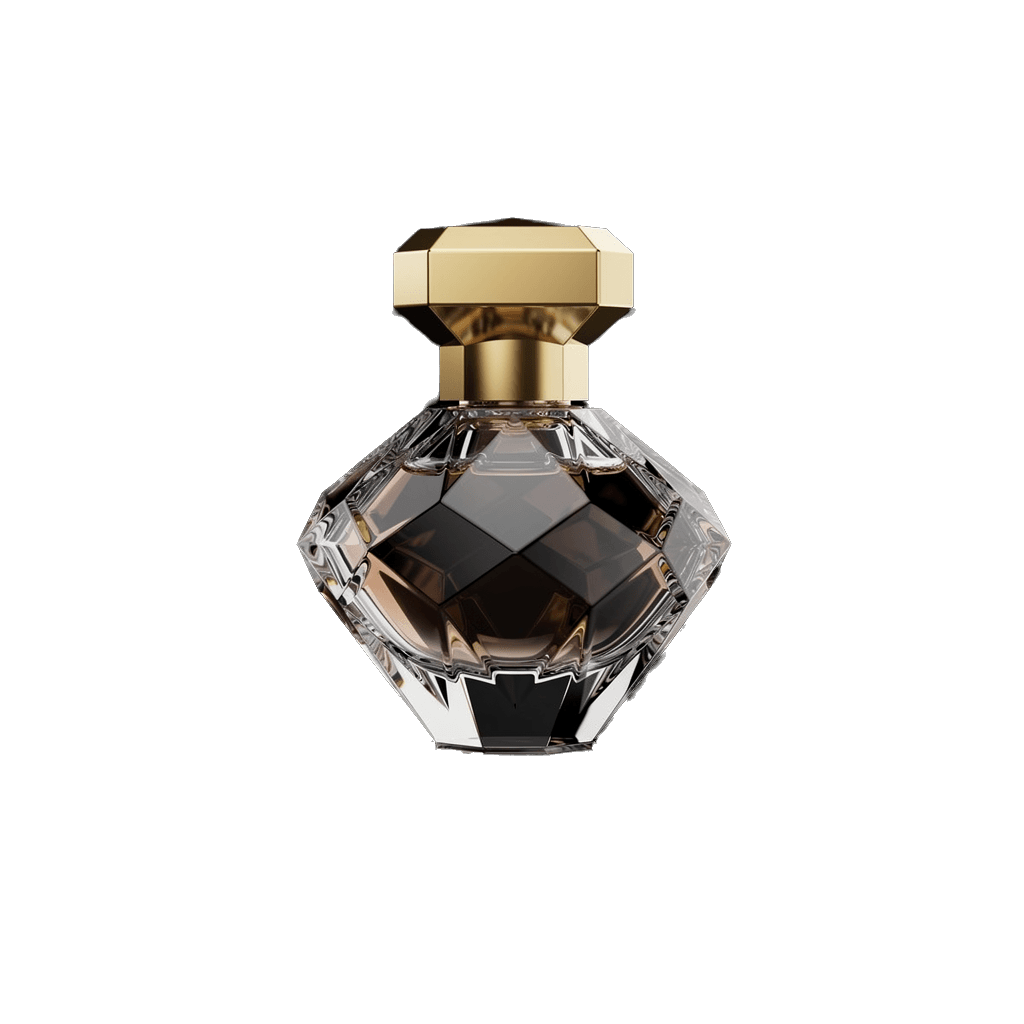
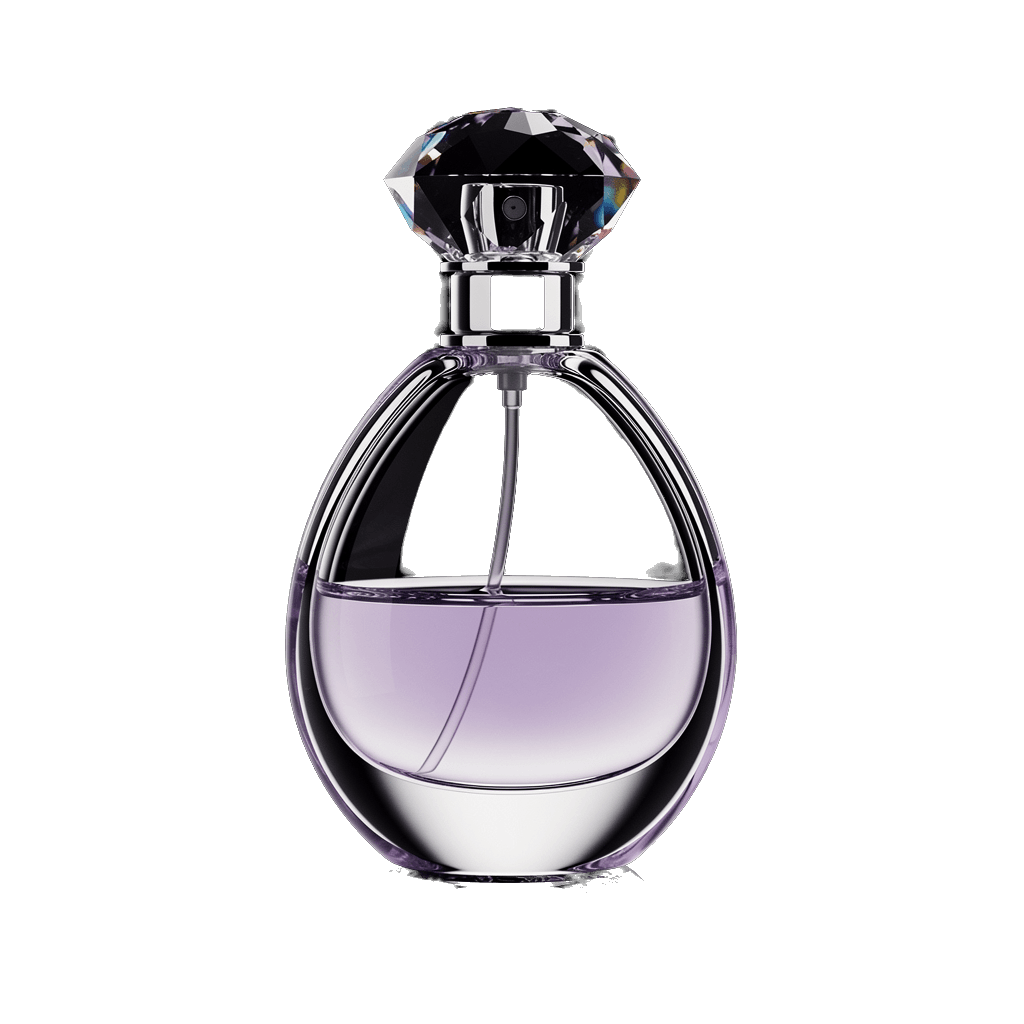
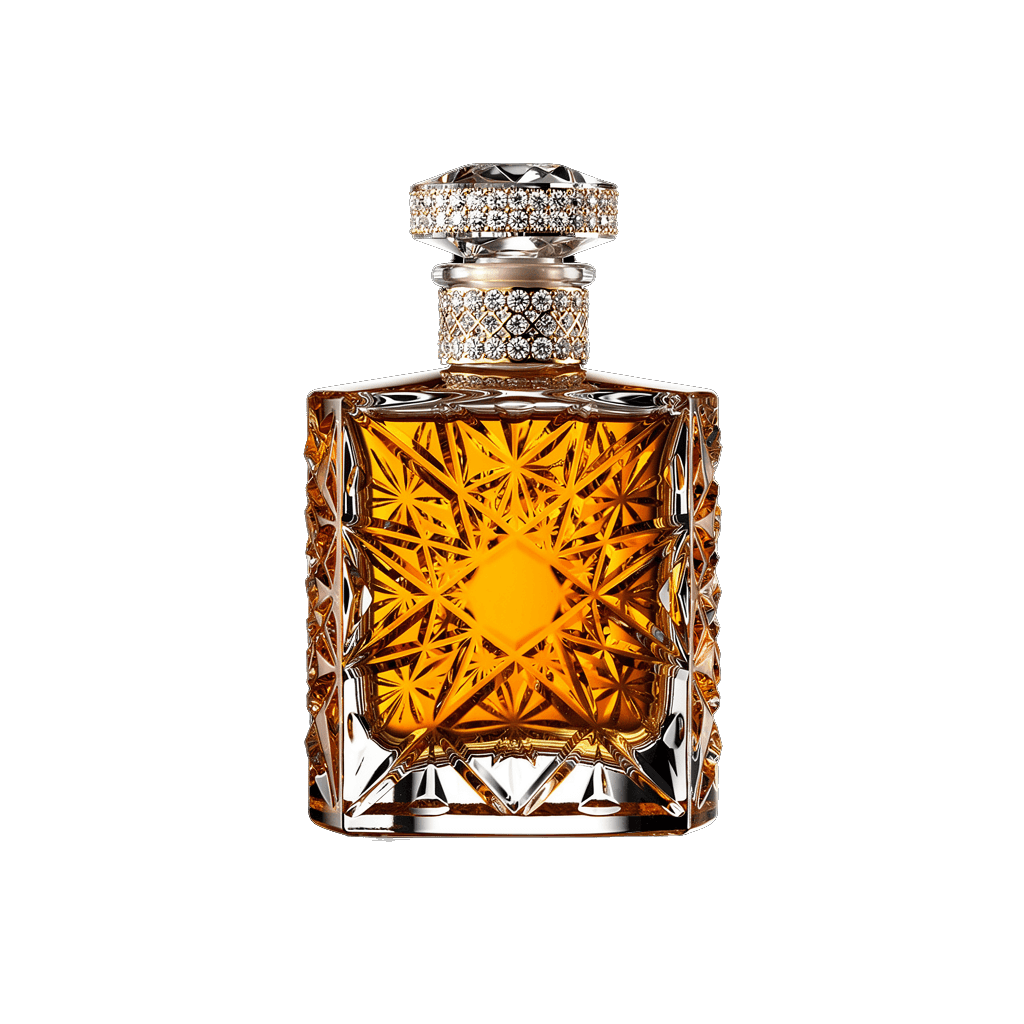
The visual language of Frederic Haldimann leans toward understated minimalism. Bottles are typically clear glass with simple, rounded silhouettes that allow the perfume’s color to become the focal point. Labels feature a modest serif typeface, the designer’s name, and a numeric or descriptive subtitle, such as “No. 3” or “Impressions de Soleil.” Caps are often matte black or brushed metal, providing a tactile contrast to the smooth glass. The overall packaging avoids ornate embellishments, instead opting for a clean, almost clinical presentation that mirrors the brand’s emphasis on purity of scent. Marketing imagery, when present, usually depicts the fragrance in natural settings—a sunrise over a French countryside, a quiet Parisian street, or a sun‑drenched garden—reinforcing the “impression” concept without resorting to hyperbole. This restrained aesthetic aligns with the brand’s positioning as a collector’s item rather than a mass‑market product, inviting owners to appreciate the scent on its own terms.
Philosophy
Frederic Haldimann frames its creative direction around the idea of capturing a moment rather than constructing a grand narrative. The designer has spoken in interviews about preferring “impression” over “statement,” allowing each bottle to act as a sensory snapshot of a place, season, or personal feeling. Ingredient choices reflect a balance between familiar accords—such as blackcurrant, mandarin, and tuberose—and less common supporting notes, a practice that aims to keep the scent recognizable while offering a hidden depth. The brand emphasizes restraint, avoiding overtly trend‑driven trends in favor of timeless structures that age gracefully on the skin. Sustainability is addressed through selective sourcing; the house reports that natural extracts are obtained from suppliers who adhere to standard agricultural practices, though detailed certifications are not publicly listed. Transparency about formulation is limited, but the brand’s catalogue suggests a consistent reliance on high‑quality raw materials rather than synthetic shortcuts, aligning with the broader niche community’s expectations of authenticity.
Key Milestones
2003
First fragrance released, marking the brand’s entry into the niche market.
2004
Launch of Frederic No. 1, a floral‑fresh scent for women, produced in Germany.
2006
Frederic No. 3 introduced, expanding the numbered series and gaining coverage in fragrance databases.
2008
Release of Frederic, a woody‑tuberose composition noted for its blend of blackcurrant, mandarin, pineapple, jasmine and rose.
2013
Final recorded launch, concluding a decade‑long period of regular new releases.
At a Glance
Brand profile snapshot
Origin
Germany
Founded
2003
Heritage
23
Years active
Collection
1
Fragrances released
Avg Rating
3.5
Community sentiment
Release Rhythm