

The Heritage
The Story of Grès
Grès is a French perfume house that grew out of the legendary couture atelier of Madame Grès. Founded in 1942 on Rue de la Paix, the brand translates the designer’s love of draped silhouettes into olfactory compositions that balance classic French ingredients with a restrained modernity. Over the decades the house has released more than a dozen fragrances, each bearing the same quiet confidence that defined the founder’s fashion legacy. Today Grès remains a niche label that appeals to collectors who value heritage, subtle elegance and a scent’s ability to tell a story without shouting.
Heritage
Madame Grès was born Germaine Emilie Krebs in 1903 in Paris. After a brief career as a dancer she turned to fashion, adopting the name Alix Barton in the 1930s and quickly gaining a reputation for sculptural gowns that seemed to float on the body. In 1942 she sold her shares in Maison Alix and opened her own house, Grès, at 1 Rue de la Paix. The new venture was not limited to clothing; Grès launched its first perfume, Cabochard Parfum, in 1959, a scent that echoed the house’s architectural lines with a blend of citrus, leather and amber. The 1970s saw the introduction of QuiProQuo (1975) and the early 1980s added Alix (1981) and Gres Monsieur (1982), expanding the portfolio to include both feminine and masculine expressions. Homme de Grès (1996) marked the brand’s first major foray into contemporary men’s fragrance, while Grain de Folie (1999) and Air de Cabochard (2000) demonstrated a willingness to experiment with airy, airy accords. Cabaret Pour Homme (2004) and the twin releases État de Grace and Extrême Pureté (both 2017) illustrate how the house continues to reinterpret its heritage for new generations. Throughout its history Grès has kept a single boutique on Rue de la Paix, a physical reminder that the brand’s roots remain anchored in the Parisian couture tradition.
Craftsmanship
All Grès fragrances are blended in France, primarily at the historic laboratory on Rue de la Paix. The house sources natural raw materials from established growers in Grasse, Provence and the broader Mediterranean basin, ensuring that each absolute meets strict purity standards. For example, the jasmine used in État de Grace comes from a cooperative that practices low‑impact cultivation, while the sandalwood in Cabochard Parfum is harvested from sustainably managed Indian plantations. Synthetic ingredients are introduced only when they enhance stability or allow a note to be expressed with greater clarity, and each batch undergoes rigorous organoleptic testing before approval. The bottling process reflects the brand’s architectural roots: glass vessels are hand‑cut, polished and fitted with brushed metal caps that echo the clean lines of a Grès dress. Quality control includes a double‑check of concentration levels, a visual inspection for any imperfections, and a final olfactory assessment by a senior perfumer. Production runs are limited, allowing the house to maintain tight oversight and to preserve the integrity of each formula over time.
Design Language
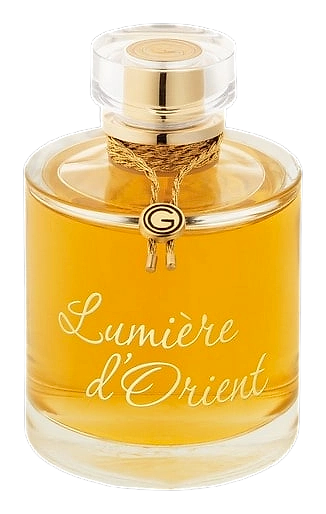
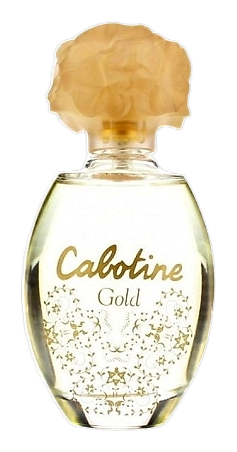
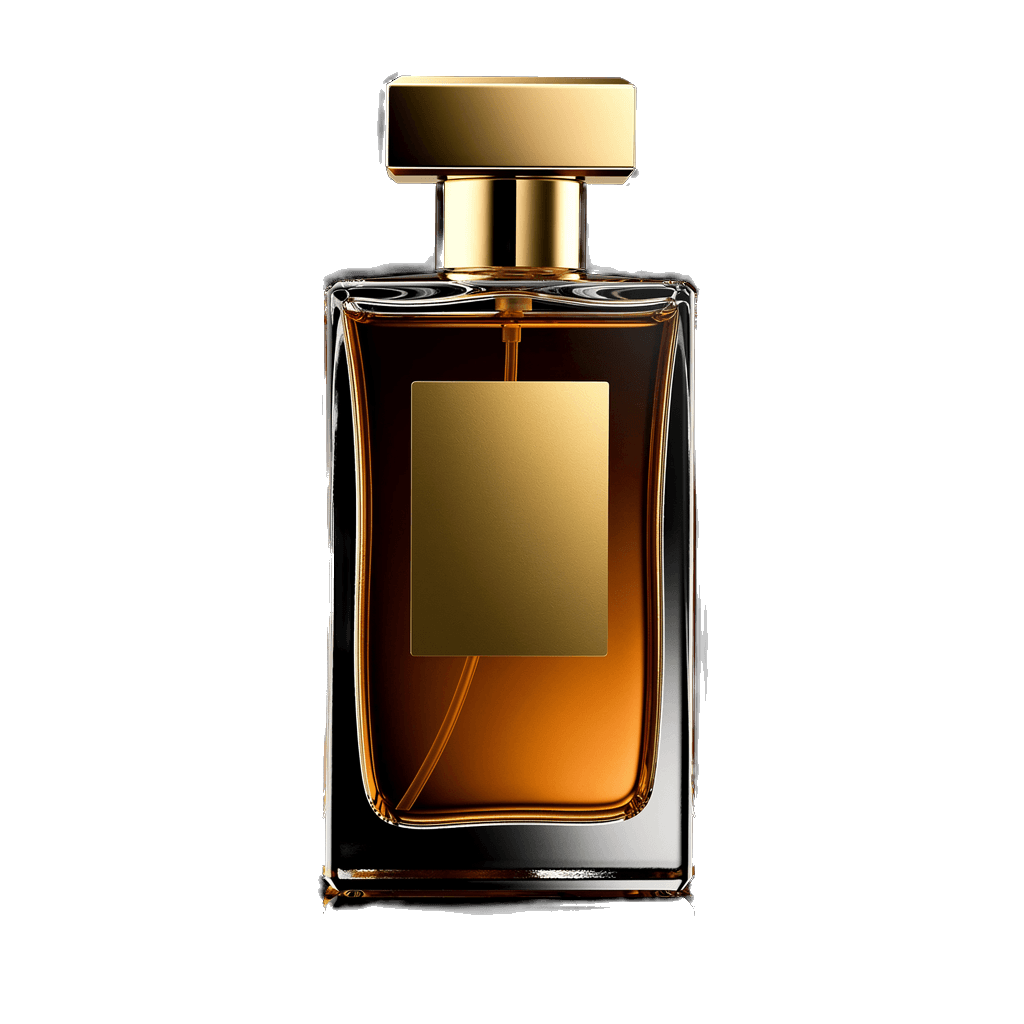
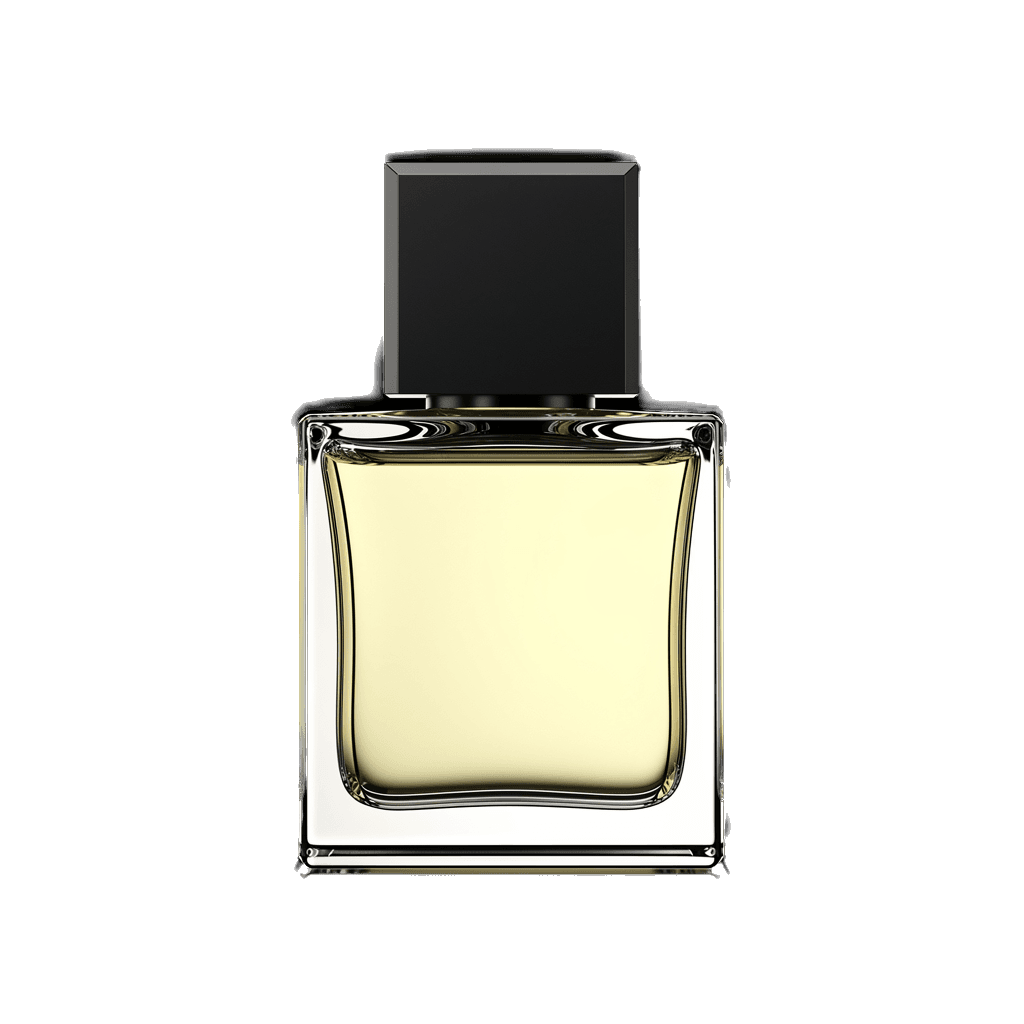
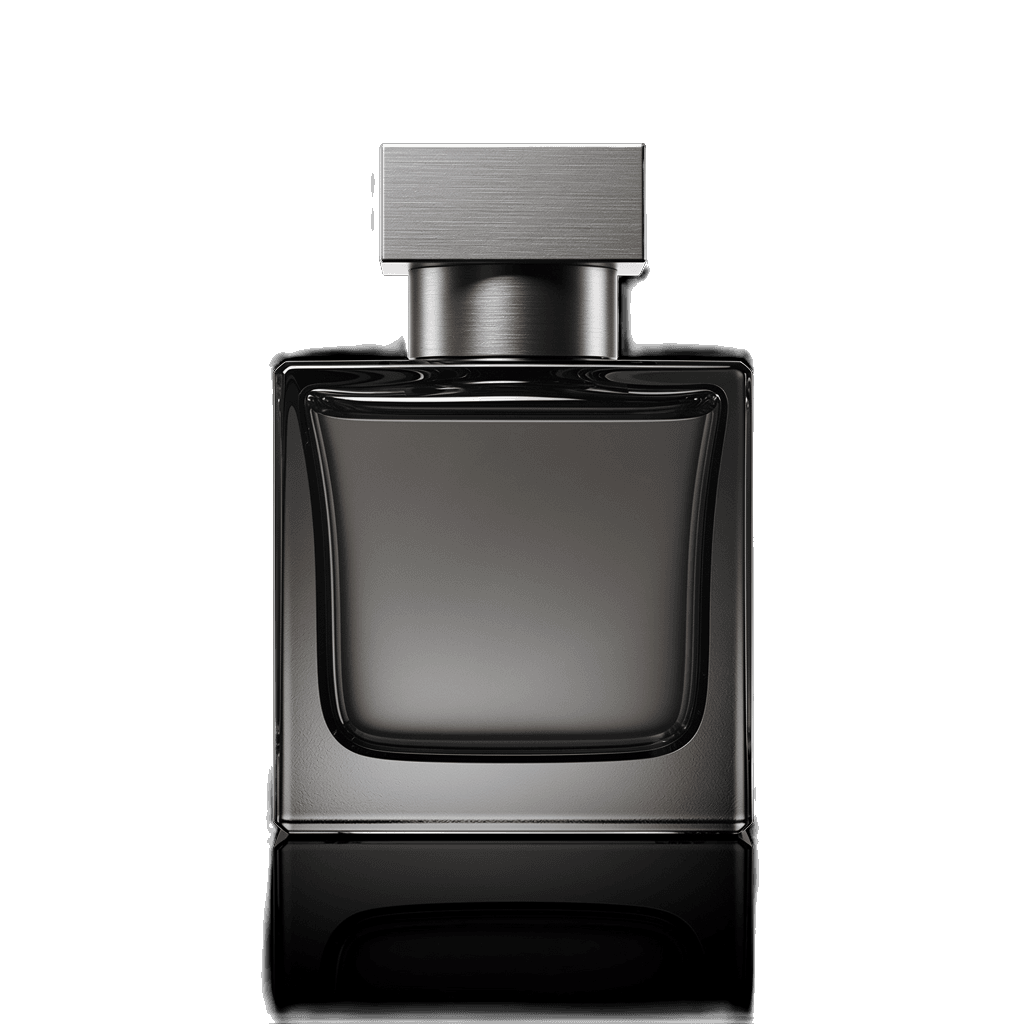
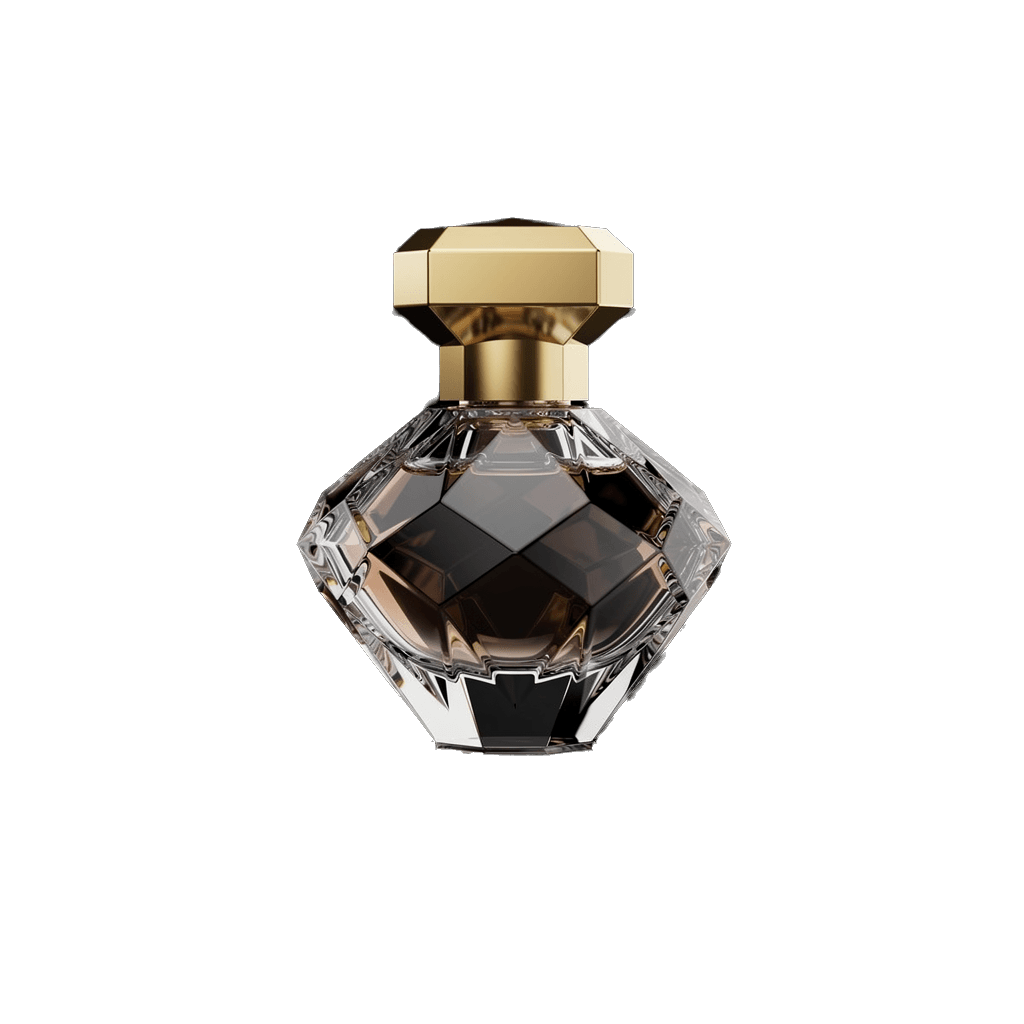
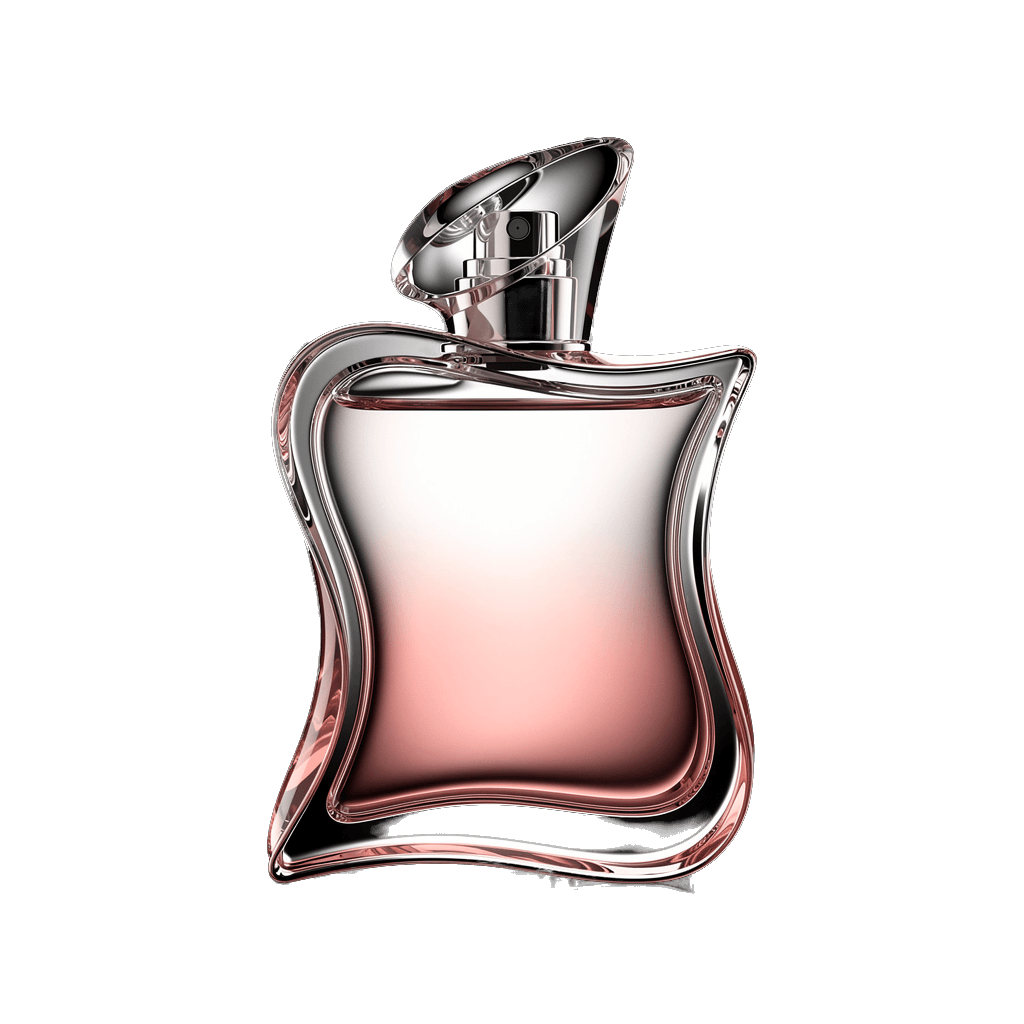
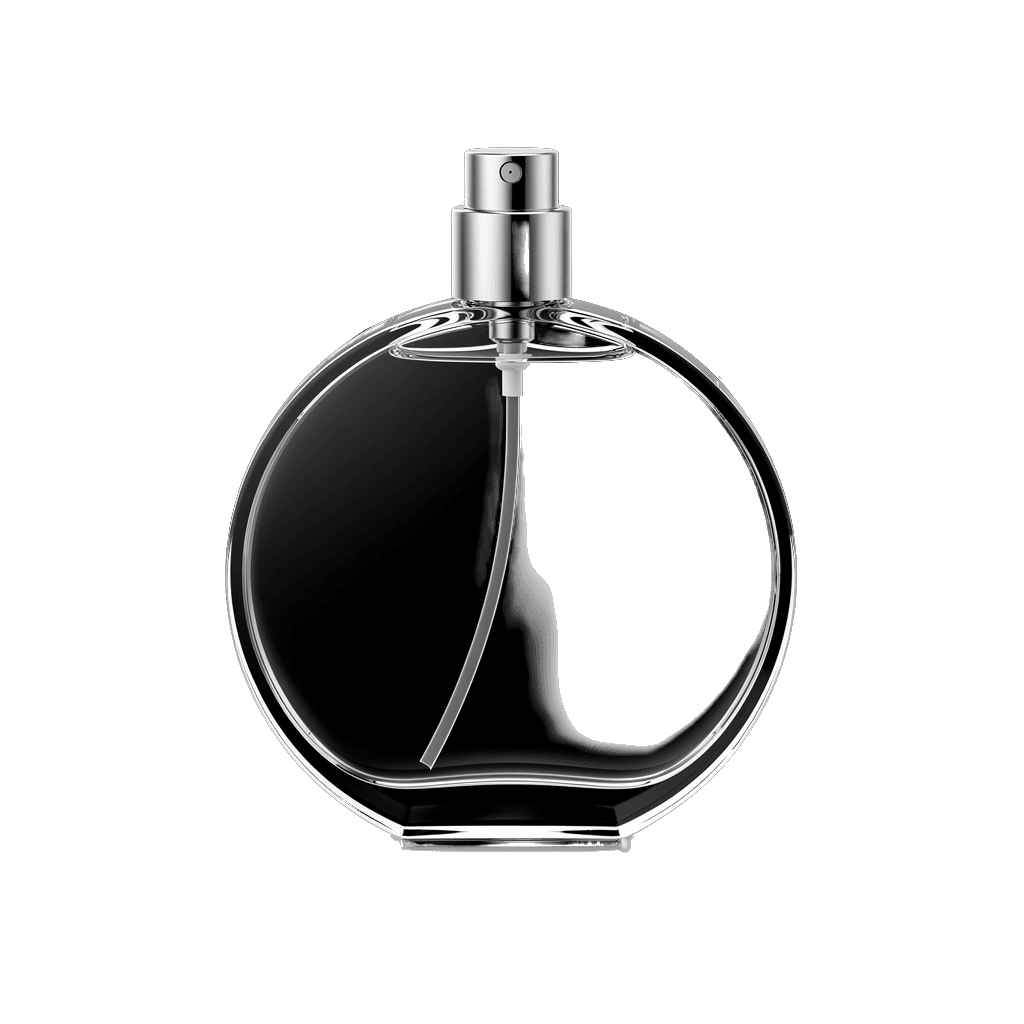
Grès translates the elegance of its founder’s draped silhouettes into a visual language that is restrained yet unmistakable. Bottles feature tall, slender silhouettes with smooth, unadorned shoulders, reminiscent of a column of stone – a nod to the name Grès, which means sandstone in French. The glass is often clear or lightly tinted, allowing the perfume’s hue to become part of the design. Caps are crafted from brushed aluminum or matte black metal, finished with a subtle engraved logo that mirrors the delicate stitching seen on the house’s couture pieces. Packaging uses heavyweight paper stock in muted tones such as ivory, slate gray or soft sand, printed with a minimalist serif typeface that conveys both heritage and modernity. The brand’s visual identity avoids excessive ornamentation, instead relying on proportion, negative space and a restrained colour palette to convey a sense of quiet confidence. In boutique displays, fragrance strips are arranged like a runway, inviting the visitor to experience each scent as a moment in a larger, elegantly choreographed performance.
Philosophy
Grès approaches perfumery as an extension of its couture origins. The house believes that a fragrance should drape the skin as a garment does, shaping perception without overwhelming it. This philosophy drives a focus on balance, proportion and timelessness. Ingredients are chosen for their ability to evoke memory and place, often referencing the Mediterranean light that inspired Madame Grès’s early collections. The brand avoids fleeting trends, preferring to refine classic accords and to let each note breathe. Collaboration with perfumers is framed as a dialogue rather than a commission; the house provides a brief rooted in its aesthetic, and the perfumer interprets it through a palette that respects both tradition and subtle innovation. Sustainability has become part of the conversation, with Grès seeking suppliers who practice responsible harvesting, especially for natural absolutes such as jasmine and rose. The result is a line of scents that aim to be both a personal signature and a quiet homage to the house’s artistic lineage.
Key Milestones
1903
Germaine Emilie Krebs (later Madame Grès) is born in Paris.
1930
Begins designing under the name Alix Barton, establishing a reputation for sculptural gowns.
1942
Founds the Grès perfume house at 1 Rue de la Paix after selling shares of Maison Alix.
1959
Launches Cabochard Parfum, the first fragrance released under the Grès name.
1996
Introduces Homme de Grès, expanding the line into contemporary men’s fragrance.
2017
Releases État de Grace and Extrême Pureté, marking the brand’s most recent creative wave.
At a Glance
Brand profile snapshot
Origin
France
Founded
1942
Heritage
84
Years active
Collection
2
Fragrances released
Avg Rating
4.0
Community sentiment
Release Rhythm