The Story
Why it exists.
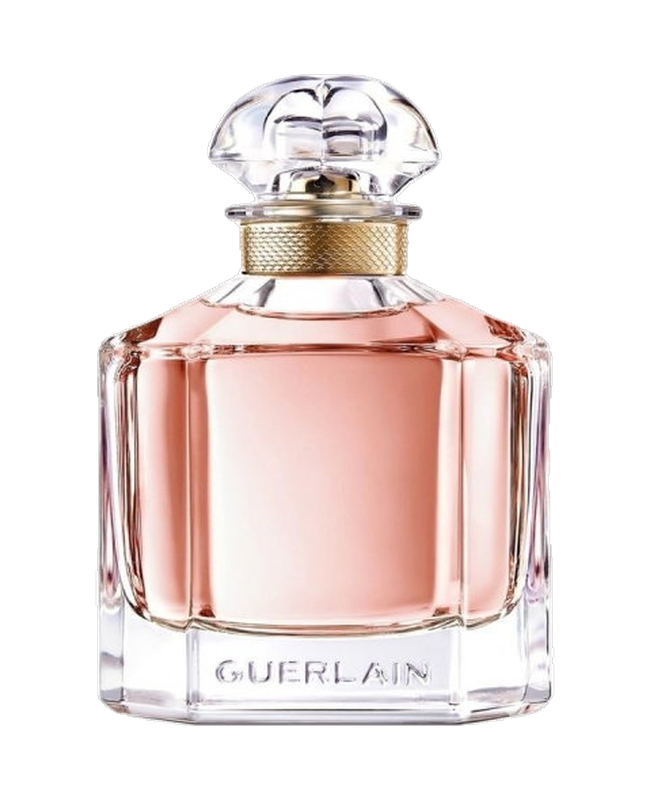
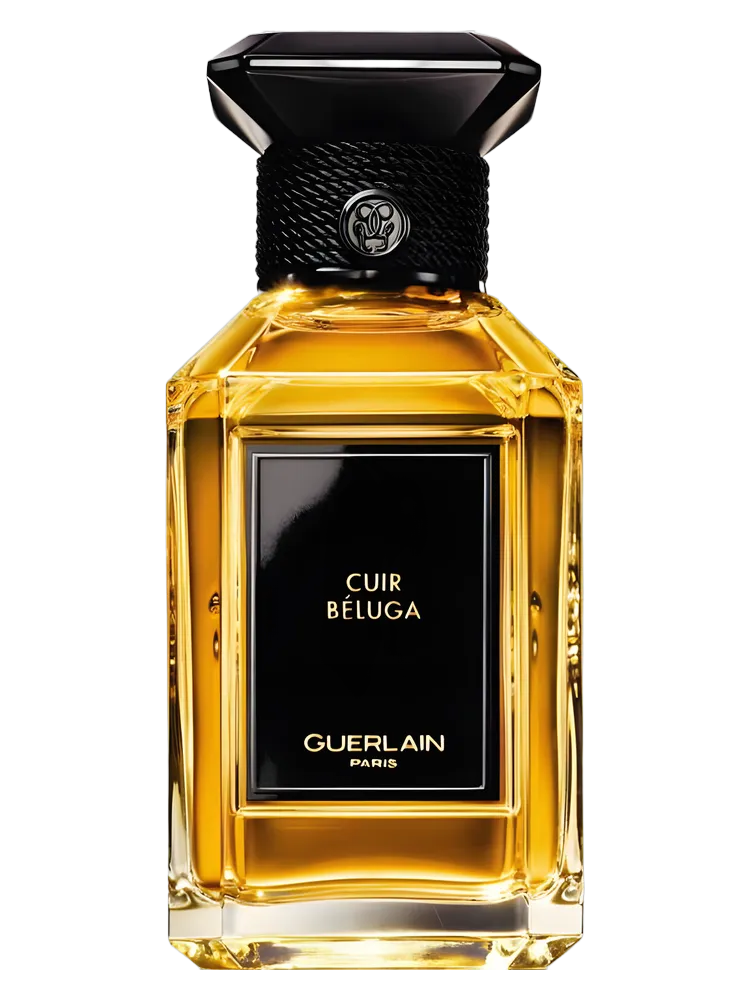
Olivier Polge created Cuir Béluga in 2005 as part of Guerlain's L'Art & La Matière collection, the house's laboratory for pushing materials to their extreme. The brief: reimagine leather. Not the dark, mysterious kind that dominates the category, but something that glows. The answer was light, combining vanilla's creamy warmth with aldehydes' sparkling clarity, transforming suede into something you want to press your face into.
If this were a song
Community picks
At Last
Etta James
The Beginning
Olivier Polge created Cuir Béluga in 2005 as part of Guerlain's L'Art & La Matière collection, the house's laboratory for pushing materials to their extreme. The brief: reimagine leather. Not the dark, mysterious kind that dominates the category, but something that glows. The answer was light, combining vanilla's creamy warmth with aldehydes' sparkling clarity, transforming suede into something you want to press your face into.
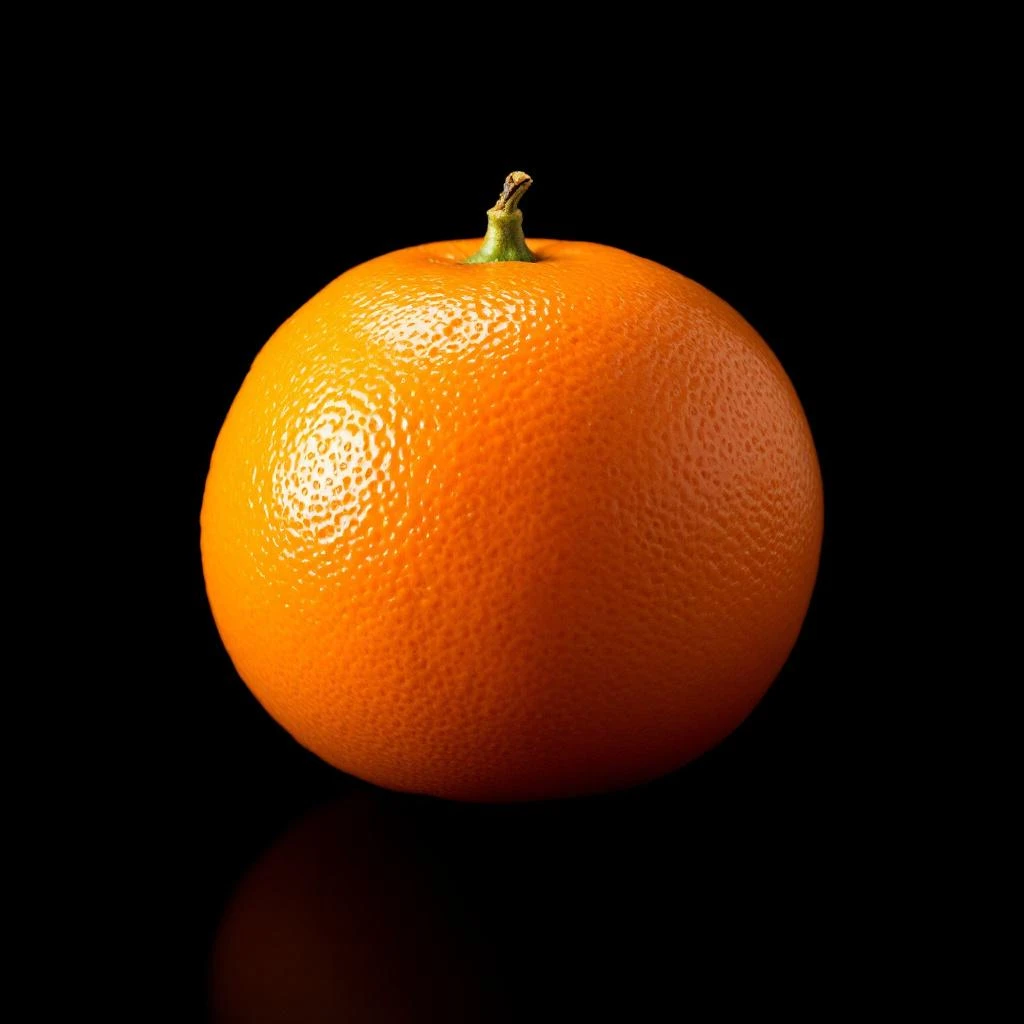
The trick is the balance. Most leather-vanilla fragrances lean one direction: either the leather dominates (sharp, animalic) or the vanilla takes over (gourmand, cloying). Cuir Béluga holds both at once. The aldehydes are the connective tissue, they keep the tangerine bright in the opening, then lend a crystalline quality to the drydown that prevents the vanilla from going flat. Immortelle adds a herbal warmth that reads as natural, not synthetic. It's a composition that could easily collapse into sweetness, but Polge threaded the needle.
The Evolution
It opens with aldehydes doing what they do best, lifting the tangerine into something sparkling and almost champagne-like. Thirty minutes in, the leather arrives: not as a punch but as a whisper. Soft suede, barely there. The immortelle and patchouli add warmth without weight. Then the vanilla takes over, and that's where this fragrance lives. A creamy, powdery cloud that stays close to the skin for hours. On fabric, it lingers for days.
Cultural Impact
Cuir Béluga occupies a rare position: a Guerlain exclusive that non-collectors actually wear. It achieved this by being approachable without being safe, leather that invites rather than confronts. The Guerlain fan who owns twelve bottles and still reaches for this one isn't unusual. Neither is the first-time buyer who didn't know they wanted a leather fragrance until they smelled this.
The House
France · Est. 1828
Guerlain stands as one of the oldest and most revered perfume houses in the world, founded in Paris in 1828 by Pierre-François-Pascal Guerlain. What began as a boutique on rue de Rivoli quickly became the preferred destination for Parisian society, attracting dandies and elegant women who sought custom-crafted fragrances. The house's influence grew to such heights that Guerlain earned the title of Official Perfumer to Napoleon III after presenting Eau de Cologne Impériale to Empress Eugénie as a wedding gift in 1853. This royal patronage marked the beginning of Guerlain's enduring association with European aristocracy, as the house went on to create fragrances for Queen Victoria and Queen Isabella II of Spain. Today, under the creative direction of Thierry Wasser, the fifth-generation perfumer, Guerlain continues to shape the landscape of fine fragrance with a portfolio spanning over 1,100 olfactory creations. The house remains headquartered at its legendary Champs-Élysées mansion, a historic monument that anchors Guerlain's position at the intersection of heritage and contemporary luxury.
If this were a song
Community picks
Powdery warmth with a vintage shimmer. The aldehydes give it a mid-century elegance, think Sinatra-era sophistication translated into scent. Not lounge lizard, though. More like a well-dressed woman in an empty gallery, afternoon light through tall windows. Close and unhurried.
At Last
Etta James