The Heritage
The Story of H&M
H&M is a Swedish retailer that translates its fast‑fashion DNA into a line of affordable scents. Since 2012 the brand has offered more than two dozen fragrances, each positioned as a seasonal accessory that mirrors its clothing collections. The portfolio includes stand‑outs such as Deep Red Velvet (2012), Peony (2013), Coconut & Vanilla, and the recent Cloud Gazer (2025). By partnering with established perfume houses, H&M brings recognizable notes and contemporary compositions to a broad audience without the typical boutique price tag. The result is a fragrance shelf that feels like an extension of the store’s colour‑driven, trend‑responsive ethos.
Heritage
Erling Persson opened the first Hennes store in Västerås, Sweden, in 1947. The name, a contraction of Hennes ("hers" in Swedish) and later Mauritz, reflected the early merger with a men’s clothing shop in 1968. Over the next decades the chain expanded across Scandinavia, entered the United Kingdom in 1976 and launched its first US store in 2000. By the mid‑2000s H&M operated more than 1,300 outlets worldwide and had become synonymous with rapid style turnover at accessible price points. The company’s first foray into fragrance arrived in 2012 with Deep Red Velvet, a scent that blended warm amber and red berries and signalled a new product category for the retailer. Subsequent releases such as Peony (2013), Cotton Wood (2014) and H&M Santalum (2018) built a modest but consistent catalogue. In 2023 H&M announced a partnership with Swiss perfume manufacturer Givaudan, unveiling a 25‑fragrance collection split into three thematic groups. This collaboration marked the most ambitious expansion of the line, introducing scents like Camo Blend Nude Canvas (2026) and Personal Star (2024). The partnership leverages Givaudan’s research facilities while keeping H&M’s design direction at the forefront. Throughout its history the brand has maintained a focus on rapid product cycles, a practice that now informs the turnover of its fragrance releases, allowing the scent range to reflect current fashion trends while remaining financially approachable. The evolution from a single‑room women’s shop to a global fashion and fragrance house illustrates H&M’s capacity to translate its core business model into adjacent categories without sacrificing the speed and accessibility that defined its early success.
Craftsmanship
Production of H&M fragrances takes place in facilities that meet European Union safety standards and are audited by third‑party laboratories. The partnership with Givaudan grants access to a broad library of aroma chemicals and natural extracts, allowing the brand to blend synthetic accords with sustainably harvested botanicals. Ingredients such as sandalwood, patchouli and vanilla are sourced from certified farms that adhere to the Responsible Sourcing Initiative. Each formula undergoes stability testing to ensure scent integrity across temperature variations typical of retail environments. Quality control includes gas‑chromatography analysis to verify concentration levels and to detect any contaminants. Bottles are filled on automated lines that maintain a controlled environment, reducing the risk of oxidation. After filling, each unit receives a batch code that links back to the production date and ingredient batch, facilitating traceability. The brand also conducts consumer panels in several markets to gauge reception before a full rollout, adjusting notes based on feedback while preserving the original creative intent. By integrating Givaudan’s research capabilities with H&M’s rapid design cycles, the fragrance line achieves a balance between high‑quality composition and the quick turnaround that characterises the retailer’s overall product strategy.
Design Language
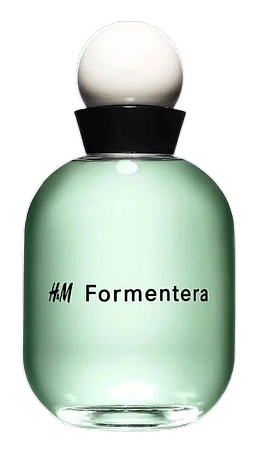
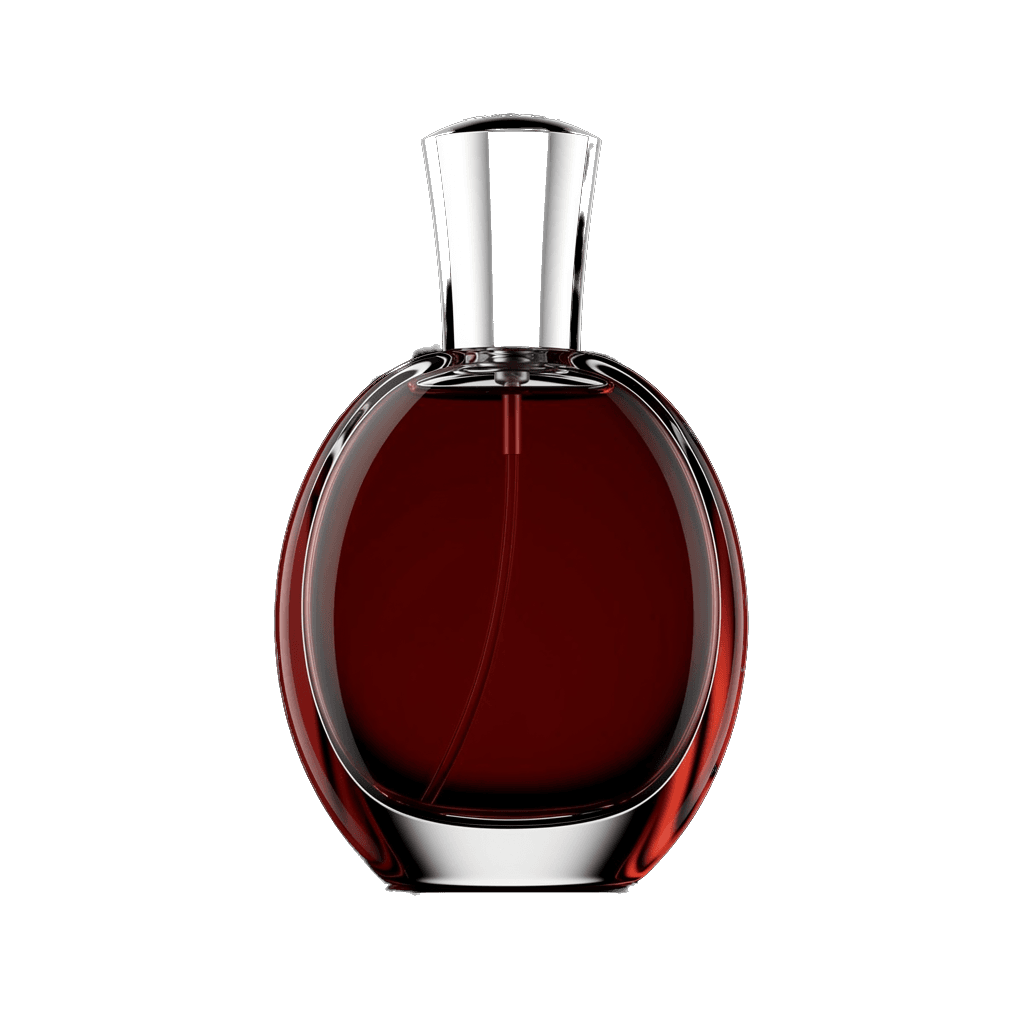
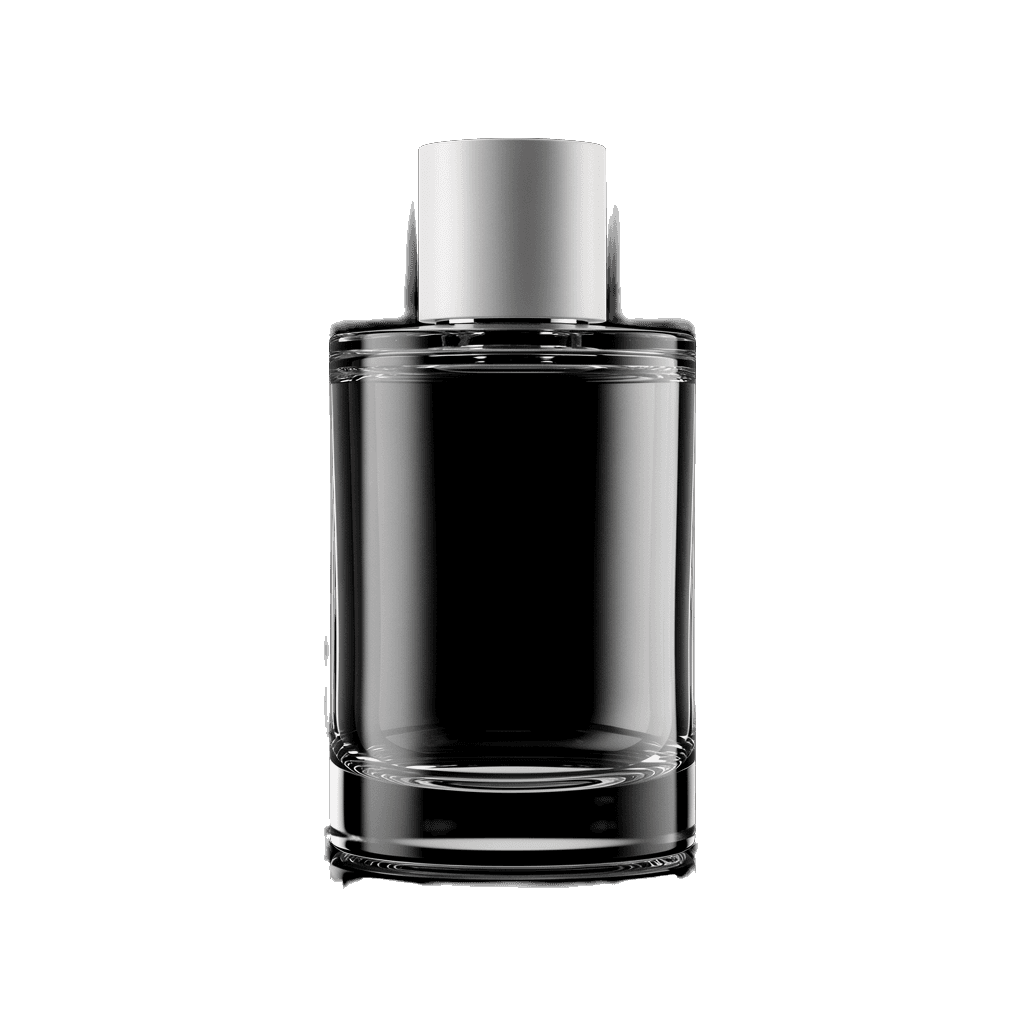
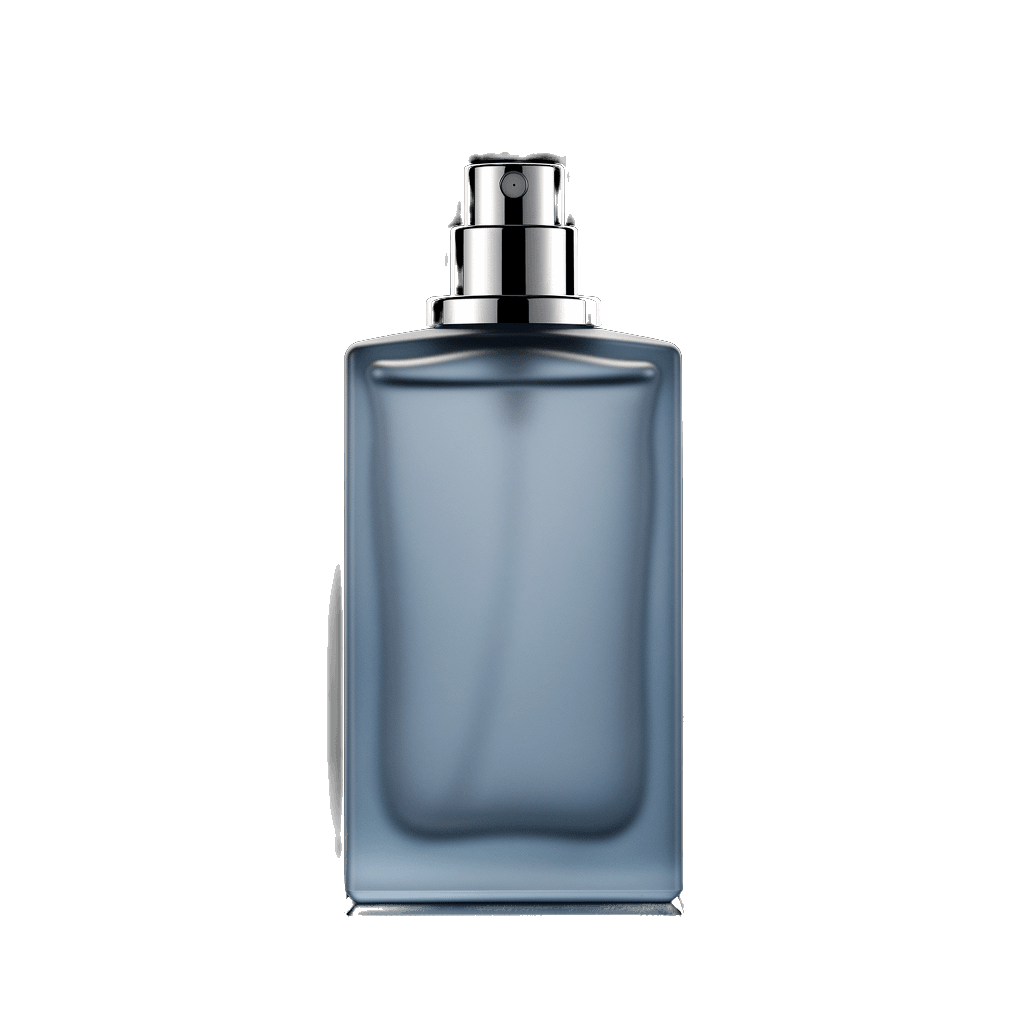
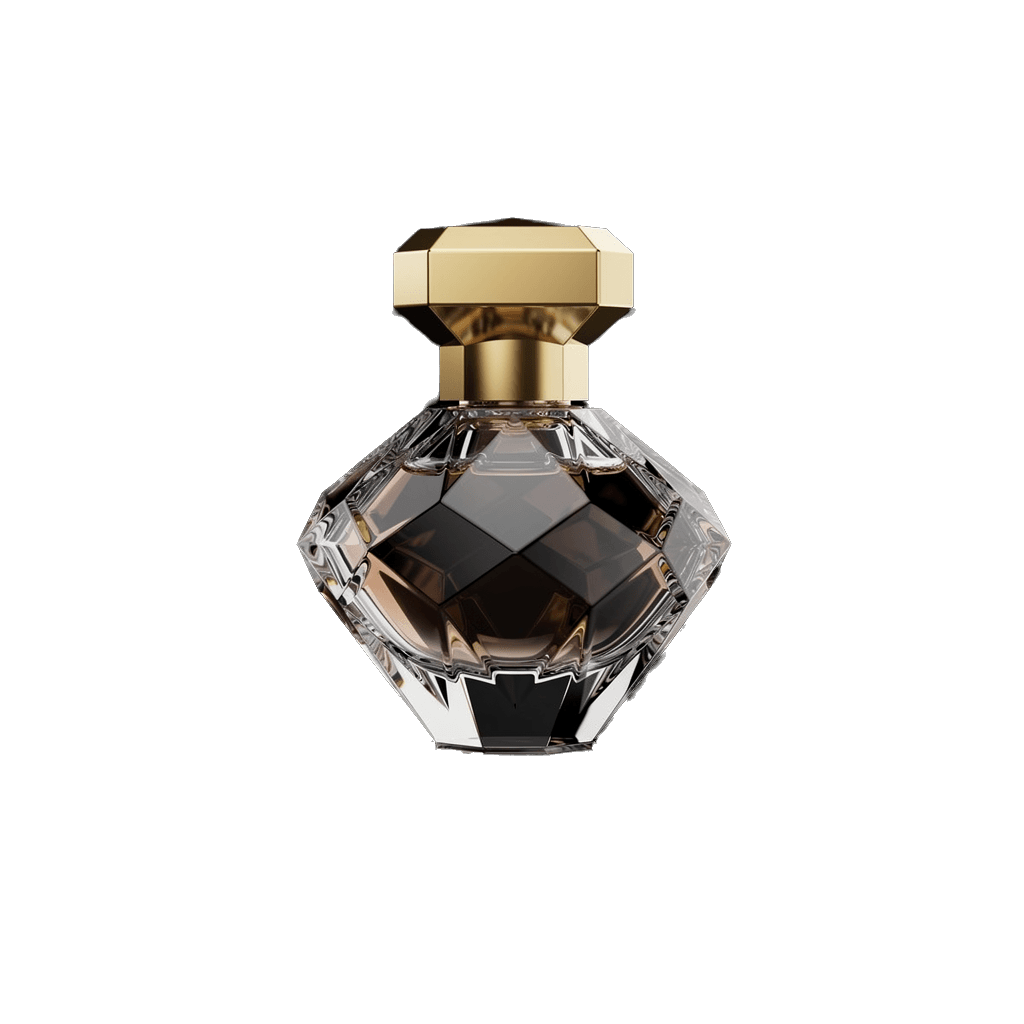
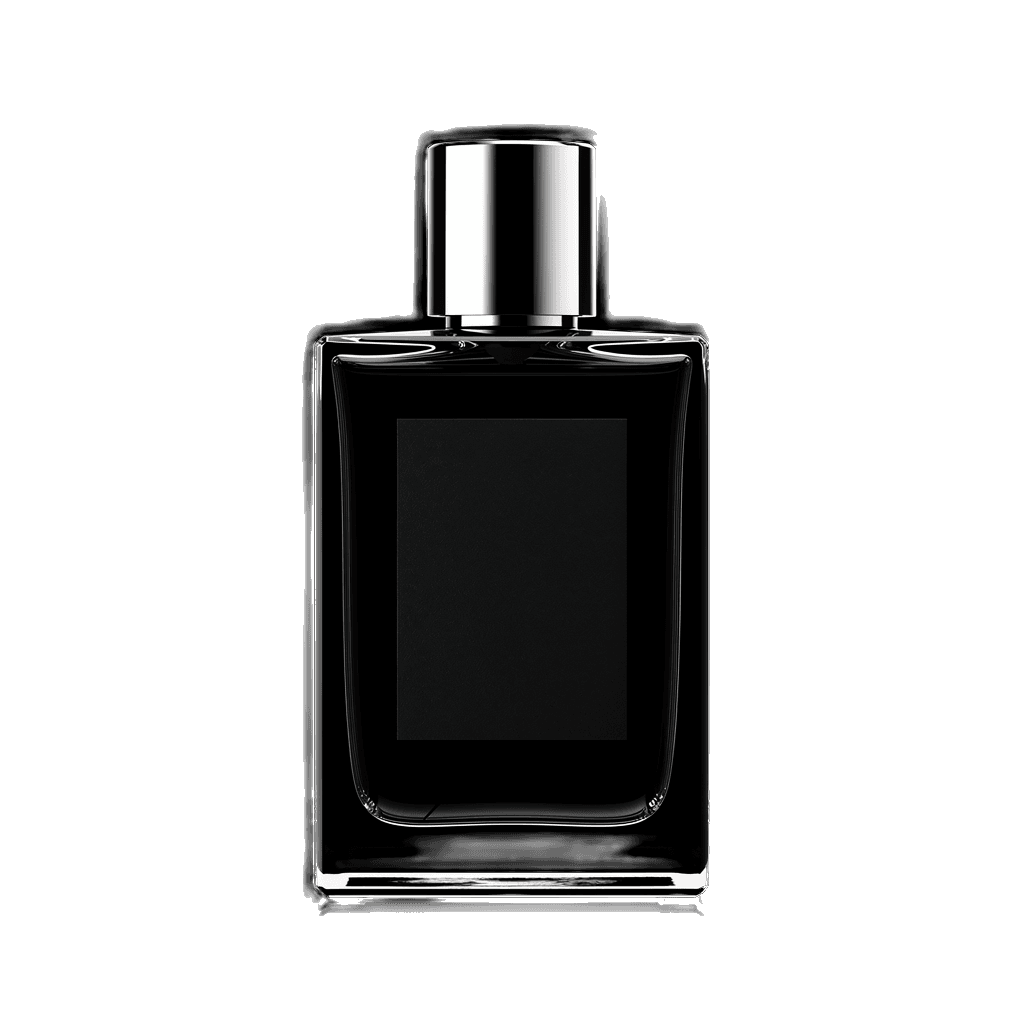
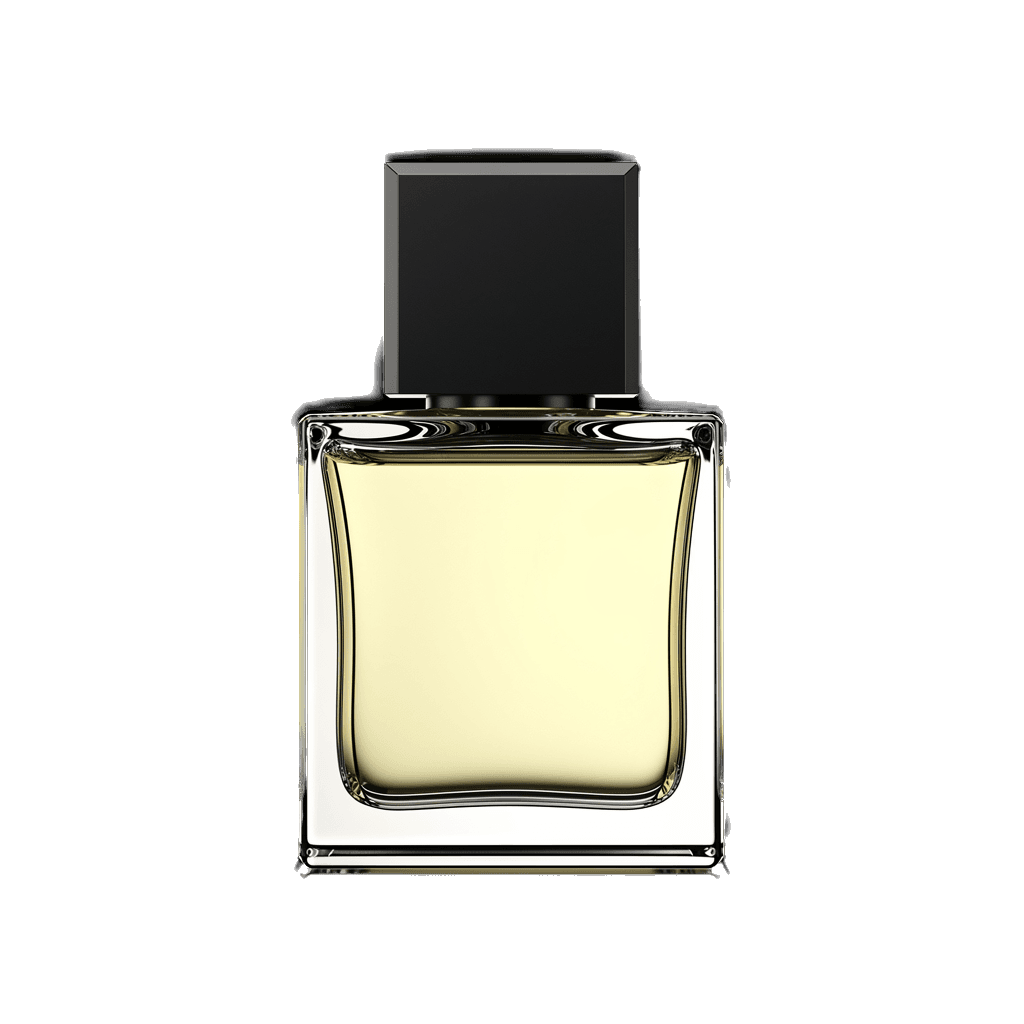
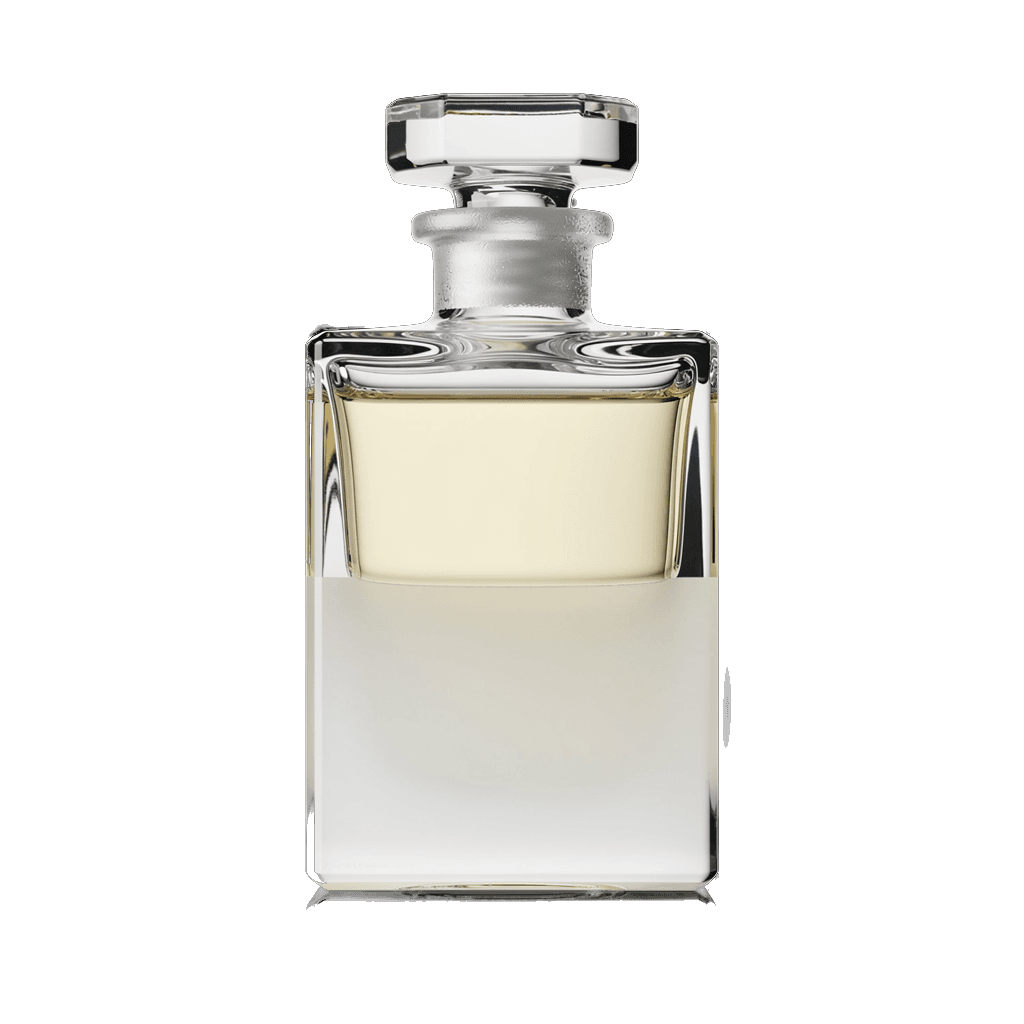
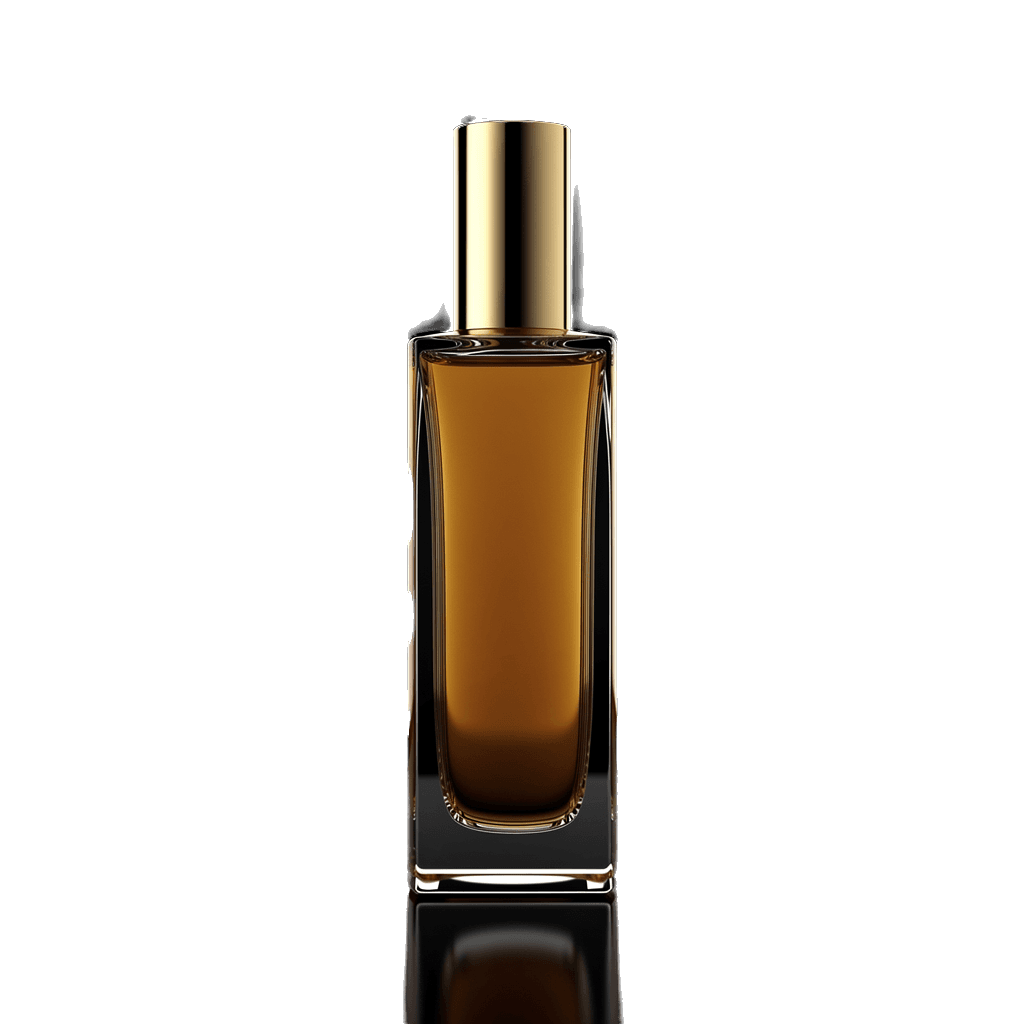
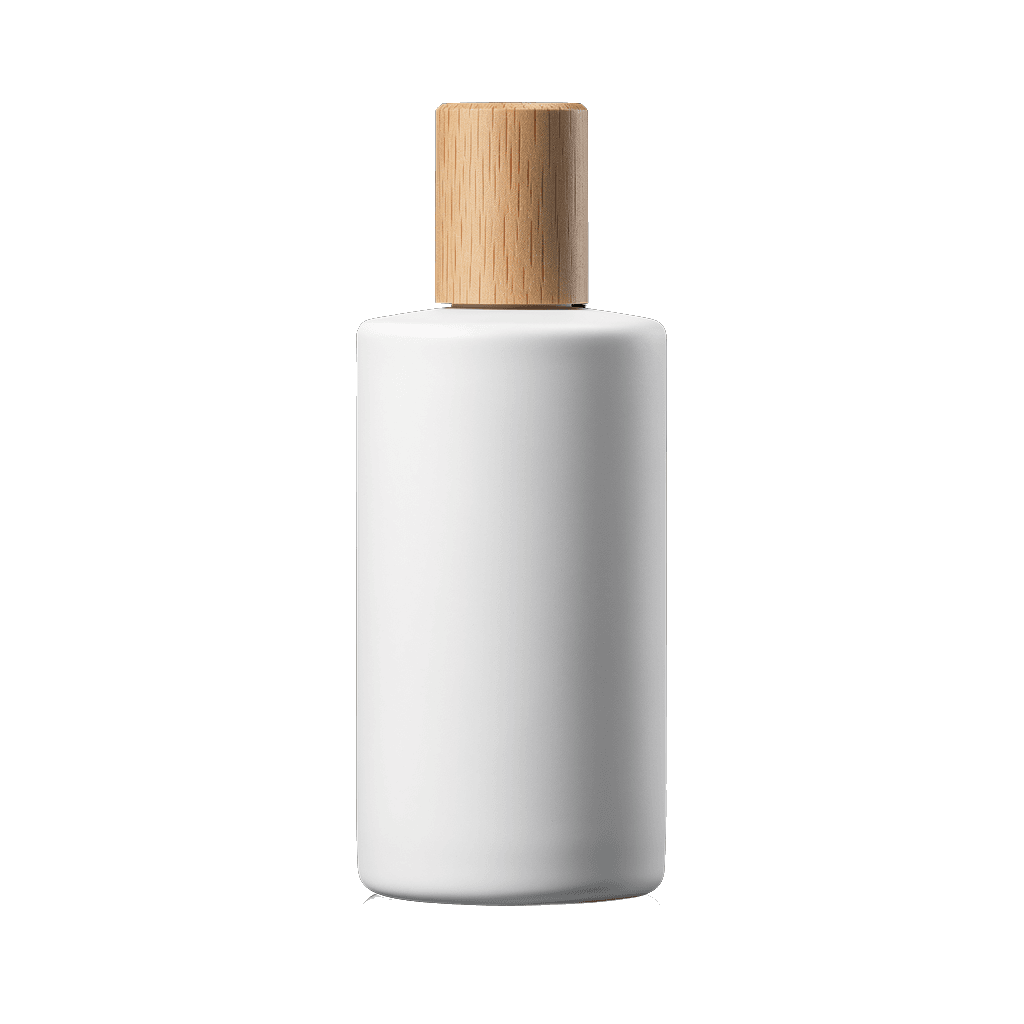
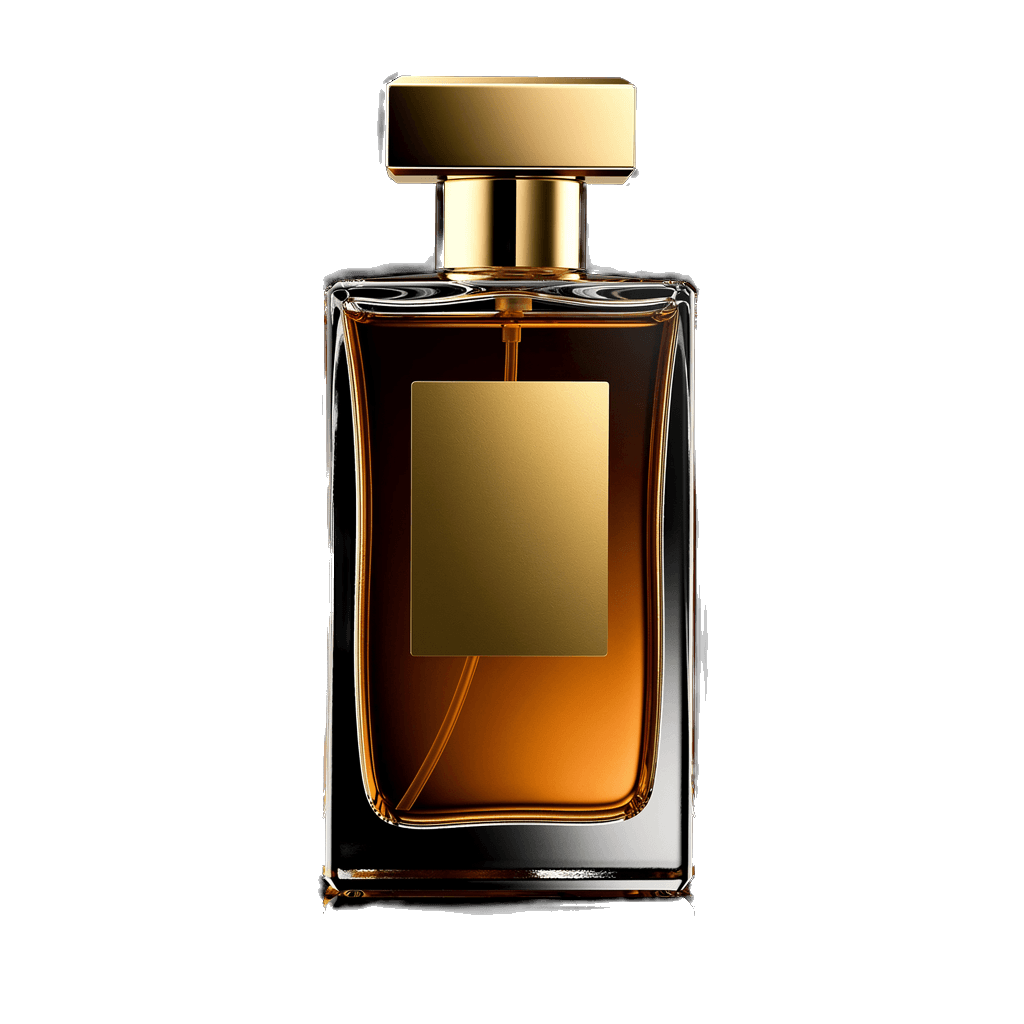
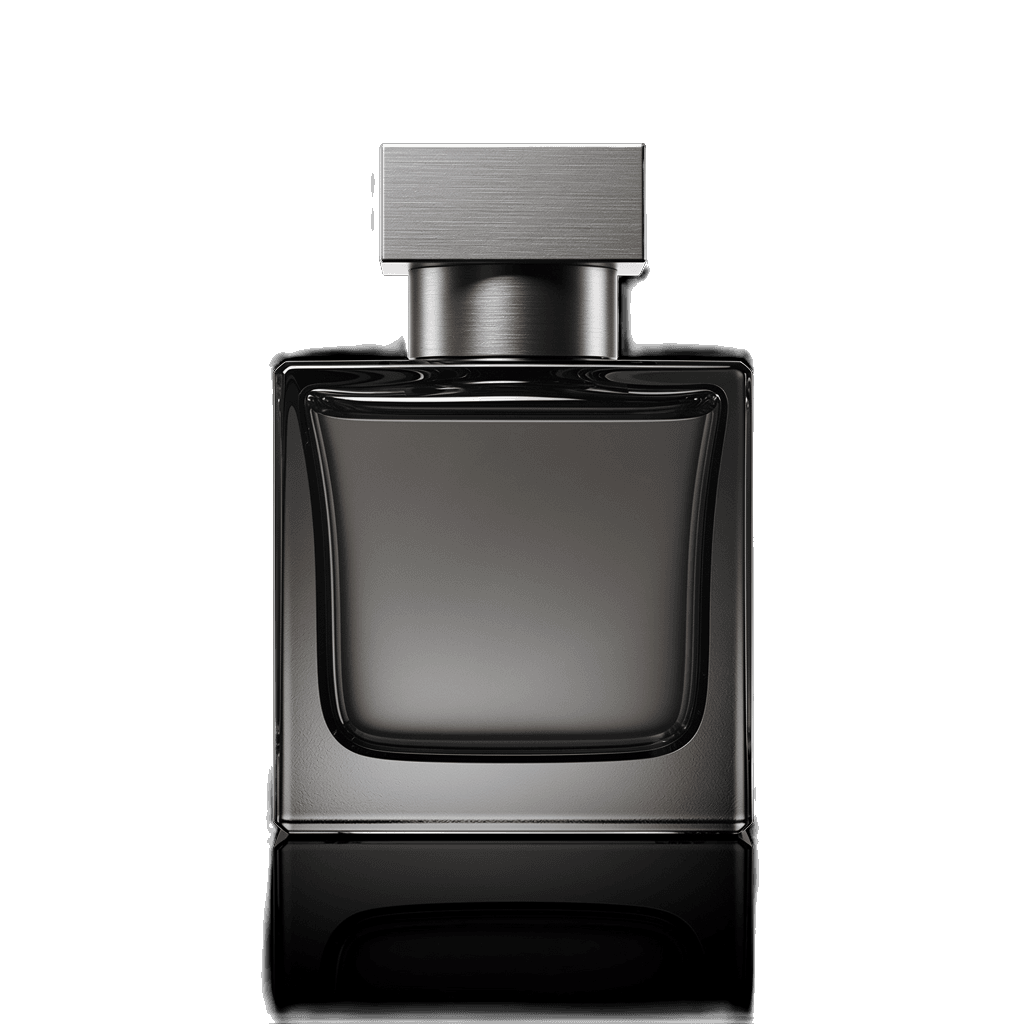
Visually, H&M fragrance bottles echo the brand’s minimalist retail aesthetic. Most designs feature clear or frosted glass with simple, rectangular silhouettes that fit neatly on a dresser or vanity. Labels employ a sans‑serif typeface in monochrome, often accompanied by a subtle colour strip that hints at the scent’s character—soft pink for Peony, deep burgundy for Deep Red Velvet, or muted teal for Cotton Wood. Caps are typically matte‑finished metal or brushed aluminium, reinforcing a contemporary feel. The packaging box follows the same clean lines, using recycled cardboard printed with the same typeface and a single accent colour. This restrained visual language aligns with H&M’s broader brand image, which favours functional design over ornate embellishment. Seasonal limited editions may introduce a pop of colour or a textured pattern, but the core identity remains consistent: a sleek, approachable presentation that mirrors the retailer’s emphasis on accessibility and modern style.
Philosophy
The fragrance programme follows the same democratic principle that guides H&M’s clothing: scent should be easy to try, easy to wear, and easy to replace as trends shift. The brand treats perfume as a wearable accessory that can be layered with outfits, encouraging consumers to experiment rather than commit to a single signature. Sustainability is woven into the development process; H&M reports that many of its recent scents use responsibly sourced ingredients and that packaging incorporates recycled glass or plastic where possible. The creative brief for each launch originates from the seasonal clothing line, with colour palettes and mood boards informing olfactory choices. This cross‑disciplinary approach ensures that a summer dress collection might be accompanied by a citrus‑forward fragrance, while a winter coat range could be paired with a richer, woody scent. H&M also emphasizes transparency, publishing ingredient lists on its website and providing guidance on skin safety. The overall vision is to make fragrance a fluid part of everyday style, removing the aura of exclusivity that often surrounds perfumery and inviting a broader audience to engage with scent as a form of personal expression.
Key Milestones
1947
Erling Persson opens the first Hennes store in Västerås, Sweden.
1968
Hennes merges with Mauritz Widforss, creating Hennes & Mauritz (H&M).
2012
H&M releases its first fragrance, Deep Red Velvet, marking entry into the perfume market.
2018
Launch of H&M Santalum and Makassar Patchouli, expanding the scent portfolio.
2023
H&M announces a collaboration with Givaudan to develop a 25‑fragrance collection.
2025
Release of Cloud Gazer, part of the new seasonal fragrance line.
At a Glance
Brand profile snapshot
Origin
Sweden
Founded
1947
Heritage
79
Years active
Collection
1
Fragrances released
Avg Rating
3.9
Community sentiment
Release Rhythm