The Heritage
The Story of hima jomo
Hima Jomo is a Paris‑based natural perfume house that draws its scent stories from the Himalayas while honoring the traditions of French perfumery. Each fragrance is assembled in Grasse, the historic heart of the perfume world, using more than ninety percent natural and organic raw materials. The line balances crisp mountain air, rare botanicals and the quiet rhythm of handcrafted production, offering a portable glimpse of high‑altitude landscapes for the modern wearer.
Heritage
The brand emerged from a small circle of friends who shared a fascination with the geography and culture of the Himalayan region. According to a 2020 Fragrantica announcement, the founders Vittoria Liu and Randry Glorieux launched Hima Jomo in Paris as a niche project that would translate the region’s natural palette into French‑style fragrances. Basenotes later recorded the company’s formal registration in France in 2021, indicating that the brand solidified its legal presence a year after its initial creative debut. The first public showcase arrived at Esxence 2022 in Milan, where Hima Jomo presented a selection of scents that referenced specific Himalayan locales. This debut marked the transition from a private laboratory to a recognized participant in the European niche perfume circuit. In the same year the house released Autumn in Lhoka and Winter in Manaslu, two compositions that anchored the brand’s seasonal narrative. A partnership with master natural perfumer Delphine Thierry was announced in late 2022, adding technical depth to the creative process. Thierry’s involvement helped refine the balance between botanical purity and olfactory structure, a hallmark that appears in later releases such as Pashm (2023) and Loon (2023). 2024 saw the launch of Lhasa Rose 1924, a tribute to the 1924 expedition of Alexandra David‑Néel, the first Western woman to enter Tibet. The fragrance uses rose notes sourced from the region’s historic gardens, linking a historic moment with contemporary scent craftsmanship. The following year the house expanded its portfolio with Khullu (2025), a scent that references a remote Himalayan valley and continues the brand’s practice of pairing a geographic story with a specific year, reinforcing the narrative continuity that defines Hima Jomo’s catalogue. Throughout its brief history the brand has maintained a steady output of nine fragrances, each anchored in a distinct place and season, and has built a reputation for meticulous, nature‑forward creation within the competitive niche market.
Craftsmanship
All Hima Jomo fragrances are assembled in the perfumery district of Grasse, where the house follows a slow‑production model that limits each batch to a few hundred bottles. The process begins with the selection of raw materials, many of which are certified organic and harvested from Himalayan regions such as Ladakh, Bhutan and Nepal. Ingredients are transported under temperature‑controlled conditions to preserve their aromatic integrity. In the laboratory, master perfumer Delphine Thierry works alongside the founders to translate the brief into a formula. The team favors natural extraction methods—steam distillation for delicate florals, cold‑press for citrus, and solvent‑free CO₂ extraction for resins—reducing the need for synthetic intermediates. When a synthetic component is unavoidable for stability, it is used sparingly and clearly identified on the label. After the initial blend, the mixture rests in dark glass vessels for several weeks, allowing the notes to integrate fully. This maceration period is monitored by the founders, who conduct sensory evaluations at regular intervals. Once the scent reaches its intended balance, the perfume is filtered through fine muslin to remove any particulate matter. Bottling occurs on a hand‑operated line that emphasizes precision. Each bottle is filled at a controlled temperature to ensure consistent volume, then sealed with a cork or screw cap that matches the fragrance’s aesthetic. Quality control includes gas chromatography analysis to verify the concentration of key aroma compounds and to confirm that the natural ingredient quota remains above ninety percent. The final product is packaged in recyclable materials, and the brand works with partners who share its environmental standards. By combining traditional Grasse techniques with rigorous natural sourcing, Hima Jomo delivers a line of perfumes that feels both timeless and responsibly crafted.
Design Language
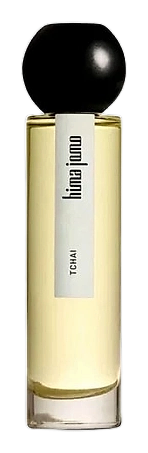
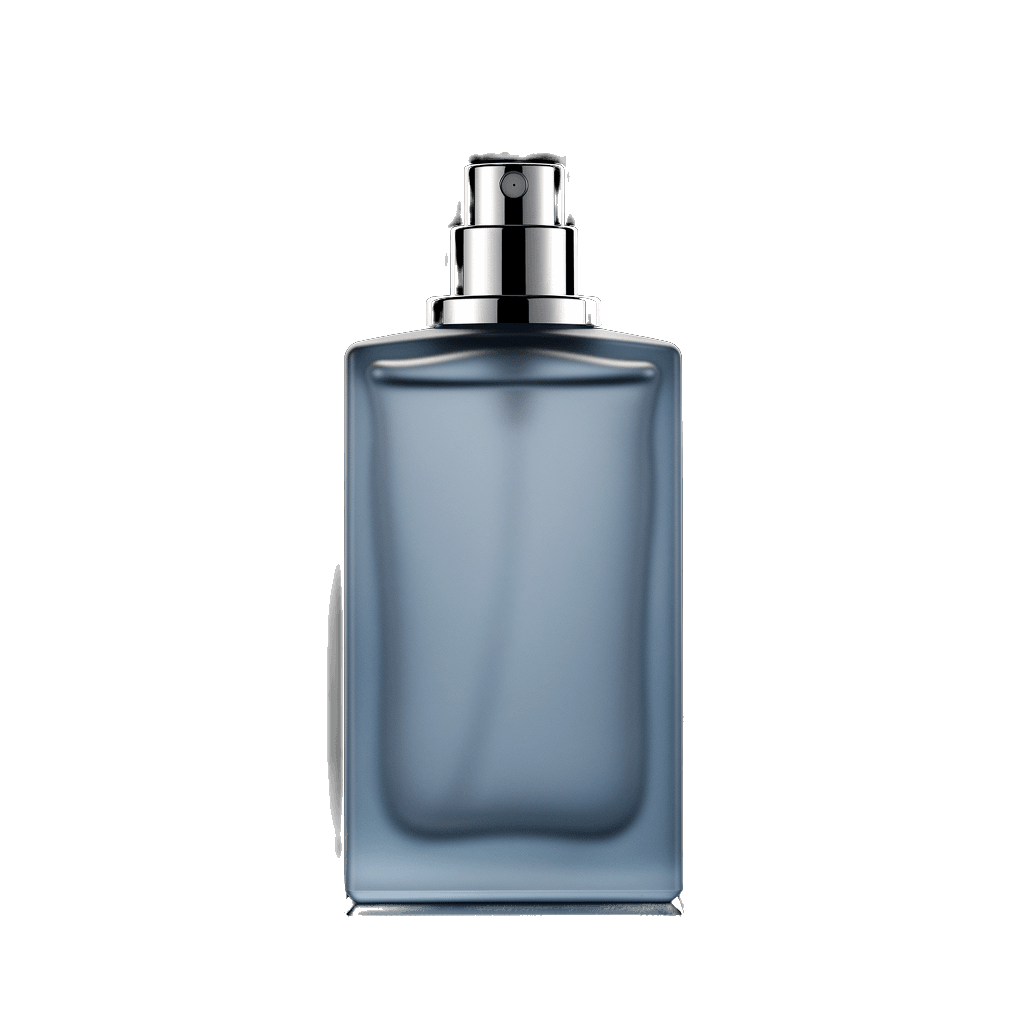
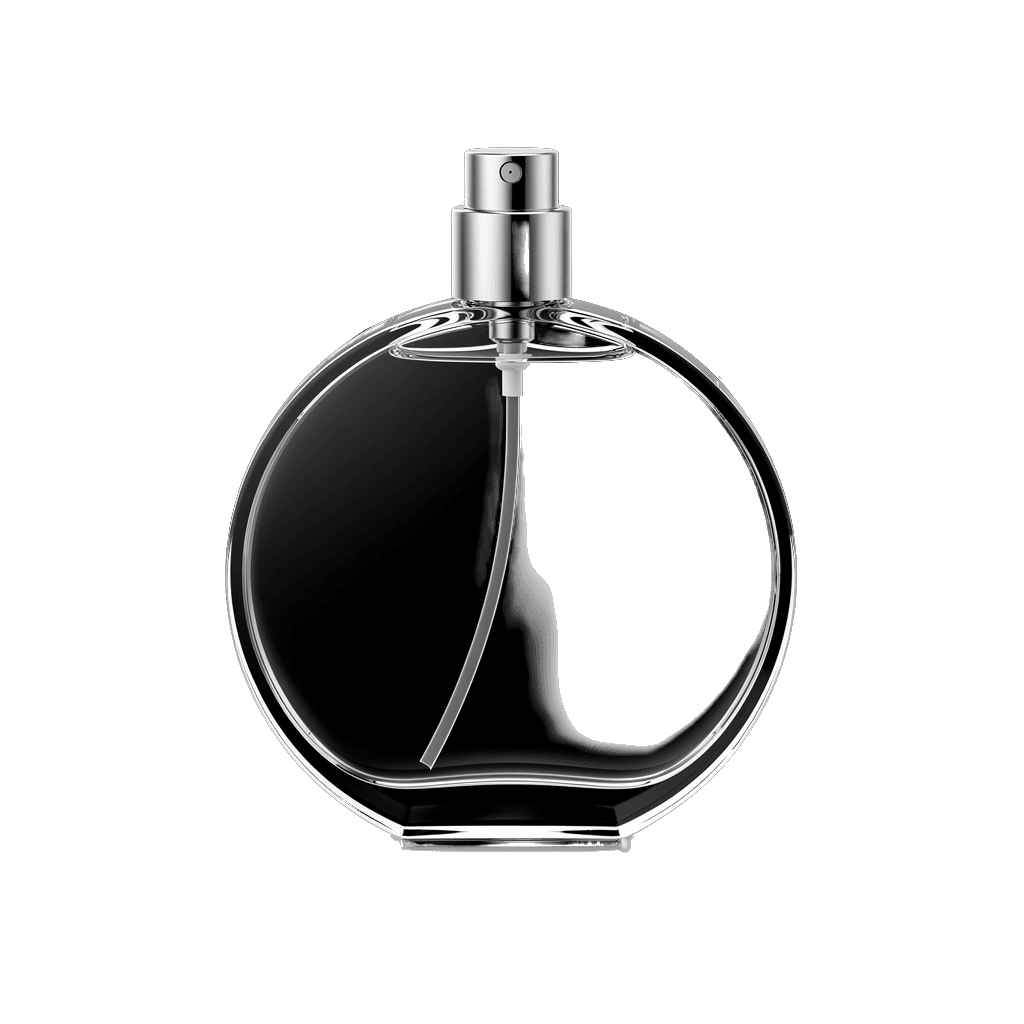
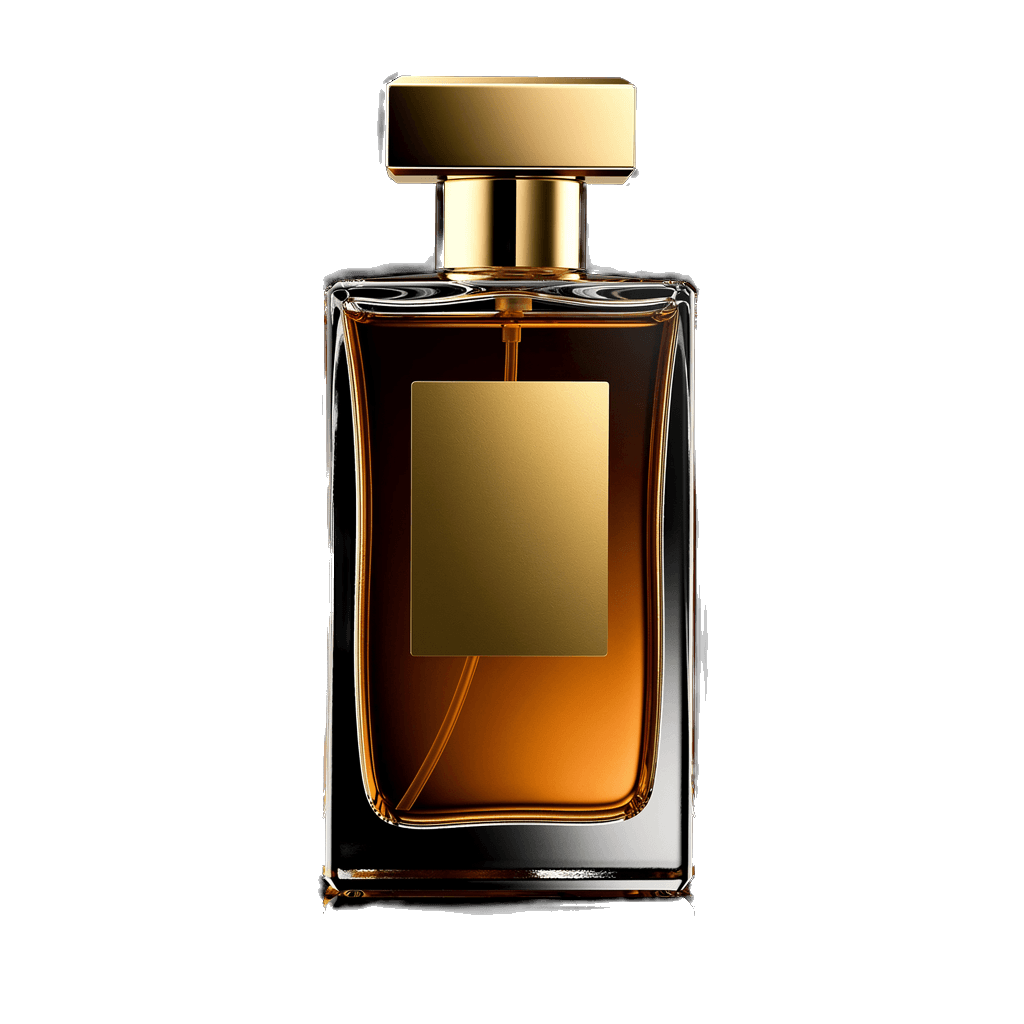
Visually, Hima Jomo adopts a minimal palette that mirrors the stark beauty of high‑altitude terrain. Bottles are crafted from clear glass with slender, matte‑finished aluminum caps that bear the brand’s simple sans‑serif logotype. The label design features a thin black line framing the name of the fragrance, accompanied by the year and the specific Himalayan location in a modest serif font. This restrained typography echoes the clean lines of modern French design while allowing the scent’s story to take center stage. The packaging box is made from recycled kraft paper, printed with a subtle topographic map of the referenced region. Inside, a thin tissue of natural cotton protects the bottle, reinforcing the brand’s commitment to tactile, earth‑friendly details. For limited editions, the house occasionally introduces a hand‑blown glass bottle with a slight amber hue, evoking sunrise over a mountain ridge. Marketing imagery often depicts mist‑shrouded peaks, prayer flags fluttering in the wind, or close‑up shots of the raw botanicals used in the formula. These visuals are presented without overt glamour, favoring natural light and a documentary style that feels more like a field journal than a commercial shoot. The overall aesthetic conveys quiet confidence, inviting the consumer to explore a scent landscape rather than simply wear a fragrance.
Philosophy
Hima Jomo’s creative vision rests on two pillars: a reverence for the Himalayan environment and a commitment to natural perfumery techniques rooted in French tradition. The founders describe their work as an invitation to contemplate remote mountain valleys through scent, translating altitude, climate and local flora into olfactory moments. Rather than chasing trends, the house selects ingredients that can be traced to their geographic origin, often working with small‑scale growers who practice sustainable harvesting. The brand’s naming convention—pairing a location with a year—reflects a belief that each place carries a temporal signature. By anchoring a fragrance to a specific moment, Hima Jomo encourages wearers to imagine the passage of time in a landscape that remains largely unchanged. This approach also guides the selection of raw materials; for example, the rose used in Lhasa Rose 1924 comes from a heritage garden that has cultivated the flower for over a century. Transparency is another core value. Ingredient lists are published openly, and the company discloses the proportion of natural versus synthetic components, emphasizing that more than ninety percent of each formula derives from organic sources. The house also supports biodiversity by sourcing from cooperatives that protect native ecosystems, aligning the scent narrative with ecological stewardship. Overall, Hima Jomo seeks to create a quiet space for contemplation, using scent as a bridge between the wearer and the far‑flung mountains that inspire each bottle.
Key Milestones
2020
Founders Vittoria Liu and Randry Glorieux announce the creation of Hima Jomo in Paris, aiming to blend Himalayan inspiration with French natural perfumery.
2021
Company registers officially in France; production begins in Grasse with a focus on organic ingredients.
2022
Debut at Esxence Milan, presenting Autumn in Lhoka and Winter in Manaslu, marking the brand’s entry into the niche perfume circuit.
2022
Collaboration with master perfumer Delphine Thierry formalized, enhancing the house’s technical expertise.
2024
Release of Lhasa Rose 1924, a tribute to Alexandra David‑Néel’s historic 1924 Tibetan expedition.
2025
Launch of Khullu, expanding the collection with a scent inspired by a remote Himalayan valley.
At a Glance
Brand profile snapshot
Origin
France
Collection
1
Fragrances released
Avg Rating
3.6
Community sentiment
Release Rhythm