The Heritage
The Story of Histoires D'Eaux
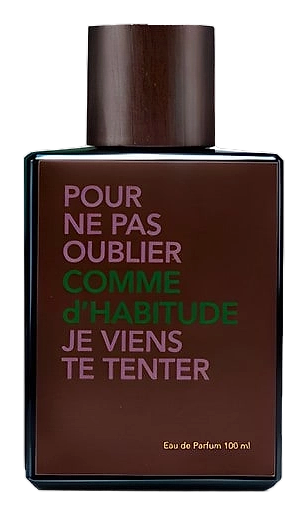
Histoires de Parfums translates stories into scent. Founded in France in 2000, the house releases fragrances that read like short narratives, each title hinting at a memory or emotion. The line includes titles such as Comme d’Habitude (2012) and Une Belle Histoire (2013). By pairing literary concepts with carefully sourced ingredients, the brand invites wearers to experience a personal vignette each time they spray.
Heritage
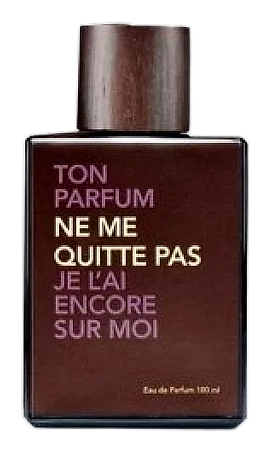
Gérard Ghislain launched Histoires de Parfums at the turn of the millennium, drawing on a personal love of literature and a desire to treat perfume as a narrative medium. Early interviews in niche press describe his background as a graphic designer who turned to fragrance after years of collecting vintage bottles. The first collection appeared in 2002, featuring scents named after everyday moments. By 2012 the house released a cluster of fragrances—Comme d’Habitude, Maladie d’Amour, Et Maintenant, Ne me Quitte Pas, Mon Jardin d’Hiver, Ete Indien and L'Important C'Est La Rose—each anchored to a specific story line. In 2015 the brand partnered with French design studio Nottier to create a unified bottle silhouette that would house future releases. The collaboration emphasized clean lines and a tactile feel, reinforcing the narrative intent of each perfume. A 2018 feature in The Perfume Society highlighted the brand’s expansion into North America, noting that independent boutiques in New York and Los Angeles began stocking the line. The 2020 anniversary edition marked twenty years of continuous storytelling, with a limited‑edition set that compiled the most referenced titles. Throughout its history, Histoires de Parfums has remained a privately held operation, avoiding large‑scale distribution in favor of curated retail partners that share its emphasis on personal connection.
Craftsmanship
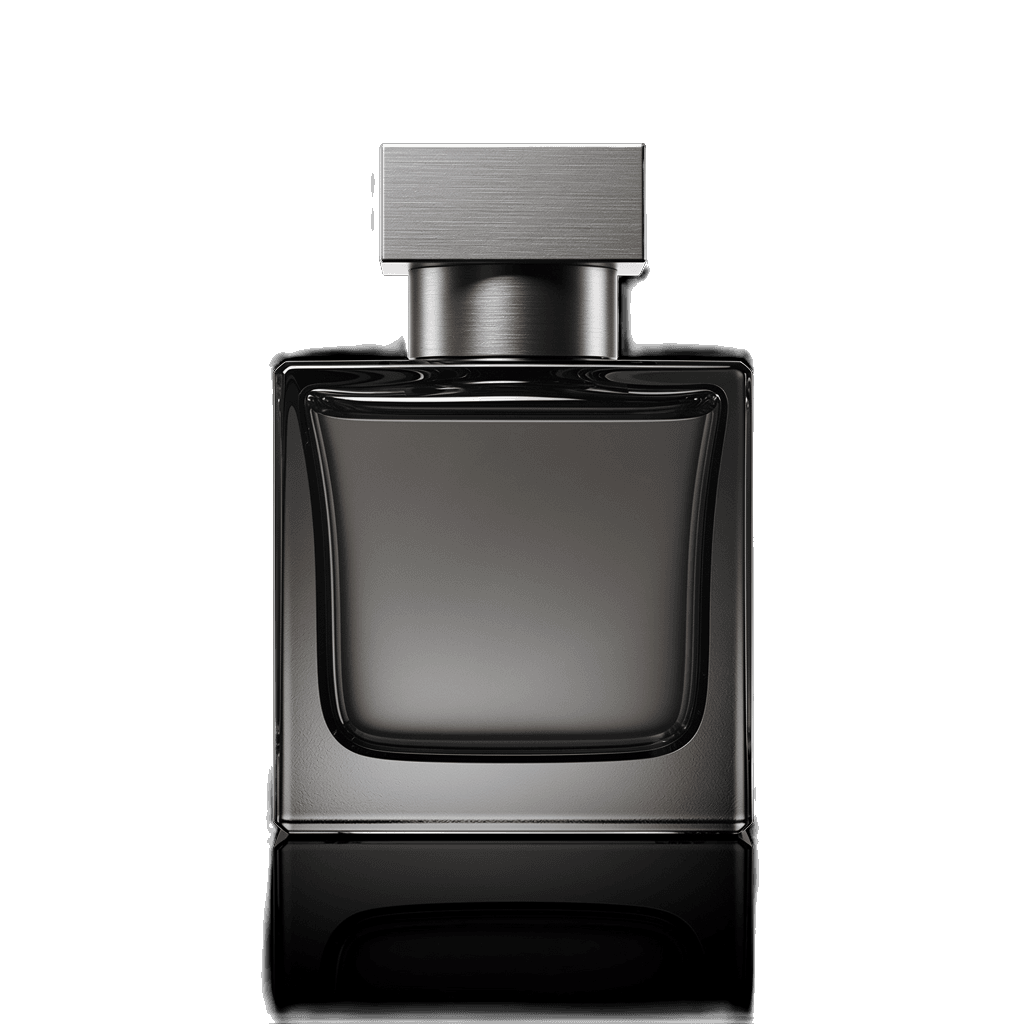
Histoires de Parfums follows a small‑batch model that blends traditional French techniques with modern quality controls. Raw materials are sourced from established growers in Grasse, Madagascar, Brazil and the United States, with a preference for natural absolutes and ethically harvested synthetics. Each formula is hand‑mixed in a Parisian laboratory, where a perfumer measures ingredients by weight and records every adjustment in a leather‑bound notebook. After blending, the mixture rests for several weeks to allow the notes to integrate fully; this maturation period mirrors practices used by historic houses such as Houbigant. Quality testing includes gas‑chromatography analysis to verify purity and stability, followed by sensory evaluation by a panel of long‑term collaborators. Bottles are filled in a temperature‑controlled environment to prevent premature oxidation. The partnership with Nottier ensures that the glass vessel is hand‑polished and sealed with a brushed metal cap that fits snugly, protecting the perfume from light and air. Every batch is limited to a few thousand units, a decision that maintains consistency and allows the brand to monitor each release closely.
Design Language
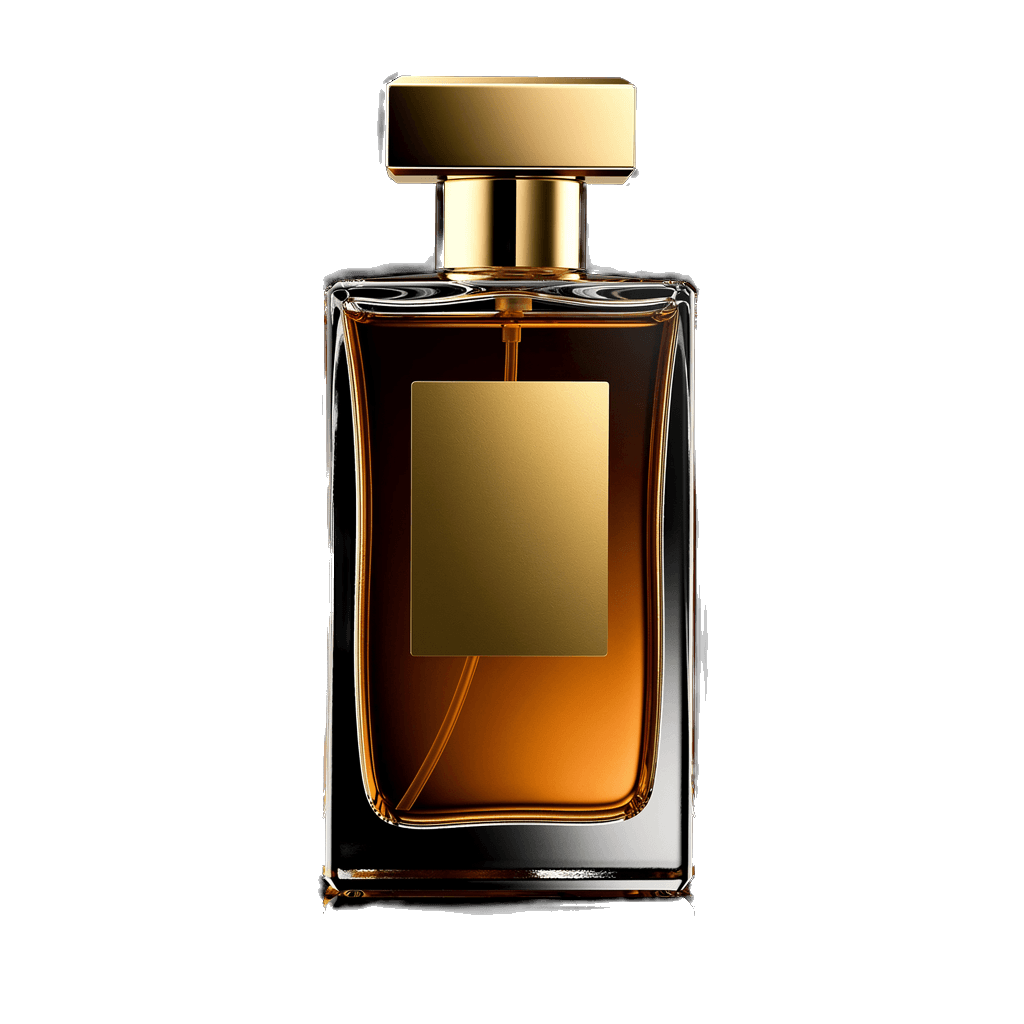
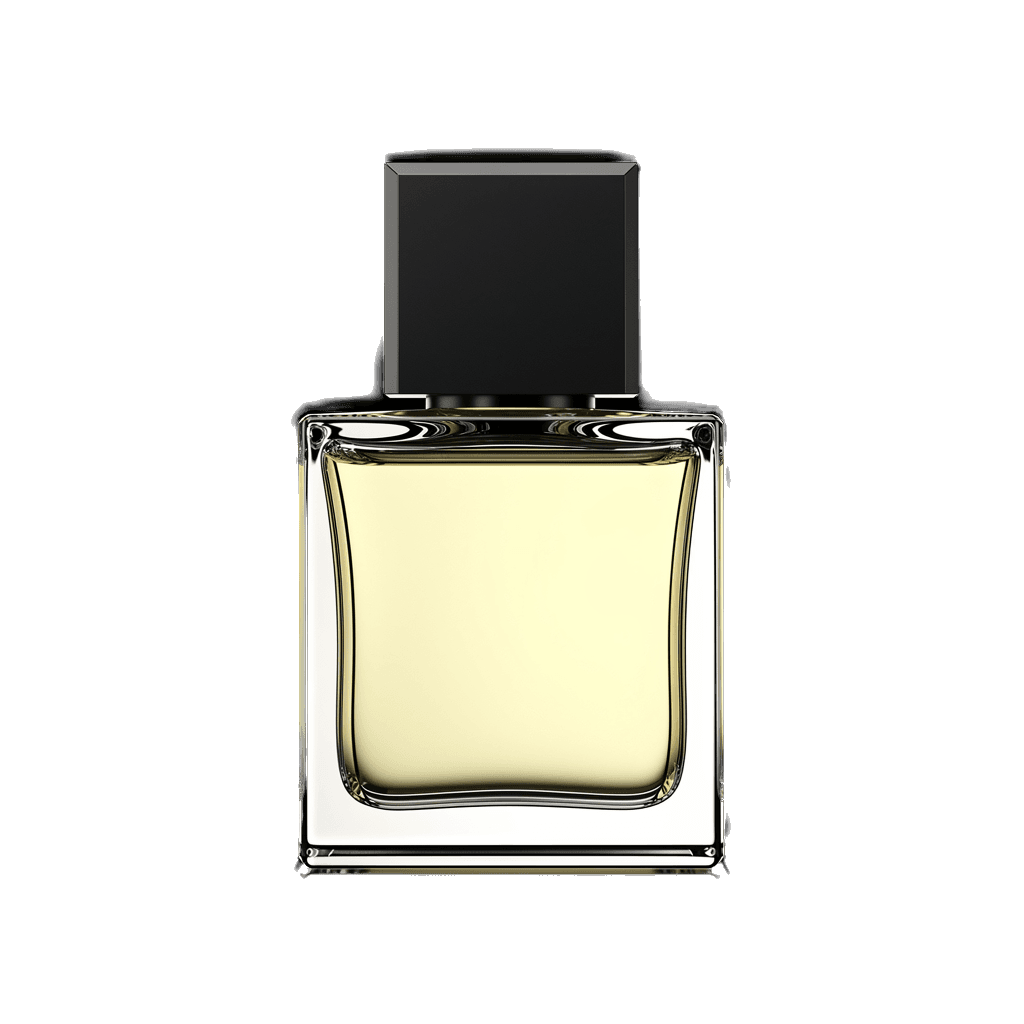
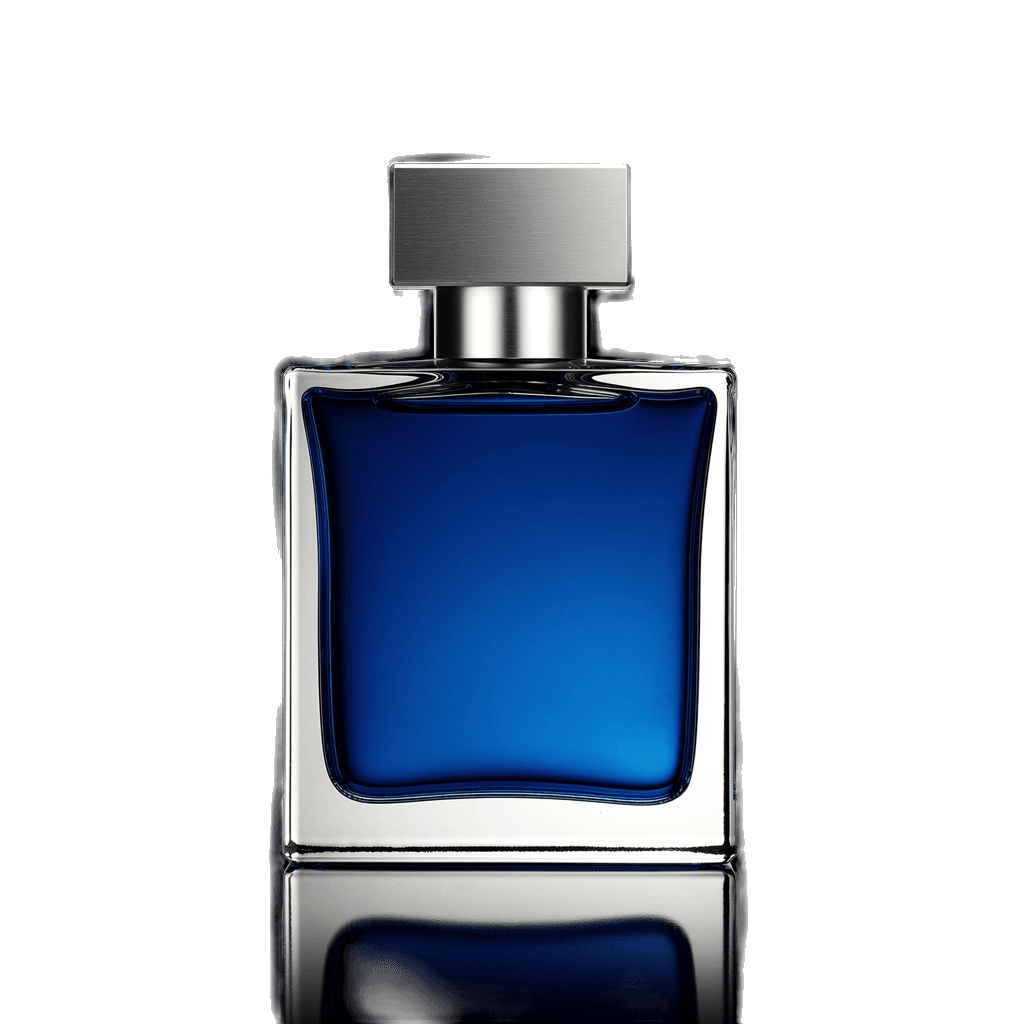
Visual identity revolves around minimal typography and muted color palettes that echo the quiet tone of the stories. The label features a simple serif font, the fragrance title rendered in capital letters, and a brief narrative excerpt printed on the back. Bottles adopt a cylindrical silhouette with a slightly tapered base, a shape first introduced in the 2015 Nottier collaboration. The glass is clear, allowing the hue of the perfume to become part of the visual narrative; for example, the rose‑centric L'Important C'Est La Rose shows a soft pink tint, while the woody Et Maintenant appears amber. Caps are brushed aluminum, providing a tactile contrast to the smooth glass. Packaging boxes are matte black with a single line of gold foil that spells the brand name, reinforcing the notion of a story waiting to be opened. Marketing imagery often depicts the perfume placed beside a handwritten note or an old photograph, reinforcing the literary connection without resorting to overt luxury language.
Philosophy
The house treats each fragrance as a written chapter, aiming to open an emotional portal rather than simply mask the skin. Ghislain describes his work as a dialogue between scent and memory; the bottle becomes a bookmark, the aroma a paragraph. The brand rejects seasonal trends, instead focusing on timeless human experiences such as love, loss, travel and quiet moments. Production decisions start with a story brief, which a perfumer then interprets through notes that echo the narrative tone. This approach encourages wearers to assign their own meaning, turning a commercial product into a personal artifact. Transparency about ingredient origins and a commitment to sustainable sourcing reinforce the belief that authenticity begins with the raw material as much as with the final composition. The philosophy also extends to retail, where the brand prefers intimate spaces that allow customers to linger, read the story card and test the scent without pressure.
Key Milestones
2000
Gérard Ghislain founds Histoires de Parfums in Paris, positioning fragrance as a narrative medium.
2002
First collection launches, introducing the concept of story‑driven scent titles.
2012
Series of nine fragrances released, including Comme d’Habitude, Maladie d’Amour and Et Maintenant, expanding the house’s catalogue.
2015
Collaboration with design studio Nottier results in a unified bottle architecture used for subsequent releases.
2018
North American distribution begins, with select boutique retailers in New York and Los Angeles stocking the line.
2020
Twenty‑year anniversary edition released, compiling key titles in a limited‑edition box set.
At a Glance
Brand profile snapshot
Origin
France
Founded
2000
Heritage
26
Years active
Collection
2
Fragrances released
Avg Rating
4.5
Community sentiment
Release Rhythm