The Heritage
The Story of Hormone Paris
Hormone Paris is a Paris‑based fragrance house that frames scent as a functional tool for the mind and body. Launched in 2020, the brand releases limited‑edition perfumes named after hormones, neurotransmitters and neuropeptides, each crafted to echo the subtle psychological cue of its namesake. The line balances synthetic aroma chemicals with select natural extracts, offering a modern, science‑inspired alternative to traditional perfumery.
Heritage
Hormone Paris emerged in the spring of 2020 when founder and perfumer Emmanuel Moglen, a former chemist turned scent artisan, decided to explore how fragrance could act as an internal signal. Drawing on the Greek word hormōn, meaning "to set in motion," the brand positioned itself at the intersection of aromachology and contemporary perfumery. Its inaugural collection arrived later that year, introducing This is Not Serotonin, This is Not Endorphin, This is Not Oxytocin, This is Not Adrenaline and This is Not Dopamine. Each launch was accompanied by a brief scientific note explaining the hormone’s role in mood regulation, a practice that quickly became a hallmark of the house. In 2022 the brand expanded its catalogue with This is Not Kisspeptin and This is Not Melatonin 05, followed by This is Not GABA in 2023. The most recent additions, This is Not Caffeine and This is Not Testosterone, debuted in 2025, confirming Hormone Paris’s commitment to a steady, research‑driven output. Over the first five years the house has maintained a boutique production model, releasing each scent in batches of no more than 2,000 units, a strategy that preserves exclusivity while allowing close monitoring of quality. Partnerships with university laboratories in Paris have provided the brand with access to the latest findings in neurochemistry, informing both formulation and marketing narratives. Though still young, Hormone Paris has been featured in niche fragrance publications such as Fragrantica and Now Smell This, where critics note its clear conceptual focus and disciplined rollout schedule. The brand’s evolution reflects a broader trend in niche perfumery toward functional, experience‑oriented scents, yet it remains distinct through its consistent scientific framing and limited‑run philosophy.
Craftsmanship
Each Hormone Paris perfume is formulated in a small Parisian laboratory where perfumers work alongside chemists. The process begins with a review of peer‑reviewed literature on the chosen hormone, identifying scent families that historically evoke similar emotional states. Synthetic aroma chemicals, such as iso e super, hedione or calone, are selected for their stability and ability to reproduce nuanced facets that natural extracts cannot reliably provide. When natural ingredients are used, they are sourced from certified farms that adhere to fair‑trade and organic guidelines; for example, the citrus top notes in This is Not Caffeine come from Sicilian lemons harvested under EU organic certification. After blending, each batch undergoes gas‑chromatography analysis to confirm concentration levels and ensure batch‑to‑batch consistency. The finished perfume is then filtered through a stainless‑steel membrane before being decanted into the brand’s signature aluminum bottle. Quality control includes a sensory panel that evaluates the scent’s fidelity to the intended olfactory profile, as well as stability testing under varying temperature and light conditions. Production runs are limited to 2,000 units per fragrance, a decision that allows the house to maintain tight oversight of every step, from raw material receipt to final packaging. The brand also employs a refill program, encouraging customers to return empty bottles for sterilized refills, thereby reducing waste while preserving the integrity of the original formulation.
Design Language
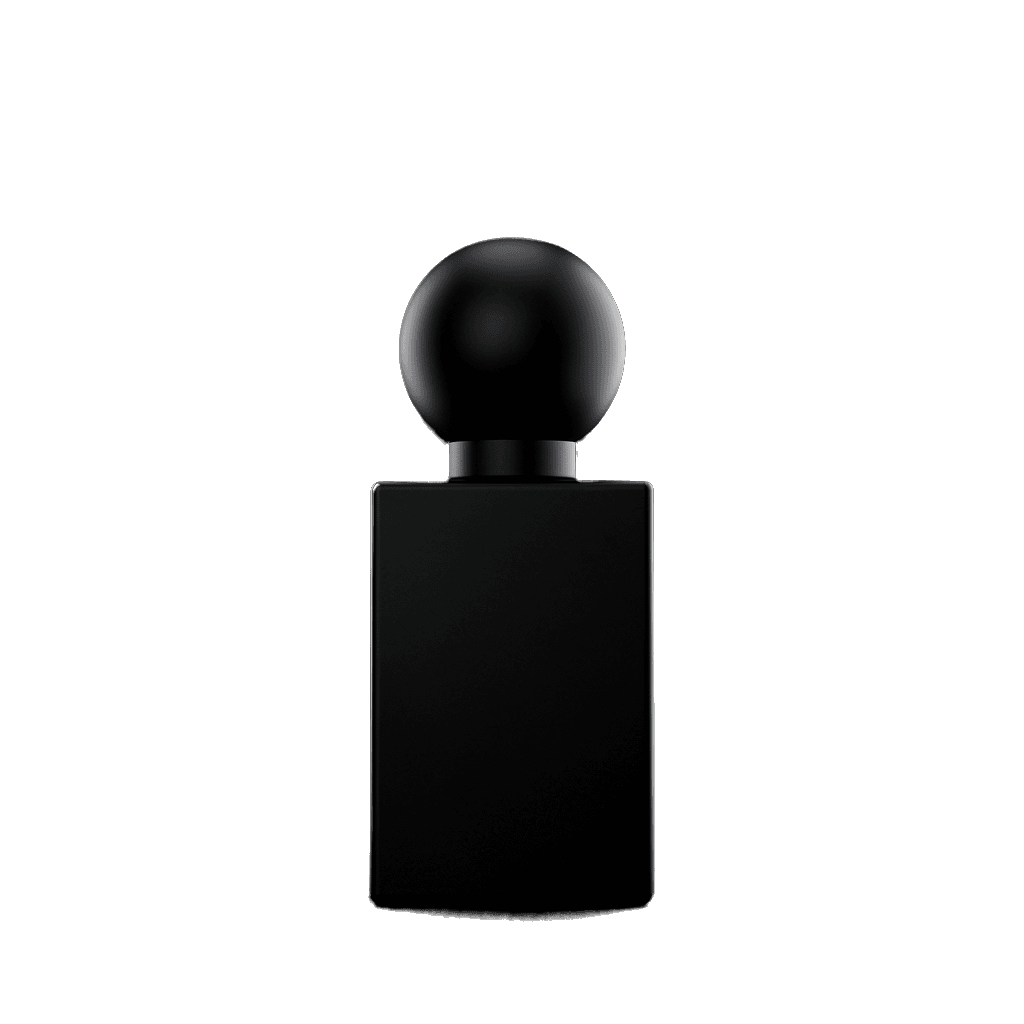
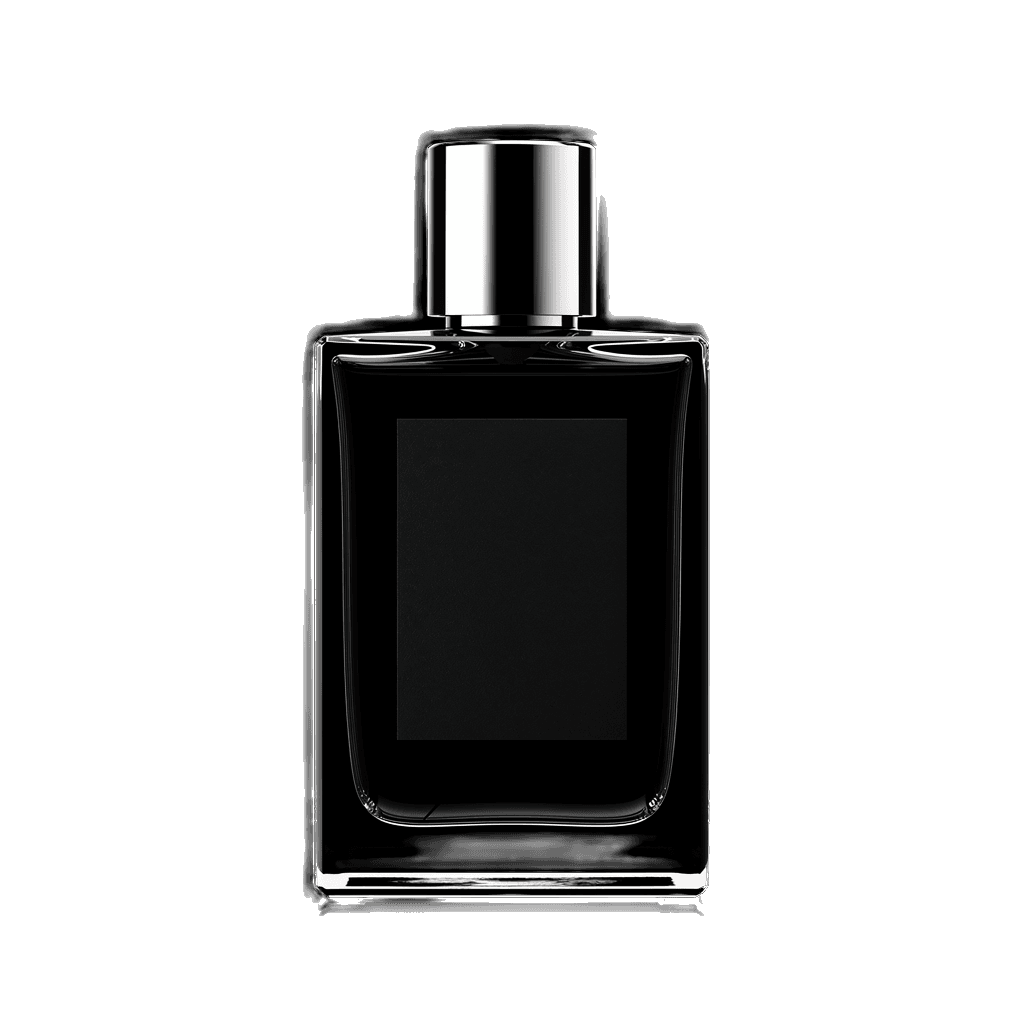
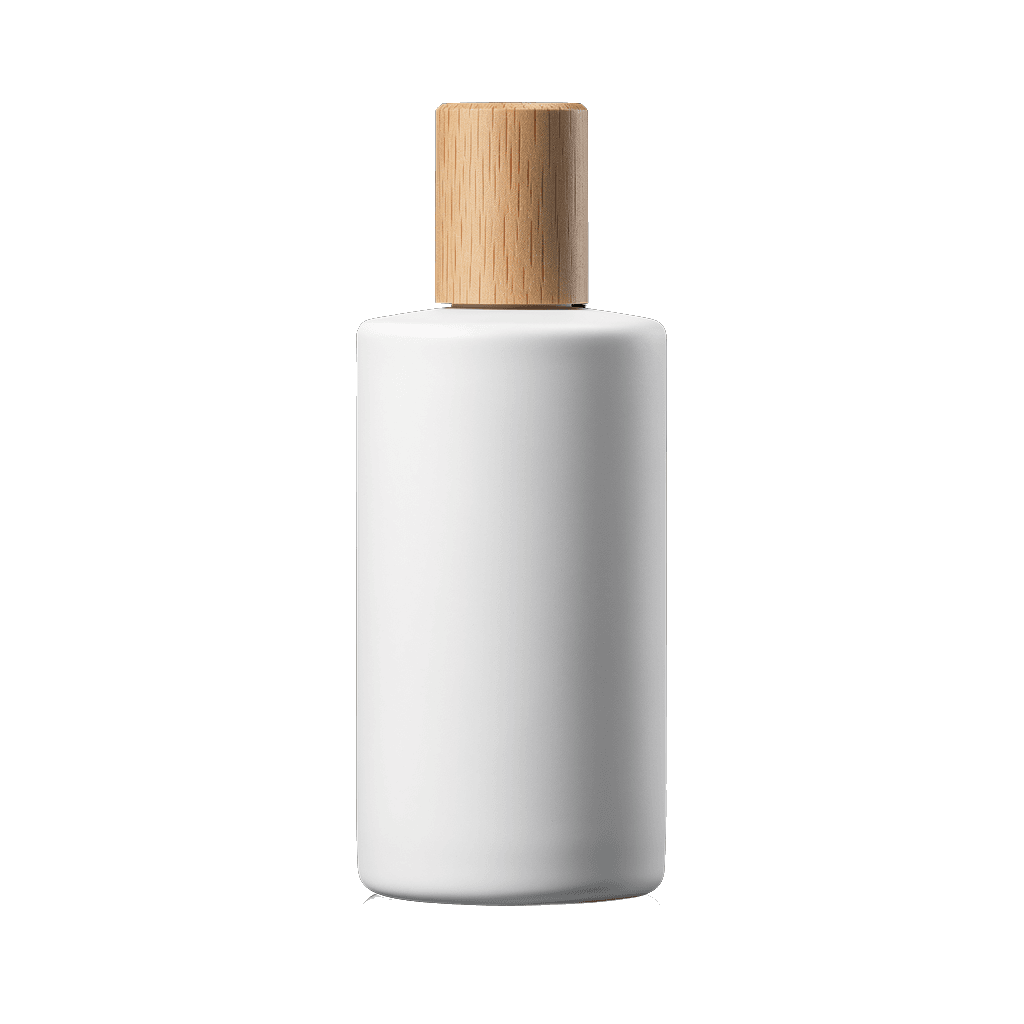
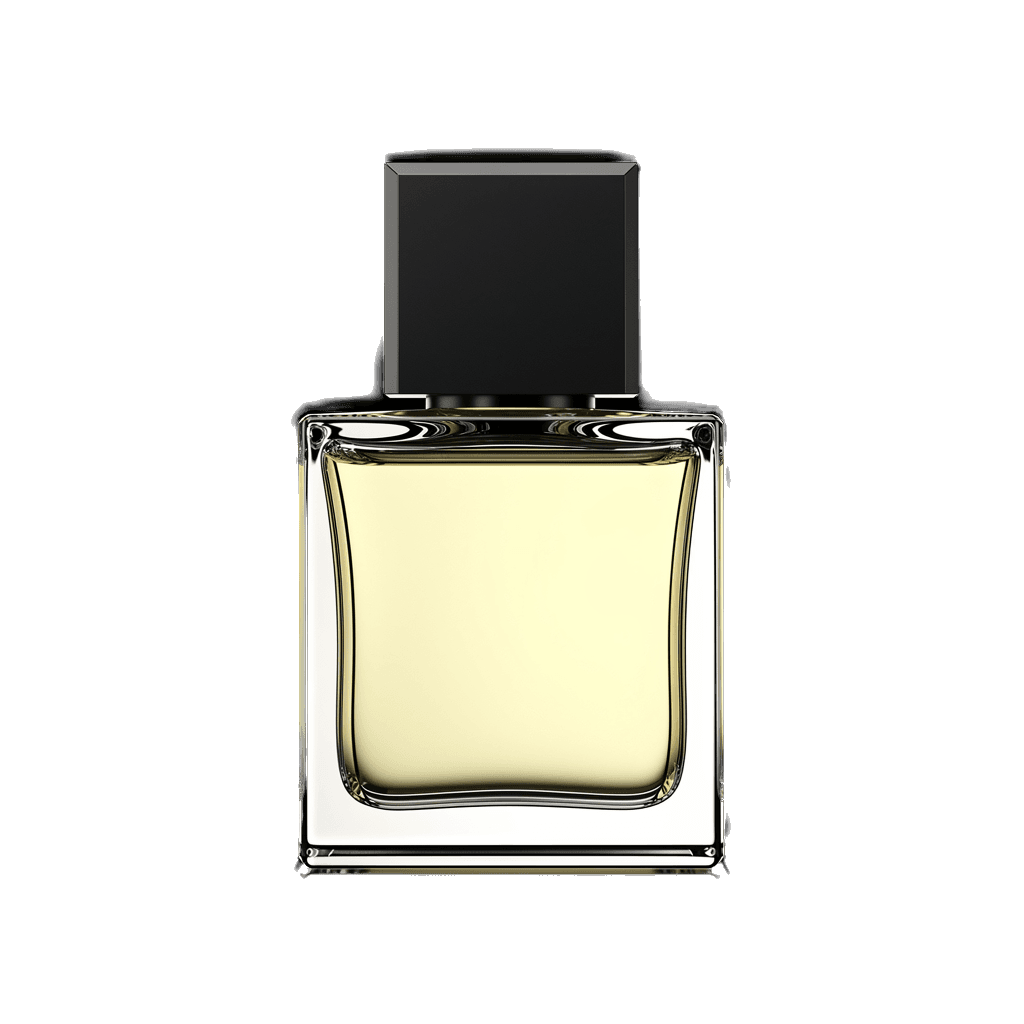
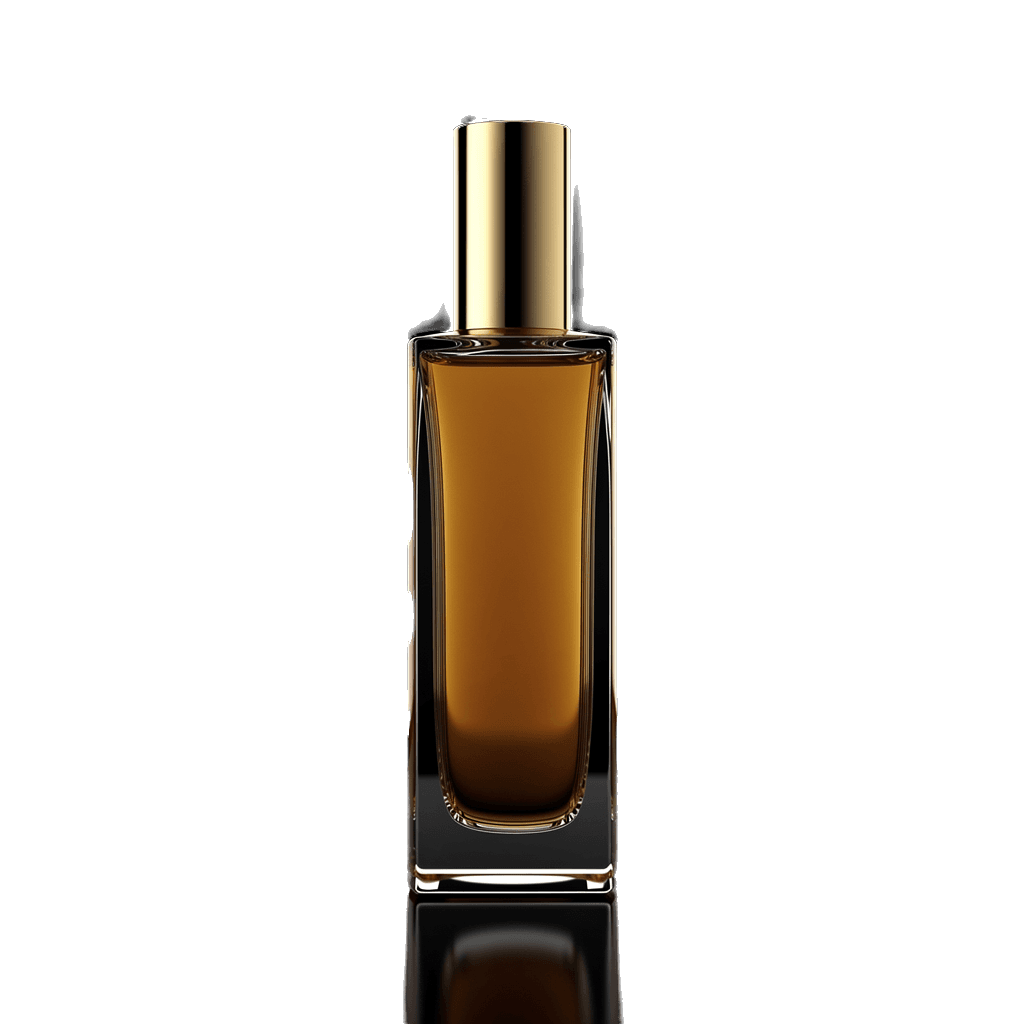
Hormone Paris presents its scents in matte black aluminum bottles that feel weighty in the hand, a visual cue to the scientific seriousness of the line. The bottle’s silhouette is a simple cylinder capped with a brushed‑metal screw top, echoing laboratory glassware without being overtly clinical. Labels are printed in a clean sans‑serif typeface, with the fragrance name centered in white against the dark background; a subtle embossed line of the chemical formula of the referenced hormone appears on the back, adding a tactile detail for the curious collector. The brand’s visual language extends to its digital presence, where the website uses a muted palette of charcoal, slate and soft gray, punctuated by occasional pastel accents that mirror the scent’s key notes. Photography favors stark, high‑contrast compositions that highlight the bottle’s texture and the minimal packaging, often set against concrete or white studio backdrops. This restrained aesthetic aligns with the house’s functional ethos, positioning each perfume as a tool rather than a decorative object, while still offering a sleek, contemporary look that appeals to design‑savvy consumers.
Philosophy
At the core of Hormone Paris lies a belief that scent can act as a subtle catalyst for emotional balance. The house treats each fragrance as a functional composition, selecting aroma chemicals that echo the physiological effects of the hormone or neurotransmitter it references. Rather than claiming miraculous outcomes, the brand presents each scent with a concise description of the associated neurochemical pathway, inviting wearers to experiment with mood‑supporting aromas in everyday life. Transparency guides the creative process; ingredient lists are published on the website, and the brand openly discusses the role of synthetics in achieving precise olfactory targets. Hormone Paris also embraces inclusivity, offering unisex formulations that avoid gendered marketing language. Sustainability informs its values as well: packaging is designed for recyclability, and the brand sources raw materials from suppliers that meet recognized environmental standards. By aligning fragrance with scientific insight, Hormone Paris seeks to demystify the perfume experience, positioning scent as a personal, adaptable tool rather than a static statement.
Key Milestones
2020
Hormone Paris founded in Paris by Emmanuel Moglen; first six fragrances released, each named after a hormone or neurotransmitter.
2022
Launch of This is Not Kisspeptin and This is Not Melatonin 05, expanding the line into reproductive and sleep‑related themes.
2023
Introduction of This is Not GABA, the brand’s first fragrance focused on an inhibitory neurotransmitter.
2025
Release of This is Not Caffeine and This is Not Testosterone, marking the latest expansion into stimulant and androgenic concepts.
At a Glance
Brand profile snapshot
Origin
France
Founded
2020
Heritage
6
Years active
Collection
1
Fragrances released
Avg Rating
3.5
Community sentiment
Release Rhythm