The Heritage
The Story of Houbigant
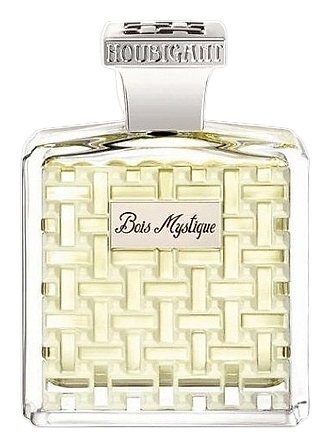
Houbigant is a Parisian perfume house that traces its roots to 1775, when Jean‑François Houbigant opened a modest shop on rue de Faubourg Saint‑Honoré. Over four centuries the brand has supplied scent to courts, explorers and modern collectors. Its catalogue blends historic creations such as Le Parfum Idéal (1896) with contemporary releases like Bois Mystique Extrait (2022). The house remains a quiet steward of French perfumery, offering refined aromas that echo the past while speaking to today’s discerning noses.
Heritage
Jean‑François Houbigant founded the house in 1775 at the age of twenty‑three, establishing a boutique at no. 19 rue de Faubourg Saint‑Honoré. Early on the shop attracted aristocratic patrons; records show that Marie Antoinette ordered scented handkerchiefs and Napoleon Bonaparte requested a personal fragrance for his carriage. In the late 19th century the house introduced Fougère Royale (1882), a composition that defined the "fougère" family and influenced modern masculine perfumery. The 20th century saw the launch of iconic scents such as Le Parfum Idéal (1896) and Musk (1971), each reflecting evolving tastes while preserving classic techniques. The brand celebrated its 250th anniversary in 2025 with a limited edition of Quelques Fleurs l’Original, underscoring a commitment to heritage. Recent years have brought experimental releases like Bois Mystique (2018) and its extrait version (2022), demonstrating that the house can honor tradition and still explore new olfactory territories. Throughout wars, revolutions and cultural shifts, Houbigant kept its workshop active, training perfumers who respect the balance of natural extracts and emerging synthetics. Today the house operates from its historic Parisian atelier, continuing a lineage that has survived four centuries of change.
Craftsmanship
Every Houbigant perfume begins with a meticulous selection of raw materials. The house sources natural extracts from regions known for quality: jasmine from Grasse, sandalwood from Indonesia, and ambergris from the Indian Ocean, each verified through third‑party certificates. When synthetic aromachemicals are employed, the perfumers choose variants that meet strict purity standards and that complement the natural accords. The formulation process takes place in a climate‑controlled laboratory where perfumers blend ingredients by weight, recording each step in a ledger that traces the evolution of the scent. Distillation, maceration and aging occur in copper stills and oak barrels, allowing the perfume to mature for months before bottling. Quality control includes gas‑chromatography analysis to ensure each batch matches the original specification. Bottles are hand‑blown in French crystal workshops, then sealed with waxed corks that preserve the fragrance’s integrity. The final product is inspected for visual perfection, weight consistency and scent fidelity before it leaves the atelier. This rigorous approach, rooted in centuries‑old practices, guarantees that each fragrance delivers the intended olfactory experience from the first spray to the lingering dry‑down.
Design Language
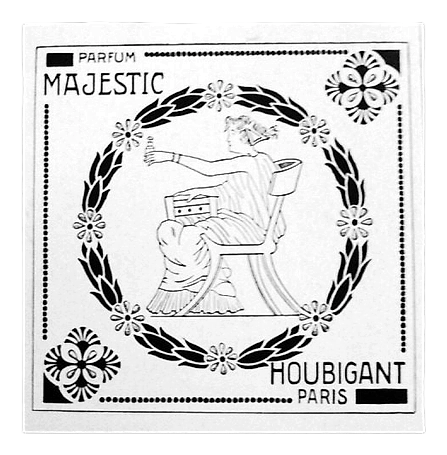
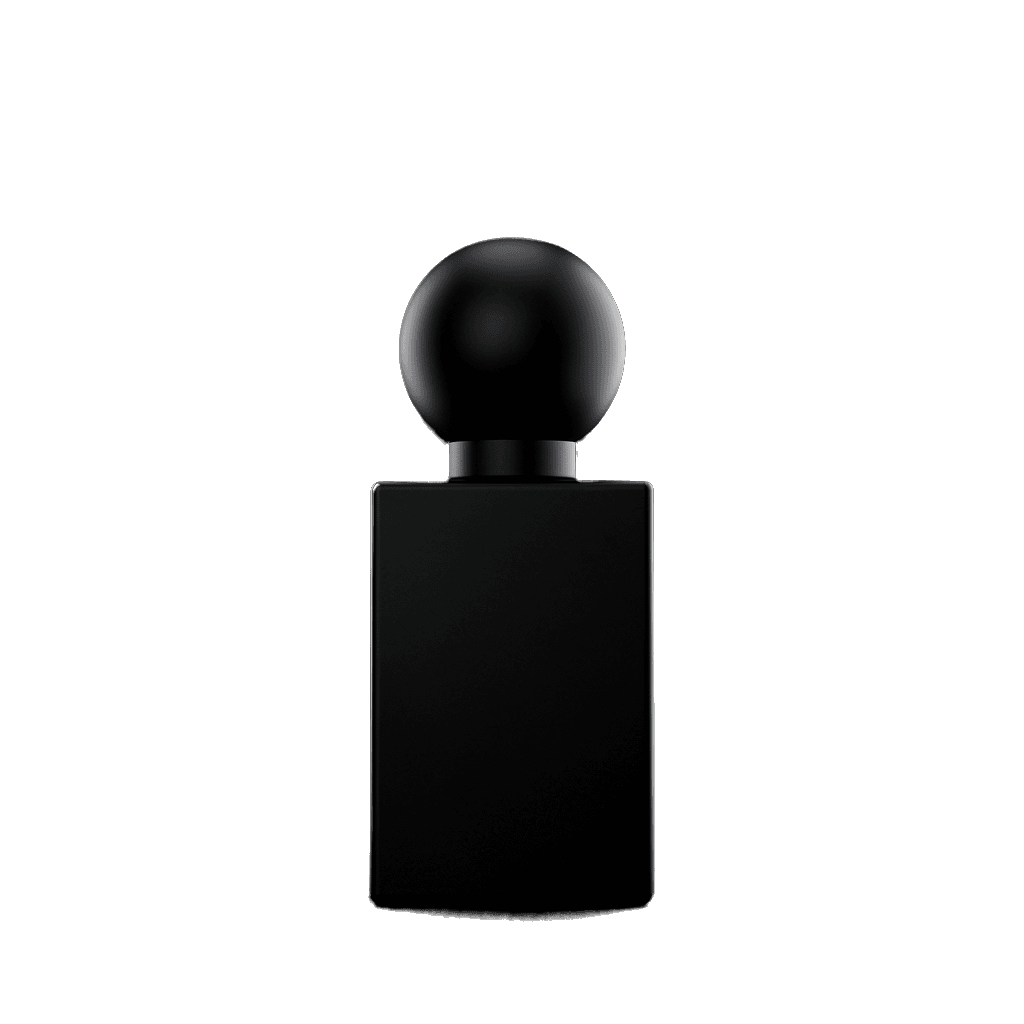
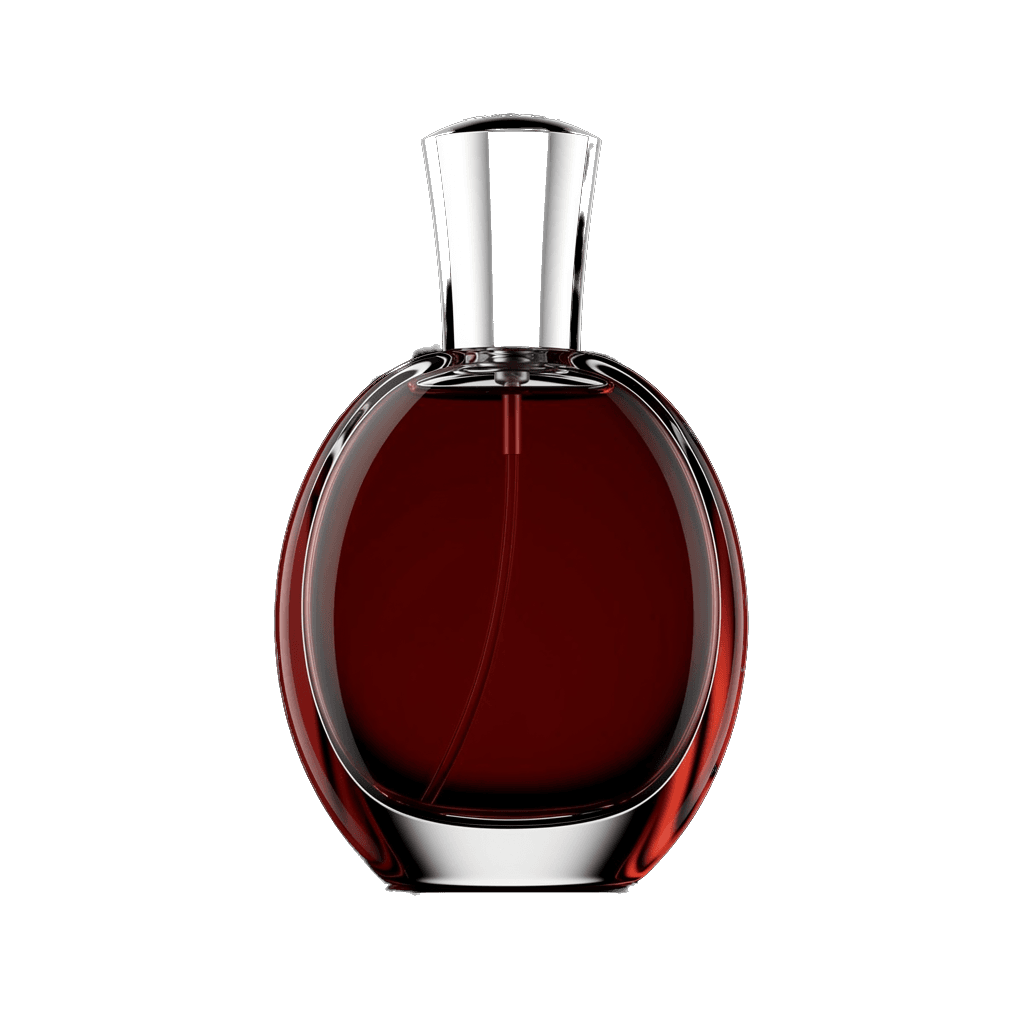
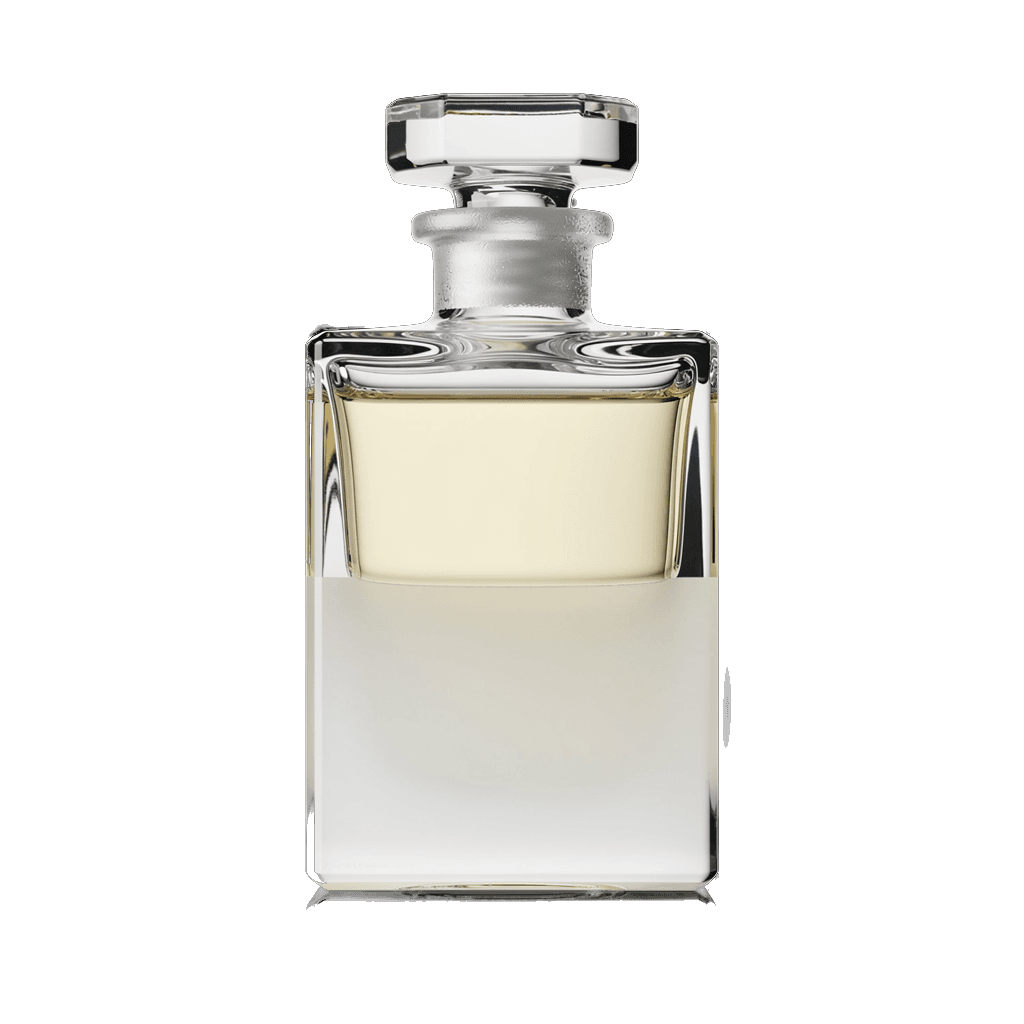
Houbigant’s visual language draws on its 18th‑century origins while embracing contemporary minimalism. The brand’s logo features a stylised monogram of the founder’s initials, rendered in a clean serif typeface that appears on every flacon. Bottles often adopt a rectangular silhouette with softened edges, echoing classic French apothecary vessels. Transparent glass showcases the perfume’s hue, while a thin gold or silver collar adds a subtle accent. Labels use understated black lettering on ivory paper, providing space for the fragrance name and year of creation without clutter. The packaging palette favors muted tones—cream, charcoal, deep green—allowing the scent’s story to remain the focal point. In limited editions, the house collaborates with French artisans to incorporate hand‑painted motifs or engraved patterns that reference the perfume’s inspiration, such as a violet motif for Quelques Violettes. Overall, the aesthetic conveys timeless elegance, inviting collectors to appreciate both the scent and its presentation as a cohesive work of art.
Philosophy
Houbigant approaches scent as a narrative thread that links memory, place and emotion. The house believes that a perfume should respect its raw materials, honor the craft of its creator and invite the wearer into a story that unfolds over time. It prioritises transparency in ingredient sourcing, favoring sustainably harvested botanicals and responsibly produced synthetics. The creative team balances archival research with contemporary inspiration, often revisiting historic formulas to reinterpret them for modern palettes. Collaboration with external perfumers occurs only when the partnership aligns with the house’s emphasis on subtle elegance and technical precision. Houbigant also values the tactile experience of fragrance, designing flacons that feel as thoughtful as the scent inside. By maintaining a modest public profile, the brand lets the perfume speak for itself, encouraging collectors to explore each composition without the distraction of hype. This philosophy reflects a quiet confidence that quality and authenticity outlast trends.
Key Milestones
1775
Jean‑François Houbigant opens his perfume shop at 19 rue de Faubourg Saint‑Honoré in Paris.
1790
Houbigant supplies scented products to the French court, including Marie Antoinette.
1882
Launch of Fougère Royale, the first fragrance to define the fougère family.
1962
Release of Quelques Violettes, a violet‑focused composition that becomes a cult classic.
2022
Introduction of Bois Mystique Extrait de Parfum, a deep, resinous reinterpretation of the 2018 original.
At a Glance
Brand profile snapshot
Origin
France
Founded
1775
Heritage
251
Years active
Collection
3
Fragrances released
Avg Rating
4.0
Community sentiment
Release Rhythm