The Heritage
The Story of ID Parfums
ID Parfums is a French niche fragrance house that positions travel as the core of its creative engine. Founded in 1996, the brand translates the scents of distant places into bottle‑bound stories, offering a portfolio that ranges from the sun‑kissed citrus of Madras (2000) to the misty mountain air of Terre Inca (2017). Each perfume is presented as a passport stamp, inviting wearers to explore a new locale without leaving home. The line is distributed through select boutiques and online platforms, where collectors appreciate the balance of originality and wearability that defines the house.
Heritage
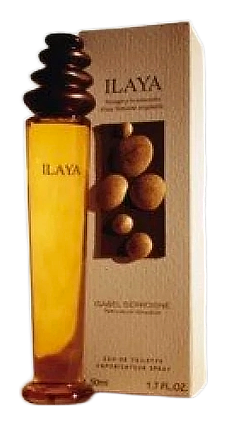
The label emerged in the mid‑1990s, a period when the French perfume market was dominated by legacy houses and mass‑market brands. According to the Groupe Rocher corporate page, ID Parfums was created in 1996 with the explicit aim of becoming a "Traveling Perfumer," a concept that frames each launch as a journey to a specific geography. Early releases such as Lettre a Anna (1996) and Le Temps de Reines (1998) set the tone by pairing narrative titles with olfactory maps. By 2000, the house introduced Madras, a fragrance inspired by the Indian port city, signaling a shift toward more exotic inspirations. The 2004 launch of Charleston captured the historic charm of the American South, while Ilaya (2007) drew on Southeast Asian flora. In 2017, Terre Inca arrived, referencing the Andean highlands and showcasing the brand's continued commitment to global sourcing. Throughout its history, ID Parfums has maintained a modest production scale, favoring limited releases that allow for careful quality control. The brand's catalogue now includes over a dozen scents, each accompanied by a short travelogue that explains the place that inspired it. While the house does not publish extensive sales figures, its consistent presence in niche fragrance forums and specialty retailers indicates a steady, dedicated following that values the travel‑centric narrative.
Craftsmanship
ID Parfums works with independent perfumers who specialize in translating geographic impressions into aromatic formulas. While the brand does not disclose individual perfumer names, the creation process typically begins with a research trip, during which notes on local scents, colors, and textures are gathered. Back in the laboratory, these impressions guide the selection of raw materials, which often include a mix of natural extracts and synthetics to achieve both fidelity and stability. Natural ingredients such as Moroccan rose, Indian jasmine, and Brazilian guarana are sourced from growers who meet the house's quality standards, and the brand reports that it conducts its own audits to verify purity. Synthetic aroma chemicals are employed where they can replicate elusive notes or enhance longevity without compromising the scent's integrity. The blending phase follows a traditional French atelier method, with small batches mixed by hand to allow for precise adjustments. Once a formula is finalized, the perfume is aged for several weeks in temperature‑controlled rooms, a step that smooths the composition. Bottling takes place in French glass factories that provide clear, minimalist vessels; each bottle is sealed with a simple metal cap and accompanied by a printed card that outlines the travel story. Quality control includes organoleptic testing by a panel of senior noses, ensuring that the final product matches the intended olfactory map before it reaches the market.
Design Language
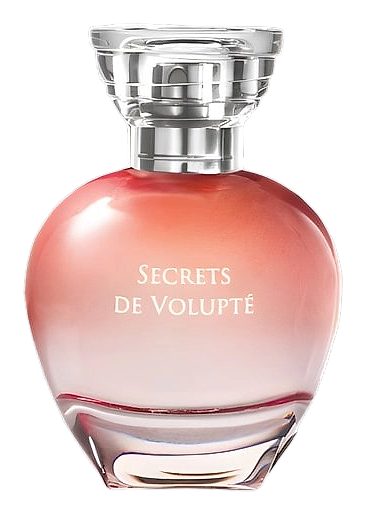
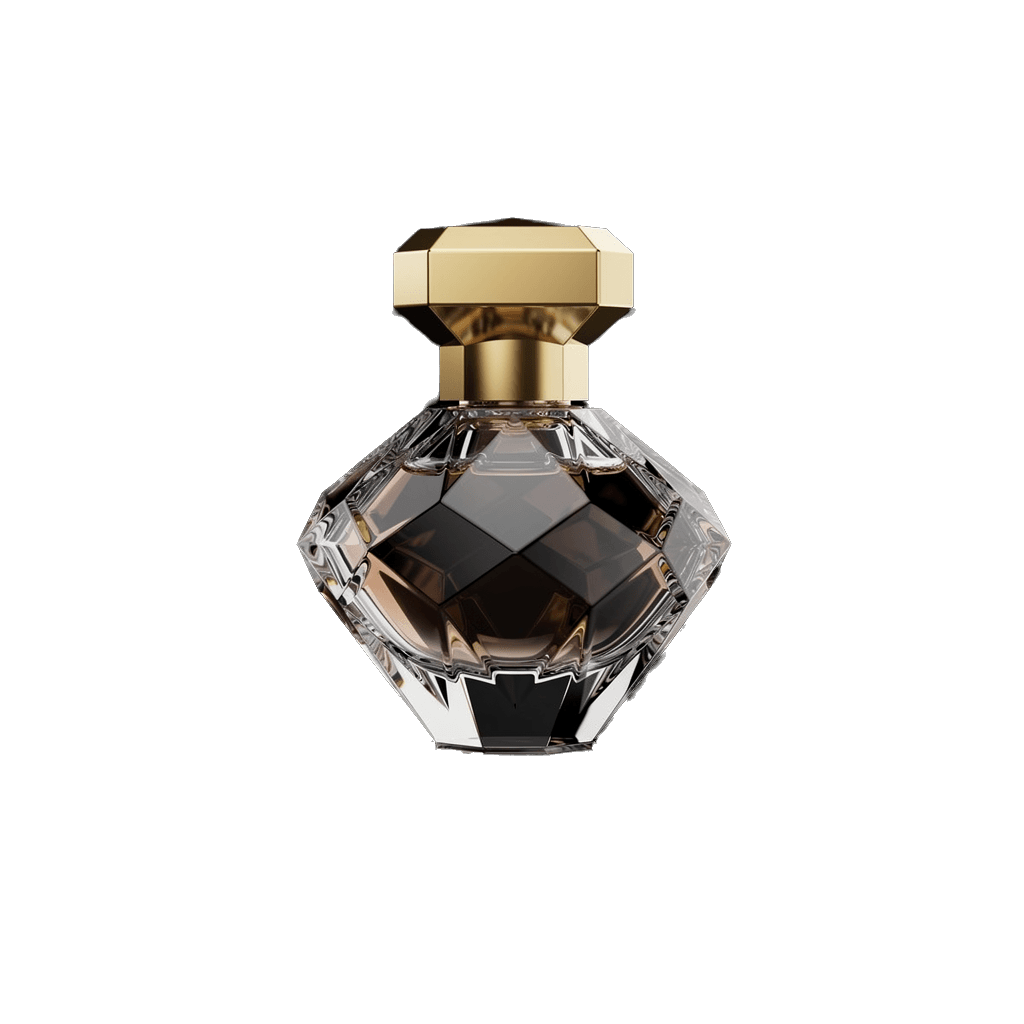
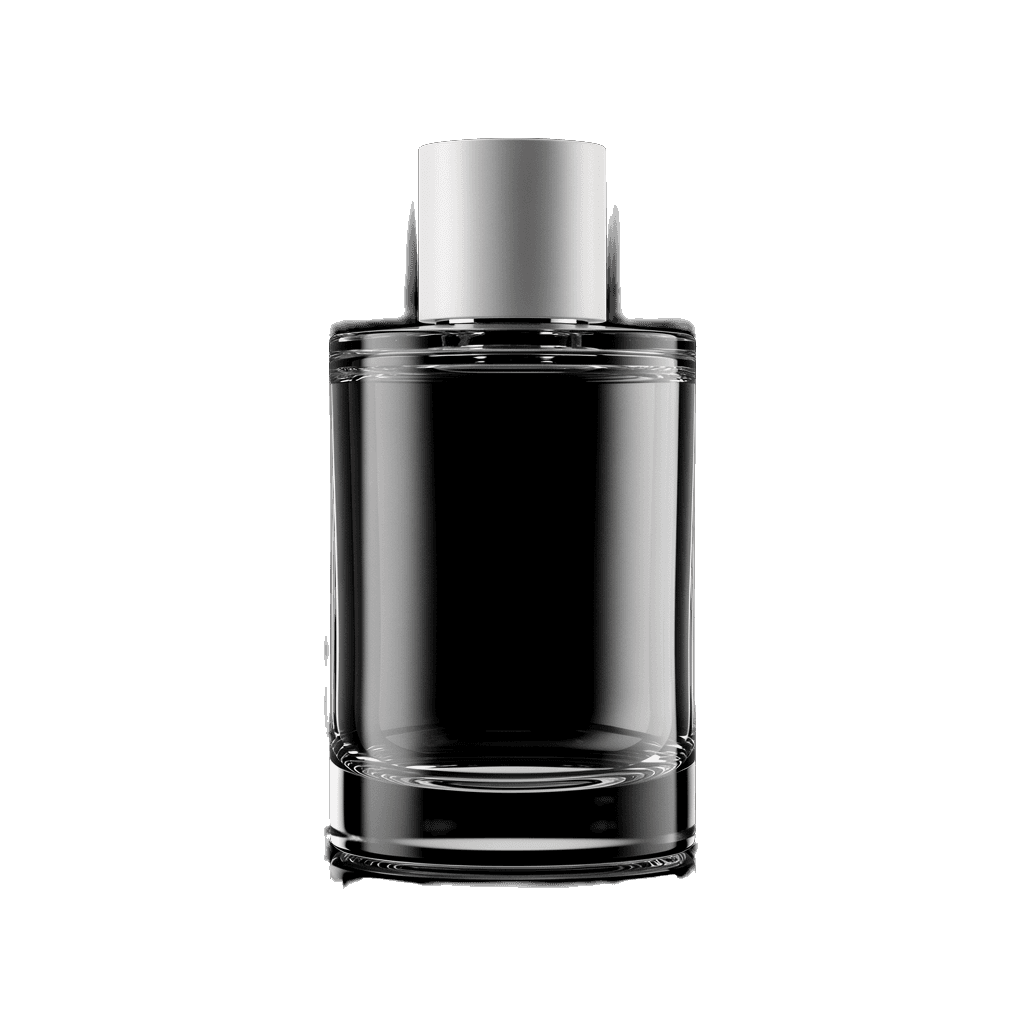
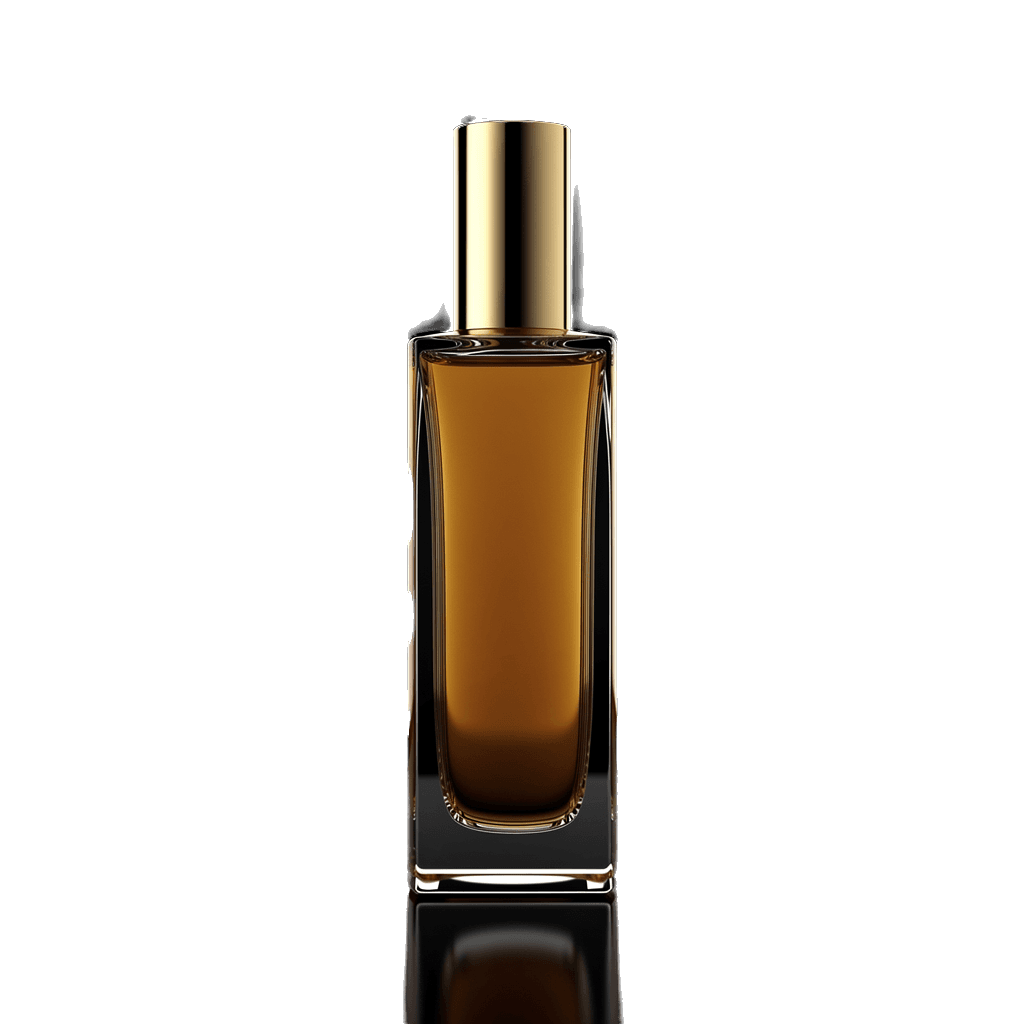
Visually, ID Parfums adopts a clean, travel‑journal aesthetic. Bottles are typically clear glass with slender silhouettes, allowing the perfume's color to become part of the design. Labels feature a muted palette of earth tones, accented by a small map icon that hints at the fragrance's destination. Typography is sans‑serif, reinforcing a modern yet understated look. The packaging often includes a thin paper insert that reads like a postcard, complete with a brief description of the place that inspired the scent and a small illustration. This approach creates a cohesive brand image that feels both sophisticated and approachable, echoing the idea of a well‑packed suitcase ready for adventure. Marketing materials favor soft photography—sun‑drenched streets, market stalls, or misty mountain vistas—rather than glossy studio shots, reinforcing the narrative of authentic discovery. The overall visual language aligns with the brand's promise to deliver a sensory passport rather than a mere fragrance.
Philosophy
At the heart of ID Parfums lies a belief that scent can act as a passport to distant cultures. The brand states that travel is not merely a source of inspiration but a methodology: perfumers are encouraged to visit the locales they wish to capture, to observe local markets, flora, architecture, and even the rhythm of daily life. This field‑based approach is paired with a respect for authenticity; ingredients are selected to reflect the true aromatic profile of each region, whether that means sourcing Indian sandalwood for Madras or Peruvian quinoa seed oil for Terre Inca. The house also emphasizes storytelling, providing each fragrance with a narrative vignette that frames the olfactory experience as a moment in a larger journey. Sustainability appears in the brand's statements as a guiding value, with a commitment to responsible sourcing and recyclable packaging, though detailed certifications are not publicly listed. Overall, the philosophy blends curiosity, respect for place, and a desire to make the world accessible through scent.
Key Milestones
1996
ID Parfums is founded in France with the concept of a "Traveling Perfumer".
1998
Launch of Le Temps de Reines, one of the early narrative‑driven scents.
2000
Madras debuts, marking the brand's first major foray into exotic, location‑inspired fragrance.
2004
Charleston is released, capturing the historic ambiance of the American South.
2007
Ilaya arrives, drawing on Southeast Asian botanical notes.
2017
Terre Inca launches, inspired by the Andean highlands and showcasing the brand's continued global reach.
At a Glance
Brand profile snapshot
Origin
France
Founded
1996
Heritage
30
Years active
Collection
2
Fragrances released
Avg Rating
3.9
Community sentiment
Release Rhythm