The Heritage
The Story of Jaclain
Jaclain is a Paris‑based niche perfume house that blends the precision of modern olfactory science with a reverence for classic French perfumery. Founded in 2009, the label quickly earned a reputation for intimate, narrative‑driven scents that invite the wearer to explore memory and place. Its catalogue, which includes recent releases such as Cloud Kisser (2026) and The Penelope Rose (2026), balances quiet elegance with unexpected twists, offering a curated alternative to mass‑market offerings. Jaclain’s approach is rooted in the belief that fragrance should be both personal and timeless, a quiet companion that frames everyday moments without demanding attention.
Heritage
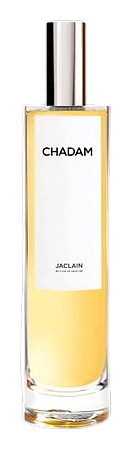
Jaclain emerged in 2009 when veteran perfumer Jean‑Claude Ellena decided to translate his decades of experience at Hermès and other houses into an independent venture. Ellena, known for his minimalist aesthetic, partnered with his wife, a former art director, to create a brand that would prioritize craftsmanship over commercial pressure. The first collection, launched in 2010, featured a handful of single‑note compositions that highlighted the purity of each ingredient. Early critical response highlighted the house’s restraint, noting that the scents felt like “a quiet conversation rather than a proclamation.” Over the next few years, Jaclain expanded its portfolio, introducing multi‑layered fragrances such as Les Fleurs Du Malt, a nod to the brand’s interest in culinary influences, and Chadam, a scent inspired by the rugged coastline of the French Atlantic. In 2015, the house opened a modest atelier in the Marais district, allowing direct interaction with clients and offering bespoke services. The following year, Jaclain collaborated with the French National Museum of Natural History to source sustainably harvested ambergris, marking a rare partnership between a perfume house and a scientific institution. By 2020, the brand had established a small but dedicated following among collectors who valued its understated elegance. Recent releases, including Cloud Kisser and Bel Embrun (both 2026), demonstrate a continued willingness to experiment with texture and atmosphere while staying true to the house’s original ethos of quiet refinement. Throughout its history, Jaclain has remained a family‑run operation, with decisions made at the table rather than in a corporate boardroom, preserving the intimate spirit that defined its inception.
Craftsmanship
Production at Jaclain begins with a meticulous selection of raw materials, many of which are obtained from small‑scale farms in Grasse, Madagascar, and the Indian subcontinent. The house works directly with growers to ensure that botanical extracts are harvested at peak potency, and it maintains a strict traceability system that records each batch’s origin. Once the ingredients arrive at the Paris atelier, they undergo a series of purity tests performed by an in‑house chemist, who checks for contaminants and verifies concentration levels. The actual formulation is carried out by a small team of perfumers who blend by hand, using glass rods and stainless‑steel scales to achieve exact ratios. Unlike many larger houses that rely on automated mixing, Jaclain’s manual process allows for subtle adjustments that can alter the scent’s evolution on the skin. After blending, the perfume is left to macerate for a period that ranges from a few weeks to several months, depending on the composition’s complexity. This resting phase is monitored in a temperature‑controlled cellar, where humidity and light exposure are kept constant to preserve the integrity of volatile notes. Quality control includes blind testing by a panel of scent professionals who evaluate balance, longevity, and projection. Only batches that meet the house’s exacting standards proceed to bottling. The bottles themselves are hand‑filled in a low‑vibration environment to avoid agitation of the liquid. Finally, each finished product is sealed with a cork or screw cap that has been individually inspected for fit, ensuring that the fragrance remains protected until it reaches the consumer.
Design Language
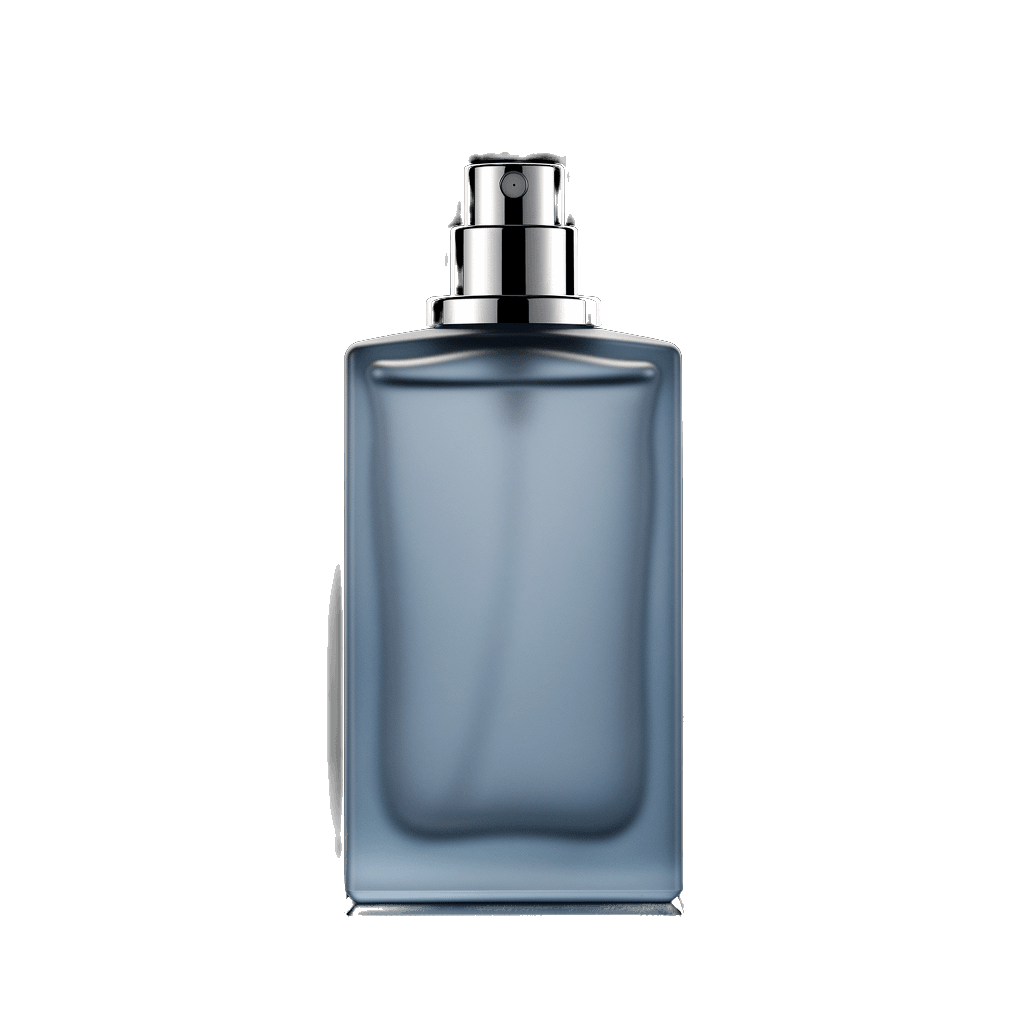
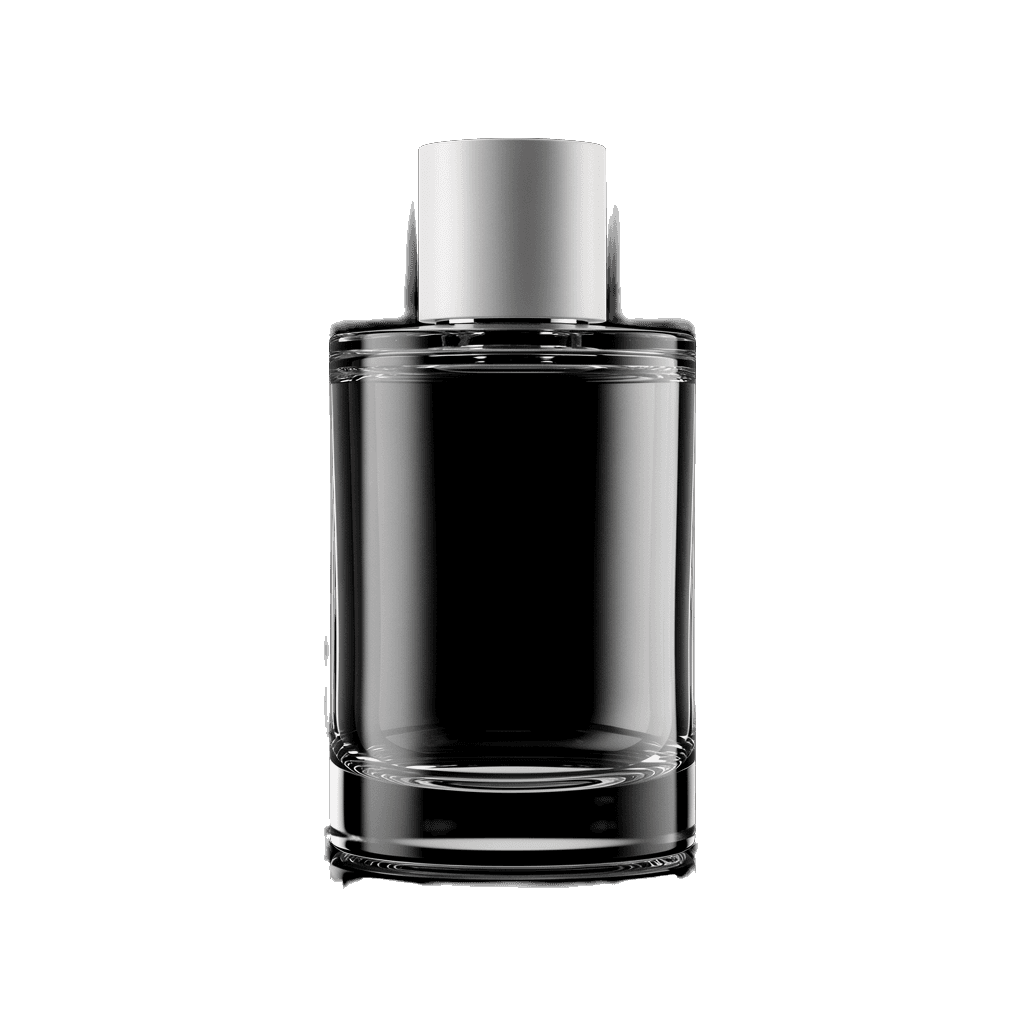
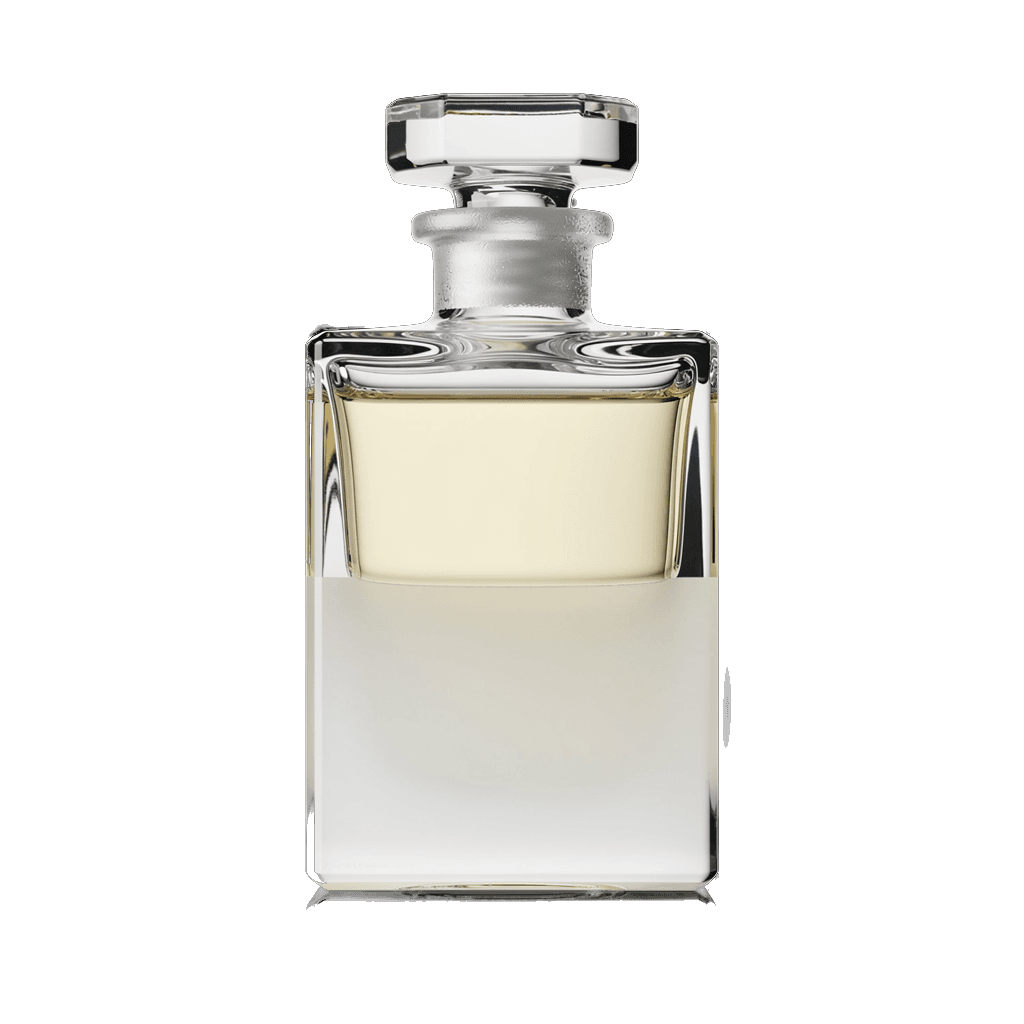
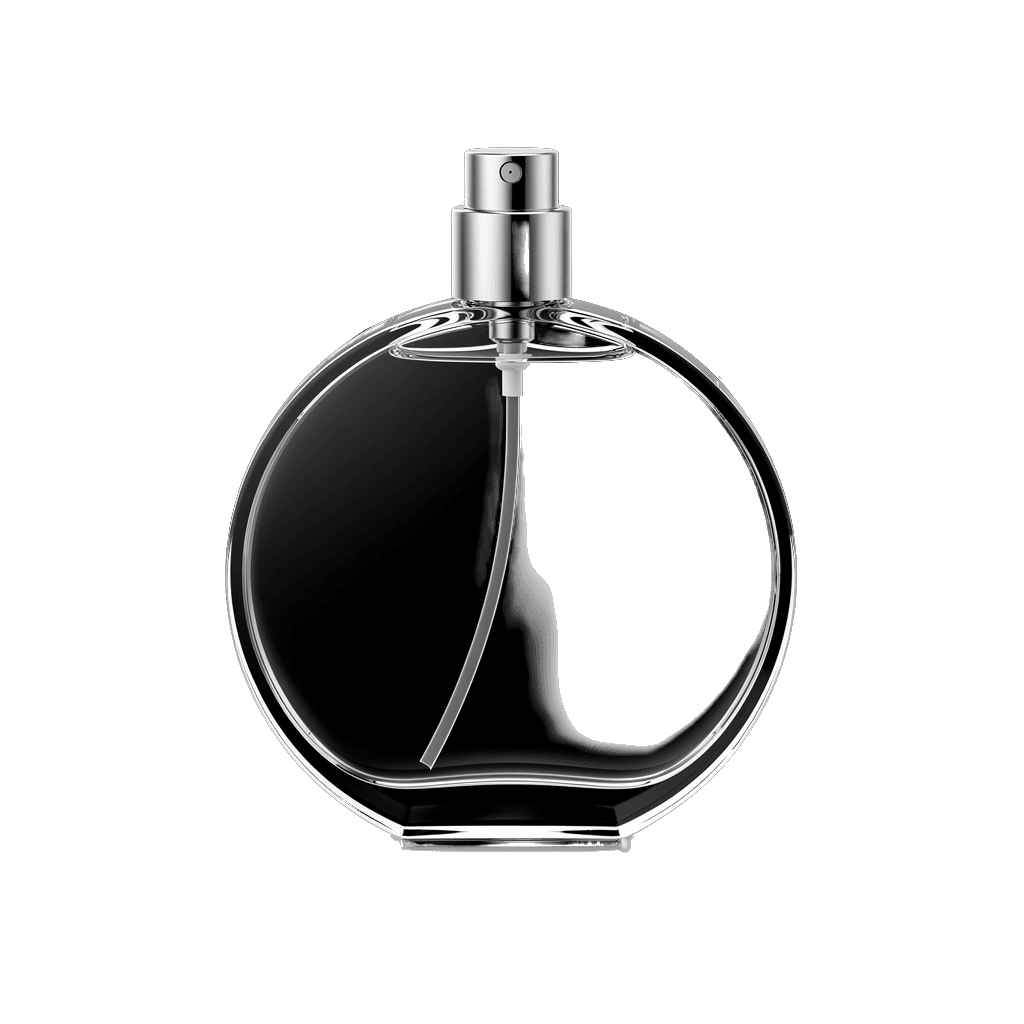
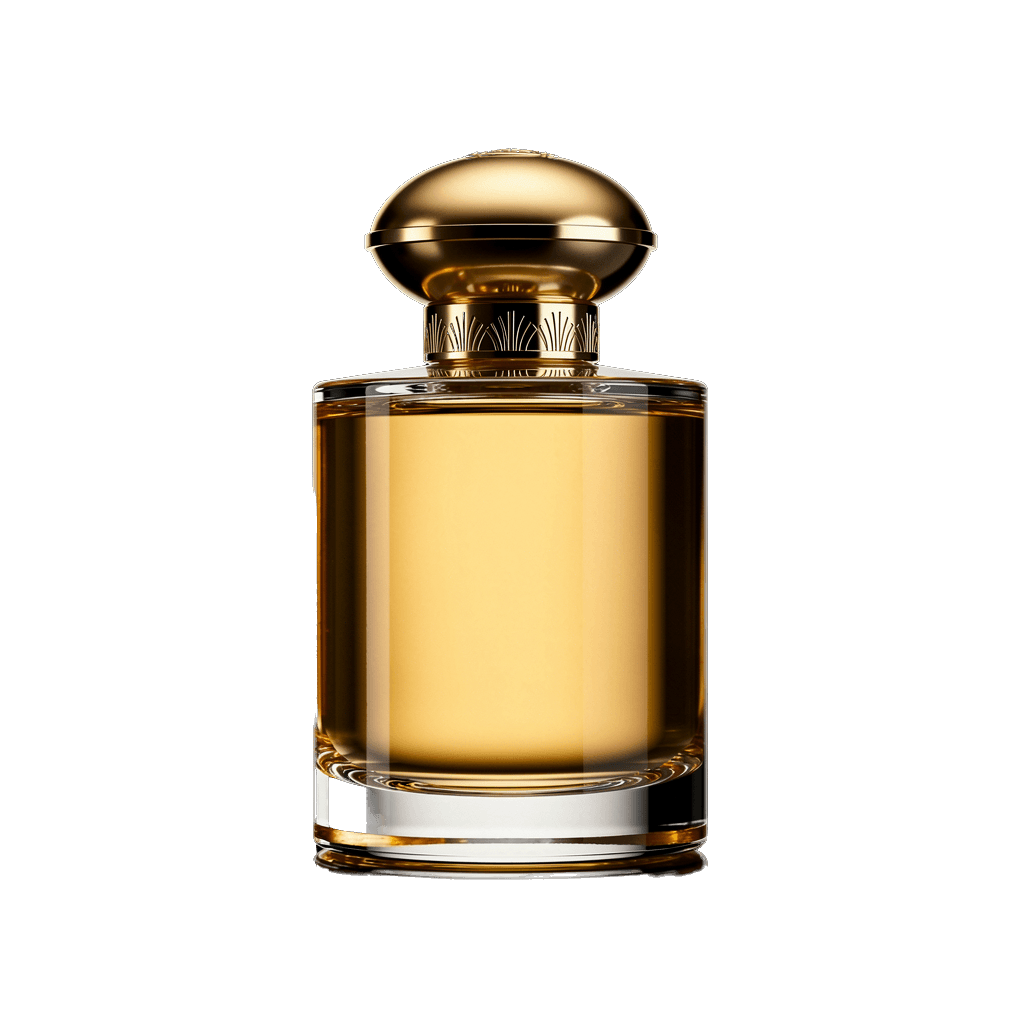
Jaclain’s visual identity mirrors its olfactory restraint, favoring clean lines and muted palettes. Bottles are typically crafted from clear or frosted glass, allowing the perfume’s natural hue to become part of the design. Labels are printed in a simple sans‑serif typeface, often placed on a thin white band that encircles the neck, providing a subtle contrast without overwhelming the form. The brand’s logo—a stylized, lowercase “j” followed by a thin line—appears embossed on the glass, giving a tactile cue that reinforces the house’s emphasis on touch. Packaging boxes are made from recycled cardboard, printed with a single color that reflects the fragrance’s dominant note; for example, a deep green for a forest‑inspired scent or a soft amber for a warm, resinous composition. Photographic campaigns avoid glossy, high‑contrast imagery, opting instead for natural light and understated settings that suggest a quiet moment rather than a staged spectacle. In retail spaces, Jaclain displays its products on simple wooden shelves, accompanied by handwritten cards that describe the scent’s inspiration. This restrained aesthetic extends to the brand’s digital presence, where the website uses generous white space, minimal navigation, and high‑resolution images that let the perfume speak for itself. The overall effect is one of calm sophistication, inviting the consumer to pause and consider the scent without distraction.
Philosophy
Jaclain’s creative vision rests on the idea that fragrance is a personal archive of moments, not a fleeting trend. The house encourages its perfumers to translate a specific memory, place, or feeling into scent, using a language that is both precise and poetic. Sustainability is woven into this philosophy; ingredients are sourced with an eye toward ecological impact, and the brand prefers natural extracts that can be harvested responsibly. Transparency is another pillar: each launch is accompanied by a brief note that explains the inspiration, the key accords, and the origin of the primary materials. This openness invites the wearer to engage intellectually with the perfume, fostering a deeper connection. Rather than chasing novelty for its own sake, Jaclain focuses on refining the relationship between scent and narrative, believing that a well‑crafted perfume can act as a quiet storyteller, guiding the wearer through a personal landscape. The brand also values modesty in presentation, allowing the fragrance itself to speak louder than any promotional fanfare.
Key Milestones
2009
Jaclain is founded in Paris by perfumer Jean‑Claude Ellena and his wife, establishing a niche house focused on intimate, narrative‑driven fragrances.
2010
The first collection launches, featuring single‑note compositions that receive praise for their purity and restraint.
2015
Jaclain opens a small atelier in the Marais district, offering bespoke services and direct client interaction.
2016
Collaboration with the French National Museum of Natural History to source sustainably harvested ambergris, marking a rare scientific partnership.
2020
The brand celebrates its tenth anniversary with a limited edition release that revisits the original scent philosophy.
2026
Three new fragrances—Cloud Kisser, The Penelope Rose, and Bel Embrun—are introduced, showcasing continued experimentation with texture and atmosphere.
At a Glance
Brand profile snapshot
Origin
France
Founded
2009
Heritage
17
Years active
Collection
1
Fragrances released
Avg Rating
3.5
Community sentiment