



The Heritage
The Story of Jacques Evard
Jacques Evard positions itself as a French niche house that crafts modern, narrative‑driven scents for collectors who value depth over trend. The brand releases limited batches that often reference personal stories, travel memories, or literary moments. Its catalogue includes Unforgiven Night, the 2006 releases Flyback and Estolia, and sport‑inspired lines such as Cyrus Sport. Jacques Evard’s approach blends classic French perfumery techniques with contemporary composition, offering a quiet alternative to mainstream luxury houses.
Heritage
The origins of Jacques Evard trace back to the early 2000s when a small team of fragrance enthusiasts in Paris decided to create a label that would prioritize artistic storytelling. Reports indicate that the brand launched its first public offering in 2005, a year before the debut of Flyback and Estolia in 2006. Those early releases attracted attention on niche forums for their bold use of synthetic accords alongside natural extracts. By 2008 the house expanded its portfolio with Unforgiven Night, a fragrance that combined smoky amber with a hint of leather, signaling a shift toward darker, more complex compositions. In 2010 the brand introduced the Writer Edition series, a collection that paired scent with literary themes; Writer Edition Sport and Writer Edition de Charme followed, each accompanied by a short narrative booklet. The 2014 release of Cyrus Sport marked the house’s first foray into performance‑inspired scents, blending citrus, marine notes, and a subtle musk to evoke the energy of athletic pursuits. A notable milestone occurred in 2019 when Jacques Evard partnered with a boutique glass atelier in Limoges to produce a limited‑edition bottle for Tender Estolia, showcasing the brand’s commitment to craftsmanship. The most recent development, announced in 2022, involved a collaboration with a French independent publisher to release a scented book that pairs the fragrance Esperanza with excerpts of poetry, reinforcing the house’s dedication to multisensory storytelling. Throughout its evolution, Jacques Evard has remained privately owned, operating out of a modest workshop in the 11th arrondissement of Paris, and continues to release new scents in small, numbered batches.
Craftsmanship
The house produces each fragrance in a modest laboratory that blends traditional French techniques with modern analytical tools. Master blenders begin by drafting a scent brief that outlines the intended narrative, then they select raw materials from a curated library of essential oils, absolutes, and aroma chemicals. Natural ingredients arrive in sealed glass containers to preserve their volatility, while synthetics are stored in temperature‑controlled vats. The blending process follows a step‑wise protocol: base notes are combined first, followed by heart and top accords, allowing each layer to integrate fully before the next addition. After the formula reaches its target balance, the mixture rests for a minimum of six weeks in stainless‑steel tanks, a period the house calls the “quieting phase.” During this time, the perfume undergoes periodic organoleptic testing by the founding team and a small panel of trusted noses. Once the scent stabilizes, it is filtered through a 0.2‑micron membrane to remove any particulate matter. The final liquid is then transferred into hand‑blown glass bottles produced by a Limoges atelier; each bottle receives a hand‑applied label that includes a serial number, reinforcing the limited‑edition nature of the release. Quality control includes gas‑chromatography analysis to verify the concentration of key ingredients, ensuring consistency across batches. The house ships only after a final sensory evaluation confirms that the fragrance matches the original brief, thereby maintaining a high standard of olfactory fidelity.
Design Language
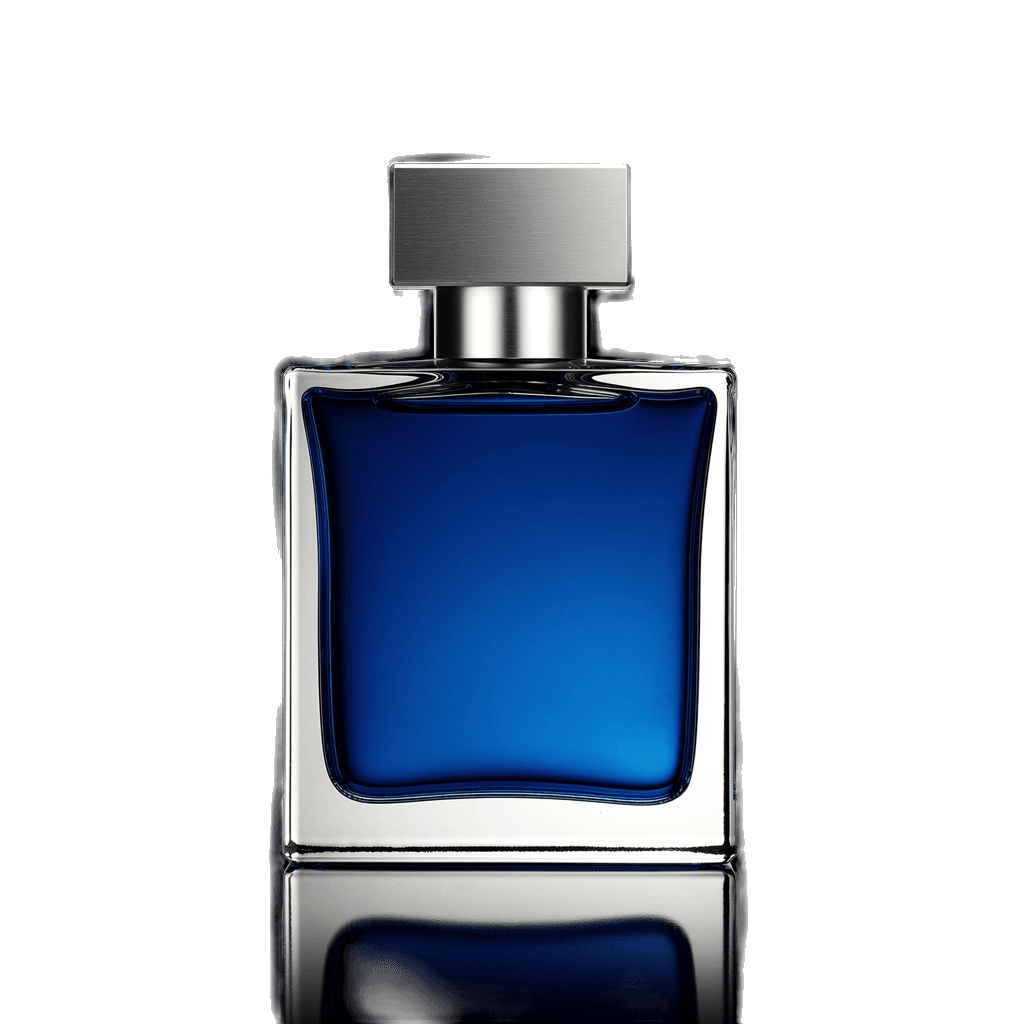
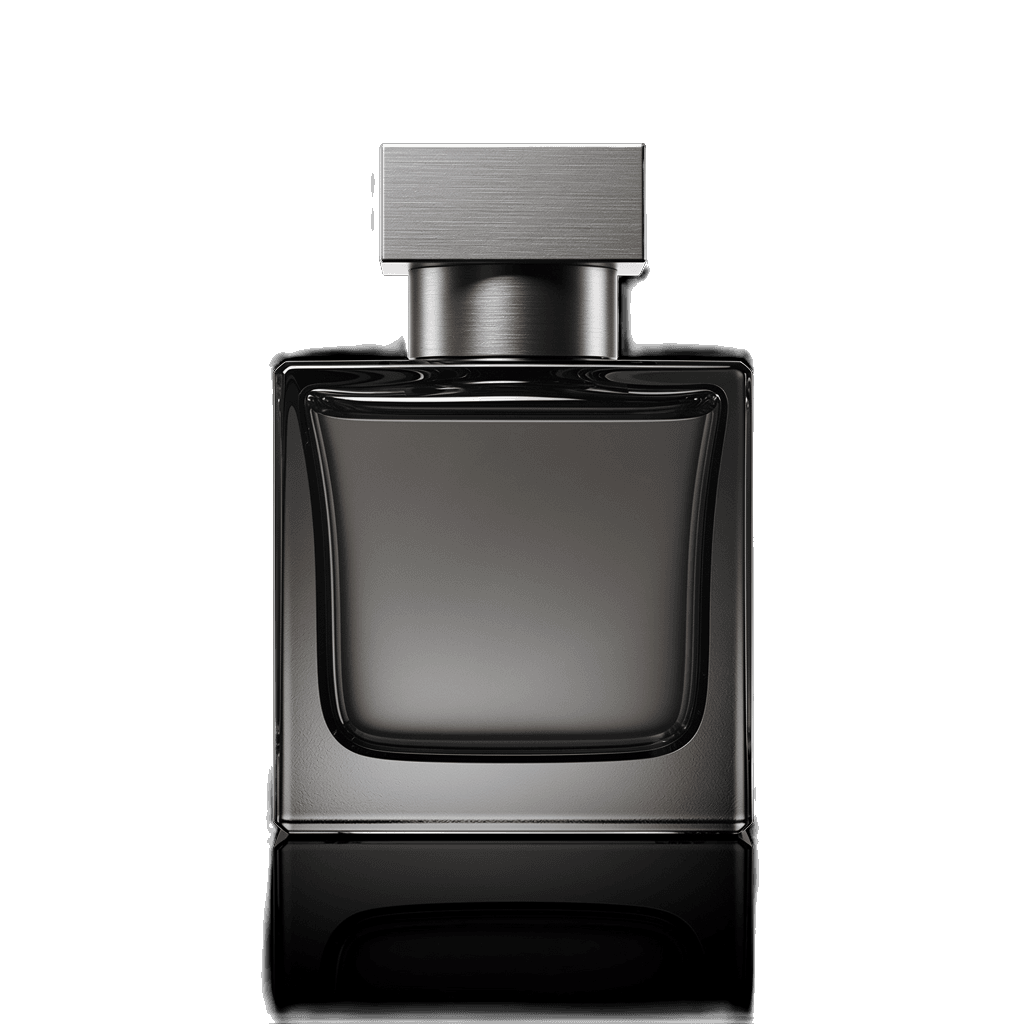
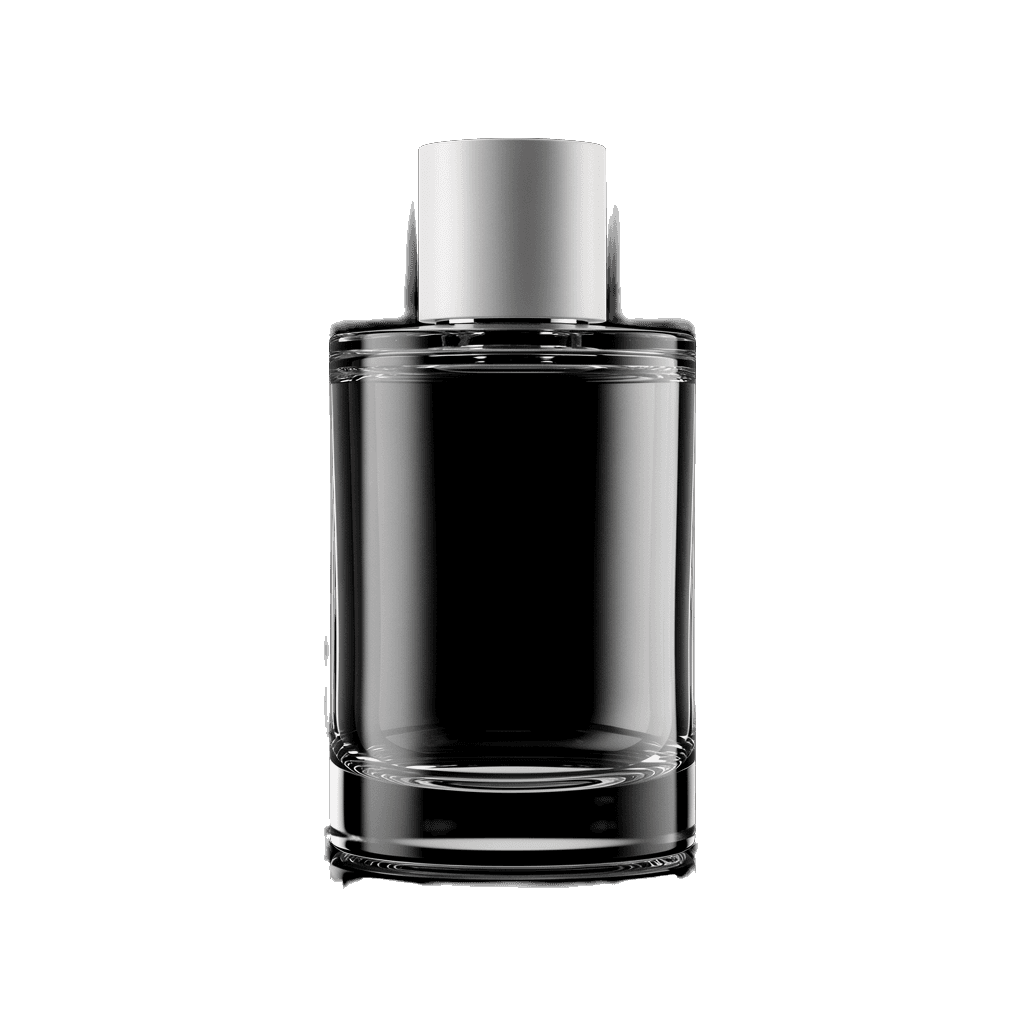
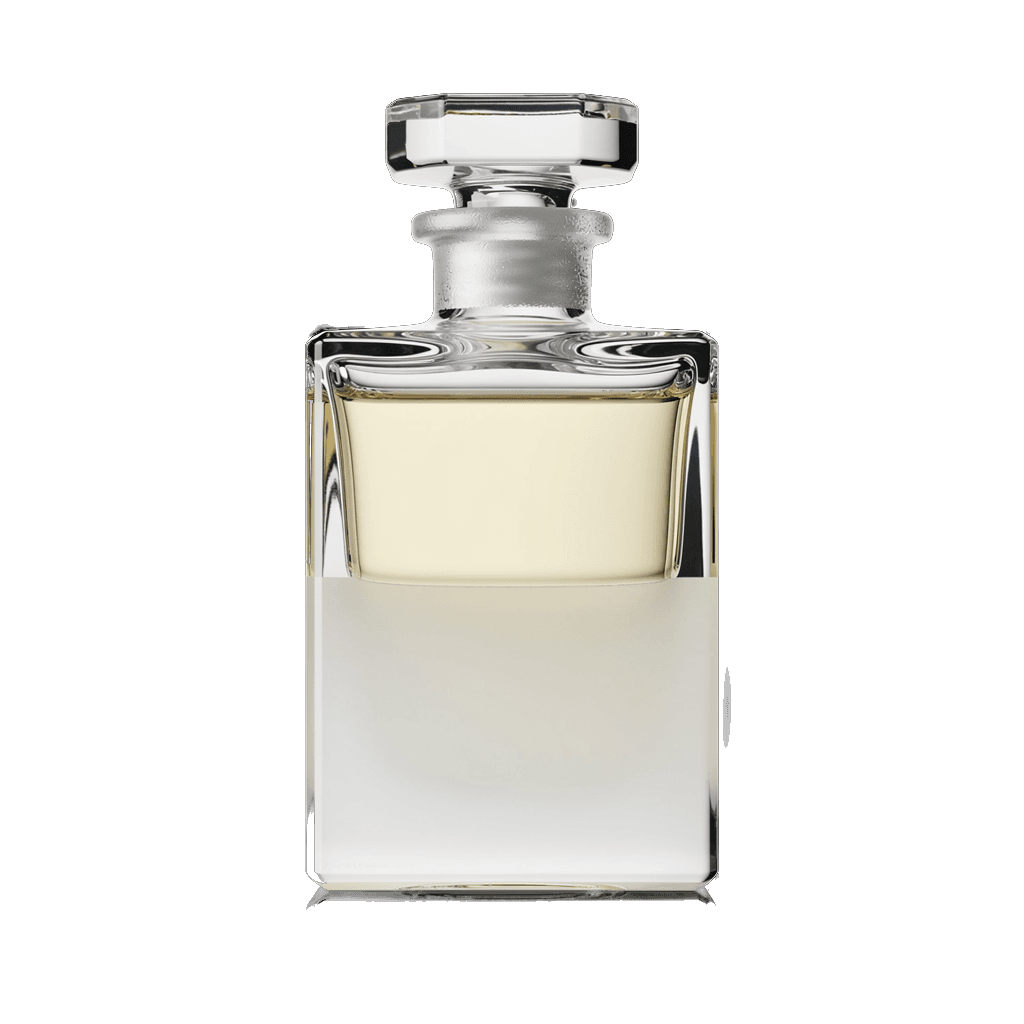
Jacques Evard’s visual language mirrors its narrative focus. Bottles feature clean, rectangular silhouettes that evoke a notebook or a sketchpad, reinforcing the idea of a written story. The glass is often tinted in muted hues—soft amber for Unforgiven Night, pale teal for Flyback, and a gentle rose for Tender Estolia—allowing the color to hint at the scent’s mood. Caps are crafted from brushed aluminum or matte black metal, providing a tactile contrast to the smooth glass. Labels use a minimalist serif typeface, printed on textured paper that feels like stationery. Each release includes a small card with a short prose piece, sometimes authored by a poet or a journalist, that explains the inspiration behind the fragrance. The brand’s promotional photography favors natural light and intimate settings, such as a writer’s desk, a quiet café, or a sunrise over a cityscape, rather than glossy runway backdrops. Packaging boxes are made from recycled cardboard and feature subtle embossing of the house’s monogram, a stylized “JE” interlocked in a simple knot. This restrained aesthetic signals the brand’s commitment to understated elegance and to the idea that the scent itself, not the packaging, should be the focal point.
Philosophy
Jacques Evard views fragrance as a narrative medium rather than a decorative accessory. The brand states that each scent should act as a chapter in a personal story, inviting the wearer to explore memory, place, and emotion. Its creative vision emphasizes authenticity; the team selects ingredients that can convey a specific mood without relying on generic trends. Sustainability informs the house’s values: it sources natural absolutes from certified farms in Grasse and Madagascar, and it works with suppliers who practice fair trade. When synthetic materials are employed, the house chooses them for their ability to create textures that nature cannot provide, thereby expanding the olfactory palette. Jacques Evard also believes that limited production protects the integrity of the scent, allowing the perfume to mature slowly and retain its original character. The brand encourages collectors to keep a fragrance journal, a practice that aligns with its educational ethos. By fostering a dialogue between scent and personal experience, Jacques Evard aims to create a quiet, reflective space in a market often dominated by flash and volume.
Key Milestones
2005
Jacques Evard launches its first private label, establishing a workshop in Paris.
2006
The house releases Flyback and Estolia, two fragrances that gain early attention on niche fragrance forums.
2010
Writer Edition series debuts, pairing scent with literary themes and limited‑edition booklets.
2014
Cyrus Sport arrives, marking the brand’s entry into sport‑inspired olfactory compositions.
2019
Collaboration with a Limoges glass atelier produces a limited‑edition bottle for Tender Estolia.
2022
Jacques Evard partners with an independent French publisher to release a scented book featuring Esperanza.
At a Glance
Brand profile snapshot
Origin
France
Collection
1
Fragrances released
Avg Rating
4.0
Community sentiment