The Heritage
The Story of Jacques Fath
Jacques Fath Parfums translates the Parisian couturier’s flair for drama into a line of fragrances that balance classic structure with a mischievous twist. Since the first scent in 1946, the house has offered a mix of floral, woody and aromatic compositions that echo the designer’s runway spirit. Each bottle arrives wrapped in hand‑stitched paper and sealed with wax, a tactile reminder that the brand treats scent as a wearable accessory rather than a mere commodity.
Heritage
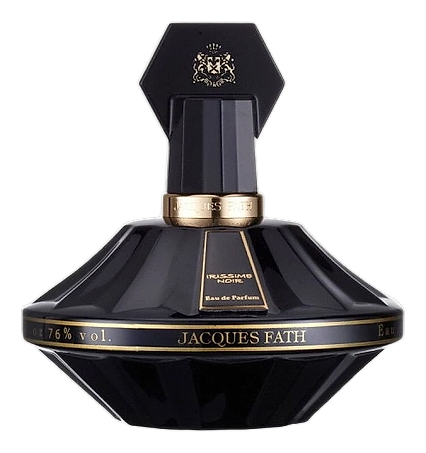
Jacques Fath was born in 1912 in Saint-Quentin, France, and opened his couture house on Rue du Faubourg Saint‑Honoré in 1937. The label quickly earned a reputation for youthful exuberance, dressing stars such as Brigitte Bardot and Brigitte Helm. In 1946 the fashion house launched its first perfume, Green Water Pour Monsieur, created with master perfumer Vincent Roubert. The same year the house introduced Iris Gris, a floral that reflected the post‑war optimism of Paris. Throughout the 1950s and 1960s the brand released a steady stream of scents, including Fath de Fath (1953) and Canasta (1950), each bearing the same sense of theatricality that defined the runway collections. After Jacques Fath’s death in 1954, the fashion and fragrance divisions struggled, and the perfume house fell dormant in the 1970s. In 1992 Tom Van Lingen, a Dutch designer, acquired the brand and began a careful revival, re‑issuing classic formulas while commissioning new works. The early 2000s saw the launch of modern interpretations such as Irissime Noir (2014) and the 2018 release of L’Iris de Fath Parfum, a nod to the original 1946 Iris. Today the house remains under the umbrella of the Panouge Group, continuing to blend heritage with contemporary sensibility.
Craftsmanship
Jacques Fath Parfums produces each fragrance in small batches at facilities that follow strict French cosmetic regulations. The formulation process begins with a brief from the creative director, which is handed to an experienced perfumer—often a specialist from the Roubert lineage or a contemporary collaborator. Natural extracts such as Bulgarian rose, Indian sandalwood and French iris are sourced from reputable growers, while synthetics are chosen for stability and consistency. After the perfume is blended, it undergoes a series of stability tests that examine color, scent integrity and skin safety over time. Once approved, the liquid is poured into glass flacons that feature a rounded silhouette reminiscent of 1950s perfume bottles. Artisans hand‑wrap each bottle in patterned paper, then seal it with a wax stamp that matches the hue of the fragrance, a practice that began in the house’s early years and continues today. Quality control inspectors verify that each sealed bottle meets weight and fragrance concentration standards before it leaves the workshop. The brand also maintains a limited‑edition line where rare ingredients—such as ambergris or oud—are incorporated under the supervision of a senior perfumer, ensuring that even the most exclusive releases uphold the same level of precision as the core collection.
Design Language
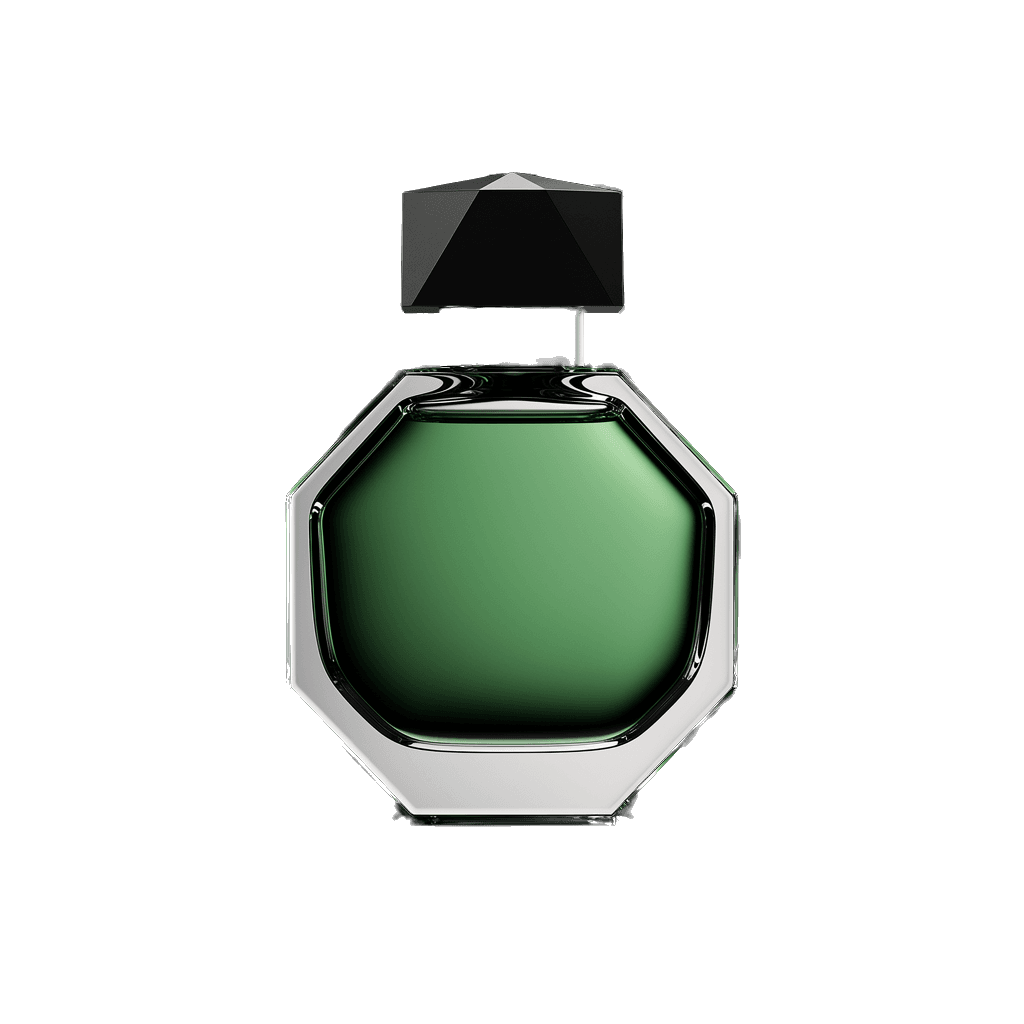
Visually, Jacques Fath Parfums balances vintage elegance with a contemporary edge. The bottle design often features a soft, curved silhouette that recalls the silhouette of a couture dress, while the glass remains clear to showcase the perfume’s colour. Labels display the house’s signature serif typeface in gold foil, set against pastel backgrounds that hint at the scent’s character—emerald for Green Water, lilac for Iris Gris, deep burgundy for Irissime Noir. The packaging includes a hand‑stitched paper wrap, a nod to the tailoring heritage, and a wax seal that bears the Fath monogram. Storefronts and advertising imagery frequently portray models in elegant attire, positioned against minimalist backdrops that let the fragrance bottle become the focal point. Seasonal campaigns may introduce limited‑edition ribbons or patterned boxes, but the core visual language remains consistent: refined, understated, and unmistakably linked to the house’s Parisian roots.
Philosophy
The brand treats fragrance as an extension of couture, believing that scent should complement clothing in the same way a well‑chosen accessory completes an outfit. Jacques Fath Parfums emphasizes a dialogue between tradition and innovation, preserving original recipes while inviting modern perfumers to reinterpret them. The house values craftsmanship, insisting on hand‑finished packaging that signals respect for the consumer’s tactile experience. It also champions a playful elegance, often injecting unexpected notes—such as a hint of citrus in a traditionally floral composition—to keep the olfactory narrative lively. Sustainability enters the conversation through selective sourcing of natural ingredients, though the brand does not claim a fully green supply chain. Overall, the philosophy centers on creating scents that feel both timeless and instantly wearable, mirroring the designer’s original aim to dress the world with confidence and charm.
Key Milestones
1937
Jacques Fath opens his couture house on Rue du Faubourg Saint‑Honoré in Paris.
1946
The perfume house launches its first fragrance, Green Water Pour Monsieur, created with perfumer Vincent Roubert.
1953
Fath de Fath debuts, expanding the brand’s olfactory portfolio during the post‑war boom.
1992
Designer Tom Van Lingen acquires the brand and initiates a revival of classic scents.
2014
Irissime Noir releases, marking the house’s successful entry into modern niche perfumery.
2018
L’Iris de Fath Parfum launches, re‑interpreting the 1946 Iris Gris for a new generation.
At a Glance
Brand profile snapshot
Origin
France
Founded
1946
Heritage
80
Years active
Collection
1
Fragrances released
Avg Rating
4.3
Community sentiment
Release Rhythm