The Heritage
The Story of Jeanne en Provence
Jeanne en Provence is a French fragrance house rooted in the historic perfume district of Grasse. Founded in 1978 by the ARTHES Group, the brand translates the light, scent and colour of Provence into a line of perfumes, body care and home fragrance. Each offering draws on local botanicals, from orange blossom to verbena, and is formulated without parabens. The collection balances classic Provençal accords with contemporary twists, allowing the everyday wearer to experience a sun‑kissed garden in a bottle.
Heritage
The ARTHES Group established Jeanne en Provence in 1978, setting its atelier in the heart of the Bois de Grasse, the cradle of French perfumery. The founders chose the name to honour the spirit of a Provençal woman named Jeanne, a figure who embodied the region’s warmth and simplicity. Early on the house focused on pure, nature‑inspired scents that could be enjoyed both on the skin and in the home. By the early 1990s the brand broadened its portfolio to include paraben‑free body lotions and scented candles, reinforcing its commitment to gentle, skin‑friendly formulas. In 2005 Jeanne en Provence launched its first dedicated home fragrance line, featuring diffusers and room sprays that carried the same botanical clarity as its perfumes. The 2010s saw a steady stream of new releases, each anchored in a specific Provençal ingredient: Verveine Cedrat arrived in 2015, followed by Néroli Intense in 2019 and the floral Iris & Néroli the same year. The brand continued to refresh its catalogue with Dame Jeanne Intense (2023) and Verveine Thé Blanc (2024), while the 2025 launch of Fleur d'Oranger highlighted the enduring appeal of orange blossom in the house’s DNA. Throughout its four‑decade history Jeanne en Provence has remained a family‑run operation, preserving artisanal techniques while adopting modern quality standards. The house distributes through boutique retailers across Europe and maintains a growing presence in select Asian markets, always presenting its scents as a portal to the Provençal countryside.
Craftsmanship
Every Jeanne en Provence scent begins with a field harvest in the Provençal hills. The house works with local farms that grow orange trees, verbena, neroli and other key ingredients without the use of synthetic pesticides. After harvest, the botanicals travel to the Grasse laboratory where master distillers apply low‑temperature steam distillation to preserve delicate aromatics. The resulting essential oils are stored in stainless‑steel vats, where they age for several weeks to allow the notes to meld naturally. When a new fragrance is conceived, the perfumer blends these natural extracts with a small proportion of high‑grade aroma chemicals, always keeping the synthetic content below the threshold that would alter the scent’s natural character. The blend is then evaluated in a controlled sensory room, where a panel of trained noses assesses balance, longevity and projection. Once approved, the perfume is transferred to a stainless‑steel bottling line that fills each bottle under nitrogen to prevent oxidation. The brand conducts rigorous stability testing, checking each batch for colour shift, scent integrity and microbiological safety over a twelve‑month period. All packaging components are sourced from recyclable materials, and the company audits its suppliers to ensure compliance with environmental standards. This meticulous approach, from field to final bottle, reflects Jeanne en Provence’s dedication to quality and authenticity.
Design Language
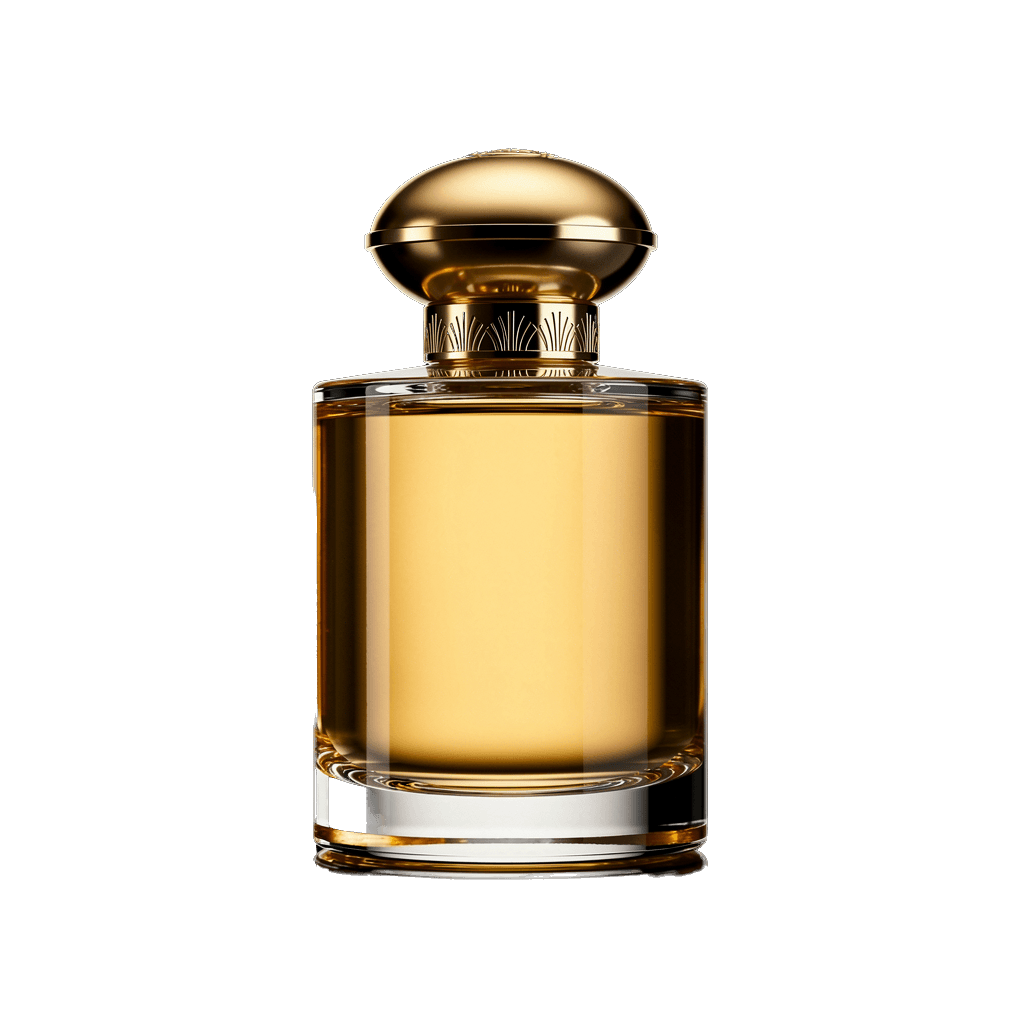
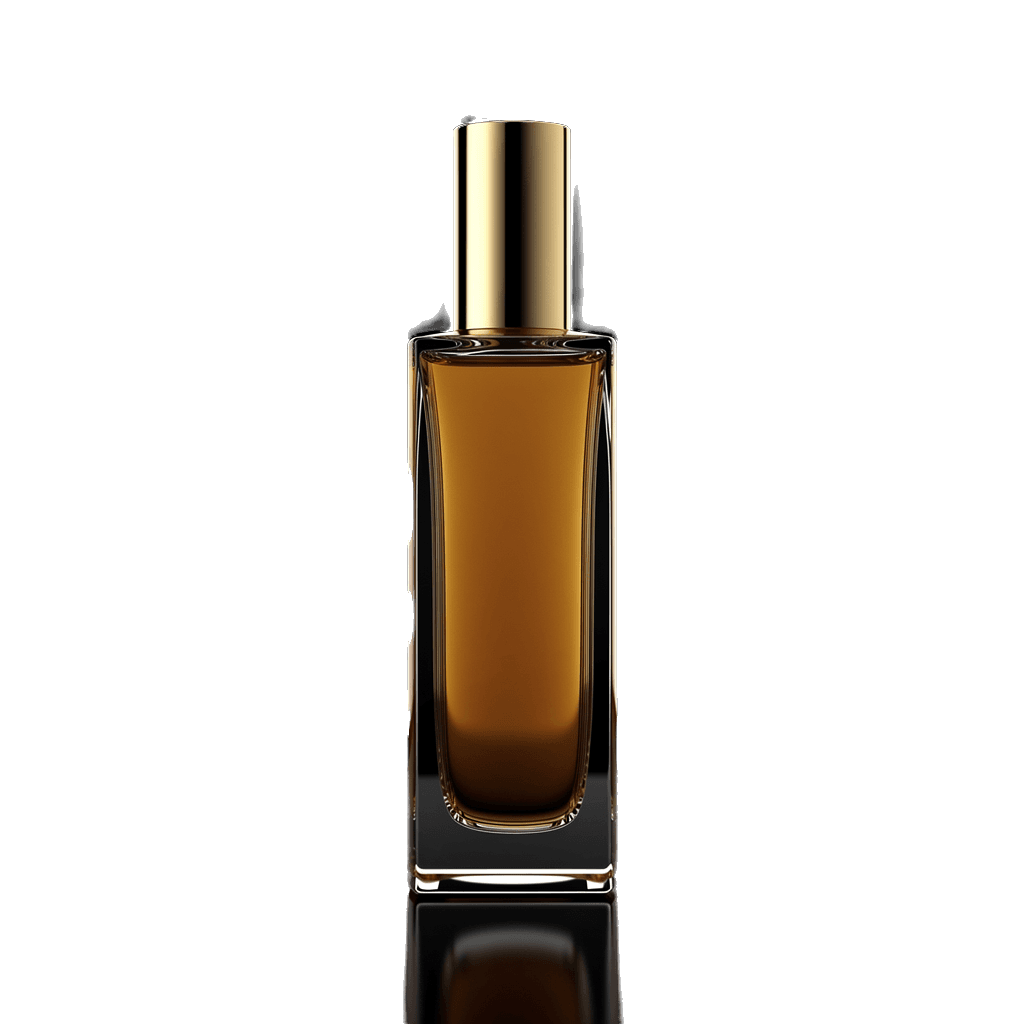
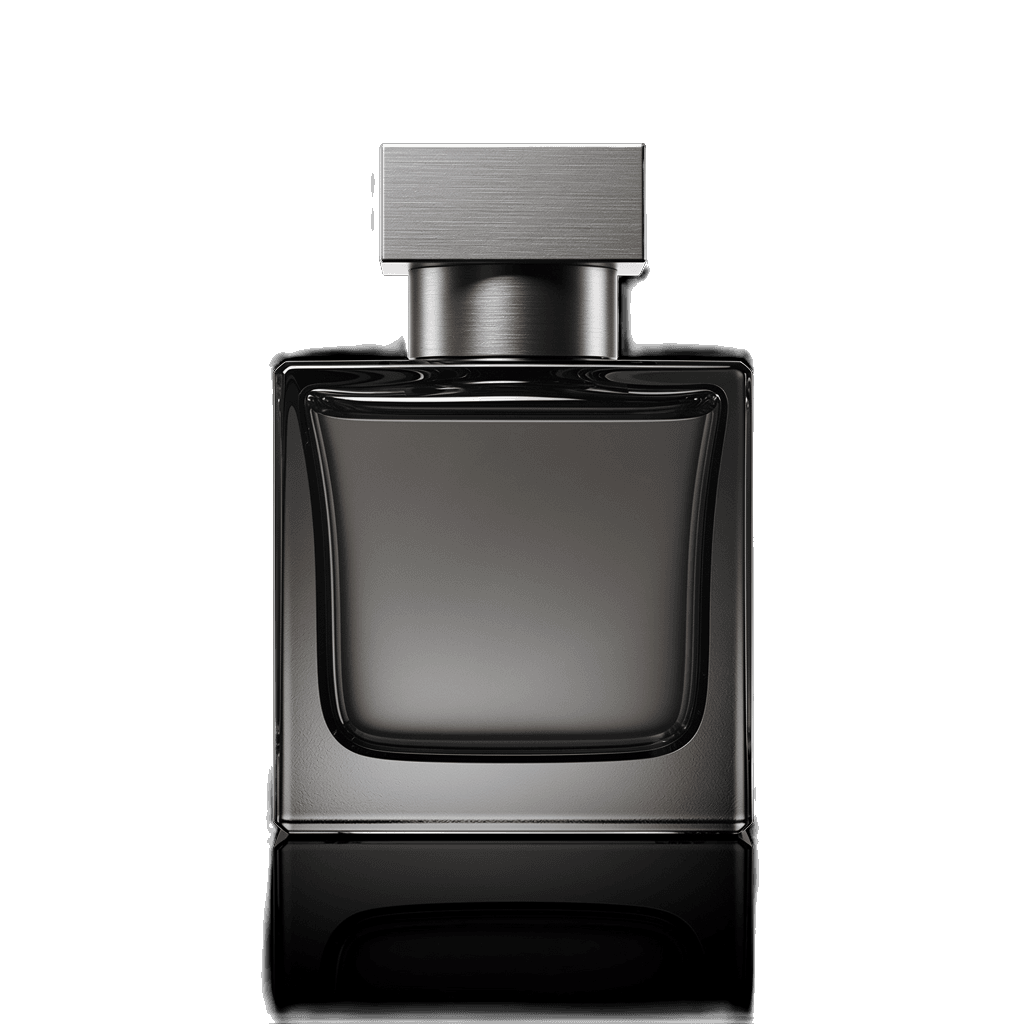
The visual language of Jeanne en Provence mirrors the soft light of the Mediterranean coast. Bottle silhouettes are simple, rounded forms that recall vintage apothecary jars, capped with brushed aluminium or matte gold lids that catch the eye without overwhelming the scent. Labels feature hand‑drawn botanical illustrations in pastel hues of lavender, sage and sun‑kissed orange, printed on recycled paper with a matte finish. The typography uses a clean, serif typeface that conveys elegance while remaining legible. In retail displays, the brand arranges products on reclaimed wooden trays, surrounded by dried sprigs of lavender and citrus peel, reinforcing the connection to nature. Seasonal campaigns showcase photographs of Provençal landscapes—olive groves at dusk, lavender fields under a golden sky—allowing the viewer to imagine the fragrance’s origin. The overall aesthetic balances modern minimalism with a nostalgic nod to the region’s artisanal heritage, creating a cohesive image that feels both fresh and rooted.
Philosophy
Jeanne en Provence frames scent as a story of place. The brand believes that a fragrance should evoke a memory of a sun‑lit field, a breezy lavender lane or a quiet orchard. To honour that belief, the house sources raw materials from growers who practice sustainable agriculture in the Provence region. It insists on paraben‑free formulations, arguing that purity begins with safe ingredients. The creative process starts with a field visit, where perfumers record the colour, temperature and aroma of a bloom before translating those impressions into a fragrance brief. The brand values transparency, offering consumers clear ingredient lists and encouraging them to explore the botanical origins of each note. It also embraces modesty in design, preferring understated packaging that lets the scent speak for itself. By blending tradition with a contemporary respect for health and the environment, Jeanne en Provence aims to create fragrances that feel both timeless and relevant.
Key Milestones
1978
ARTHES Group launches Jeanne en Provence in the Bois de Grasse.
1992
Brand expands into paraben‑free body care and cosmetics.
2005
First home fragrance line, including diffusers and scented candles, debuts.
2015
Release of Verveine Cedrat, highlighting Provençal verbena and citron.
2019
Néroli Intense and Iris & Néroli launch, reinforcing the house’s floral focus.
2022
À L'Ombre des Amandiers arrives, inspired by almond trees in bloom.
At a Glance
Brand profile snapshot
Origin
France
Founded
1978
Heritage
48
Years active
Collection
2
Fragrances released
Avg Rating
4.1
Community sentiment
Release Rhythm