

The Heritage
The Story of Jil Sander
Jil Sander translates the label’s celebrated minimalism into a fragrance portfolio that favors clarity over clutter. Since the early 1980s the house has released a steady stream of scents for both men and women, each built on a restrained accord that mirrors the brand’s clean‑cut tailoring. The line includes iconic early releases such as Man I (1981) and Woman II (1983) as well as recent additions like Sunrise (2014) and Sun Men Parfum (2021). The fragrances sit alongside the fashion house’s apparel, offering a scented extension of its understated aesthetic.
Heritage
Heidemarie Jiline Sander opened her first studio in Hamburg in 1968, naming the label after her own nickname. Three years later she presented her inaugural women’s collection, a series of sharply cut garments that quickly earned a reputation for precision. By 1975 she staged a Paris debut, an effort that met mixed reception but signaled the brand’s ambition to compete on the international stage. The 1980s marked the house’s entry into perfumery; the first scent, Jil Sander Man I (also known as Man Pure), arrived in 1981 and was followed by Man II in 1982 and Woman II in 1983. These early fragrances carried the same pared‑down ethos as the clothing, using a limited palette of notes to create a clean, unobtrusive aura. In 1989 the line expanded with Feeling Man, a scent that introduced a subtle warmth while retaining the brand’s signature restraint. Background, launched in 1993, continued the trend with a focus on airy, woody accords. The turn of the millennium saw a resurgence of interest, prompting the release of Style Summer in 2008 and the more intense Man Absolute the same year. A decade later Sunrise arrived, offering a bright, citrus‑driven composition that echoed the brand’s evolving yet consistent visual language. The most recent addition, Sun Men Parfum (2021), blends aromatic herbs with a refined amber base, underscoring Jil Sander’s commitment to timeless elegance. Throughout its history the house moved its headquarters from Hamburg to Milan, aligning its fashion operations with Italy’s design hub while preserving the German founder’s minimalist DNA. Today the brand remains a reference point for designers who value restraint over excess, and its fragrance collection continues to reflect that philosophy across more than four decades.
Craftsmanship
Jil Sander partners with established perfumers who share its minimalist outlook, commissioning them to craft scents that emphasize linearity and transparency. The house sources raw materials from vetted suppliers, prioritizing ingredients that meet strict quality standards and, where possible, carry certifications for sustainable harvesting. Production takes place in European facilities that adhere to EU regulations on fragrance safety and environmental impact. Each batch undergoes rigorous testing for consistency, ensuring that the final product matches the original brief. The brand’s bottle designs echo its fashion silhouettes: sleek, unadorned glass vessels with subtle embossing or matte finishes. Production teams employ hand‑finishing techniques for caps and labels, reinforcing the tactile experience of the product. Quality control includes both laboratory analysis of volatile compounds and sensory evaluation by trained panels, a dual approach that balances scientific precision with artistic judgment. Over the years the house has refined its supply chain, reducing unnecessary intermediaries to maintain a direct line of communication with ingredient growers, a practice that supports traceability and reduces carbon footprint. The result is a fragrance line that delivers the same disciplined craftsmanship found in Jil Sander’s clothing collections.
Design Language
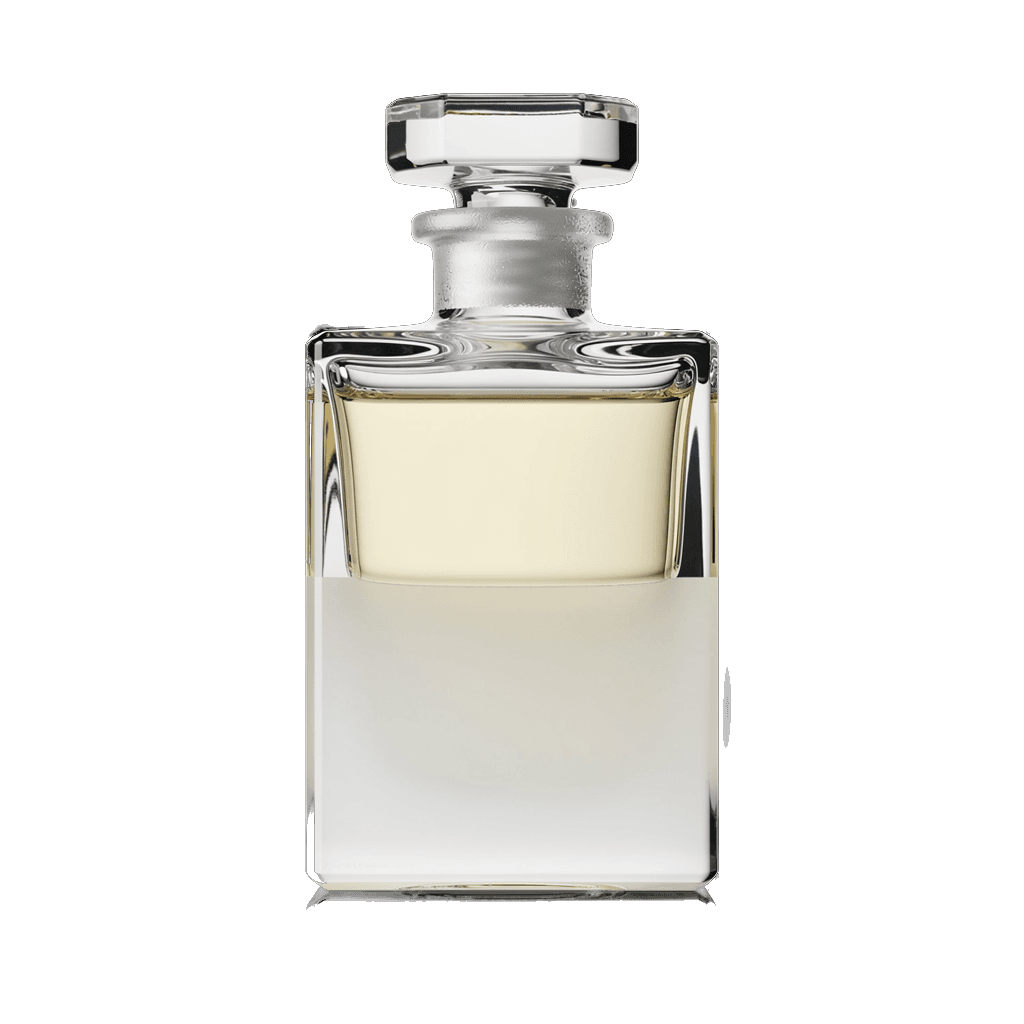
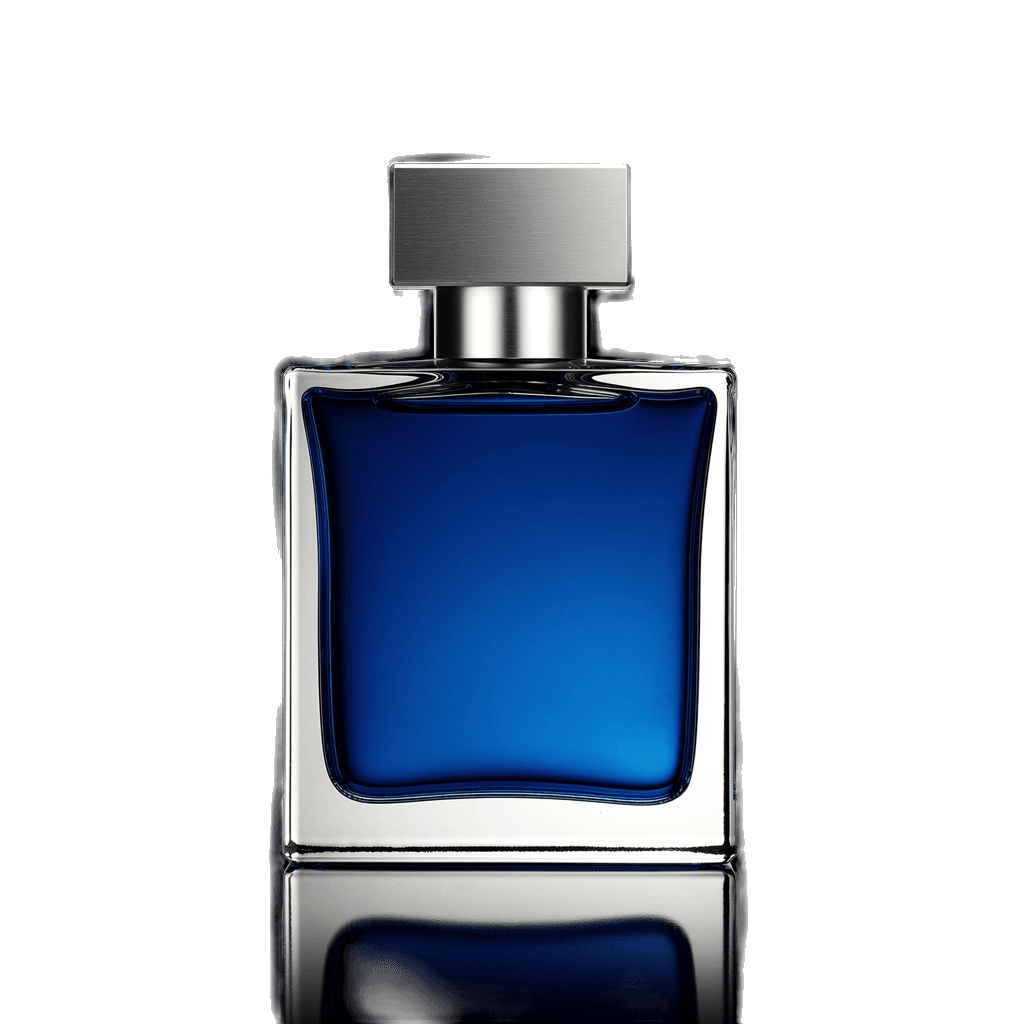
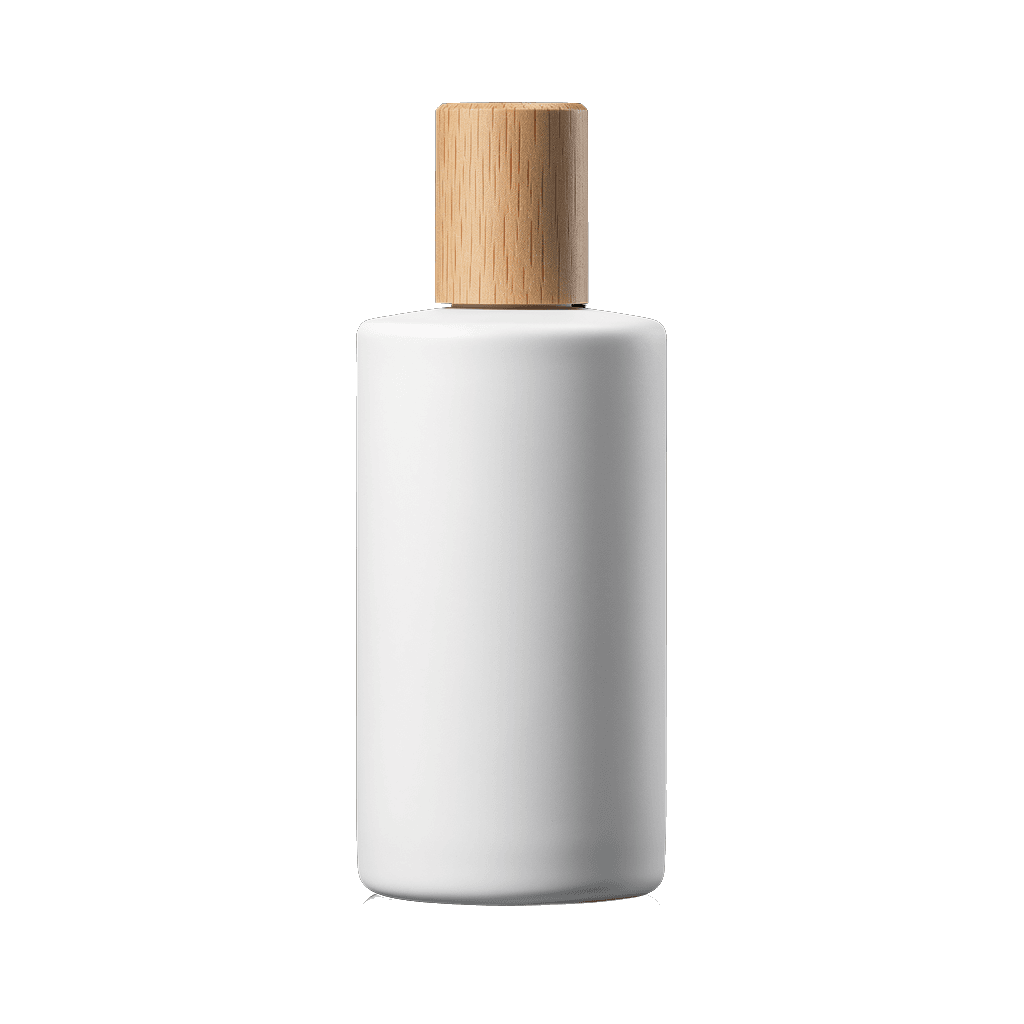
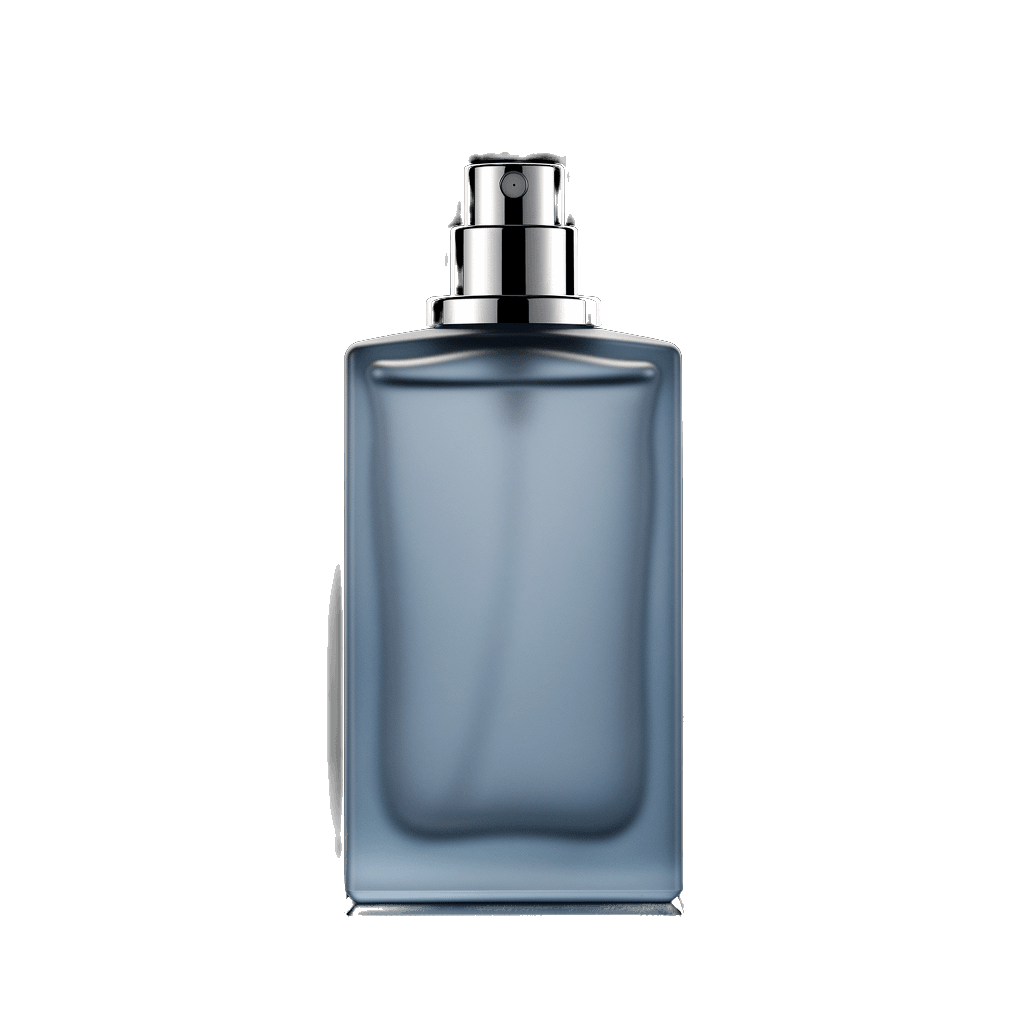
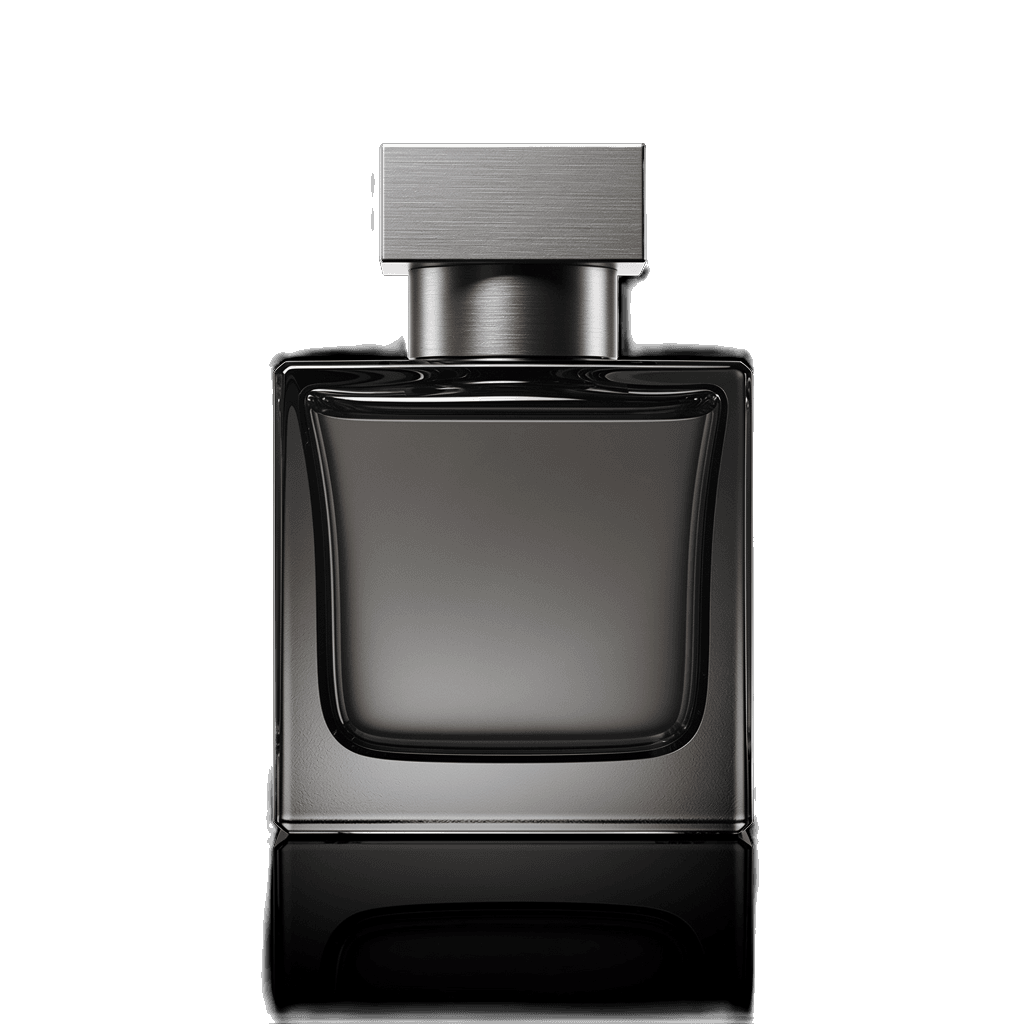
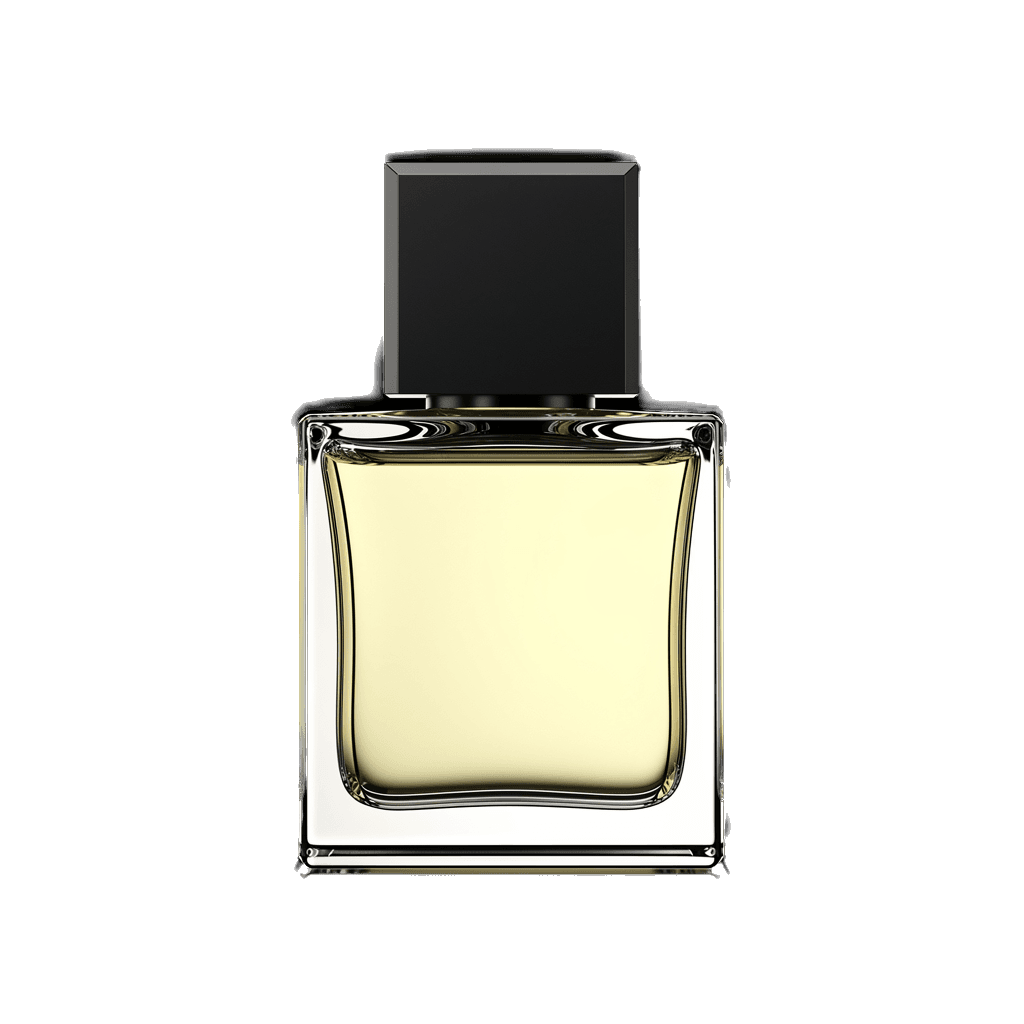
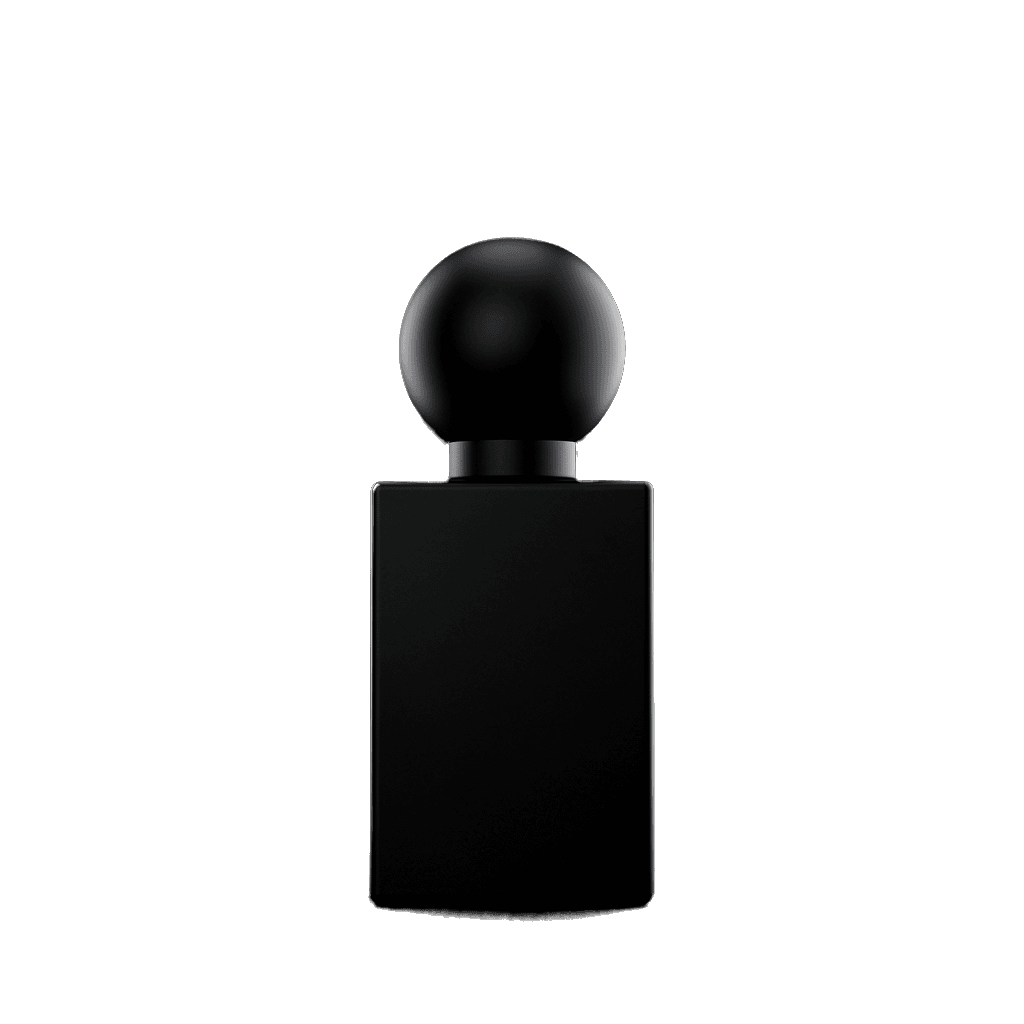
The visual language of Jil Sander fragrance mirrors the label’s architectural roots. Bottles feature clean, rectangular shapes that echo the brand’s signature tailoring, often rendered in clear or frosted glass to showcase the liquid’s hue without distraction. Typography on the packaging uses a sans‑serif typeface, spaced evenly to convey calm order. Caps are typically brushed metal or matte black, providing a subtle contrast that highlights the bottle’s geometry. The overall presentation avoids ornamental flourishes; instead it relies on proportion, negative space, and a restrained colour palette of whites, greys and muted earth tones. Marketing imagery frequently depicts the scent alongside minimalist interiors or monochrome backdrops, reinforcing the connection between scent and spatial design. This cohesive aesthetic extends to retail displays, where fragrances sit on sleek wooden or metal shelves, allowing the product’s form to speak for itself. By maintaining a consistent visual identity across decades, Jil Sander ensures that each new launch feels instantly recognizable as part of the same design lineage.
Philosophy
Jil Sander treats scent as an extension of its design code, favoring purity of form over ornamental complexity. The creative team selects ingredients that can stand alone, allowing each note to breathe without competing for attention. This approach mirrors the label’s architectural tailoring, where every seam serves a purpose. In developing a new fragrance the house first defines a conceptual mood—often a single word such as "clarity" or "light"—and then works with perfumers to translate that idea into a balanced olfactory structure. The brand avoids trend‑driven gimmicks, instead opting for timeless compositions that age gracefully on the skin. Sustainability has become a guiding principle; recent releases incorporate responsibly sourced raw materials and recyclable packaging, reflecting a broader commitment to ethical production. By aligning fragrance with its broader aesthetic values, Jil Sander creates scents that act as quiet accessories, complementing the wearer’s style without overwhelming it.
Key Milestones
1968
Jil Sander founded her eponymous fashion house in Hamburg, Germany.
1973
First women’s collection presented, establishing the brand’s minimalist aesthetic.
1981
Launch of the first fragrance, Jil Sander Man I (Man Pure), marking the house’s entry into perfumery.
1993
Background released, reinforcing the brand’s commitment to clean, airy scent structures.
2008
Style Summer and Man Absolute introduced, expanding the portfolio with seasonal and intensified offerings.
2014
Sunrise launched, offering a bright, citrus‑forward composition that aligned with contemporary trends while retaining minimalism.
At a Glance
Brand profile snapshot
Origin
Germany
Founded
1968
Heritage
58
Years active
Collection
1
Fragrances released
Avg Rating
4.3
Community sentiment
Release Rhythm