The Heritage
The Story of Joseph Duclos
Joseph Duclos is a French house that bridges eighteenth‑century leathercraft with contemporary fragrance. The brand re‑emerged in 2020 under financier Franck Dahan, reviving a family name that once supplied the royal court with tannery goods. Today it offers a concise line of scented oils and a curated collection of leather accessories, each rooted in the same commitment to material honesty and quiet elegance.
Heritage
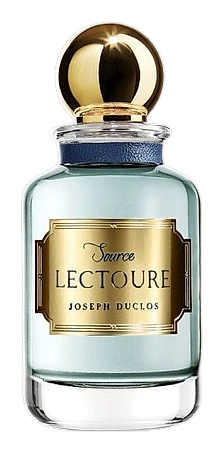
Joseph Duclos de Bouillas was born in Toulouse in 1719 to a prosperous merchant family. In the mid‑1700s he and his brother inherited three tannery workshops in the town of Lectoure, a centre of leather production in the Languedoc region. In 1754 the brothers registered the Maison Joseph Duclos, and two years later the Lectoure tannery earned the Royal Manufacture title, allowing it to supply leather to the French court and to export finished goods across Europe. The enterprise survived the upheavals of the French Revolution, but by the early nineteenth century the original workshops had closed and the family name faded from commercial directories. In 2020 former financier and art collector Franck Dahan acquired the dormant brand, motivated by the historic archives that documented the Maison’s commitment to hand‑crafted quality. Dahan re‑established a workshop in the historic tannery district of Lectoure, restoring original leather‑stamping tools and re‑creating the vegetable‑tanning formulas described in eighteenth‑century ledgers. The same year the house announced a broader vision that would include leather accessories, jewellery and a fragrance line. 2021 marked the launch of the first four fragrances – Source Diane, Source Lectoure, Source Saint‑Clair and Source Fontélie – each named after a historic site linked to the Duclos legacy. The scents were developed in collaboration with independent perfumers and presented in bottles that echo the apothecary glassware of the Enlightenment era. Since then the brand has opened a flagship boutique in Lectoure, introduced seasonal leather collections, and begun limited‑edition collaborations with French artisans, positioning the revived Joseph Duclos as a living bridge between heritage craft and modern sensibility.
Craftsmanship
Every Joseph Duclos leather piece begins with rawhide selected from regional French farms that raise cattle on pasture. The hides undergo a vegetable‑tanning cycle that lasts up to three months, during which oak bark extracts are refreshed daily to maintain consistent pH levels. Artisans monitor the colour development by hand, adjusting the tannin concentration to achieve the subtle amber hue that defines the Maison’s signature look. After tanning, the leather is hand‑polished with a blend of natural oils, then cut on a wooden board that bears the original 1754 stamping seal. The fragrance line follows a similarly meticulous path. Natural raw materials – such as clove buds from Indonesia, heliotrope from France, and timut pepper from Nepal – are sourced from suppliers who provide third‑party analysis reports. The ingredients are distilled in small copper alembics in Grasse, then aged in glass vessels for a minimum of six weeks to allow the accords to integrate. Each batch is blended by a perfumer under the supervision of creative director Ramesh Nair, who ensures that the final concentration matches the intended intensity for skin‑contact application. Quality control occurs at multiple stages. Leather goods are inspected for grain uniformity, stitching tension, and hardware finish before leaving the workshop. Fragrances are evaluated by a panel of olfactory experts who verify that the top, heart and base notes align with the original brief. Both product lines are produced in limited runs, allowing the Maison to retain close oversight of every step from raw material to finished item.
Design Language
The visual language of Joseph Duclos balances historic restraint with contemporary minimalism. Bottle designs echo eighteenth‑century apothecary flasks: clear glass, a narrow neck, and a simple brass stopper engraved with the Maison’s monogram. Labels employ a serif typeface reminiscent of period trade ledgers, set against a muted ivory background that lets the liquid’s colour speak for itself. Leather accessories feature clean lines, soft rounded edges, and brass fittings that reference the metalwork of historic tannery tools. The colour palette stays within natural tones – warm tan, deep mahogany, and soft greige – allowing the material’s texture to become the focal point. Packaging for both fragrance and leather items uses recycled kraft paper, sealed with a wax stamp bearing the 1754 date. Store interiors showcase reclaimed wood, wrought‑iron fixtures, and large windows that flood the space with natural light, reinforcing the brand’s emphasis on authenticity and tactile experience. The overall aesthetic feels like a quiet study in a historic French atelier, inviting visitors to linger over the subtle details rather than be overwhelmed by flash.
Philosophy
The house frames its creative work as a dialogue between place and material. It treats leather and fragrance as parallel expressions of the same tactile narrative, insisting that every ingredient be traceable to a specific terroir. The brand draws on the Enlightenment principle of rational observation, letting the natural character of a hide or a botanical note dictate the final composition rather than imposing a predetermined trend. Joseph Duclos partners with perfumers who share a respect for balance and restraint, encouraging them to foreground a single accent – such as timut pepper in Source Saint‑Clair – while allowing the supporting accords to recede. In leather production the atelier follows a “first‑principles” approach: vegetable tannins are sourced from French oak, the hides are hand‑sorted, and each piece is stitched by a single artisan to preserve continuity. The philosophy extends to packaging, where recycled glass and reclaimed wood are used to echo the brand’s commitment to durability. By foregrounding provenance and process, the house seeks to create objects and scents that reward repeated use and quiet contemplation.
Key Milestones
1754
Joseph Duclos registers the Maison in Lectoure, establishing a family tannery business.
1756
The Lectoure tannery receives the Royal Manufacture title, enabling supply to the French court.
1790
Political upheaval leads to the closure of the original workshops; the brand name falls into dormancy.
2020
Franck Dahan acquires the dormant Joseph Duclos name and reopens a workshop in Lectoure.
2021
The house launches its first four fragrances – Source Diane, Lectoure, Saint‑Clair and Fontélie.
2022
Joseph Duclos releases its inaugural leather handbag collection, featuring hand‑stitched vegetable‑tanned leather.
At a Glance
Brand profile snapshot
Origin
France
Founded
1754
Heritage
272
Years active
Collection
1
Fragrances released
Avg Rating
4.7
Community sentiment