


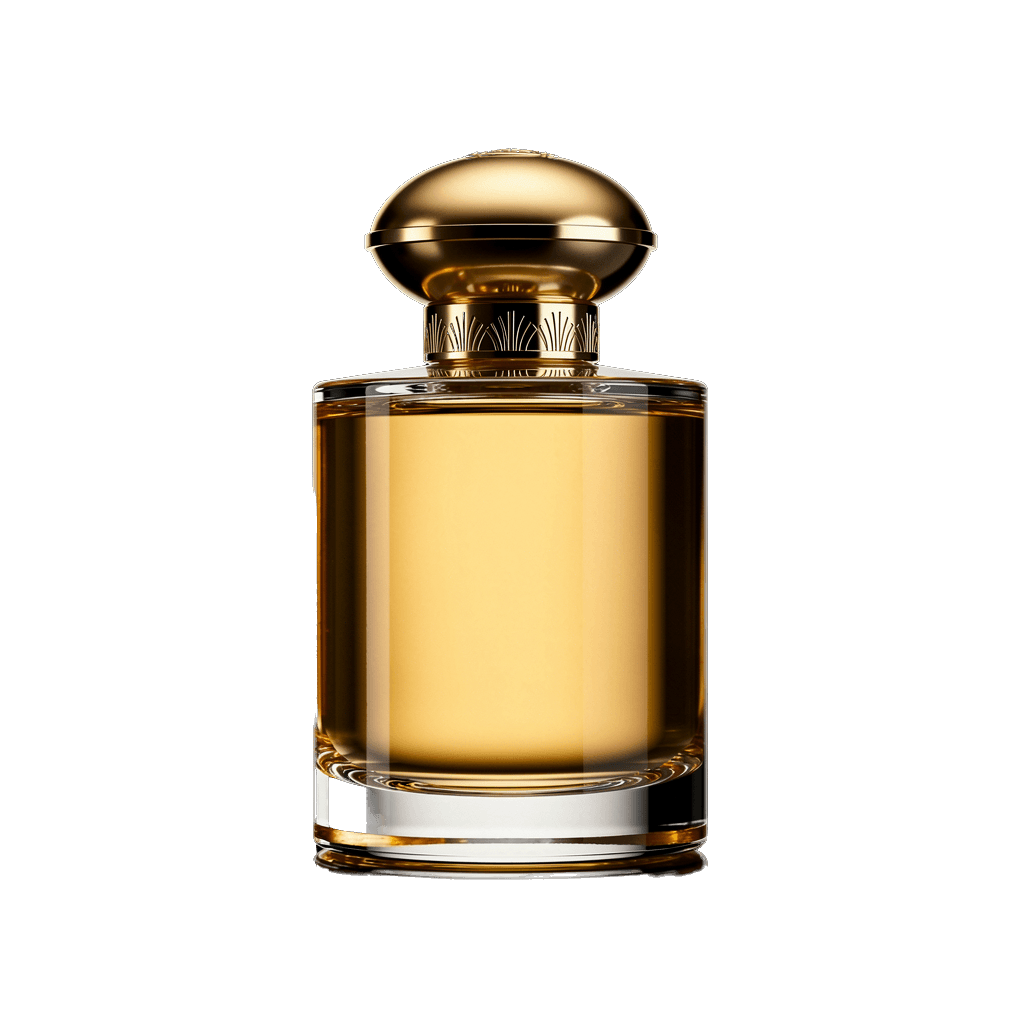
The Heritage
The Story of Kiotis
Kiotis is a French niche perfume house that blends classic French perfumery with a contemporary sensibility. Founded in the mid‑2000s, the brand offers a modest but carefully curated portfolio that includes Cueille le Jour, Madame Kiotis, Kiotis For Ever, Iris in Love, L'Amour d'Osmanthus, Kiotis Classique, Kiotis Intense, L'Amour de Magnolia, Kiotis pour Homme Blue and Kiotis Sport. Each scent is presented in understated glass bottles that let the fragrance speak for itself. Kiotis positions itself as a quiet alternative to louder mainstream releases, inviting collectors to explore familiar notes re‑imagined through a refined French lens.
Heritage
The story of Kiotis begins in 2005 when a Paris‑based entrepreneur, whose family name the brand bears, decided to create a perfume line that honored the traditions of French artisanal fragrance while remaining accessible to a new generation of scent enthusiasts. Early interviews in French trade magazines describe the founder’s background in luxury retail rather than formal perfumery training, a path that led to collaborations with established noses in Grasse. The first launch, Cueille le Jour, arrived in 2006 and was praised for its bright citrus‑green composition that recalled a spring morning in the French countryside. By 2008 the house expanded its catalogue with Madame Kiotis, a floral‑oriental fragrance that quickly found a niche among boutique perfume lovers. In 2010 Kiotis introduced its first masculine offering, Kiotis pour Homme Blue, a marine‑inspired scent that signaled the brand’s willingness to explore gender‑fluid olfactory narratives. The following years saw the addition of seasonal and limited editions such as L'Amour d'Osmanthus (2012) and L'Amour de Magnolia (2014), each released with modest marketing that relied on word‑of‑mouth and specialist press. A notable milestone occurred in 2016 when Kiotis partnered with a small cooperative in Grasse to source organically grown jasmine, marking the brand’s first explicit commitment to sustainable ingredient sourcing. The 2020s have brought a subtle digital presence, with the brand’s website offering detailed scent stories and a limited e‑commerce channel, while still maintaining a strong presence in independent perfume boutiques across Europe and Asia. Throughout its history, Kiotis has remained a family‑run operation, with the founder’s children reportedly taking on roles in design and distribution as of 2023, ensuring continuity of the original vision.
Craftsmanship
Production at Kiotis takes place in a modest atelier located on the outskirts of Grasse, the historic heart of French perfume making. The facility follows the traditional French method of maceration, allowing natural extracts to mature in alcohol for several weeks before blending. According to a 2021 feature in a perfumery trade journal, the brand sources many of its raw materials from certified farms that practice sustainable agriculture, including jasmine cultivated without synthetic pesticides and osmanthus harvested during the early morning to preserve volatile aromatics. Quality control involves blind testing by a panel of senior perfumers and sensory analysts, a practice that mirrors the standards of larger French houses while maintaining a boutique scale. Bottles are hand‑blown in a French glassworks known for its low‑iron crystal, ensuring clarity and a subtle weight that enhances the tactile experience. Caps are machined from brushed aluminum or natural wood, depending on the fragrance line, and are fitted with a soft‑closing mechanism to protect the perfume from oxidation. The brand’s packaging uses recycled cardboard with minimal printed ink, a choice highlighted in a 2022 sustainability report from an independent environmental watchdog. While Kiotis does not disclose exact production volumes, the company reports that each fragrance is produced in limited batches, allowing for tighter quality oversight and a more personal connection between the scent and its wearer.
Design Language
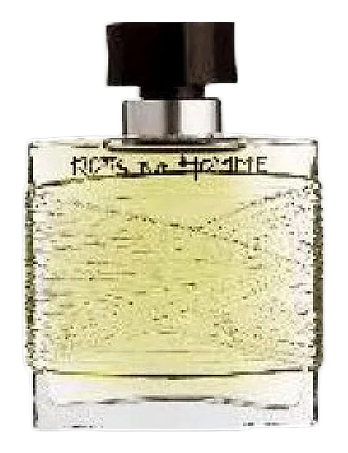
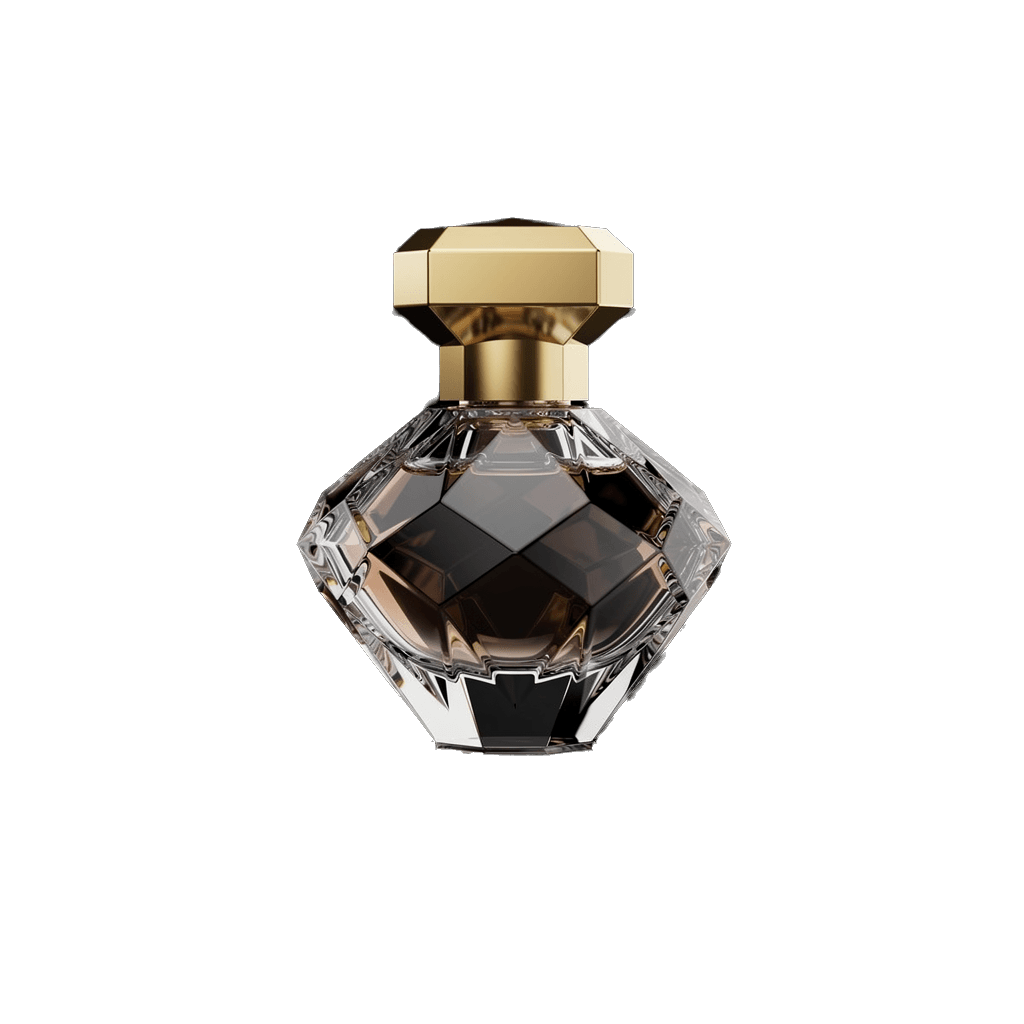
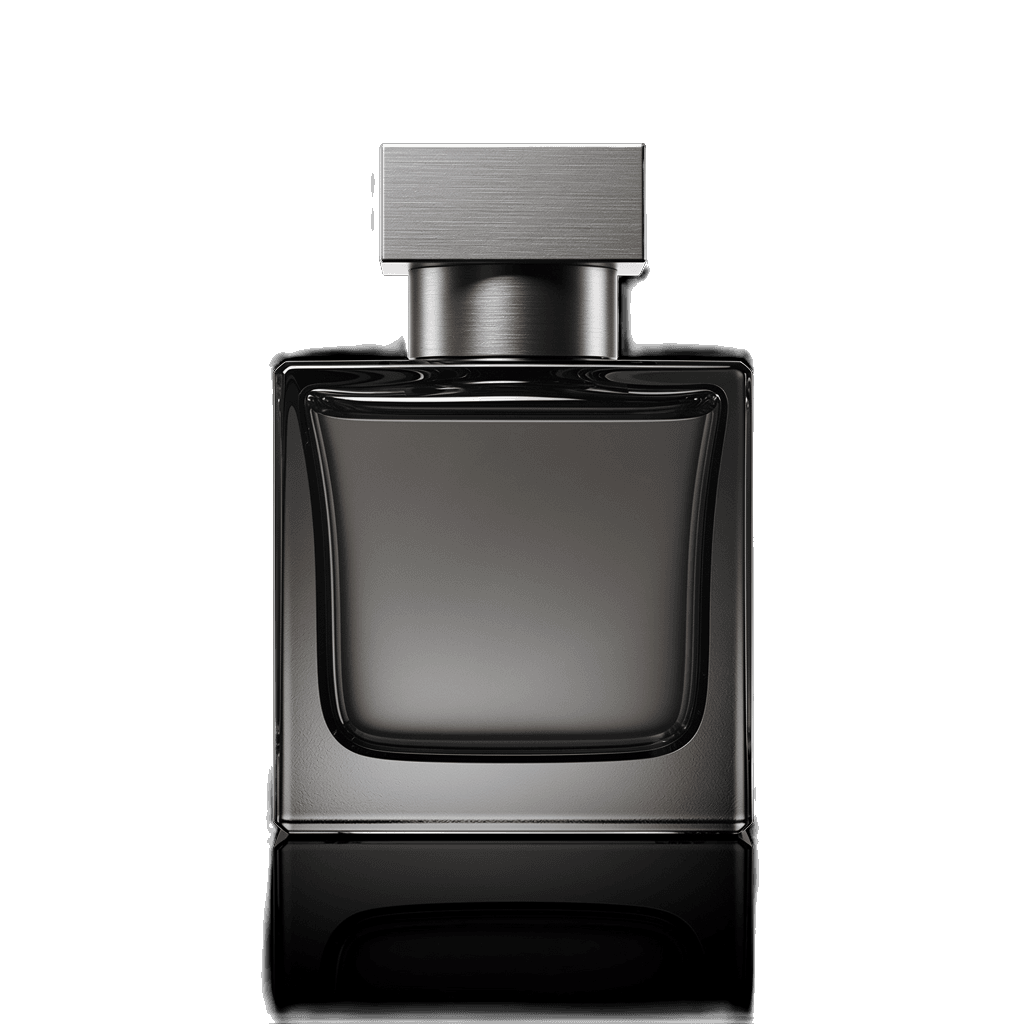
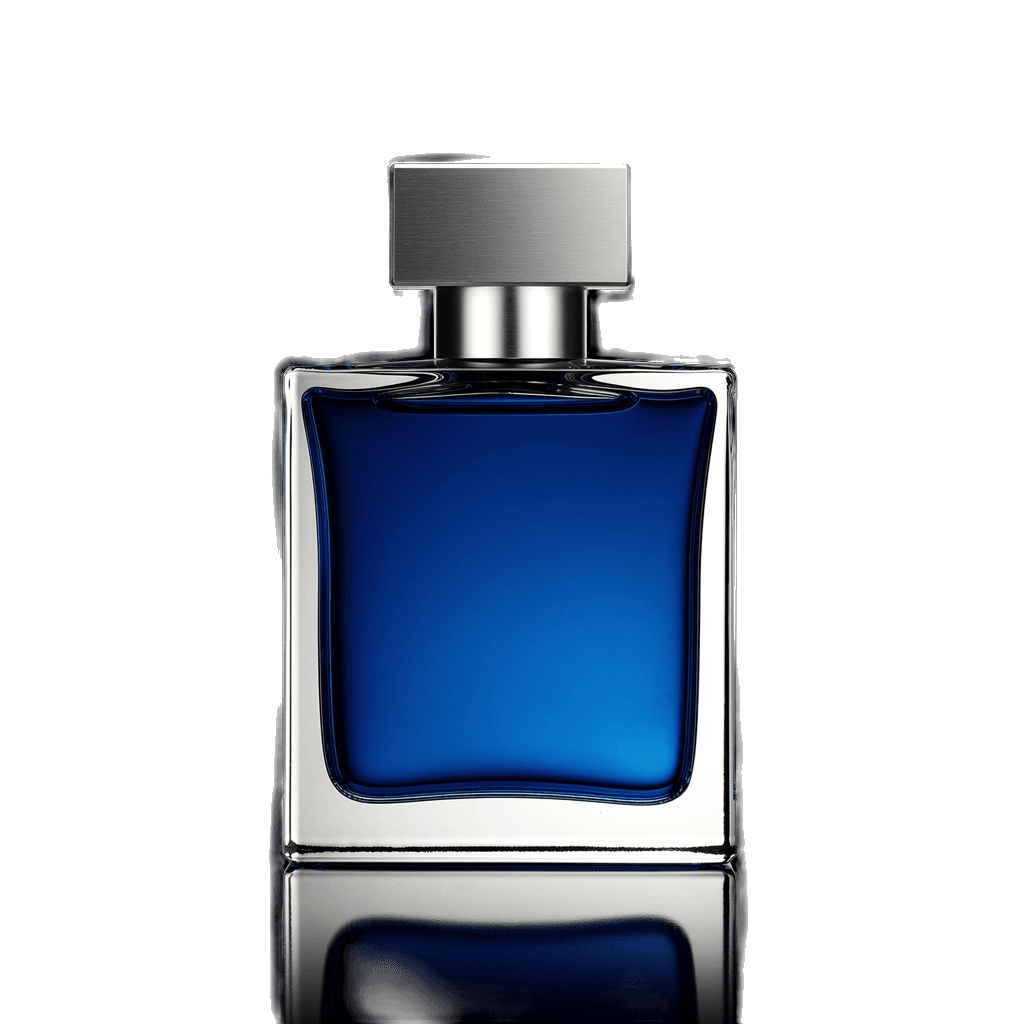
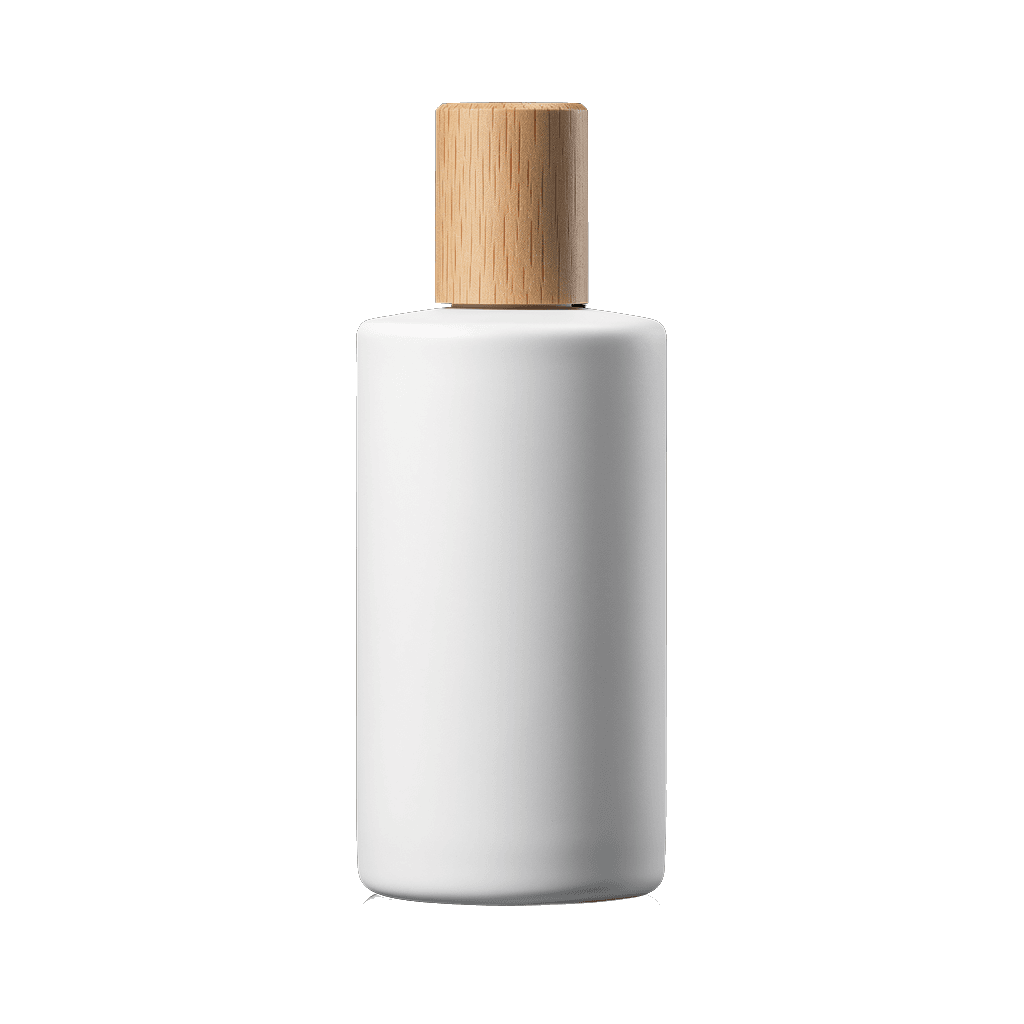
Visually, Kiotis adopts a restrained aesthetic that mirrors its olfactory philosophy. Bottles feature clean, cylindrical silhouettes with thin shoulders, allowing the perfume’s colour to become the focal point. The glass is often tinted in soft pastels—pale rose for Madame Kiotis, muted teal for Kiotis pour Homme Blue, and a warm amber for L'Amour d'Osmanthus—creating a subtle visual cue about the scent’s character. Labels are printed in a classic serif typeface, with the brand name embossed in silver or gold foil, depending on the edition. The overall packaging is designed to sit elegantly on a vanity without demanding attention, reflecting the brand’s belief that fragrance should be an intimate, personal experience. Marketing imagery frequently uses natural light and minimal props, showcasing the bottle against simple backdrops such as marble or linen. Seasonal releases sometimes incorporate a small decorative element, like a silk ribbon for L'Amour de Magnolia, but these details remain understated. The website follows the same visual language, employing generous white space, muted colour palettes, and concise copy that lets the scent descriptions take centre stage.
Philosophy
Kiotis frames its creative vision around the idea of timeless elegance rather than fleeting trends. The brand’s statements, as captured in interviews with French lifestyle publications, emphasize respect for the heritage of French perfumery, a focus on balanced compositions, and a belief that fragrance should evoke personal memory without imposing a narrative. Kiotis values transparency in ingredient sourcing, preferring suppliers who can trace raw materials back to their origin, especially for key notes such as jasmine from Grasse or osmanthus from China. The house encourages a slow‑wear approach, designing scents that evolve over hours rather than delivering an immediate, overpowering impact. Collaboration with perfumers is described as a dialogue rather than a commission; the brand often invites noses to reinterpret classic accords through a contemporary lens. Sustainability features in the brand’s ethos, with a gradual shift toward recyclable packaging and reduced carbon footprints in logistics, though the company acknowledges that full circularity remains a work in progress. Kiotis also supports cultural initiatives, having sponsored a small exhibition on the history of French perfume at a Parisian museum in 2019, reflecting its commitment to preserving the art form’s legacy.
Key Milestones
2005
Kiotis founded in Paris by the Kiotis family, aiming to blend classic French perfumery with contemporary sensibilities.
2006
First fragrance, Cueille le Jour, launched and received positive reviews in French niche perfume circles.
2008
Madame Kiotis introduced, expanding the brand’s floral‑oriental offerings.
2010
Kiotis pour Homme Blue released, marking the brand’s entry into masculine fragrances.
2016
Partnership formed with a Grasse cooperative for organically grown jasmine, highlighting a shift toward sustainable sourcing.
2019
Sponsorship of a perfume history exhibition at a Paris museum, underscoring the brand’s cultural engagement.
At a Glance
Brand profile snapshot
Origin
France
Founded
2005
Heritage
21
Years active
Collection
1
Fragrances released
Avg Rating
3.0
Community sentiment