The Heritage
The Story of L'Arc
L'Arc Parfums is a niche fragrance house that began in the historic town of Grasse before relocating its creative hub to Paris. The brand draws inspiration from an eighteenth‑century travel journal, using that narrative to shape scent stories that reference distant lands and forgotten routes. Since its first releases in 2013, L'Arc has built a catalogue that mixes classic ingredients with contemporary structures, offering collectors a series of olfactory maps that span continents and eras.
Heritage
The origin of L'Arc traces back to the discovery of an old travel book dated to the late 1700s. The manuscript, owned by a French architect, contained sketches of routes and notes on regional aromas. The founders of L'Arc reported that the book sparked the idea of creating perfumes that act as portable journeys. They established the house in Grasse, the world’s perfume capital, where they could access traditional raw materials and skilled artisans. Early production focused on small‑batch releases, beginning with three fragrances in 2013: Evasion Digo de Havane, Traversèe Cèdre d'Ifrane, and Balade Tiare de Tahiti. Each launch was accompanied by a brief that linked the scent to a specific locale, reinforcing the travel motif. By 2015 the line expanded with Mémoire, Carnet de voyage, a scent that explicitly referenced the notion of a diary of scent memories. In 2017 Argentium Halo de Lune arrived, followed by Boréale Vallée d’Etoiles in 2018, further cementing the brand’s commitment to geographic storytelling. The 2020 introduction of Chrysalide marked a shift toward more abstract interpretations of transformation, while 2022’s Fenix and 2024’s Calda demonstrated the house’s willingness to explore fire‑derived accords and warm amber woods. Throughout its evolution, L'Arc has remained a Paris‑based label, using the city’s design sensibility to shape its visual language while keeping production rooted in Grasse’s traditional methods. The brand’s timeline reflects a steady cadence of releases, each anchored by a clear narrative drawn from the original travel journal, allowing collectors to trace a scented itinerary across more than a decade of creative work.
Craftsmanship
Production begins with a review of the travel journal entry that inspired a new scent. The team then identifies botanical or animal‑derived ingredients native to the referenced region. For example, the cedar used in Traversèe Cèdre d'Ifrane comes from a certified forest in Morocco, while the tiare flower absolute in Balade Tiare de Tahiti is harvested by small cooperatives in French Polynesia under fair‑trade agreements. Once raw materials arrive in Grasse, master blenders weigh each component on precision scales, often working in batches of fewer than 500 liters to maintain consistency. The house employs a cold‑macération technique for delicate absolutes, preserving volatile notes that might otherwise evaporate during heat exposure. After blending, the perfume rests in stainless‑steel vats for a maturation period ranging from three to twelve months, depending on the complexity of the accord. Quality control includes gas‑chromatography analysis to verify the presence and concentration of key aroma compounds. Bottling occurs in a Parisian workshop where artisans hand‑fill each glass vessel, seal it with a brushed‑metal cap, and affix a minimalist label that references the original journal page. The entire process, from sourcing to final packaging, emphasizes traceability and craftsmanship, ensuring that each bottle delivers a scent that is both historically grounded and sensorially precise.
Design Language
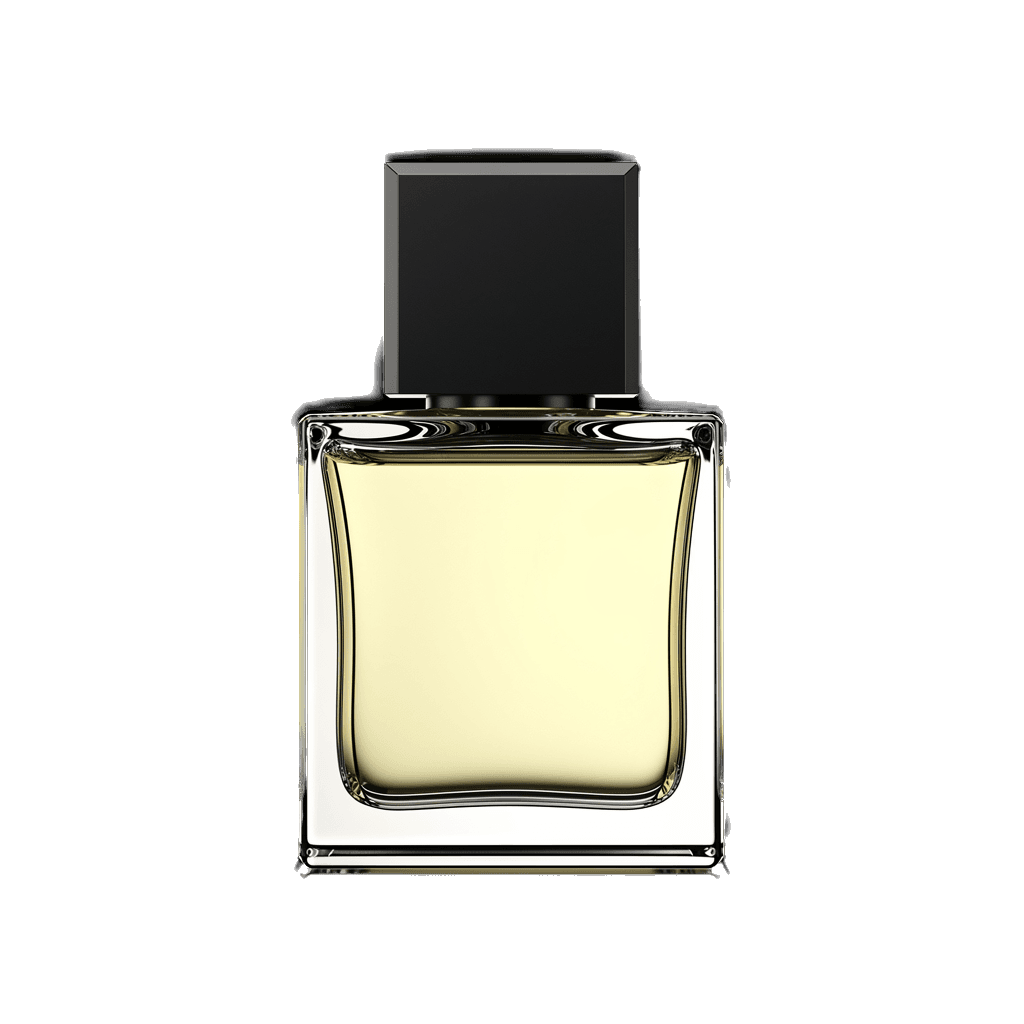
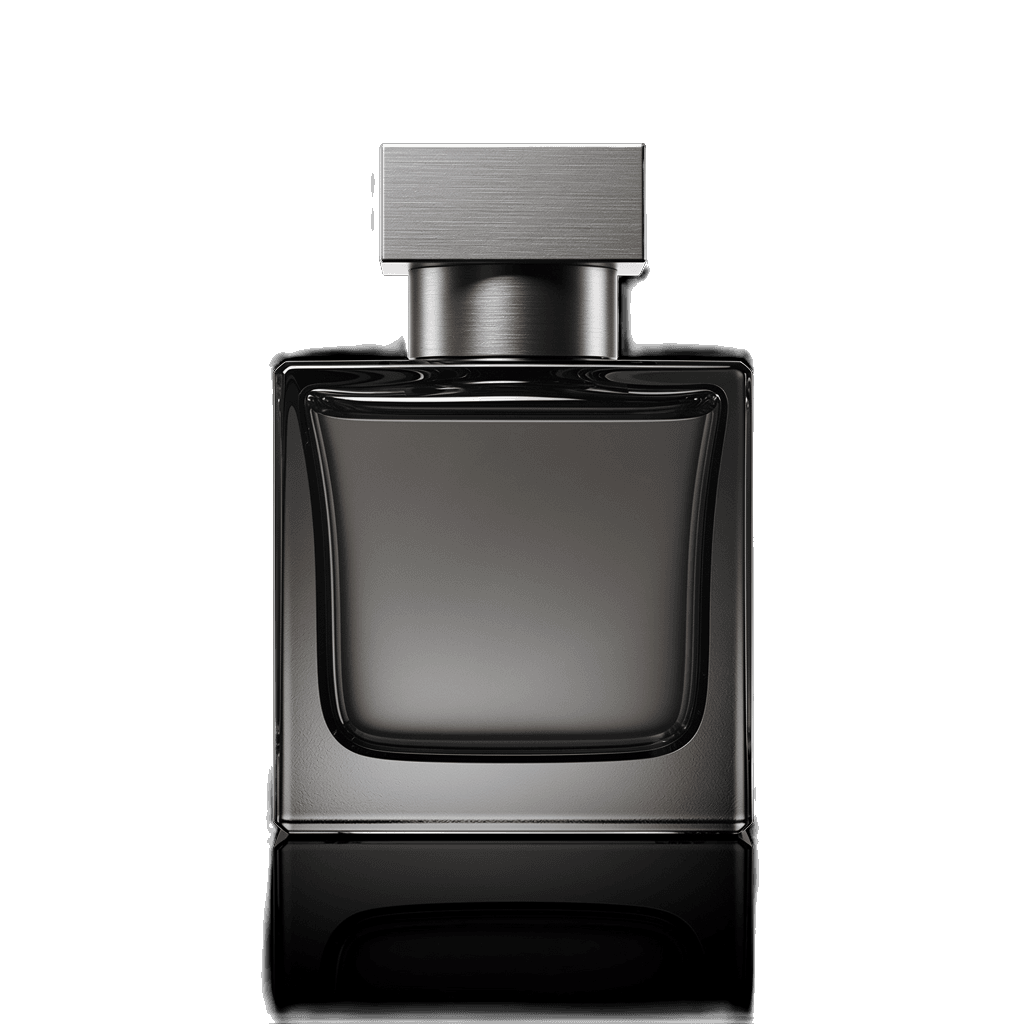
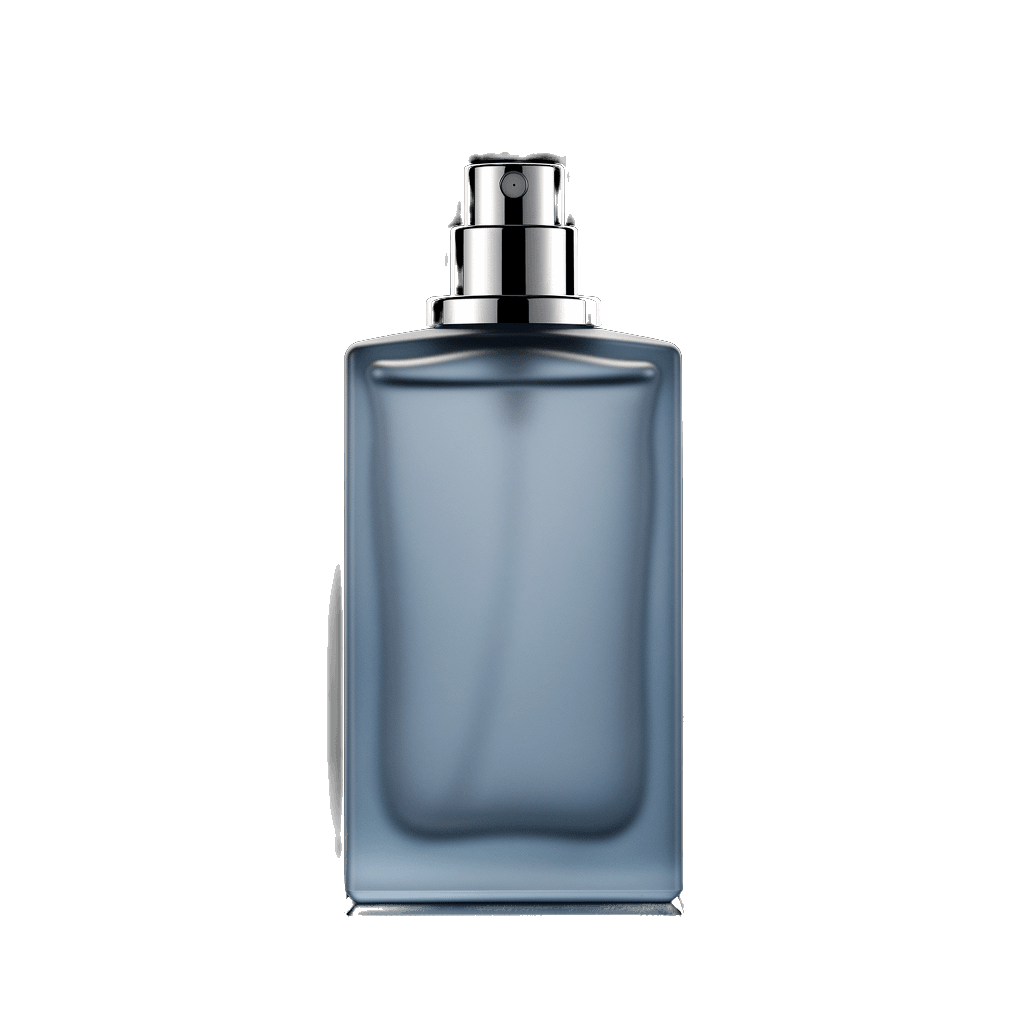
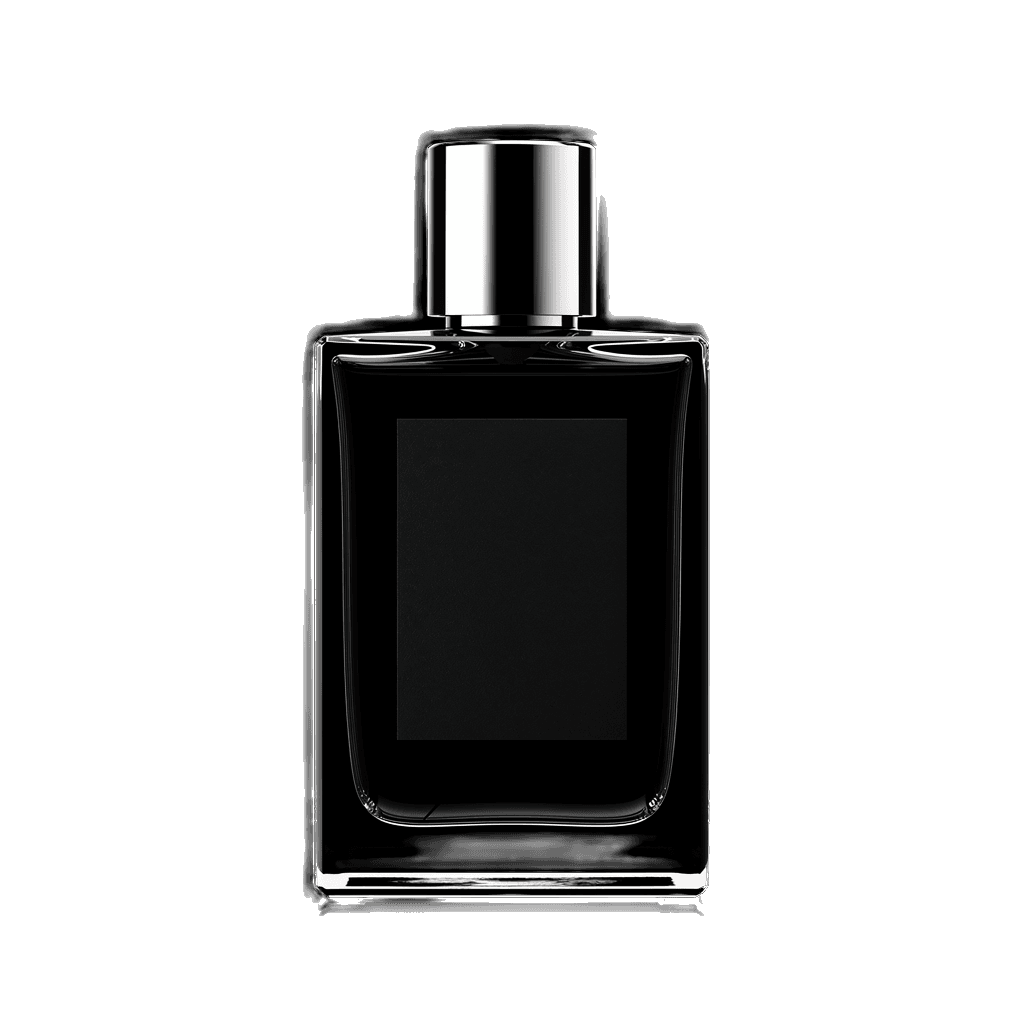
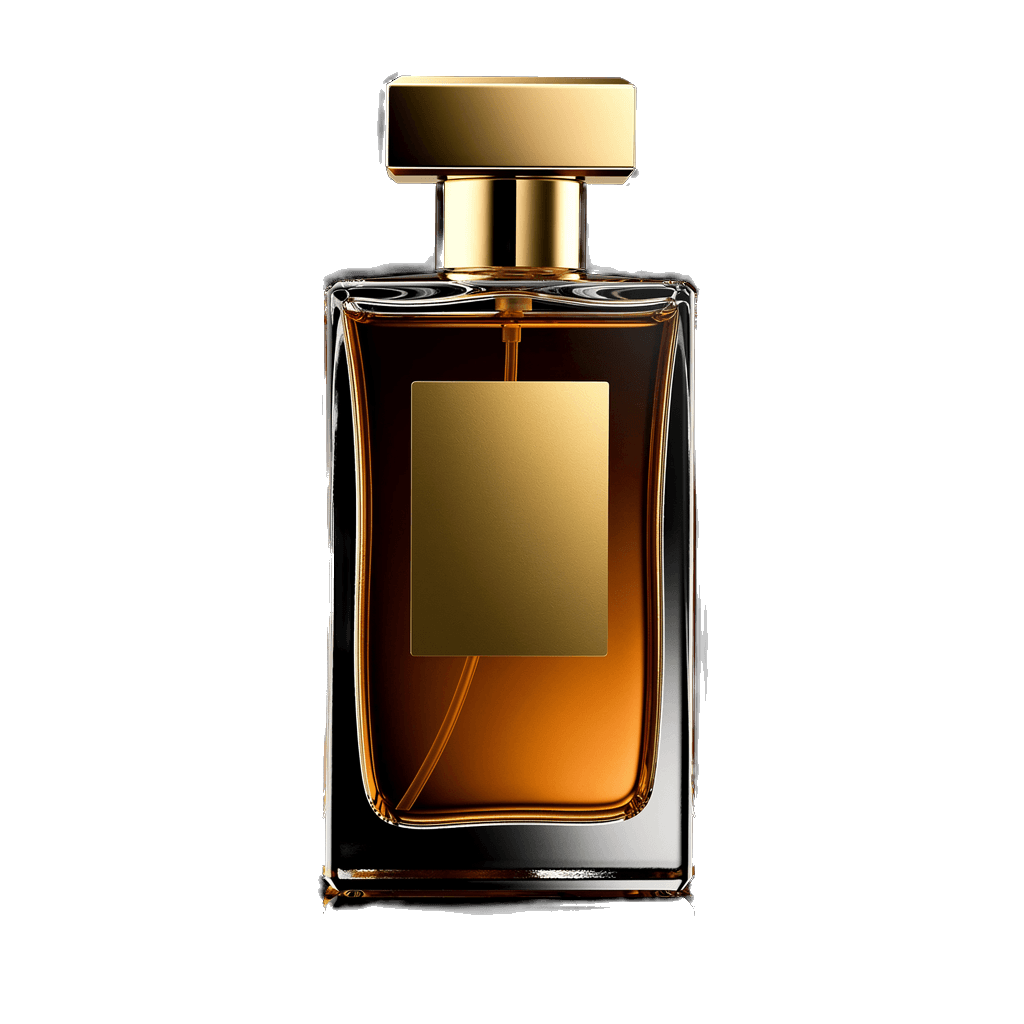
L'Arc’s visual identity mirrors the clean lines of a travel map. Bottles are crafted from clear glass with a slender profile, allowing the liquid’s hue to become part of the story. Caps are finished in brushed aluminum or matte black, echoing the metal clasps found on antique luggage. Labels feature a muted parchment background, overlaid with serif typography that mimics handwritten annotations. The brand’s logo—a simple arc shape—appears in a subtle embossing on the bottle’s shoulder, reinforcing the theme of a journey’s curve. Promotional imagery often includes vintage maps, compass roses, and sepia‑toned photographs of the regions that inspired each fragrance. In Paris, the boutique interior showcases reclaimed wood shelving and soft, diffused lighting, creating a space that feels like a quiet study rather than a conventional retail counter. This restrained aesthetic aligns with the house’s focus on narrative over spectacle, inviting customers to explore each scent as a personal expedition.
Philosophy
L'Arc frames perfumery as a form of cartography. The house believes that scent can record a place as precisely as a map records a road. This belief guides its choice of raw materials: the brand sources natural extracts from the regions referenced in each fragrance, whether it is Haitian mango leaf for Evasion Digo de Havane or cedar from the Atlas Mountains for Traversèe Cèdre d'Ifrane. Ethical sourcing underpins the process; suppliers must demonstrate sustainable harvest practices and compliance with European REACH regulations. L'Arc also values transparency, providing brief notes that explain the historical or geographic inspiration behind each bottle. Rather than chasing trends, the house seeks to revive forgotten olfactory recipes, adapting them to modern sensibilities. Collaboration with perfumers remains discreet; the brand prefers to let the scent narrative speak for itself, allowing the story to guide the composition rather than the fame of the creator. This approach creates a consistent voice across the portfolio, where each perfume feels like a chapter in a larger travelogue.
Key Milestones
2013
Launch of first three fragrances: Evasion Digo de Havane, Traversèe Cèdre d'Ifrane, and Balade Tiare de Tahiti.
2015
Release of Mémoire, Carnet de voyage, expanding the travel‑journal concept.
2017
Introduction of Argentium Halo de Lune, the first scent referencing lunar imagery.
2018
Boréale Vallée d’Etoiles debuts, highlighting northern lights inspiration.
2020
Chrysalide arrives, exploring themes of metamorphosis.
2022
Fenix released, featuring fire‑derived accords and amber woods.
At a Glance
Brand profile snapshot
Origin
France
Founded
2013
Heritage
13
Years active
Collection
1
Fragrances released
Avg Rating
4.8
Community sentiment
Release Rhythm