The Heritage
The Story of La Sultane de Saba
La Sultane de Saba translates ancient Eastern beauty rituals into modern fragrance. Founded in 1998, the house draws on the scent‑memory of hammams, spice routes and royal courts. Each perfume invites the wearer to travel a historic lane – from the citrus groves of Fez to the incense markets of Udaipur – while staying rooted in a clear, tactile olfactory language.
Heritage
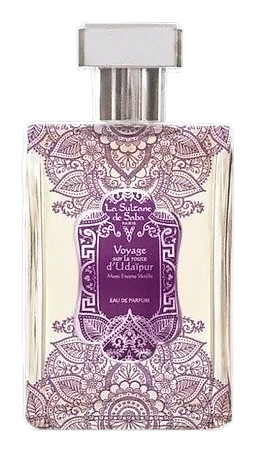
Vanessa Sitbon opened La Sultane de Saba in 1998 after a visit to a traditional hammam in Fez, Morocco. She reported that the warm stone walls and rising steam revealed a hidden archive of scent recipes passed from mother to daughter for generations. The brand’s name references the legendary Queen of Sheba, a figure associated with exotic perfume ingredients and courtly elegance. Early collections focused on recreating the aromatic profile of historic Eastern rituals, using ingredients such as orange blossom, amber, sandalwood and oud. In 2011 the house released a trio – Ambre, Musc and Santal – that marked its first foray into a more structured, layered approach. The following year saw the launch of The Vert Gingembre, a bright, ginger‑infused composition that highlighted the brand’s willingness to blend spice with green notes. 2013 introduced Bois de Oud, a single‑note homage to the resin that has defined Middle Eastern perfumery for centuries. The 2014 Voyage sur la route des Épices expanded the line with a narrative of spice‑laden caravans, while 2015’s Fleur d'Oranger celebrated the citrus bloom that perfumes the Mediterranean coast. In 2016 the house completed its “Voyage” series with Voyage Sur La Route d'Udaipur, a scent inspired by the Indian city’s marble palaces and fragrant gardens. Throughout its history La Sultane de Saba has remained a niche house, distributing through select boutiques and online platforms that cater to fragrance connoisseurs.
Craftsmanship
Production begins in a small atelier in Paris, where a team of perfumers translates historic recipes into modern formulas. The house works with certified farms in Morocco, India and Indonesia to obtain raw materials such as orange blossom absolute, sandalwood oil and Burmese agarwood. Suppliers provide certificates of origin, and the brand conducts quarterly audits to verify sustainable harvesting practices. Once ingredients arrive, they undergo a cold‑press or steam‑distillation process that preserves their natural character. The perfumers then blend the extracts in stainless‑steel vessels, allowing each accord to rest for several weeks before final evaluation. Quality control includes blind testing by a panel of fragrance experts who assess balance, longevity and projection. Bottles are hand‑filled in a climate‑controlled room to prevent premature oxidation. The house also employs a low‑temperature sealing method that protects volatile top notes while preserving the integrity of base accords. Each batch receives a signed certificate that details the perfume’s batch number, ingredient origins and the perfumer responsible for the blend. This meticulous approach ensures that every La Sultane de Saba fragrance delivers a consistent, immersive experience from the first spritz to the lingering dry‑down.
Design Language
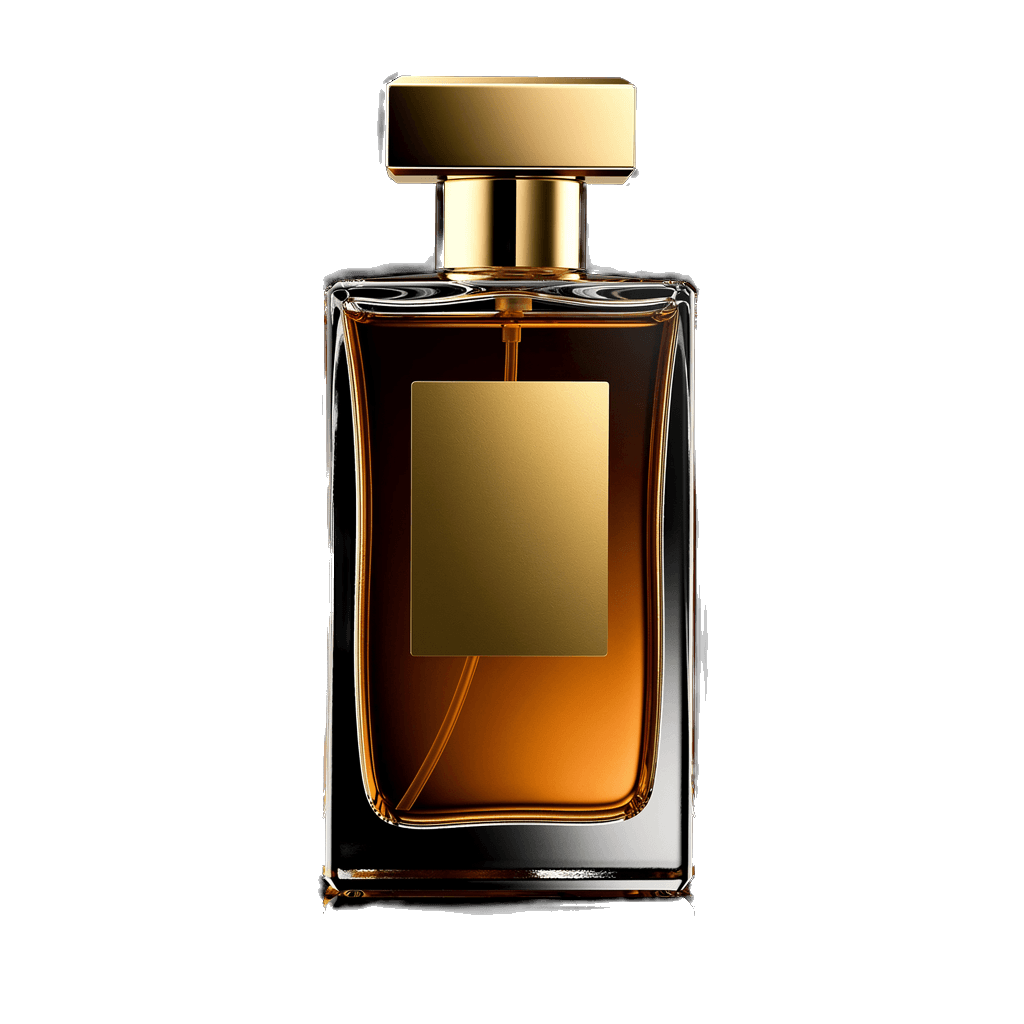
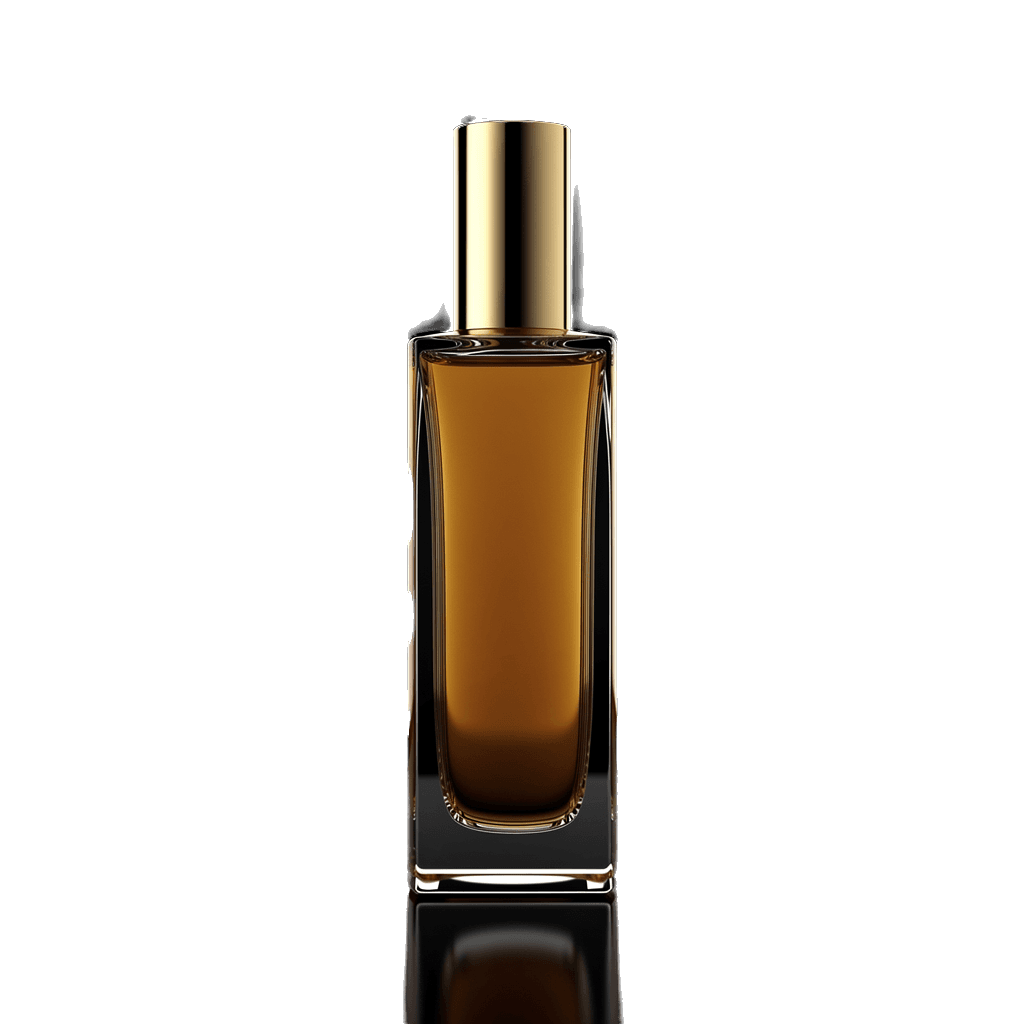
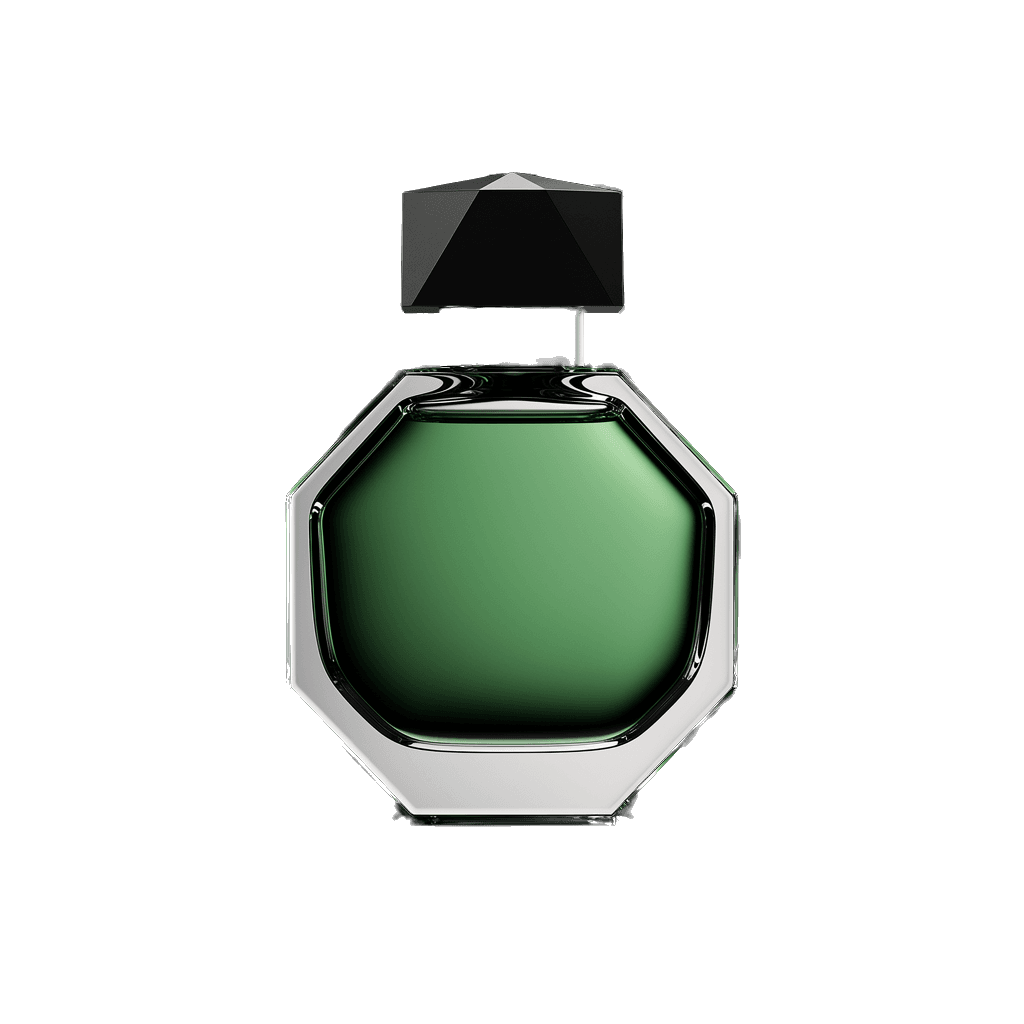
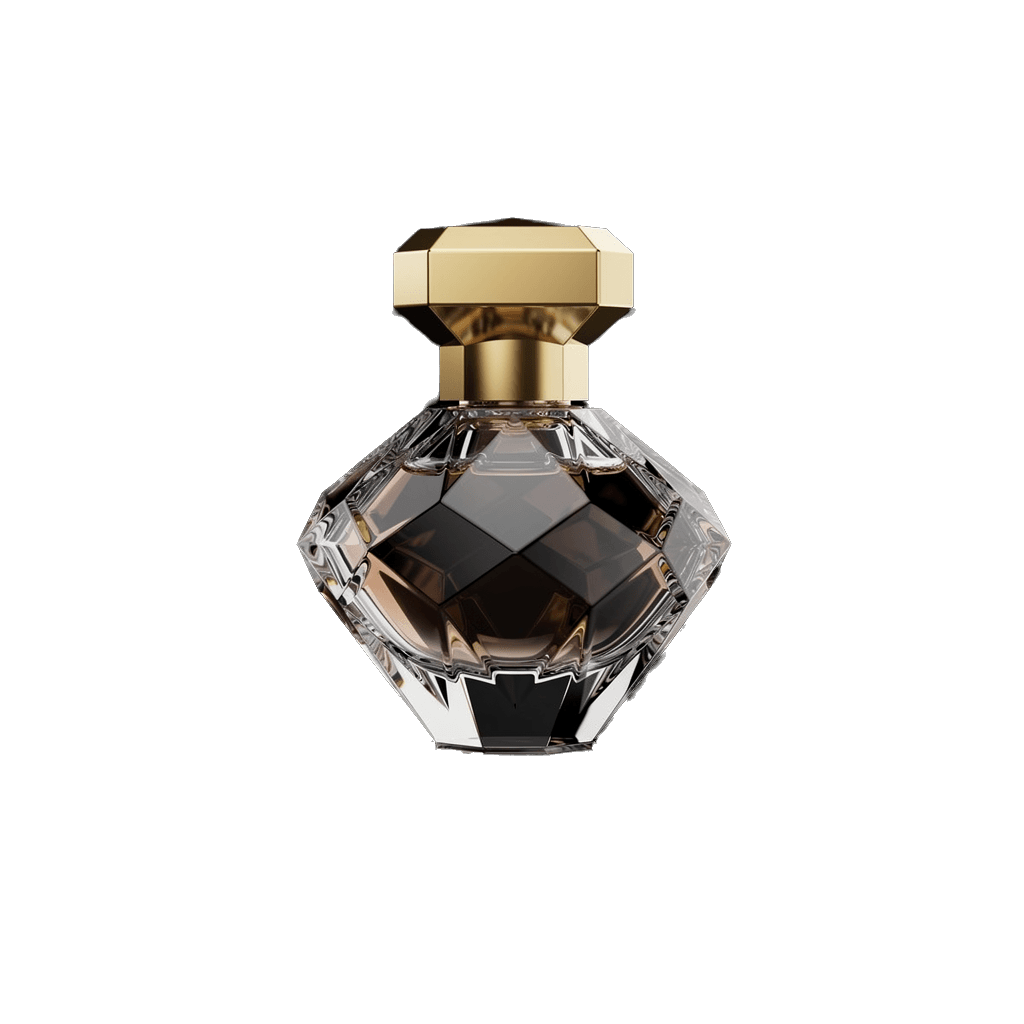
Visual identity mirrors the brand’s narrative focus on travel and heritage. Bottles feature slender, amber‑tinted glass that recalls historic perfume flacons used in royal courts. Caps are crafted from brushed brass, engraved with a stylized Saba crown that references the Queen of Sheba. Labels use a deep indigo background and gold foil typography, evoking the rich textiles of Eastern markets. The packaging box incorporates subtle geometric patterns inspired by Moroccan tilework, printed on recycled paper to reflect the house’s sustainability ethos. Marketing imagery often depicts sun‑drenched arches, marble courtyards and spice‑laden bazaars, reinforcing the sense of journey. In retail settings the brand displays its perfumes on dark wood trays, surrounded by small artifacts such as copper incense burners or hand‑woven fabrics, creating a tactile environment that invites exploration. The overall aesthetic balances luxury with authenticity, avoiding overt flash in favor of quiet, refined elegance.
Philosophy
The brand views scent as a living archive of cultural memory. Its creative vision rests on three pillars: authenticity, narrative and tactile composition. Authenticity means sourcing ingredients that echo historic formulas, whether that is raw ambergris, sustainably harvested oud or hand‑picked orange blossoms. Narrative drives each launch; the house frames every perfume as a travelogue, inviting the wearer to step into a specific time and place. Tactile composition reflects the belief that fragrance should be felt as much as it is smelled, using texture‑rich accords that evolve on the skin. La Sultane de Saba also values transparency. The house publishes ingredient lists and, when possible, the geographic origin of each key note. This practice aligns with a broader industry shift toward traceability and ethical sourcing. By marrying historic inspiration with modern standards, the brand seeks to keep ancient rituals alive without compromising contemporary responsibility.
Key Milestones
1998
Vanessa Sitbon founded La Sultane de Saba after inspiration from a Fez hammam.
2011
Released the trio Ambre, Musc, Santal, marking the brand’s first structured collection.
2013
Launched Bois de Oud, a single‑note tribute to traditional Middle Eastern resin.
2014
Introduced Voyage sur la route des Épices, expanding the narrative “Voyage” series.
2015
Issued Fleur d'Oranger, celebrating Mediterranean citrus heritage.
2016
Completed the Voyage line with Voyage Sur La Route d'Udaipur, inspired by the Indian city’s palaces.
At a Glance
Brand profile snapshot
Origin
France
Founded
1998
Heritage
28
Years active
Collection
1
Fragrances released
Avg Rating
4.0
Community sentiment
Release Rhythm