The Heritage
The Story of Le Couvent Maison de Parfum
Le Couvent Maison de Parfum is a French niche house that translates the quiet ritual of monastic life into scent. Founded in 2012, the brand draws on the stone walls and herb gardens of historic convents in the South of France. Its portfolio ranges from bright body splashes to deep eau de parfums, each framed as a moment of contemplation. The line feels like a walk through cloistered corridors, where citrus, amber and tonka unfold with the same measured grace that a monk might apply to a manuscript.
Heritage
The story of Le Couvent begins far before the label appeared on a bottle. In 1614, the Couvent des Minimes was erected near the Provençal town of Saint‑Rémy, a place where botanist Louis Feuillée tended gardens for the royal court. The convent’s cloisters survived wars, revolutions and the march of modernity, preserving a quiet connection to the land and its plants. In 2012, two fragrance enthusiasts—one a former perfumer’s assistant, the other a heritage‑focused entrepreneur—decided to channel that legacy into a contemporary perfume house. They chose the name Le Couvent to honor the centuries‑old architecture that inspired them. The first public offering, a Verbena & Lemon Invigorating Body Splash, arrived in 2008, predating the formal launch and hinting at the brand’s early focus on fresh, garden‑derived accords. Over the next decade the house released a steady stream of scents tied to specific monastic sites: Eau des Minimes (2010) referenced the original convent’s herb garden, while Cologne of the Missions (2011) evoked the travel diaries of missionary monks. By 2015, Eau des Mâtines captured the misty mornings of the Mâtines valley, and in 2017 Eau de l'Angelus paid homage to the Angelus bell that marked daily prayer. The most recent addition, Tonka (2024), reflects a turn toward deeper, resinous notes while still respecting the house’s reverence for natural materials. Throughout its evolution, Le Couvent has remained anchored to the idea that fragrance can be a quiet ritual, a scent‑bound meditation that links the present to a centuries‑old spiritual landscape.
Craftsmanship
Production at Le Couvent follows a hands‑on, small‑batch model. Formulations are drafted in a modest studio near the original Couvent des Minimes, where the founder reviews each raw material before it enters the lab. Natural extracts such as verbena, orange blossom and tonka bean are sourced from farms that practice low‑intervention agriculture; many suppliers hold organic certification and can trace the harvest back to a specific plot. The house works with a French fragrance laboratory that still employs copper stills for distillation, a technique that preserves the delicate aromatics of fresh herbs. After blending, each batch rests for a minimum of three weeks, allowing the notes to harmonize naturally. Quality control includes blind olfactory testing by a panel of perfumery students and senior staff, ensuring that the final product matches the intended scent profile. Bottles are poured in a glass facility that uses recycled material and minimal decorative elements, reflecting the brand’s monastic aesthetic. Labels are printed on recycled paper with matte finishes, and caps are crafted from brushed aluminum to avoid unnecessary shine. Shipping cartons are made from reclaimed cardboard, and the company offsets a portion of its carbon footprint through a partnership with a Provençal reforestation project.
Design Language
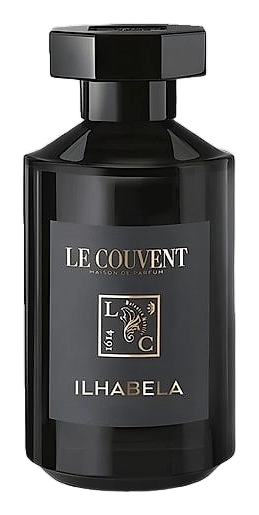
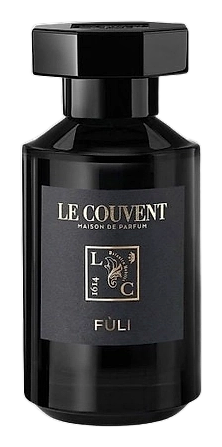
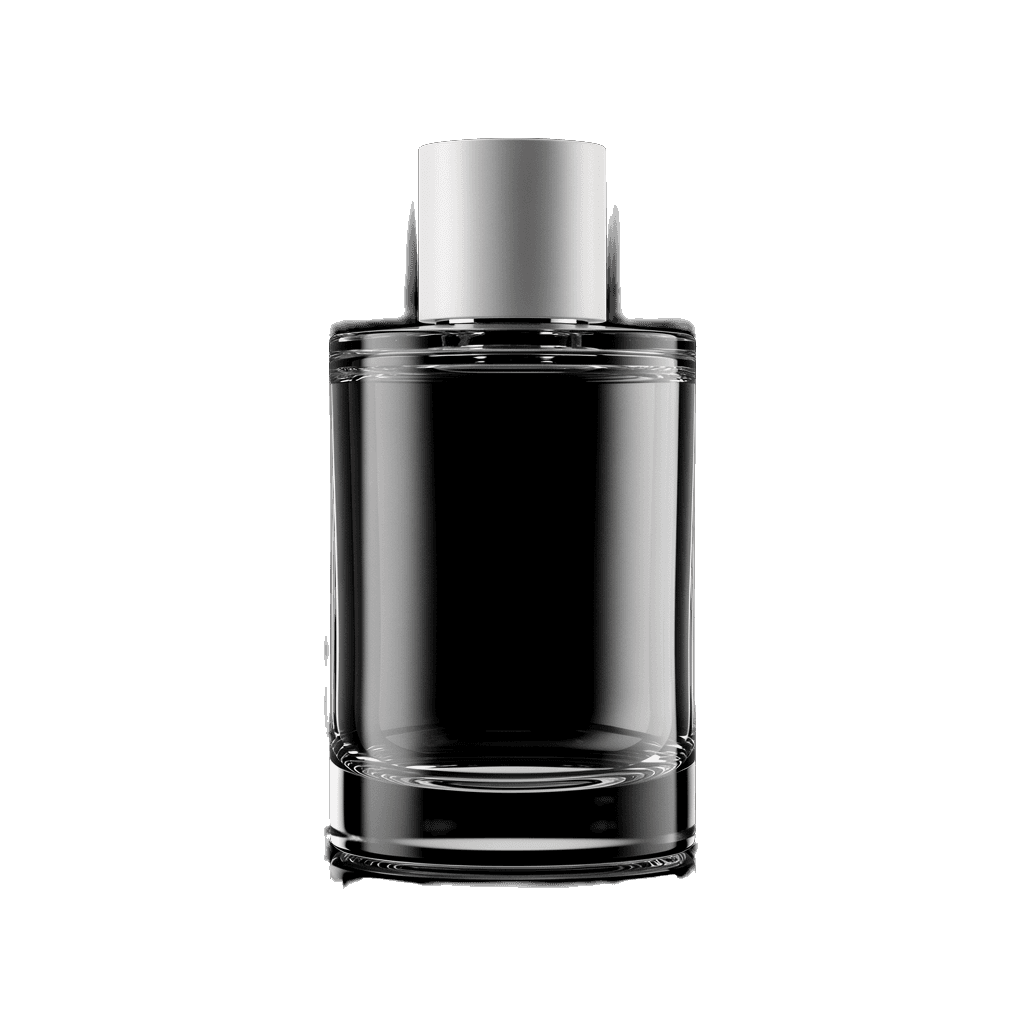
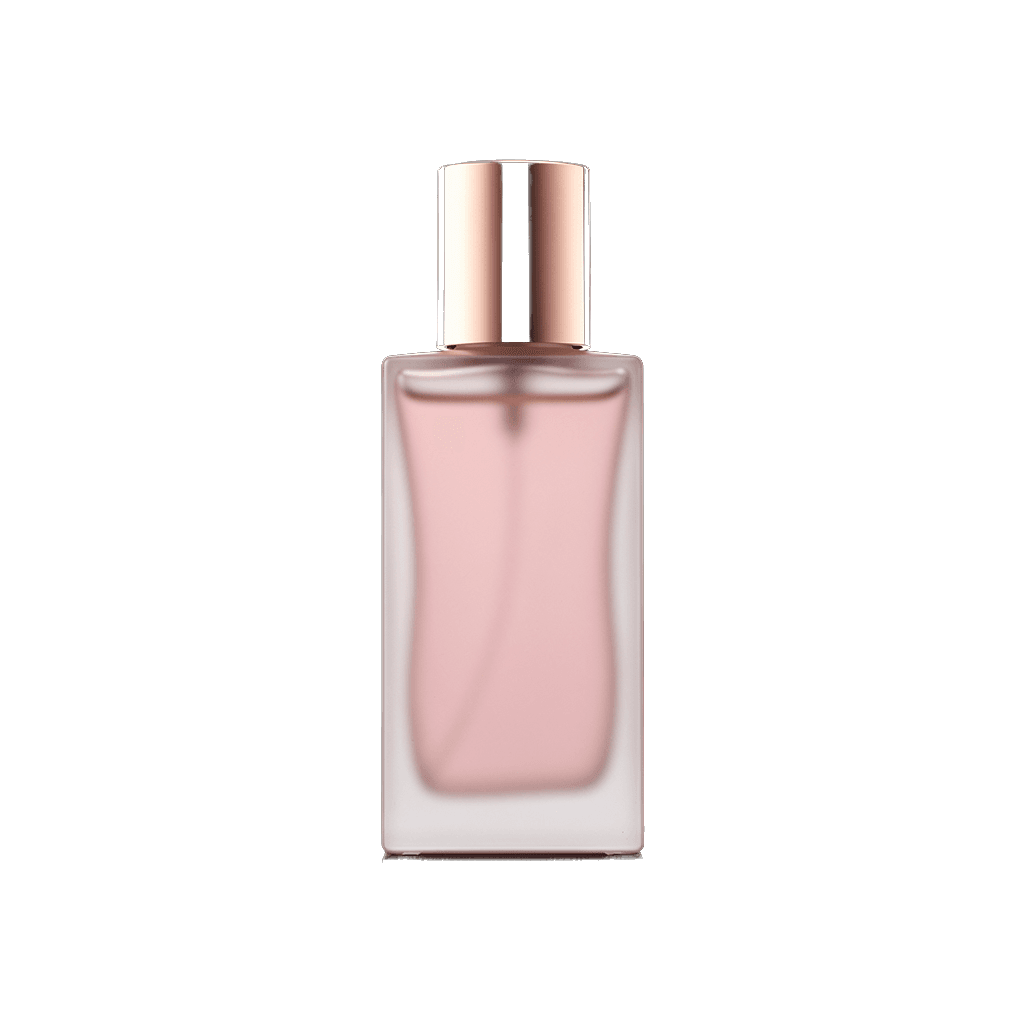
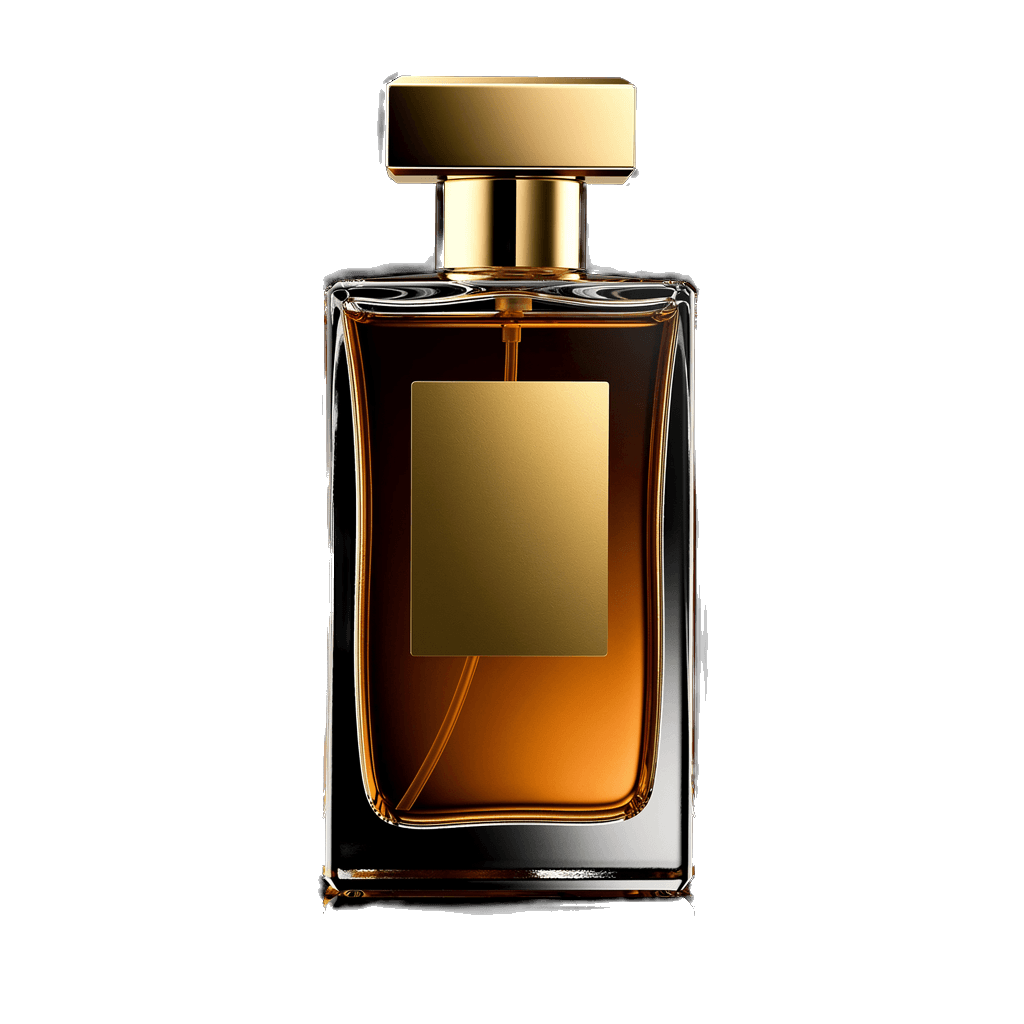
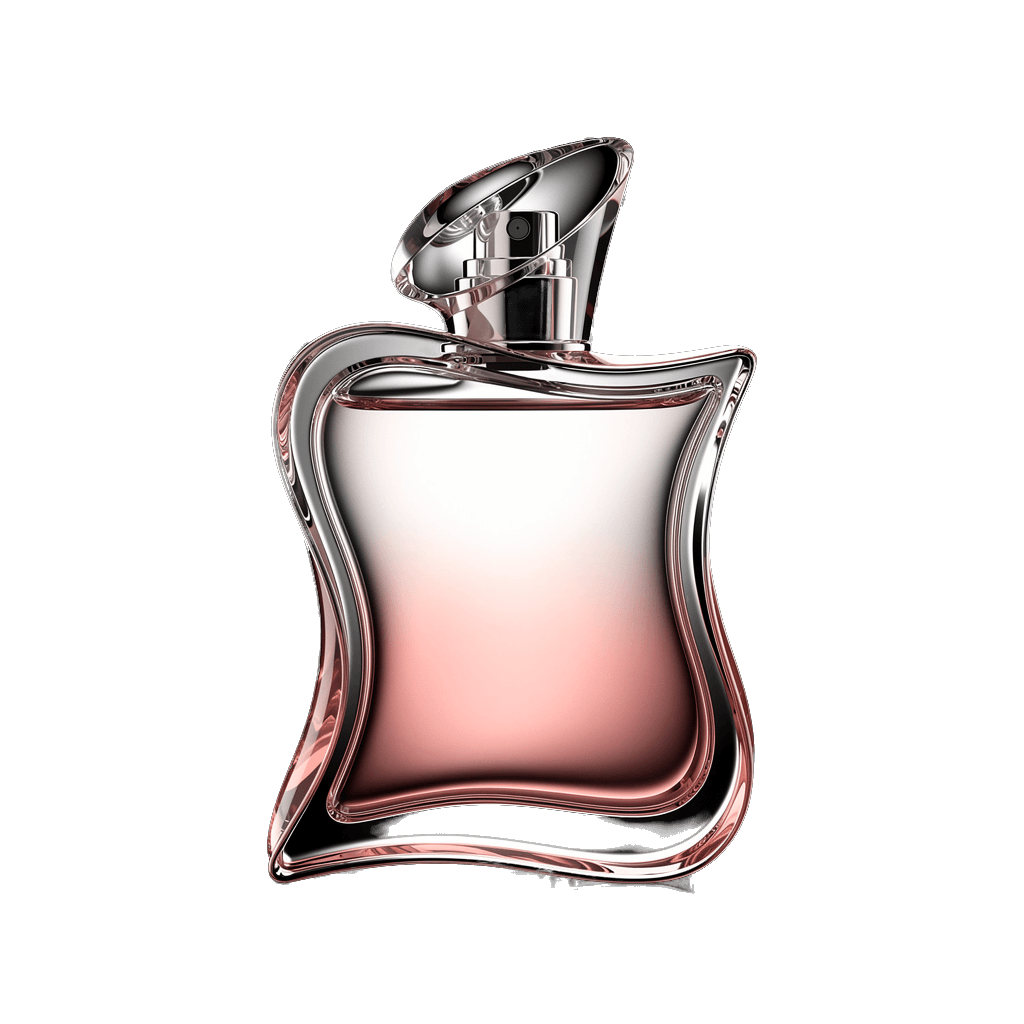
Visually, Le Couvent embraces the quiet elegance of monastic architecture. Bottles are tall, slender, and unadorned, echoing the simple stone columns of a cloister. The glass is often a soft amber or clear crystal, allowing the perfume’s natural hue to show through without flamboyant coloration. Caps are matte metal or brushed aluminum, reminiscent of wrought‑iron hinges on ancient doors. Labels feature a muted serif typeface set against a parchment‑like background, with the name of the fragrance rendered in a subtle gold foil that hints at illuminated manuscripts. The brand’s photography frequently shows the bottles placed on weathered wooden tables, beside dried herbs or lit candles, reinforcing the sense of a ritual space. Marketing materials avoid glossy spreads; instead, they use natural light and shallow depth of field to capture the textures of the ingredients and the quiet atmosphere of a chapel. This restrained visual language aligns with the house’s commitment to authenticity and positions the brand as a quiet alternative to more ostentatious niche houses.
Philosophy
Le Couvent approaches perfumery as a disciplined practice rather than a commercial sprint. The brand’s creative vision centers on restraint, clarity and respect for the raw materials that grow in the Provençal sun. Each fragrance is conceived as a scent‑journal entry, recorded with the same precision a monk would apply to a illuminated manuscript. The house values transparency: ingredient lists are published on the website, and sourcing partners are identified whenever possible. Sustainability is woven into the philosophy; the brand prefers ingredients harvested from certified organic farms and supports local growers who employ traditional harvesting methods. Rather than chasing trends, Le Couvent lets the character of each botanical dictate the composition, allowing citrus, amber, or tonka to lead the narrative without excessive layering. The result is a collection that feels both timeless and grounded, inviting wearers to pause, breathe, and experience the moment as if they were standing in a cloister garden at dawn.
Key Milestones
2008
Launch of Verbena & Lemon Invigorating Body Splash, an early expression of the brand’s garden‑inspired approach.
2010
Release of Eau des Minimes Cologne, directly referencing the historic Couvent des Minimes.
2012
Official founding of Le Couvent Maison de Parfum as a dedicated fragrance house.
2015
Introduction of Eau des Mâtines, a scent built around the misty valleys of the Mâtines region.
2017
Eau de l'Angelus debuts, evoking the Angelus bell that punctuated monastic prayer.
2021
Ambra is released, marking the brand’s first foray into deep amber‑focused compositions.
At a Glance
Brand profile snapshot
Origin
France
Founded
2012
Heritage
14
Years active
Collection
2
Fragrances released
Avg Rating
4.5
Community sentiment
Release Rhythm