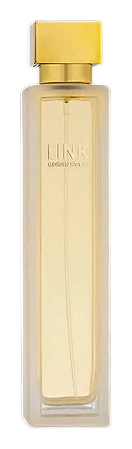
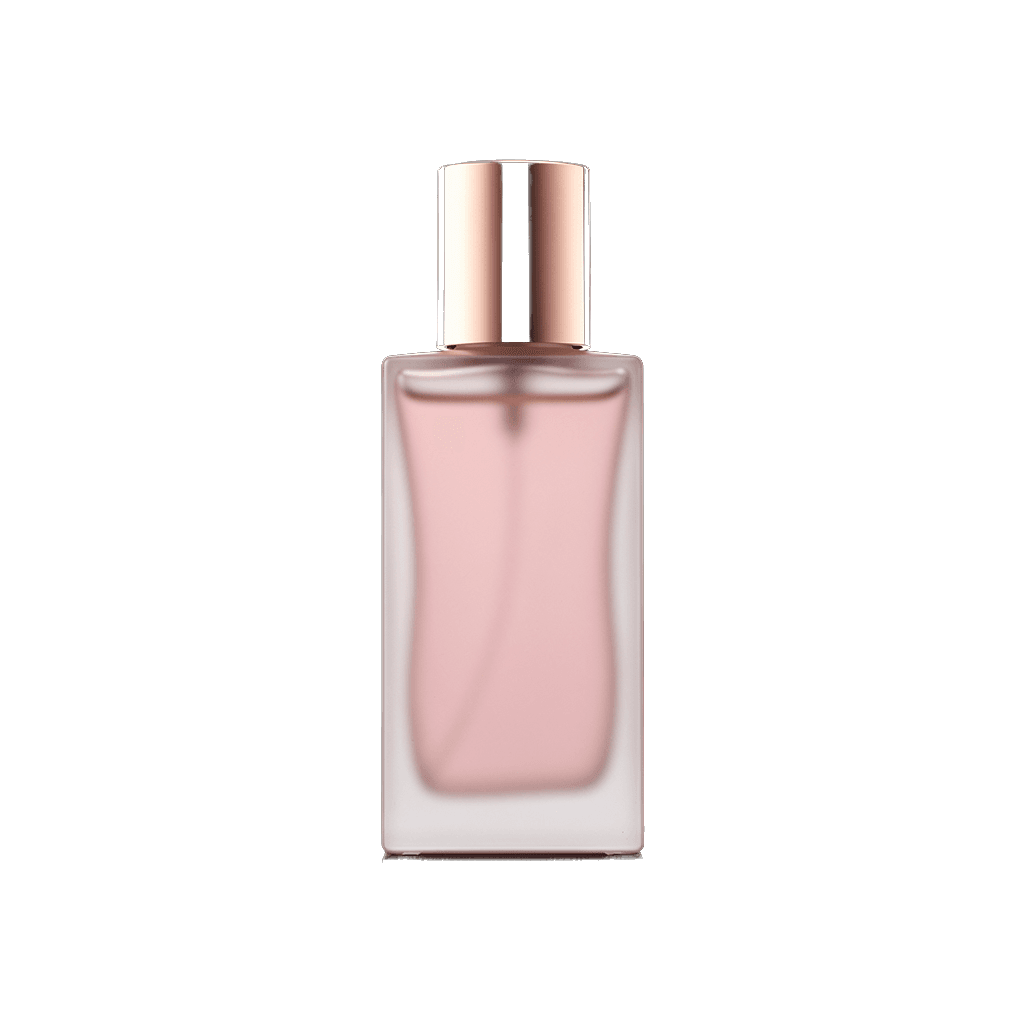
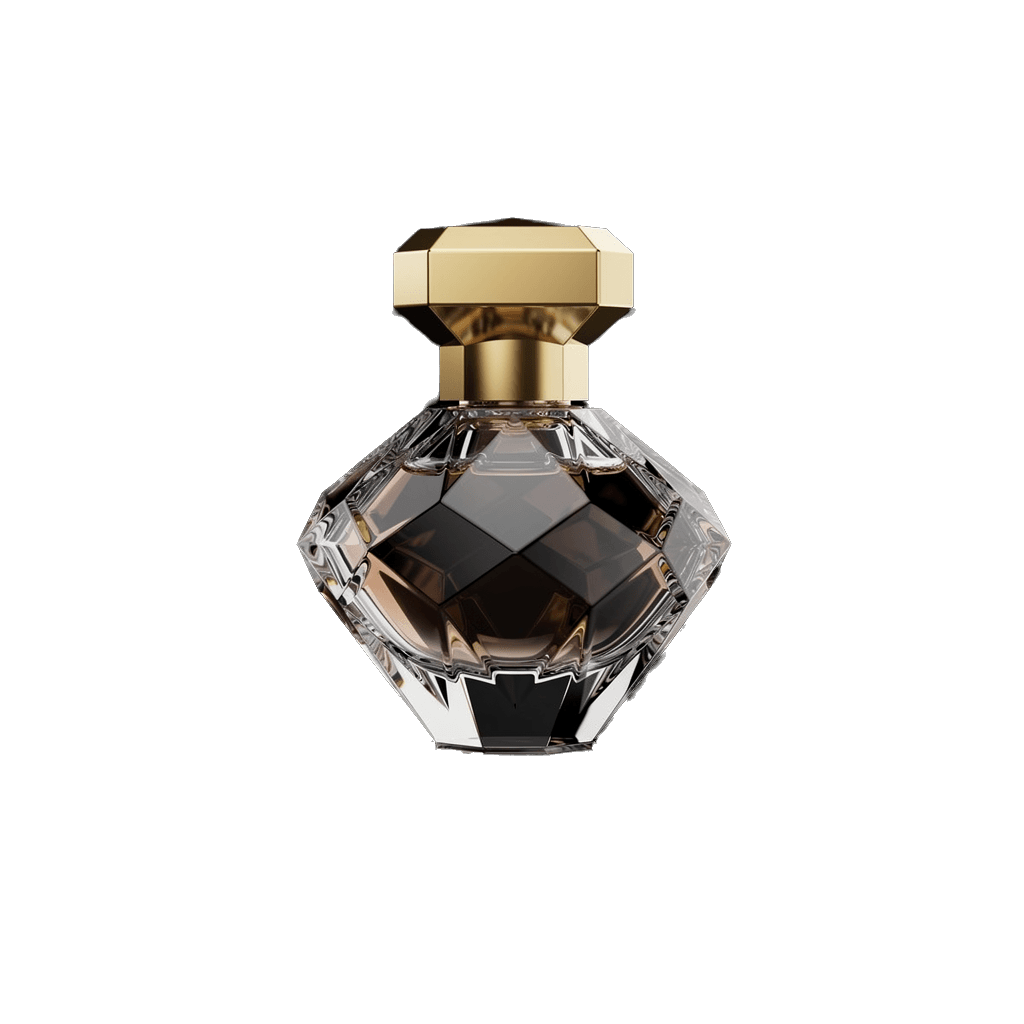
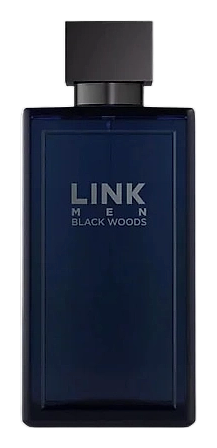
The Heritage
The Story of LINK
Link positions itself as a niche fragrance house that curates scent stories for collectors who value quiet distinction. Since the late 2000s the label has introduced a series of limited‑run perfumes, each anchored by a single aromatic idea. Notable releases include Silver Woods (2008), Cacao Woods (2009), Rarity (2020), Perfect De Link (2022) and the II series (2023). The brand’s catalogue reads like a modest museum of olfactory experiments, offering everything from woody‑amber compositions to bright, fashion‑forward accords. While the company does not publish extensive marketing claims, its product line suggests a focus on craftsmanship, ingredient integrity and a restrained visual language that lets the scent speak for itself.
Heritage
Public records list Link’s first fragrance, Silver Woods, in 2008, suggesting the house began operations shortly before that year. The brand’s early years appear to have been rooted in a small atelier in Europe, where the founders—whose identities remain private—experimented with locally sourced woods and cocoa absolutes. In 2009 the release of Cacao Woods marked the first expansion beyond a single‑note concept, blending roasted cacao with cedar to create a gourmand‑wood hybrid that attracted attention from niche‑fragrance blogs. A quiet but steady output followed, with the 2020 launch of Rarity—a scent described by reviewers as a minimalist amber that highlighted sustainable sourcing practices. 2022 proved pivotal; Perfect De Link and Tiara De Link arrived together, signaling a brief foray into more elaborate, multi‑layered compositions. The following year the house introduced a trio of numbered releases—II, III and IV—each positioned as a laboratory experiment rather than a commercial flagship. Throughout its evolution, Link has avoided large‑scale advertising, relying instead on word‑of‑mouth within collector circles and occasional features in independent perfume journals. The brand’s modest growth trajectory mirrors that of other boutique houses that prioritize artisanal production over mass distribution.
Craftsmanship
Link produces its fragrances in small batches, a practice that allows close monitoring of each step from raw material selection to bottling. The house reportedly sources key ingredients—such as cedarwood from the Pacific Northwest, cacao absolute from West African cooperatives and rare ambergris substitutes from certified marine farms—from suppliers that meet third‑party sustainability certifications. Production takes place in a climate‑controlled studio where the perfumers can evaluate the evolution of each blend over weeks rather than days. Quality control includes blind panel testing by a rotating group of fragrance experts, ensuring that each release meets the brand’s sensory standards before it reaches market. Bottles are hand‑filled, and the glass is often reclaimed from previous runs, reducing the environmental footprint. Caps and sprayers are manufactured in stainless steel, then polished to a matte finish that aligns with the brand’s understated visual identity. The entire process, from formulation to packaging, emphasizes precision, repeatability and a low‑volume approach that keeps each scent exclusive without relying on artificial scarcity tactics.
Design Language
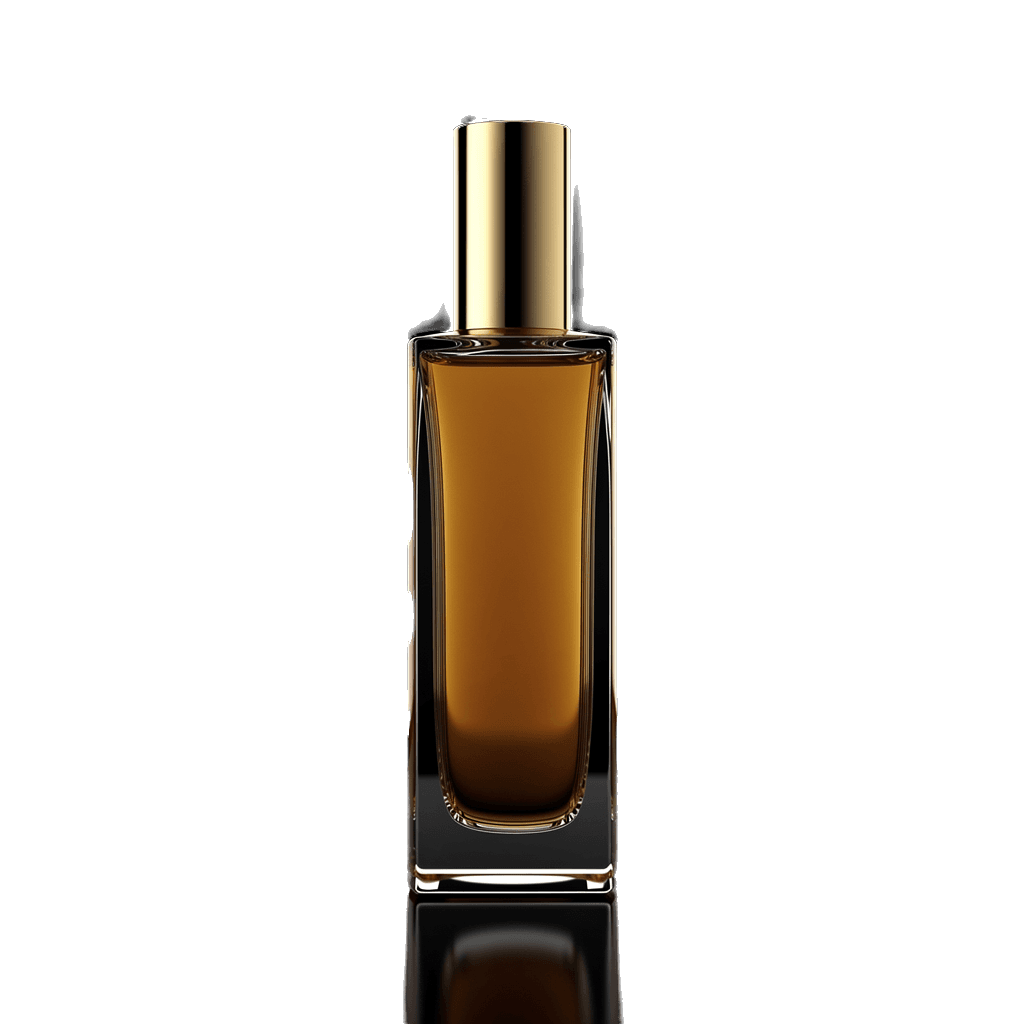
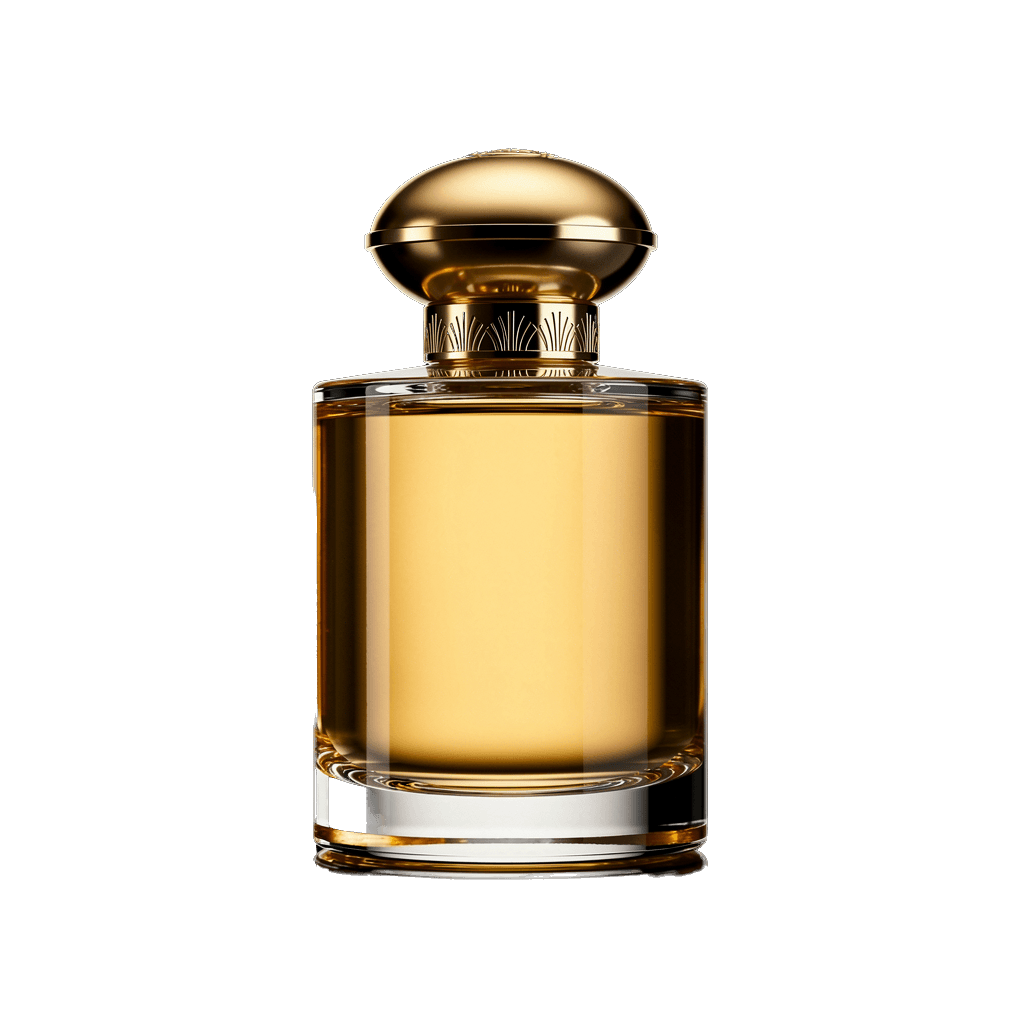
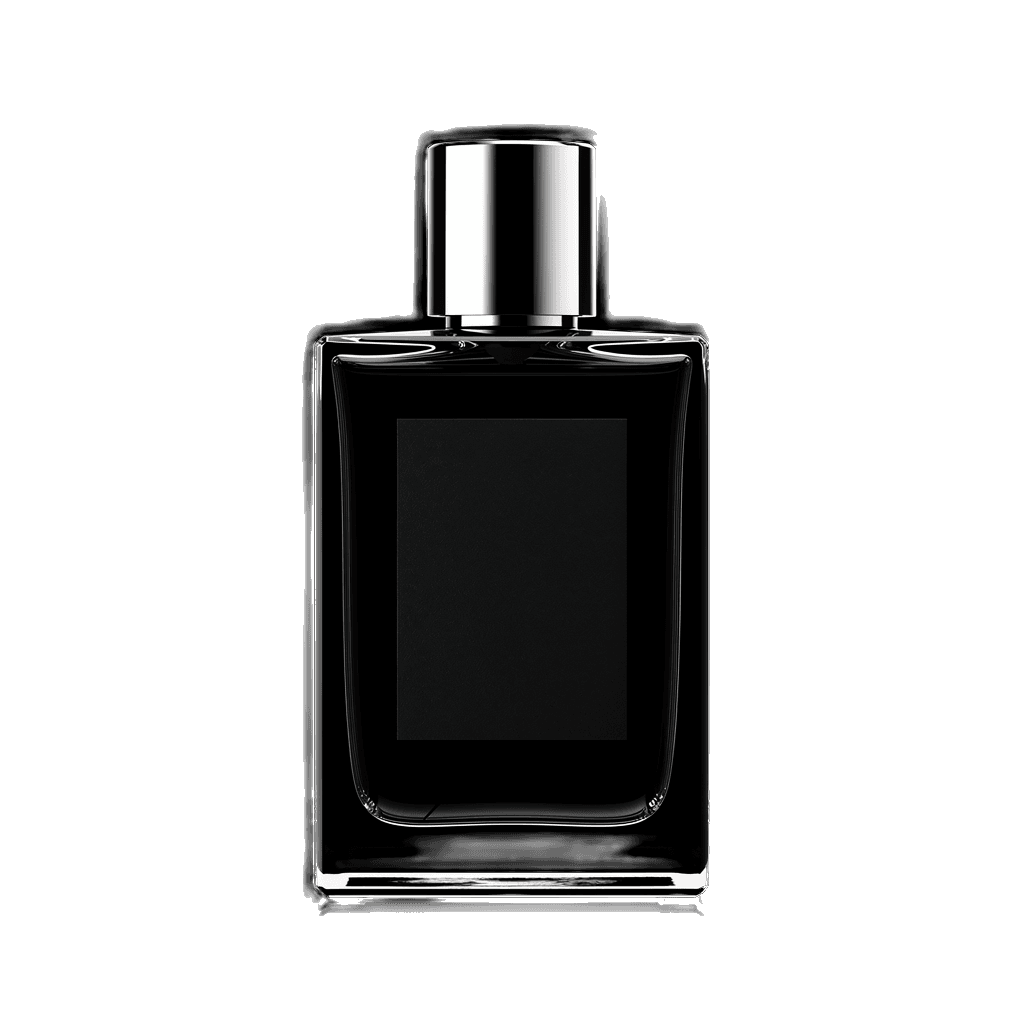
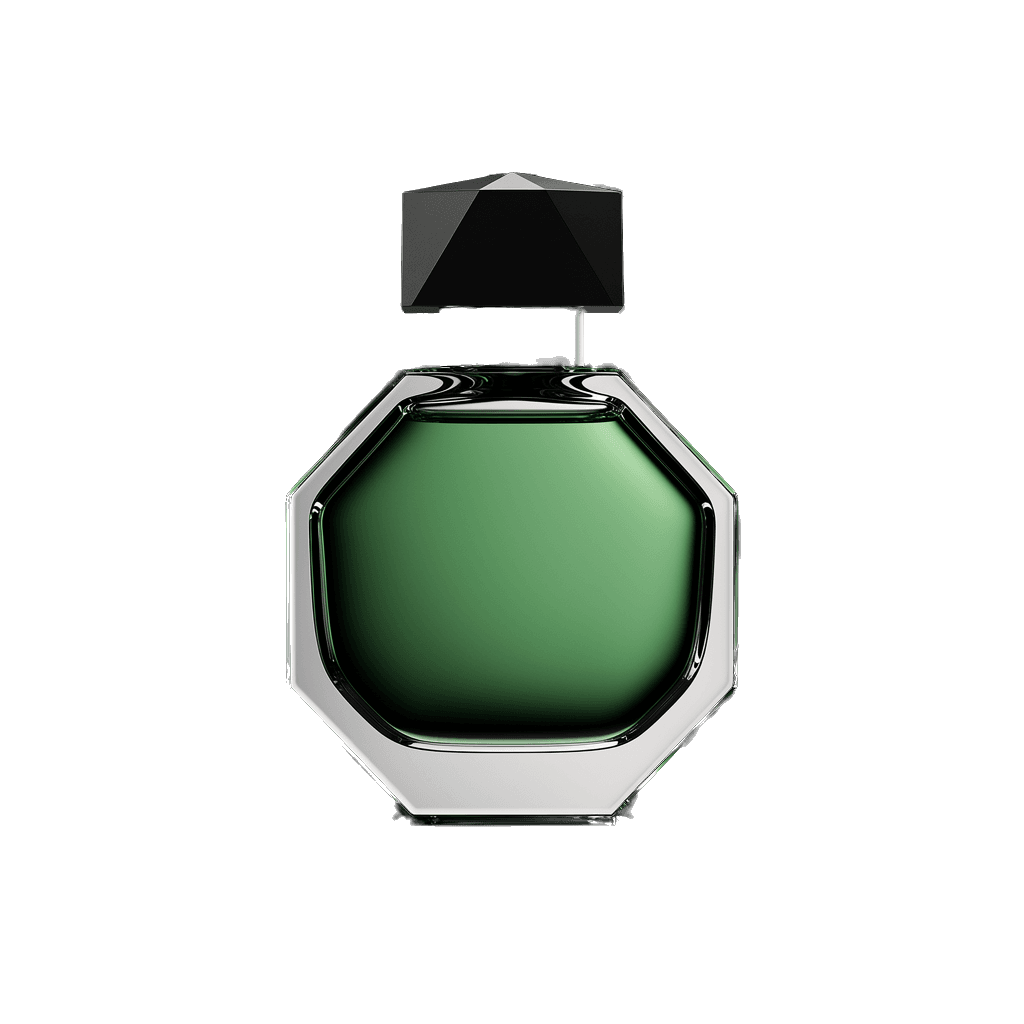
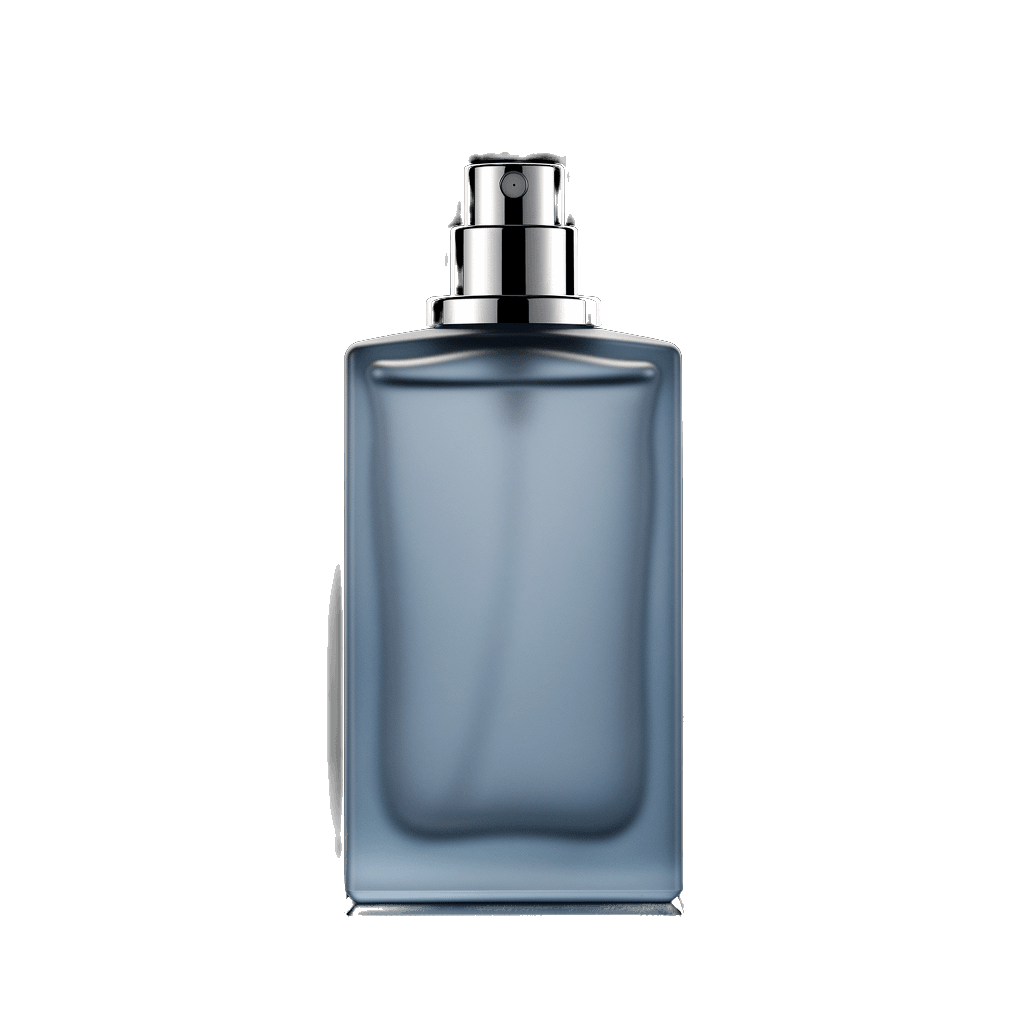
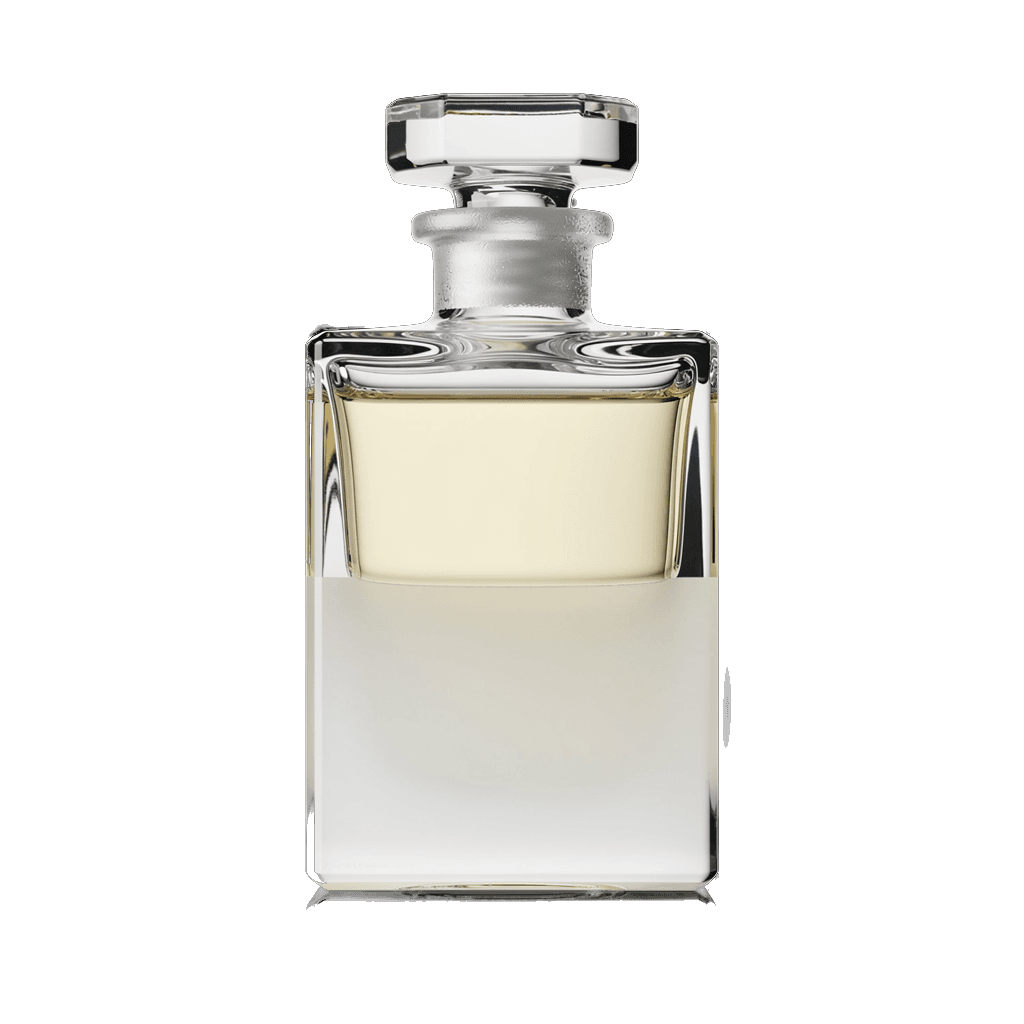
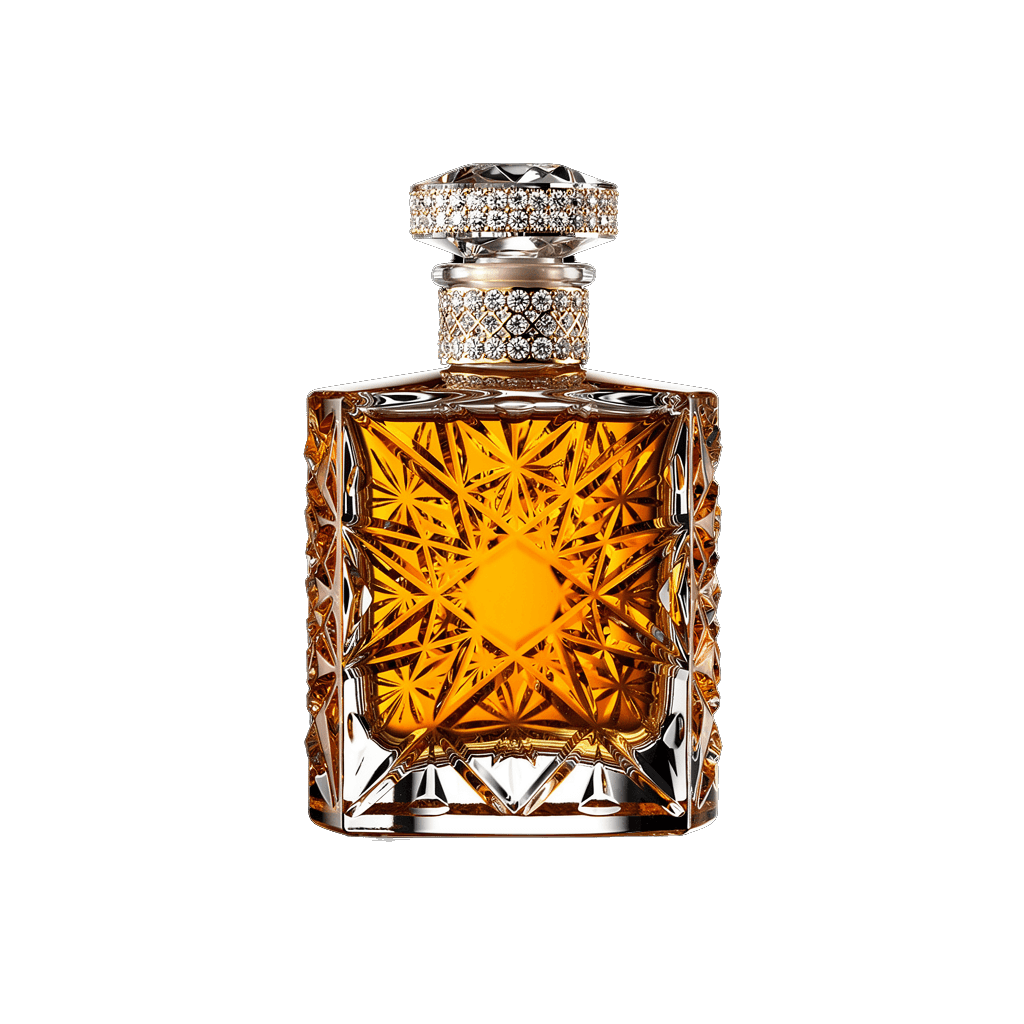
Visually, Link adopts a minimalist aesthetic that mirrors its olfactory restraint. Bottles feature clear, thin glass with subtle frosted gradients, allowing the perfume’s natural hue to become the focal point. Labels are typographically simple, using a sans‑serif font in muted charcoal against a white background; no ornate embossing or gold leaf appears. Caps are brushed metal, often in gunmetal or brushed copper, providing a tactile contrast to the smooth glass. The brand’s marketing imagery favors soft, natural lighting and close‑up shots of the bottle alongside raw ingredients, reinforcing the narrative of ingredient‑first creation. Packaging boxes are made from recycled cardboard, printed with a single line of text that states the fragrance name and year of release. This restrained visual language extends to the brand’s website, where product pages present clean grids, short descriptive paragraphs and minimal navigation, encouraging visitors to focus on the scent stories rather than promotional hype.
Philosophy
Link’s creative vision centers on the idea that a fragrance should act as a personal archive, preserving a moment or mood in scent form. The house states that it values transparency in ingredient sourcing, modesty in presentation and a willingness to let each formula stand on its own merits. Rather than chasing trends, the brand encourages its perfumers to explore a single dominant theme—such as a specific wood, a cocoa note, or a metallic accord—and to develop it with restraint. Sustainability appears in the brand’s statements, with an emphasis on using responsibly harvested raw materials and minimizing waste during production. The label also promotes a collaborative ethos, inviting guest creators to contribute to limited editions while maintaining a consistent aesthetic language across the range. This philosophy translates into a catalogue that feels cohesive despite the diversity of scent families, offering collectors a sense of continuity as they explore new releases.
Key Milestones
2008
Launch of Silver Woods, the brand’s inaugural fragrance, highlighting cedar and sandalwood.
2009
Release of Cacao Woods, a gourmand‑wood blend that expands the house’s aromatic palette.
2020
Introduction of Rarity, a minimalist amber that underscores the brand’s sustainability focus.
2022
Debut of Perfect De Link and Tiara De Link, marking a shift toward more complex, multi‑note compositions.
2023
Series of numbered releases (II, III, IV) launched as experimental laboratory scents.
2025
Fashion arrives, a modern, bright accord that reflects contemporary runway influences.
At a Glance
Brand profile snapshot
Origin
France
Collection
3
Fragrances released
Avg Rating
4.3
Community sentiment
Release Rhythm