The Heritage
The Story of M. Micallef
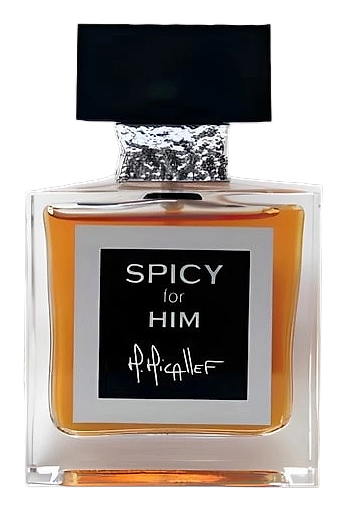
M. Micallef is a French niche perfume house rooted in the historic town of Grasse. Since its launch in the mid‑1990s the brand has built a reputation for handcrafted scents that pair rare ingredients with striking bottle art. Each fragrance arrives in a crystal‑adorned flacon that signals the house’s commitment to both olfactory depth and visual drama. The line includes celebrated compositions such as Osswald For Men, Aoud 1, and the 2025 release Hypnotic Musk Nectar, offering collectors a blend of tradition and contemporary flair.
Heritage
Martine Micallef and her husband Geoffrey Nejman founded the house in Grasse in 1996, a city long celebrated as the world’s perfume capital. Their partnership emerged from a shared fascination with the chemistry of scent and the visual language of luxury objects. Early on they secured a workshop near the historic perfume districts, allowing direct access to local suppliers of essential oils and absolutes. By 2000 the brand introduced its first crystal‑decorated bottles, a decision that attracted attention from collectors and set a visual benchmark for the niche market. In 2010 the house released a fragrance signed by perfumer Jean‑Claude Astier, marking its first collaboration with an external nose and expanding its creative network. The following decade saw the launch of several Aoud‑focused lines, reflecting the founders’ ongoing research into the complex resin. Throughout the 2020s M. Micallef continued to grow its portfolio while preserving the small‑batch ethos that defined its origin, maintaining production in Grasse and keeping the design studio close to the source of its raw materials. The brand’s evolution illustrates a steady balance between artisanal craftsmanship and strategic artistic partnerships, a path that has kept it relevant in a crowded niche landscape.
Craftsmanship
Every M. Micallef fragrance originates in the house’s Grasse atelier, where a small team of perfumers and assistants blend ingredients by hand. The process begins with a brief that references a visual or emotional cue, after which raw materials are weighed on precision scales. The brand sources many of its absolutes from traditional growers in the Middle East and South‑East Asia, especially for oud, ambergris, and rare florals. Suppliers are vetted through on‑site visits, and the house maintains written records of harvest dates and extraction methods. Once the formula is finalized, the mixture undergoes a maturation period in temperature‑controlled vats, allowing the accords to integrate fully. Quality control includes blind testing by senior perfumers who compare the batch against a reference sample. Bottles receive a separate hand‑crafting stage: crystal artisans set Swarovski elements onto each flacon, a step that can take several hours per piece. The final product is sealed, labeled, and boxed by hand, ensuring that every detail aligns with the house’s standards. This meticulous workflow, from raw material to finished bottle, underscores the brand’s commitment to artisanal precision.
Design Language
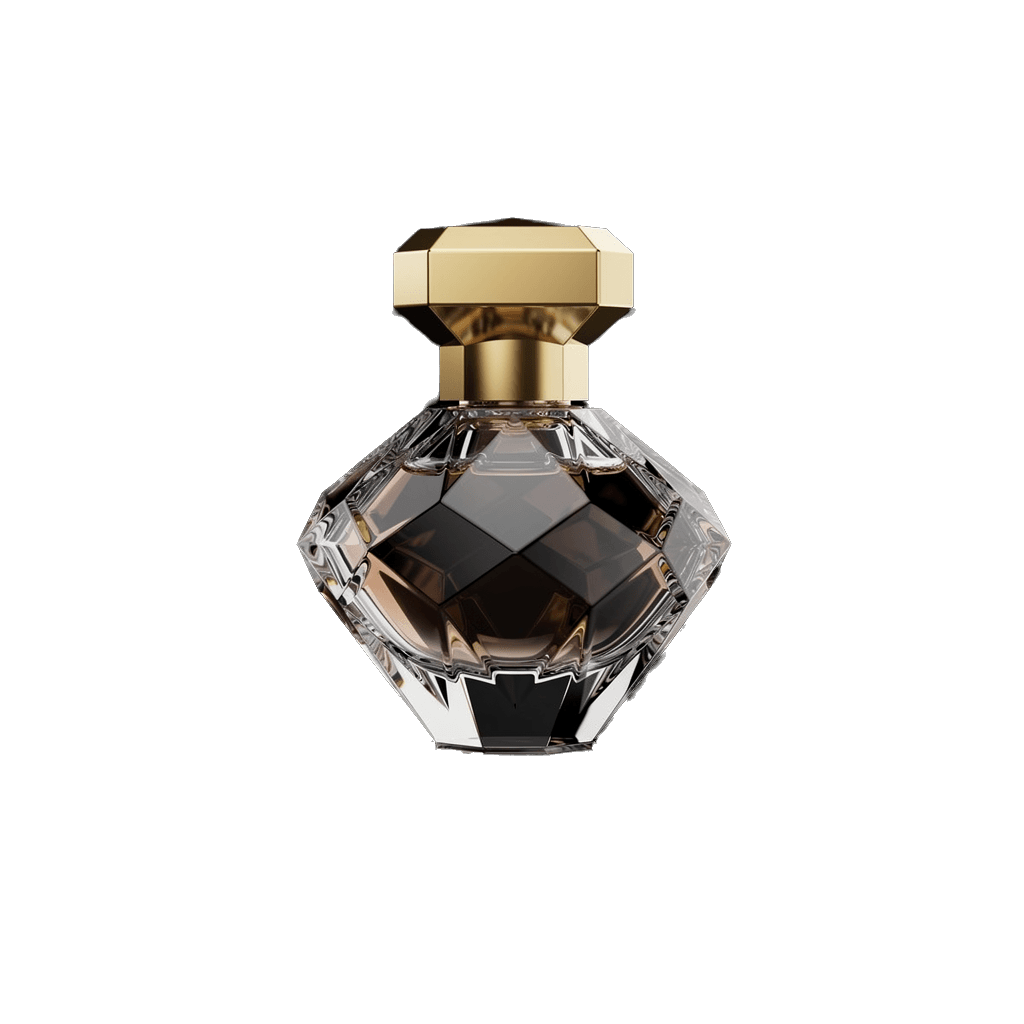
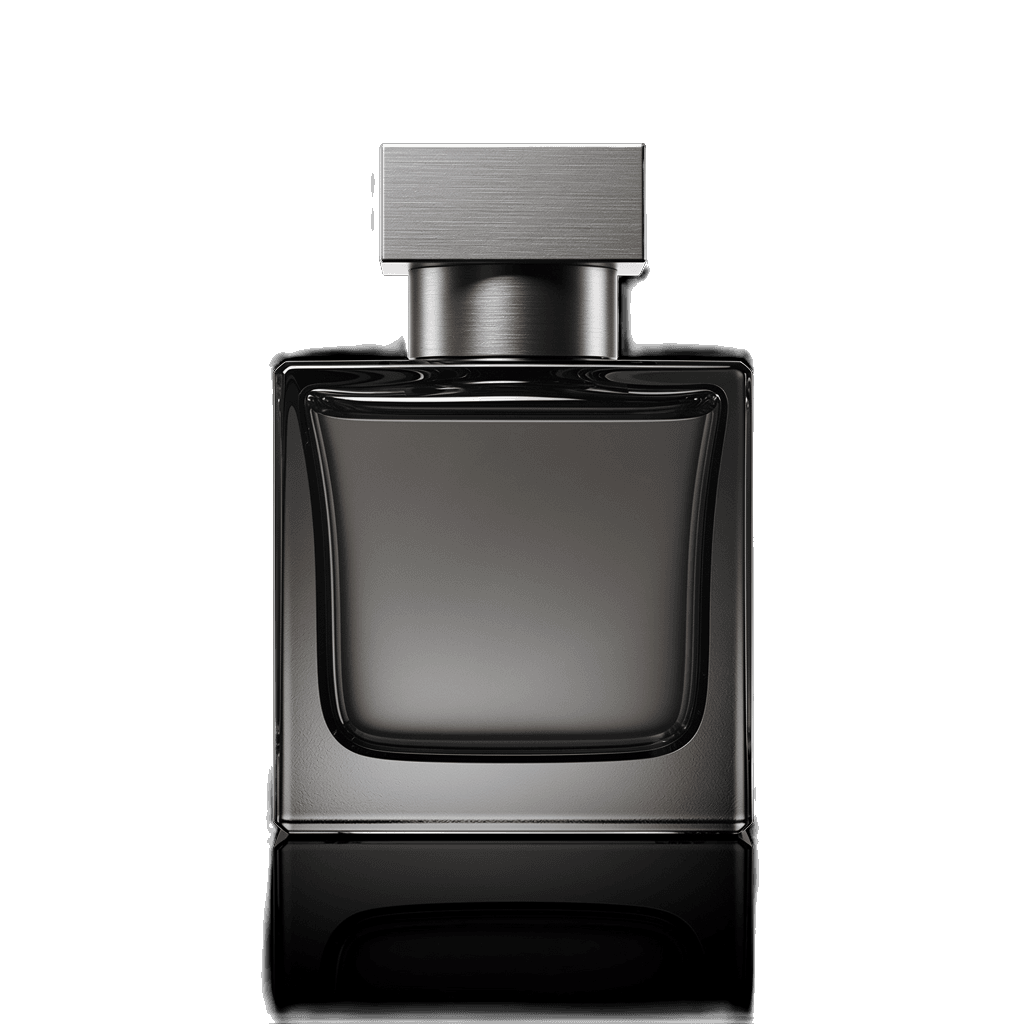
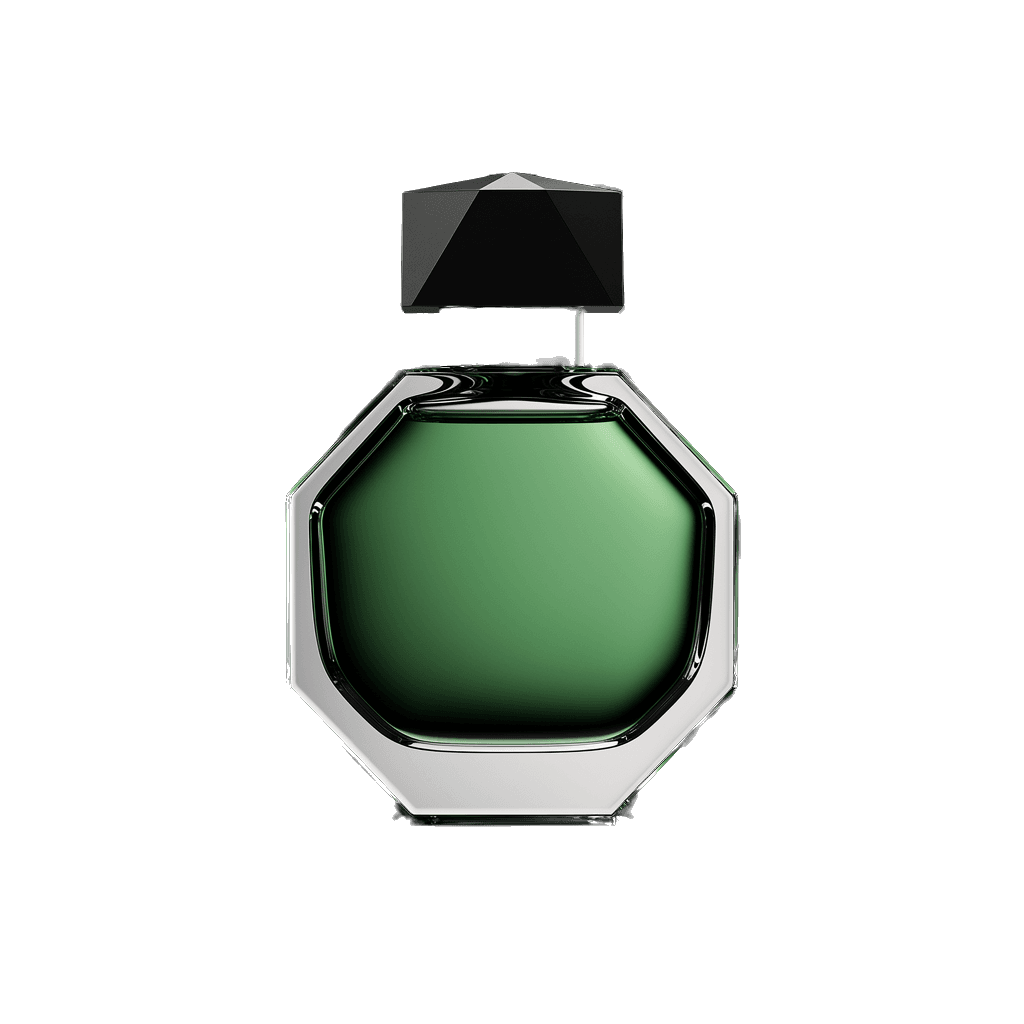
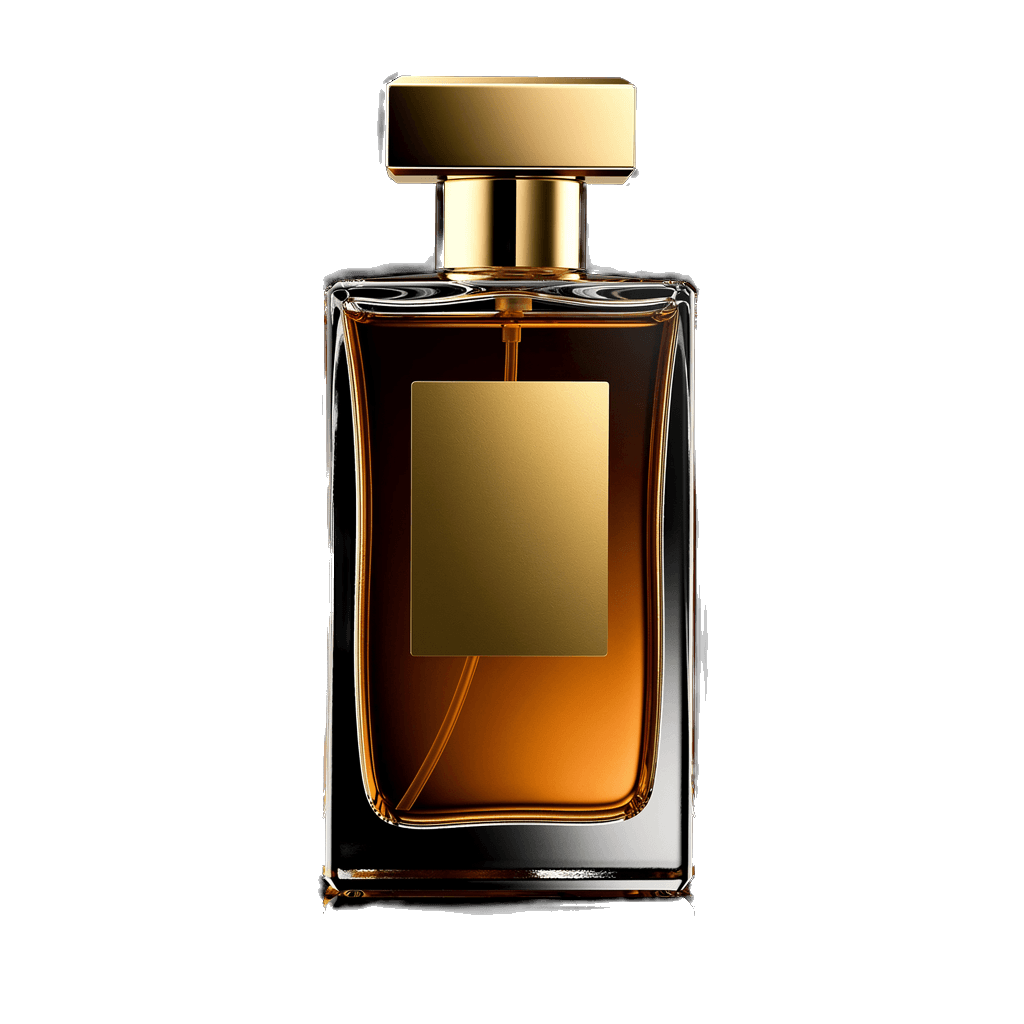
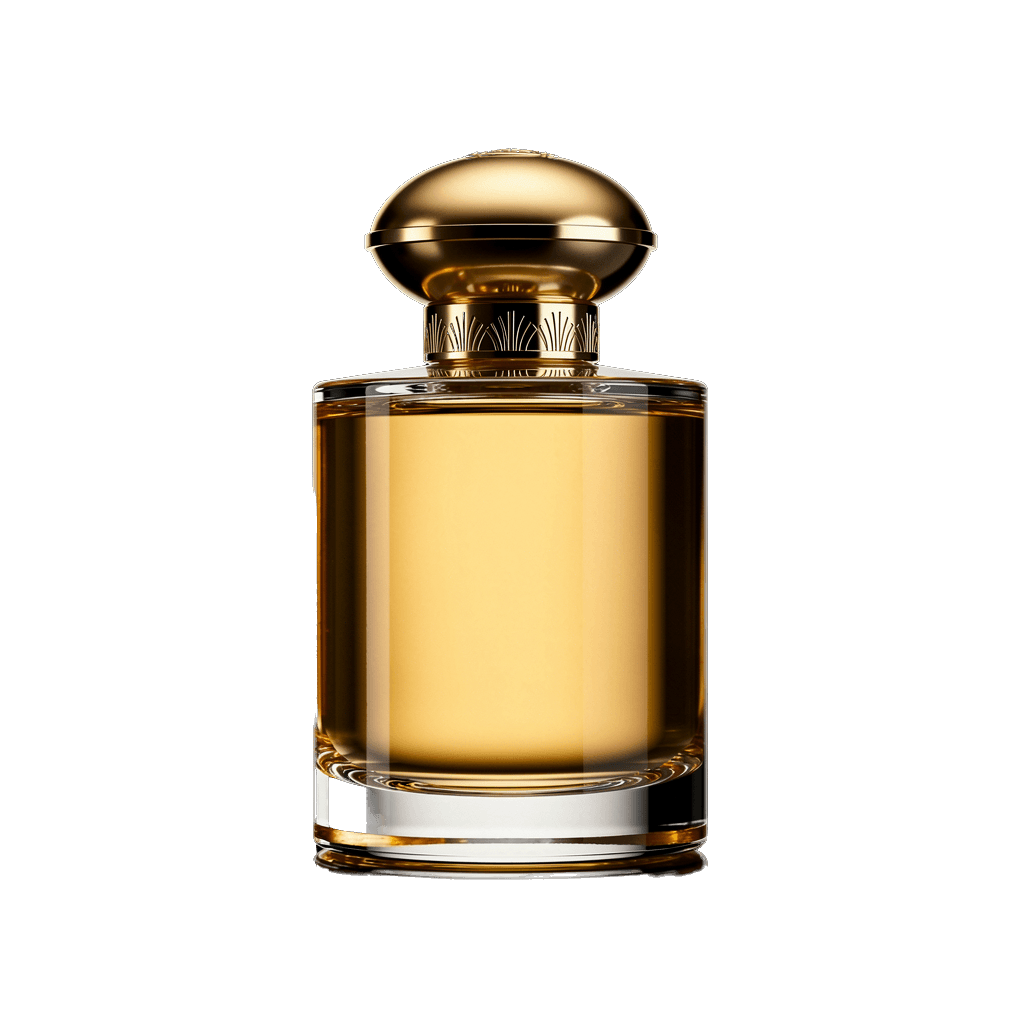
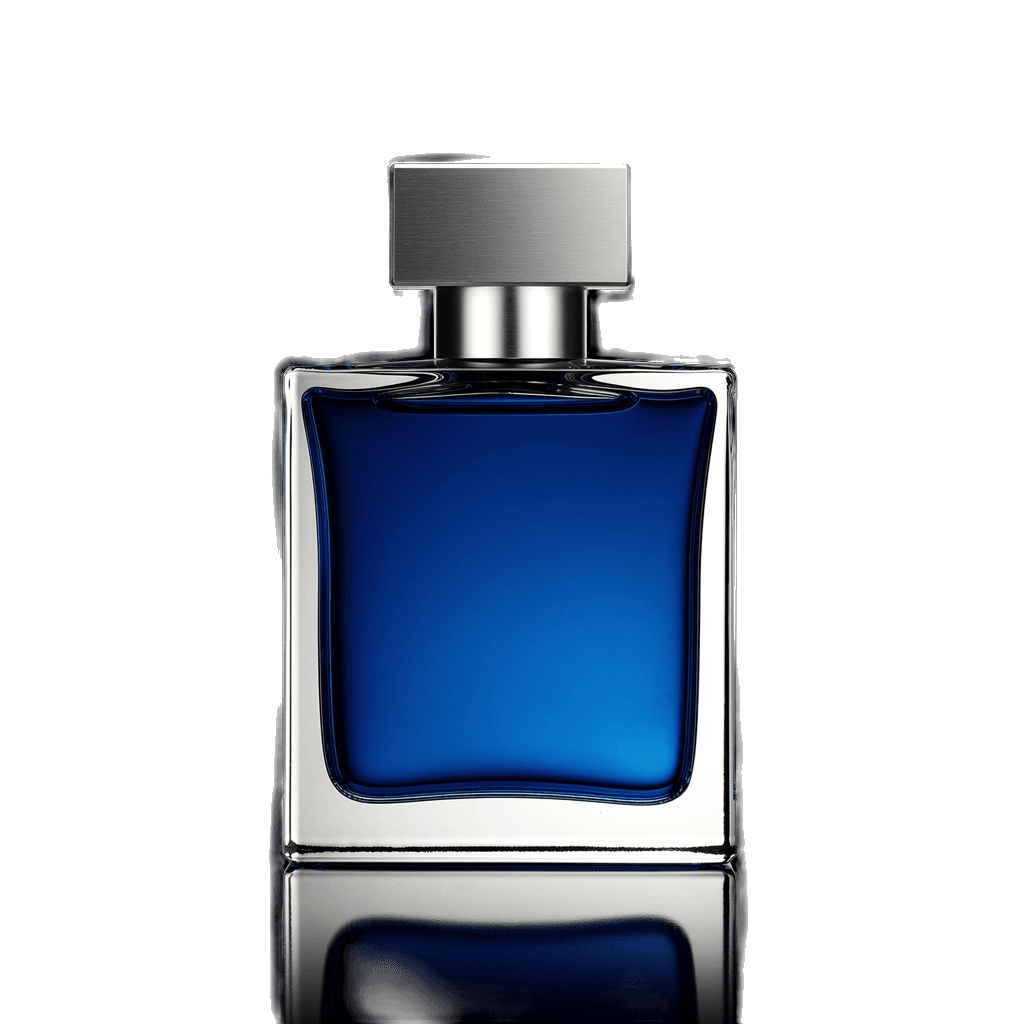
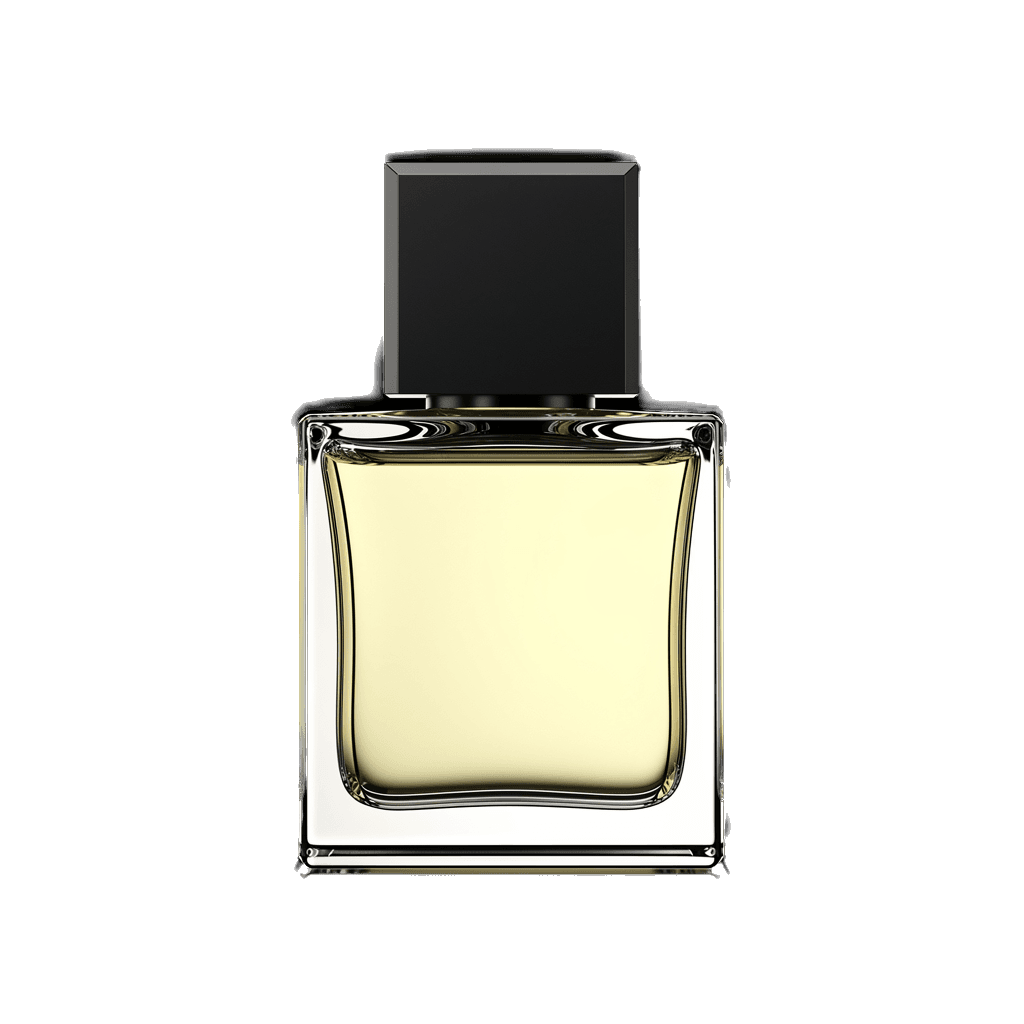
M. Micallef’s visual identity revolves around crystal‑embellished glass. Each flacon features hand‑set Swarovski crystals that form patterns inspired by architecture, nature, or abstract art. The crystal work not only adds sparkle but also creates a tactile surface that invites close inspection. Labels are printed in a minimalist serif typeface, often in black or deep navy, allowing the bottle’s shine to dominate the composition. The brand’s advertising imagery frequently pairs the perfume with monochrome portraits or still‑life compositions, emphasizing the interplay of light on the crystal surface. Store displays echo this approach, using mirrored surfaces and soft spotlights to highlight the reflective qualities of the bottles. The overall aesthetic conveys a sense of refined opulence without relying on overt branding, positioning the perfume as a collectible object as much as a scent.
Philosophy
M. Micallef frames perfume as a dialogue between scent and story. The founders describe their work as an effort to translate emotion into aroma, choosing ingredients that evoke memory as much as mood. They prioritize transparency in sourcing, favoring suppliers who can trace raw materials back to their origin, especially for rare woods and resins. The house values restraint, allowing each note to breathe rather than layering indiscriminately. Creative decisions often begin with a visual sketch or a piece of music, which then guides the selection of accords. This interdisciplinary approach reflects the brand’s belief that fragrance should engage all senses, not just the nose. By limiting production runs, M. Micallef aims to keep each scent intimate, encouraging wearers to develop a personal connection rather than treating the perfume as a mass‑market commodity. The philosophy also extends to the bottle, where hand‑applied Swarovski crystals serve as a tactile reminder of the care invested in each creation.
Key Milestones
1996
Martine Micallef and Geoffrey Nejman launch the house in Grasse, establishing a workshop focused on artisanal perfume creation.
2000
Introduction of hand‑decorated crystal bottles, a visual hallmark that differentiates the brand in the niche market.
2010
Collaboration with perfumer Jean‑Claude Astier results in a new fragrance, marking the first external nose partnership.
2015
Release of the Aoud series, reflecting deep research into oud extraction and positioning the brand within the niche oud segment.
2020
Launch of Hypnotic Musk Nectar, expanding the portfolio into modern musk compositions while retaining the house’s artisanal ethos.
2024
The brand celebrates its 28th anniversary with a limited‑edition flacon featuring a new crystal pattern inspired by Grasse’s historic perfume houses.
At a Glance
Brand profile snapshot
Origin
France
Founded
1996
Heritage
30
Years active
Collection
5
Fragrances released
Avg Rating
3.8
Community sentiment
Release Rhythm